Citizen initiative looks to change Maine’s cannabis rules, laws and regulations
January 30, 2026
Published by toker

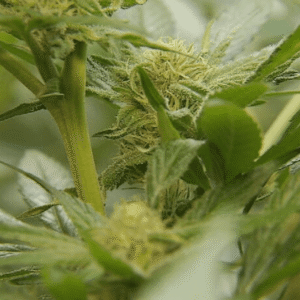
Banana Pastry produces dense, chunky buds that are a sight to behold, often flashing deep purple hues and bright orange hairs. These flowers are covered in a frosty layer of white trichomes that hint at their high potency. The aroma is dominated by a strong scent of ripe banana candy, balanced out by deep undertones of diesel, wood, and fresh earth. When you take a puff, the taste is a smooth mix of sweet banana and tropical berries. The effects begin with a light cerebral lift that clears away the day’s worries before quickly shifting into a heavy, full-body relaxation. It is a powerful choice for winding down or settling in for a long movie night.
The post Banana Pastry Strain Feminized Seeds appeared first on Crop King Seeds.


The post Today at The GOOD | BOGO Friday + FREE Tacos appeared first on AZ Marijuana.

:root {
–navy: #1f2652;
–ink: #111318;
–muted: #6b7280;
–card: #ffffff;
–line: #e5e7eb;
–accent: #ea0029;
–banner: #1f2652;
–banner-sub: #2e3b7c;
–bg: #f7f7fb;
–radius: 16px;
}
/* === GLOBAL === */
.breadcrumbs,
.entry-crumbs,
.entry-title {
display: none !important;
}
* {
box-sizing: border-box;
}
body,
.site-content,
.wrap,
.container {
margin-top: 0 !important;
padding-top: 0 !important;
}
/* === FIX HEADER WHITE SPACE (ON-PAGE SAFE VERSION) === */
.td-main-content-wrap {
margin-top: 0 !important;
padding-top: 0 !important;
}
header,
.td-header-wrap,
.tdc-header-wrap,
.td-header-template-wrap {
margin-bottom: 0 !important;
padding-bottom: 0 !important;
}
/* === HERO === */
.hero {
background: var(–navy);
color: #fff;
padding: 56px 20px 40px;
margin-top: 0 !important;
}
.hero h3.title {
font-size: clamp(16px, 2vw, 22px);
font-weight: 400;
margin-bottom: 4px;
color: #fff !important;
}
.wrap {
max-width: 1100px;
margin: 0 auto;
padding: 0 12px;
}
.title {
font-size: clamp(28px, 3.2vw, 44px);
font-weight: 800;
margin: 0 0 8px;
color: #fff !important;
}
/* === GRID === */
.grid {
display: grid;
grid-template-columns: 1.2fr 1fr;
gap: 20px;
margin-top: 12px;
align-items: start;
}
@media (max-width: 900px) {
.grid {
grid-template-columns: 1fr;
}
}
/* === CONTENT === */
.content {
background: #fff;
border-radius: var(–radius);
box-shadow: 0 10px 24px rgba(17, 19, 24, 0.06);
padding: 20px;
border: 1px solid var(–line);
}
.content p {
margin: 0 0 10px;
}
.content ul {
margin: 0 0 0 18px;
}
.content li {
margin: 6px 0;
}
.content p:first-of-type {
font-size: 1.05em;
line-height: 1.7;
}
/* === FORM CARD === */
.card {
background: var(–card);
border: 1px solid var(–line);
border-radius: var(–radius);
box-shadow: 0 10px 24px rgba(17, 19, 24, 0.06);
padding: 12px;
}
.card h3 {
margin: 2px 0 10px;
text-align: center;
font-size: 18px;
font-weight: 700;
}
.frm_description {
text-align: center;
font-size: 13px;
color: #444;
margin-top: -5px;
margin-bottom: 15px;
line-height: 1.4;
}
/* === PURPLE BANNER BOX === */
.banner {
display: grid;
grid-template-columns: 1fr 220px;
gap: 24px;
align-items: center;
background: linear-gradient(135deg, var(–banner), var(–banner-sub));
color: #fff;
border-radius: var(–radius);
padding: 24px;
margin: 18px 0;
}
.banner h4 {
margin: -6px 0 20px; /* moved up slightly for better vertical balance */
font-size: clamp(20px, 2.2vw, 26px);
color: #fff;
text-align: left;
}
.banner ul {
list-style: none;
margin: 0;
padding: 0;
}
.banner ul li {
position: relative;
padding-left: 24px;
margin: 6px 0;
line-height: 1.6;
font-size: 15px;
text-align: left;
color: #fff !important;
}
.banner ul li::before {
content: “✔”;
position: absolute;
left: 0;
top: 0;
color: #fff;
font-weight: 600;
}
.banner img {
align-self: center;
width: 100%;
height: auto;
border-radius: 12px;
}
/* Lift the text column slightly for better balance with image */
.banner > div {
align-self: start;
margin-top: 15px; /* adjust between -6px and -14px as needed */
}
@media (max-width: 700px) {
.banner {
grid-template-columns: 1fr;
}
}
/* === FOOTER === */
.foot {
text-align: center;
color: #8b90a1;
font-size: 12px;
padding: 18px 0 36px;
}
.td-crumb-container {display:none;}
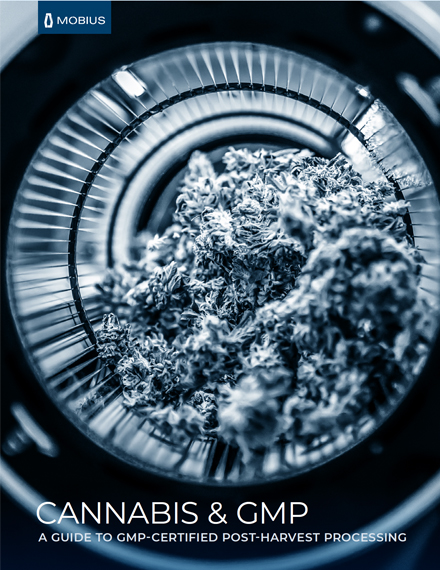
Achieving GMP certification can open doors to new markets and strengthen your credibility with buyers—but getting there doesn’t have to be overwhelming.
This free guide from Mobius breaks down every step to help you build a GMP-ready cannabis operation, from equipment standards and cleaning validation to personnel training and documentation. You’ll learn how to bring pharmaceutical-grade quality assurance to post-harvest processing—without losing efficiency or scalability.
Created by the compliance experts at Mobius, this guide distills real-world GMP experience into practical actions you can apply immediately to your facility.
After multiple arrests, Florida officials are ramping up a criminal investigation of a marijuana multistate operator-funded adult-use cannabis legalization campaign even further – just days ahead of a key deadline to qualify the measure for the November ballot.
The criminal probe into the Smart & Safe Florida campaign, funded by Tallahassee-based Trulieve Cannabis Corp., shows the administration of Gov. Ron DeSantis, a sworn enemy of cannabis reform, is “using every means necessary to stifle the voices of over a million Florida voters,” a campaign spokesperson told MJBizDaily.
ADVERTISEMENT
Florida is the largest medical-only cannabis market in the U.S. and represents a massive opportunity for the legal industry.
But DeSantis’ administration has opposed adult-use marijuana legalization every step of the way.
Marijuana MSO
The post Florida officials step up ‘criminal probe’ of marijuana legalization campaign on eve of deadline appeared first on GrowCola.com.
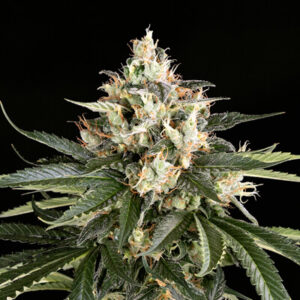
In this report, we’ll outline our time with Dough Boy Feminized from the Sensi Seeds 2025 release with Death Row. This plant surprised us with its incredible combination of sativa-like stretch, remarkably average height, and impressive yields. While keeping this thing in line presented a few minor challenges, the final result was one of the most impressive yields we’ve ever recorded.
The post Dough Boy Feminized Grow Report appeared first on Sensi Seeds.
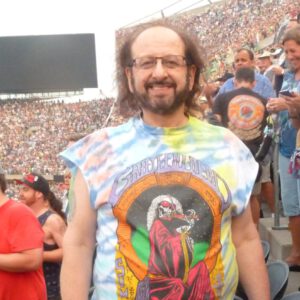

As a metaphor for the passage of time, The Simpsons’ episode “Homerpalooza” (season 7, episode 24) portrays Homer in an exercise in nostalgia: while reminiscing about his youth, he assures his father that despite his age, balding head, and growing belly, he’ll keep on rocking forever. Forever. Forever. The innocence and raw truth of that scene seem trifling for Concert Joe, a Brooklyn resident who dedicates his life to rocking out: at 72, he has been in the game for over 50 years and has attended a staggering 24,000 live concerts.
“I feel like a worn-out tire,” Concert Joe tells High Times, in a confessional tone, while lamenting the leg and foot pain that’s taken a toll on him. At his age and with his hectic lifestyle, he’s bound to deal with some ailments: “I need a dozen operations, have severe asthma, a bad heart and bad lungs from exposure by 9/11.” To deal with these ailments, he smokes weed, and to keep going, he attends concert after concert, nonstop. “My entire life is nothing but weed and music!” he confesses.
A quick calculation suggests that he has spent about eight full years of his life traveling on the subway. “I may have taken the NYC subways more than anyone in history, average 4 or 5 hours per day, around 300 days per year for 53 years.” And so far in 2025, Concert Joe has spent about 131 consecutive days and nights attending live music shows. Sometimes, he even sees up to three entire concerts a night. A truly insane feat and a genuine physical achievement. We’re talking about 196 concerts from July 8th to today, nonstop, for a total of 327 full shows during 2025.
But it’s not all sunshine and roses: noise, feedback, and distortion do take their toll. “My health is pathetic,” he insists. However, he’s not planning on stopping, not for his body, not for anything. In fact, to finance his habit (a rather expensive one, by the way), he’s taken out about three loans to buy tickets and has already spent more than… $700,000 on tickets. “I hardly slept for 50 years from rushing all over NYC to attend concerts and get home and then to work and college, and then 3 concerts per night in the 90’s!”

Of course, this staggering string of 24,000 shows began somewhere. And to add to the mystique, he pinpoints two moments: Richie Havens, at his cousin’s wedding, but—officially—marks his debut as a concertgoer in February 1971, at a Byrds show at Carnegie Hall. Ready, set, go! 1, 2, 10, 100, 10,000, 20,000, 24,000, and who knows how many more. But there was one concert that truly redirected the course of his life, and that was the Grateful Dead concert at Roosevelt Stadium in New Jersey in September 1972. That’s the show that “seriously redirected my life,” he states.
For Joe, the best moment of concerts is at the beginning, specifically when the audience is desperately trying to find their spots. Furthermore, amidst the lights and explosions, he identifies the band’s entrance on stage as “the best time to light up.” Basically, he says, because “security is usually overwhelmed and distracted.” Joe has a point; and that’s not Joe speaking, it’s his experience doing the talking.
In that sense, after years immersed in the rock and roll scene, Grateful Dead and Jerry Garcia (their legendary guitarist and singer) concerts mean a lot to him, since they were the ones that have always fostered the most 420-friendly ecosystems. Those are, ultimately, the ones he enjoys the most, and that guide his audience toward a distinctly spiritual experience.
“There was a Grateful Dead concert during the Weed Drought of 1979. Almost no one had weed at the show, and an old friend came by and gave me two Thai Sticks. As I licked the glue on the Rolling Paper, the lights went out and the show began,” he recalls. More recently, a concert from the Chronic World Tour 20 years ago comes to mind, featuring Snoop Dogg, Eminem, and Dr. Dre, that “featured an 8 feet tall chrome skull that spoke and blew out smoke.”
Through wisps of smoke, Joe distinguishes the rock audience from the rest: “Quite often, I go to see classical music and then right after that another concert featuring Rock n’ Roll music, and there is a tremendous difference in the vibe between classical and JamBand audiences… JamBands have the best cannabis vibe. Classical concerts don’t have light shows, whereas rock concerts do, which has a big effect when you’re stoned, but these days I’d rather concentrate on the band or orchestra and not be distracted by the lights.”

Beyond all that, Concert Joe is a man of experience, a seeker who can never settle. And who, for having been there, in the thick of it, he knows some stories inside out. For instance, he sees this present moment as “more open and more corporate since it is legal,” referring to weed. However, he doesn’t consider it strictly positive: “Totally corporate these days, with all attention on money and little on the consumer or cannabis quality. NY State legal dispensaries had terrible weed for the first 18 months they were open. NY State had the worst and most mis-managed cannabis legalization program in American history.”
Until recently, Joe had to build his own “special stealth cannabis toking devices” to avoid getting caught. There’s even a list: “Frisbee-pipe, joint balloons, smokeless pipes, under the seat smoking devices, etc., and blowing out smoke through a rolled up sock after taking a breath mint. Insert doobie into metal funnel attached to plastic tubing and light under the seat, so security can’t see.” A true prodigy of technique that also led to a kind of artistic escape: his hands are now also those of a weed artisan.
“One time at the Jerry Garcia Broadway Concerts in 1987, promoter Bill Graham had the ushers crawl on their knees to look down each row to look for smokers, but they couldn’t catch me… Except once, and I have the entire episode recorded on tape. In 1990, mayor Doomberg instituted the New York City non-smoking law for all venues and Concert Halls. At the Madison Square Garden’s Grateful Dead show that year, security told me that I was the first one busted under the new anti-smoking law, but they couldn’t find anything on me so they let me go.”
Time and again, the Grateful Dead are at the heart of his stories. In fact, the 1976 Beacon Theater concert, which erupted in riots when 200 people stormed the upper level, driving the police crazy, ranks among the most unforgettable of his life. And it wasn’t precisely because of the music, but because of the adrenaline rush.
Even with all these adventures under his belt, with their ups and downs, Concert Joe considers New York, specifically Brooklyn and Manhattan, to be the true 420 capital, the home of magical concerts, and the epicenter of rock culture. “The Brooklyn Bowl is listed as the greenest club in history. Feels like Cannabis Central,” he emphasizes. And the friendliest place to smoke pot, of all the places he’s been? “Woodstock, NY has probably been the most cannabis-friendly place in America since the 1969 Woodstock Festival.”

So, even if his memory were to fade, some concerts would remain tucked away in his mind. There, he lists the Watkins Glen concert with the Grateful Dead, the Allman Brothers, and The Band (600,000 attendees) on July 28, 1973; the Ronnie Lane ARMS Benefit with Eric Clapton, Jimmy Page, Jeff Beck, Bill Wyman, and Joe Cocker (all in one band!) at Madison Square Garden on December 8, 1983; and The Three Tenors, with Pavarotti, Domingo, and Carreras, at Giant Stadium in New Jersey on July 20, 1996.
At the time, Concert Joe’s addiction to live music led him to uncompromising positions. These stances, to most people, might seem utterly crazy. For example, he hasn’t listened to recorded music for almost 50 years. Not on the radio, not on CDs, not on vinyl, and only occasionally, yes, online. He confesses: “I check out a few seconds of a YouTube video to determine if a band is worth seeing.”
And with so much rocking out under his belt, this record-breaking man (mind you, none of this is for record-breaking reasons, he’s just living life on the edge, fueled by his addiction) knows that his always chasing “the next high —music, that is,” for his “love of cannabis and addiction to live music,” he concludes, as he heads off for his next 24,000-plus show. Because he can. Because he wants to. Because rock ‘n’ roll is his thing. Because, despite the passage of time, and despite the paunch and bald patches, Concert Joe will keep on rocking forever. Forever. Forever.
<p>The post This 72-Year-Old Has Been to 24,000 Concerts. Weed Is How He Keeps Going. first appeared on High Times.</p>

Cannabis is legal across much of America. So why is one of legalization’s longest-standing activists still facing jail time in Idaho?
Cannabis legalization has transformed the United States. Dispensaries operate openly, billion-dollar companies trade publicly, and politicians routinely celebrate the end of prohibition. Yet for Dana Beal, one of the longest-standing figures in the American marijuana legalization movement, the war never really ended.
Beal, 78, a New York–based activist and co-founder of the Global Marijuana March, is facing jail time in Idaho following a marijuana trafficking arrest that began with a traffic stop in January 2024. While cannabis is legal in much of the country, Idaho remains one of the strictest prohibition states in the U.S., and Beal’s case highlights the sharp contradictions that persist in a supposedly post-legalization era.
In January 2024, Beal was traveling through southern Idaho when the vehicle he was riding in broke down along Interstate 84 near Gooding County. According to court documents and reporting from local outlet KTVB, an Idaho State Police trooper stopped to assist, claimed to smell marijuana, and subsequently searched the vehicle. Officers reported finding approximately 56 to 58 pounds of marijuana, along with smaller amounts of other substances.
Under Idaho law, possession of more than 25 pounds of marijuana constitutes felony trafficking and carries severe penalties, including mandatory prison time.
Beal was jailed following the arrest and remained in custody for nearly two months.
On March 9, 2024, Beal was released after supporters posted a $250,000 bond. His release was widely covered by New York media and activist circles, with Beal returning to New York while awaiting further court proceedings.
At the time, Beal publicly framed the case as political, arguing that he was being punished not just for transporting cannabis, but for decades of open defiance against prohibition. In interviews, he described his continued activism, including efforts to push for marijuana reform even in Idaho, as a “moral stand.”
In December 2025, Beal appeared in Gooding County court and accepted a plea deal, pleading guilty to amended felony charges related to marijuana possession with intent to deliver. According to KTVB, the plea agreement reduced Beal’s exposure to a potentially far longer sentence.
His sentencing is currently scheduled for February 24, 2026. As of now, Beal is not incarcerated and has not yet begun serving a sentence.
Some outlets, including CelebStoner, have reported that Beal is expected to receive a sentence of approximately four months in jail, though final sentencing has not yet occurred.
For Dana Beal, this is far from his first encounter with the criminal justice system. Over the past several decades, he has been arrested numerous times for marijuana-related offenses, including a 2011 case in Wisconsin involving more than 180 pounds of cannabis, for which he served multiple years in prison and survived a heart attack while incarcerated.
Beal is a longtime YIPPIE organizer and founder of Cures Not Wars. He helped organize Rock Against Racism concerts, hundreds of smoke-ins, and the Global Marijuana March, becoming a fixture of New York’s counterculture scene. For years, he openly distributed cannabis at protests as an act of civil disobedience, long before legalization was politically viable.
More recently, Beal has also been an outspoken advocate for ibogaine, a plant-derived psychoactive compound studied for its potential in treating opioid addiction, PTSD, and traumatic brain injury. He has claimed that some of his cannabis activity was intended to fund humanitarian and medical efforts, including plans to assist Ukrainian soldiers suffering from battlefield trauma.
Beal’s case underscores a central tension in modern cannabis reform. While legalization has succeeded politically and commercially, it has done little to protect those who carried the movement when it was illegal, stigmatized, and dangerous.
State borders remain legal minefields. A substance that generates tax revenue in one jurisdiction can still trigger felony charges in another. Activists who spent decades fighting prohibition now watch a regulated industry flourish while they remain exposed to harsh enforcement in prohibition states.
Dana Beal is not facing prison because cannabis failed. He is facing prison because legalization arrived unevenly, without reconciliation, amnesty, or repair.
As the cannabis industry continues to mature and professionalize, his case raises an uncomfortable question. What responsibility does legal cannabis have to the people who made legalization possible, and who are still paying the price for it?
For Dana Beal, the movement succeeded. The system never caught up.
Photo: Shutterstock
<p>The post Legal Weed, Illegal Life: Dana Beal and the War That Never Ended first appeared on High Times.</p>