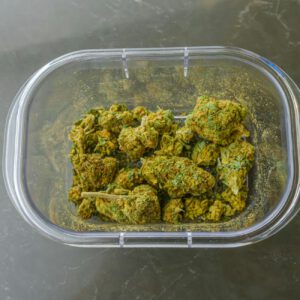
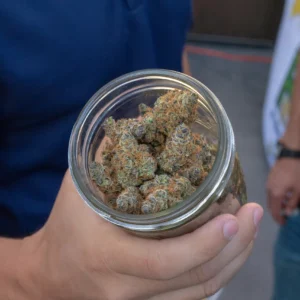
Is Europe Moving Away From Cannabis Flower?

Is Europe Moving Away From Cannabis Flower?


Is Europe Moving Away From Cannabis Flower?

Spain’s medicines agency has published the first official guidance for medical cannabis preparations, confirming that its incoming market will exclude raw cannabis flower in favour of ‘standardised’ oral solutions prepared exclusively in hospital pharmacies. 

Since proposals for this more restrictive approach were first made public in February 2024, advocates have challenged its limited scope, arguing it will limit access for thousands of Spaniards who could potentially benefit from medical cannabis treatment. 

It comes as its neighbour, France, edges towards the final stages of implementing its own national medical cannabis framework, which also omits raw flower in favour of measured, pharmaceutically focused dosing methods. 

As amendments to Europe’s largest medical cannabis market, Germany, are still being hammered out in its parliament, even Drug Commissioner Hendrik Streek suggested that banning flowers could be on the table. While unlikely, it highlights the growing association between medical cannabis flower and ‘pseudo-recreational’ consumption in Germany, also being seen in the UK and Australia. 

For Curaleaf International, the first to bring both cannabis pastilles and a CE-certified liquid medical cannabis inhaler to the UK market, this growing shift is more a result of a maturing European market than a rejection of flower itself. 

“I don’t see this as a wholesale move away from flower across Europe,” Juan Martinez, CEO of Curaleaf International, told Business of Cannabis. “It’s better understood as how newer frameworks choose to establish themselves.”

“But this does not mean Europe is abandoning flower. In mature markets like Germany and the UK, flower continues to play an important role and will do so for the foreseeable future. It offers fast onset, familiarity, and clinical value for many patients. What we’re seeing is divergence based on regulatory starting points — not a rejection of flower as a medical option.”

What Spain’s formulary reveals

The AEMPS formulary, published in Spain’s official state gazette (BOE) as reference FN/2026/FMT/043, provides the most detailed picture yet of how Spain’s medical cannabis market will operate in practice.

The guidance mandates that all cannabis medicines be dispensed as oral solutions containing standardised THC-dominant (5-150 mg/ml) or CBD-dominant (10-150 mg/ml) preparations, mixed with medium-chain triglycerides (MCT oil) as a carrier. Hospital pharmacists will prepare individualised formulations based on physician prescriptions, with patients receiving glass bottles with dosing mechanisms.

It also specifies maximum daily doses, with adults prescribed up to 32.4mg of THC and 25mg/kg of CBD, while pediatric patients face stricter limits due to concerns about THC’s effects on neurocognitive development.

The four approved indications are consistent with those published in the Royal Decree approved last October, including spasticity due to multiple sclerosis, severe refractory epilepsy, nausea and vomiting caused by chemotherapy, and chronic refractory pain. 

Cannabis preparations can only be prescribed ‘as a last resort’ after patients have demonstrated that other authorised medications, including Sativex, have proven ineffective.

While the decree technically permits cannabis flower, it restricts it to sealed, single-use vape cartridges for use with CE-approved medical devices. 

The formulary’s publication means Spain is pressing ahead despite two separate Supreme Court appeals filed in December and January by pharmacy associations challenging the hospital-only dispensing model. Those appeals argue the restriction violates existing pharmaceutical law and creates unnecessary barriers to patient access, particularly in rural areas.

Why are Europe’s emerging markets excluding flower? 

Martinez argues that the shift away from flower is a natural evolution in a market focused purely on cannabis as a medicine, helping grease the wheels of integration into existing healthcare models. 

“Both France and Spain have launched highly restrictive, hospital-oriented programmes,” he explained. “In that setting, excluding flower is a cautious choice. Flower introduces variability in dosing and administration that can be difficult to reconcile with pharmaceutical norms.

“Standardised formats – oils, capsules, or device-delivered extracts – are easier for clinicians to prescribe, monitor, and integrate into existing clinical workflows.”

Spain’s detailed preparation instructions, standardised cannabinoid concentrations and strict dosage requirements illustrate this focus on pharmaceutical consistency, which is far harder to achieve with dried flower where cannabinoid content can vary from batch to batch and can be influenced by a myriad of factors. 

Juan Martinez, CEO of Curaleaf International.
Juan Martinez, CEO of Curaleaf International


“France, for example, is entering 2026 in a transitional phase from a pilot program to a permanent system,” he continued. 

“It’s a tightly controlled environment aligned with pharmaceutical standards, focused on consistency and clinical oversight rather than rapid scale. In that context, regulators tend to prioritise formats that look and behave like conventional medicines: standardised preparations, controlled dosing, and delivery systems that fit within existing hospital and pharmacy models.”

“That naturally drives interest in alternative formats, and it’s where Curaleaf has been leading. We were first to market with cannabis pastilles in the UK, and we’ve introduced Europe’s first CE-certified medical inhalation device, with more form factors coming.”

The ‘perception issue’

While dried flower remains dominant in almost every established medical cannabis market, these products are often lifted directly from recreational markets like Canada and the US, carrying the same names and branding, and with them the lingering stigma. 

This association is seeing politicians, medical professionals, and even patients become increasingly uncomfortable with its use as an everyday treatment. 

“Perception matters. In many countries, an inhaled cannabis flower still carries the stigma of recreational use. Martinez acknowledged. 

“A medical-grade device helps draw a clear line between therapeutic use and that legacy stoner image. When a patient uses a rigorously tested vaporiser or liquid inhaler, it looks and feels more like a legitimate medical treatment.”

Australia, Germany, and the UK all face ongoing challenges managing the perception that their medical cannabis programmes serve as de facto recreational access, particularly given flower’s dominance. 

As we’ve discussed previously in coverage of the incoming French market, by opting for a more pharmaceutically focused market from the get-go, this dynamic can be largely avoided. 

“This distinction is often what allows medical cannabis frameworks to gain political acceptance in the first place. So yes, the devices solve a clinical need for precision and safety, but they also solve a perception problem by signalling that we’re not just handing out joints to patients. In doing so, they give regulators and clinicians confidence that cannabis can be administered in a ‘doctor-friendly’ and socially acceptable way.

“In early-stage medical programs, regulators are keen to avoid anything that looks recreational. Inhaled flower still carries that association in many countries. Starting with non-flower products allows policymakers to frame these systems as strictly medical and build legitimacy before potentially broadening access.”

With this in mind, however, Martinez suggests that ‘regulatory change doesn’t eliminate underlying patient need, and demand doesn’t disappear by decree’. 

As such, these incoming frameworks will ‘test’ whether alternative treatment forms ‘truly meet patient need’, or whether they prove to be merely a ‘marginal solution for a narrow group of patients’. 

“In other words, the approach is understandable for a cautious rollout, but its practicality and inclusivity will need to prove themselves over time.”

While patient demand for flower, a familiar and reliable form of treatment, remains dominant in the majority of medical cannabis markets, its becoming increasingly clear that pharmaceutical-grade delivery devices will define the next phase of European market growth.

In the second part of this series, we’ll examine the technical requirements behind CE-certified medical devices, the clinical case for liquid inhalation, and what Curaleaf’s multi-year device investment says about the direction of Europe’s market.

The post Is Europe Moving Away From Cannabis Flower? appeared first on Business of Cannabis.

Source link

Durian Fuel Strain Feminized Seeds

Durian Fuel Strain Feminized Seeds

Durian Fuel Strain Feminized Seeds

Description

Durian Fuel earns its name with a pungent and polarizing aroma that demands attention. The scent is a wild mix of tropical fruit and deep, earthy skunk that resembles its namesake fruit. As you exhale, the flavor shifts from the sweet berry and creamy vanilla of Runtz to a heavy, gassy diesel finish. The effects kick in fast, delivering an immediate cerebral uplift that feels like a wave of motivation and focus. It provides a great deal of “espresso-like” energy, making it a top choice for getting through a busy day or sparking a creative session. Because of the Runtz influence, the high remains smooth and manageable, keeping you feeling relaxed and social without the racy edge found in some sativas.

The post Durian Fuel Strain Feminized Seeds appeared first on Crop King Seeds.

Source link

New Florida Bill Would Legalize Recreational Marijuana And End 'Monopolies' In Medical Cannabis With Expanded Business Licensing

New Florida Bill Would Legalize Recreational Marijuana And End 'Monopolies' In Medical Cannabis With Expanded Business Licensing

New Florida Bill Would Legalize Recreational Marijuana And End 'Monopolies' In Medical Cannabis With Expanded Business Licensing

A Florida lawmaker has introduced a new bill to legalize recreational marijuana that also aims to break up what he calls “monopolies” in the state’s current medical cannabis program by revising the business licensing structure.

The legislation, filed by Sen. Carlos Guillermo Smith (D), comes as the state Supreme Court reviews the constitutionality of proposed adult-use legalization initiative that an industry-funded campaign is seeking to place on the November ballot.

Under the new bill, adults over 21 years of age could legally possess up to four ounces of smokable marijuana or cannabis products containing up to 2,000 milligrams of THC. Medical cannabis patients would be allowed to grow up to six flowering plants at home for personal use.

Medical marijuana businesses that apply for adult-use licenses could begin selling cannabis for recreational purposes beginning next January.

“We can’t call ourselves the ‘Free State of Florida’ while continuing to criminalize cannabis use by grown adults,” Smith told Marijuana Moment on Thursday, adding that a majority of voters approved a legalization initiative at the ballot in 2024 that wasn’t enacted after “falling just short of the state’s arbitrary 60 percent threshold.”

“The message from voters was unmistakable: they want change,” he said. “Senate Bill 1398 answers that call by legalizing cannabis for adults 21 and over in a safe, responsible, and tightly regulated way.”

“It also ends state-created medical marijuana monopolies by opening the market to small businesses and gives Floridians the freedom to cultivate their own cannabis if they choose,” the senator said. “It’s time for the Legislature to stop ignoring the will of the people, end draconian criminalization laws, and finally deliver a fair, legal, and accountable cannabis system for Florida.”

Under the new bill, current medical cannabis dispensaries—known as medical marijuana treatment centers (MMTCs)—could apply for retail licenses to sell recreational marijuana. And only cannabis purchased from licensed businesses would be legal to possess.

People with prior convictions for activity made legal under the bill would also be given an opportunity for resentencing and expungement.

The legislation stipulates marijuana and paraphernalia would be exempt from being taxed—but only for medical cannabis patients and caregivers. Additionally, local governments would be able to levy a business tax on dispensing facilities.

There’s been some criticism among advocates about the current medical marijuana system, specifically around the idea that vertical integration and licensing caps have effectively created a marijuana monopoly in the state.

In an attempt to address that issue, the bill would break out licensing categories. In contrast to the current system of seed-to-sale businesses, regulators would offer individual licenses to cultivate, manufacture, transport and sell cannabis products.

There isn’t a specific mandate for an increase in the number of licensed marijuana businesses, but the measure would direct the state Department of Health to adopt rules on “procedures and requirements for…the registration and registration renewal of MMTCs.” Depending on the outcome of that rulemaking process, new businesses could enter the market.

Also, registered cultivator and processors would be able to do wholesale transactions with other MMTCs, which is not currently permitted under Florida’s medical cannabis program.

The legislation would also task the Department of Agriculture and Consumer Services to adopt rules adopt “regulating the cultivation of marijuana by members of the public for their private use, including rules regulating the use of a cooperative model for cultivation.”

Here’s an overview of additional Florida marijuana developments:

In the background, a campaign is working against the clock to collect enough signatures to again put the question of adult-use marijuana legalization to voters at the ballot. But there have been complications.

Most recently, the Republican attorney general of Florida and several business and anti-marijuana groups urged the state Supreme Court to block the legalization initiative, calling it “fatally flawed” and unconstitutional.

The attorney general’s office last month asked the state Supreme Court to review the constitutionality of the legalization initiative. The court accepted the request and set a schedule for state officials and the cannabis campaign to file briefs this month. Proponents of the measure have until January 12 to submit response briefs, then the opposition has until January 20 to reply.

The briefs were filed days after Smart and Safe Florida filed a new lawsuit against state officials, alleging that they improperly directed the invalidation of about 71,000 signatures as a turn-in deadline approaches.

In March, meanwhile, two Democratic members of Congress representing Florida asked the federal government to investigate what they described as “potentially unlawful diversion” of millions in state Medicaid funds via a group with ties to Gov. Ron DeSantis (R). The money was used to fight against the 2024 citizen ballot initiative, vehemently opposed by the governor, that would have legalized marijuana for adults.

The lawmakers’ letter followed allegations that a $10 million donation from a state legal settlement was improperly made to the Hope Florida Foundation, which later sent the money to two political nonprofits, which in turn sent $8.5 million to a campaign opposing Amendment 3.

The governor said last February that the newest marijuana legalization measure is in “big time trouble” with the state Supreme Court, predicting it would be blocked from going before voters this year.

“There’s a lot of different perspectives on on marijuana,” DeSantis said. “It should not be in our Constitution. If you feel strongly about it, you have elections for the legislature. Go back candidates that you believe will be able to deliver what your vision is on that.”

“But when you put these things in the Constitution—and I think, I mean, the way they wrote, there’s all kinds of things going on in here. I think it’s going to have big time trouble getting through the Florida Supreme Court,” he said.

In 2023, the governor accurately predicted that the 2024 cannabis measure from the campaign would survive a legal challenge from the state attorney general. It’s not entirely clear why he feels this version would face a different outcome.

While there’s uncertainty around how the state’s highest court will navigate the measure, a poll released last February showed overwhelming bipartisan voter support for the reform—with 67 percent of Florida voters backing legalization, including 82 percent of Democrats, 66 percent of independents and 55 percent of Republicans.

Separately, Florida medical marijuana officials are actively revoking the registrations of patients and caregivers with drug-related criminal records. The policy is part of broad budget legislation signed into law last year by DeSantis. The provisions in question direct the state Department of Health (DOH) to cancel registrations of medical marijuana patients and caregivers if they’re convicted of—or plead guilty or no contest to—criminal drug charges.


Written by Kyle Jaeger for Marijuana Moment | Featured image by Gina Coleman/Weedmaps

The post New Florida Bill Would Legalize Recreational Marijuana And End 'Monopolies' In Medical Cannabis With Expanded Business Licensing appeared first on Weedmaps News.

Source link

Bipartisan Lawmakers Warn That Even One Mistake In Push For Psychedelics Access Could Derail Progress

Bipartisan Lawmakers Warn That Even One Mistake In Push For Psychedelics Access Could Derail Progress

Bipartisan Lawmakers Warn That Even One Mistake In Push For Psychedelics Access Could Derail Progress

Bipartisan congressional lawmakers are stressing the importance of strategically advancing psychedelics reform in a way that mitigates bureaucratic conflict and the influence of outside interests. Even just one misstep could threaten to upend the movement, they say.

At a public forum in Washington, D.C.—hosted by the Psychedelic Medicine Coalition (PMC) and Mission Within Foundation (MWF) last week—Reps. Lou Correa (D-CA), Jack Bergman (R-MI) and Morgan Luttrell (R-TX) spoke about the work ahead to provide access to psychedelics for patients.

Much of the focus centered around the need to give military veterans alternative treatment options for serious mental health conditions such as post-traumatic stress disorder (PTSD). Psychedelics like MDMA and ibogaine could help fill that gap, the legislators said.

Luttrell said a key challenge supporters are up against is the inaccessibility of data from private research institutions that could demonstrate the therapeutic efficacy of psychedelics—something that he argued would likely move the needle for members who are on the fence on the issue.

The congressman said he and colleagues have pressed agencies such as the Department of Defense (DOD), U.S. Department of Veterans Affairs (VA) and U.S. Department of Health and Human Services (HHS) about the problem.

“How do you get inside those organizations, use the data to conduct research, push that out longitudinally and make changes that actually improve people’s lives?” he said they’ve asked of the agencies.

“When we talk about the effects of ibogaine, it’s amazing,” Luttrell, a veteran himself who has been open about his experience going abroad to use the psychedelic to treat conflict-related mental health conditions, said.

“The results of these medications are profound in the veteran community, and the very entities responsible for caring for our veterans are not moving on this,” he said. “So yes, there is a problem.”

“How do we fix it? We’re working on it every day, but the United States government keeps getting in its own way,” he said. “Until the day I leave, I will keep talking to my colleagues on the left, right and center—because they are trying to get this done. Make no mistake, this is a delicate lane we’re walking in. If we push hard and screw this up, it’s gone just like that.”

Correa, who alongside Bergman co-chairs the Congressional Psychedelics Advancing Therapies (PATH) Caucus, also slammed the government for dragging its feet on moving the issue forward given the prevalence of suicides within the veteran population.

Considering the relationship between mental illness and homelessness, substance misuse and other societal issues, the congressman said it’s unacceptable that more isn’t being done to promote psychedelics therapy to support those who stand to benefit from the novel drugs. And that makes it all the more impressive that lawmakers across the aisle on Capitol Hill are making incremental progress.

“To see what is before us today, I think, is nothing less than a miracle,” Correa said. “We’ve come up with a cure—a cure for a major challenge we have in society.”

But like the other panelists at the public forum, he added a word of caution: “We can’t mess it up.”

“We have to move forward very aggressively, because constituents need it. Our veterans needed it yesterday, not today. And again, I’m going to use the statistic: 20 to 40 lives lost to suicide every day. We’ve got to move,” he said.

Bergman, for his part, said that “if the system, if bureaucracies, compete against themselves, we have a problem.”

“What we face here as a legislative body is a series of bureaucratic silos built over time—silos that not only don’t know what’s happening in the others, but quietly compete for resources and funding so they can keep doing what that bureaucracy does,” he said. “Our role as members of Congress is to ensure that the natural competition—the healthy competition—exists where it should.”

“The challenge is bureaucracies competing for limited resources. It’s up to us, as the legislative branch, to pass good laws and fund appropriations that support research—to find better ways, breakthrough therapies, and actually implement them for the betterment of patients. The subtle part for us is making sure we don’t waste time and money unnecessarily competing within the government itself.”

Luttrell added that a “majority of members of the House of Representatives don’t know what this is,” referring to psychedelics therapy.

“For those who do, it’s very taboo,” he said. “We’ve had conversations with members of Congress who, not that long ago, were putting people in prison for this. That’s the history. And now here we are taking this stance—that’s not the case anymore.”

“As we talk with members of Congress, explain it, show them the numbers, show them the testimony and the results, some of them have an ‘aha’ moment. And that helps us move legislation,” the congressman said.

But again, he emphasized: “If we screw this up—if one member blows up on this—it’s gone.”

“Do you hear me? If one member of Congress absolutely goes off on this, we’re going to push a new low. That’s how dangerous this is,” Luttrell said. “If you’re not beating yourself against the wall saying this is the most profound medication on the planet that can literally change lives—especially under this cognitive umbrella and these addiction problems we have—then you’re missing it. It’s amazing. Literally amazing.”

Bergman agreed with his colleague’s broader point, saying “some of our fellow members are very risk-averse,” and that applies to psychedelics despite the growing bipartisanship around the issue.

“When you combine that with bureaucracies that are naturally risk-averse, you get one piece of the puzzle. But you also have to consider who loses—or feels like they lose—if we succeed and these breakthrough therapies move forward,” he said.

The congressman seemed to be hinting at the idea that special interests outside of the psychedelics space have a vested interest in maintaining the status quo of prohibition and research restrictions for the novel therapeutics.

“So you have natural opposition. I’m not going to name names, but it’s there—and they will try to influence the process. Most of us here are old enough to remember those cartoons where you had a little character on one shoulder whispering in your ear, and another character on the other shoulder whispering something else, trying to influence you.”

“That’s part of the reality you have to consider. Our role is more than a team effort. It’s about overcoming the concerns of people who don’t know, but want to give this a chance,” Bergman said, adding that he’s still “confident that we’re on the right path, especially with the research.”

“This is about perseverance over time. I’m not going to quit,” he said. “One by one, something is going to happen that creates an ‘aha’ moment for people who are on the fence right now—and that’s okay. We’ll get there. We just can’t quit. We have to keep moving forward.”

Other speakers at the event included MWF chief executive Jay Kopelman, PMC co-founder Melissa Lavasani and Crossroads Treatment Center founder Martín Polanco.

Meanwhile, Attorney General Pam Bondi recently missed a congressionally mandated deadline to issue guidelines for easing barriers to research on Schedule I substances such as marijuana and psychedelics.

The Drug Enforcement Administration (DEA), for its part, has separately finalized quotas for legal production of controlled substances in 2026—further raising the amount of certain psychedelics that can be made for research purposes this year.

Late last year, VA faced criticism after rejecting a grant application from an organization that helps connect veterans to programs abroad where they can receive psychedelic therapy to treat serious mental health conditions.

A former U.S. senator said recently that she’s personally spoken to the heads of both VA and HHS about the therapeutic potential of psychedelics like ibogaine—and both members of Trump’s cabinet were receptive to reform on the issue.

While former Sen. Kyrsten Sinema (I-AZ) mentioned that Collins wasn’t especially familiar with psychedelics therapy before joining the Trump administration, the secretary has since become one of the most vocal proponents of advancing reform to facilitate access for veterans.

In July, for example, the VA secretary touted his role in promoting psychedelics access for veterans with serious mental health conditions, saying he “opened that door probably wider than most ever thought” was possible.

Image courtesy of CostaPPR.

The post Bipartisan Lawmakers Warn That Even One Mistake In Push For Psychedelics Access Could Derail Progress appeared first on Marijuana Moment.

Source link

Meet Weedy Won K, the Viral Stoner Turning Bad Weed Ideas Into Comedy

Meet Weedy Won K, the Viral Stoner Turning Bad Weed Ideas Into Comedy

Meet Weedy Won K, the Viral Stoner Turning Bad Weed Ideas Into Comedy

A single stoner can stand in for all stoners. Within an environment centered around education, science, data, and health—that is, within a certain formality, thoroughness, and rigor—Weedy Won K is what is commonly known as “comic relief,” a comical flourish that alleviates the “tension” of the plot. For Educannabis, the 420 educational project led by the Mexican Luis Fer Alpha, Weedy Won K serves as an antagonist: “I represent the figure of the stoner, which could be any unseasoned stoner, like that irresponsible dopehead who needs a little educational guidance,” Weedy himself confesses to High Times.

The starting point for his content is basically being out of weed: a fertile ground for Weedy, since we’ve all been there at some point in our lives, without pot, without a single leaf to smoke. It’s that exact moment that Weedy captures to create his internet alchemy.

Hacks are the most popular, many of which are ridiculously silly. So ridiculous, in fact, that you might say, ‘Dude, I’m not going to do this, it’s too stupid.’ That’s the humor behind the hacks: they end up being ridiculous but effective. Ultimately, if you apply them, they’ll work, no matter how silly they seem,” he assures.

In that sense, the first funny recommendation that went viral was, in fact, about something totally absurd: weed stems and what to do with them (instead of throwing them in the trash, by default). There, Weedy recommended not throwing them out, but storing them in a container, decarboxylating them, and then infusing them with butter. Today, that video has almost 1.5 million views.

And behind the character, there’s the man. Beneath that pop-rock persona, the flesh, bones, and mind of Pedro Daniel Cabrera Costeño, the creative director and digital strategist at Educannabis. Pedro is a 24-year-old who, about four years ago, started embodying Weedy, a character that quickly took off. “I didn’t go to parties much or talk to people much. I was very shy. Being Weedy forced me to become a little more extroverted. And when I’m Daniel, I act more introverted.”

Originally from Zumpango de Ocampo, in the State of Mexico, Pedro Daniel Cabrera Costeño was the typical slacker who spent his time playing video games and smoking pot. That’s why Weedy Won K also became a passport to productivity and recognition. “I feel very grateful to people. And I try to make them think of me as my friends, that they can tell me anything, because I always remember where I come from. My life was very different, and I’m very grateful for all of this.”

Likewise, in his civilian role, his Clark Kent phase, when he lets his weed-fueled Willy Wonka self rest, he works at Educannabis promoting content-driven creativity, collaborations, and brands. “I like to share what I know with others, so they can understand it and know how to do it too. What I enjoy most about my work is being able to be myself. I’d like to be an inspiration to someone else and be able to share messages. Well, and give a voice to other stoners.”

And among his audience, there’s a perfect alchemy between those who watch him while being super high just to get a laugh and those who truly see Weedy as the ultimate stoner, like that dope friend who knows all the ins and outs. “Ultimately, the point is for people to have fun watching it. Not to see it so critically. There are some who tell me, ‘Bro, I got kicked out of my house because of you.’ It’s content, have fun!

In fact, all that recognition that resonates on social media often translates into real life, like when the Educannabis team attends the 420 rallies and, there, amidst swirls of smoke, they receive firsthand the affection of the public. “That closeness made me realize that the message we’re sharing is reaching the right people and that we’re doing things the right way.”

But not everything is sunshine and roses in the 420 cosmos. Content creators like Weedy Won K often face censorship. Therefore, one way to evade this pushback from social media platforms was renaming cannabis as “magic broccoli,” a concept that the industry has embraced without question. “It felt super nice that everyone received that and started using it. We often have to play with the algorithm: say one thing and show another. We try to get people to complete the jokes by themselves and make them part of it. It’s also a bit of a censorship trip, you know?” jokes Weedy Won K.

Indeed, Weedy smokes all the time. Sleeping is the only time he’s not smoking. In fact, just minutes before this interview, he was dabbing away, and in the morning, he says, he smoked some big blunts. “I’ve been smoking daily for two and a half years. I’m almost always smoking. I even smoke before my food arrives. I also do it at night, when the hustle is over, that’s the time to smoke properly,” he says. What about the best joint he’s ever had? Ugh, he’s smoked so much that the experience itself makes him doubt. Although he thinks “the best” was one he tried recently, an indoor flower. He put some hash rosin on that joint and, he says, “it was delicious.”

Meanwhile, his days are a mix of 420 marketing, social media strategy, and a focus on numbers. Virality is his main objective. And the substrate? The cannabis universe, of course. Regarding the future of Weedy, Pedro Daniel Cabrera Costeño, the civilian, the man, the creative director, the Clark Kent of flesh, blood, and mind, casts a veil of mystery: “I don’t know if I can keep being Weedy all the time. I don’t know if I can keep doing this forever.”

Will these be the last videos of the lovable stoner character? He doesn’t know. Nor will we know for now. But don’t worry: everything seems to indicate that there’s still some time left for Weedy. Because, suddenly, Pedro’s new horizon lies in an old dream: to be a film director. Time will tell. We’ll see what life has in store. “I want to transcend in art, in something that can remain in the world, even if I cease to exist. That was always my goal as a kid,” dreams the hack guy, the genius of viral jokes, the man who plays the character who plays one stoner, hence all stoners.

<p>The post Meet Weedy Won K, the Viral Stoner Turning Bad Weed Ideas Into Comedy first appeared on High Times.</p>


Source link

Thailand: Russians caught selling magic mushrooms for ‘stress relief’

Article: What to expect from 2026: Defending drug policy reform through dark times

Article: What to expect from 2026: Defending drug policy reform through dark times

At the start of a new year, it is always worth taking a moment to reflect on the past 12 months. In 2025, the tensions and contradictions at the heart of international drug policy became even harder to ignore. Despite the ever-expanding support for human rights standards and health-centred approaches at the UN level, political momentum in many […]

Source link