Supervisors to address zoning changes, hear cannabis revenue update Tuesday | Government and Politics
January 24, 2026
Published by toker

Care demand does not arrive neatly organized by department. A single patient encounter can move quickly from intake to diagnostics, into treatment, and then into recovery or discharge planning. Each step depends on the one …
Continue reading “Managing Care Demand Across Multiple Departments”

LOS ANGELES – Infused beverage brand Nowadays hired Christopher Forster-Smith as director of regulatory affairs. Forster-Smith previously served in a senior capacity with the U.S. Department of the Treasury’s Alcohol and Tobacco Tax and Trade Bureau (TTB).

In the newly created position, he will leverage his TTB experience in alcohol regulation, compliance, and taxation. During his more than eight years at the government agency, he managed all cannabis and hemp related policies and issues for the Regulations and Rulings Division.
The addition of Forster-Smith comes at a critical time for the company, as hemp regulation has taken center stage at both the state and federal levels. Working closely with Nowadays’ general counsel and head of regulatory affairs, Michelle Bodian, he will be crucial in advancing the company’s regulatory strategy for the longevity of the category. His work will also involve leveraging best practices from alcohol regulations, creating a reasonable tax structure for THC beverages, and advocating cross-functionally alongside supply chain partners, alcohol trade associations, and other industry stakeholders.
Forster-Smith holds a PhD in political science from The Johns Hopkins University.
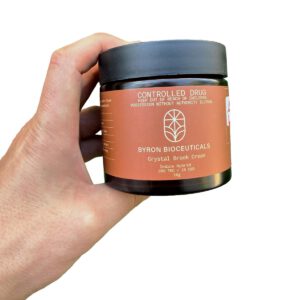
Strain Overview Brand: Byron BioceuticalsType: Indica-dominantTHC: 28%CBD: <1%Total Terpenes: ~3%Primary Terpenes: Caryophyllene, Limonene, LinaloolCultivar: Project 33Price: $149 RRP (10g) — $129 with concessionOrigin: Grown in Australia, Cymra (Superbly) facility Appearance Crystalbrook Cream presents well-structured, evenly cured buds that reflect careful cultivation and handling. Trichome coverage is consistent across the flower, giving it a frosted, resin-rich […]
Source link

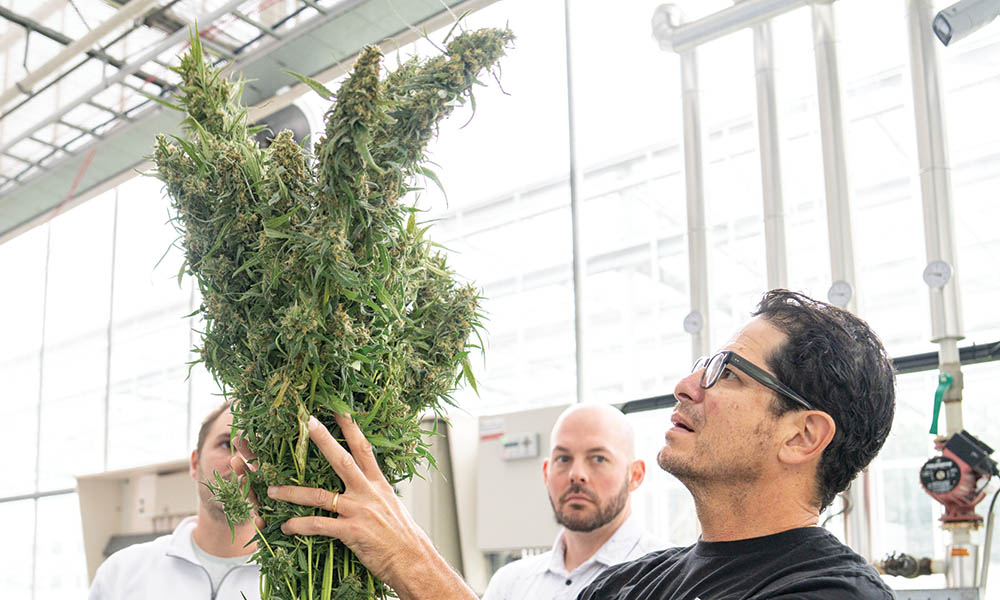
As CEO and co-founder of Innexo, Dominique van Gruisen leads one of Europe’s most advanced cannabis research and development facilities, where cultivation science meets pharmaceutical precision. Innexo is a Dutch cannabis contract research organization that designs and conducts cultivation and technology trials for clients across the cannabis sector, helping companies test innovations under controlled, data-rich conditions.
His impressive career in cannabis spans two decades and encompasses Belgian patient advocacy and clinician networks, as well as European biotech lobbying and cultivation consulting on both sides of the Atlantic. Van Gruisen’s goal is ambitious: to take cannabis beyond cultivation and into a world of validated data, reproducible genetics and true pharmaceutical reliability, which demands consistency. So, how do you do that?
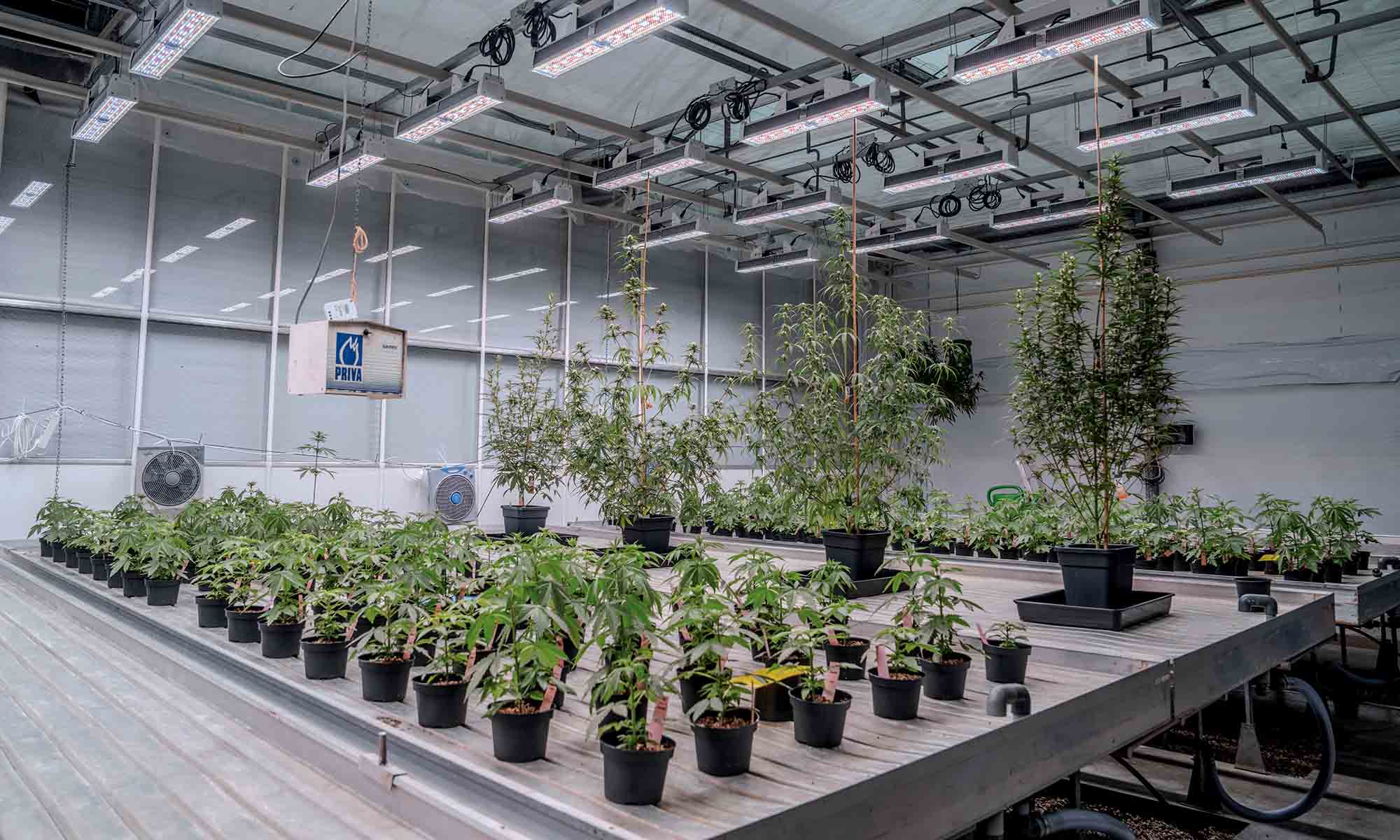
Based in Meterik, a village in The Netherlands, Innexo is conducting independent trials on lighting, nutrients and genetics in an effort to generate measurable, reproducible data that brings cultivation closer to pharmaceutical standards. And through some key partnerships, they’ve come up with some profound techniques. The research center is currently working with Las Vegas-based lighting company Fohse, examining how precision lighting from their Cobra LED system affects plant structure, cannabinoid expression and energy efficiency.
“We’re using the Cobra Pros, and soon we’ll have tunable-spectrum models from Fohse,” van Gruisen says. “They have sensors that constantly read the natural light in the greenhouse and adjust automatically. If we can work with a dynamic spectrum that mirrors the sun, we can replicate the same conditions anywhere on Earth, in any season.”
The study benchmarks a range of metrics—from cannabinoid and terpene expression to morphology and energy use—to quantify how light affects consistency. “Their system fills your stack with data,” van Gruisen says. “That’s what we’re after: information that lets us build validated cultivation models rather than assumptions.”
Lighting defines the environment; genetics define the foundation. To address that, Innexo partnered with sister companies Innoveins Seed Solutions and SeQso to develop—wait for it—the world’s first AI-driven seed-sorting system for cannabis.
“They collect the spectral data of each seed in a non-destructive way,” van Gruisen says. “Then they grow that seed, record its traits, feed those traits back into the system and the algorithm learns which spectral patterns predict which plant characteristics.”
When he first heard of the technology, van Gruisen says, “I literally pulled my car over to call people.” Tests confirmed it worked for cannabis, opening the door to non-destructive quality-control certification at the seed level. “If there’s something you can distinguish, you can design a seed-sorting algorithm and push a batch through to separate the good from the bad,” he says.
The implications of this technology stretch beyond yield. AI analysis can detect pathogens such as hop latent viroid and certify genetic quality before cultivation begins. “Companies are developing F1 hybrids—stabilized lines,” van Gruisen says. “By scanning the seeds, you can fine-tune even further so your starting material is as robust as it can be.”
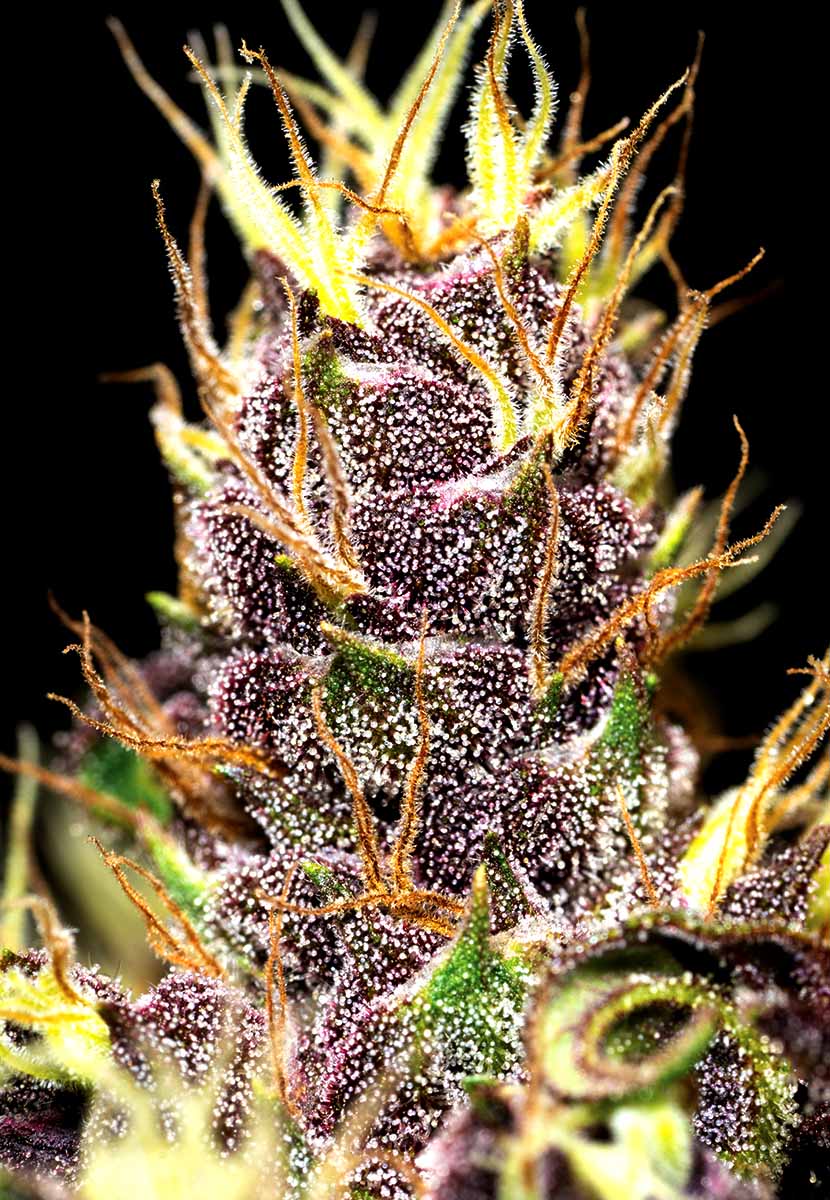
Van Gruisen believes AI-based seed fingerprinting could also reduce the industry’s dependence on cloning. “Even when you use clones, you still find big deviations in secondary metabolites depending on the season or humidity,” he says. “It’s very difficult to provide a consistent product in flower form.” Regulatory frameworks, he notes, demand pharmaceutical precision.
“When regulators say cannabis has to be a medicine, they mean it should be 98 to 102 percent consistent with what’s on the label,” he says. “That’s almost impossible with a natural product. But with solid F1 hybrid genetics that start from seed, you add another quality-control checkpoint.”
For cultivators, F1 seeds offer cleaner starts, lower costs and easier scalability. For patients, they promise reliability—the same genetics, the same relief—every time.
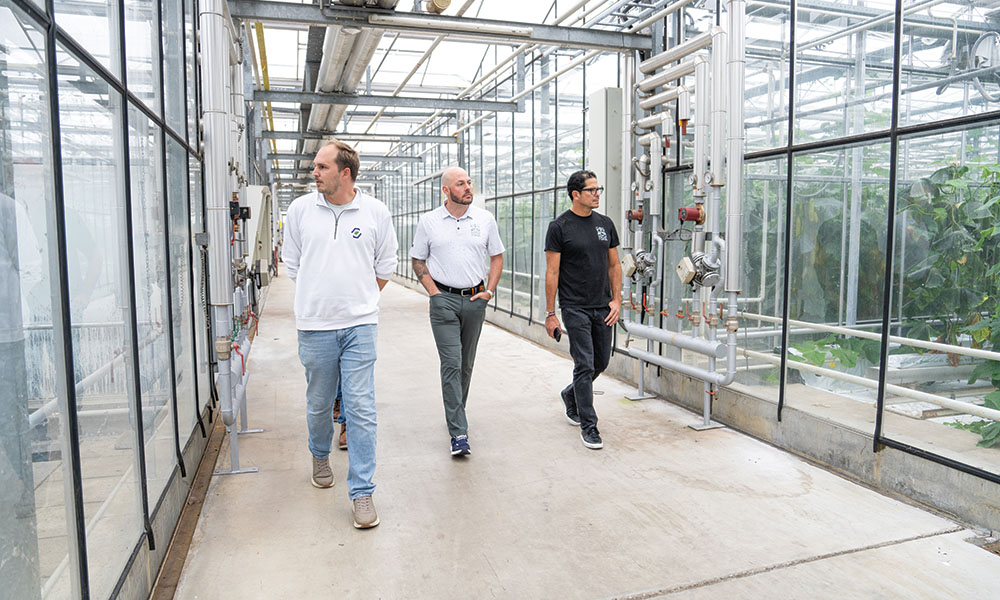
Van Gruisen describes Innexo as a link between two sectors that rarely speak the same language. “Growers talk in grams per square meter,” he says. “Pharma talks in validated datasets and deviation tolerances. We sit in the middle, making those conversations possible.”
That bridge extends beyond technology. Innexo is also reviving iconic legacy cannabis genetics—long-flowering, terpene-rich cultivars—and reintroducing them through advanced lighting and AI-guided cultivation. He aims to right some of the wrongs the industry has made. “We took a lot of wrong turns with cannabis in the last 20 years,” he says. “It’s time to rediscover what made this plant valuable in the first place and do it with proper science.”
The post The World’s First AI-Driven Cannabis Seed-Sorting System Is Here appeared first on Cannabis Now.

In the wake of recent climate-related disruptions, conversations across Jamaica’s cannabis industry have understandably focused on damage, setbacks, and recovery. Those conversations matter — but they are only the beginning. At Ganjactivist.com, we believe rebuilding isn’t just about replacing what was lost.It’s about upgrading what comes next. That belief is what led us to launch…
The post Jamaica’s Cannabis Industry: What Operators Actually Need Right Now. first appeared on .
Customers today ask sharper questions about plant-based wellness products. They want clear answers, not hype or vague claims. This shift places real responsibility on local brands and retailers. You no longer just sell products; you …
Continue reading “CBD Basics Explained: A Small Business Guide to Responsible Education”

Behind the progression towards legalization and acceptance of cannabis in the United States are the driving forces: cannabis advocates. A cannabis advocate, in short, is an individual who supports cannabis legalization, education, and positive culture growth as it relates to the cannabis plant and its use. Cannabis advocacy movements have taken a shift over time and into a multitude of locations.
As of 2025, cannabis is recreationally legal in nearly half of U.S. states and medically legal in many more. There are several cannabis advocates and advocacy groups behind the changes in laws in the various states. Advocates identify a variety of reasons to change the laws and counsel the lawmakers regarding the same. Advocacy groups like the Drug Policy Alliance have highlighted how cannabis’s criminalization disproportionality impacts people of color and low-income communities. The group pushes for policies which affect legalization, as well as those who are incarcerated for drug offenses. Cannabis advocates lobby for cannabis legislation and regulation. They engage with policymakers, organize petitions, and rally public support to ensure cannabis laws reflect current scientific understand and social attitudes.
Improving education regarding the effects, utilization, and benefits of cannabis can lead to safer practices and fewer stigmas. This type of advocacy aims to ensure that people understand how to safely use cannabis. Advocacy groups work to establish standards for cannabis products, promoting safe consumption and transparency in labeling. For example, this could potentially include advocating for third-party testing, child-resistant packaging, and accurate THC/CBD content information.
The work of cannabis advocates is far from over. As federal and state industries evolve, these individuals and their organizations continue to play a critical role in global legislation, innovation and research, community engagement, and policy refinement.
https://cannabistrainers.com/your-voice-matters-becoming-a-cannabis-advocate/
https://greennv.com/get-involved-cannabis-reform-groups/
https://harborhousecollective.com/what-is-cannabis-advocacy-examples-insights/
https://www.apaservices.org/advocacy/news/marijuana-research-law
https://wheresweed.com/blog/legalization/2020/aug/what-is-a-cannabis-activist-how-to-become-one
The post Cannabis Advocacy 101: What Advocates Do and Why It Matters appeared first on Connor & Connor PLLC.
“The people have spoken. I’m proud to see this funding distributed across Ohio and look forward to seeing the ways these funds will benefit local communities.”
By David Beasley, The Center Square
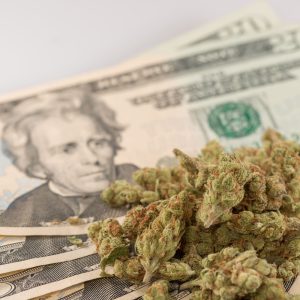
For cities and towns in Ohio that have allowed recreational marijuana dispensaries, it’s payday time.
A 10 percent tax on cannabis products, approved by Ohio voters in 2023, goes to cities and towns with dispensaries at 36 percent rate of the tax revenue, according to state law.
This month, cities and towns with dispensaries are receiving their first checks, a total of $33 million.
The city of Piqua is one of those, with a check for $438,000, which it plans to use for park improvements.
“Local governments—including Piqua—decided to allow recreational marijuana sales within their communities based on the understanding that funds would come back to local control to best serve the individual needs of the community,” city manager Paul Oberdorfer said in a statement.
A small town called Seven Mile Village, which has a population of only 712 people and an annual budget of about $75,000, received a check for $400,000, State Sen. Steve Huffman, R-Tipp City, told The Center Square.
Huffman, a medical doctor, opposed legalizing recreational marijuana in Ohio but once it was approved by voters, sponsored legislation that established regulations for dispensaries and a mechanism for distributing some of the tax revenues to local governments.
“The people have spoken,” Huffman said of the 2023 referendum. “I’m proud to see this funding distributed across Ohio and look forward to seeing the ways these funds will benefit local communities.”
There were proposals to tax recreational marijuana as high as 20 percent, Huffman said. But the lawmakers settled on 10 percent.
“If you tax something too high, then people will go to the illicit market,” the senator said. “We’re trying to provide a safe avenue for people.”
The revenue checks may convince cities and towns that rejected marijuana dispensaries to reconsider, Huffman said.
“There are jurisdictions that have buyer’s remorse,” he said. “They may be wishing they had a dispensary so that they would have gotten some of that tax money.”
It’s not too late. There are currently 176 marijuana dispensaries in Ohio but state law allows up to 400.
“Those governments that have moratoriums can revoke them and make that decision to bring in the business,” Huffman said.
This story was first published by The Center Square.
The post Ohio Cities Begin Receiving Marijuana Revenue To Support Local Programs And Services appeared first on Marijuana Moment.