

Carry On Cannabis sets up shop on the Boulevard | Local News
January 6, 2026
Published by toker
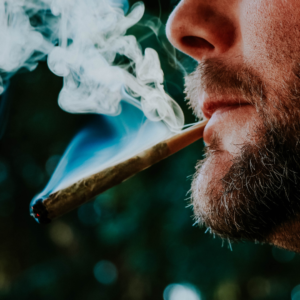
About one in three Americans says their holiday “pre-game” routine involves using marijuana, according to a new survey.
The poll from the Freeman Recovery Center looked at a variety of ways the use of alcohol and other drugs intersects with the holiday season, when family get-togethers and financial stress from gift giving tend to come to a head. As it turns out, a sizable portion of Americans are using cannabis to decompress.
“Because holiday celebrations are so ingrained in American culture, it can be challenging to pinpoint what exactly exacerbates substance use behaviors around this time of year. However, we wanted to figure out why,” the center said.
The survey of over 1,000 respondents “revealed that for many, substances like alcohol weren’t just part of holiday parties, but a way to endure the season,” it said.
About half of Americans said they “pre-game” before holiday family gatherings. Alcohol is the most common choice at 51 percent, but cannabis now comes in second at 31 percent—including 43 percent of Gen Z and millennials. Another 12 percent said they used psychedelics before family events.
For people with a substance use history, that increased: 68 percent used alcohol, 50 percent consumed cannabis, and 26 percent opted for psychedelics.
“Despite financial stress being a common experience during the holidays, not every generation turned to substances. For example, 42 percent of Gen X and 68 percent of baby boomers said they had not used substances to cope with holiday financial pressure,” the center said. “On the other hand, millennials reported the most self-medication when faced with financial stress, with 54 percent using alcohol and 45 percent using cannabis.”
The data on cannabis usage during the holidays isn’t especially surprising, as more than half of American adults report having use cannabis, according to a 2023 Pew poll from this summer, and 23 percent said they consumed marijuana in the prior year.
When it comes to holidays specifically, mainstream media outlets this past November picked up on a trend that’s long been practiced within the cannabis community: the “cousin walk,” a Thanksgiving pre-game (and usually pre-dinner) tradition for some, where the typically younger adults at a gathering will sneak away for a cannabis break before the feast begins.
Written by Kyle Jaeger for Marijuana Moment | Featured image by Gina Coleman/Weedmaps
The post One In Three Americans 'Pre-Game' With Marijuana Before Family Holiday Gatherings, Survey Finds appeared first on Weedmaps News.

The PhilaDelic Fall Forum laid out a roadmap for wider use of ibogaine and mushrooms to treat addiction and depression as stigma fades. Leading chemists, psychiatrists, treatment professionals, academics and activists gathered to expand the medical use of psychedelic drugs.
After spending the day with therapists, scientists and patients at the PhilaDelic Fall Forum, it was clear that the increasingly visible trend of using psychedelics to treat opioid addiction — and a wide range of other mental illnesses — has been moving forward in more ways than ever.
The historic gathering of more than 400 medical, scientific and treatment professionals laid out a road map for wider use of psychedelics in the U.S., including a push expected in 2026 for legislation in more than 10 states to fund ibogaine research.
Organized by the Penn Psychedelics Collaborative at the University of Pennsylvania, the forum advanced the idea that even though ibogaine, mushrooms and other psychedelic drugs remain prohibited under U.S. law, they continue to offer treatment options and potential breakthroughs for mental illnesses that are ravaging the health of Americans.
“If we can get the right message across…we could inspire change and activism behind the idea that psychedelics are powerful medicines to help people,” said T. Peterson Wagner, associate director of the Penn Psychedelics Collaborative and the main organizer of the forum, which was held Nov. 22, 2025. “They offer so much promise and potential, but you also have to have a little bit of skepticism about people promising the moon.”
The mind-blowing facts and figures from the lineup of blockbuster speakers provided scientific backing for more action on psychedelics. But the human stories of suffering, hopelessness and heartbreak relieved by ibogaine, psilocybin and other psychedelics seemed to connect even more deeply.
In a testimonial that drew tears and sobs from the audience, Andrew J. Walker, CEO of the non-profit 22forYou Project and an advocate for alternative plant therapies for veterans, law enforcement and first responders, said he turned to ayahuasca and ketamine treatments after conventional medicine failed to ease his deep depression.
“My experience saved my life,” he said. “I was catatonic with depression, staring at the TV all day while it was off. I kept thinking about killing myself without breaking my family’s heart.”
Firefighter Joseph McKay said he suffered from cluster headaches after his experiences in Lower Manhattan in the aftermath of the Sept. 11, 2001, attacks that killed 343 firefighters, including some of his close friends.
“I became addicted to OxyContin and I planned to take my life — I was trying to figure out how to make it look like an accident,” McKay said.
As a last resort, he called a friend of a friend who knew someone who used to go to Grateful Dead concerts, and he tried mushrooms, which “woke me up” and helped ease his post-traumatic stress and headaches. He also used MDMA.
Evelyn Shoop, a nurse practitioner, said her experience with mushrooms was uncomfortable due to nausea during the treatment, but they helped her realize she had cultivated a hatred toward herself for her whole life. The insight helped her gain a fresh perspective with more self-sympathy.
Jared Rinehart, a former Marine and military contractor, said psychedelics helped him cope with anger, excessive drinking and stress.
“I owe my entire life to psychedelic medicine — my problems were because of me,” Rinehart said. “It will only show you — it won’t do any heavy lifting…it can help you highlight things to change.”
For now, many of these treatments would be illegal in most states and at the federal level, but ketamine, which is classified as a less restricted drug, is on the rise in clinics around the country that have grown to nearly 1,000 locations.
Here’s how these treatments typically work.
Instead of a prescription that you fill and then take home, most medical practitioners will provide a dose of mushrooms, ketamine, ibogaine or MDMA in a therapeutic setting.
For ibogaine, these sessions typically happen in places outside the U.S., such as Canada, Mexico and Brazil, while mushrooms and MDMA have been used in some trials and in states where they are legal, including Colorado, Oregon and New Mexico. A therapist is on hand for the experience as a guide.
The most common reason for seeking treatment is to deal with mental illness, but some people travel to these destinations in search of self-awareness or for other personal reasons.
Treatments may run well past $10,000 in some cases. An ibogaine treatment typically requires travel expenses and a stay of several nights at a clinic for screening and counseling after the experience itself, which may last up to 48 hours.
Meanwhile, ketamine clinics have cropped up all over the country for treatments that range in cost from less than $100 to well into the thousands. Johnson & Johnson launched a pharmaceutical version of ketamine called esketamine, which it sells under the name Spravato, a nasal spray available in the U.S. beginning in 2019.
If you want to go completely commando on ketamine, there’s an illicit market for it through postings on Instagram and other social media, but this is not recommended.
While psychedelics still have a social stigma of being sinful or excessively dangerous, they’ve been with our species every step of the way.
Humans have always been drawn to substances that widen consciousness. I’d argue that Adam and Eve ate fruit from the tree of knowledge because they wanted to expand their minds and have a good trip.
Psychedelics like peyote cactus buttons or ibogaine from a plant in West Africa have been used for thousands of years by Indigenous peoples. I even remember one friend’s dad, who took peyote as a young doctor at a Native American reservation in the 1950s, before it was considered cool.
LSD entered the mainstream in the early 1960s with Harvard Professor Timothy Leary, who became a pop culture icon after meeting up with “One Flew Over the Cuckoo’s Nest” author Ken Kesey, as told in the classic Tom Wolfe book, “Electric Kool-Aid Acid Test.”
That trend peaked at the 1969 Woodstock festival in Bethel, N.Y., when attendees were warned not to take the brown acid.
Unfortunately, this all caught the attention of President Richard Nixon, who vowed to crack down on the hippies who were allegedly stealing America’s youth by turning them into drug addicts and then getting them to join the fight against the war in Vietnam.
Nixon established the Drug Enforcement Administration in 1970 and classified marijuana, LSD, peyote, psilocybin, toad venom, DMT from ayahuasca, and ibogaine as Schedule I drugs, meaning they offered no therapeutic value whatsoever and threatened the public with a “high potential for abuse” along with heroin.
Ketamine landed as a Schedule III drug, which opened the door for potential medical use, while cocaine was placed as a Schedule II drug with some medical use.
This all matters because the classification of drugs helps determine the cost and effort needed to potentially introduce new psychedelic drugs with FDA approval. This process typically takes years and tens of millions of dollars, at least, to generate the data needed through human trials.
Schedule I drugs are largely barred from pharmaceutical applications. This continues to generate a strong headwind against research at the federal level to get the ball rolling on potential new product introductions from the world of psychedelics.
The stigma around psychedelics remained strong for many years, and at High Times in the 1990s, the topic would often come up when we’d gather on Friday afternoons at 4:20 pm to imbibe the latest weed.
Mushrooms from the friendly cow fields of Vermont often entered the conversation, for laughs and concerts, along with the typical talk of the latest pot strains from California.
Occasionally, someone would talk about their LSD experiences or debate the meanings of the song “Lucy in the Sky with Diamonds” by the Beatles.
We were curious when High Times writer and Peru traveler Peter Gorman ingested ayahuasca through a blow pipe attached to his nose and then wrote about the subsequent mind-blowing experience. It seemed like a painful way to trip.
For the most part, we focused on cannabis and its relatively mild psychoactive effects as the most popular way to get high at High Times.
Recreational users seeking mystical experiences continue to be part of the fan base for psychedelics, but the move to turn them into FDA-approved medicines, starting with ketamine, began picking up steam as cannabis became legal in many states in recent years.
This push is being driven by the need to address both the raging opioid epidemic and the millions of hard-to-treat depression cases facing the country.
Veterans continue to commit suicide at an elevated rate as they struggle with post-traumatic stress disorder and depression.
Fentanyl claimed about 80,000 U.S. lives in 2023 — or 219 people for every calendar day of the year. Alcohol poisoning kills 178,000 people a year and it’s not even on the list of controlled substances by the federal government, nor is tobacco, which kills about 490,000 people a year.
Psychiatrist Michael Thase pointed out the ineffectiveness of antidepressants in about a quarter of patients and said the safety of the medicines has improved over the years, but they still don’t work for everybody.
Drugs in development, such as GH Research’s toad venom-derived GH001, are in clinical trials and show promise, along with psilocybin, he said. Optimism is high around a reclassification of psilocybin and potential FDA approval in 2026 or 2027, he added.
“I’ve never seen such excitement and enthusiasm for new drugs,” Thase said.
Ibogaine drew much attention at PhilaDelic as a drug that works in a complex way that can actually help restore drug-damaged neurons in the brains of addicts.
Columbia University chemist Dalibor Sames, co-founder of Gilgamesh Pharmaceuticals, which is developing GM-3009 as a derivative of the ibogaine molecule that’s safer for the heart, shared a simplified description of how ibogaine works:
Imagine you’re the mayor of New York City and the citizens desperately want you to fix the clogged traffic in Times Square. You can choose to send more traffic cops to the immediate area. Or you could summon an elite team to fan out across the city to clear out choke points around the city — a more upstream approach to the problem. Ibogaine works like the elite team, not the traffic cops.
“It’s a very intelligent molecular octopus,” Sames said of ibogaine. “It re-edits your brain.”
While it’s promising, it may cost up to $2 billion to develop safe and legal ibogaine in the U.S., he said.
Anna Rose Childress, an adjunct professor of psychiatry at the Perelman School of Medicine at the University of Pennsylvania, is working on a psilocybin trial with human subjects that began this fall and will continue for about 20 months.
“Fear is a barrier we’re facing,” she said. “We need help with peer reviews [of the data from the trial], but there’s still a stigma around studying psychedelics.”
On the medicine front for psilocybin, Compass Pathways Plc is developing COMP360, a synthetic psilocybin, to be administered with psychological support.
The drug has won breakthrough therapy status from the FDA to launch its second Phase 3 trials in the first quarter of 2026 to treat PTSD. Earlier studies have shown that COMP360 “was generally well tolerated and demonstrated both rapid and durable improvement in symptoms from baseline observed following a single administration,” the company has said.
Meanwhile, in Colorado, Rhonda DeSantis of Psylutions, one of the first regulated cultivators of psilocybin in the state, said she was inspired to launch the company after mushrooms helped her heal from an abusive relationship with her now ex-husband. Taken as a medicine, psilocybin helps treat PTSD, pain, anxiety and treatment-resistant depression, she said.
“One of our clients is a minister who doesn’t even drink, who had a low-dose session for an hour,” she said.
Along with mushrooms, the focus for much of the forum was directed at the potential benefits of ibogaine.
Kim Adams, CEO of LYT Marketing Alchemy, moderated a panel on ibogaine therapy programs in Canada, Mexico and Brazil, where thousands of people have been treated.
Bruno Rasmussen-Chavez said Brazil legalized ibogaine for prescriptions in 2016 to help cope with the country’s widespread crack cocaine addiction problem.
Like others, his approach includes thorough medical screening for heart or kidney conditions before allowing patients to get treatment. People with schizophrenia or symptoms of psychosis are not permitted to undergo the treatment.
“There are risks, but it’s not as dangerous if you do it in the right way,” Rasmussen-Chavez said. “The patient must be in a good state of health…and you must be around, checking everything.”
Brooklyn-based Dr. Maurice Hinson, founder of MediRootz Medical Group, said it may take 15 to 20 years of therapy to accomplish the benefits of one dose of ibogaine, which can help patients tap into mystical parts of their mind.
“We are spiritual beings…but spirituality is absent from much of our societal structure,” he said.
He’s heard of 120 deaths from ibogaine over the past 35 years, compared to 3,000 people a year who die from methadone used to treat addiction to heroin and opioids.
The path to wider use of ibogaine would include reclassifying it to Schedule III from Schedule I, conducting human trials, winning FDA approval, establishing regulated treatment centers, and getting insurers to reimburse patients for the medicine. He did not estimate how long this could take.
While such a process is difficult and lengthy, ibogaine has been picking up steam in recent years with support from ex-Texas Gov. Perry and others.
In a historic move for ibogaine, the Texas Legislature in June passed a measure to provide $50 million in funding for ibogaine research.
Lawyer and activist W. Bryan Hubbard, who worked with Perry and appeared with him on Joe Rogan’s show, said he’s working on legislation in 12 more states to open up support for more studies of ibogaine in his capacity as CEO of the advocacy group Americans for Ibogaine. Hubbard met Perry when he was studying the use of millions of dollars in opioid lawsuit settlements to fund ibogaine research in Kentucky.
“We are in an existential struggle for survival,” said Hubbard, who has seen first-hand the ravages of the opioid epidemic in depressed coal mining states. “It’s like the moon shot of our times.”
Steve Gelsi is a former High Times contributor and ex-cannabis reporter for MarketWatch.com
This article is from an external, unpaid contributor. It does not represent High Times’ reporting and has not been edited for content or accuracy.
Photo by christopher lemercier on Unsplash
<p>The post Trip Your Way to Better Health? Researchers See Medical Potential in Ketamine, Mushrooms and Ibogaine first appeared on High Times.</p>
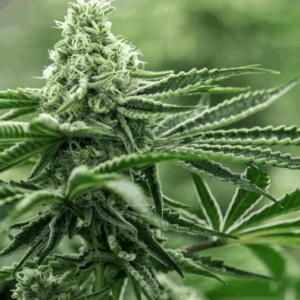

Erin Gorman Kirk said the state has tried to keep the state’s medical cannabis market afloat. Since becoming the nation’s first cannabis ombudsman, Kirk has worked with legislators to make it easier to obtain a medical cannabis card, and for those cards to be effective for longer and in more places.
It hasn’t helped. At the program’s peak in October 2021, there were 54,000 registered medical cannabis patients in Connecticut, and over the last three years that number has dropped from nearly 49,000 to 31,400.
“That’s a shocking decline, I have to say,” Kirk said. “And we’ve made all these inroads.”
To Read The Rest Of This Article On CT Insider, Click Here
The post 2025 Cannabis Sales In Connecticut Likely Lower Than 2024 appeared first on Marijuana Retail Report – News and Information for Cannabis Retailers.

For more than half a century, cannabis cultivation has relied on a simple, widely accepted convention: the 12–12 light cycle, which means 12 hours of light followed by 12 hours of darkness to trigger flowering. It became standard not because growers were wrong or uncurious, but because it worked reliably, it fit human schedules, and it was passed from one generation of cultivators to the next as practical wisdom.
Over time, this routine gained the weight of tradition, treated almost as a biological rule rather than a human-made guideline.
In Argentina, a community of growers and researchers led by programmer-turned-botanist Iván decided to challenge that assumption by running “supercycle” experiments that stretch the day beyond 24 hours and force the plant to reveal how its internal rhythms really work.
Their results, plants flowering under 13–13, 16–16, and other extended cycles, raise a radical possibility for the cannabis world and for indoor agriculture as a whole: “what if the plant’s clock isn’t fixed at all?”
The work is ongoing and largely crowdsourced, but its early results are already challenging some of cannabis cultivation’s oldest assumptions.


In its earliest sense, “hack” meant a clever workaround, a shortcut that solved a technical problem through ingenuity rather than obedience. There is something about hacking code and computer systems. When what was engineered to operate within strict parameters suddenly becomes reconfigured, power dynamics shift, functions mutate, and new processes emerge.
The meaning of hacking evolved, gaining weight and politics. Hacking became a form of dissent, a refusal to accept hierarchies, defaults, or the systems that pretend to be immutable.
And that’s exactly where Ivan’s story begins: inside a hacker community during Buenos Aires’ democratic spring in the late 1980s.
What began as over-the-phone intrusions, BBS experiments, and the thrill of breaking digital locks would, decades later, become a new kind of hacking: reprogramming cannabis light cycles and plant behavior. From HTML to DNA.

The Argentine software programmer, cannabis grower, and researcher remembers those early days as “a way of seeing things.” “You’d look at a system, see how secure it was, and break it just to see what was inside,” Ivan told High Times, from a basement data center that was recently retrofitted into an indoor experimental station.
The instinct hasn’t changed, and in 2025, the system Ivan probes, breaks, and rebuilds isn’t a server. It’s the circadian logic of a plant.
The what?
Plants, like humans, run on internal clocks. A circadian cycle is the biological rhythm that tells an organism when to grow, rest, flower, and conserve energy.
It responds to light and darkness, but it is not a simple on-off switch. It’s a whole choreography of hormones, enzymes, and signals that evolved long before clocks, calendars, or grow tents existed.

Yet, modern cannabis cultivation has treated this rhythm as if it were static, universal, untouchable. The industry’s consensus, almost a commandment, is the 12–12 light cycle for flowering, and that is exactly what Ivan and his community decided to hack.
Instead of accepting 12–12 as nature’s law, they went after it the same way he once went after secure servers: by pushing, stressing, and bending the system to see what breaks, what holds, and what transforms.
They asked a simple but disruptive question: what if the plant’s clock isn’t fixed at all?
When Ivan looked at the 12–12 flowering cycle, he saw not a biological requirement but a cultural inheritance. Growers kept trying to optimize within that frame, adding supplements, adjusting environments, without ever asking why 12–12 became the rule in the first place.
As he puts it, “Why do we spend so much time trying to improve flowering under 12–12 when we don’t even know why we chose it? Why do we treat twelve hours of light as if it were some kind of divine law?”
For him, that unquestioned consensus was the real vulnerability in the system, the part worth probing. Once he stepped outside that frame, he found an even deeper contradiction: the idea of a fixed day length is an illusion.

Ivan pointed out that when the earliest plants appeared, Earth’s rotation produced 22-hour days, and through geological time, the planet has been slowing down. Dinosaurs lived under 23-hour days; we live under 24; future organisms may evolve under 26.
In other words, time, at least as a biological environment, has always been a moving target.
“Biologically, time is unreal,” Ivan said, speaking less as a philosopher than as an experimental grower. What growers call a “natural” 12–12 cycle is not nature’s law but a human convenience.
By manipulating light cycles beyond 24 hours, he argues, indoor cultivation can explore evolutionary pathways the plant has never seen, rather than imprisoning it in a schedule humanity invented for its own comfort.
One of the first shocks growers face when experimenting with supercycles is how quickly the day “slips.” A room that turns on at 9 a.m. one day might switch on at 11 the next, and at 1 p.m. the day after that. It’s inconvenient for humans, but far more natural for the plant.
Ivan pointed out that 12–12 became the norm not because cannabis needs it, but because people do. “We adapted to 12–12 because we function in 12–12,” he says. It matches office hours, daily routines, and the artificial schedules society built for itself.
Plants, however, have no allegiance to that clock. Their biological time is fluid, always evolving, and the supercycle experiments aim to explore how cannabis behaves when freed from the constraints of a human workday rather than a real, biological necessity.
Ivan and Alien, his partner in cannabis research, had been replicating a Canadian study showing that 13–11 light cycles could boost production. Their hacker instinct pushed them further. If 13–11 worked, why not try 14–10, or throw infrared into the mix?
When 14–10 stalled in a semi-vegetative limbo, a friend asked the question that changed everything: “Why do you use a 24-hour timer?” Ivan realized a standard timer would not allow anything beyond a 24-hour day. So he hacked the problem.

He grabbed a WiFi timer, rewrote the schedule, and programmed a 17–13 cycle using what he calls a buffer overflow, the same technique hackers use when they overload a variable to force a system to execute unexpected code.
“We basically gave the plant more hours of light than a day has ever had,” he explained. “And the plants flowered. 17–13 worked.” What started as a joke became the moment they understood the rules were not biological but technical.


They pushed further. Some plants needed longer nights. Others exploded under extended days. They tested strawberries, calendulas, cherry tomatoes, and flowers, and all showed signs of hyperproduction.

Today, more than 2,000 people are registered on their site, with roughly 300 actively running experiments. About 700 plants have already been chemically induced into polyploids as part of parallel breeding experiments.
What began as a workaround after a police raid became a decentralized research cluster, a swarm of small grows acting like a single supercomputer.

“This is going to change it all,” Ivan concluded. “It’s going to be a mess, but it’s going to change everything.”
If he’s right, the most radical shift in modern cannabis cultivation may come not from genetics or nutrients, but from redefining what a “day” actually is.
<p>The post Fuck 12/12: Inside the Supercycle Crew Breaking the Cannabis Flowering Rule first appeared on High Times.</p>

President Trump signed an executive order on December 18, 2025, to reclassify cannabis from Schedule I to Schedule III, a move that significantly impacts the cannabis industry and research. This change will alleviate tax burdens for businesses and facilitate more scientific study into cannabis’s therapeutic potential. While not full legalization, it’s a crucial step toward federal acknowledgment and a more harmonious regulatory environment, ultimately benefiting both businesses and consumers.
Well, well, well, look what the cat dragged in! In a move that sent ripples (and probably a few celebratory smoke signals) across the cannabis industry, President Donald Trump signed an executive order on December 18, 2025, to reclassify cannabis from Schedule I to Schedule III under the Controlled Substances Act.
For those of us who have been following the saga of federal cannabis reform, this is kind of a big deal. Like, really big. We’ve been talking about rescheduling for what feels like eons, and now it’s actually happening! So, what exactly does this mean for everyone from the average consumer to the burgeoning cannabis entrepreneur?
Let’s break down the significance. Previously, cannabis sat squarely on Schedule I, alongside heroin and LSD. This classification meant the federal government viewed it as having a high potential for abuse and no accepted medical use – a stance that countless studies and real-world experiences have long contradicted. It created immense hurdles for research, banking, and interstate commerce.
Moving cannabis to Schedule III places it alongside substances like ketamine and Tylenol with codeine. This isn’t full legalization, mind you, but it’s a monumental shift. It acknowledges cannabis’s accepted medical uses and its lower potential for abuse compared to Schedule I drugs.
For the end-user, the direct impact might not be as immediately dramatic as, say, being able to buy weed at Walmart (we’re not there yet!). However, the indirect benefits are substantial:
Let’s be clear: Schedule III still means federal control and regulation. It’s not a free-for-all. Interstate commerce will likely remain restricted for a while, and the plant isn’t suddenly legal everywhere. But it’s an undeniable step in the right direction, a long-awaited acknowledgment from the highest levels of government that cannabis isn’t the boogeyman it was once portrayed to be.
This executive order is a testament to years of advocacy, scientific discovery, and shifting public opinion. It’s a sign that the cannabis industry is maturing and gaining legitimate recognition. So, cheers to a new chapter – it’s going to be fascinating to watch unfold!


Something unusual is happening in cannabis policy right now.
Groups that almost never agree on anything are suddenly speaking the same language. Major medical organizations, Trump-aligned political operatives, and even cannabis industry advocates, all of them are applauding the same development: marijuana’s move toward Schedule III.
At first glance, it reads like progress. Maybe it is. But when institutions with very different motives celebrate the same policy shift, it’s worth slowing down and asking a simple question: what exactly are they cheering for?
Earlier this month, the White House set in motion the process of rescheduling cannabis under the Controlled Substances Act. After decades listed in Schedule I, a category reserved for substances deemed to have no medical value (where marijuana sat alongside heroin and LSD), the plant is now on track to land in Schedule III. President Trump’s administration has formally directed the Justice Department to expedite this reclassification, and some reports suggest the change could be finalized as early as January 2026.
That momentum has drawn praise from unlikely corners. The American Pharmacists Association (APhA) welcomed the move, saying that moving cannabis to Schedule III will help “accelerate research into its medicinal applications” and potentially lead to “safer and more effective” therapies. From a medical standpoint, this reaction makes sense. Schedule I restrictions have long been a barrier to serious research on cannabis.
At the same time, a Trump-linked political group released a very different kind of endorsement. In a new ad, a conservative nonprofit tied to a pro-Trump PAC praised the rescheduling decision as a major victory, explicitly crediting Trump for “delivering again” on cannabis reform, as first reported by Marijuana Moment. The ad went so far as to claim that this move will “destroy the cartel’s illicit black market” and help ensure “seniors and veterans receive the care they need.” In other words, the Trump-aligned narrative cast rescheduling as a sweeping, law-and-order win for America.
Different worlds, same development. And that’s where the story really begins.
Let’s be clear about one thing: this isn’t theoretical. The Department of Health and Human Services had already recommended moving cannabis to Schedule III; now the White House has instructed the Attorney General to take the steps needed to complete the process An executive order to that effect was signed in mid-December, accelerating a process that actually began with scientific reviews under the prior administration. Reporting suggests the final rule could be in place by late January 2026, an extraordinarily fast timeline for federal drug scheduling changes.
That matters. Schedule III status would mean:
Those are real shifts. And they didn’t happen by accident. They are the product of years of advocacy and evolving public opinion. But they also aren’t the finish line.
This is where the messaging starts to outrun the policy. It’s important to understand what a Schedule III reclassification will not accomplish:
These limitations are structural. They require legislation or broader regulatory reform, not just an administrative reclassification. In essence, Schedule III is best understood as a technical shift, an important one with tangible benefits, but not a cultural or economic reset. It makes research easier. It may ease the tax burden on compliant businesses. It signals a change in federal posture. What it does not do is suddenly rewrite the rules of the cannabis economy or resolve the contradictions of state-by-state legalization.
Which is exactly why the framing of this moment matters so much.
When medical associations praise rescheduling, they’re talking about research, safety, and regulation. That’s consistent with their role. For example, the American Association of Nurse Anesthesiology said rescheduling will expand opportunities for rigorous research into how cannabis and cannabinoids can provide pain relief and how they interact with anesthesia and perioperative care. Pharmacists and patient advocates also emphasize that recognition is not the same as access. Americans for Safe Access put it bluntly: “acknowledgment is not access,” calling rescheduling necessary but limited.
When political operatives frame the same move as a sweeping victory that will “destroy” the illicit market and fulfill a campaign promise, that’s something else entirely. That’s narrative-building. The Trump-linked ad wasn’t focused on science or patient care. It was celebrating a “win” to energize supporters and credit a political figure. The fact that both narratives coexist around the same policy change doesn’t mean either is outright dishonest. But it does mean this single development is being loaded with very different expectations.
Notably, some of the institutions with the most to gain from true federal legalization, banks, insurers, large financial players, have been far more cautious in their response. Many continue to point out that rescheduling alone doesn’t resolve the legal gray areas that still define the cannabis industry, a point underscored by the ABA statement. Similarly, patient advocacy groups have welcomed the step but warn that patients can still face discrimination or lack access to cannabis under federal programs even after rescheduling, as noted by Americans for Safe Access. That restraint is telling. Unlike those crafting optimistic press releases, these stakeholders know the job isn’t done until Congress acts or broader legal changes occur.
Rescheduling might (or might not) equal progress. It’s undoubtedly overdue, and it does appear likely to happen soon. In concrete terms, it will remove some of the shackles that have tied down cannabis research and industry finance. That’s significant.
But it’s also becoming a kind of political Rorschach test. Medical groups see a path to better science and safer patient care. Politicians see a win they can claim credit for. The cannabis industry sees tax relief and a step toward normalizing business. Meanwhile, much of the public just hears the word “legalization,” even though that’s not what’s actually happening here.
When pharma-adjacent institutions and Trump-aligned groups suddenly find themselves on the same side of a cannabis issue, it doesn’t mean something magical has happened or that old conflicts have vanished. It means this policy change is useful to a lot of different narratives at once, and that the real story of what it will or won’t do lives somewhere in between the press releases. The devil, as always, is in the details, and those details will unfold in the months and years after the applause has died down.
<p>The post When Pharma and MAGA World Agree on Weed Rescheduling, Something’s Up first appeared on High Times.</p>

“Moving cannabis to Schedule III represents a fundamental shift in how the federal government and society at large view the plant, transforming the way the cannabis industry operates. This change will empower the 425,000 people working in the US cannabis industry and bring in new talent, capital, and awareness to an industry that has a positive impact on millions of people’s lives.
“At Dutchie, we’ve worked tirelessly alongside our customers and partners toward this outcome for years, putting thousands of hours and millions of dollars towards cannabis policy reform as co-chairs of the Coalition for Cannabis Scheduling Reform. One of the most immediate impacts of rescheduling is the end of the 280E tax penalty, removing a long-standing barrier to growth. This change will also bring in large institutions and services across the business and banking world, allowing this major US industry to have the same support as the rest of our economy. When federal policy catches up to reality, it changes how consumers, families, and patients think about cannabis. That matters just as much as the business impact.”

“Today’s decision to reclassify cannabis marks a significant step forward in modernising U.S. federal cannabis policy and advancing a regulated, responsible market. Rescheduling provides greater regulatory clarity for operators and helps unlock a more sustainable business environment, supporting access to research, improving patient care, and expanding safe, regulated options for consumers. It also represents meaningful progress toward aligning federal policy with state-regulated markets that are already serving millions of Americans. Canopy USA is well positioned for this next phase, with established operations and leading brands including Jetty, Wana, and Acreage. We’ve built our platform with a focus on compliance and quality, and we believe continued policy progress strengthens the foundation for long-term value creation across the U.S. cannabis sector.”

“Ayr Wellness applauds the historic executive order from President Trump to reclassify cannabis from Schedule I to Schedule III. This marks a major step towards unlocking further research into the medical efficacy of cannabis and allowing fair tax treatment for the cannabis industry. Our industry is one of the fastest-growing sectors of the U.S. economy, employing more than 400,000 Americans. Alongside our peers, we continue to advocate for further cannabis reform federally and at the state level, which we believe will be spurred by today’s historic decision.”

“This Executive Order marks one of the most consequential steps forward in U.S. federal cannabis reform in more than 50 years. While rescheduling isn’t full legalization, the President’s announcement regarding Medicare reimbursements for CBD products represents a particularly important development, signaling growing bipartisan momentum toward more common-sense cannabis and CBD policy.
“High Tide has successfully scaled a differentiated retail model across multiple jurisdictions and remains well positioned for the opportunities ahead, particularly in the hemp-derived CBD category. Our leading U.S. CBD brands, NuLeaf Naturals and FAB CBD, are developing Medicare-aligned product categories to support potential inclusion within Medicare Advantage supplemental benefits, building on our existing CGMP-certified operations and large direct-to-consumer customer base. In parallel, we are exploring potential structures that may allow us to expand Canna Cabana into the U.S. through licensing, while maintaining compliance with our NASDAQ and TSXV listings. With approximately four million U.S. customers already in our database, we see meaningful long-term potential across both federally compliant CBD wellness and regulated cannabis markets.”
“Thank you, President Trump, for moving forward with rescheduling cannabis to Schedule III. This action is a landmark moment for our industry and the country. President Trump’s action is the most impactful move taken around the cannabis plant since its prohibition 55 years ago. We applaud the Trump Administration for boldly acknowledging what science, patients, and the industry have known for years: Cannabis has real medical value and never belonged in Schedule I in the first place.
“President Trump promised action and he delivered. Rescheduling will expand research, ensure broad medical access, protect young people and patients from the illicit market, drive investment, and address outdated tax policies that punish legal operators. It’s a win for public health, the economy, and common sense.”

“The move to reschedule cannabis from Schedule I to Schedule III marks a critical advancement for society, public safety, and access for patients across the United States. Recognising the medicinal benefits of cannabis paves the way for expanded research, informed policymaking, and more consistent access to safe, regulated products for those who need them most.
“We commend the Trump administration for taking this long-overdue, commonsense, and data-driven step forward. We are optimistic that continued progress will support a transparent and regulated framework that protects individual liberties, enhances public health, fosters a well-regulated market, and drives domestic employment and economic growth.”

“After years of empty promises and political posturing around cannabis reform, today’s announcement from President Trump marks a real turning point.
“This decision recognises what patients, veterans, seniors, and families across the country already know: responsible cannabis policy can help reduce reliance on opioids, give people safer options to manage pain, and improve health outcomes and quality of life. It also ensures that legal, regulated businesses are treated fairly under federal law.
“What makes today especially meaningful is that it’s informed by years of rigorous work from leading experts in medicine, pharmacology, and public health—including members of Curio’s Scientific Board, who have contributed trusted, evidence-based insight from both the U.S. and abroad. Their research and engagement helped ensure policymakers were equipped with credible data, not ideology.
“We’re grateful to President Trump for following the facts, putting consumers first, and taking decisive action to modernize cannabis policy in a way that is practical, compassionate, and long overdue.”

“Moving cannabis to Schedule III would have immediate, real-world consequences for operators, particularly at a moment when the industry is under historic financial pressure. Legal cannabis margins have been steadily compressed over the past several years, leaving retailers with far less room to absorb fixed costs and punitive taxation.
“In that environment, 280E is not an abstract policy issue. It directly determines whether many otherwise healthy, well-run businesses can stay open. Because the tax effectively applies to gross profit rather than true operating income, a significant share of cannabis retailers today are operating at or near breakeven after federal taxes. Removing 280E would create an instant improvement in cash flow, allowing operators to stabilize their businesses rather than simply survive quarter to quarter.
“From a data perspective, this is why rescheduling matters now. The industry does not need symbolism, it needs relief that reflects current market realities. Improved cash flow would translate into fewer store closures, more consistent staffing, better pricing discipline, and a more sustainable legal market overall.”
“As a collective of legacy breeders, we have known from decades of experience with the plant, not policy memos, that cannabis has real health benefits and never belonged as a Schedule I substance in the first place. While federal legalization remains the long-term goal, rescheduling represents a meaningful step forward and has the potential to ease some of the structural challenges that have held the industry back, including relief from 280E. It may also encourage greater access to banking and invigorate renewed interest for investment across the sector.
“At the same time, rescheduling still leaves important questions unanswered. It could encourage larger pharmaceutical or tobacco interests to enter the space, and it remains to be seen how that will impact legacy operators and the culture that built this industry. Net/net, this is not the finish line, but it is real progress. We are encouraged by the momentum and hope that this step helps move the industry toward a future that still makes room for the people who have always believed in this plant.”

“Reclassifying cannabis to Schedule III is a meaningful win in the fight to end the failed War on Drugs. This is a step in the right direction towards full destigmatization of cannabis and removes roadblocks for operators that have held the industry back from reaching its full potential.
“One of the biggest barriers has been 280E, an outdated tax policy that’s crushed plant-touching companies for years. Now, businesses will finally have the opportunity to become profitable and reinvest capital into hiring and growth. With more cash on hand, fewer businesses will face insolvency. We’ll see a healthier cannabis economy and a resurgence of investment in the space. More traditional financial institutions will be willing to work with the industry, and more patients will have access to cannabis as medicine.”

“Rescheduling cannabis to Schedule III is a long-overdue step toward aligning this industry with science, public demand, and common sense. It removes barriers that have slowed investment and innovation, opening the doors to comprehensive research into the plant’s therapeutic potential, more equitable tax treatment for operators, and meaningful engagement from the pharmaceutical and life-sciences communities. Most importantly, consumers stand to benefit from safer, more consistent products built on enforceable GMP standards.
“At Prodigy, we’ve spent years engineering systems that meet FDA and EU GMP benchmarks so operators are prepared not only for federal oversight, but for the global pharmaceutical opportunities that will shape the next decade of cannabis.”

“With President Trump’s decision to reschedule cannabis to Schedule III, the plant’s established medical benefits and lower risk profile are now formally recognised, aligning federal law with scientific evidence and the proven success of state markets that balance product safety and consumer protection through responsible regulations.
“For legacy brands like Green Dot Labs, founded in Colorado—one of the nation’s first legal cannabis markets—this shift represents important progress after more than a decade navigating an uncertain federal landscape. It begins to address long-standing barriers such as limited access to banking and significant tax burdens, while opening the door to increased investment in research, innovation, and product development. We look forward to a federal framework that supports access to banking, sustainable industry growth, and patient and consumer access—while building on the progress made at the state level since the early 2000s.”
“The U.S. hemp industry is deeply grateful to President Trump for issuing his strong pro-hemp Executive Order today. While the headlines of the announcement will focus on marijuana rescheduling—which is a positive in itself, for any cannabis reform benefits the entire plant—we are especially pleased to see the provisions that direct the White House staff and urge Congress to ensure access to hemp-derived, full-spectrum CBD products, a lifeblood of the industry. We are also thrilled to see the development of a model that would allow a number of Medicare beneficiaries to receive CBD under doctor recommendation at no cost.
“We consider this Executive Order to be a direct rebuke to the hemp ban that was malignly attached to legislation that reopened government. This also gives strong impetus to efforts to extend the ban’s moratorium an additional 18 months to allow proper time for Congress and the Trump Administration to develop the regulatory framework that ensures the safe provision of hemp products while cracking down on the bad actors peddling the unsafe products that the Executive Order calls out.
“We look forward to working with the President, his staff, HHS, and Congress in the coming months to ensure the bipartisan vision of a safe, legal, and regulated hemp extract industry.”

“Federal rescheduling marks a long-overdue shift toward treating cannabis as the medical, economic, and community issue it truly is—not a criminal one. This change opens the door for real scientific research, fairer taxation, and more sustainable operations for licensed operators who have been building responsibly despite outdated federal barriers.
“For patients, rescheduling means better access, more consistent standards, and products backed by research instead of stigma. For operators like us, it allows reinvestment into jobs, education, and community infrastructure rather than navigating a system designed to penalise compliance.
“Rescheduling alone is not the finish line—but it is a critical foundation. The next step must be ensuring that small, minority-owned, and legacy-rooted businesses are not left behind as the industry evolves. If done thoughtfully, this moment can finally align public policy with public reality and create a cannabis industry that is safe, equitable, and economically sound.”

“President Trump’s decision to reschedule marijuana to Schedule III reflects a long-overdue acknowledgement of reality: cannabis has recognised medicinal value, is used responsibly by millions of Americans, and should be governed by science, not stigma.
“For decades, federal cannabis policy has been untethered from medical evidence and economic common sense. Schedule III status aligns federal law more closely with how cannabis is actually used in medical practice, research, and regulated markets across the country. This shift opens the door to expanded clinical research, clearer regulatory pathways, and a more rational national framework.
“Rescheduling marijuana to Schedule III is not just a cannabis policy shift; it is a pivotal moment for the hemp industry. For years, hemp operators have functioned in a fragmented and often contradictory regulatory environment, despite Congress’s clear intent in the 2018 Farm Bill to legalise hemp and its derivatives. Marijuana rescheduling has the potential to bring long-needed clarity, stability, and legitimacy to the broader cannabinoid marketplace, if implemented correctly.
“When federal policy begins to acknowledge that cannabis has medicinal value and can be regulated responsibly, it strengthens the argument that hemp-derived cannabinoids should be governed by science, manufacturing standards, and consumer safety, not arbitrary enforcement or shifting interpretations.”
“Higher Standard welcomes the decision by the federal government to reschedule cannabis from Schedule I to Schedule III. This move represents long-overdue recognition that cannabis has legitimate value and does not belong in the same legal category as substances such as heroin. The growing body of scientific and clinical evidence supporting cannabis as both a primary and adjunctive tool in care has been clear for years, and this step brings federal policy closer to reality.
“That said, rescheduling is not the end of the conversation. It is the beginning of a necessary reckoning with how cannabis and hemp are treated under U.S. law.
“Cannabis and hemp are the same plant, taxonomically and biologically. For years, companies across both sectors have developed products that help people manage pain, sleep, anxiety, focus, and overall quality of life, often in the absence of any meaningful federal guidance. As policymakers move forward, we urge the administration and Congress to address three critical issues to ensure this transition is fair, coherent, and future-proof.
“First, intellectual property and market protections must be modernised to prevent the displacement of existing operators by large pharmaceutical interests. Companies that have responsibly developed cannabinoid-based products under existing law should not be wiped out simply because deep-pocketed firms are now pursuing FDA pathways. Innovation should be rewarded, not erased.
“Second, federal policy must resolve the growing contradiction between marijuana rescheduling and the simultaneous effort to prohibit intoxicating compounds derived from hemp. Treating the same plant as both medically legitimate and categorically suspect depending on paperwork rather than chemistry is untenable. A unified, science-based framework for cannabinoids is essential for regulatory clarity, consumer safety, and economic stability.
“Finally, we urge lawmakers to acknowledge the human cost of decades of prohibition. As the federal government formally recognises the medical value of cannabis, it must also address sentencing disparities and the lasting harm done to growers, non-violent sellers, and advocates who were punished for activities now being validated. Equity cannot be an afterthought.
“Higher Standard supports evidence-based cannabis policy that protects consumers, respects existing businesses, and reflects scientific reality rather than political convenience. We look forward to continued dialogue with regulators and stakeholders as this transition unfolds.”
“Rescheduling is a critical step toward fully integrating cannabis into the mainstream economy – one that most Americans already recognise as legitimate. Section 280E of the IRS tax code has been one of the greatest burdens on operators across the supply chain, but rescheduling would allow cannabis businesses to be taxed like any other legal industry, freeing up billions of dollars that can be reinvested into operations, innovation, and long-term growth. It would also help level the playing field, finally giving responsible operators who have played by the rules a fair shot to compete and succeed.
“However, the most immediate impact would be felt in medical markets. Adult-use markets in 24 states and D.C. would still face significant federal limitations that hinder the industry from reaching its full potential. We’re hopeful that this decision marks a progressive and landmark decision – one that sets a clear precedent and helps advance improved measures like SAFE Banking, increased access to logistic providers and to capital, and ultimately, federal legalisation.”

“Today’s executive order directing federal agencies to complete the process of rescheduling marijuana from Schedule I to Schedule III was long overdue. Marijuana never belonged on Schedule I, which is reserved for substances with no medical use. The federal government never showed that marijuana had no medical use, and in 1998, it filed a patent application that argued marijuana had multiple medical uses. That patent was approved in 2003, but until the past two administrations, there was not sufficient political will to align marijuana’s scheduling with the position taken in that patent application.
“Once rescheduling is implemented, state-authorized and regulated marijuana companies will finally be able to take the normal deductions available to every other business. Rescheduling also opens the door to new research opportunities and hopefully inspires other sensible federal policy changes for the industry on matters such as banking and credit card transactions.
“Moving cannabis to Schedule III removes many of the restrictive barriers that have long hindered medical and pharmaceutical research in the United States. Universities, hospitals, and companies will soon be able to conduct federally sanctioned studies, opening the door to more robust clinical trials on therapeutic uses, dosage standards, and delivery mechanisms. This shift positions American institutions to lead research that has largely been conducted abroad due to prior restrictions.
“Perhaps the most significant business impact is the end of Internal Revenue Code Section 280E’s application to cannabis operators. Cannabis businesses can now take standard deductions, improving profitability, providing long-sought financial relief, and aligning federal tax policy with the regulated cannabis market.”

“Federal rescheduling would be a meaningful signal that U.S. cannabis policy is beginning to catch up with reality. But as with all policy moments in this industry, the signal alone is not the outcome. The details matter, and alignment matters even more.
“If rescheduling is paired with clear, consistent guidance on hemp and cannabinoids, it could finally reduce years of regulatory ambiguity that have stalled innovation and forced responsible operators to navigate constant uncertainty. That kind of clarity creates a foundation for smarter regulation—one that distinguishes science-based products from bad actors and supports safe, compliant growth across cannabis and hemp alike.
“What we cannot afford right now is fragmented advocacy layered on top of fragmented policy. When cannabis and hemp stakeholders push for separate outcomes, we turn policymakers into referees instead of partners. Industries don’t advance that way. They advance by aligning around shared priorities: safety, transparency, access, and a fair playing field in taxation and financial services.
“For businesses, rescheduling alone doesn’t solve everything, but it does open the door to functional policy if we choose to walk through it together. For consumers, it’s an opportunity to move away from prohibition-era frameworks and toward regulation that prioritizes trust, consistency, and real-world use.
“This moment reinforces what the industry has long known: we don’t need louder rhetoric—we need coordinated, practical solutions. The companies that will thrive next are those prepared to operate responsibly under clearer rules, while continuing to push for a regulatory system that reflects the reality of one plant, many use cases, and an evolving marketplace.
“True reform doesn’t come from noise. It comes from alignment. And it will never be true reform until there is also justice for those wronged by prohibition and disparate enforcement.”
“Marijuana reclassification strengthens state authority, reinforces preemption over local obstruction, and allows law enforcement to focus on fentanyl traffickers instead of compliant businesses. It makes clear that illicit drug networks, not regulated cannabis, are the real public enemy.”

“Cannabis enthusiasts demand trust, provenance, and intention. Reclassification allows the cannabis industry to mature into the same category as fine wine, spirits, and wellness experiences, where safety, craftsmanship, and accountability are non-negotiable.
“When regulated operators are allowed to operate at the highest standard, discerning consumers choose transparency, craftsmanship, and trust over uncertainty. That is how illicit markets lose relevance not through denial of demand, but by offering an experience that is unequivocally better.”
His colleague, Kim Stetz, LCSW, Psychotherapist and Co-Owner, Brown Budda New York, added: “From a mental health perspective, this moment matters deeply. Illicit markets thrive on unpredictability, contamination, and harm. Regulated environments allow for education, intentional use, and safer outcomes.
“Reclassification supports a healthier relationship with cannabis by replacing secrecy and risk with clarity and care. That shift is essential if we are serious about protecting families and communities while addressing substance misuse honestly.”

“Moving cannabis from Schedule I to Schedule III is meaningful progress. It opens the door to expanded research, improved medical credibility, and relief from punitive tax burdens that have constrained legitimate operators. Most importantly, this shift may help steer new investors toward a capital-starved industry. That said, it’s not a cure-all—without a national framework for interstate commerce, operators will continue to face challenges generating sustainable profits. Schedule III is a step forward, but comprehensive federal reform remains essential.”

“Rescheduling cannabis is progress, but it doesn’t go far enough. Like wheat or corn, the plant itself isn’t the problem—regulation should focus on finished products with sensible public health and safety safeguards. Until the plant is fully descheduled, consumers, patients, and small businesses will continue to face unnecessary obstacles and risk.”
The post Industry Leaders React to Historic Cannabis Rescheduling appeared first on Business of Cannabis.


