
People Only Buy Za Based On Percentage #goblin #gobcast #zaza
December 27, 2025
(updated December 27, 2025)
Published by toker


CBD’s reputation still lingers somewhere between yoga studios and grandparents’ medicine cabinets.
College students did not get that memo.
According to a new, large-scale study from the University of Georgia, nearly half of college students have tried CBD, and close to one in three use it at least once a month. The reasons are familiar to anyone who has ever pulled an all-nighter, juggled classes with a job, or stared at the ceiling at 3 a.m., wondering why sleep will not happen.
Anxiety. Stress. Sleep.
And yes, friends offering it at a party.
The research, published in the peer-reviewed journal Drugs: Education, Prevention and Policy, surveyed 4,183 undergraduate students, making it the largest study ever conducted on CBD use among college students.
Here’s what the researchers found:
CBD use was strongly linked to both general anxiety and social anxiety, according to the study’s regression models.
In other words, students were not just experimenting. Many were using CBD intentionally.
Lead author Jennie Pless, a doctoral student in UGA’s School of Social Work, says the findings reflect something older generations often overlook.
“People look back on college as a time of fun and freedom, and we sort of forget the anxiety that can come with it,” Pless said in a video interview. “We have students who are taking on a whole new world. They’re living on their own for the first time, working jobs, managing responsibilities, and not sleeping well. CBD is one of the ways they’re trying to navigate that.”
That context matters.
For many students, CBD is not about chasing a high. It is about taking the edge off.
CBD is legal to purchase at 18+ in Georgia and most of the U.S., widely available online and in retail stores, and perceived by students as non-intoxicating and non-addictive.
That combination makes college campuses a natural testing ground.
Students reported first trying CBD because friends had it available, offered it in social settings, or recommended it. Once introduced, some kept using it for stress management or sleep.
Edibles led the list, suggesting students prefer CBD that feels familiar, discreet and easy to dose.
CBD occupies a strange middle ground for Gen Z.
It is cannabis-adjacent, but not intoxicating. It carries less stigma than THC, but more cultural relevance than traditional supplements. It fits into routines that already include caffeine, melatonin, magnesium, and energy drinks.
The study does not claim CBD is a cure-all. It also does not advocate use. What it does show is how normalized CBD already is among young adults navigating academic pressure and mental health challenges.
This research lands at a moment when Gen Z is openly talking about anxiety, burnout and sleep deprivation, while also being more cautious about substances than previous generations.
CBD’s popularity among students reflects that shift.
Less about escape. More about coping.
And far from being “for grandparents,” CBD appears to be firmly embedded in modern college life.
Photo by Zoshua Colah on Unsplash
<p>The post You Thought CBD Was for Boomers. College Students Are Using It to Survive School. first appeared on High Times.</p>
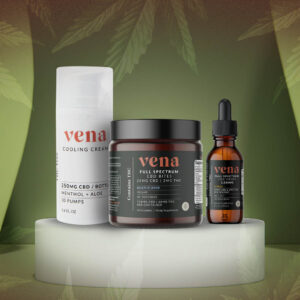
Vena CBD is a high-quality CBD brand that comes from Real Housewife Tamra Judge. The brand was founded after her husband found solace in CBD for his heart condition. Thus, the brand — named after a part of the heart — is focused entirely on health, wellness, and individualistic results.
Vena CBD offers a nice selection of products in various strengths, some with THC and some without. Overall, these products worked well, but they weren’t anything special. They had a slightly above-average price, and the flavors of the products were decent. If these products were a bit cheaper, I would be more sold on their effects and benefits. (Other reviewers have also noted discrepancies on their lab reports in the past.)
{“@context”: “https://schema.org/”,
“@type”: “Product”,
“name”: “Vena CBD Review”,”image”: [
“https://cbdoracle.com/wp-content/uploads/2022/03/Vena-cbd-review-banner-1155×770.jpg”
],”review”: {
“@type”: “Review”,
“reviewRating”: {
“@type”: “Rating”,
“worstRating”: “0”,
“ratingValue”: “6.9”,
“bestRating”: “10”
},
“author”: {
“@type”: “Person”,
“name”: “Mell Green”
}
},”aggregateRating”: {
“@type”: “AggregateRating”,
“ratingValue”: “3.12888888889”,
“worstRating”: “0”,
“bestRating”: “10”,
“ratingCount”: “45”
}}
| Availability: | Nationwide |
| Price: | $$$ |
| CBD Strength: | 750-3000mg |
| THC Content: | <0.3% |
| Extract Type: | Full-Spectrum, Broad |
| Extraction Method: | CO2 |
| Product Types: | Oils, Edibles, Skincare, Capsules, Pet CBD |
| Hemp Origin: | USA |
| Similar Brands: | Medterra, Five, Equilibria, Martha Stewart CBD |
Vena’s 750 mg Cooling Cream is a good way to give your muscles a dose of relaxation and pain relief when they need it most. This cream contains menthol and arnica to create a nice cooling sensation on the skin. The formula was easy to apply and didn’t leave any residue. However, the smell was a bit chemical-like, which I wasn’t a huge fan of. However, I did find that the Cooling Cream provided a nice gentle dose of pain relief to my sore muscles post-workout.
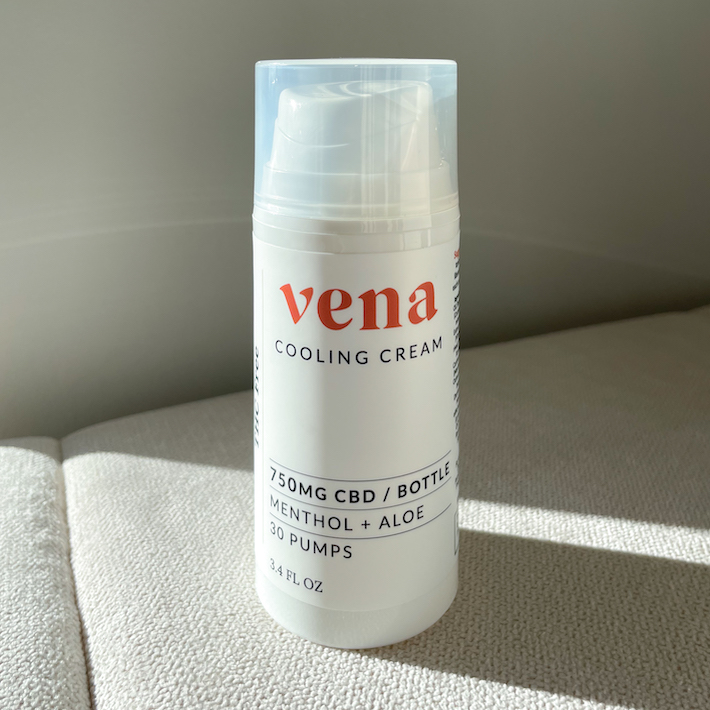
At 750 mg, Vena’s Cooling Cream did provide results quickly and I was happy with the muscle support I received. However, the effects faded quickly, too. Thus, I found myself reapplying the cream several times a day to stay ahead of the pain. The smell of the formula isn’t the best, but the texture is nice and easily applied. I also enjoyed the cute, simplistic packaging.
Vena CBD calls their CBD gummies “CBD Bites,” which makes them a bit more enjoyable to consume. They come with a bright natural lemon flavor that somewhat disguises the CBD inside. Every CBD bite contains 25 mg of CBD, making it a nice dosage for both new consumers and experienced ones. Effects started kicking in about 90 minutes after consuming, and I felt more at ease and comfortable. These gummies were best for stress relief, overall.
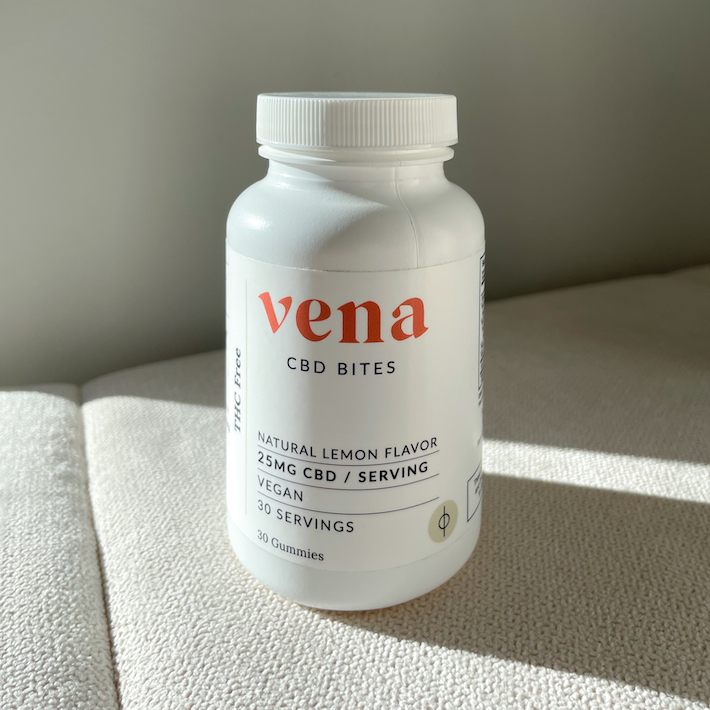
Vena CBD Bites are packaged well, leaving you wanting to know what a CBD bite might entail. The flavor of these gummies is nice and refreshing, but they still taste a bit like hemp. At 25 mg each, the strength was mild yet effective, leaving me feeling relaxed and comfortable for hours.
Vena’s Full-Spectrum CBD Bites are the same as their regular CBD bites, only these contain various cannabinoids like THC, CBG, and more. Compared to their THC-free bites, these gummies acted much more strongly, giving me the dose I was hoping for from their other gummies. The flavor was still a bit strong, despite the lemon, but I was still happy with the full-body, potent results. In general, I felt calmer, more motivated, and positive about the day (and the CBD bites).
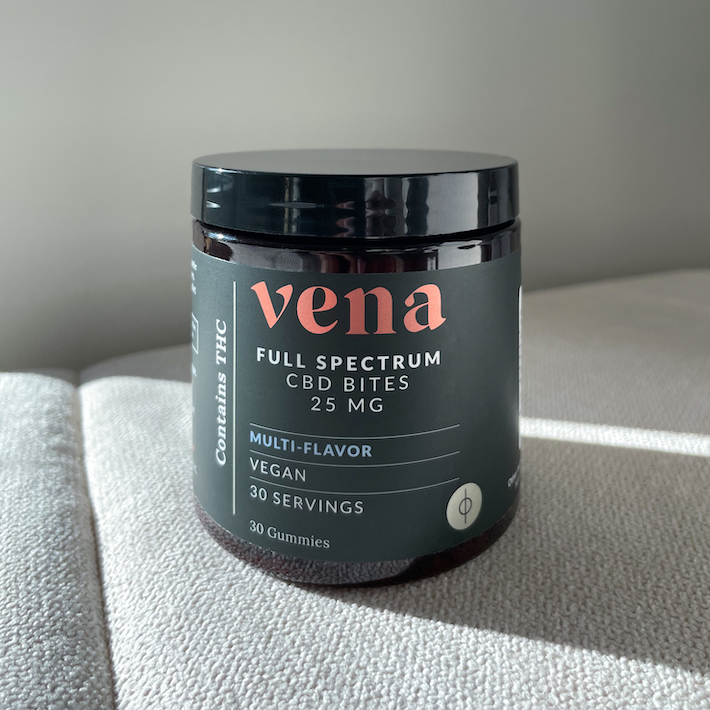
The Full-Spectrum CBD Bites from Vena contain 25 mg of full-spectrum CBD. This addition of other cannabinoids was quite obvious after consumption: these gummies were much stronger and more effective than the THC-free ones. However, the flavor was still strong and the hemp didn’t want to be disguised.
Vena’s Full-Spectrum 1,500 mg CBD Oil is the strongest product they offer, and it’s also the most effective. This CBD oil is incredibly strong in taste and texture (even in their citrus option), but it does promote quick, potent effects. After just one drop, I found that my stress levels lowered and I was able to better focus on my tasks at hand. The product is a bit pricey, but I do feel as though the higher potency warrants a higher price tag.
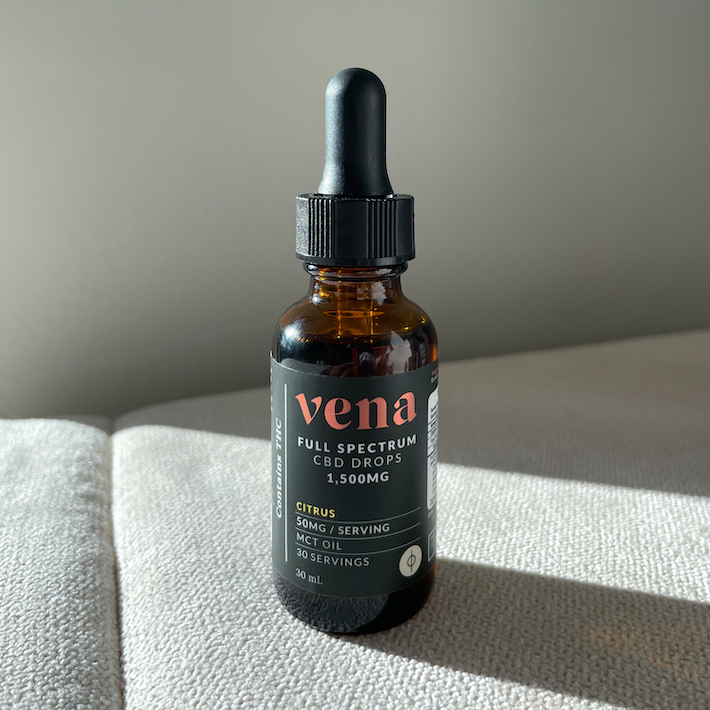
With effects kicking in within about 20 minutes, I was quite happy with the functionality of Vena’s Full-Spectrum CBD Oil. At 1,500 mg, this oil is best for experienced consumers — not beginners. The flavor and texture of the oil are very strong, but I could manage these factors if it meant feeling more balanced, focused, and stress-free.
Along with having full-spectrum tinctures, Vena CBD also offers THC-free options. Their THC-free 1,000 mg CBD Oil is a potent option for consumers looking to avoid THC and focus solely on the effects of CBD. However, compared to the full-spectrum option, this oil didn’t provide as much support. Instead, the effects were a bit more mild and less full-bodied. While I felt relaxed and comfortable, I didn’t feel any more focused or uplifted with this oil — unlike their full-spectrum oil. The flavor of this oil was just as strong, though.
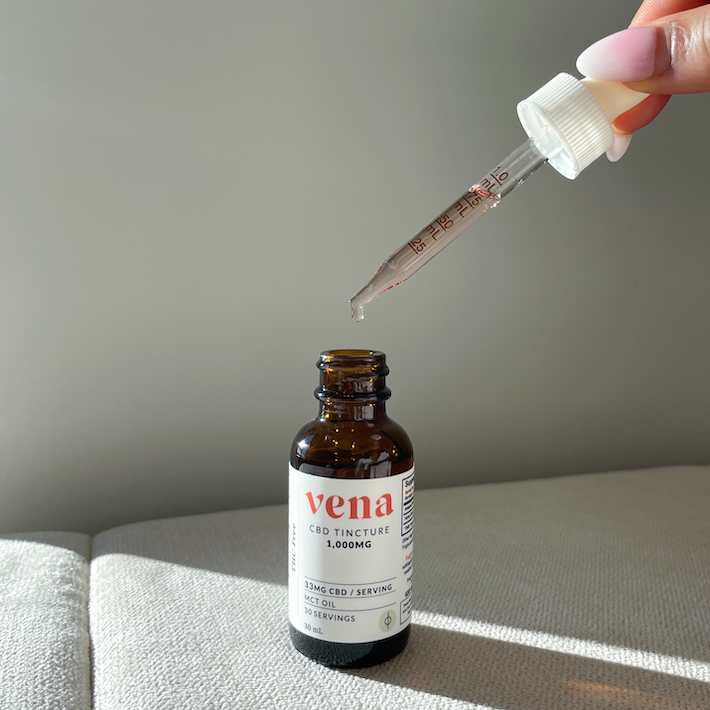
Packaged and crafted well, this THC-free oil is a good choice for those who don’t want to consume THC. However, the lack of entourage effect did make the results less potent, so I felt dissatisfied after consumption. But, beginners and those who actively avoid THC may enjoy this 1,000 mg oil.
The post Vena CBD Review appeared first on CBD Oracle.


BHO started as a hydrocarbon experiment, often using raw butane and DIY rigs that carried risks. Even with today’s refined, regulated extraction systems, solventless options like rosin and hash remain the purest way to consume cannabis without chemical solvents or complicated gear.
Before Colorado had dispensaries, regulations, compliance trackers, or certificate-of-analysis stickers, it already had a thriving cannabis economy. Flowers were everywhere, growers were experimenting, and the underground market worked as a decentralized but surprisingly efficient distribution system.
In that liminal pre-legal era, long before modern concentrate menus and terpene labels, the community was already consuming waxes, early oils, improvised resins, and the product that would define a generation: butane hash oil, or BHO. People still recall those one-gram jars of thick, amber honey, sticky enough to require metal tweezers, unrefined in appearance, and circulating through garages, student apartments, and mountain towns.
The rise of BHO came from basic economics: Colorado had too much flower, and extractors wanted ways to transform surplus bud into something stronger and more portable. Hydrocarbon extraction, meaning forcing liquid butane or butane-propane blends through cannabis to dissolve cannabinoids and terpenes, offered an elegant solution. It created an intensely potent, compact product, unlike anything being smoked in joints at the time.
But early BHO was not the polished extract we know today. It emerged from makeshift workshops and improvised equipment. Extractors used stainless-steel or even glass tubes, hardware-store filters, and cans of consumer butane. Some of the rigs were welded by hand. Others were held together with whatever parts people could find. It was resourceful, experimental, and dangerous.
Colorado’s strong vocational culture accelerated the trend. Young people who had learned welding or metalworking in trade schools built their own extraction tubes. These improvised systems helped shape an entire generation of concentrate makers.
As butane was released in open environments, it pooled invisibly on floors and ignited with the smallest spark. Colorado fire departments responded to a series of explosions in the early 2010s, some of them devastating. These incidents became a turning point: they pushed regulators, firefighters, and the emerging legal industry toward requiring closed-loop systems, certified extraction equipment, and strict fire-code protections.
This was the moment when the frontier chemistry of BHO collided with public safety.
As legalization began, Colorado’s extraction culture matured. Amateur open-blast systems were replaced with closed-loop hydrocarbon machinery designed to contain gases, prevent leaks, and operate with laboratory precision. Instead of consumer-grade butane, licensed producers used solvents refined to pharmaceutical purity, free of the mercaptans, lubricants, and industrial residues commonly found in lighter fluid.
Toaster ovens were replaced by vacuum ovens. Today, there are digital temperature controls, chromatography, and lab testing. Colorado’s concentrate makers embraced technical sophistication and, in doing so, helped elevate the entire global extraction scene. Within a few years, the state became home to some of the best producers of hashish, live resin, and solventless rosin in the world.
But the fundamentals of hydrocarbon extraction did not change. It is chemistry, and controlling solvents like butane, propane, and pentane requires training, engineering, and equipment capable of operating under pressure.
Early BHO often contained impurities. Consumer butane frequently includes mercaptans, which are sulfurous compounds added to make gas leaks detectable, along with oils and manufacturing byproducts that can end up in the final extract if not properly removed. Homemade BHO can expose users to these hazardous substances. Poorly purged concentrates can retain measurable levels of hydrocarbons. Incorrectly built extraction tubes can leach metals or plastics.
Despite its risks, BHO transformed cannabis culture because the experience is fundamentally different from smoking flowers. A single dab delivers cannabinoids almost instantly, producing rapid onset and intense effects.
Hydrocarbon extraction preserves fragile terpenes in ways that combustion cannot, giving dabbers access to bright citrus notes, deep fuel aromas, or complex floral layers that get lost when a joint burns.
Ritual is part of the appeal, too. Heating a quartz banger, timing the cooldown, preparing the rig, and inhaling the vapor gave birth to a new set of cannabis practices, apart from the classic Marley-style joint and the 1980s hookahs. BHO is a modern way of consuming industrial-scale cannabis, and there are many other styles emerging as chemistry and industrial technologies evolve.
Many consumers describe dabbing as more controlled or more predictable than smoking flower, because the onset is fast and the effects are clear.
Beware. BHO is not for everyone. First of all, it is very strong. For people who are used to smoking joints, the intensity can be overwhelming. Anxiety, dizziness, nausea, and rapid heartbeat, what people call the “dab sweats”, can hit within seconds. Hits should not be excessively hot either. Excessive heat degrades flavor and breaks down terpenes into toxic byproducts, including benzene, which is harmful.
This means that even when BHO is made perfectly, the method of consumption still carries variables that require caution.
There is a more natural alternative to BHO that does not use added solvents. It is called rosin. Rosin is made only with heat and pressure, so it avoids hydrocarbons entirely. It does not rely on flammable gases or chemical purging, although it requires industrial equipment when produced at a significant scale. Rosin is like getting the oil out of the olive by pressing it. The result is a clean, terpene-rich natural extract.
Traditional hashish offers similar benefits. Dry-sift and ice-water hash techniques have existed for centuries and rely on physical separation rather than chemical extraction. These methods often produce gentler effects, smoother flavor, and a cultural lineage far older than the dab rig.
And then there is the classic joint: simple, transparent, familiar. You can see what you are smoking, adjust your dose gradually, and avoid the uncertainties that come with solvents, heat profiles, or elaborate equipment. It is part nostalgia and part harm reduction. The fewer chemical and mechanical variables involved in producing and consuming cannabis, the lower the risk for the end user.
<p>The post Are You Smoking Gas… or Gas Gas? Inside the Hydrocarbons That Built BHO first appeared on High Times.</p>

When Target announced its pilot program to sell hemp-derived THC beverages in select Minnesota stores, the news made waves in both the cannabis and retail industries. Major headlines touted it as a “monumental” shift, a sign of mainstream acceptance, and a potential bellwether for national change. But as we look closer, it’s clear that Target’s entry into the THC beverage market is far from revolutionary—especially in Minnesota, a state that has already embraced full cannabis legalization.
Instead of charting a bold new course, Target’s approach feels like a calculated compromise: safe, limited, and designed to minimize risk rather than genuinely embrace the cannabis revolution already underway. Here’s why that matters—and why consumers and brands invested in true cannabis innovation should view this move with a healthy dose of skepticism.
Minnesota legalized adult-use cannabis in 2023, joining a growing list of states where consumers over 21 can legally purchase and enjoy a wide variety of cannabis products. Licensed dispensaries offer flower, edibles, concentrates, and yes—THC-infused beverages, often crafted with high-quality cannabis extracts. These products are often more transparent, rigorously tested, and tailored for a sophisticated consumer base that knows the difference between hemp- and cannabis-derived THC.
Yet Target chose to offer only hemp-derived THC beverages, capped at 5mg THC per serving and 50mg per package, as allowed under Minnesota’s earlier 2022 “low-potency” hemp law. Brands like Cann, Hi Seltzer, Stigma, and Trail Magic are featured in the pilot, but all conform to the more restrictive framework designed for a pre-legalization market.
For a retailer of Target’s size and influence—headquartered in Minneapolis, no less—the decision to stick to hemp-derived products feels behind the curve. With adult-use cannabis now legal statewide, this “soft launch” looks less like innovation and more like corporate hedging.
It’s crucial to understand the difference between hemp-derived and cannabis-derived THC products. Hemp-derived THC beverages are made using cannabinoids extracted from federally legal hemp, defined as cannabis plants containing less than 0.3% THC by dry weight. These products exist in a regulatory gray area—legal at the federal level, but often facing patchwork state restrictions and less consumer trust.
Cannabis-derived products, by contrast, come directly from marijuana plants bred for higher THC content. In legal states like Minnesota, these products are subject to stringent state oversight, lab testing, and transparent supply chains. They’re what most consumers are looking for when they want a premium, reliable, and enjoyable cannabis experience.
By limiting its offering to hemp-derived beverages, Target is not only restricting consumer choice, but also sending a message: mainstream corporate America is still wary of fully embracing legal cannabis, even in states where voters and lawmakers have already paved the way.
Minnesota’s cannabis consumers are more sophisticated than ever. They know the difference between a hemp beverage and a full-spectrum cannabis drink from a licensed dispensary. They understand dosage, entourage effect, and brand reputation. Many have already sampled high-quality cannabis beverages from local craft producers or specialized dispensaries—products that often deliver richer flavors and more consistent effects, thanks to robust state regulation.
So, when Target stocks hemp-derived THC beverages on its shelves, the move feels less like a game-changer and more like a half-step, especially when better options are available just down the street.
For brands and consumers who stand for authentic cannabis experiences, Target’s pilot is a missed opportunity. Rather than elevating the conversation around cannabis and bringing new consumers into the fold, this approach risks confusing or even alienating them.
Imagine a new customer, curious about cannabis, who picks up a hemp-derived drink at Target, only to find it underwhelming compared to products from licensed dispensaries. Or a more experienced enthusiast, who sees the move as evidence that big-box retailers just don’t “get it.” In both cases, the result is the same: a diluted brand experience and a missed chance to foster real loyalty.
It’s worth acknowledging that federal law still prohibits the sale of cannabis-derived THC outside of licensed dispensaries, even in legal states. But Minnesota’s regulatory framework is evolving rapidly, with new dispensaries opening regularly and consumer demand on the rise. Target, with its resources and local footprint, could have played a leadership role—perhaps by partnering with licensed cannabis retailers, advocating for expanded access, or supporting education around safe and responsible cannabis use.
Instead, the company chose the path of least resistance, sticking to hemp-derived beverages that avoid federal scrutiny but fall short of meeting the market’s true potential.
While some in the beverage and cannabis sectors have hailed Target’s move as “monumental,” others see it as a clear sign of how mainstream retail is still skittish about full cannabis integration. Local dispensaries, craft beverage makers, and advocacy groups have all pointed out the limitations of hemp-only offerings—especially in a state that is supposed to be leading the way on legalization.
Target’s decision to sell hemp-derived THC beverages in Minnesota is, at best, a cautious toe-dip into the cannabis space. In a market where consumers already have access to legal, tested, and regulated cannabis products, this approach feels less like innovation and more like a corporate cop out.
If Target and other major retailers truly want to be leaders in the cannabis beverage revolution, they’ll need to move beyond the safety of hemp-derived products and embrace the full spectrum of what legalization has to offer. Until then, savvy consumers—and authentic cannabis brands—will continue to look elsewhere.
Author’s Note:
We believe that the future of cannabis—not just beverages—lies in transparency and authenticity. The industry should prioritize naturally derived cannabinoids and resist the growing trend toward synthetics. Only by upholding these standards can we ensure safe, genuine products that truly serve and respect consumers.