Mindful Munching: Navigating the World of Modern Cannabis Edibles

Mindful Munching: Navigating the World of Modern Cannabis Edibles


Mindful Munching: Navigating the World of Modern Cannabis Edibles

What makes cannabis edibles both exciting and challenging for modern consumers? Edibles offer a discreet and flavorful way to experience cannabis. They come in many forms, from gummies to baked goods. However, effects can vary widely and require thoughtful use. Understanding dosage and timing is essential for a safe experience. Quality products also play a […]

The post Mindful Munching: Navigating the World of Modern Cannabis Edibles appeared first on Stoner | Pictures | Stoners Clothing | Blog | StonerDays.

Source link

The Best CBN Oils for a Better, Longer Slumber

The Best CBN Oils for a Better, Longer Slumber

The Best CBN Oils for a Better, Longer Slumber

Our product research team independently tests and reviews everything we recommend. When you make a purchase using our links, we may earn a commission. Learn more

Related Picks: Best CBN Gummies for Sleep

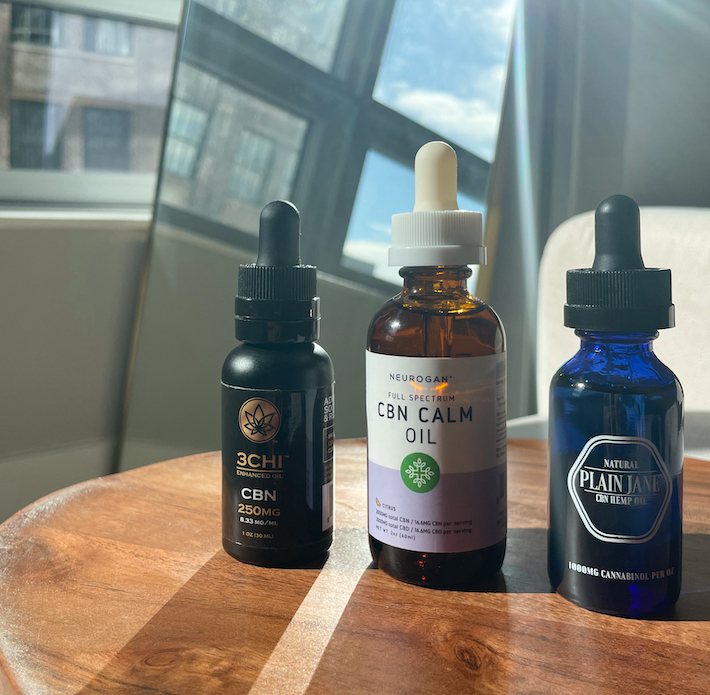
There are many reasons to use hemp, but treating sleep issues is consistently ranked as one of the most common. But that doesn’t mean everyone is using CBD. Cannabinol (CBN) has a reputation as the “sleepy cannabinoid,” and it’s included in most sleep-focused CBD oils you’ll find on the market.

So if you’re looking to get the most out of this popular cannabinoid, which brands have the best CBN oils? We’ve investigated the options and ranked them using our Cannabinoid Product Quality Evaluation Framework to find the oils most likely to help you get to sleep and stay asleep.

What Makes a CBN Oil Effective for Sleep?

THC is key

The most effective CBN oils for sleep generally have some THC. It’s one of the most useful cannabinoids for sleep, so we usually chose THC-containing oils where possible. However, if you can’t have THC, there are many good options without it on the list too.

Any other cannabinoids help

Pure CBN is less likely to help you get to sleep than oils which have other cannabinoids too. So full spectrum (with THC) is best, but broad spectrum is better than isolate, particularly for CBD.

Terpenes for sleep

Myrcene, linalool, beta caryophyllene and terpinolene are useful terpenes for sleep, so we looked out for products containing them.

Only low melatonin

Melatonin shouldn’t be used regularly, but if you do, it’s best to keep it under 3 mg.

From a starting point of 53 CBN oils marketed for sleep, we’ve narrowed the list down to just five oils using our expert-backed criteria and some crucial sleep-focused metrics.

Best Overall

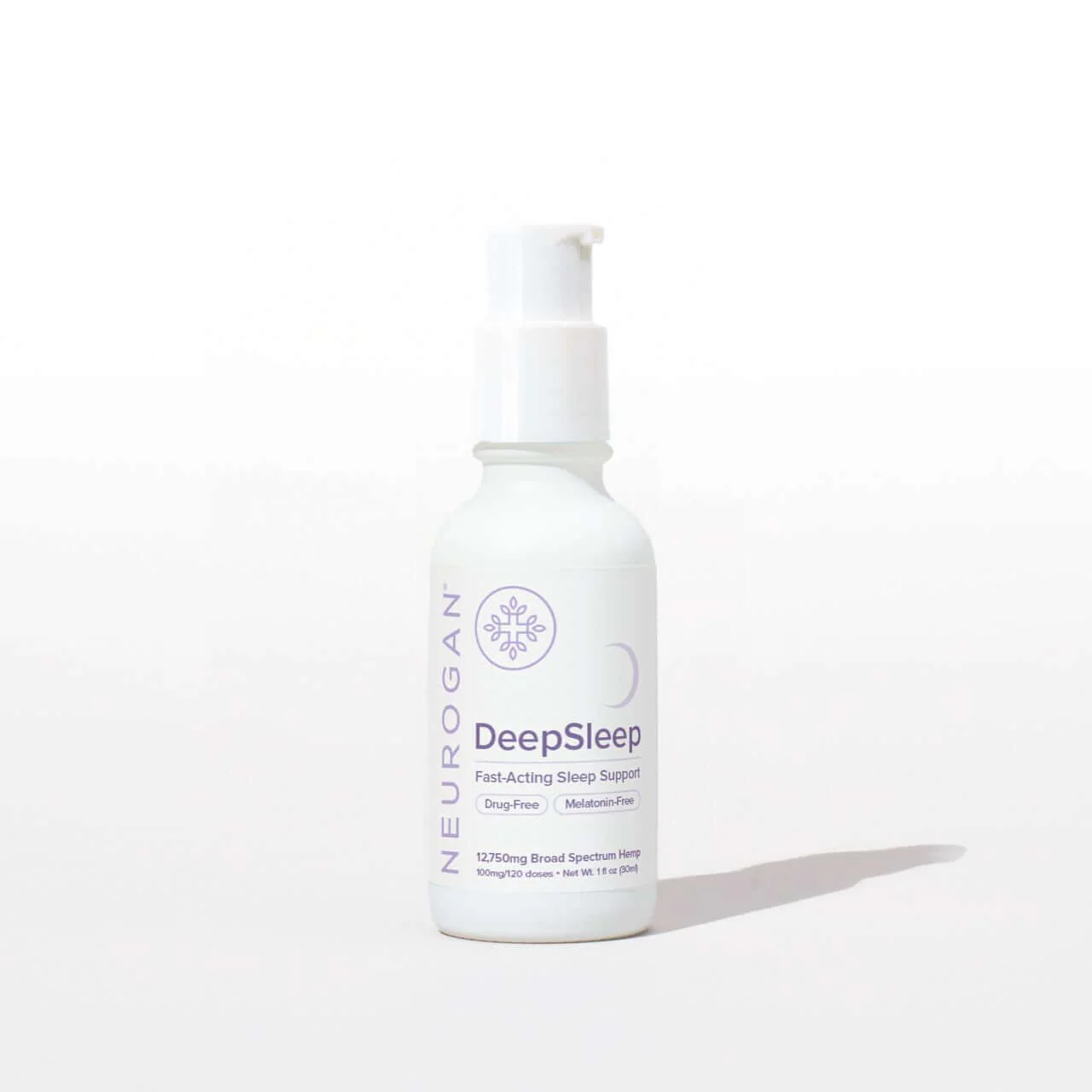
Neurogan DeepSleep Isolate Oil

4.7 CBD Oracle Rating

CBD Approval Badge

Neurogan DeepSleep Isolate Oil

Key Attributes

  • CBN type: Multi-isolate
  • Potency: 6,000 mg CBD, 6,000 mg CBN
  • CBD:THC ratio: THC-free
  • Top terpenes: Myrcene, beta-caryophyllene, humulene, carene
  • Price: $150 / 30 ml ($0.025 per mg CBD, $0.025 per mg CBN)
  • Coupon: “CBDCBNCBG” for 35% off


Shop Now

4.7 CBD Oracle Rating

Neurogan’s DeepSleep Isolate Oil takes the top spot in this list despite technically not even being broad spectrum. Why? Because they chose their ingredients more wisely than most other blends.

Firstly, it’s more like a “multi-isolate,” with both CBD and CBN in equal quantities in the mix. This incorporates one of the most important cannabinoids for sleep promotion (CBD) in addition to a substantial dose of CBN per serving.  Myrcene and beta-caryophyllene were both mentioned by the experts we spoke to as terpenes to look out for in sleep-focused oils.

It would be better for sleep with some THC, but as it stands, it’s still the best option out there, blending efficacy with a great price per mg CBN.

  • US-grown, organic hemp
  • THC-free
  • Includes two sleep-promoting terpenes
  • “Multi-isolate” also including CBD alongside CBN
  • 50 mg CBN per serving – the highest in this list
  • Great price per mg CBN
  • Convenient pump format
  • Some THC would have helped with sleep
  • Broad spectrum would be better
Best Full Spectrum

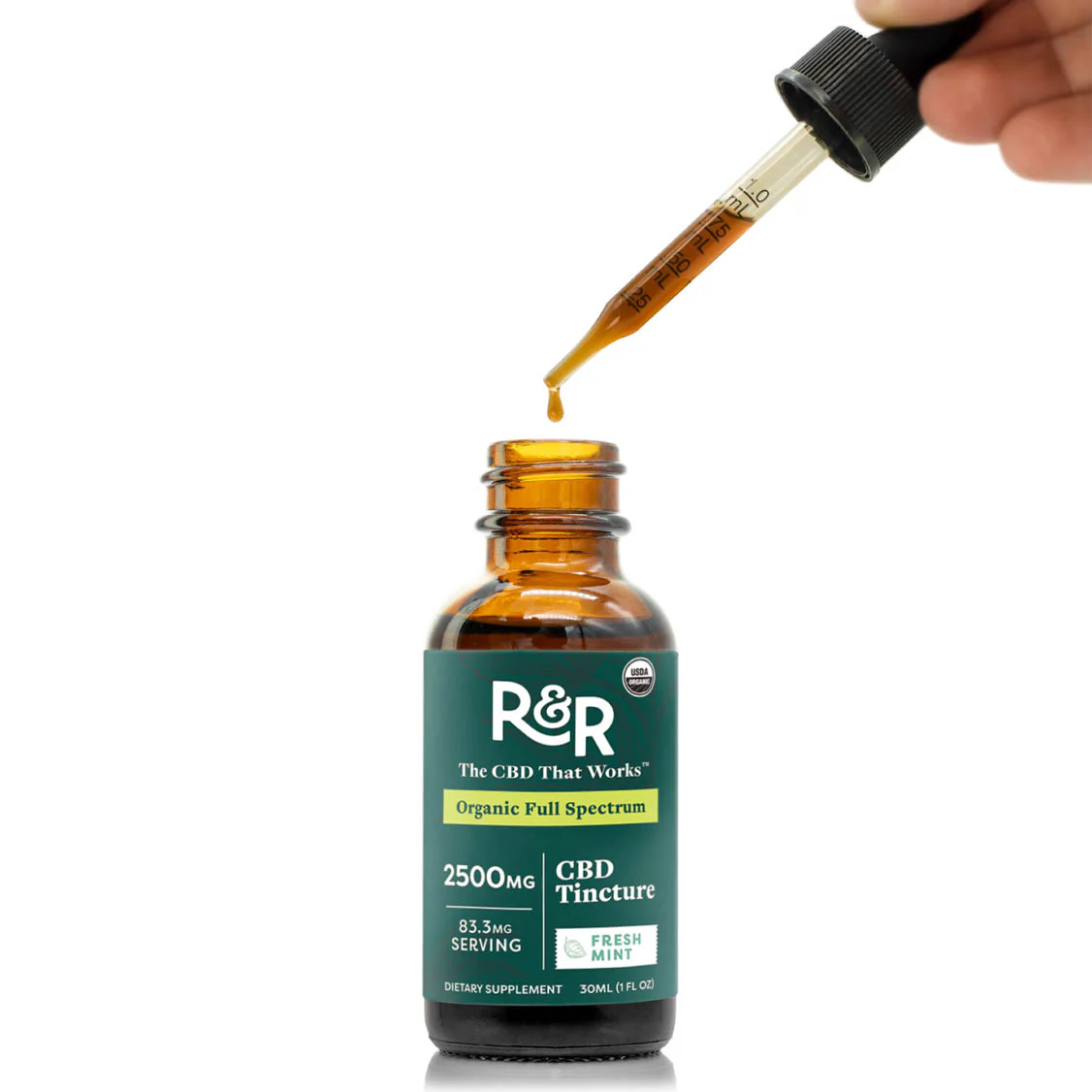
R&R Multifunctional CBD Tincture

4.5 CBD Oracle Rating

CBD Approval Badge

R&R Multifunctional CBD Tincture

Key Attributes

  • CBN type: Full spectrum
  • Potency: 5,000 mg CBD, 81 mg CBN, 37 mg THC
  • CBD:THC ratio: 135:1
  • Top terpenes: Bisabolol, guaiol, beta-caryophyllene, caryophyllene oxide
  • Price: $133 / 30 ml ($0.026 per mg CBD, $1.64 per mg CBN)
  • Coupon: “LEAF15” for 15% off


Shop Now

4.5 CBD Oracle Rating

R&R probably finds itself near the top of these lists more than any other brand. There’s good reason for that: they use USDA Certified Organic hemp, do full-panel lab testing on every batch, and consistently knock it out of the park when it comes to quality.

Their Multifunctional CBD Tinctures isn’t particularly rich in CBN, but with 2.7 mg per ml, a little THC and 166 mg of CBD per ml, the 5,000 mg version is a great choice as a CBN sleep oil. Alongside this effective sleep-promoting cannabinoid combination, the oil is also high in beta-caryophyllene, identified by experts as one of the sleep-promoting terpenes to look for.  

It’s a little expensive per mg of CBN, but worth it.

  • USDA Certified Organic hemp
  • True full spectrum: CBD, CBC, CBN, CBG, CBDV, THC and CBL
  • Contain beta-caryophyllene, a sleep-promoting terpene
  • Good price per mg CBD
  • Three potencies available (but 5,000 mg is best for CBN)
  • Seed to sale brand
  • Relatively low in CBN
  • A little expensive per mg CBN
Best Value

Carmen’s Medicinals Dream Drops

4.4 CBD Oracle Rating

CBD Approval Badge

Carmen’s Medicinals Dream Drops

Key Attributes

  • CBN type: Full spectrum
  • Potency: 2,000 mg CBD, 1,000 mg CBN, 57 mg THC
  • CBD:THC ratio: 35:1
  • Top terpenes: Hexahydrothymol, beta-caryophyllene, limonene, myrcene
  • Price: $109.95 / 30 ml ($0.055 per mg CBD, $0.110 per mg CBN)
  • Coupon: “CART40” for 40% off


Shop Now

4.4 CBD Oracle Rating

With a 2:1 blend of CBD to CBN, and a little THC in the mix to boost effectiveness, Carmen’s Medicinals have put out easily one of the best CBN oils for sleep on the market.

The oil is genuinely full spectrum, with CBG and CBC rounding out the selection, and sleep-promoting terpenes beta-caryophyllene and myrcene also in the mix. This selection is hard to beat when it comes to efficacy, and all for a decent price per mg CBN too. They use USDA Certified Organic hemp, and control the whole manufacturing process from seed to sale.

They lost out a little on our framework because of things like having no money back guarantee, but the oil is hard to fault.

  • USDA Certified Organic hemp
  • Genuine full spectrum: CBD, CBN, CBG, CBC and THC
  • Contains beta-caryophyllene and myrcene
  • Good CBN dose per serving (33 mg)
  • Good price per mg CBN
  • Seed to sale brand
  • No money back guarantee
  • A little expensive per mg CBD
Best Organic

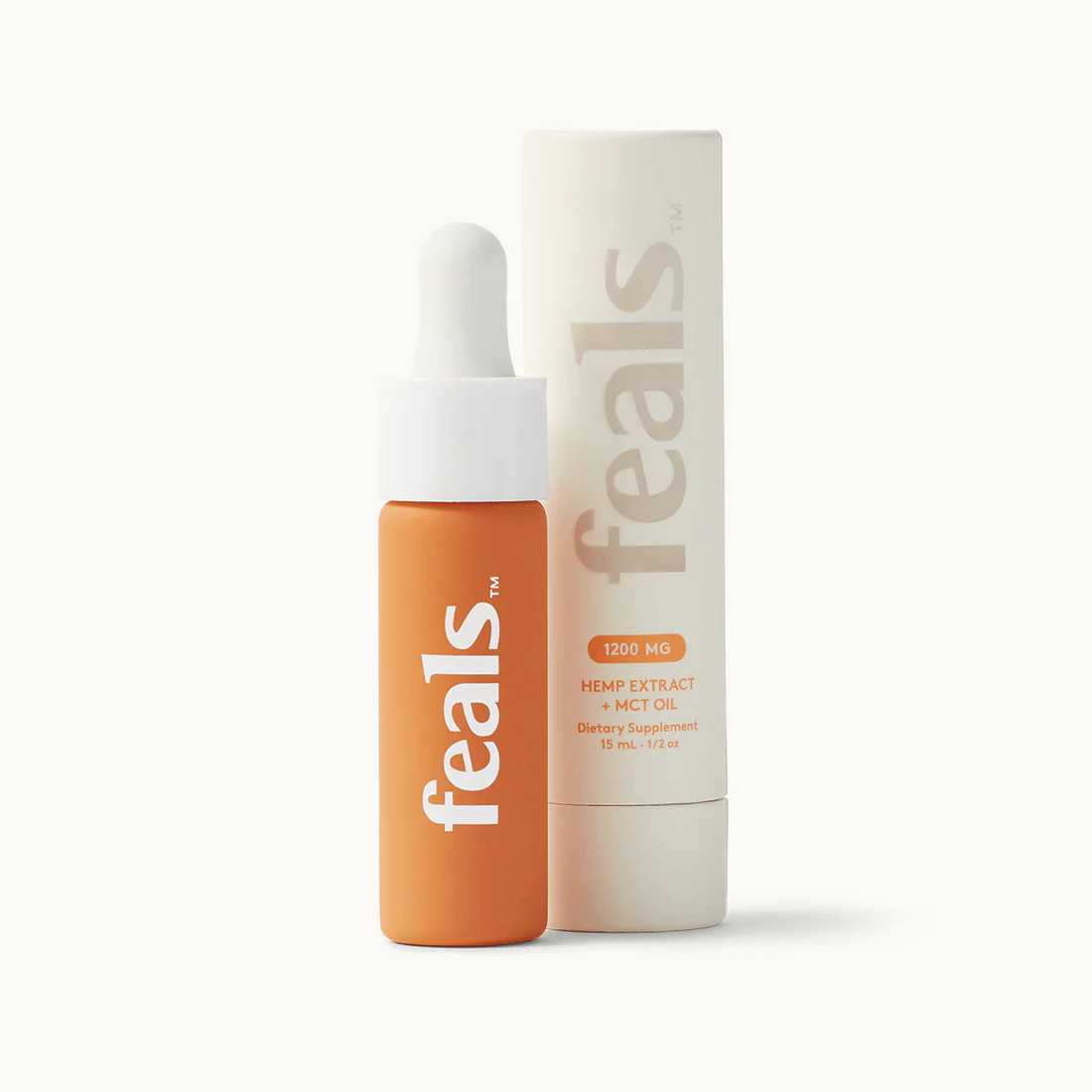
Feals The Oil

4.3 CBD Oracle Rating

CBD Approval Badge

Feals The Oil

Key Attributes

  • CBN type: Full spectrum
  • Potency: 2,400 mg CBD, 55 mg THC, 90 mg CBN
  • CBD:THC ratio: 44:1
  • Top terpenes: Beta-caryophyllene
  • Price: $185 for 15 ml ($0.077 per mg CBD, $2.06 per mg CBN)
  • Coupon: “WELCOME10” for 10% off


Shop Now

4.3 CBD Oracle Rating

Feals’ full spectrum CBD oil boasts a substantial 6 mg/ml CBN, offering a decent dose alongside a huge 160 mg/ml of CBD. This makes it a solid option for treating sleep issues, particularly in combination with the 3.7 mg of THC per ml.

The Oil from Feals rounds out its “entourage” of compounds with a little CBC, CBG, and common sleep-promoting terpene beta-caryophyllene. While other oils do a little bit better in terms of raw numbers – more CBN and additional sleep terpenes – Feals’ entry is still pretty hard to fault.

The price might be a little high, but with this formula and USDA Certified Organic hemp backing it up, you’ll still be happy with the result.

  • USDA Certified Organic Hemp
  • True full spectrum: CBD, CBN, CBC, CBG and THC
  • Contains beta-caryophyllene
  • Three potency options (600 – 2,400 mg CBD)
  • All-organic ingredients
  • Price is a little high, especially per mg CBN
  • CBN dose is only >2 mg/ml in the high-potency blend
Best Broad Spectrum

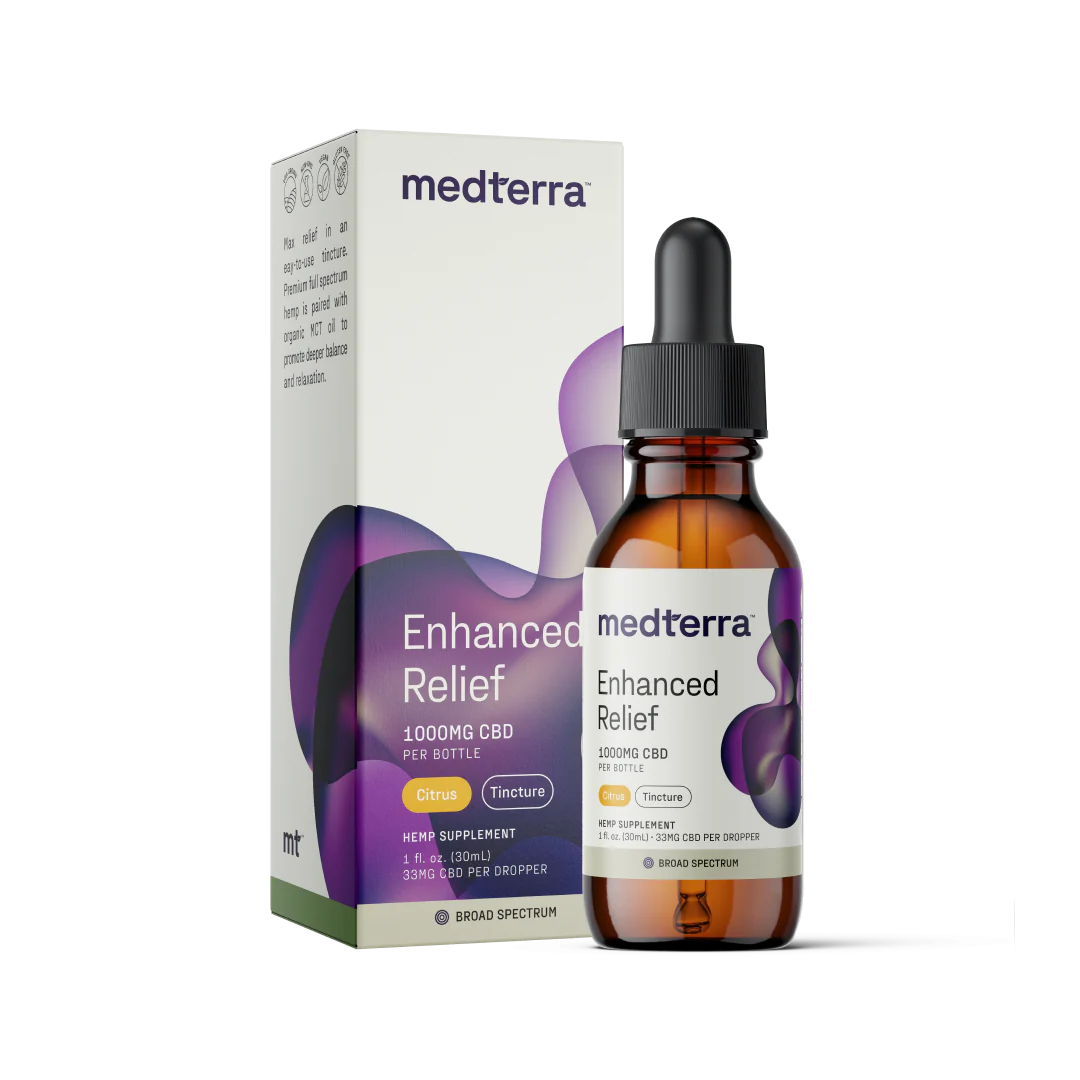
Medterra Enhanced Relief Broad Spectrum

4.2 CBD Oracle Rating

CBD Approval Badge

Medterra Enhanced Relief Broad Spectrum

Key Attributes

  • CBN type: Broad spectrum
  • Potency: 1,000 mg CBD, 44 mg CBN
  • CBD:THC ratio: THC free
  • Top terpenes: Limonene, beta-pinene, terpinene, alpha pinene
  • Price: $64.99 / 30 ml ($0.065 per mg CBD, $1.47 per mg CBN)
  • Coupon: “FLASH50VIP” for 50% off


Shop Now

4.2 CBD Oracle Rating

Medterra has been a major feature in the industry ever since the early days, and it’s no surprise that they get a lot of things right. It’s one of the only hemp companies that is US Hemp Authority Certified, which is as close to a guarantee of excellent manufacturing as you can get.

Their Enhanced Relief Broad Spectrum oil is a great option if you’re looking for CBD oil for sleep. The blend avoids THC, but contains 33 mg of CBD per ml, and around 1.5 mg of CBN per ml. It doesn’t have the most CBN, but with two sleep-promoting terpenes in the mix (myrcene and terpinolene), it’s still very effective for insomnia and sleep issues.

  • US Hemp Authority Certified – Excellent manufacturing
  • True broad spectrum: CBD, CBG, CBN, CBC and CBDV
  • Myrcene and terpinolene to help you get to sleep
  • THC-free
  • Organically-grown hemp and organic ingredients
  • Low in CBN
  • A little expensive per mg cannabinoids
  • Not USDA Certified Organic

Other Products We Considered

Our initial list contained 53 products, but we used several crucial criteria to narrow it down to a shortlist of products most likely to meet our standards for safety, efficacy and reliability. The most important criteria were:

  • A recent lab report: Only products with a publicly-accessible lab report from within the last 12 months were eligible for this list. 9 products didn’t have a lab report available at all, including two products which required a batch number to access the report. You only get the batch number after you buy, so this isn’t enough. Additionally, 15 products had a lab report that was over a year old – at which point, cannabinoids either may have degraded or it’s likely the report doesn’t reference the most recent batch.
  • Full panel safety testing: Full panel testing includes safety tests for pesticides, residual solvents, heavy metals, microbial contamination and mycotoxins. 11 products didn’t conduct this type of testing on their most recent batch, so customers cannot be sure the oils are actually safe.
  • True full or broad spectrum: The last major reason for products being discounted was being unable to confirm that products claiming to be full or broad spectrum truly were. Not only do they have to contain 4 or more cannabinoids (which 2 products failed), they should also be at least tested for terpenes, which discounted another 14 products.

Note that some products failed for multiple reasons.

After this process, 8 products in total went through full scoring on our Cannabinoid Product Quality Evaluation Framework. Of those, three products didn’t make the final list: Five’s Microdose Drops, Vena’s Full Spectrum Tincture and Sunmed’s Broad Spectrum Sleep Tincture.


Methodology

Strongest CBN oils for sleep
Testing various CBN oils to find the most effective options for sleep. Photo: Mell Green/CBD Oracle
  • Expert Guidance: The initial criteria for any sleep-focused product were taken from interviews with four leading cannabinoid and sleep experts, conducted for our list of the Best CBD Oils for Sleep. These criteria were used to select valid products from a brand’s selection and throughout the process.
  • Market research: We conducted an online search for “CBN oils for sleep” using an Oracle-coded algorithm to conduct the searches, scrape the text from the pages and the pages of any relevant internal links. This data was fed to an LLM alongside our criteria, which was tasked with selecting two products from each brand. Oracle staff then manually reviewed the results and chose one product from each brand. Further qualifying products were added from Oracle’s internal database.
  • Qualification and scoring: We then looked for the qualifying factors described above to narrow the list down before final scoring. We scored all qualifying products on our full Framework.
  • Final Ranking: Any product scoring over 80% was eligible for the final list. The ranking above was decided based on the product’s score, previously first-hand testing, and notably, the amount of CBN in the final product. Some higher scoring products were quite low in CBN.

Learn more about how we test and review products.


What is CBN?

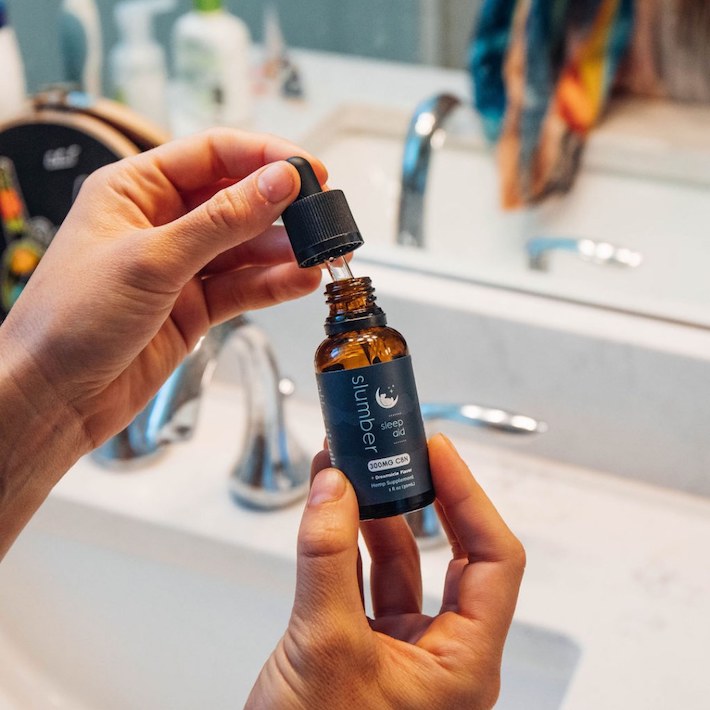
Testing a CBN oil product at night
Photo: Slumber

CBN is short for cannabinol, and it is one of the various cannabinoids found in the cannabis plant variety. As the hemp or marijuana plant begins to age, THC starts to break down and transform. During this process, the cannabinoid loses its psychoactivity entirely, making it just therapeutic for consumers. Over time, it will become CBN.  

Yes, CBN is legal for sale and consumption in the US. As long as your CBN product comes from hemp that doesn’t contain more than 0.3% THC, it is federally legal under the 2018 Farm Bill.  

Does CBN get you high?

No. Even though CBN is technically an aged form of THC, it does not contain any psychoactive properties. No matter how much you consume, CBN will not get you high or leave you feeling intoxicated. Instead, people consume the cannabinoid purely for therapeutic reasons.  

What’s the difference between CBN and CBD?

Both CBN and CBD are non-psychoactive cannabinoids that have strong medicinal potential. However, they are two very different cannabinoids with completely unique chemical structures. Technically, the cannabis plant directly produces CBD, while the plant only produces CBN as THC oxidizes. CBD is also going to be much more abundant than CBN, which is why you won’t find as many CBN products on the market as CBD. 

These two cannabinoids also present different effects. For example, CBD is wonderful for helping with pain, digestion, and anxiety, CBN is strongly regarded for its benefits on sleep. 

What are the common effects of CBN?

Many people turn to products like CBN oil to help with sleep, pain relief, and anxiety. The cannabinoid is currently being looked into for its neuroprotective properties, as well. Most consumers find that CBN makes them feel more relaxed, calm, and comfortable. Pain and stress-relief are common effects of CBN.

Final Thoughts

At first, I was slightly skeptical about CBN oil and how much it would help. But, after trying so many products, I’ve quickly come to realize that these blends may be perfect for those who either need help with sleep or anxiety reduction. While most of these products didn’t taste amazing, I was blown away by the efficacy of this unique cannabinoid. 

No matter what, always take the time to research a brand’s third-party lab-test results and reputation. With a cannabinoid as rare as CBN, it’s crucial to ensure you’re buying the best CBN oil possible — from the best brands out there. This way, you, too, can experience the relaxing, supportive effects of CBN.

You may also like:


Editor’s note: We updated this list on March 30, 2026, completely updating our recommendations in line with our Cannabinoid Product Quality Evaluation Framework.

The post The Best CBN Oils for a Better, Longer Slumber appeared first on CBD Oracle.

Source link

How Many Ice Cream Cones Does It Take to Get Sugar-High? We Asked a Doctor

How Many Ice Cream Cones Does It Take to Get Sugar-High? We Asked a Doctor

How Many Ice Cream Cones Does It Take to Get Sugar-High? We Asked a Doctor

A doctor breaks down the rush, the crash, and why getting “sugar-high” is more complicated than it sounds.

In the Simpsons episode ‘Boy-Scoutz ‘n the Hood,’ Bart and Milhouse spend $20 on the Squishee—a milkshake that Apu loads up with syrup. From then on, as sugar wreaks havoc on their perception, they embark on a trip that resembles a sensory, chemical, and delirious high. But can sugar actually make you high? What does that feel like? How many innocent ice cream cones from McDonald’s, Burger King, Dairy Queen, or Sonic Drive-In would someone need to get “high” on sugar?

Santiago Gullino is a gastroenterologist specializing in endocannabinology and director of Conectar Med, a multidisciplinary project offering therapeutic support, scientific material production, and cannabis-related consulting. For him, the rush that Bart and Milhouse experience lies exclusively in the efficiency of the gut-brain axis.

“Ultra-processed ice cream isn’t just a treat; it’s a dopamine delivery technology designed to hack our biology. Upon first contact with the tongue and, subsequently, with the receptors in the gut, sugar triggers immediate signals to the nucleus accumbens. This dopamine release can rise up to 200% above baseline levels,” the expert explains.

Put simply, the brain has no filters for a glucose bomb as refined as a fast-food ice cream cone. It simply identifies it as a survival victory and rewards us with euphoria that, at a neurochemical level, is similar to the early-stage reward response seen with addictive substances. Now we can understand Bart and Milhouse. Theirs was a neurochemical shock.

In that sense, fast-food ice creams have a specific combination of fat and refined sugar that can enhance addiction more than sugar alone. “Ice cream combines refined sugar with saturated fats, creating what we in the industry call the ‘Bliss Point.’ This combination doesn’t exist in nature and triggers a synergistic response: while sugar hijacks the dopaminergic pathway, fat activates delayed satiety signals,” explains Gullino.

That’s why doctors warn that chronically consuming ultra-processed foods ends up desensitizing dopamine receptors. Simply put: the body ends up needing increasingly larger doses of sugar to feel “something,” a tolerance mechanism identical to that of any addiction, but hidden beneath the rainbow-syrup shine.

And then? In the same episode of The Simpsons, after going through a haze of video games, musicals, skateboarding, and comedowns, we see Bart confused, hungover, and suffering the physical toll. “After that night of excess, Bart wakes up disoriented and with a hangover that rivals one from alcohol or amphetamines. In gastroenterology, this has a name: reactive hypoglycemia, but in the context of addiction, it’s the beginning of a cycle of dependence,” the specialist points out.

When a massive dose of sugar is ingested—like that super-sweetened milkshake—the pancreas panics and releases an industrial amount of insulin to remove that glucose from the bloodstream. The result is a precipitous drop in energy levels. At that moment, the brain goes into emergency mode. The resulting irritability isn’t just a passing bad mood; it’s a response from the sympathetic nervous system. Deprived of its “fast fuel,” the body releases cortisol and adrenaline, putting us in a “fight or flight” state. What looks like a crash is, indeed, a crash.

And it’s at this precise point that the parallel between excess sugar and drugs becomes, shall we say, unsettling. That desire has a name: craving, a desperate longing for another dose. Sound familiar? It’s similar to what someone using short-acting drugs feels when the levels of the substance drop. “It’s biologically similar to the urge the body feels for another ice cream cone or another sugary drink to get out of the crash,” adds Gullino. Sugar generates a short-cycle withdrawal.

“As doctors, we observe that this constant fluctuation not only erodes the patient’s willpower but also generates neuroinflammation that perpetuates the cycle of addiction, making the supermarket the most accessible and socially accepted ‘dealer’ in the world,” the expert elaborates.

But there’s something else that can’t be ignored: sugar produces dopamine, and this is where the main problem lies in understanding why it’s so difficult to give up ultra-processed foods. “For our hunter-gatherer brains, sugar was a signal of ‘safe’ and non-toxic energy (sweet fruits are not usually poisonous). That’s why we developed a reward system that compels us to seek it out whenever it’s available,” says Gullino.

Let’s go with a more or less technical explanation: sugar produces dopamine through both immediate (cephalic) and post-ingestion (intestinal) signals. The first is explained by the electrical surge of dopamine that tells the brain, “Hey, you found some caloric gold, give me more!” and the second releases another wave of dopamine once it reaches the intestines. Double win!

So, if someone wanted to increase their dopamine dose and get as high as Bart and Milhouse, what should they do? Well, there’s no universal number for that, but rather an individual equation. Just like with weed, like with everything else in life. The gastroenterologist clarifies a few things: “Sugar intoxication has nothing to do with psychedelia. There’s no expansion of consciousness or genuine sensory alteration.” So what then? “What happens is extreme excitability and behavioral dysregulation. It’s an explosion of chaotic energy, verbosity, and loss of impulse control, inevitably followed by a crash.”

For those curious about the “trip,” it’s worth noting that dopamine isn’t the molecule of pleasure, but rather the molecule of anticipation and seeking. Its “rewards” are evolutionary tools that, when activated by substances like refined sugar, turn against us.

In Bart’s case, the first sip of that super milkshake leaves him dazzled and focuses his attention: what matters is the now. It’s a reward granted by novelty. Then comes the more dangerous reward, since dopamine generates the impulse to want more. It doesn’t make you enjoy the ice cream cone; it makes you need the next bite. And finally, dopamine marks the moment on your memory map and tells you: “When you feel bad, remember that sugar gave you energy.” The reward, then, stands as a neural shortcut, and the brain ends up rewarding repetition.

That’s why Bart and Milhouse’s “high” doesn’t present itself as a mental expansion, but as a collapse from excess. “When so much glucose enters the body all at once, the brain receives a massive electrical shock. The ‘high’ here is an overexcitement of the reward system. The neurons fire dopamine so quickly that the control circuits (the prefrontal cortex) disconnect. The result is that psychomotor agitation and disinhibition: the body is ‘drunk’ on its own fuel.”

Thus, our modern diet—based on ultra-processed foods and glucose spikes—has trapped us in a chemical snare that entangles us and confuses the dopamine rush with happiness. “The Squishee or the super milkshake are symbols of a monotonous diet that distances us from our biological essence. By flooding our bodies with a single signal (refined sugar), we silence the complex orchestra of our endocannabinoid system and atrophy our gut microbiota. We become biologically anxious beings, trapped in a short-cycle withdrawal that no amount of sugar can ever satisfy.”

And, pay attention to what the doctor says, the secret to biological happiness “is not in the intensity of the stimulus, but in nutritional diversity.” The call is to “recover the variety of what we ingest”: stop hacking the brain and start nourishing it. Finally, the real danger of sugar isn’t just the metabolic crash or the desensitization of dopamine, but that, thanks to this chemical frenzy and motor impairment, you end up like Bart Simpson and join the Boy Scouts.

<p>The post How Many Ice Cream Cones Does It Take to Get Sugar-High? We Asked a Doctor first appeared on High Times.</p>

Source link

Idaho Medical Marijuana Campaign Has More Than 100,000 Signatures For Legalization Ballot Measure As Deadline Nears

Idaho Medical Marijuana Campaign Has More Than 100,000 Signatures For Legalization Ballot Measure As Deadline Nears

Idaho Medical Marijuana Campaign Has More Than 100,000 Signatures For Legalization Ballot Measure As Deadline Nears

“We are collecting thousands of signatures a day at this point to make sure that we get over that threshold in each legislative district.”

By Clark Corbin, Idaho Capital Sun

Supporters of a proposed medical cannabis ballot initiative in Idaho said they have gathered more than 100,000 signatures and are making a final push in hopes of qualifying the proposal for November’s general election ballot by the April 30 deadline.

A group called the Natural Medicine Alliance of Idaho is hoping to legalize medical cannabis as a treatment option for Idahoans with debilitating medical conditions like cancer, post traumatic stress disorder, AIDS, epilepsy, Crohn’s disease or Alzheimer’s disease.

Under Idaho law, cannabis means the same thing as marijuana, and the two terms are sometimes used interchangeably.

Currently, all forms of cannabis are illegal in Idaho but recreational marijuana or medical cannabis are available in all of Idaho’s bordering states other than Wyoming.

Supporters said they want to legalize medical cannabis to give people with serious medical conditions and chronic pain an alternative to opioid medications.

“We’ve had hundreds of people email us about how they’re suffering with PTSD or they’re suffering with epilepsy and they’re driving across the border and illegally buying gummies because they would like some dignity in their care, in their state, but they can’t get it, and they’re still accessing these things because they’re right there and available,” said Amanda Watson, a Boise-based spokeswoman for the initiative. “This framework would allow for really strong regulation, restricted access and it’s a medical program.”

Opposition is being led by the Republican-controlled Idaho Legislature, which is pushing a competing marijuana measure on November’s ballot and is calling for voters to reject the medical cannabis ballot initiative.

“The Idaho Medical Cannabis Act lacks safeguards to such an extent that it would effectively legalize widespread recreational use of marijuana,” Idaho legislators warned in a resolution adopted earlier this month.

Who is behind the Idaho medical cannabis ballot initiative?

Rob Cronin, a Sun Valley businessman who has opened several restaurants in Idaho and across the country, serves as the chairperson and treasurer for the Natural Medicine Alliance PAC.

In an interview last week, Cronin said his experience as a cancer survivor and his friendship with the late Dr. Dori Tunney, a physician and philanthropist, inspired him to help push the medical cannabis ballot initiative.

Tunnery was diagnosed with glioblastoma and treated her pain with opioids that brought on severe side effects, curbed her appetite and led to a severe physical decline, Cronin and Watson said.

During treatment in California, where cannabis is legal, Tunney tried a medical cannabis gummy and Cronin and Watson said her appetite and sleep returned to normal and her pain decreased.

Cronin and Watson said Tunney began advocating for legalizing medical cannabis in Idaho in 2022, a push that continued until her death in 2024.

Cronin said he also had severe side effects when he used opioid medications after surgery from his cancer treatment. Cronin said he weighs 175 pounds today, but his weight dropped to 119 pounds due to nausea, loss of appetite and loss of sleep caused by opioids.

“The pain was just outrageous and I was hammering Vicodin like it was going out of style,” Cronin said. “I can tell you firsthand that I would have chosen a cannabis alternative to opioids all day long, because the opioid puts you on that funky roller coaster of, ‘Oh, I feel better. Oh, I’m depressed, and my life sucks. Oww, now I’m in pain. another opioid. Oh, I’m depressed again and my life sucks.’ It really messes with your head.”

Cronin and Watson said they met each other while volunteering with Tunney to support cancer patients in Idaho. Cronin and Watson said they are supporting the measure in order to try to finish the job for Tunney before the Idaho Legislature can attempt to further restrict voters’ ability to legalize medical cannabis in Idaho.

Watson said most of the funding for the initiative comes from an investment from Double Springs Ranch, which Tunney and her husband owned. The ranch is located in central Idaho and produces hemp and hemp fiber and raises Black Angus cattle.

What is a ballot initiative and what will it take to get medical cannabis on the November ballot?

In Idaho, a ballot initiative is a form of direct democracy where the voters of Idaho—not the Idaho Legislature—vote on whether to pass a proposed law.

Organizers say they are bringing the Idaho Medical Cannabis Act to voters as a ballot initiative because the Idaho Legislature has not taken action to legalize medical cannabis.

All of Idaho’s neighboring states other than Wyoming offer either medical cannabis, like Utah, or recreational marijuana, like Washington, Oregon, Montana and Nevada.

In order to qualify for the November general election, organizers need to collect signatures from 6 percent of registered voters statewide, which is 70,725 valid signatures. On top of that raw total, organizers also need to collect signatures from 6 percent of registered voters in at least 18 of Idaho’s 35 legislative districts.

The deadline to submit signatures to the state for verification is April 30.

“I would say we are cautiously optimistic,” Watson said Friday. “We are collecting thousands of signatures a day at this point to make sure that we get over that threshold in each legislative district. There’s some rural parts of Idaho that we’re working really hard to hit that 6 percent in. Right now, we’ve collected over 100,000 raw signatures.”

The Natural Medicine Alliance of Idaho is using paid signature-gatherers in an effort to meet the requirements to qualify the initiative for the election. The alliance pays $25 per hour plus incentives, Watson said.

If the initiative qualifies for November’s general election, it would take a simple majority of votes to approve it.

Why does the Idaho Legislature oppose cannabis?

If the Idaho Medical Cannabis Act qualifies for the ballot, there would be competing marijuana-related questions on the November ballot.

The Idaho Legislature has already come out in opposition to medical cannabis and placed a proposed amendment to the Idaho Constitution known as House Joint Resolution 4 on the November ballot. If approved by a majority of voters, House Joint Resolution 4 would make it so that only the Idaho Legislature, not voters, could legalize marijuana or other narcotics.

“Too many legislatures across this nation have sat back and just waited as initiative after initiative would come after them, until they finally overwhelm it and overwhelm the legislature,” state Sen. Scott Grow, R-Eagle, said last year. “We are acting because that’s our responsibility.”

During the 2025 legislative session, the Idaho Legislature and Gov. Brad Little (R) passed a law that creates a mandatory minimum fine of $300 for anyone convicted of simple marijuana possession, the Idaho Capital Sun previously reported.

This year, the Idaho Legislature also adopted Senate Concurrent Resolution 127, which encourages Idaho voters to reject the medical cannabis ballot initiative.

In the resolution, legislators warn that legalization of marijuana and medical cannabis has created problems for other states and would increase the budget and costs for the Idaho Department of Health Welfare at a time when state revenues are uncertain.

Idaho legislators also allege that the requirements to obtain a medical cannabis card would be so loose that almost anyone would be able to get one.

“The 18 medical conditions that qualify one to obtain a medical cannabis card, including insomnia, anxiety, and acute pain, are so broad that almost anyone could qualify,” Idaho legislators wrote.

On Thursday, officials with the Idaho Secretary of State’s Office said 10,232 signatures have been submitted so far, and the office has marked 4,698 of those signatures as valid.

How would the Idaho Medical Cannabis Act work?

Here are the basics of how the Idaho Medical Cannabis Act would work if it qualifies for the November election and a majority of Idaho voters pass the act.

  • Idahoans would be able to apply for a renewable medical cannabis card by presenting medical records showing a substantial or terminal health condition, such as cancer, HIV/AIDS, epilepsy, Alzheimer’s, MS, post traumatic stress disorder, chronic pain.
  • Meanwhile, the state would initially issue three medical cannabis production licenses across the state that would allow a licensee to grow, produce, distribute and sell medical cannabis to individuals with a valid Idaho medical cannabis card. When Idaho’s population increases by 650,000, additional production licenses could be issued – up to a total of six in the state. The application process for a production license requires a valid Idaho hemp license in good standing, submission of an operational plan, background checks and the use of a pharmacist for oversight.
  • The act would allow each license holder to operate up to six retail locations, two facility locations, fulfillment centers, warehouses and distribution centers.
  • For individuals with an Idaho medical cannabis card, online ordering, delivery and pickup at distribution centers would be allowed.
  • Using medical cannabis in public and sharing medical cannabis with someone who does not have an Idaho medical cannabis card would be prohibited in Idaho under the act. It would also be illegal to drive, operate a boat, operate aircraft, operate heavy machinery or drive a train under the influence of medical cannabis.

This story was first published by Idaho Capital Sun.

Photo courtesy of Carlos Gracia.

The post Idaho Medical Marijuana Campaign Has More Than 100,000 Signatures For Legalization Ballot Measure As Deadline Nears appeared first on Marijuana Moment.

Source link