CRS Report Suggests 280E Could be Unconstitutional for Cannabis Businesses
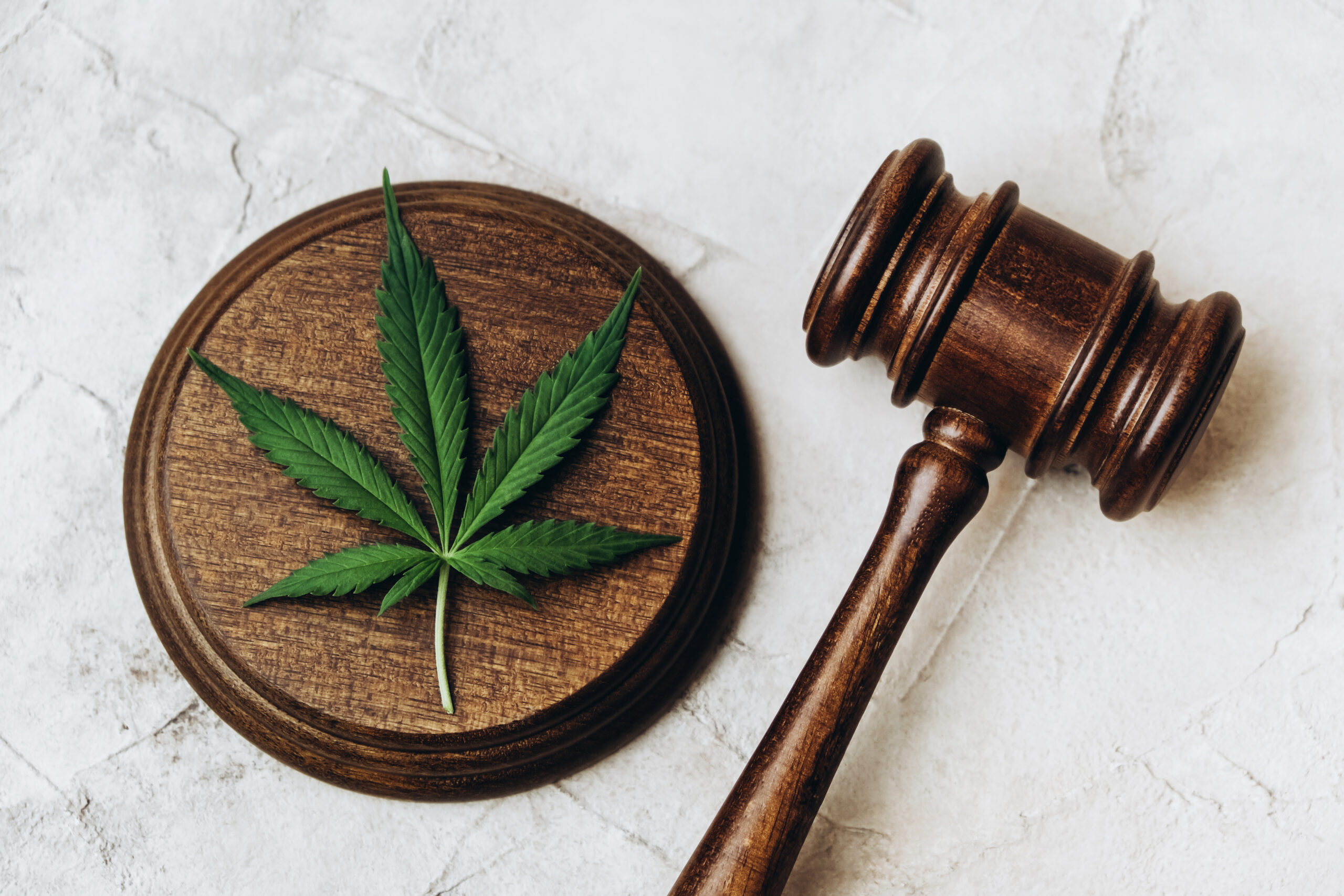
According to recent analysis from the Congressional Research Service, cannabis businesses may not need to wait for rescheduling to challenge the now-notorious 280E tax burden, suggesting that it may be unconstitutional.
The CRS report (R46709), published on 6 February by legislative attorney Milan N. Ball, provides a detailed legal analysis of Internal Revenue Code Section 280E, the provision at the centre of the rescheduling debate for many US cannabis businesses.
Section 280E denies tax deductions and credits to any business trafficking in a Schedule I or Schedule II controlled substance, meaning state-legal cannabis operators cannot deduct rent, utilities, payroll, advertising, depreciation, or charitable contributions.
The only available relief is the ability to offset gross receipts by cost of goods sold, a narrow carve-out that the CRS notes exists primarily to avoid constitutional challenge under the Sixteenth Amendment. Beyond that, the report states, ‘there is little tax guidance concerning the application of Section 280E.’
The provision applies regardless of state law: “Section 280E applies to marijuana businesses operating in compliance with state law because trafficking marijuana continues to violate federal law,” the CRS states. “Any lack of enforcement of the CSA does not render Section 280E inoperable.”
But the report found that whether this treatment violates the Eighth Amendment’s Excessive Fines Clause remains an open legal question.
In Northern California Small Business Assistants Inc. v. Commissioner (2019), a Tax Court panel split three ways. Ten judges held that 280E does not constitute a penalty under the Eighth Amendment. Two declined to rule on whether it imposed a fine but concurred in denying the taxpayer’s motion because the taxpayer had failed to demonstrate the fine was excessive. Three concluded that 280E does impose a fine, but did not determine whether it was excessive.
The CRS characterised the constitutional status as ‘a matter of debate’, noting the Supreme Court’s standard that a fine is excessive where it is ‘grossly disproportional to the gravity of the offence.’
The question of whether taxing cannabis businesses punitively for an offence the federal government overwhelmingly declines to prosecute meets that threshold has not been tested at the appellate level.
A 2020 Treasury Inspector General audit, cited in the report, found high rates of noncompliance with 280E among cannabis businesses in California, Oregon, and Washington, and noted that ‘there is no easy method to identify marijuana businesses based on tax return filing information.’
Rescheduling may not even solve the problem
Perhaps the most underreported element of the CRS report is its survey of legislative proposals that would maintain 280E’s application to cannabis businesses even after rescheduling. Two current bills, S. 471 and H.R. 1447, would amend Section 280E to expressly prohibit cannabis business deductions regardless of scheduling status.
If either bill advances, rescheduling to Schedule III would not deliver the tax relief that US operators have been banking on.
The report also highlights the banking access problem that rescheduling alone cannot resolve. It cites testimony from a former Treasury Secretary describing cannabis businesses’ exclusion from the financial system as ‘a very large concern,’ noting the IRS has had to ‘build cash rooms to take in large amounts of cash’ to collect taxes from unbanked operators.
As Business of Cannabis reported last week, the administrative pathway for rescheduling itself remains deeply uncertain, but the CRS report raises the question of whether 280E relief would occur even if it finally rescheduled.
FDA acknowledges medical utility
FDA Commissioner Marty Makary publicly acknowledged the medical utility of cannabis, adding regulatory weight to the issue given that its current Schedule I classification is predicated on a substance having ‘no currently accepted medical use.’
Although the bulk of his answer focused on well-trodden public health arguments, like the increased potency of modern cannabis, links of adolescent use to psychosis, and the rise in youth THC vaping, he went on to espouse its medical utility.
“We are also in the Trump administration very serious about making sure that the medicinal purposes, that is, the indications where people find benefit in medical conditions, for example, with chronic terminal cancer, is advanced, and so we’ve taken action to change the scheduling from Schedule I to Schedule III.”
The FDA’s scientific evaluation underpinned the HHS recommendation in August 2023 that initiated the rescheduling process. Yet in December, HHS declined to provide evidence at the DEA’s rescheduling hearings, prompting the agency to seek subpoenas to compel testimony from four FDA officials. Makary’s public acknowledgement of medical utility now puts the FDA commissioner on the record affirming the conclusion his own agency’s analysis reached more than two years ago.
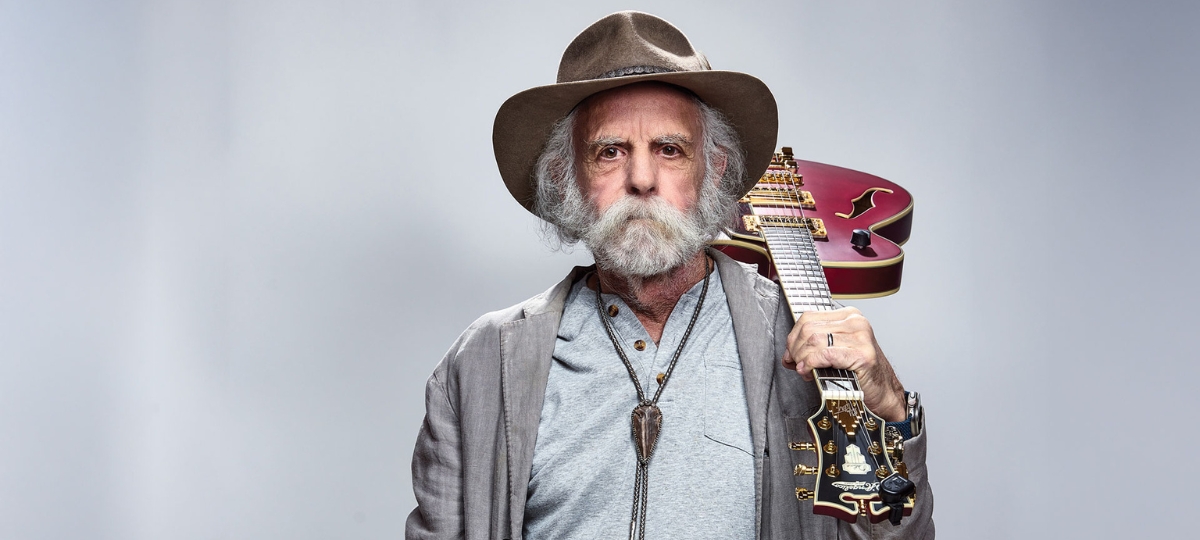
Nothing Ventured. Nothing Gained: Bob Weir and the Culture That Got There First
This piece is, first and foremost, a tribute to Bob Weir, and to a life spent creating, persisting, and refusing stasis. It reflects on the influence of an artist whose impact was not confined to charts, movements, or moments, but unfolded over decades through presence, continuity, and an uncommon willingness to keep going. Weir’s work, approach, and longevity shaped not only a musical lineage but a way of participating in culture that favored openness over control and evolution over preservation.
Viewed through that lens, the story also traces the evolution of cannabis from informal social practice to regulated commercial enterprise, and the tensions that transformation has produced. It considers how cannabis culture was sustained long before it was monetized, how community-based norms differ from institutional frameworks, and how scale, capital, and compliance can both legitimize and distort what they seek to protect. Interwoven are reflections on risk, longevity, decentralization, and influence without authority, while using Bob Weir’s path as a reference point for understanding what the cannabis industry has gained, what it has compromised, and what lessons may still be recoverable.
******
“The bus came by and I got on—that’s when it all began.”
Before the Law Caught Up With the Culture
Before cannabis was regulated, branded, taxed, and debated in committee rooms, it lived where Bob Weir lived: in parking lots and passenger vans, in half-lit arenas and muddy fields, passed hand to hand with the same unspoken trust as a lighter or a lyric. For the Grateful Dead, cannabis wasn’t a cause or a commodity, it was part of the shared language of curiosity, patience, and community. Bob Weir didn’t preach it. He inhabited it. And in doing so, he helped normalize a culture long before the law ever caught up.
It was 1963, and Bob Weir was sixteen years old when he met Jerry Garcia at Jerry Morgan’s Music Store in Palo Alto, California. Jerry was playing the banjo; Bobby heard the sweet sounds. Bobby walked in, leading to a marathon jam session and the start of their musical journey together. Bob was just a kid with a guitar and an instinct. That accidental meeting didn’t just spark a band; rather, it ignited a culture, a community, and a way of thinking that would ripple through American music, counterculture, and cannabis history for decades.
The Grateful Dead didn’t arrive fully formed. Neither did the movement that grew around them. It was improvised, communal, messy, joyful, and defiantly human. Bob Weir would become one of the most singular rhythm guitarists ever to stand on a stage; his rhythm guitar playing is isolated in numerous online recordings; take a listen…mind-blowing. He was angular, conversational, intentionally off-center. While he often dominated the stage, he didn’t dominate the music. He challenged it. He complicated it. He kept it alive.
Over more than six decades, Bob Weir never stopped. The band kept playing on.
The Long Road After Jerry
The Grateful Dead. Kingfish. Bobby and the Midnites. RatDog. Weir & Wasserman—anchored by the late great Rob Wasserman on stand-up bass. Dead & Company. Wolf Bros. Orchestral collaborations. Solo tours. Side projects that became lifelines. Once asked why he always had so many side projects, Bob simply said, “Because I love to play.” While others slowed down, retired, or calcified into nostalgia, Weir stayed restless. He toured relentlessly. He experimented openly. He trusted the road.
And when he passed, the music didn’t end, it won’t end, but the silence hits hard.
Bob Weir wasn’t just a legend to me. He was my compass.
I didn’t realize it at first, but I modeled so many parts of my life after him. Bob was a man of few words. Quirky. Aloof. Sometimes misunderstood. Often underestimated. But always himself. And always moving forward. Bob mused romantically about being a cowboy, as did I when I moved to Wyoming in 1998; this is the source of inspiration for so many Dead cowboy tunes. I once wrote a legal article titled “Victim or the Crime,” focused on hate crime legislation. My professional writing, including my Forbes columns over many years, always includes dedicated Grateful Dead lyrics. We named our daughter, Cassidy!
When Jerry Garcia died in 1995, I was just starting to appreciate Grateful Dead tours and just beginning to understand how deeply cannabis, music, and community were braided together in the Dead universe. At the time, the Dead were already a thirty-year institution, but the scene felt timeless. Parking lots turned into temporary cities. A traveling carnival. A shared hallucination built on music, curiosity, kindness, and cannabis. Massive drum circles under overpasses with balloons bursting and nitrous tanks hissing in the background. It was a rainbow full of sound, with fireworks, calliopes and clowns. Everybody’s dancing.
The music was electric. Cannabis smoke drifted easily and unapologetically through the air. The crowd was multigenerational, with eight-year-olds and eighty-eight-year-olds dancing side by side. The culture was welcoming and alive. It welcomed my friends and me. After attending Catholic school for so long, it opened us up.
That summer, with my buddies, Lew and Jason, I drove from home in South Jersey to RFK Stadium in Washington, D.C. for a Dead show—June 24, 1995. Cannabis fueled our drive down I-95. This wasn’t a statement or a rebellion; it was simply part of the atmosphere. At the time, we mostly knew the studio albums, which, as any Deadhead knows, is not where the band truly lived. The Grateful Dead were a live organism.
None of us had a reliable car. I borrowed my Dad’s Mazda 929—a massive, plush four-door sedan built for comfort, not rebellion. We loaded it with CDs and Dead show cassette recordings. Tape trading was everything back then. You’d visit the Woodstock Trading Company in South Jersey, request shows that you picked from the book, DeadBase, drop off blank tapes, and wait weeks. When those tapes came back, it felt like treasure.
The Dead encouraged it. They created taper sections. They allowed recording. Music was meant to travel, to be shared, not controlled; the same quiet social contract that governed cannabis in the Dead world: communal, trust-based, and defiantly outside permission structures. Music was meant to travel, to be shared, not controlled. Some people built entire lives around those tapes. In hindsight, that philosophy mirrored cannabis culture perfectly, as it was decentralized, trust-based, and community-driven.
Driving south on I-95, buses and semis flying past us, we listened, and we argued.
Who really was this boisterous, deep-voiced frontman? The one who sounded cocky. Abrasive. Maybe even obnoxious. Who did he think he was? Not Jerry.
Back then, the jury was out on Bob Weir.
That wasn’t uncommon. Deadhead culture had a long tradition of skepticism toward Bobby. The short shorts. The swagger. The songs that didn’t always land. I remember parking-lot T-shirts featuring a block of Velveeta cheese that read “Cheese it up, Bobby.” Bobby was often perceived as cheesy; as rockstar Bobby.
Jerry, by contrast, was untouchable. He was the gentle guitar wizard, the spiritual center. In comparison, Bobby seemed brash.
And then the show started.
“Jack Straw” opened.
By the end of that night, everything we thought we knew was wrong. We returned to Georgetown, where we were staying, our skin stained green from the $5 tie-dyes we’d bought in the parking lot. We dove deeper into the Bob Weir songbook.
We listened differently. We leaned in. We started chasing Bob Weir songs—deep cuts, risky ones, sometimes flawed ones. “My Brother Esau.” “Picasso Moon.” “Festival.” Even the misfires mattered. Bob always added something. He never diluted the band, even when the audience wasn’t ready.
During a concert, the Dead had a rhythm where there was a Jerry song, Bobby song, back and forth. Not a rule, just the way it most often unfolded. And the philosophy of the Dead was one where everyone got to shine; everyone got to play lead, in effect. This was the Bobby mentality. Slowly, Bobby won us over. Eventually, for many of us, he became the anchor.
This era followed In the Dark, the band’s first true commercial success. “Touch of Grey” cracked the pop charts. And if you want to understand why Bobby caught heat, just watch the online video for “Hell in a Bucket.” That explains a lot.
Then Jerry died.
For many of us, it felt like the end. And unfortunately, for many of us, it was just about the beginning of our love for this band. After all, it was a band beyond description. Were they ever here at all?
Photo courtesy of Facebook
The Music Never Stops
Around that same time, my father remarried. At the wedding, my Uncle Jimmy mentioned a band called RatDog—and how much he loved Bob Weir. Who knew? RatDog was Bob’s new band, and it was different. A horn section. A new groove. Same soul. It brought the road back to life. Many of us fell in love…again.
Show after show. City after city. As many as I could afford as a student. We chased Bob Weir around the country. I even formed my real estate company, Weir Here LLC. W-E-I-R became my four-digit PIN.
Bob stayed on the road. Always. It’s been said that no one has played more live concerts than Bob Weir. Whether or not it is literally true, no one has played more large-scale shows over more decades with more consistency.
The music never stopped.
RatDog album Evening Moods remains one of the most underrated albums of that era. It is brilliant from start to finish. You won’t find it easily on major streaming platforms, but it lives on YouTube. Like much of the Dead universe, it survives because people care enough to keep it alive.
In April 2008, RatDog closed its Spring tour at the Beacon Theatre in New York City. I flew back from law school in the West to meet friends from New York and Philadelphia. Three nights. Transcendent. Those setlists can be found on setlist.fm —go look it up. Fantastic!
After the last show of that run, my friends and I walked out buzzing, drifting north toward 72nd and Amsterdam on the Upper West Side. Standing in a circle outside a bar, decompressing, smoking, telling stories. A Lincoln Town Car pulled up. The door flew open. A man barked something into the back seat— “There will be repercussions,” the man said. He slammed the door, and stormed through our group, inadvertently shoulder-checking my friend Jason.
It was Bob Weir.
He asked to bum a cigarette. We obliged. Turns out the band had rented the back room of that bar for their end-of-tour gathering.
Four Words That Changed Everything
Later, in the men’s room, guess who arrives at the urinal right next to me? Standing shoulder to shoulder at a urinal, I couldn’t help myself.
“Bobby—amazing tour. RatDog is incredible. Please keep playing. You have no idea what it means to so many people.”
Silence.
He zipped up, stepped back, looked me dead in the eye, and said:
“Nothing ventured. Nothing gained.”
And walked away.
Four words.
I didn’t understand them that night. But they followed me.
In 2008, my Philadelphia Phillies won the World Series. That same year, my mother died from pancreatic cancer. I had two young children—four and six. I was working at a prestigious law firm in Denver and deeply unhappy. Every option felt safe. None felt right.
Nothing ventured. Nothing gained.
These four words inspired me to start my own firm—a law firm centered around ‘canna-business.’ Over the next fifteen years, it grew into the first and largest cannabis-only business law firm in the world—the Hoban Law Group.
All from a sentence spoken in a bathroom.
Culture Before Compliance
Now, Bob Weir was never a policy guy. No podiums. No white papers. He didn’t need them.
Some revolutions start in parking lots.
Cannabis culture didn’t begin with licenses, capitalization tables, or compliance manuals. It began with community. The Grateful Dead didn’t market cannabis—they normalized it. Quietly. Organically. Humanly.
The Dead lived defiance rather than preaching it. Their Haight-Ashbury home was raided in the 1960s. That wasn’t a scandal; it was a rite of passage. Cannabis wasn’t branded. It was passed. Shared. Laughed over. Trusted.
Culture always comes before regulation.
Bob’s relationship with cannabis was never performative. In a 1981 interview, Bob once said that “I am absolutely never stoned on stage…I can’t play stoned…,” as Jerry looked on with a wry smile, and a raised eyebrow of disbelief. When Bob spoke about it, it was sideways—through humor, memory, and civic responsibility. Vote. Pay attention. Don’t let outdated laws calcify simply because power is comfortable.
He understood something critical: legitimacy without memory becomes control.
The Dead’s world was decentralized, communal, and improvisational. Today’s cannabis industry is centralized, capital-intensive, and often hostile to the very communities that carried the plant through prohibition. That tension matters.
Bob Weir never positioned himself as an architect of modern cannabis markets. And that absence is telling. Because commercialization is not liberation. Regulation is not justice.
What Bob and the Dead provided was social permission; the kind that makes prohibition untenable long before laws change. They made it impossible to pretend cannabis users were outsiders.
Even “420” didn’t come from marketers or regulators. It came from kids, from Dead-adjacent culture, passed hand to hand as a code. Culture first. Always.
A Legacy That Couldn’t Be Licensed
Today, as cannabis inches toward federal reform and grapples with normalization, Bob Weir’s legacy sits quietly beneath the surface. The plant survived not because it was profitable, but because people loved it, trusted it, and refused to let it be erased.
You can license cannabis. You can tax it. You can regulate it. But you can’t unteach people what they already know.
Bob Weir didn’t walk this road alone. Every long strange trip has its translators. These were the people who turned music into language, instinct into principle, and culture into something durable enough to survive the future. For the Grateful Dead, one of those translators was John Perry Barlow: lyricist, digital freedom pioneer, and Bob Weir’s close friend and collaborator.
I went to law school in Wyoming, which was Barlow’s home state. And one day at the University of Wyoming, outside of a restaurant, I saw an older man in a long leather coat, arguing intensely into a cellphone. Familiar energy. The same posture. The same refusal to bend.
I was having a smoke. He moved in. Introduced himself. John Perry Barlow. He was in town talking about cyberspace freedom, which is another frontier where culture would once again outrun the law.
Same instinct. Same resistance. Same thread. We talked about the songs and how they never really stop living.
Over the years, there was Dead50 in Chicago, with Phish’s Trey Anastasio. Great shows that I am proud and lucky to have attended. Numerous Playing in the Sand events on the Riviera Maya. Then, Dead and Company with John Mayer began. Ten years and dozens of Dead & Co. shows under my belt soothed my soul. Cannabis brought me to Las Vegas to teach at UNLV’s Cannabis Policy Institute, and I was able to attend numerous Dead Forever shows at the Sphere…what an experience!
And all through 2025, the music definitely lived on. While traveling internationally for my cannabis industry work, I found myself in London while Bob Weir and the Wolf Brothers were playing at the Royal Albert Hall with the Royal Philharmonic Concert Orchestra. In typical Bobby fashion, questionable setlist choices, but an amazing experience. And then there were the final shows in Golden Gate Park—Dead60. These turned out to be his final shows. A fitting end to a career that ended exactly where it began. I was proud to see it all happen live.
Music was meant to travel, and to be shared, not controlled. The Grateful Dead understood that instinctively. It’s why tapers were welcomed, why the music spread hand to hand, city to city, generation to generation. It was decentralized by design, governed by trust, sustained by community rather than permission.
Cannabis followed the same path. Long before licenses, compliance manuals, capitalization tables, and quarterly earnings calls, the plant survived because people shared it. Quietly. Reliably. Outside formal structures. Culture carried it when the law would not.
Today’s cannabis industry has achieved something remarkable: legitimacy. That matters. Regulation, when done right, protects consumers, creates stability, and ensures longevity. But in the rush toward scale and standardization, there is a real risk of forgetting what made legalization inevitable in the first place. Commercialization is not liberation. Regulation is not justice. And an industry that loses sight of its cultural roots risks becoming legal, and hollow.
Bob Weir never tried to control the music. He trusted it to move on its own. That may be the lesson still waiting to be learned.
Bob Weir wanted the songbook—the soundtrack of our lives—to survive three hundred years.
I believe it will.
Eight-year-olds. Eighty-eight-year-olds. Still dancing.
We grew up with Jerry, but we grew old with Bobby. And for that we will all forever be Grateful.
Vaya con Dios, Ace.
Nothing ventured. Nothing gained.
This article is from an external, unpaid contributor. It does not represent High Times’ reporting and has not been edited for content or accuracy.
Marijuana Legalization Is On The Ballot In Texas During The Primary Election That’s Happening Now
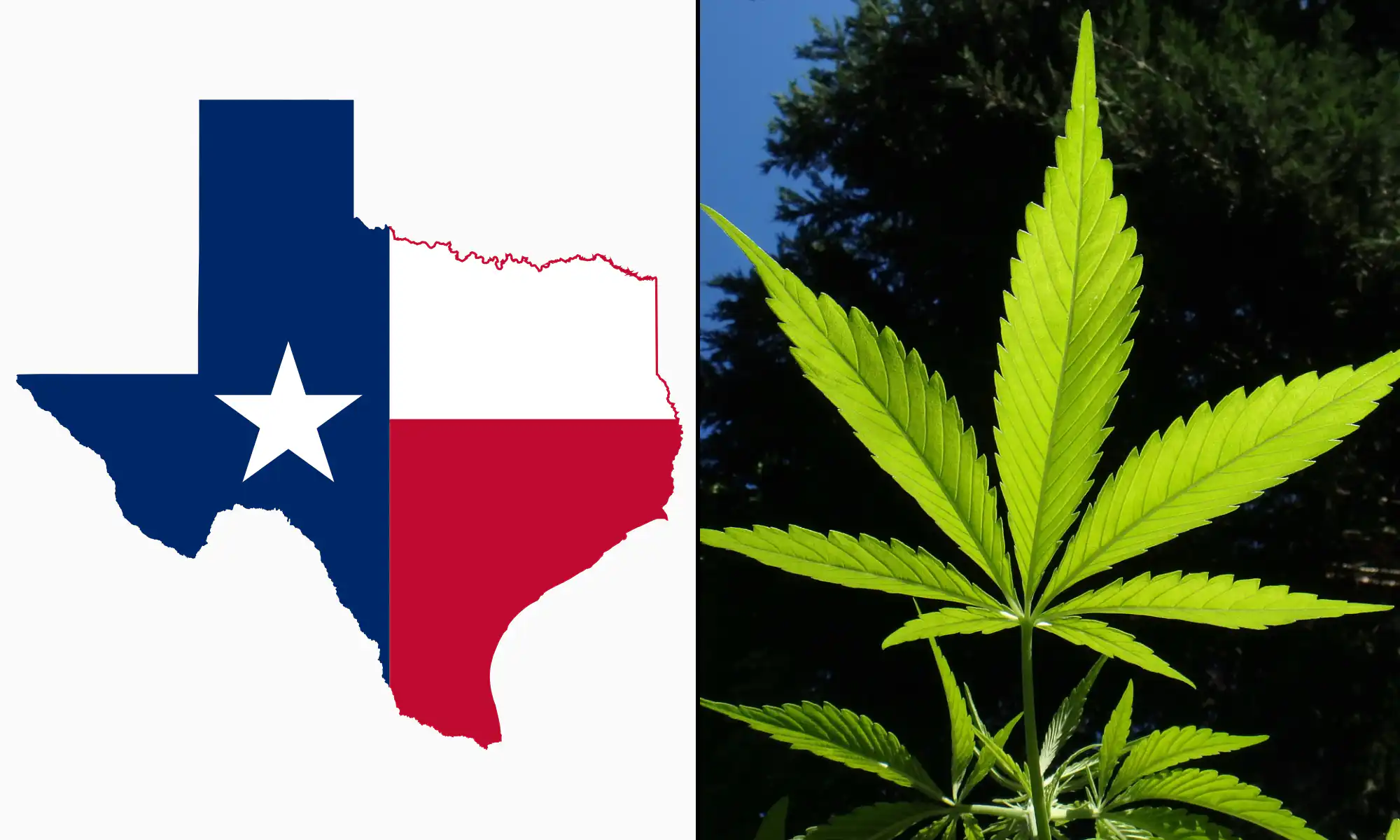
Texas voters who go to the polls for the primary election that’s currently underway have the opportunity to weigh in on whether marijuana should be legalized in the state—at least if they select a Democratic ballot.
As part of the March 3 election for which early voting has already started, each major party was able to place several non-binding propositions on the ballot that allow voters show how they feel on key issues.
The Texas Democratic Party is using one of its propositions to find out where the electorate stands on legalizing cannabis and whether past convictions should be expunged.
The yes or no question on Democratic primary ballots reads:
“Texas should legalize cannabis for adults and automatically expunge criminal records for past low-level cannabis offenses.”
There is no cannabis question on the Republican ballot, but Texas has an open primary system in which voters can opt to participate in either party’s primary regardless of how they are registered.
The result of the voting on Democrats’ marijuana question will not on its own change any cannabis laws, but it could send a signal to lawmakers about popular support for reform.
The appearance of Radioactive Honey is truly striking, often showing off a beautiful mix of deep forest greens and bright orange hairs. Because of its Cookies heritage, these chunky buds are packed tight and dripping with sticky, white trichomes that almost seem to glow. The aroma is just as complex as the look. It hits you with a bright burst of citrus and herbal pine from the Jack Herer side, followed by a rich, earthy sweetness and a woody finish. The bold, layered aroma makes it a top pick for anyone who loves a pungent and flavorful smoke.
The experience begins with an instant surge of euphoria and mental clarity. You will likely feel a boost in your mood and a sense of focus that is great for creative hobbies or tackling a to-do list. As the high progresses, the physical side of the Girl Scout Cookies kicks in. A warm, relaxing wave spreads through your muscles, easing tension without making you feel immediately heavy. While it can lead to a deeper relaxation in higher doses, it generally keeps you feeling happy and uplifted. It is a fantastic all-around strain for those who want to feel both mentally bright and physically calm.
Cannabis Europa Paris 2026: France’s Medical Cannabis Reimbursement Plans Revealed
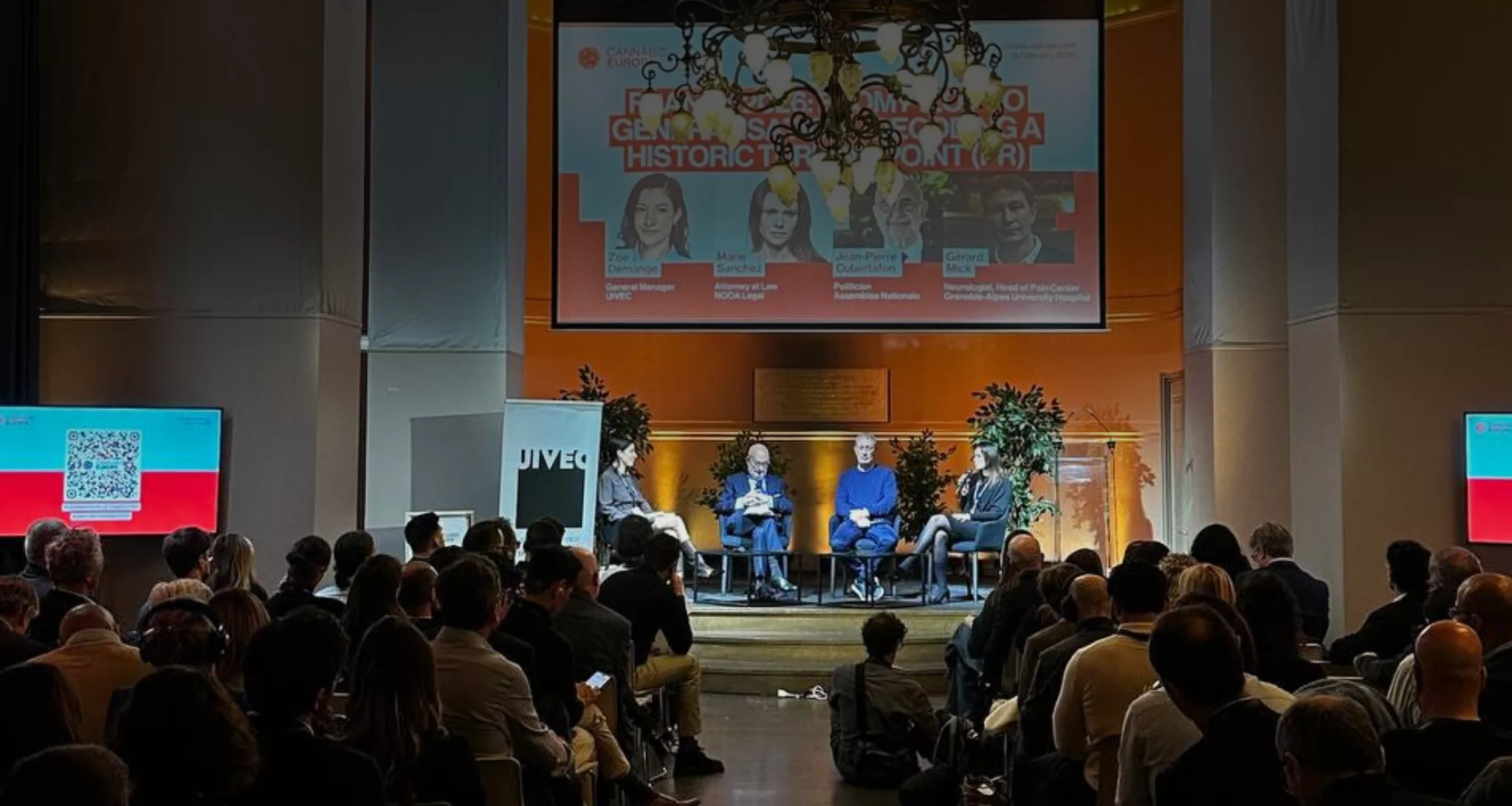
Today (February 19, 2026), Cannabis Europa returns to the French capital for the first time since 2019 at a critical juncture for the incoming French medical cannabis industry.
Just the evening before, French authorities met with industry stakeholders to present the first draft of the country’s long-awaited medical cannabis reimbursement framework, the final regulatory piece needed to move France from pilot programme to permanent market. Delegates arriving at the venue this morning did so knowing they were about to receive a first-hand account of what was discussed.
Stephen Murphy, Co-Founder and CEO of Prohibition Partners, opened proceedings by highlighting just how far the market, and Europe as a whole, has come in the seven years since Cannabis Europa last visited the city.
“We’ve moved from the perception of ‘is medical cannabis legitimate’ all the way through to actually getting medical cannabis into the hands of patients,” Murphy told delegates. “France is probably, in my mind, one of the most important European conversations taking place this year.”
Below, we’ve summarised the key insights from the day’s sessions, and we will be updating in real time.
This morning, delegates were given an overview of the government’s economic model for cannabis medicines in concrete terms for the first time.
UIVEC President Ludovic Rachou, whose organisation helped coordinate the reimbursement dossier submitted to HAS last September, laid out the newly revealed plans to the room.
In December 2025, the Haute Autorité de Santé (HAS), the body responsible for evaluating medicines and approving them for coverage under France’s public health system, paused its assessment of cannabis medicines after concluding it could not finalise reimbursement structures without the published decree. That decree has now been drafted.
Key takeaways:
The proposed model establishes a tiered reimbursement structure tied directly to Haute Autorité de Santé’s (HAS) assessment of each product’s therapeutic benefit.
Coverage rates will be set at 65%, 30%, 10%, or 0%, corresponding to major, moderate, minor, or insufficient benefit, respectively.
However, Rachou noted that the headline rates may be less significant than they appear for many patients. Since the majority of eligible patients suffer from long-term conditions qualifying for ALD status under the French system, most should ultimately access cannabis medicines at 100% coverage regardless of the base reimbursement tier. That question, he noted, is still being finalised.
Pricing will be structured by homogeneous product categories, grouping medicines by pharmaceutical form, composition, and clinical characteristics, with a single price applied across each category.
Prices will be fixed for three years and can be revised upward or downward if new clinical evidence emerges.
The consultation period following the February 18 meeting is expected to last between three weeks and one month, during which stakeholders can submit formal comments on the draft text.
If proceedings go to plan, the outstanding regulatory decrees, including those covering cultivation, technical specifications, and the legal status of cannabis-based medicines, will be formally adopted in June.
At that point, companies will be able to begin product registration with the French drug agency ANSM, while HAS simultaneously resumes its evaluation.
A final HAS opinion on reimbursement is anticipated around October-November 2026, with patients still enrolled in the pilot programme covered under an extended scheme until 31 December 2026.
The precise pricing methodology for each product category remains subject to ongoing discussion between UIVEC and the authorities, a process Rachou indicated the trade body intends to pursue actively in the months ahead.
Reimbursement in Practice: Who Pays, For What, and When
With the draft reimbursement decree barely 24 hours old, a later French-language roundtable brought together some of the leading voices in the French market to test the announced measures.
Key Takeaways
France operates a single-payer system, meaning companies negotiate directly with the ministry, there is no room for case-by-case deals as in Germany. As one speaker put it: either you make a deal with the ministry, or you’re out.
The government is expected to work from a pre-set budget envelope for medical cannabis rather than evaluating each product on pure clinical merit. HAS will likely be open on reimbursement in principle, but will seek to protect public finances by keeping the therapeutic benefit rating, and therefore the reimbursement rate, as conservative as possible.
The target patient population will be one of the most contested issues. A tightly defined population keeps budget exposure manageable for the ministry, but too broad a definition risks losing control of spend. Panellists warned that companies presenting inflated volume projections will face pushback, reassuring authorities with conservative, epidemiologically grounded estimates is likely to be more effective.
The choice of clinical comparator will be crucial in determining the price. Whether cannabis is compared to opioids, surgical interventions, or intrathecal implants (depending on indication) will significantly affect what price the ministry is willing to accept. Panellists noted the risk that authorities will exploit any ambiguity in comparator selection to push prices down.
A single fixed price per product category, as confirmed in yesterday’s consultation, creates a difficult dynamic for the industry. With no ability to promote products and no price differentiation permitted, companies will struggle to compete on anything other than cost structure. Those with high production costs, particularly foreign operators who underestimate the full cost of the French pharmaceutical model, risk being unable to align with whatever price is set.
The real cost risk for international operators is not the price of dried flower. It is the full weight of French pharmaceutical compliance. Trained physicians, patient follow-up data obligations, narcotics management controls, and the requirement for a responsible pharmacist and an exploitant. All of this must be factored into price negotiations.
Driving prices too low carries its own risk. If companies respond by chasing volume to compensate, they will overshoot the patient population defined by HAS and breach the budget envelope, triggering further regulatory intervention.
A health economics argument may be the industry’s strongest card. Data from the pilot programme showed that medical cannabis reduced patients’ consumption of other treatments. The case that a single cannabis medicine can address multiple symptoms simultaneously, potentially replacing five to seven separate prescriptions, represents a compelling cost-efficiency argument for the social security system, and one panellist said should be developed further.
Made-in-France production is increasingly being seen as a negotiating asset, as domestic sourcing aligns with broader government priorities and may provide leverage in price discussions.
Patient access timelines remain a concern. Even once reimbursement is confirmed, restrictions on which specialists can initiate prescriptions, pain centres, and multidisciplinary requirements could create significant bottlenecks in the early phase of the market.
Key insights from across the morning sessions
Beyond the reimbursement deep-dive, the morning’s broader sessions reinforced a consistent theme: France has built a rigorous framework that protects patients and quality, but the commercial and human cost of further delay is becoming harder to justify.
On domestic cultivation, speakers were clear that France is a pharmaceutical model, not a low-cost growing market, greenhouse-only, GACP-compliant, and tightly linked to pharmaceutical supply chains. GMP certification remains the critical and expensive gatekeeper, with one speaker warning companies to ‘triple your budget and triple your time.’ Germany’s ongoing price compression is reshaping global supply chains and will continue to accelerate.
On patients, the testimony was stark. A patient association president described an 18-step regulatory journey stretching back to 2018, and pointed to patients who have died in the 18 months since new pilot programme inclusions were halted, people who could not access cannabis medicine in their final months. Without viable pricing, there will be no industry, she argued, and without reimbursement, there will be a two-tier system, access only for those who can afford to pay.