Gotham Launches Accelerator; First Cohort to Support Black-Owned Cannabis Brands
NEW YORK — Dispensary concept chain Gotham launched the Gotham Growth Project (GGP), a business accelerator program designed to support growth-stage cannabis consumer brands from underserved communities. The inaugural cohort will focus on Black-owned businesses operating in New York City, providing founders with the structure, strategic guidance, and industry access needed to scale sustainably. Future cohorts will expand to additional underserved communities.
The six-session program is open to founders based in New York City’s five boroughs, Westchester County, and Long Island who already are selling products through licensed dispensaries, retail partners, or regulated marketplaces. GGP blends instruction, peer collaboration, and practical assignments to help founders tackle real-world growth challenges, from retail readiness and operations to financial strategy and expansion planning.
“Too many founders from underserved communities are expected to navigate growth on their own after clearing the hardest barriers to entry,” said Gotham Chief Operating Officer Kenny Anderson. “GGP is about meeting founders when the stakes are high, the margins are tight, and the next decisions matter most. This program is designed to help brands move from traction to scalability. The mission of GGP is to turn diverse visions into success.”
The accelerator curriculum includes six core focus areas:
Brand foundation and positioning.
Product development and regulatory alignment.
Operations and sales strategy.
Retail readiness and partnerships.
Financial planning and capital preparedness.
Storytelling, pitching, and executive presence.
To support long-term business development beyond the program, Gotham will host a series of master classes following completion of the six sessions.
“The idea for the Gotham Growth Project was born out of feedback we received from our store teams,” said Gotham founder and Chief Executive Officer Joanne Wilson. “They consistently shared a desire to see more diverse brands represented on our shelves. GGP is our response and also our responsibility to the people who make Gotham what it is. This is a tangible, intentional way to support Black founders who are already building strong products and deserve greater visibility, resources, and pathways to scale.”
Eligible applicants must be at least 51-percent Black-owned and -operated, have been in business for one year or more, and currently have at least one product on the market. Qualified product categories include THC and CBD offerings such as flower, pre-rolls, vapes, edibles, gummies, concentrates, tinctures, and topicals.
The program will conclude with a live pitch showcase at The Highrise, Gotham’s semi-annual leadership salon, in October 2026.
Applications for the first cohort close March 11 at 5:00 PM ET.
Malden MA’s Backdoor Effort To Stifle Cannabis Shops Fails In Court
On its surface, Malden’s zoning bylaw restricting cannabis businesses might seem justifiable. City officials didn’t want marijuana sold near houses, schools, day cares, religious facilities, parks, or drug treatment centers. So they established buffer zones of varying size around those sites, from 75 to 500 feet, where cannabis businesses were forbidden.
Dig deeper, however, and it’s clear that Malden’s rules made it nearly impossible for a cannabis business to open in the city. Only 55 of the city’s 13,454 parcels of land fit the zoning requirements, according to an engineer who testified in a related court case, and other regulatory requirements ruled out some of those.
To Read The Rest Of This Article On The Boston Globe, Click Here
5 Specialty Wraps and Papers that Turn a Small Shelf into Bigger Margins
Rolling papers and wraps are no longer merely convenient point-of-purchase buys. Specialty papers, artisanal wraps, and oversized cones have transformed the category into a high-margin opportunity.
Why ‘uncommon’ papers sell
Uncommon options speak directly to customers who want more than just function, attracting those who seek a story, statement, or sensory upgrade to their ritual. They’re impulse-buy gold when displayed creatively and marketed with intention.
For retailers, the key is to treat the products like lifestyle items. Pair them with complementary accessories, spotlight their origin stories, and use signage or digital content to highlight unique qualities. The right product at the right time can give shoppers another reason to spend with you.
How to merchandise wraps like lifestyle accessories
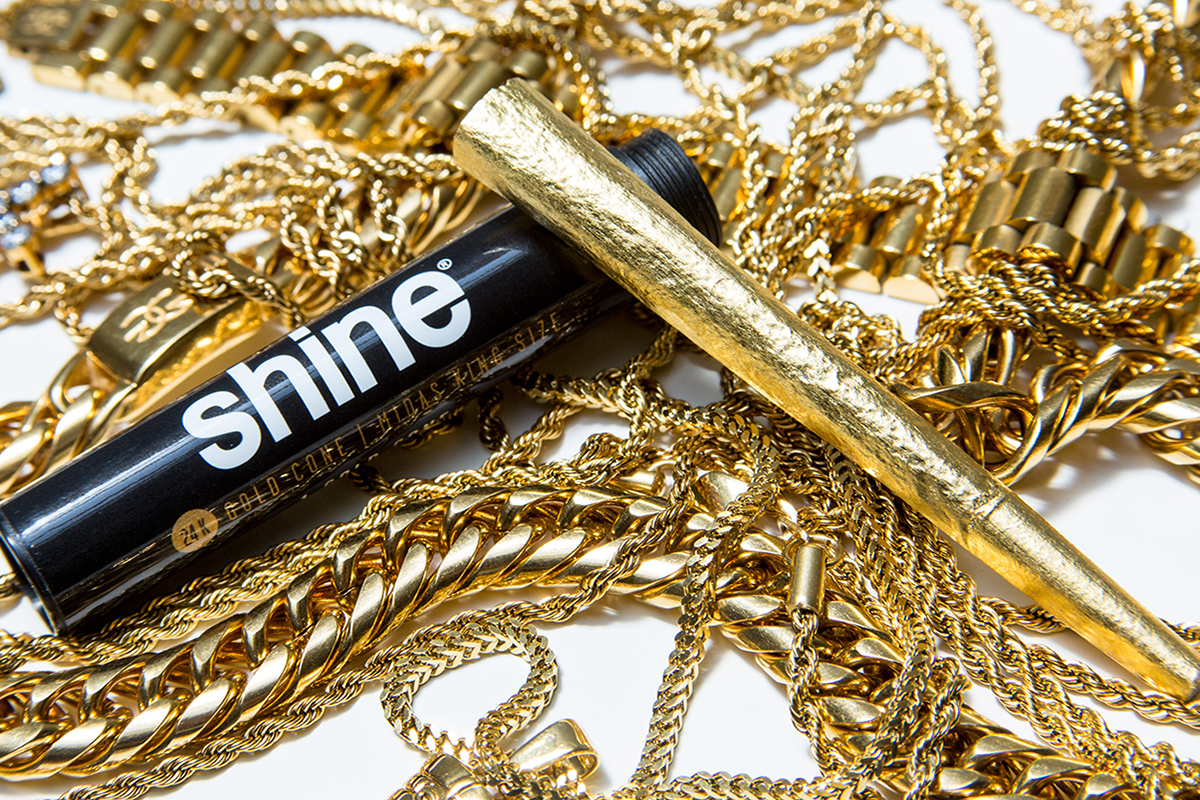
Shine 24k gold papers
Shine’s 24k gold leaf papers turn the roll into a statement piece—and a giftable add-on. (Photo: Shine)
Shine was born at the crossroads of celebration and luxury. Since 2013, the company’s gold leaf papers have turned smoking into a statement. Smooth hemp paper underlies edible gold leaf, which doesn’t interfere with the burn but does leave behind golden ashes. Each session becomes a subtle expression of personality with a hint of extravagance.
Marketing tip: Treat Shine gold papers like a lifestyle accessory. Position them alongside luxury lighters, designer grinders, or curated gift sets. Highlight the “golden ashes” experience in the display or signage. Customers are drawn to products that feel unique.
Million Bananas organic leaf wraps
Million Bananas’ banana-leaf wraps offer a natural-looking alternative with strong “story” appeal. (Photo: Million Bananas)
Inspired by traditional Thai craftsmanship, Million Bananas Organic Leaf Wraps are an eco-conscious alternative to conventional papers. Each banana leaf is meticulously hand-processed over a period of forty-eight days, during which it undergoes slow drying, fermentation, and curing to ensure durability and a smooth burn. Made from 100-percent organic, non-GMO, vegan materials, these wraps provide a natural, unprocessed experience.
Marketing tip: Position these wraps as a premium, sustainable option for discerning customers. Highlight the artisanal craftsmanship and eco-friendly credentials in-store and online, and consider offering them in curated gift sets alongside other luxury smoking accessories to appeal to sustainability-minded consumers.
Papers + Ink custom-printed organic rolling papers
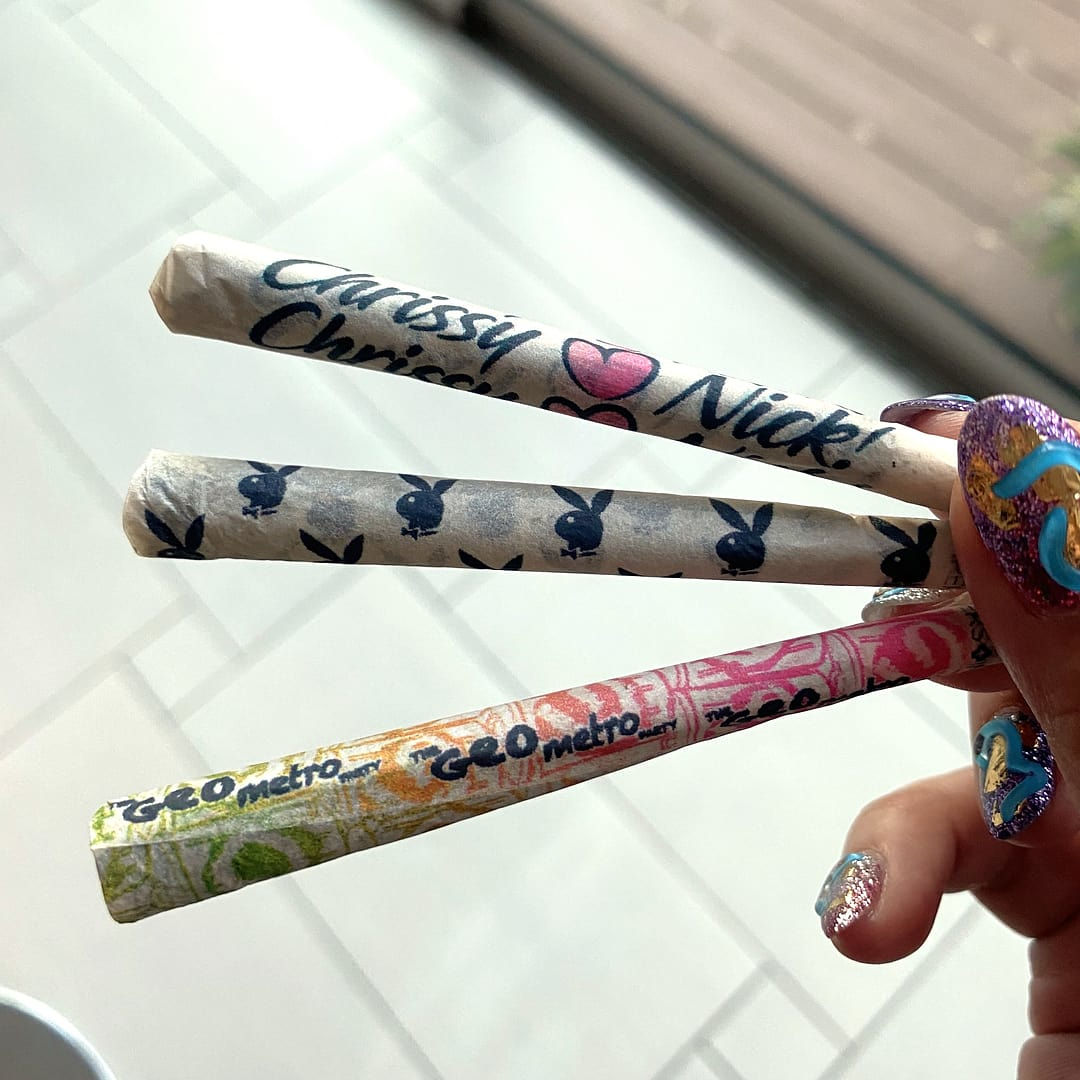
Custom prints create easy limited editions and collaborations retailers can merchandise. (Photo: Papers + Ink)
Papers + Ink has redefined the art of rolling with its custom-printed organic rolling papers. Each sheet is crafted from organic unbleached hemp and printed with non-toxic vegetable-based colorings. Available in a variety of colors and themes, these papers cater to every taste and occasion; whether stores want to personalize merch for a special event or add a unique touch to their product line, this brand custom work stands out.
Marketing tip: Leverage the customizable nature of these papers to create exclusive offerings. Consider limited-edition designs or collaborations with local artists to enhance the appeal. Also highlight the eco-friendly materials and the artisanal craftsmanship to attract environmentally conscious consumers seeking personalized luxury.
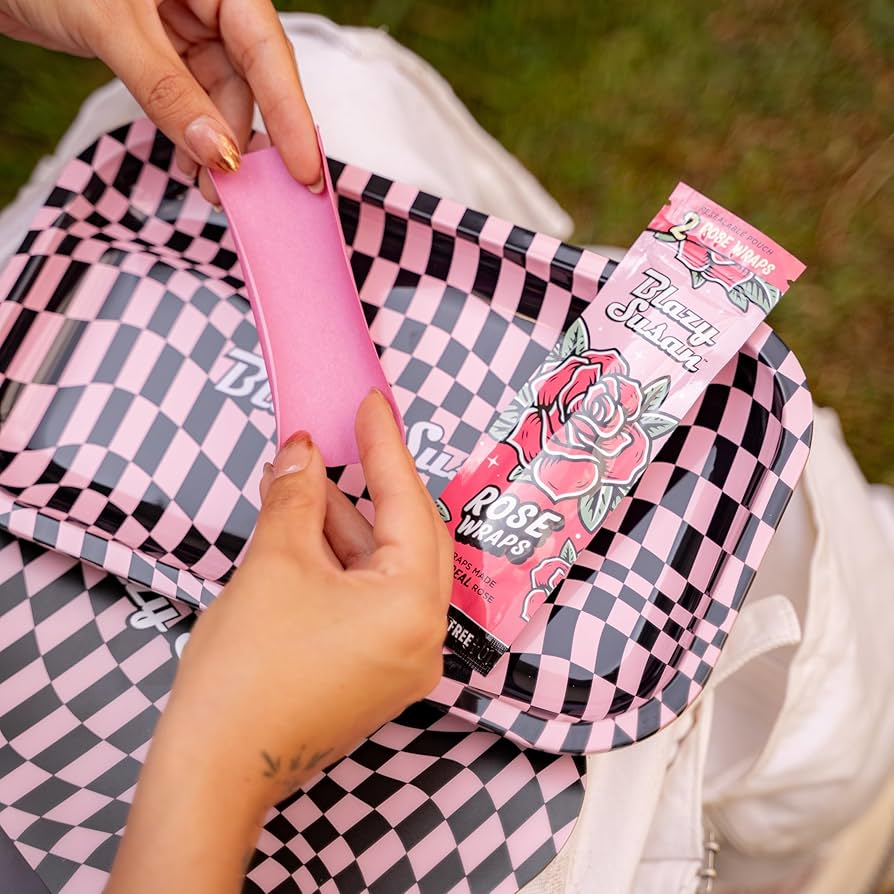
Blazy Susan rose wraps
A floral, boutique-leaning wrap that sells on color, vibe, and sensory cues. (Photo: Blazy Susan)
Blazy Susan’s Rose Wraps are a floral-infused upgrade in the world of cannabis smoking accessories, made from wood-based papers delicately blended with natural rose extracts to imbue each session with a subtle floral aroma. These vegan, slow-burning wraps stick without a gum line, so they’re both elegant and easy to use. Available in single packs and multi-wrap boxes, the stylish pink tone really brings the rose vibes home.
Marketing tip: Rose Wraps are a sensory and aesthetic upgrade. Set up an in-store display featuring soft pink visuals, botanical accents (like dried roses), and sample scent strips to let shoppers experience the aroma firsthand. Pair the wraps with sleek rolling trays or elegant accessories to elevate their appeal as a giftable, boutique item. Bonus points for weaving in phrases like “a bouquet in every smoke” or “floral sophistication meets ritual” to capture the emotive value of the wraps.
Botani tea leaf wraps
Botani’s tea leaf wraps bring a richer texture and natural look for connoisseur shoppers. (Image: Botani)
Botani’s products are rooted in more than 400 years of papermaking expertise, reimagined for today’s smoking culture. The company’s approach marries sustainability with sensory design, using premium tea leaves to craft papers that feel as good as they smoke. Tea leaves add a rich texture, heavier hand-feel, and subtle natural aroma that enhances the flower.
Marketing tip: Spotlight Botani as a lifestyle brand rooted in craftsmanship and sustainability. Create a tactile in-store display that lets customers see and feel the papers before purchase, or highlight the tea leaf wrappers as a unique upgrade for connoisseurs. For online marketing, emphasize the sensory qualities that set these apart from standard rolling papers: aroma, texture, and natural color.
Quick display ideas that move units
Specialty papers and wraps sell best when customers can see what makes them different: texture, color, sheen, and “that’s not your usual paper” novelty. Treat the set like a giftable accessory category, not a dusty add-on.
Make it a micro-collection. Create a small “uncommon wraps” vignette (one tray, one riser, five SKUs max) instead of scattering items across the accessories wall. A tight assortment reads curated and premium.
Merchandise by “vibe,” not by brand. Group by a simple shopper logic — luxury (gold), botanical (tea/rose), natural leaf (banana), custom/limited (printed). Shoppers understand the story in two seconds.
Open a display-only sample (where allowed). If your rules permit, keep one unusable sample behind the counter or in a sealed display so customers can see scale and texture without handling product.
Bundle to lift basket size. Pair specialty wraps with a “build-your-roll” add-on set: tips, a mini tray, and a lighter or matchbook. Even a simple “pick one wrap plus one tip” prompt increases attachment.
Use a rotating “featured wrap of the week.” This is an easy way to keep the category feeling fresh without carrying twenty SKUs. Rotate one hero product weekly and cross-merch it at checkout.
Place once at checkout, once in lifestyle. If you can duplicate the display, do it. Checkout catches impulse buyers; a lifestyle shelf catches browsers who want “something special.”
Let’s talk wraps: your questions, answered
What makes specialty papers and wraps a high-margin category?
They’re small-ticket items with strong “trade-up” appeal when the material, story, or sensory experience feels premium.
How should dispensaries display premium wraps and cones?
Use boutique merchandising: clean risers, tight assortment, “what makes this different” callouts, and pairing with lighters/grinders/trays.
Do customers actually care about materials like tea leaf or banana leaf?
Yes — because texture, aroma, and perceived naturalness create a clear reason to try something new.
What’s the easiest way to drive add-on sales with rolling papers?
Bundle: “build-your-roll kit” (papers/wraps + tips + tray + lighter) and rotate a “featured paper of the week.”
Fewer Drugs, More Screens: Spanish Teens Aren’t Quitting Risk — They’re Just Going Digital
The new ESTUDES 2025 report from the National Plan on Drugs has been released, based on a survey of over 35,000 students across Spain between February and June 2025. On one hand, the data show a decline in alcohol, tobacco, and cannabis use among teenagers. However, certain problematic behaviors tied to gambling and digital environments are on the rise.
The survey collects data backed by the Ministry of Health and the Spanish Observatory on Drugs and Addictions, covering substances, gambling (online and in person), problematic internet and social media use, possible addiction to video games, and use of pornography.
Decreases, increases, and important nuances. Let’s break it down.
Alcohol, Tobacco, and Cannabis Use Decline
According to the Survey on Drug Use Among Secondary School Students (ESTUDES 2025), substance use among people aged 14 to 18 continues to decline.
Some key figures for this year compared to 2023:
Alcohol (last 12 months): 66.8% in 2025 vs. 74.8% in 2023
Conventional cigarettes/tobacco: 19.1% in 2025 vs. 27.1% in 2023
Cannabis: 14.1% in 2025 vs. 21.8% in 2023
E-cigarettes: 38.2% (also down from 2023)
In addition, the study points out gender differences: girls show higher use of legal substances (alcohol, tobacco, hypnotics), while boys show higher prevalence rates for cannabis, cocaine, and ecstasy, according toInfobae.
At the official presentation of the report, Health Minister Monica Garciahighlighted: “Young people in our country have the healthiest habits seen in the last 25 years…”
That is no small feat. But it’s not the whole story either…
Gambling and Addiction Risk Are Rising Among Teens
While substance use appears to be declining, gambling is gaining ground. According to the report:
13% of students gambled online in 2025
20.9% gambled in person
8.4% showed signs of possible problem gambling (vs. 6% in 2023)
The increase is most pronounced among males and online gamblers. The report warns that risk rises when gambling becomes frequent or when larger amounts of money are spent, especially in forms such as sports betting or slot machines.
In fact, analysis by game type shows that Type III games of chance—sports betting, roulette, and slot machines—have a problem-gambling prevalence close to 27%, well above other formats, according toSalud Diario.
During the presentation of this report, Secretary of State for Health Javier Padilla explained that the goal is to help guide public policies on prevention, regulation, and treatment of behavioral addictions.
The focus, then, shifts from bottles and cigarettes to digital roulette wheels and online casinos.
Internet, Video Games, and Porn: The New Frontier
The report not only addresses gambling, but it also analyzes teenagers’ relationship with screens.
Some key figures:
15.3% show problematic social media use
84.4% play video games
8.6% of males show signs of video game addiction, compared to 1.8% of females
4.1% show problematic pornography use
At this point, it’s important to clarify: pornography consumption has decreased compared to previous editions, although more than half of young people say they have used it in the last year.
The Government Delegate for Spain’s National Plan on Drugs, Xisca Sureda, explained that the aim of the report is to understand the current situation and how behavioral addictions are evolving.
And that evolution seems clear. Substance use is declining, but the digital environment poses new challenges.
Cultural Change or Risk Transfer?
The report shows that in 2023 there were 4,916 admissions to treatment for behavioral addictions among teenagers in Spain, mostly related to gambling. So what’s happening?
It does not seem to be a matter of a “healthier generation” in absolute terms, but rather a transformation in risk behaviors. Alcohol, tobacco, and cannabis use is falling, but dynamics linked to the digital ecosystem and online gambling are growing.
The discussion is not whether one phenomenon directly replaces the other, but how public policy, education, and the technological context are reshaping the way teens relate to pleasure, risk, and dependence. And that’s probably where the conversation is just beginning.
Microdose: Federal psychedelics efforts remain stagnant
Federal psychedelics efforts remain stagnant When President Trump took office in 2025, some psychedelics advocates were excited about the cabinet he selected that appeared poised to fast-track psychedelics through federal approvals; Health and Human Services Secretary Robert F. Kennedy Jr. said in July that psychedelics would be available within 12 months. Now, more than a year […]