Another cannabis & gun rights case before SCOTUS (Newsletter: October 7, 2025)

Oklahoma Governor Wants Voters To Revisit Medical Marijuana Legalization Law And ‘Shut It Down’


Oklahoma Governor Wants Voters To Revisit Medical Marijuana Legalization Law And ‘Shut It Down’

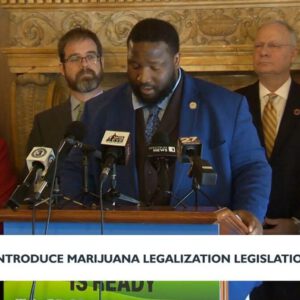
The Republican governor of Oklahoma says he wants voters to revisit the state’s medical marijuana law and “shut it down,” arguing that “liberal activists” conned the state and “opened up Pandora’s box’ with legalization.

During his State of the State address on Monday, Gov. Kevin Stitt (R) said his “top priority has always been keeping Oklahoma safe,” and one of the “greatest threats to public safety is the out-of-control marijuana industry.”

“When Oklahomans voted to legalize medical marijuana in 2018, we were sold a bill of goods,” he said. “Out of state liberal activists preyed on the compassionate nature of Oklahomans. Then, it opened up Pandora’s box.”

The governor complained that the state has “more dispensaries than we do pharmacies,” adding that marijuana retailers “hide an industry that enables cartel activity, human trafficking, and foreign influence in our state.”

While regulators and law enforcement have “done incredible work to hold back the tide of illegal activity,” Stitt said, the industry is “plagued by foreign criminal interests and bad actors, making it nearly impossible to rein in.”

“We can’t put a band-aid on a broken bone,” he said. “Knowing what we know, it’s time to let Oklahomans bring safety and sanity back to their neighborhoods. Send the marijuana issue back to the vote of the people and shut it down.”

While the governor’s rhetoric signals he may be interested in seeing the medical cannabis industry shuttered altogether, it’s not clear what exactly he wants voters to decide on and his office has not released specific language of a proposed ballot measure.

Back in 2022, Stitt similarly used his State of the State address as an opportunity to dig at the voter-approved medical marijuana law, arguing that residents were misled by proponents of the ballot initiative.

Meanwhile, in November, Oklahoma activists withdrew an adult-use marijuana legalization initiative that they’d hoped to place on the state’s 2026 ballot.

After a short but aggressive signature push to secure ballot placement, Oklahomans for Responsible Cannabis Action (ORCA) ultimately did not turn in its petitions by the deadline, according to the secretary of state’s office.

There were challenges unique to this election cycle, as last year the governor gave final approval to legislation that some advocates worry will inhibit future citizen-led policy changes, including cannabis reform.

The law puts additional requirements on initiative “gist” language that voters see on the ballot and also revise policies around signature gathering to make it so petitioners could only submit signatures from up to 11.5 percent of registered voters in a single county for statutory proposals and 20.8 percent for constitutional measures.

Meanwhile, amid the signature gathering process, law enforcement leaders with the Oklahoma Association of Chiefs and Oklahoma Bureau of Narcotics and Dangerous Drugs had been raising concerns about cannabis.


Marijuana Moment is tracking hundreds of cannabis, psychedelics and drug policy bills in state legislatures and Congress this year. Patreon supporters pledging at least $25/month get access to our interactive maps, charts and hearing calendar so they don’t miss any developments.
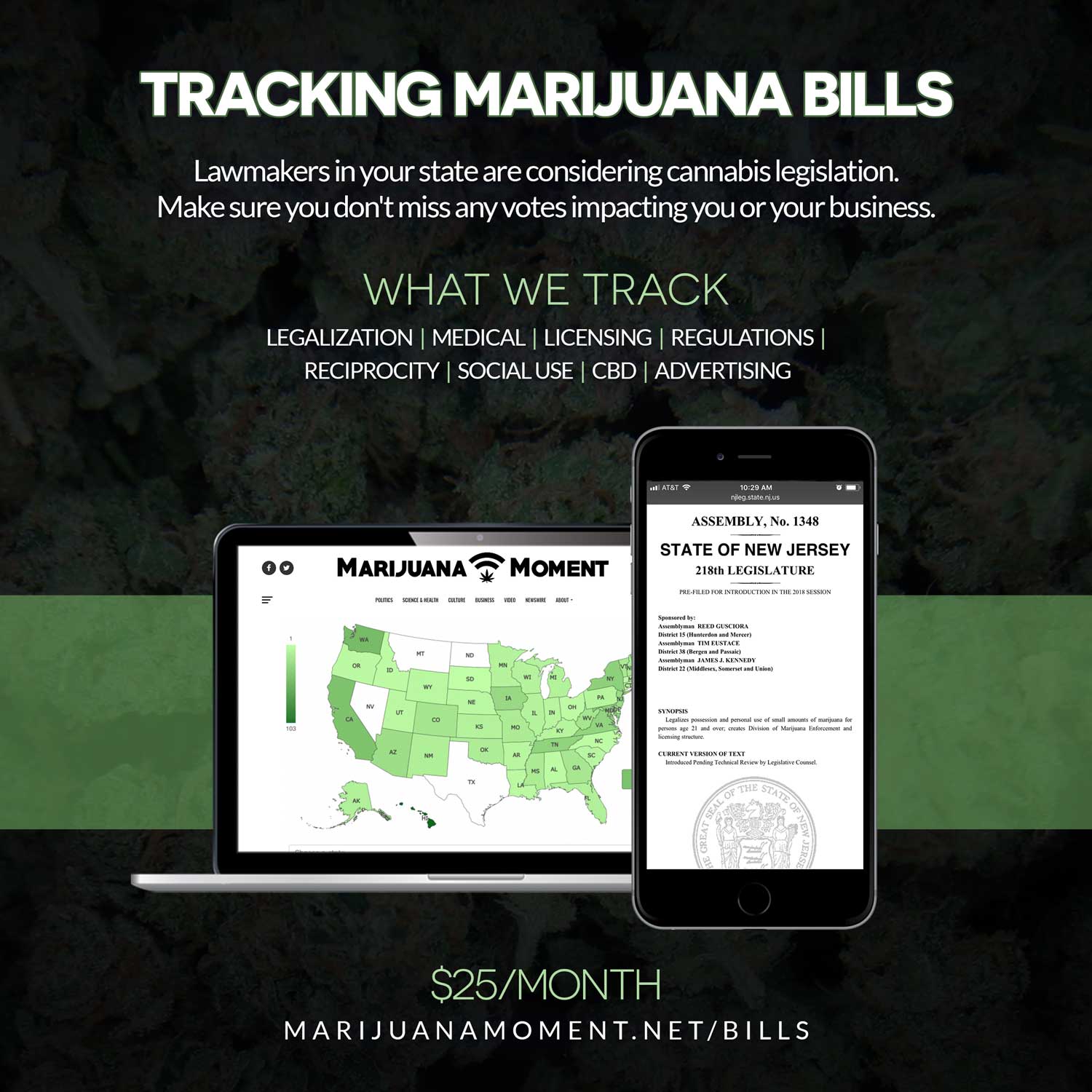

Learn more about our marijuana bill tracker and become a supporter on Patreon to get access.

Also in Oklahoma, lawmakers in March advanced a bill aimed at protecting gun rights of state-registered medical marijuana patients, although federal law still bars cannabis users from owning firearms regardless of their patient status.

Another state bill filed last January by a GOP legislator would criminalize the use of medical cannabis during pregnancy.

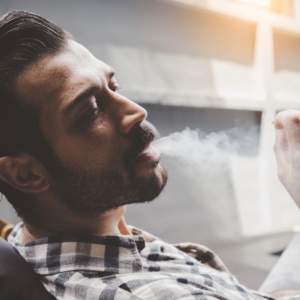
Photo courtesy of Chris Wallis // Side Pocket Images.

The post Oklahoma Governor Wants Voters To Revisit Medical Marijuana Legalization Law And ‘Shut It Down’ appeared first on Marijuana Moment.
Source link

Florida marijuana legalization campaign says there’s still chance to make 2026 ballot

Florida marijuana legalization campaign says there’s still chance to make 2026 ballot

Florida marijuana legalization campaign says there’s still chance to make 2026 ballot

In defiance of the state elections officials who declared the campaign kaput on Sunday, the marijuana multistate operator-funded effort to legalize adult-use cannabis in Florida said Monday it can still qualify for the November ballot.

According to Secretary of State Cord Byrd, the Smart and Safe Florida campaign failed to collect the required 880,000 valid signatures from registered voters by a Feb. 1 deadline.

But Byrd’s declaration on Sunday “is premature,” a campaign spokesperson said.

ADVERTISEMENT

Florida is the country’s largest medical-only cannabis market. But with patient growth in the state slowing, legalization represents a sizable opportunity for the legal industry.

But with Gov. Ron DeSantis and the state Republican Party dead-set against adult-use marijuana legalization, passing a constitutional amendment via voter

The post Florida marijuana legalization campaign says there’s still chance to make 2026 ballot appeared first on GrowCola.com.

Source link

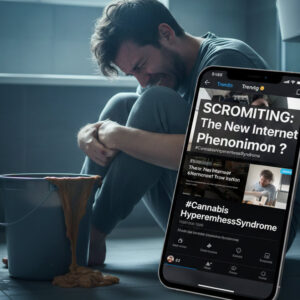
First Cannabis.net, Then High Times, What is Scromiting and Why is It Going Viral?

First Cannabis.net, Then High Times, What is Scromiting and Why is It Going Viral?

First Cannabis.net, Then High Times, What is Scromiting and Why is It Going Viral?

When we encounter headlines about scromiting or cannabis hyperemesis syndrome, we should approach with caution but most importantly critical thinking. It’s spreading fast because fear will always travel faster than nuance, but the average cannabis consumer really shouldn’t be worrying so much.

Source link

The Power 100: The Black Leaders Who Built Cannabis, Not Just the Ones You Know

The Power 100: The Black Leaders Who Built Cannabis, Not Just the Ones You Know

The Power 100: The Black Leaders Who Built Cannabis, Not Just the Ones You Know

As the cannabis industry professionalizes, consolidates, and globalizes, a basic question still goes unanswered far too often:
Who built this space, and who paid the price before it became profitable?

To mark Black History Month and its 10th anniversary, Minorities for Medical Marijuana (M4MM) has released its inaugural Power 100, recognizing 100 Black leaders whose work shaped cannabis culture, patient access, policy reform, and community organizing long before legalization became a business model.

This is not an awards rollout. It is closer to a historical record.

“This list is about impact, not optics,” said M4MM Founder and CEO Roz McCarthy. “It documents who showed up early, stayed when it was difficult, and carried the weight of advocacy when there was no economic upside.”

That framing matters. The Power 100 is not about who is winning now. It is about who made it possible for anyone to win at all.

Why the Power 100 Exists

Long before cannabis became a regulated market or a venture-backed industry, Black communities absorbed the harshest consequences of prohibition. Arrests, incarceration, surveillance, and economic exclusion were not side effects. They were policy outcomes.

While legalization has opened doors for some, many of the people who fought for reform did so at personal and professional risk, with little recognition once the industry shifted toward capital and scale.

The Power 100 exists to close that gap.

Rather than measuring annual performance or revenue, M4MM focused on long-term influence, including:

  • Expanding patient access and medical cannabis programs
  • Shaping local, state, and federal cannabis policy
  • Building advocacy organizations and education platforms
  • Creating pathways for equity participation
  • Normalizing cannabis through culture, research, and public discourse

In many cases, the work recognized here predates legalization entirely, spanning early medical cannabis efforts, grassroots organizing, and policy fights that laid the groundwork for today’s frameworks.

A Decade of Advocacy as Context

The release of the Power 100 coincides with M4MM’s 10-year anniversary, offering context for why this list matters now.

Over the past decade, M4MM reports:

  • Supporting more than 500 equity business operators
  • Engaging across 27 state medical cannabis programs
  • Reaching over 500,000 annual digital impressions
  • Providing 2,000+ individuals free access to cannabis education and advocacy services
  • Distributing 100,000+ pieces of educational literature
  • Facilitating 1,500+ hours of business-to-business instruction
  • Contributing 5,000+ hours of policy planning and preparation

These numbers reflect infrastructure building that rarely makes headlines but shapes outcomes. They also underscore how much of cannabis reform has been carried quietly, outside of mainstream recognition.

Not a Ranking. A Record.

The Power 100 is intentionally unranked.

“There’s no hierarchy to liberation work,” McCarthy said. “Some of the most influential leaders never held titles or attracted capital, but their fingerprints are all over today’s policies and programs.”

The list spans a wide range of roles and disciplines, including:

  • Policy advocates and legislative architects
  • Medical professionals and patient educators
  • Founders and operators in regulated markets
  • Researchers, attorneys, and public servants
  • Cultural figures who shifted public perception

Together, they represent what M4MM describes as the connective tissue of cannabis reform. The people who bridged health, justice, culture, and opportunity before those intersections became industry language.

Media Partnership and Documentation

The Power 100 is being released in partnership with Cash Color Cannabis, which will support editorial amplification, interviews, and digital storytelling around the honorees throughout the year.

According to M4MM, the list will also live as a permanent archive on its website, with profiles, historical context, and updates over time. The intent is continuity, not a one-cycle announcement.

Why It Matters Now

As federal reform remains uncertain and capital continues to concentrate within the cannabis industry, long-standing questions around equity, access, and accountability are resurfacing.

The Power 100 arrives as:

  • States revisit or recalibrate social equity programs
  • Medical patients face access challenges in adult-use markets
  • Policymakers assess the real outcomes of legalization

By centering people who shaped reform before it was profitable, the list challenges the industry to reconcile growth with responsibility.

The question it raises is not abstract. It is structural.

Who benefits from legalization, and whose work made it possible?

Looking Forward

M4MM has indicated that the Power 100 will expand into ongoing programming, including policy briefings, educational initiatives, and public recognition tied to broader reform efforts.

For now, the inaugural list stands as a reminder that the cannabis industry did not emerge fully formed. Its credibility going forward depends, in part, on whether it remembers its architects.

As legalization continues to evolve, the Power 100 reframes a critical question:

Who gets credit for building the road, and who is still being asked to walk it?

The Power 100

(Presented as documented by Minorities for Medical Marijuana. No ranking.)

  1. Fab 5 Freddy
  2. Al Harrington
  3. Ricky Williams
  4. Eugene Monroe
  5. Brandon Wyatt ESQ
  6. Belecia Royster
  7. Cherron Perry Thomas
  8. Chef Stacey Dugan
  9. Michael “Coach” Harris
  10. Hope Wiseman
  11. Dr Octavia Wiseman DMD
  12. Nadir Pearson
  13. Tauhid Chappell
  14. Cat Packer
  15. Dasheeda Dawson
  16. Leo Bridgewater
  17. Gillie Da Kid
  18. Gibran Washington
  19. Gia Moron
  20. Chelsea Wise
  21. Martin Mitchell
  22. Wanda James
  23. Dr Roz McCarthy
  24. Hazey Taughtme
  25. Naomi Granger
  26. Edie Moore
  27. Jasmine Jackson
  28. Whitney Beatty
  29. Amber Senter
  30. Virgil Grant
  31. Antione Mordican
  32. Scheril Murray Powell ESQ
  33. Dr Terel Newton MD
  34. Dr Rashan Hodges MD
  35. Ruben Lindo
  36. Christina Johnson
  37. Jesse Horton
  38. Linda Green
  39. Alphonso Tucky Blunt
  40. Corvain Cooper
  41. Method Man
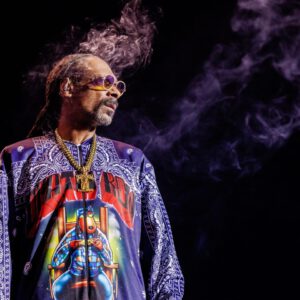
  42. Snoop Dogg
  43. Ernest Toney
  44. Tahir Johnson
  45. Suzanne Nichols
  46. Kristal Bush
  47. Mike Tyson
  48. Cassandra Frederique
  49. Dr Chanda Macias
  50. Arianna Kirkpatrick
  51. Mehka King
  52. Cimone Casson
  53. Thunder Walker
  54. Shanita Penny
  55. Rodney “Hurricane” Carter
  56. Toi Hutchinson
  57. TaShonda Vincent Lee
  58. Kevin Ford
  59. Amber Littlejohn
  60. Courtney Davis
  61. Khadijah Tribble
  62. Caroline Phillips
  63. The Dank Duchess
  64. Todd Hughes
  65. Jason Marshall
  66. Nicole Buffong
  67. Shanetha Lewis
  68. Erik Range
  69. Eric Foster
  70. Michael Coach Harris
  71. Antione Mordican
  72. Danielle Drummond
  73. Jay Jackson
  74. Nichelle Santos
  75. Dr Lisa Pickney
  76. Dr Bridgett Cole Williams MD
  77. Dr Kelly King MD
  78. Fredericka Easley
  79. Mary Pryor
  80. Aiesha Goins
  81. Kristi Price
  82. Sheena Roberson
  83. Chris Jackson
  84. Whiz Kalifa
  85. Dr Jean Talleyrand
  86. Drs. Janice, Rachel & Jessica Knox MD
  87. Rico Lamitte
  88. Guy Rocourt
  89. Lizzy Jeff
  90. Chef Zarilla Bacon
  91. Redman
  92. Kebra Smith Bolden
  93. Otha Smith
  94. Sephida Artis-Mills
  95. JR Fleming
  96. Dr Herve Damas MD
  97. Derrell Black
  98. Devin Alexander
  99. Brendan Robinson
  100. Jay Mills

Photo: Shutterstock

<p>The post The Power 100: The Black Leaders Who Built Cannabis, Not Just the Ones You Know first appeared on High Times.</p>

Source link