
[PRESS RELEASE] – COLUMBUS, Ohio, June 3, 2025 – Belushi’s Farm, the acclaimed cannabis brand founded by advocate Jim Belushi, has officially partnered with Wondergrove (Bloom’s house brand) to bring its signature strains to Ohio for the first time.
United by a shared commitment to quality, education and sustainability, Belushi’s Farm and Wondergrove are cultivating premium flower in an environment specifically designed to grow clean, consistent and craft-quality cannabis.
“Belushi’s journey into cannabis mirrors the evolution of Ohio’s medical market—a story rooted in purpose and personal transformation,” Bloom CEO Nicole Stark said. “There’s a common thread in our values and approach, which makes Belushi’s Farm a natural fit within the Bloom family.”

Belushi’s Farm Genetics Now Available in Ohio
Bloom Cannabis Dispensaries are proud to welcome Belushi’s Farm strains to their shelves—celebrated for their rich terpene profiles, premium quality and commitment to craftsmanship. Grown using sustainable and innovative cultivation practices, these strains are carefully nurtured to bring out the very best in every plant.
“Wondergrove is the perfect partner,” Belushi said. “They share our passion for growing clean, craft-quality cannabis with heart. I only trust my strains to those with green thumbs and great vibes, and Wondergrove has both. They’re Ohio’s finest. My mom is from Akron! When I was a kid, I went there every summer for vacation, and Akron, Ohio, was my Disneyland. I love Ohio and had a wonderful time meeting the Bloom community and spending time with the team.”
Belushi’s Farm products are currently available at all Bloom Cannabis Dispensaries in Columbus, Akron, Painesville Township and Seven Mile, with plans to expand across the state at many state approved dispensaries in the coming weeks.

PAX’s award-winning portable dry herb cannabis vaporizers now more broadly available through Greenlane’s distribution platform
BOCA RATON, FL / ACCESS Newswire / June 4, 2025 / Greenlane Holdings, Inc. (“Greenlane” or the “Company”) (NASDAQ:GNLN), one of the premier global sellers of premium cannabis accessories, child-resistant packaging, and specialty vaporization products, today announced the renewal of its distribution agreement with PAX, a pioneer in the design and development of premium cannabis vaporization technologies and devices. The agreement maintains Greenlane’s distribution throughout the U.S. for PAX’s dry herb device portfolio, which includes the PAX MINI and PAX PLUS–New York Times Wirecutter’s 2022, 2023 and 2024 pick for Best Portable Vaporizer.
PAX has long been recognized for its science-backed innovation, iconic design, and uncompromising commitment to quality-delivering clean, consistent, and elevated cannabis experiences for more than a decade. Through the reinvigoration of this relationship, PAX will be able to expand product access in key U.S. markets through Greenlane’s strong retail network, operational scale, and deep industry relationships. Together, both companies share a vision for high-quality products, responsible growth, and a thriving, consumer-centric cannabis industry.
“Cannabis vaporizers continue to be a growing market, and PAX offers an extensive line of unique award-winning devices and a high performing team that has built a loyal and growing consumer base. We look forward to continuing our long-standing collaboration with PAX, a relationship that significantly enriches and compliments our distinguished portfolio of brands and partners,” said Barbara Sher, Chief Executive Officer for Greenlane.
“We’re thrilled to re-energize our partnership with Greenlane, a company that’s been a trusted collaborator in the cannabis accessory space for years,” said Francois Nadon, Head of Global Wholesale at PAX. “As we prepare to launch some of our most exciting innovations yet, this year and beyond, Greenlane’s scale and retail reach will help us ensure more consumers can access the high-quality experience PAX is known for.”
About PAX
PAX is a leading global cannabis brand on a mission to enhance people’s lives, honoring the power of the plant through pioneering innovation, peerless quality and premium design. For more than a decade, PAX has delivered high-performance products-crafted for precision, purity and consistency-that are trusted by millions. PAX is committed to making a positive impact and has been recognized by The New York Times’ Wirecutter, TIME, Fast Company, GQ, Gear Patrol, High Times, and more. PAX, designed for those who aim higher.
About Greenlane Holdings, Inc.
Founded in 2005, Greenlane is a premier global platform for the development and distribution of premium smoking accessories, vape devices, and lifestyle products to thousands of producers, processors, specialty retailers, smoke shops, convenience stores, and retail consumers. We operate as a powerful family of brands, third-party brand accelerator, and an omnichannel distribution platform.
We proudly offer our own diverse brand portfolio and our exclusively licensed Marley Natural and K.Haring branded products. We also offer a carefully curated set of third-party products through our direct sales channels and our proprietary, owned and operated e-commerce platforms which include Vapor.com, , PuffItUp.com, HigherStandards.com, Wholesale.Greenlane.com and MarleyNaturalShop.com.
For additional information, please visit: https://investor.gnln.com. For additional information, please visit: https://gnln.com/.
Investor Contact:
or
TraDigital IR
Kevin McGrath
+1-646-418-7002
kevin@tradigitalir.com
Forward-Looking Statements
This press release contains forward-looking statements within the meaning of the Private Securities Litigation Reform Act of 1995 concerning Greenlane and other matters. All statements contained in this press release that do not relate to matters of historical fact should be considered forward-looking statements In some cases, you can identify forward-looking statements by terms such as “may,” “will,” “should,” “expects,” “plans,” “anticipates,” “could,” “intends,” “targets,” “projects,” “contemplates,” “believes,” “estimates,” “predicts,” “potential” or “continue” or the negative of these terms or other similar expressions. The forward-looking statements in this press release are only predictions. Greenlane has based these forward-looking statements largely on its current expectations and projections about future events and financial trends that it believes may affect its business, financial condition and results of operations. Forward-looking statements involve known and unknown risks, uncertainties and other important factors that may cause our actual results, performance or achievements to be materially different from any future results, performance or achievements expressed or implied by the forward-looking statements. You should carefully consider the risks and uncertainties that affect our business, including those described in our filings with the Securities and Exchange Commission (“SEC”), including under the caption “Risk Factors” in Greenlane’s Annual Report on Form 10-K filed for the year ended December 31, 2023 and the Company’s other filings with the SEC, which can be obtained on the SEC website at www.sec.gov. These forward-looking statements speak only as of the date of this communication. Except as required by applicable law, we do not plan to publicly update or revise any forward-looking statements, whether as a result of any new information, future events or otherwise. You are advised, however, to consult any further disclosures we make on related subjects in our public announcements and filings with the SEC.
SOURCE: Greenlane Holdings, Inc.
View the original press release on ACCESS Newswire

HARTFORD, Conn., June 4, 2025 /PRNewswire/ — Budr Cannabis, a leader in the cannabis retail space with five locations—four in Connecticut (West Hartford, Tolland, Danbury, Stratford) and one in Yonkers, NY—is pleased to announce the acquisition of three well-established cannabis dispensaries in Connecticut: The Botanist of Danbury, The Botanist of Montville, and The Botanist of Vernon. These locations will now operate under the Budr name and are officially open for business. This expansion marks a significant milestone in Budr’s mission to provide exceptional cannabis retail experiences and deepen its investment in the communities it serves.
The acquisition, supported by strategic partner Poseidon Investment Management, LLC, will bring these three dispensaries into Budr’s growing network, further strengthening its presence in Connecticut’s thriving cannabis marketplace. This expansion will enhance access to high-quality products and reinforce Budr’s dedication to cannabis education, customer service, and industry leadership.
“This venture reflects our ongoing dedication to growth while maintaining the highest standards of service and community involvement,” said Carl Tirella Jr., Budr founder. “By integrating these dispensaries with an experienced operator, Budr will not only expand its reach but also ensure that Connecticut residents continue to have access to safe, reliable, and responsibly sourced cannabis products.”
As Budr welcomes these dispensaries into its portfolio, the company remains focused on providing a seamless transition for both employees and customers. The newly acquired locations will adopt Budr’s signature approach—prioritizing education, product transparency, and personalized service. Customers can expect an elevated retail experience with knowledgeable staff, a carefully curated product selection, and a welcoming atmosphere tailored to meet their needs.
“We are excited to be partnering with the Budr team and supporting their growth with the acquisition of these stores in Connecticut,” said Emily Paxhia, Co-founder and Managing Director of Poseidon Investment Management. “This transaction represents our commitment to backing exceptional operators who share our vision for the cannabis industry’s responsible growth.”
Alongside expanding its retail presence, Budr remains committed to driving economic opportunity and supporting local communities. The company will continue partnering with regional vendors, hiring local talent, and offering job training to support careers in the cannabis industry. Budr also upholds its mission to advance social equity by creating opportunities for those disproportionately affected by past cannabis policies.
Budr’s expansion aligns with its long-term vision of growing responsibly while setting a new standard for adult-use cannabis retail. With a focus on innovation, accessibility, and consumer education, Budr continues to lead the way in shaping the future of Connecticut’s cannabis industry.
About Budr
Budr is a socially conscious recreational cannabis dispensary dedicated to engaging directly with the communities it serves. Founded by Carl Tirella Jr. and Derrick Gibbs, Budr seeks to improve health, happiness, and comfort through quality products, exceptional customer service, and unwavering ethical behavior. budrcannabis.com
SOURCE Budr Cannabis

Ohio adults 21 and older can now buy more than double the amount of marijuana per day than they were previously permitted under the state’s voter-approved legalization law.
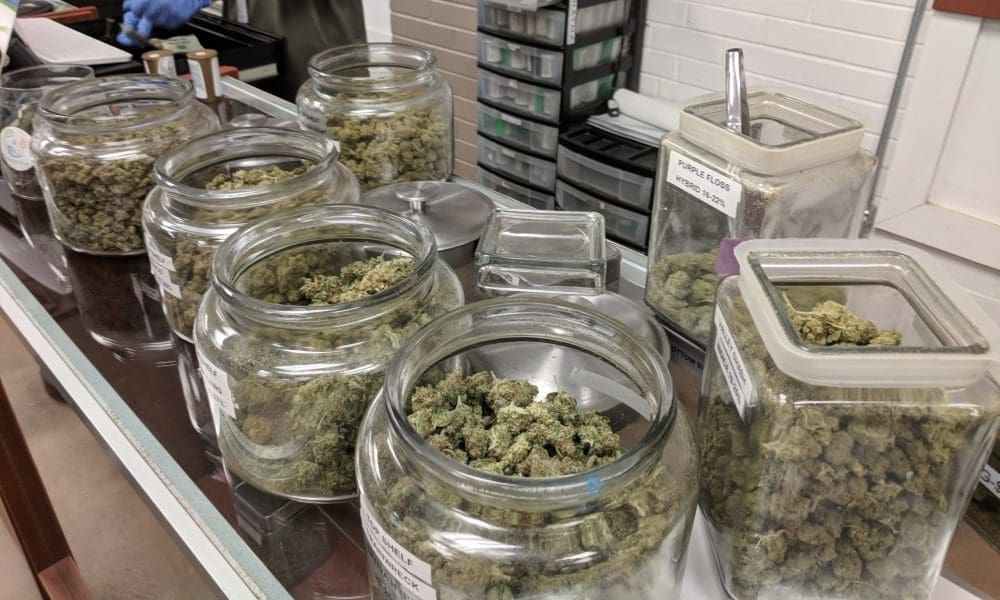
Effective Wednesday, adults are now able to purchase up to 2.5 ounces of flower cannabis per day—a significant increase compared to the prior daily transaction limit of one ounce. This will make it so consumers could buy marijuana in an amount that matches the 2.5 ounce possession limit under state statute.
This comes after the Ohio Division of Cannabis Control (DCC) determined that the cannabis market can sustainably supply both medical marijuana patients and adult consumers.
“Since non-medical cannabis sales began in August 2024, the market has demonstrated the ability to support both medical marijuana patients and non-medical consumers alike,” the division said late last month.
“At this time, when calculating 2.5 ounces of plant material, the only approved form that may be applied to the 2.5 ounces of cannabis plant material is dried cannabis plant material for vaporization,” DCC’s notice says. “All other products apply towards the non-medical consumer’s cannabis product limitation of 15,000mg of total THC content.”
A Department of Commerce spokesperson told Marijuana Moment on Tuesday that “back when the non-medical program came online, there were lower limits on non-medical sales, which was primarily to help ensure there was an adequate supply for medical patients.”
“A subsequent review of the available inventory data supports this increase adjustment up to the statutory limits identified in the statute,” they said.
The purchase limit for medical cannabis patients will not change under the updated guidance. Patients and caregivers can continue to buy up to a 90-day supply of marijuana for medical purposes.
If a retailer decides to raise its daily transaction limit for adult consumers in accordance with the guidance, the licensee must first submit a “Change of Operation” request to DCC.
The division has also revised rules to remove a requirement for dispensaries to track adult-use cannabis purchases as “whole day units,” but they must continue to do so for medical marijuana sales.
This comes as Ohio lawmakers consider controversial legislation to significantly alter the state’s voter-approved legalization law, drawing sharp criticism from advocates and stakeholders at a House committee hearing last month. Advocates have said the efforts represent an attempt to undermine the will of voters.
—
Marijuana Moment is tracking hundreds of cannabis, psychedelics and drug policy bills in state legislatures and Congress this year. Patreon supporters pledging at least $25/month get access to our interactive maps, charts and hearing calendar so they don’t miss any developments.
Learn more about our marijuana bill tracker and become a supporter on Patreon to get access.
—
Among other provisions, the House bill would limit THC in cannabis products to 70 percent and prevent state regulators from adjusting or eliminating THC limits. Regulators also could not approve any new forms of adult-use marijuana under the bill.
It would further cap the number of active dispensaries statewide at 350, while rerouting some tax revenue away from local governments that allow cannabis businesses to operate in their jurisdiction. In March, a survey of 38 municipalities across the state found that localities are “unequivocally opposed” to those proposed changes to tax revenue allocation.
A separate Senate bill to amend Ohio’s marijuana law, cleared a Senate floor vote in February on a 23–9 vote and is now awaiting action in the House. In addition to many of the same restrictions in the House bill, that measure would also pare down the allowed homegrow limit from 12 plants to six.
A budget measure from Gov. Mike DeWine (R) is also a potential vehicle for changes to the state’s marijuana law. As proposed, it would remove local tax allocations of medical marijuana revenue and double the state cannabis tax rate to 20 percent—though legislative leaders have said they will be removing the tax increases.
Meanwhile, DeWine in March announced his desire to reallocate marijuana tax revenue to support police training, local jails and behavioral health services. He said funding police training was a top priority, even if that wasn’t included in what voters passed in 2023.
Ohio’s Senate president has also pushed back against criticism of the Senate bill, claiming the legislation does not disrespect the will of the electorate and would have little impact on products available in stores.
Separately in the legislature this month, Sens. Steve Huffman (R) and Shane Wilkin (R) introduced legislation that would impose a 15 percent tax on intoxicating hemp products and limit their sales to adult-use dispensaries—not convenience stores, smoke shops or gas stations
DeWine has repeatedly asked lawmakers to regulate or ban intoxicating hemp products such as delta-8 THC.
Marijuana Moment is made possible with support from readers. If you rely on our cannabis advocacy journalism to stay informed, please consider a monthly Patreon pledge.

This is according to an analysis led by researchers with the Center for Drug Use and HIV/HCV Research (CDUHR) at the NYU School of Global Public Health.
Their findings, published in JAMA Internal Medicine, also show that the profile of those who use cannabis has changed in recent years, with pronounced increases in use by older adults who are college-educated, married, female, and have higher incomes.
Most Americans live in a state where marijuana has been legalised for medical use, recreational use, or both. To better understand the prevalence of cannabis use among older adults in the US, researchers examined data from the National Survey on Drug Use and Health from 2021 through 2023.
The respondents, who were 65 and older, were asked about past-month cannabis use, which was defined as “current” use.
The researchers found that current cannabis use among older adults grew to 7% in 2023, up from 4.8% in 2021 and 5.2% in 2022—a nearly 46% increase in only two years.
“This is the first time we were able to examine ‘current’ use of cannabis in this age group. Before, we were only able to look at past-year use because the numbers for current use were too small,” said Benjamin Han, MD, MPH, associate professor and associate chief of research in the Division of Geriatrics, Gerontology, and Palliative Care at the University of California San Diego and the study’s first author.
“If we look even further back to 2006 and 2007, less than 1% of older adults used cannabis in the past year. Now, we’re seeing that 7% have used it in the past month alone.”
Certain groups of older adults experienced sharper increases in use over this period than others, including those who are married, white, have a college degree, and have an income of at least $75,000. Older women also saw a steep increase in cannabis use, although older men are still more likely than women to use the drug.
“Our study shows that cannabis use among older adults continues to increase, although there have been major shifts in use according to demographic and socioeconomic factors,” said Joseph Palamar, PhD, MPH, an associate professor of population health at NYU Grossman School of Medicine, an affiliated researcher with CDUHR, and the study’s senior author.
In addition, cannabis use grew more among those living in states where medical marijuana is legal versus states where it is not.
“It shouldn’t be surprising that use is becoming increasingly more common among people who live in states that allow medical cannabis, which could be due to increased availability or social acceptability,” added Palamar.
“Interestingly, with respect to income, those with the highest incomes had the lowest prevalence of cannabis use in 2021, but by 2023 this group had the highest prevalence, which may indicate who has access to medical cannabis given its costs.”
The researchers also found significant increases in cannabis use by older adults with chronic diseases—and notably, those with multiple chronic conditions—including heart issues, diabetes, hypertension, cancer, and chronic pulmonary obstructive disease.
The authors caution that the overall increases may be driven, in part, by those who use cannabis aging into the 65+ age bracket for the period studied.
Regardless, they recommend that clinicians screen and educate their older patients about cannabis use, including how physiological changes that accompany aging can make people more sensitive to psychoactive substances.
Han added: “As a geriatrician, I see more and more people interested in using cannabis for treating chronic health symptoms. But cannabis can complicate the management of chronic diseases and be potentially harmful if patients are not educated on its use and potential risks.”
PA gov on legalization; ME psilocybin; CA marijuana tax bill passes; TX hemp petitions; Ukraine medical cannabis import
Subscribe to receive Marijuana Moment’s newsletter in your inbox every weekday morning. It’s the best way to make sure you know which cannabis stories are shaping the day.
Your support makes Marijuana Moment possible…
Free to read (but not free to produce)! We’re proud of our newsletter and the reporting we publish at Marijuana Moment, and we’re happy to provide it for free. But it takes a lot of work and resources to make this happen.
If you value Marijuana Moment, invest in our success on Patreon so we can expand our coverage and more readers can benefit: https://www.patreon.com/marijuanamoment
/ TOP THINGS TO KNOW
Pennsylvania Gov. Josh Shapiro (D) said he’s “hopeful” lawmakers will send him a marijuana legalization bill by a budget deadline at the end of this month—and he’s urging the GOP-controlled Senate to “put their ideas on the table” after rejecting a House-passed cannabis measure.
The Maine House of Representatives passed a bill to legalize possession of psilocybin, without creating a regulatory structure for legal production and sales of the psychedelic.
The California Assembly unanimously passed a bill to delay implementation of a planned marijuana tax hike, an increase that cannabis industry advocates say would detract from efforts to mitigate the illicit market.
The Texas Hemp Business Council and allies including Texas Veterans of Foreign Wars delivered more than 100,000 petition signatures to Gov. Greg Abbott’s (R) office, asking him to veto a bill that would ban consumable hemp products with any amount of THC.
Ukraine’s State Medical Service approved the country’s first-ever permit to import medical cannabis into the country, following the enactment of a legalization law last year.
A new study identifies 33 genetic markers in marijuana that “significantly influence cannabinoid production”—which researchers say will be “highly valuable” in breeding new strains “with enhanced and specific cannabinoid profiles tailored for medical and recreational uses.”
Gretchen Gailey of Project Champion argues in a new Marijuana Moment op-ed that “the cannabis and hemp sectors need to think like movements, not markets” in order to start getting more political wins on the board—especially to legalize marijuana in Pennsylvania this year.
The Massachusetts Cannabis Control Commission is operating shorthanded as lawmakers consider legislation to overhaul the marijuana regulatory body.
The Missouri Division of Cannabis Regulation approved co-owners of a marijuana company that lost its license amid a massive product recall to take over a separate cultivation and manufacturing business.
/ FEDERAL
A White House spokesperson said there is no contradiction between President Donald Trump’s recent pardons of certain people with drug sales convictions and his support for broadly applying the death penalty to people who sell drugs.
Department of Government Efficiency staff allegedly left discarded marijuana at the U.S. Institute of Peace office.
Sen. Jim Justice (R-WV) said he is not familiar with cannabis banking legislation.
/ STATES
Maryland Gov. Wes Moore (D) announced a new round of financing for the Cannabis Business Assistance Fund.
Texas’s lieutenant governor touted passage of a bill to ban consumable hemp products with any amount of THC as one of several “key Senate victories” this session.
Ohio’s House speaker said he wants to pass legislation amending the voter-approved marijuana legalization law by the end of this month.
The Massachusetts House of Representatives is expected to vote on legislation to overhaul the Cannabis Control Commission on Wednesday.
A Pennsylvania representative cheered a Senate committee for rejecting a marijuana legalization bill.
A Florida marijuana campaign told a federal court that unless it places an injunction on a new state law restricting the initiative petition process, it will be unlikely to succeed in placing a legalization measure on the 2026 ballot.
Vermont regulators sent a warning about out-of-state THCA offers.
Washington State regulators are accepting applications for cannabis social equity retail licenses until July 1.
Oregon regulators are accepting applications to serve on a psilocybin services Rules Advisory Committee.
Minnesota regulators will hold cannabis license application lotteries on Thursday.
The New Jersey Cannabis Regulatory Commission will meet on Thursday.
Arkansas regulators will consider rules on medical cannabis business location changes on Thursday.
—
Marijuana Moment is tracking hundreds of cannabis, psychedelics and drug policy bills in state legislatures and Congress this year. Patreon supporters pledging at least $25/month get access to our interactive maps, charts and hearing calendar so they don’t miss any developments.
Learn more about our marijuana bill tracker and become a supporter on Patreon to get access.
—
/ LOCAL
Oakland, California’s Cannabis Regulatory Commission will meet on Thursday.
/ INTERNATIONAL
A former London, England police chief who now serves in the UK House of Lords discussed his support for decriminalizing marijuana.
/ SCIENCE & HEALTH
A review concluded that “medicinal cannabis demonstrates potential in reducing anxiety symptoms, but the long-term benefits and overall impact on quality of life remain unclear.”
A study found that “chronic cannabidiol treatment significantly reduces arterial pressure in renovascular hypertensive rats independent of aortic stiffness.”
/ ADVOCACY, OPINION & ANALYSIS
The Boston Globe editorial board is supporting legislation to restructure the Massachusetts Cannabis Control Commission.
/ BUSINESS
Vangst is acquiring Se7en Staffing & Employment Solutions.
High Tide Inc. shareholders elected board of directors members.
The Canadian cannabis industry contributed $9.1 billion to the country’s gross domestic product in the first three months of 2025.
Make sure to subscribe to get Marijuana Moment’s daily dispatch in your inbox.
Photo courtesy of Chris Wallis // Side Pocket Images.
Marijuana Moment is made possible with support from readers. If you rely on our cannabis advocacy journalism to stay informed, please consider a monthly Patreon pledge.
June 4, 2025 3:50 a.m.
On Tuesday, the Oregon State Senate unanimously passed legislation that advocates say will help stop illegal cannabis grows.
A release from State Senator David Brock Smith said he, working in partnership with the Oregon Farm Bureau, Douglas County Commissioner Chris Boice, and local landowners, successfully moved Senate Bill 347 A through the Senate.
Brock Smith said, “Illegal cannabis grows in southwest Oregon and across the state are out of control”. Brock Smith said, “SB 347 A is one tool to hold landowners accountable for allowing these illegal activities on their property”.
The legislation disqualifies land from farm use special assessment if the landowner or person in possession and control of the land receives a final civil penalty or criminal conviction for the illegal cultivation of marijuana.
Senator Noah Robinson of Josephine County said, “Illegal marijuana is devastating to Oregonians and our communities”. Robinson said, “In Southern Oregon, its production often involves water theft, human trafficking, and other serious crimes. SB 347 will help us address these problems”.
Brock Smith said he appreciated his colleagues’ unanimous support for the legislation. Brock Smith said, “This sends a clear message that illegal cannabis operations and their associated harms will not be tolerated any longer”.
SB 347 A now moves to the House of Representatives for consideration.
Since then, legalization opponents have repeatedly alleged that cannabis’ potency has exponentially grown stronger. Testifying before Congress in 1996, then-Sen. Joe Biden opined that the potency of 1990s weed was unlike anything America had ever seen. “It’s like comparing buckshot in a shotgun shell to a laser-guided missile,” he said.
Modern day prohibitionists like Michael Mumper and Gregg Raduka (“Georgians should read the research before embracing legalized marijuana,” AJC, May 30) continue to engage in this same rhetorical tactic — alleging that today’s commercialized marijuana products are a “far cry” from the 1990s “laser guided missile” weed.
Let’s set the record straight. First, the availability of higher potency cannabis products is not a phenomenon unique to today’s state-legal markets. In fact, more potent products like hashish have always been publicly available.
Typically, when consumers encounter higher strength marijuana, they ingest lesser quantities of it. This self-regulatory process is known as self-titration.
Second, higher potency marijuana products do not dominate state-legal markets. In fact, retail sales records from legal states show that most consumers tend to prefer and gravitate toward lesser strength products.
Third, unlike alcohol (which is readily available in a variety of potencies, including highly-potent formulations like grain alcohol and absinthe), THC is incapable of causing lethal overdose — regardless of its potency or the quantity consumed.
That’s not to say that cannabis products cannot be overconsumed. They can. But in such instances, consumers typically experience only temporary dysphoria (commonly referred to as a panic attack) — the effects of which dissipate within a few hours. (By contrast, alcohol overconsumption is associated with some 2,200 overdose deaths annually.)
Nonetheless, in order to discourage overconsumption, most states regulate certain cannabis products, like edibles, to single serving sizes. All legal states require that products’ potencies appear on their labels so consumers can make informed decisions prior to consuming them.
In some instances, overexposure to higher strength products might induce temporary psychotic-like symptoms. However, such incidents are exceedingly rare and are typically exclusive to those who are either predisposed to or have a preexisting psychiatric disorder. (Notably, exposure to high-potency alcohol also triggers psychosis in certain consumers.)
Credit: NORML
Credit: NORML
Specifically, an exhaustive study published in the Journal of the American Medical Association determined that “state medical and recreational cannabis policies were not associated with a statistically significant increase in rates of psychosis-related health outcomes.”
Overall, most Americans are happy with cannabis legalization. Thirteen years into states’ marijuana legalization experiment, public support for making marijuana legal nationwide has never been higher. To date, 24 states have legalized the adult-use market. None of these states have ever repealed their legalization laws. That’s because these policies are working largely as voters and politicians intended — and because they are preferable to cannabis criminalization.
Ultimately, any potential harms associated with cannabis are best mitigated by a policy of legalization, regulation and education. They are only exacerbated by criminalization, sensationalism and stigmatization.
Paul Armentano is the deputy director of NORML, the National Organization for the Reform of Marijuana Laws.
Austin, Texas
—
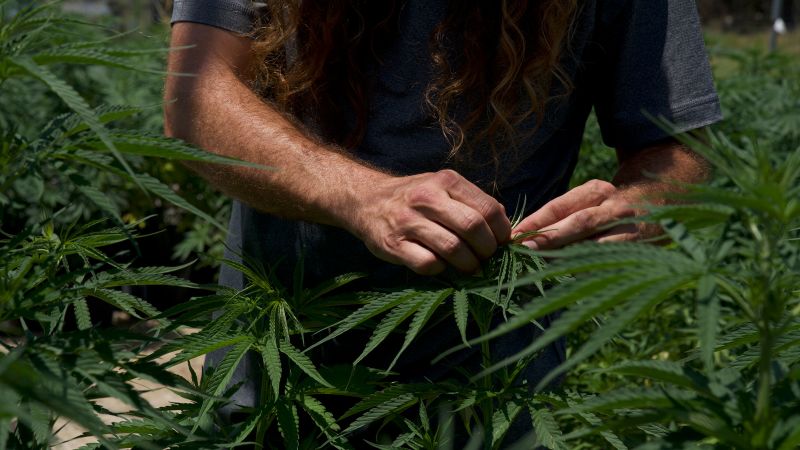
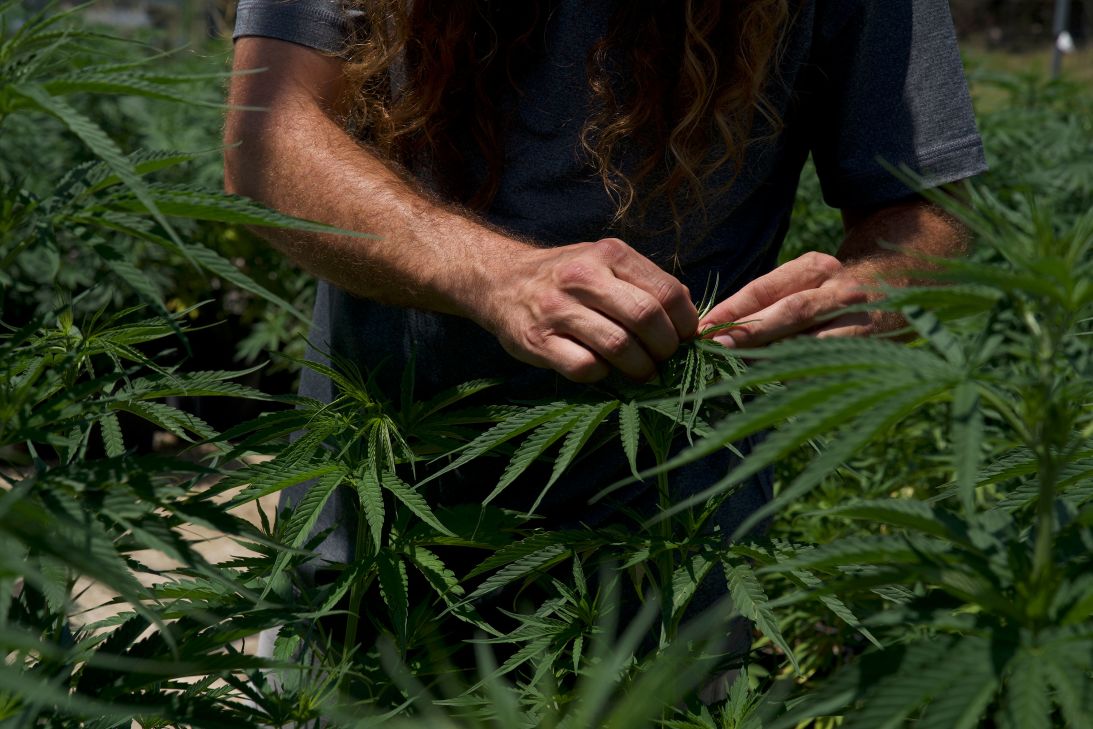
Holden Hylander carefully trims the top of a hemp plant inside a greenhouse, one of 3,000 plants that he oversees at this farm nestled in the sprawling Hill Country of Texas. Once processed, these crops will be turned into millions of gummies that are sold legally in the burgeoning THC market throughout the state.
But those products may never make it to the shelves, as a bipartisan-passed bill now awaits Gov. Greg Abbott’s signature to ban the sale and possession of THC consumables. By the time Hylander’s plants are fully grown and ready to harvest in September, the products they become might be illegal.
“We spent a lot of time getting our processes down and following the rules,” said Hylander, director of farm operations for Hometown Hero, a veteran-owned cannabis company based in Austin. “I’ve gotten licenses five years in a row and had zero complaints about what we do, but yet it’s kind of getting pulled out from under us.”
While marijuana is illegal in Texas, less potent tetrahydrocannabinol (THC) products became legal after a federal law in 2018 and a state law in 2019 essentially greenlit the hemp-growing industry. These laws were designed to expand agricultural opportunities for hemp farmers and allow the sale of CBD oils as wellness products, but critics argue the legislation inadvertently paved the way for the sale of stronger substances, like delta-8 THC or delta-9 THC, which can mimic the effects of weed.
CBD and THC both come from hemp plants and can be used to treat anxiety, sleep, and pain, but THC is more potent and has psychoactive effects. Both are currently legal in Texas, but THC levels must be less than .3% delta-9 THC. The new law, if it goes into effect, would only allow for the sale and possession of less-potent, non-intoxicating hemp-derived products, like CBD.
In the past six years, the cannabinoid industry has skyrocketed in Texas, largely due to the stronger THC products. The industry generated $5.5 billion last year alone in sales revenue, $2.1 billion in wages and $267 million in tax revenue, according to estimates from Whitney Economics, a data firm that produces reports for the broader cannabis industry.
Supporters worry that if the ban goes into place in September, many of the industry’s 5,500 registered hemp sellers — along with tens of thousands of jobs — could disappear overnight and push the demand back into the black market.
According to the Department of State Health Services, registered sellers sell THC products at about 8,600 locations, many of them gas stations and convenience stores. While the ban would exempt products that only contain non-psychoactive compounds such as CBD, industry leaders say the market for those products alone is not profitable or sustainable for retailers who solely focus on hemp products.
“This ban is a gift to the cartels,” state Rep. James Talarico, a Democrat who opposed the bill, said in a speech last month.
Leading the charge against THC products is the state’s conservative lieutenant governor, Dan Patrick, who accuses the industry of producing items that far exceed the legal .3% limit of THC and marketing those products – like gummies, cookies and chips – to children. Supporters of the ban say the products are too easily available and have become a public safety issue, citing examples of adults and children who’ve experienced medical problems after consuming them.
“Nothing is more important than stopping a kid getting a hold of this junk,” said Patrick at a fiery news conference last week after the bill had been passed.
It’s unclear whether Abbott plans to sign or veto the bill. If he doesn’t take action by June 22, the bill automatically becomes law. A spokesperson from his office told CNN the governor “will thoughtfully review any legislation sent to his desk.”
The hemp industry and opponents of the ban say the lieutenant governor is grossly misrepresenting the manufacturing of these products. They argue that legislators created the industry in the first place, and that the vast majority of hemp companies are responsible businesses that closely follow industry and state-mandated standards.
They say the products have become a popular and safer alternative to pharmaceutical drugs and alcohol for help with anxiety, pain and sleep – and that the number of adults who benefit far outweighs the rare examples of those who experience extreme symptoms.
It’s also an industry that’s thriving off a national trend of people moving away from alcoholic beverages. According to a 2024 study, a higher number of Americans reported using cannabis every day than drinking alcohol daily.
On Monday at the state Capitol, a coalition of military veterans, farmers and business owners – along with the Texas Hemp Business Council – wheeled boxes into the governor’s office with what they say are 5,000 handwritten letters and a petition with more than 100,000 signatures from Texans who want Abbott to veto the bill, known as SB3.
“SB3 violates the very principles Texas prides itself on: small government, individual freedom, and free enterprise,” said Cynthia Cabrera, president of the Texas Hemp Business Council.
Texas isn’t the only state that’s wrestled with the emergence of these products. According to a 2023 report from The National Cannabis Industry Association, 17 states have banned delta-8 THC, for example, and seven states have severely restricted it.
Last year, the Florida legislature passed a bill that would significantly restrict the sale of hemp-derived THC products, but Republican Gov. Ron DeSantis vetoed it, saying the regulations would be “debilitating” to small businesses.
In Texas, some law enforcement officials have spoken out against the growing industry and claim that more access to cannabis poses dangers to users.

“We see the psychotic episodes. We see the suicide attempt,” said Collin County District Attorney Greg Willis at a news conference hosted by the lieutenant governor last week. “We sit down with parents who are heartbroken and devastated after something has happened with their child, after they consume something that everybody thought was safe.”
Joel Rodriguez, a 25-year-old college student, said he’s still recovering from what he called an addiction to THC products that he purchased online and at vape shops in the McAllen, Texas area.
In 2022, Rodriguez said, he took one hit from a vape product that he said contained a mixture of synthetic delta-9 and delta-8, as well as two other cannabinoids known as HHC and THC-P, though he doesn’t recall the exact brand. He said he immediately felt symptoms of paranoia that didn’t subside for weeks.
“Everything started getting dizzy. I started to hear voices. I could hear people’s thoughts. I would hear things crawling out of the walls,” he told CNN. “I thought the sun was talking to me.”
His family got him medical attention at a hospital, where he said he was diagnosed with cannabis-induced psychosis and prescribed a variety of prescription drugs. Rodriguez said he continued using vape products that he purchased in the Rio Grande Valley, and his family got him support at rehabilitation centers in Texas and Utah over the past three years. To this day, he said he’s still taking clozapine to treat symptoms of schizophrenia and will need it indefinitely.
He and his mother, Didi, appeared at a news conference at the Texas state Capitol on Monday to urge Abbott to sign the bill.
“In the world of cannabis-induced psychosis, we as families, we struggle to fight for our loved ones’ well-being and put them back in … the path of wellness,” she said. “It’s a dark, horror-filled war against unseen enemies.”
While incidents of cannabis-induced psychosis are rare, more studies are being done on why some people seem to be more susceptible than others.
The votes on this bill have not fallen along strict party lines. Democratic State Sen. Roland Gutierrez voted with Patrick to ban these THC products. Gutierrez told CNN that while he wants to see Texas fully legalize and regulate cannabis, the current law in Texas has opened the door to many “bad actors” selling dangerous synthetic products to young people.
What we’re selling to kids on the street and in convenience stores is just a bunch of crap,” Gutierrez said.
The senator said he supported the move to ban THC products after lawmakers also voted to expand the ability of military veterans to get prescriptions under the state’s restrictive medical marijuana program.
“Cannabis is a great healer of many things. It has to be regulated in some way,” Gutierrez said. “But that’s not what’s happening in Texas.”
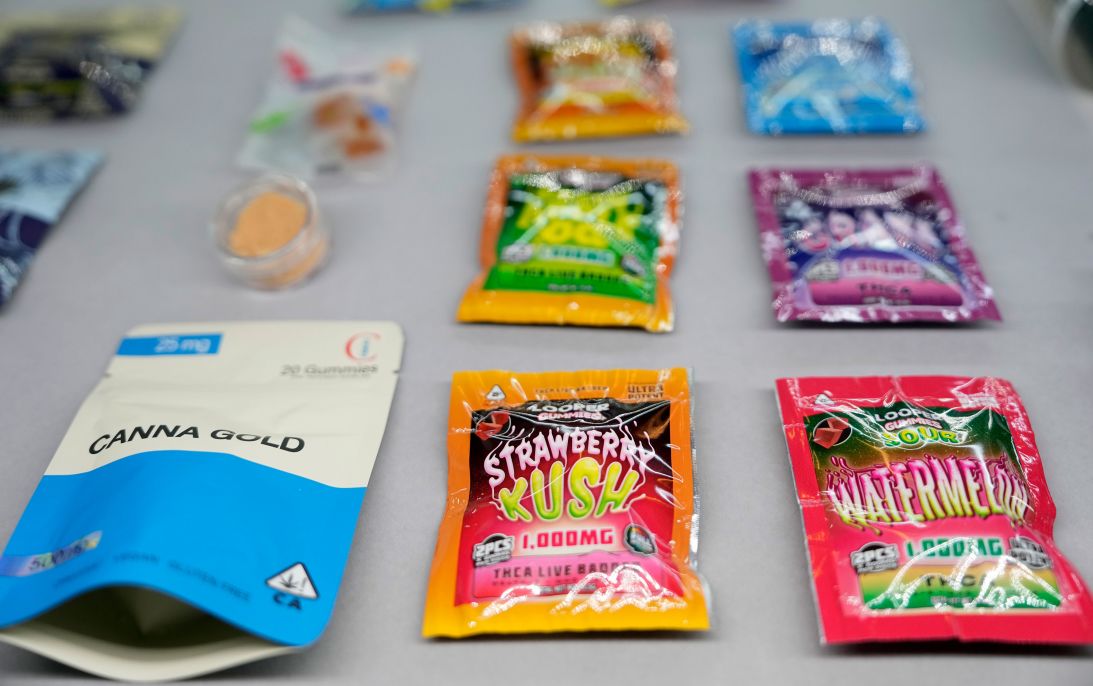
Industry experts concede there may be some bad actors selling products that contain synthetics or illegal amounts of THC, but they say the overwhelming majority of companies follow the rules because they want to stay in business. Groups like the Texas Hemp Business Council have lobbied for more regulations, like age minimums, in previous legislative sessions but have not succeeded.
“I don’t understand how Texas politicians can decide they’re gonna create something. And then on a whim, six years later decide, ‘Eh, we don’t like how this went. We’re gonna completely wipe it out. We’re gonna shut down the industry and we’re gonna harm all these individuals and all these small businesses in Texas,’” said Lukas Gilkey, co-founder of Hometown Hero, the Austin-based company that owns the hemp farm where Holden Hylander works.
In Patrick’s news conference last month, he displayed a variety of THC products before the cameras and specifically focused on a bag of edibles made by Hometown Hero. “I don’t know what’s in it because no one knows what’s in it,” he said. “It can poison you — not just children, but adults.”
Gilkey said he chuckled when he saw Patrick pick on his company’s edibles, because his products label all of the ingredients and include a QR code on the packaging for people who want to learn more about the product. He said the products are sent to Drug Enforcement Administration partner labs and go through rigorous testing for accuracy standards, as well as testing for harmful constituents.
“He tries to make it seem like there’s no regulation on these products when that’s the opposite. This industry is heavily regulated within Texas. We have a lot of requirements that we have to go through to be fully legal within Texas,” Gilkey told CNN. “We show everything we’re required to by law.”
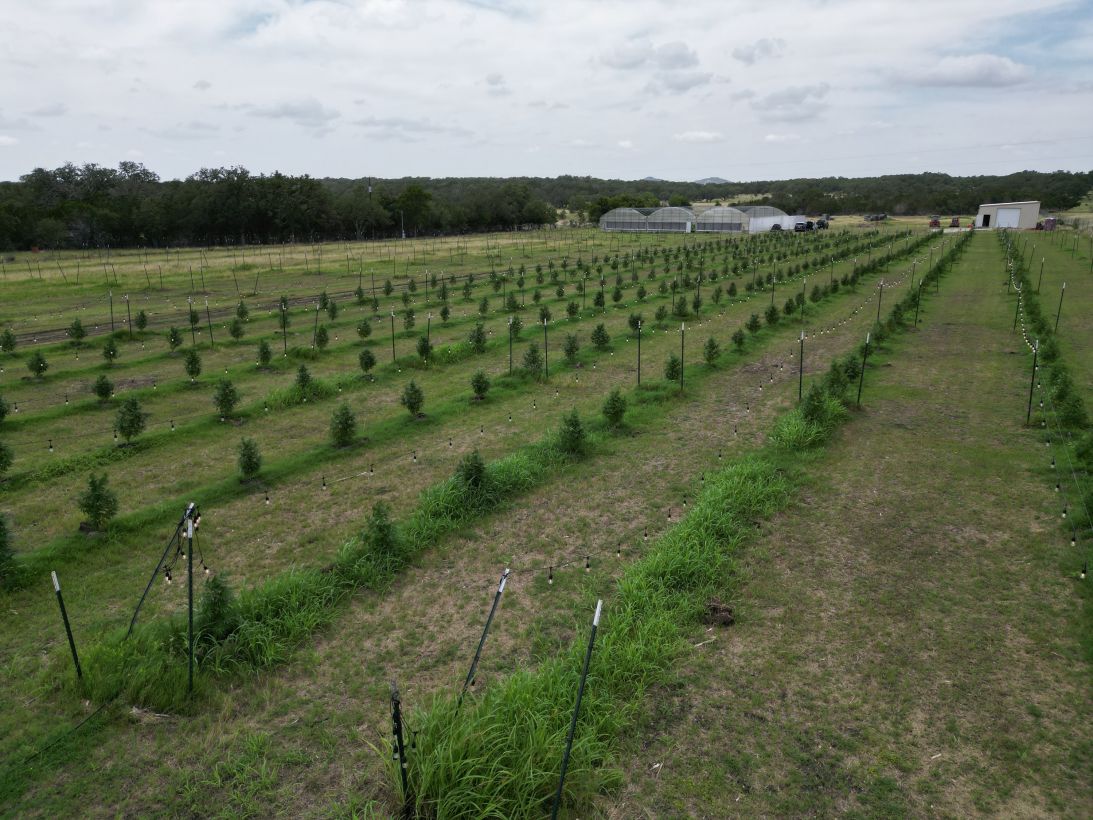
If the ban goes into effect, roughly 200 employees at his company could be out of a job, he said.
“I moved here because the governor himself said that this was a state that supported small businesses,” said Gilkey, a Coast Guard veteran who also serves as an advocate for the hemp industry. “That’s why he came here. And now to be in a position where the state is deciding that they changed their mind on something is very unfortunate.”
After fierce debate, lawmakers ultimately passed reforms this legislative session to expand the state’s medical cannabis law as a concession. The new provisions increase the number of licensed dispensaries from three to 12 and add “chronic pain” as an eligible medical condition. However, critics say the reforms are hardly enough to help the large population of Texans who use THC products for symptoms.
Dave Walden, an Army veteran and senior vice commander for the VFW Department of Texas, said at a news conference on Monday that he became reliant on opioids while seeking care at the VA but said the drugs “nearly destroyed” him.
“Since 2018, I haven’t touched a single opioid,” he said, holding up a THC product. “I’ve rebuilt my life. I’ve become a better leader, a better husband, a better father, and ultimately a better man. But now Senate Bill 3 wants to turn this into contraband. It wants to turn me and thousands of other veterans into criminals for choosing an alternative that works for us.”
State Rep. Brian Harrison was among two House Republicans who opposed the ban. He further bucked his own party on Monday by publicly calling for Abbott to veto the bill, describing it as government overreach that will lead to an economic disaster.
“The government is not your parent,” he told CNN on Monday. “And I’m very concerned about what it’s going to do to Texas adults who want, or who rely on these products, and it either pushing them into much more dangerous and unregulated black markets or to more deadly and addictive pharmaceuticals.”
