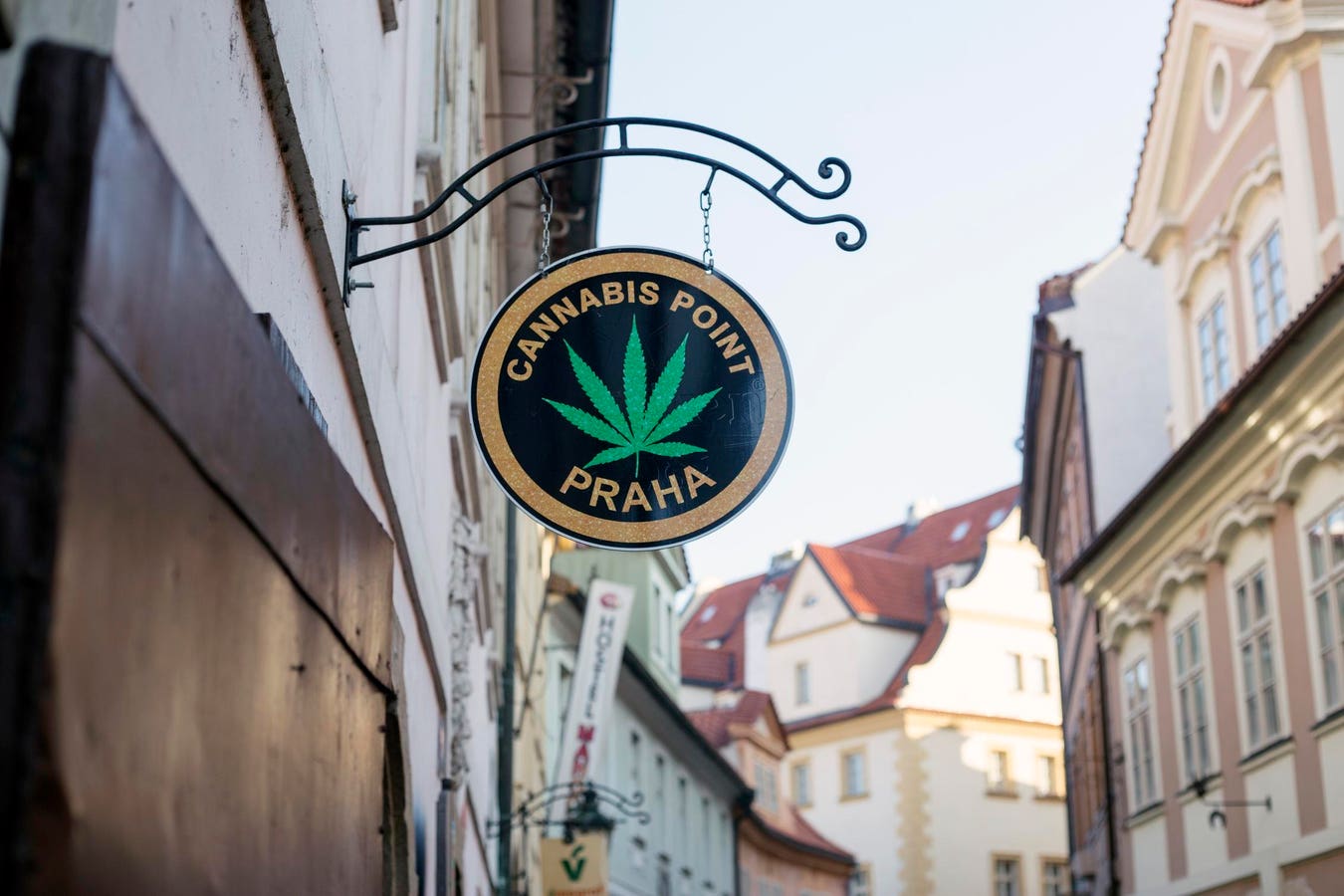
Cannabis Point with sign for Marihuana is pictured in Prague, Czech Republic on 17 January 2020. … More City of Prague would like to implement new law to tackle visual pollution of its historical parts. Various souvenir shops, restaurants and massage saloons use bad design for promoting their services and products. City Hall of Prague decided to fight such visual language and would like to apply rules which can keep the city visually clean from kitsch and distastful advertisments. (Photo by Krystof Kriz/NurPhoto via Getty Images)
NurPhoto via Getty Images
The lower house of the Czech Republic has approved an amendment that would decriminalize cannabis for personal use at a time when the process of full legalization is stalled.
The Chamber of Deputies of the Czech Republic passed an amendment last week with an overwhelming majority of 142 out of 159 votes. The amendment would modify the Criminal Code to ease restrictions on cannabis possession and cultivation, and it is part of a broader series of changes aimed at introducing alternative punishments to reduce prison overcrowding.
Adults over 21 will be allowed to legally grow up to three cannabis plants per person, with growing four to five plants considered a misdemeanor and more than five plants treated as a felony. Home possession will allow up to 100 grams of cannabis flower legally, while possession of 101 to 200 grams is considered a misdemeanor, and more than 200 grams constitutes a felony offense. Public possession would be limited to up to 25 grams, with possession of 26 to 50 grams considered a misdemeanor and possession of more than 50 grams regarded as a criminal offense.
If approved by the Senate, the amendment is expected to be implemented next year. This would place the Czech Republic among the European countries that have regulated the possession and cultivation of cannabis for personal use. Germany, Luxembourg, and Malta have already done so through legalization rather than decriminalization.
The Czech Republic already decriminalized the possession and cultivation of small amounts of cannabis in 2010. This was based on Government Regulation No. 467/2009, which allowed individuals to possess up to 15 grams of dried cannabis or cultivate up to five plants for personal use without facing criminal charges.
However, in 2013, the Czech Constitutional Court annulled the 2010 government directive, ruling that only a law, not a government, could define criminal offenses. This led to legal ambiguity until the Czech Supreme Court established stricter guidelines regarding non-criminal amounts, reducing possession to 10 grams.
Therefore, if this amendment is approved, it would officially decriminalize cannabis by law.
Legalization On Hold: Is Decriminalization The New Path?
The plan to formalize the decriminalization of cannabis for personal use is viewed as a more cautious approach compared to earlier attempts to regulate the substance in the Czech Republic.
In 2022, the Czech Republic announced its plan to legalize cannabis, following Germany’s example, which legalized recreational cannabis for personal use without sales in April 2024.
However, while the Czech initiative initially aimed to create a legal market, by 2024, when it disclosed its plan for legalization, it became clear that there was no room to establish one, as it didn’t include regulations for sales.
Despite this more cautious approach, the Czech plan, which is part of a broader strategy to modernize drug policies, reduce the illicit market, and generate tax revenue, now results in a legislative stalemate due to political divisions over full legalization.
Therefore, the amendment to decriminalize the possession and cultivation of cannabis appears to be a more conservative approach to regulating cannabis in the country, while leaving room for the full legalization process to unfold.
In the last few years, the Czech Republic has also taken steps to regulate substances beyond cannabis.
The Czech Republic Ministry of Agriculture has been planning since 2023 the restriction of the sale of products containing CBD and other hemp-based cannabinoids, saying that there is no scientific proof of their health result and pointing to the EU rules on novel foods. The plan, however, was never implemented. CBD products are legally available but have never been officially approved as food or medicine.
In 2024, the Parliament of the Czech Republic adopted a draft law regulating synthetic cannabinoids and emerging psychoactive substances such as HHC and kratom. Growing health concerns on this issue, including some involving minors, led to the temporary banning of HHC at the beginning of 2024 and the drafting of new laws establishing a framework to control psychoactive substances, including age restrictions, sales restrictions to specialized stores, banning sale through vending machines, and online sales without verification.
Instead of altogether banning kratom and HHC, the Czech Republic is, therefore, going to put them into a special regulatory category, neither food nor medicine, which indicates a shift toward regulated oversight and harm reduction measures.
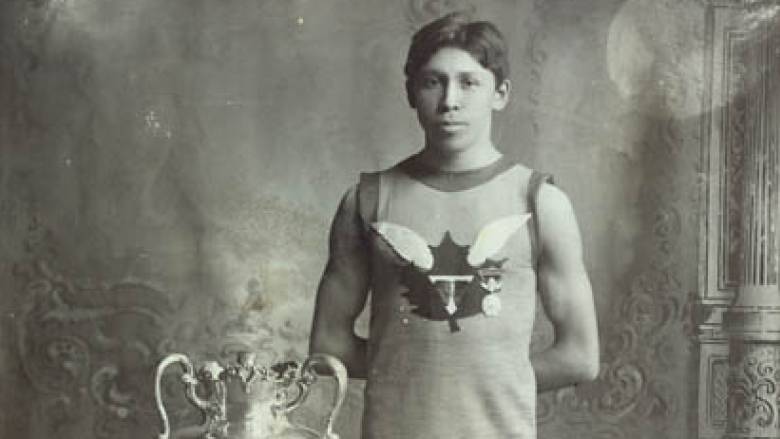
The Tom Longboat run, hosted annually by Six Nations of the Grand River (SNGR) near Brantford, Ont., since 1999, has been cancelled after the family spoke out against the First Nation’s cannabis industry.
Brian Winnie, grandson of the famed Haudenosaunee runner who died in 1949, published a statement on a family blog saying immediate family would not participate in today’s event as a direct result of the “societal catastrophe” that is the cannabis industry on Six Nations land.
According to Winnie, the Six Nations-elected band council is responsible for the “death, drugs, overdoses, organized crime, human/sex trafficking and other types of related crimes, now occurring on Six Nations territory” as a result of the cannabis industry.
He wrote the family would no longer participate in, endorse or allow the use of Longboat’s name in connection with any activities sponsored by any band council, not just limited to Six Nations.
“Failure to observe this ban will show the complete disregard and lack of understanding of who exactly Tom Longboat was and what his message is.”
Winnie was contacted by CBC K-W to be interviewed for this article, but he declined, saying the statement speaks for itself.
CBC K-W also reached out to Six Nations band council for comment, but did not receive a response.
A statement posted on the SNGR’s Facebook page says the event was “canceled [sic] out of respect for the family’s position and statement.”
The statement also says “efforts are being made to revive the event for next year, with focus on highlighting the collective achievements of community athletes.”
Grow-ops causing distress to residents
Controversy surrounding Six Nations’ cannabis industry has been circling after a recent grow operation popped up near the downtown core, distressing some residents.
Nancy Porter, one of those residents, said at least 55 greenhouses have been erected behind her generations-old home over the past few months.
Nancy Porter lives with her mother on the property in front of the cannabis-growing operation. (Candace Maracle/CBC)
While the farms are private, they do have council oversight through the Six Nations Cannabis Commission.
The run is held annually to memorialize Longboat, who was born on Six Nations in 1887.
Growing up, Longboat had been sent to the Mohawk Institute residential school. He escaped from the institute twice by running away.
More than 150,000 First Nations, Métis and Inuit children were forced to attend about 140 federally funded residential schools in Canada between the 1870s and 1997, when the last one closed. The schools aimed to strip away their culture and language, and reports of widespread abuse have been documented.
WATCH | The History of Tom Longboat:
Longboat’s first notable competitive running achievement was in 1907, when he won the Boston Marathon.
In 1916, his volunteered for the First World War and served as a message runner in Europe. At one point, he was erroneously reported killed in action.
Upon returning to Canada, Longboat worked in Toronto for 20 years and was married to Martha. Together they had four children. The couple moved back to Six Nations before his death.
Across the state, lawful hemp retailers are raided, their employees arrested, and their businesses shuttered. The reason is not just outdated law enforcement tactics—it is a forensic trap exploited by police and crime labs to turn legal hemp into “illegal marijuana.” And no one profits more from this science fiction than Armstrong Forensic Laboratory, the preferred testing partner for dozens of Texas law enforcement agencies. In Texas, legality does not always equal safety, especially if you’re in the hemp business.
The Science Trick That Turns Hemp Into Felonies
At the heart of this issue is THCA, a non-psychoactive cannabinoid and precursor to delta-9 THC, the compound responsible for marijuana’s intoxicating effects. Texas law is clear: hemp is legal if it contains no more than 0.3% delta-9 THC by dry weight. Critically, THCA is not regulated by Texas statute at all.
However, when labs use gas chromatography-mass spectrometry (GC-MS) to test hemp products, the heat from the machine causes decarboxylation, chemically converting THCA into delta-9 THC. In short, a legal compound becomes “illegal” during the test itself.
That is not just scientifically misleading. According to the Texas Forensic Science Commission, it risks creating entirely false criminal evidence.
“The GC-MS method DPS used in this case did not incorporate a derivatization agent. This method is known to cause decarboxylation and convert tetrahydrocannabinolic acids (THCA) into their neutral tetrahydrocannabinol form (THC).”
— TFSC Final Report, April 2025
This means the THC being reported may not have been present in the sample at all—it may have originated from legal THCA and is chemically altered in the lab.
“Although the conversion is not 100% complete, the ‘total’ THC identified by the laboratory may have originated from THCA in the evidential item.”
— TFSC Final Report
Armstrong Forensic Laboratory: The Lab That Always Gets the Answer Law Enforcement Wants
So why is this flawed method still being used? Because it serves a purpose—and a profitable one.
The Armstrong Forensic Laboratory charges nearly $300 per sample, far above industry norms. It consistently produces results that justify raids and arrests. Law enforcement gets headlines and conviction stats. The Lab gets paid. And no one has to answer tough questions about the science.
Internal communications obtained by our office show that Dr. Kelly Wouters, director of Armstrong Forensic Laboratory, offered officers her own legal interpretations, stating that “THCA is not a legal substance”—a statement that directly contradicts Texas law and the position of the Texas Department of Agriculture.
“The laboratory’s results are being reported as total THC, which may include THC, THCA, or both.”
— DPS Quality Incident Report, March 2025
Translation: The lab can not tell the difference, but it will label your product illegal anyway.
Raids as Political Theater: Manufacturing Fear to Pass SB3
These raids are not just scientifically flawed—they are staged performances, carefully timed to generate fear and build public support for Senate Bill 3, a sweeping anti-hemp bill pushed by Lt. Gov. Dan Patrick.
The strategy is simple: raid legal hemp stores, seize products, run them through a lab that inflates THC numbers, arrest people, and then point to the growing number of cases as evidence that hemp is a threat to public health and safety. It is the classic “create the problem, then pass the solution” routine.
The timing is not subtle. These arrests have surged during the legislative session, just as Patrick pushes SB3 to ban most hemp-derived THC products. Patrick oversees the Department of Public Safety. DPS leans on the Armstrong Forensic Laboratory. They deliver the lab reports, and those reports get paraded as justification for sweeping new laws.
“Significant efforts are currently underway at the Texas Legislature to ban intoxicating THC products.”
— TFSC Final Report
This is not policymaking—it is manufactured panic designed to fast-track a ban that could not stand up to honest debate.
And make no mistake: by using GC-MS to “convert” legal THCA into illegal THC, the state is doing through the back door of enforcement what it can not yet do through the front door of legislation—outlaw hemp by mislabeling it.
The Legal Consequences Are Staggering
Convicting someone based on chemically altered evidence is not just a scientific failure—it is a constitutional one.
“There is a risk that the customer (courts and/or law enforcement) may misinterpret the results.”
— DPS Quality Incident Report
“It is undeniably in the public interest that crime laboratories be transparent and clear in their reporting statements… and disclose any relevant limitations to guard against making invalid inferences or misleading the judge or jury.”
— TFSC Final Report, quoting ISO 17025 & Texas Administrative Code
But transparency is not the goal. The goal is conviction.
And in this new reality, it does not matter what the law says—it only matters what the lab report says.
Ask the Hard Questions
If you are a journalist, policymaker, or just someone who believes science and justice should matter, start asking:
Why are labs using heat-based tests that chemically alter evidence?
Why is law enforcement using the most expensive lab in Texas, one known to inflate THC results?
Why is THCA being criminalized without any legislative debate or statutory change?
The answers are uncomfortable. But the truth is urgent.
If you think the war on hemp is about safety, think again. It is about control.
It is about money. And it is about keeping the war on drugs alive—even when the science says it is over.
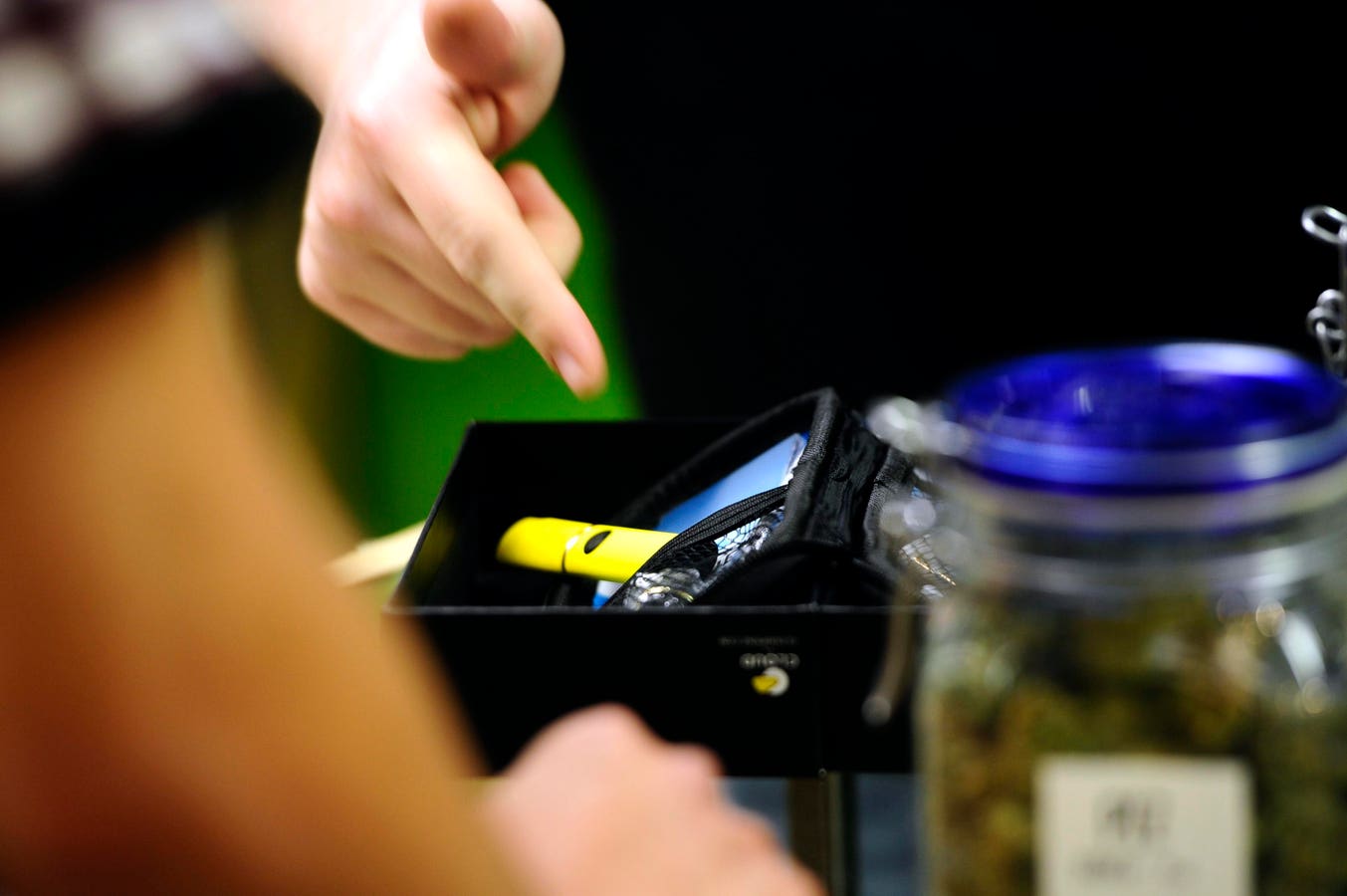
An employee talks to a medical cannabis patient about a travel-size vape pen. (Photo by Vince … More Chandler / The Denver Post)
Denver Post via Getty Images
In nearly every state with a medical cannabis market in place, flower is king, but monthly reports indicate that vape cartridges and pens in Utah are outpacing flower sales. In April, the most recent data available, over 47% of medicated product sales were vape products, compared to about 32% for flower.
The state monitors medical cannabis sales activity closely: Utah’s seed-to-sale tracking system, Leaf Data Systems, was developed by Akerna Corp., a company formed by merging MJ Freeway and MTech. Each cannabis plant and product is assigned a unique identifier, using cryptographically secure tagging technology. The Utah Department of Health and Human Services, along with the Utah Department of Agriculture and Food, oversee the administration of this system.
There are several reasons for Utah’s preference for vape products, one being that smoking as a delivery form is prohibited under Utah’s medical cannabis system—an unenforceable rule with flower available. The other reason? Concentrates are lumped together in the same category as carts and pens, including high quality extracts like live resin or rosin.
Dragonfly Wellness was the first medical cannabis pharmacy to open up in the state, and the only location in downtown Salt Lake City, one of Utah’s vertically-integrated medical cannabis operations.
“Here in Utah, we have a lot of law-abiding citizens that want to be legal, want to be compliant, and don’t want to break the law,” Dragonfly Wellness Chief Operating Officer Narith Panh says in a video call.
Dragonfly Wellness COO Narith Panh.
Photo courtesy Dragonfly Wellness.
Since Utah’s medical cannabis law doesn’t allow smoking as a delivery form, some companies in the state are developing better ways for patients to vape dry flower.
“Our first core value at Dragonfly is patient-first,” Panh says. “This is what we’ve always stood for. This is what our patients know. This is what our community knows of us. So what that means is our core values drive the decisions that we make every single day. So when you have a patient-first core value alongside with a core value that’s about quality, integrity, learning, and growing—those types of core values help us make decisions on where we go with innovation.”
Panh explained that vape products are a bit more discreet than smoking, with a much lower odor factor. “The other part about the combustion law is that we don’t sell pre-rolls,” Panh says, referring to the state’s medical cannabis rules. “And if you go to any other market, pre-rolls make up [around]
20% of the category sales. So if you do the math and your flower sales is only 30-35% Well, where’s the other 20? Because in other mature markets, it’s 50-60% flower. Flower is king. So those are the factors that lead to why vapes are preferred. And that leads to the problem that Dragonfly set out to solve.”
After releasing successful pod and cart systems, the Dragonfly Wellness team unveiled its latest dry flower vaping system: The Ember. The device has an OLED screen running down the side, with customizable temperatures running up to 446°F. It can be toggled to specific temps with terpenes in mind. Myrcene breaks down at about 334°F, while other terpenes break down at lower or higher temperatures.
Meet The Ember, a device selling for less than expensive quality dry herb vaporizers. Its OLED … More screen lights up on one side with customizable temp settings.
Photo courtesy Dragonfly Wellness.
“When you’re smoking, you’re heating at temperatures that are 600°F+. What happens is that if you have a terpene that’s a boiling point of 313°F, you might not actually get the full effect of that, and you’re just smoking past it,” he says. “It’s really hard to pick up some of the tones, the notes, the flavors, unless you’re a connoisseur, and you’ve got a knack for those flavors.” Panh explained how dry herb vaporizers extend the shelf life of flower, because smoking destroys a portion of it immediately.
Panh’s brother was severely injured in 2019 in an auto-pedestrian hit-and-run accident, having to undergo brutal spine infusions. He turned to a 1:1 THC:CBD regimen that transformed both brothers and led to Panh’s entry into the medical cannabis world.
Doctors will never fully give approval to inhaling anything warm or hot, but without combustion there are fewer toxins, Panh explained. Could dry herb vaporizers catch on in Utah, where smoking is prohibited? Patients will ultimately decide.
Utah Patients and Vape Preferences
Utah Patients Coalition Executive Director Desiree Hennessy is frequently involved in the state’s legislative process. The organization represents medical cannabis patients in the state, with over 100,000 now registered, a milestone for the state.
“In most states, flower products dominate cannabis sales, but Utah’s market is unique. We do everything ‘the Utah way’ and our choice in medication is no different,” Hennessy says. “Utah does not allow smoking cannabis and does not allow any type of home cultivation, making vape products a practical inhalation method. Early in our program we struggled to access flower and several companies struggled with different aspects of the cultivation process. Our testing facility also had a turn around time of close to two months that left patients struggling to find consistent products. I believe that that scenario—combined with the state’s cultural conservatism—shaped patient preferences.”
The Latter-day Saints church updated its General Handbook in 2020, approving of medical cannabis under the guidance of a doctor—minus combustion. Though the church initially opposed legislation, leaders have clarified that legitimate medical cannabis use among its members is approved. This means members in good standing can atomize cannabis, eat edibles, or use topicals.
But when you live in an apartment and smoke cannabis, you can smell it in the hallway. It’s one of many ways patients attract the wrong attention due to the stigma of medical cannabis.
“Vape cartridges also offer a discreet, low-odor and easy to use option—and that’s especially important in a place where stigma surrounding the plant still exists,” Hennessy says. “Patients in apartments or in public need to have a low to no smell option. For many patients, cartridges provide faster symptom relief than edibles and allow for more precise dosing, which can reduce overall consumption while improving therapeutic results. All of these factors contribute to why vape products lead sales in Utah’s medical cannabis market.”
Hennessy has been the executive director of the Utah Patients Coalition since shortly after Proposition 2 passed. “I was deeply involved in the campaign and, to be honest, felt both honored and a little terrified when I was asked to step into this role,” she says. “Since then, I’ve worn a lot of hats—advocating for patients, helping shape legislation and serving on the state’s Medical Cannabis Policy Advisory Board to ensure the patient’s voice is heard in every policy discussion. Each year during the legislative session, I’m at the Capitol lobbying for improvements to the program and protecting patient access. Our organization also runs the Utah Patients Subsidy Program, which helps terminal and palliative care patients afford their medication when they have no other options.”
“At the core of everything we do are the patients—their stories, their struggles and their resilience,” Hennessy says. “That’s what drives me. I see my role as being a voice for those who can’t always speak for themselves.”
Flower vs. Combusion and How Utah Tracks Vape Products
Flower sales domination is normal in other markets, says Beehive Farmacy Founder Bijan Sakaki. “You have pre-rolls, you have combustion,” Sakaki says. “In our market, you’re unable to combust and you’re unable to use pre-rolls, which typically drive a lot of sales for flower as well.”
Beehive Farmacy, another vertically-integrated companies in Utah, opened medical cannabis pharmacies with its flagship location in Salt Lake City, and another in Brigham City. Sakaki turned to medical cannabis long ago amid his battle with ulcerative colitis. He had to undergo infusions, which caused side effects similar to chemotherapy. Medical cannabis is used by patients to restore appetite, among many other reasons.
As far as devices are concerned, Beehive Farmacy is moving away from multiple subpar brands but sticking with the better-built products such as Storz & Bickel and Pax, providing devices that are comfortable enough to be used daily. “The devices are getting better,” Sakaki says. “And think they can get something that’s close to smoking. Nothing is the same as smoking, but we can [get close]. We sell devices that are as low as $60 bucks for a flower vape. But we’re moving away from that because that’s not a comfortable experience.” Buy the more solid devices, he says.
Operators at medical cannabis pharmacies say the numbers are skewed and flower sales are likely higher than they appear. “Sometimes the categorizations from concentrate to a vape cart aren’t correct,” Sakaki says,” describing how the data is collected and how categories are combined. “If you look, the concentrate numbers are skewed with that. The other part to that would be the introduction of the two-gram disposable vapes. I think a lot of people are trying to think of how they might make my dollars stretch a little farther.” Beehive’s flower brand Buzz was recently awarded Best Cannabis Flower by Salt Lake City Weekly in 2024.
Many patients in Utah rely on on-site pharmacists for direction and possible interactions for their medical cannabis products. First-time and older patients and are another element that shapes the landscape.
“Utah’s non-combustion laws shape a lot of what’s happening here, but our consumer base is different—we’ve got a wave of first-timers, young and old, giving cannabis a shot now that it’s legal,” says Salt Baked City Publisher Cole Fuller, who prints Utah’s only cannabis publication. “The stigma still lingers, and that’s part of why I started Salt Baked City—to help normalize the conversation. In Utah, discreet consumption isn’t just a preference—it’s often a matter of survival. As a patient myself, the convenience of modern products is hard to beat. That said, I do worry about the environmental cost tied to these outdated laws.”
Fullmer believes medical cannabis can replace pharmaceuticals like opioids, after watching how they impacted his own family. He hopes to share the power of medical cannabis with others who are negatively impacted by pharmaceuticals.
These are the facets that are impacting Utahn’s preference for vape carts, pens, and concentrates. Flower sales continue to make up a large chunk of sales, but Utah’s patients continue to buy vape and extract products more than any other category.
Hemper — the contemporary brand known for its fun and outlandish takes on cannabis paraphernalia — entered a collaboration with popular fashion label Rip n Dip. The partnership represents a strategic fusion of cannabis culture and streetwear aesthetics, bringing together two brands with strong counterculture appeal.
The limited-edition Hemper x Rip n Dip collection includes an exclusive line of bongs and other smoking accessories that take on the distinctive aesthetic of the popular streetwear brand. The capsule sees Rip n Dip’s signature rebellious characters and graphics incorporated into functional glassware crafted by Hemper’s skilled artisans. The collaborators made only 420 pieces of each design available to consumers, and the units are individually numbered.
The partnership capitalizes on the natural synergy between skate culture’s anti-establishment ethos and cannabis’ historically underground status.
The Business of Cannabis Awards 2025, taking place on Tuesday, 24 June 2025 in London, celebrate the very best across the European cannabis industry. With categories spanning innovation, leadership, production, journalism, and more, these awards are designed to spotlight organisations and individuals shaping the future of cannabis.
Winning one of these awards isn’t just about being good at what you do — it’s about telling the right story, backing it with evidence, and demonstrating industry-wide impact.
Understanding the Categories
Innovator or Innovation of the Year: Recognising individuals or companies driving meaningful, original innovation — this could be a product, process, technology, or approach.
International Journalist of the Year: Honouring a journalist with insightful, rigorous, and agenda-setting cannabis reporting.
Cannabis Clinic of the Year: For clinics demonstrating excellence in patient care, access, outcomes, or innovation in service delivery.
Cannabis Team of the Year: Celebrating the best-performing and most effective teams across any cannabis discipline.
Equipment Provider of the Year: Acknowledging companies providing cultivation, extraction, lighting, or packaging equipment that stands out for performance, reliability, or innovation.
European Company of the Year: The most prestigious company award, recognising outstanding commercial performance, leadership, and industry impact.
Business Leader of the Year: For individuals who show exceptional leadership, strategic thinking, and influence.
Producer of the Year: Honouring excellence and innovation in cultivation, with attention to sustainability, quality, and ESG standards.
Industry Rising Star Award: For emerging leaders making a significant early-career impact and shaping the future of the industry.
What Judges Are Really Looking For
A clear, focused narrative
Judges want clarity and authenticity. Avoid vague claims or jargon. Explain the problem or challenge you addressed, how you approached it, and what the measurable outcome was.
Evidence of real impact
Back claims with proof: data, testimonials, case studies, or press coverage.
Innovation, not just activity
Show how you’re pushing boundaries, setting new standards, or solving old problems in fresh ways.
Industry contribution and leadership
Highlight how your work benefits the wider industry — advancing patient access, improving standards, or strengthening the market overall.
Quality and care in your submission
Answer every section, stay within word limits, ensure error-free writing, and include professional attachments.
Tips for a Winning Entry
Start early: Give yourself time to gather materials and craft your submission.
Be selective with evidence: Include only your strongest proof; don’t overload the judges with irrelevant materials.
Tailor your message to the category: Adapt your submission to the specific criteria.
Highlight team contributions where relevant: Explain who did what and how the team worked together.
Show your broader impact: Help judges understand why your success matters beyond your own company.
Key Dates and Process
Entry submission: Complete the online form, a covering letter, and upload any supporting materials. Judging: Independent experts shortlist up to five nominees per category. Shortlist announcement: Early June 2025. Awards ceremony: 24 June 2025 in London.
Final Thought
Winning a Business of Cannabis Award can raise your profile, strengthen your reputation, and connect you with a network of industry leaders. Even if you don’t win, the process helps sharpen your story, reflect on achievements, and set benchmarks for future success.
If you’d like help preparing your submission or advice on selecting a category, feel free to reach out.
Albuquerque, New Mexico, this month launched a pilot program for guaranteed basic income funded partly by cannabis industry tax revenue, according to a Business Insider report.
The program was implemented by the City of Albuquerque’s Cannabis Equity & Community Reinvestment Fund, which the City Council voted to establish in 2023. Officials have allocated $4.02 million for the three-year program, with over $2 million coming from taxes on legal cannabis sales.
Unlike a universal basic income, which would provide payments for all local families, Albuquerque’s guaranteed basic income program prioritizes families living in areas that historically were impacted more by cannabis prohibition laws. The program launched this month with 80 participating families from two districts in Albuquerque — the families will receive $750 with no strings attached in monthly payments over the course of the program.
“This program puts money where it’s needed most, into the hands of struggling families working to build a better future. Albuquerque is a city that will always fight to correct injustices and will push to help families get the tools they need to succeed with dignity.” — Mayor Tim Keller, in a press release to announce securing the funds
Proponents of universal or guaranteed basic income programs say that the payments can help people stabilize when facing financial struggles. On the other hand, opponents label the programs a form of socialism and argue that they discourage work among recipients.
Get daily cannabis business news updates.Subscribe
Have an additional perspective to share? Send us a message to let us know, and if your comment is chosen by our editors it could be featured here.
Perspective to add? Suggest a revision or submit commentary for review using the form below.
Two U.S. Representatives from Florida — Democratic Reps. Kathy Castor and Darren Soto — are calling on the federal government to launch a Medicaid fraud investigation into the Florida Agency for Health Care Administration and political groups that last year campaigned against the state’s adult-use cannabis legalization initiative.
In a letter sent last week, the lawmakers called on the U.S. Department of Health and Human Services Inspector General and the Center for Medicare & Medicaid Services to investigate a legal settlement between Florida and the state’s largest Medicaid managed care operator, Centene, which the lawmakers believe was “inappropriately diverted to unrelated political committees,” including the Hope Florida Foundation, which was founded by Florida First Lady Casey DeSantis, wife of Gov. Ron DeSantis (R).
The letter tracks a series of settlements, payments, and donations that started with a settlement related to Centene overbilling Florida’s taxpayers and resulted in the company sending $10 million to Hope Florida, which dispersed the funding into political committees in a manner that “appears to run afoul of federal law,” the lawmakers wrote.
“As members of the U.S. House Energy and Commerce Committee that provides oversight of Medicaid, we can assure you that Congress is very focused on waste, fraud, and abuse of Medicaid dollars. Any unlawful diversion of Medicaid dollars in Florida means that the state is less able to provide services to our neighbors who rely on Medicaid and support the providers who serve them.” — Excerpt from the letter
“Medicaid is a federal/state partnership, and the federal government may be entitled to recoup funds from the legal settlement and improperly diverted funds as well,” the lawmakers wrote in the letter.
House Republicans say they want to root out waste, fraud, and abuse in government? Here’s their opportunity. @RepDarrenSoto and I are calling for a federal investigation into a shady $10M diversion of Medicaid funds in FL — money that was meant to help families afford health…
— U.S. Rep. Kathy Castor (@USRepKCastor) May 15, 2025
Florida voters ultimately rejected the constitutional amendment to legalize adult-use cannabis — the amendment required 60% support to pas,s but fell short with just under 56% of the vote.
Get daily cannabis business news updates.Subscribe
Have an additional perspective to share? Send us a message to let us know, and if your comment is chosen by our editors it could be featured here.
Perspective to add? Suggest a revision or submit commentary for review using the form below.
Medicinal cannabis refers to legally prescribed cannabis products. These are either the plant itself, or naturally occurring ingredients extracted from the plant. These ingredients, such as THC (tetrahydrocannabinol) and CBD (cannabidiol), are called cannabinoids. Some cannabinoids are also made in labs to act like the ones in the plant.
Medicinal cannabis comes in different forms, such as oils, capsules, dried flower (used in a vaporizer), sprays and edible forms such as gummies.
Since regulatory changes in 2016 made medicinal cannabis more accessible, Australia’s regulator has issued more than 700,000 approvals. (But approvals for medicinal cannabis don’t reflect the actual number of patients treated. One patient may have multiple approvals, and not all approved products are necessarily prescribed or supplied.)
Around half of the approvals have been for chronic pain that isn’t caused by cancer.
In Australia, chronic pain affects around one in five Australians aged 45 and over, with an enormous impact on people’s lives.
So what does the current evidence tell us about the effectiveness of medicinal cannabis for chronic pain?
What the evidence shows
A 2021 review of 32 randomized controlled trials involving nearly 5,200 people with chronic pain, examined the effects of medicinal cannabis or cannabinoids. The study found small improvements in pain and physical functioning compared with a placebo.
A previous review found that to achieve a 30% reduction in pain for one person, 24 people would need to be treated with medicinal cannabis.
The 2021 review also found small improvements in sleep, and no consistent benefits for other quality of life measures, consistent with previous reviews.
This doesn’t mean medicinal cannabis doesn’t help anyone. But it suggests that, on average, the benefits are limited to a smaller number of people.
Many pain specialists have questioned if the evidence for medicinal cannabis is sufficient to support its use for pain.
The Faculty of Pain Medicine, the professional body dedicated to the training and education of specialist pain physicians, recommends that medical cannabis should be limited to clinical trials.
What does the regulator say?
Guidance from Australia’s regulator, the Therapeutic Goods Administration (TGA), on medicinal cannabis for chronic non-cancer pain reflects these uncertainties.
The TGA states there is limited evidence that medicinal cannabis provides clinically significant pain relief for many pain conditions. Therefore, the potential benefits versus harms should be considered patient-by-patient.
The TGA says medicinal cannabis should only be trialed when other standard therapies have been tried and do not provide enough pain relief.
In terms of which type of medical cannabis product to use, due to concerns about the safety of inhaled cannabis, the TGA considers pharmaceutical-grade products (such as nabiximols or extracts containing THC and/or CBD) to be safer.
What about people who say it helps?
This evidence may feel at odds with the experiences of people who report relief from medicinal cannabis.
In clinical practice, it’s common for individuals to respond differently based on their health conditions, beliefs and many other factors. What works well for one person may not work for another.
Research helps us understand what outcomes are typical or expected for most people, but there is variation. Some people may find medicinal cannabis improves their pain, sleep or general well-being—especially if other treatments haven’t helped.
What are the side effects and risks?
Like any medicine, medicinal cannabis has potential side effects. These are usually mild to moderate, including drowsiness or sedation, dizziness, impaired concentration, a dry mouth, nausea and cognitive slowing.
These side effects are often greater with higher-potency THC products. These are becoming more common on the Australian market. High-potency THC products represent more than half of approvals in 2025.
Medical cannabis can also interact with other medications, especially those that cause drowsiness (such as opioids), medicines for mental illness, anti-epileptics, blood thinners and immunosuppressants.
Even cannabidiol (CBD), which isn’t considered intoxicating like THC, has been linked to serious drug interactions.
These risks are greater when cannabis is prescribed by a doctor who doesn’t regularly manage the patient’s chronic pain or isn’t in contact with their other health-care providers. Since medicinal cannabis is often prescribed through separate telehealth clinics, this fragmented care may increase the risk of harmful interactions.
Another concern is a developing cannabis use disorder (commonly understood as “addiction”). A 2024 study found one in four people using medical cannabis develops a cannabis use disorder. Withdrawal symptoms—such as irritability, sleep problems, or cravings—can occur with frequent and heavy use.
For some people, tolerance can also develop with long-term use, meaning you need to take higher doses to get the same effect. This can increase the risk of developing a cannabis use disorder.
How does it compare to other treatments?
Like many medicines for chronic pain, the effectiveness of medicinal cannabis is modest, and is not recommended as a sole treatment.
There’s good evidence that, for conditions like back pain, interventions such as exercise, cognitive behavioral therapy and pain self-management education can help and may have fewer risks than many medicines.
But there are challenges with how accessible and affordable these treatments are for many Australians, especially outside major cities.
So where does this leave patients?
The growing use of medicinal cannabis for chronic pain reflects both a high burden of pain in the community and gaps in access to effective care. While some patients report benefits, the current evidence suggests these are likely to be small for most people, and must be weighed against the risks.
If you are considering medicinal cannabis, it’s important to talk to your usual health care provider, ideally one familiar with your full medical history, to help you decide the best approaches to help manage your pain.
Citation:
More people are trying medicinal cannabis for chronic pain. But does it work? (2025, May 19)
retrieved 19 May 2025
from https://medicalxpress.com/news/2025-05-people-medicinal-cannabis-chronic-pain.html
This document is subject to copyright. Apart from any fair dealing for the purpose of private study or research, no
part may be reproduced without the written permission. The content is provided for information purposes only.
The cannabis industry is growing quickly—and so is the competition. For cultivators looking to stay ahead, there’s more to success than just expanding canopy space.
If you already hold a cannabis license, and depending on your location, there are smart ways to diversify your income and scale your business without investing in more lights or square footage. Whether you’re trying to maximize your harvest or put your processing license to better use, now is the time to explore the rest of the value chain.
Here are five ways you can build new revenue streams without growing another plant.
1. Turn Biomass Into Distillate
Don’t toss your trim. What’s often considered waste—post-harvest material like trim, stems, and lower-quality buds—can be turned into high-value distillate.
Distillate is the base for tons of infused products, including edibles, vapes, and topicals. You can make it in-house if you’ve got the right equipment, or partner with a third-party processor. Either way, you’re turning plant material you already paid for into a sellable product—or into ingredients for your own brand.
2. Make Vape Products and Concentrates
Distillate doesn’t just sit in jars. It powers one of the highest-demand categories in cannabis: vapes and concentrates.
Whether you’re making cartridges, dab-friendly oils, or sleek disposables, this market segment is growing—especially among experienced users who want fast-acting, discreet options. That means more flexibility, more SKUs, and more ways to monetize your license. You can even white-label for other brands that want a foot in the door. Which brings me to…
3. Offer White-Label or Co-Manufacturing Services
Not everyone has a license—or the resources to operate one. That’s where co-manufacturing comes in.
If you’ve got a facility with room to spare, consider renting space or offering manufacturing services to smaller brands. You provide the compliance, space, and operational know-how. They bring the recipe or product idea. You both win. This model is exploding in more mature cannabis markets. You could be the go-to solution for brands that just need a licensed, reliable partner to get started.
4. Sell Ingredients to Other Operators
If you’re good at making high-quality distillate, live resin, or specialty oils, consider selling those inputs to other licensees.
You don’t need to create an entire product line to make money. In fact, many manufacturers are looking for clean, tested, consistent inputs so they can skip the extraction step entirely. Become known for quality and reliability, and you’ll have buyers lining up.
5. Leverage Your Expertise
If you’ve been through the grind of building SOPs, managing compliance, or setting up production lines, you’ve got knowledge other operators need.
From consulting to training workshops, there’s real demand for hands-on operational guidance—especially from social equity licensees and small teams trying to navigate the space for the first time. You can build a service-based revenue stream helping others get it right from the jump.
The Big Picture
You don’t need a new grow to grow your business. In fact, cultivators are in a unique position to lead the way on product innovation, operational efficiency, and strategic partnerships.
By tapping into processing, co-manufacturing, or white-label opportunities, you can open up new revenue while keeping your operations lean, smart, and compliant.
At Intrepid Green, we’ve built an ecosystem that makes this kind of pivot possible. Our shared kitchen cannabis campus is designed for infusion manufacturers, brand builders, and collaborators who want to do more with their licenses.
Holly DuPart is the founder of Holly’s High Society and Intrepid Green, blending 20+ years of experience in real estate, cannabis, and strategic development. A licensed cannabis infuser and former city project lead, Holly brings a wellness-first, community-driven approach to building compliant, profitable cannabis ventures. She is passionate about transforming the industry through purpose, innovation, and inclusive growth.