Whoopi Goldberg Launches Whoop-Tea at CMB Conference

Whoopi Goldberg Launches Whoop-Tea at CMB Conference


When the Cannabis Means Business (CMB) conference returns to New York City this June, all eyes will be on one woman: Whoopi Goldberg. The award-winning actress and cultural icon is stepping into the cannabis beverage space with the launch of Whoop-Tea, a hemp-derived THC mocktail. But don’t expect this to be a typical celebrity drop—this is a calculated, culture-forward move that puts inclusion, relaxation, and innovation front and center.

CMB: More Than a Conference, It’s a Movement

Held at the Javits Center on June 4–5, CMB isn’t just another cannabis industry trade show. It’s a statement about where the cannabis market is headed: professional, polished, and purpose-driven. With its new branding and expanded format (formerly CWCBExpo), CMB is bringing together legacy leaders, innovative startups, investors, policy experts, and yes—celebrities who are doing more than slapping their names on packaging.

The 2025 edition is especially noteworthy because it’s bridging three powerful forces: business, culture, and cannabis. And at the center of it all is the rollout of Whoop-Tea.

Whoop-Tea: Wellness Meets Flavor

Whoop-Tea isn’t your average THC drink. It blends iced tea and lemonade—two flavors that have long been a comfort zone in American households—and elevates them with hemp-derived THC. The result is a beverage made to replace your usual cocktail, minus the hangover. It’s light, refreshing, and designed for people who want to vibe out without sacrificing clarity or wellness.

This product enters a booming market. Cannabis beverages pulled in over $1.1 billion in 2023 and are projected to touch $3 billion by the end of 2025. Consumer demand is growing for low-dose, predictable, and discreet alternatives to smoking or drinking alcohol. Whoop-Tea checks every box.

The Powerhouse Behind the Brand

Goldberg didn’t do this alone. She partnered with Pure Genesis, a Black woman-owned cannabis company led by Co-Founder and CEO Faye Coleman. Known for its commitment to innovation and equity, Pure Genesis has built a reputation for products that align with culture and purpose.

Their collaboration is a game-changer—not just because of the product, but because of what it represents: women of color taking up space in one of the most competitive and capital-intensive sectors of the cannabis industry. This isn’t just a product launch; it’s a blueprint for inclusive ownership.

What’s Going Down at CMB

CMB 2025 is packed with moments that matter, but the headline event is a fireside chat between Whoopi Goldberg and CNBC’s Tim Seymour. It’ll take place on June 4, and will give attendees a front-row seat into Goldberg’s mindset as a new player in cannabis.

Pure Genesis will also host the B2B Networking Bash at the Yotel on June 3, where Whoop-Tea will be flowing. On June 5, Faye Coleman will speak at the Women in Cannabis Entrepreneurship Luncheon, where she’ll offer gems about her entrepreneurial journey, partnership building, and navigating a male-dominated field.

These events are more than networking opportunities. They’re strategic plays to bring visibility to women-led businesses and spotlight new revenue models within cannabis.

Not Just a Celebrity Drop—A Cultural Moment

What sets this launch apart is its authenticity. This isn’t about cashing in on a trend. It’s about defining what the next chapter of cannabis culture looks like. A non-alcoholic THC tea-and-lemonade mocktail is more than a drink—it’s a lifestyle shift. It fits neatly into the growing wellness movement, where cannabis is used not just for recreation but for restoration and connection.

Whoop-Tea enters the market at a time when consumers are tired of gimmicks. They want experience. They want flavor. And they want to support brands that reflect their values.

Black Women Taking the Lead

Whoopi Goldberg and Pure Genesis are flipping the script on cannabis celebrity partnerships. This time, the collaboration is between two powerhouses who understand cultural nuance, quality control, and community care.

It’s rare to see a legacy entertainment figure join forces with a Black-owned cannabis company in such a visible and integrated way. Most times, celebrity brands are built on licensing deals or outsourced ops. This time, it’s about ownership, vision, and storytelling—something this industry desperately needs.

The Future of Cannabis Beverages Starts Now

Cannabis drinks are just getting started. As more states expand their definitions of consumption and shift regulations around hemp-derived THC, the beverage segment is becoming a playground for innovation. Whoop-Tea sets the bar high—not just for taste, but for branding and strategic partnership.

What’s happening at CMB isn’t just a product debut. It’s a message: the future of cannabis is diverse, elevated, and driven by leaders who aren’t afraid to disrupt the norm.

Why This Matters for the Industry

CMB is making a name for itself by curating content and activations that actually move the needle. Whether it’s workforce development through job fairs, thought leadership through panels, or culture-forward product drops like Whoop-Tea, it’s clear the conference isn’t just here to showcase the industry—it’s helping shape it.

If cannabis is ever going to shed its stigma, it’ll be because leaders like Goldberg and Coleman bet on authenticity over optics. Their work creates space for more nuanced conversations around what cannabis can be: a connector, a wellness tool, and a business opportunity for those traditionally left out.


Source link

New pot dispensary, tattoo parlor get approval from Elgin City Council

New pot dispensary, tattoo parlor get approval from Elgin City Council


It took Elgin nearly five years to find a home for their first adult-use cannabis dispensary. They will soon have a second.

Last week, the city council approved a plan for Jane & Buds Cannabis Dispensary to open in the former Boston Market location at 205 S. Randall Road. New council member Diana Alfaro abstained from the 8-0 vote.

Elgin amended its zoning ordinance in 2019 to allow adult-use cannabis dispensaries in most commercial zones. After struggling to find a location, High Haven opened at 15 Clock Tower Plaza near downtown in September 2024.

Jane & Buds will take over the 2,500-square-foot former restaurant building, which has been vacant since October 2023, giving it a face-lift with a modern black-and-white color scheme.

New sidewalks will be installed on the north and east sides of the property. Trees and new landscaping also will be added.

“The location just checks all the boxes,” Matthew Hagglund, the primary owner of Emerald Coast LLC, told the planning and zoning committee in early April.

Hagglund, a U.S. Navy veteran from Bloomington-Normal, was awarded three licenses in the state’s social equity lottery. The company has already opened locations in Alton and Island Lake.

The dispensary, which would have 20 to 25 employees, would be open from 9 a.m. to 9 p.m. Monday through Thursday, 9 a.m. to 10 p.m. Friday and Saturday, and 10 a.m. to 9 p.m. on Sunday with one on-site security guard during the hours of operation.

The council also approved a new tattoo parlor in the Tyler Creek Plaza shopping center.

Chris Chapman of Nice Choice Club LLC will open the business at 32 Tyler Creek Plaza. The vacant 1,475-square-foot commercial space most recently was occupied by an employment agency.

The three-chair shop plans to be open by appointment only from 11 a.m. to 7 p.m. five or six days a week, with some walk-in customers expected on weekends.

The shopping center, anchored by Butera Market, is at the northeast corner of N. McLean Boulevard and Big Timber Road.


Source link

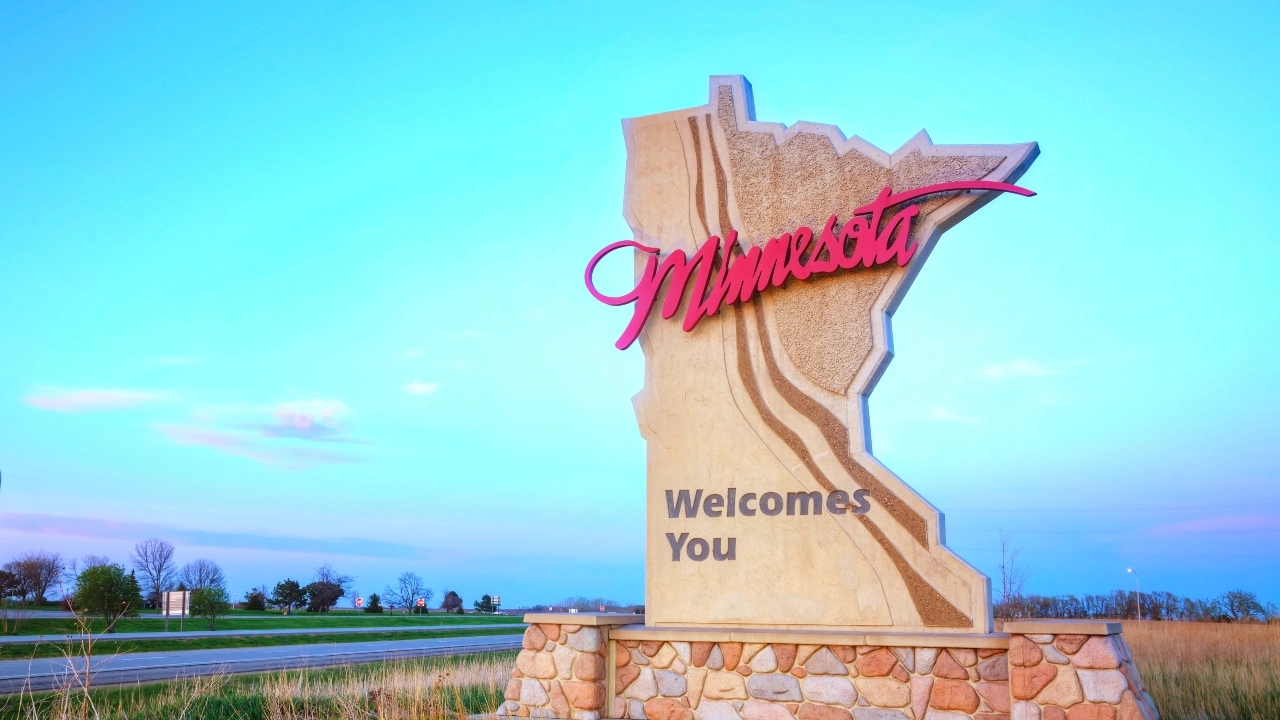
Image of a roadside sign saying,

Minnesota cannabis tax hike proposed ahead of first sales


Adult-use marijuana sales have yet to launch in Minnesota, but state lawmakers are already proposing a tax hike.

A recently announced budget agreement would raise the gross receipts tax from 10% on sales at licensed businesses to 15%, according to CBS News Minnesota.

Minnesota legalized adult-use marijuana in 2023, but sales may not launch until next year.

In the meantime, lawmakers have a sizable projected budget deficit to close.

The tax increase would be on top of the state sales tax rate of 6.975% and any local sales taxes.

The tax would also apply to hemp-derived THC edibles such as the beverages sold at liquor stores and other non-cannabis retailers.

If approved, the increase would make Minnesota’s taxes higher than neighboring states where adult-use marijuana is legal.

Michigan imposes a 10% excise tax on retail sales, plus a 6% sales tax, though Michigan Gov. Gretchen Whitmer has proposed a sizable tax hike.

The tax structure in Illinois is more complicated.

That state imposes a 10% tax on retail sales of cannabis products with less than 35% THC and 25% on retail sales of products with THC concentrations greater than 35%.

Some cannabis advocates have expressed concern that a 15% surcharge would make legal cannabis too expensive and allow the illicit market to prosper.

“When we legalized adult-use cannabis, we talked about how this is not a cash cow,” state Sen. Lindsey Port, one of the marijuana legalization law’s authors, said during a committee hearing.

“It’s not an answer to the state budget’s concerns,” Port added.

“I’m frustrated to see it is being used in that way because it will not be successful.”


Source link

DCC Seizes Illegal Cannabis and Mushrooms in Orange County

DCC Seizes Illegal Cannabis and Mushrooms in Orange County


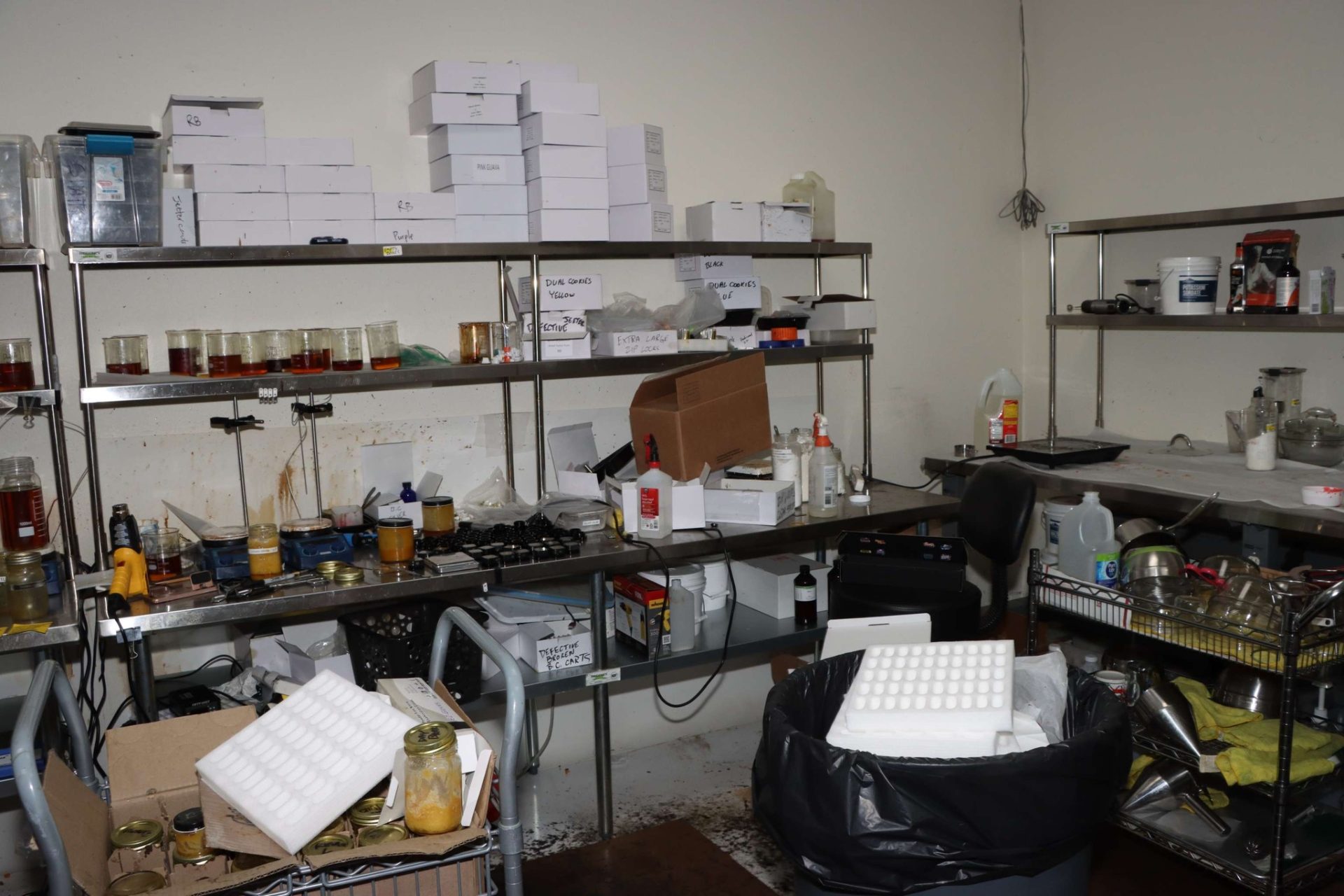
WESTMINSTER – On May 15, 2025, the California Department of Cannabis Control (DCC) announced the seizure of more than $8.4 million dollars in illegal cannabis and mushrooms in Orange County.   Working in partnership with the Westminster Police Department, DCC shut down an unlicensed cannabis delivery service, seizing:

• 1,505 pounds of cannabis flower

• 3,891 pounds of vape cartridges

• 351 pounds of cannabis concentrate

• 600 pounds of cannabis edibles

• 643 pounds of psilocybin mushrooms

“DCC investigators work with local law enforcement departments to investigate and put a stop to illegal operations, in order to protect consumers as well as licensed operations,” said California Statewide Law Enforcement Association (CSLEA) President Alan Barcelona.


Source link

Cannabis store owned by Woody Harrelson, Bill Maher targeted in overnight burglary: report

Cannabis store owned by Woody Harrelson, Bill Maher targeted in overnight burglary: report


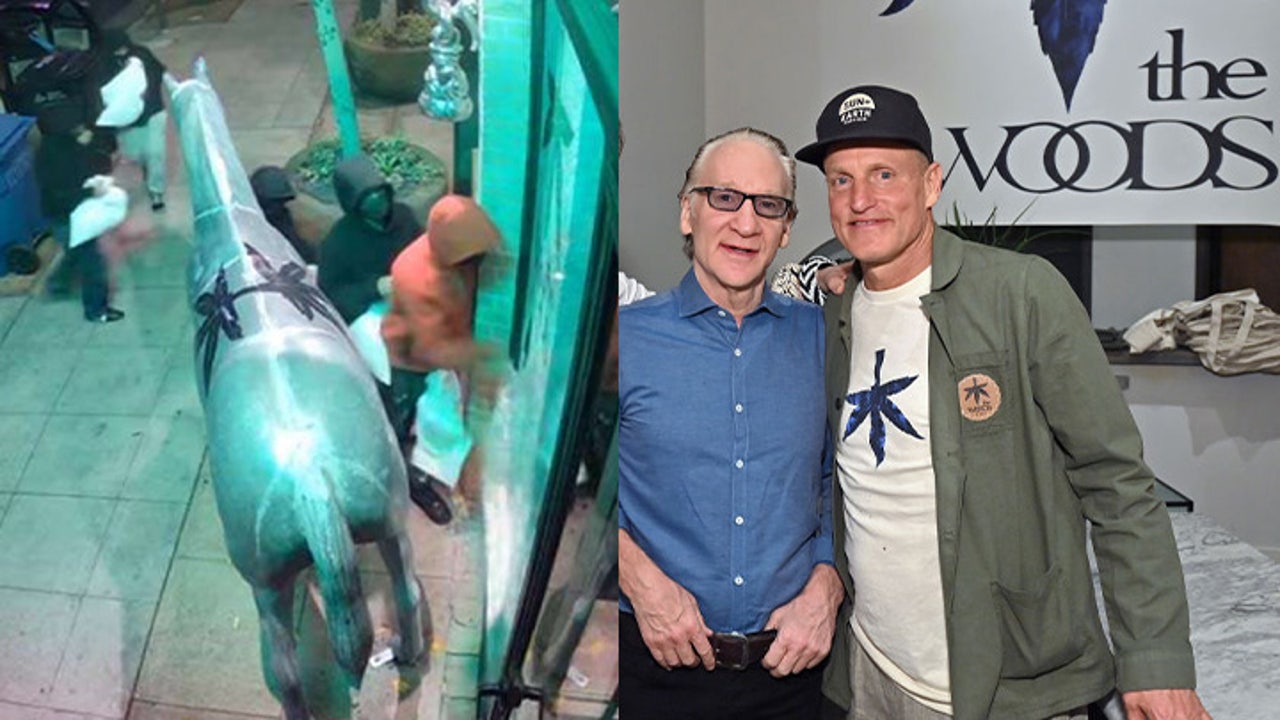
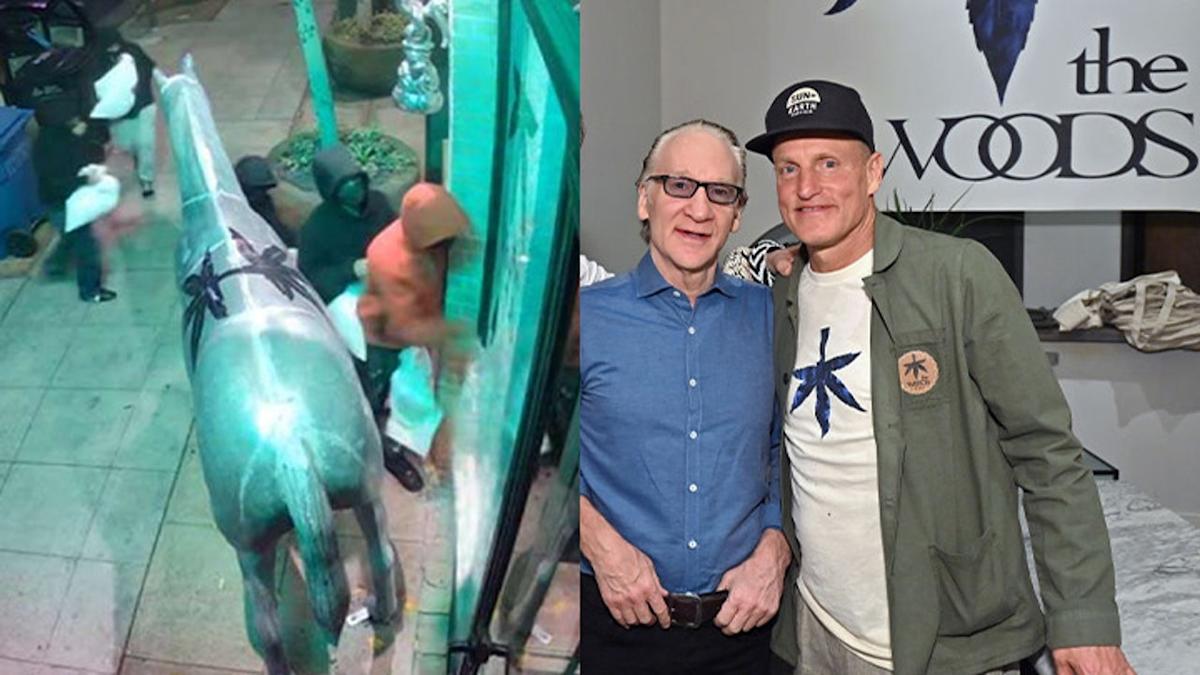
Video posted to social media shows a cannabis store owned by Woody Harrelson and Bill Maher was hit by a group of burglars over the weekend. 

What we know:

The Woods WeHo, located in the 8200 block of Santa Monica Boulevard, was robbed and vandalized on Saturday, May 17, around 4:30 a.m., the WeHo Times reported. 

Entrepreneur Elliot Lewis posted video of the incident to Instagram

The video showed the burglary crew in hooded sweatshirts as they forced entry by shattering the store’s glass and filling garbage bags with the store’s merchandise. 

The burglars left the scene after they were approached by an armed security guard. 

“Our hearts go out to Samba and Woody and their entire crew,” Lewis wrote. “Make it make sense. Please bring back some common sense.” 

Thomas Schoos, Bill Maher, and Woody Harrelson attend ‘The Woods’ Opening Day on May 13, 2022 in West Hollywood, California. (Photo by Stefanie Keenan/Getty Images for The Woods) (Getty Images)

The backstory:

The Woods is an “Amsterdam-style” café, which is part of a growing trend. Under AB 1775, cities and counties can allow existing cannabis retailers and consumption lounges to sell non-cannabis food and drinks. 

SUGGESTED:

The Source: Information from the WeHo Times. 

West HollywoodCrime and Public SafetyEntertainment


Source link

Yahoo news home

Cannabis store owned by Woody Harrelson, Bill Maher targeted in overnight burglary


Generate Key Takeaways

WEST HOLLYWOOD, Calif.Video posted to social media shows a cannabis store owned by Woody Harrelson and Bill Maher was hit by a group of burglars over the weekend.

What we know

The Woods WeHo, located in the 8200 block of Santa Monica Boulevard, was robbed and vandalized on Saturday, May 17, around 4:30 a.m., the WeHo Times reported.

Entrepreneur Elliot Lewis posted video of the incident to Instagram.

The video showed the burglary crew in hooded sweatshirts as they forced entry by shattering the store’s glass and filling garbage bags with the store’s merchandise.

The burglars left the scene after they were approached by an armed security guard.

“Our hearts go out to Samba and Woody and their entire crew,” Lewis wrote. “Make it make sense. Please bring back some common sense.”

The suspects got away with thousands of dollars in merchandise. In November 2024, another smash-and-grab occurred at the same West LA location…they were reportedly in and out in 15 seconds.

ERBA Markets in West LA was also hit by burglars this weekend. A car crashed through the building in order to gain entry inside. The owner said the crew was aiming to grab merchandise, but shots soon rang out.

“Five kids roll up at about five in the morning and they smash through the window and try to run through the store to rob as much as they could. Security came out, saw them, took three shots, warning shots, they jumped in their car and ran away,” said partner Jay Handal.

<div>Thomas Schoos, Bill Maher, and Woody Harrelson attend 'The Woods' Opening Day on May 13, 2022 in West Hollywood, California. (Photo by Stefanie Keenan/Getty Images for The Woods)</div><strong>(Getty Images)</strong>

Thomas Schoos, Bill Maher, and Woody Harrelson attend ‘The Woods’ Opening Day on May 13, 2022 in West Hollywood, California. (Photo by Stefanie Keenan/Getty Images for The Woods)

(Getty Images)

The backstory

The Woods is an “Amsterdam-style” café, which is part of a growing trend. Under AB 1775, cities and counties can allow existing cannabis retailers and consumption lounges to sell non-cannabis food and drinks.

SUGGESTED:

The Source

Information from the WeHo Times.


Source link

MPR News

Study finds medical cannabis provided relief for those with obstructive sleep apnea


By submitting, you consent that you are at least 18 years of age and to receive information about MPR’s or APMG entities’ programs and offerings. The personally identifying information you provide will not be sold, shared, or used for purposes other than to communicate with you about MPR, APMG entities, and its sponsors. You may opt-out at any time clicking the unsubscribe link at the bottom of any email communication. View our Privacy Policy.


Source link

Ohio Lawmakers Hear Testimony Against Marijuana Bill That Critics Say Would Undermine Voter-Approved Legalization Law

Texas Medical Marijuana Expansion Bill Will Be Amended After Passing House, Key Senator Says


A bill that would significantly expand Texas’s medical marijuana program had its first Senate committee hearing on Monday, where a key senator called the House-passed measure a “work in process” and said future changes are in store.

“It’s currently in the works, and we’re still having conversations on what the final product is,” Sen. Charles Perry (R) said of the legislation, HB 46. “There will be a committee substitute, but it is not back from [Legislative] Council yet.”

Perry, who is the sponsor of a companion bill in the Senate, said issues still being hammered out include the number of new dispensary licenses that would be added, which qualifying conditions would be included and what limits to set on product amounts.

“As I say, this is a work in process,” he told senators at Monday’s hearing, “and [I] just wanted to have it heard so that when that [substitute version] comes out, we can address it in proper time.”

Members of the Senate Committee on State Affairs did not take action on the bill on Monday but spent about 15 minutes discussing the proposal.

One lawmaker, Sen. Brian Birdwell (R), said that given the forthcoming substitute, he intends to work with Perry and “see what he’s going to change.”

Birdwell told Perry he had “serious concerns” with the House-passed HB 46 compared to the Senate companion, SB 1505, but he added that “instead of wasting the committee’s time asking questions, now I think I’d rather just consult separately with Sen. Perry.”

Senators then took public testimony on the measure and held it for further action.

“We got a week or so to hammer this down,” Perry said, noting that a separate bill on intoxicating hemp products, SB 3, is scheduled to be taken up in the House on Tuesday. “So we’ll see where that lands and see where this all fits together. It’s kind of a package deal.”

As passed by the House of Representatives last week, the medical cannabis bill would build on the Texas Compassionate Use Program, known as TCUP, to ease access to more patients across the state. It would add additional dispensaries, expand the state’s list of qualifying conditions, allow a wider range of available products and allow marijuana for end-of-life patients in palliative or hospice care.

Specifically, it would allow patients to access cannabis patches, lotions, suppositories, approved inhalers, nebulizers and and vaping devices. The currently limited list of qualifying conditions would be extended to include chronic pain, glaucoma, traumatic brain injury (TBI), spinal neuropathy, Crohn’s disease or other inflammatory bowel disease, degenerative disc disease and any terminal illness for patients receiving hospice or palliative care.

Military veterans would be able to become registered cannabis patients for any medical condition, and the Texas Department of State Health Services (DSHS) would also be authorized for further expand the list.

The bill would additionally mandate that the Department of Public Safety (DPS) issue 11 dispensary licenses within the 11 designated public health regions across the state. It would further allow dispensaries to open satellite locations if approved.

Notably, an amendment adopted on the House floor last week would grandfather existing medical cannabis dispensary satellite locations, ensure a competitive business licensing application process, create a timeline for when new licenses must be issued, amend background check rules, allow physicians to determine dosage and remove a 1.2 gram limit for possession by patients and instead let doctors recommend an amount they see fit.

A second amendment approved by House members would require doctors who issue medical cannabis recommendations to report them to the state’s prescription drug monitoring program.

If ultimately enacted, the bill would significantly build upon Texas’s current, limited medical marijuana program, which allows patients with one of eight qualifying condition access certain non-smokable cannabis products containing no more than 0.5 percent by dry weight.

Of the several public commenters at Monday’s Senate committee hearing, one said she opposed the bill in its current form because of its accommodation for military veterans. “It doesn’t make sense to encourage almost drugging of our warriors,” she said, “when we want them to thrive.”

The witness added that she believes patients could get the same relief from non-intoxicating cannabinoids, such as CBD and CBG, without needing to use THC.

Another speaker, who has used marijuana therapeutically for decades, she said, said she best manages her condition by using cannabis flower—which she has to buy on the illicit market—rather than with more processed products.

“Thousand of Texans can qualify for TCUP, but they’re intimidated by the process, and getting recommendations is also daunting,” she said. “Adding more conditions to qualify would definitely be an improvement and help many patients who are needlessly suffering without access.”

Susan Hayes, a public representative for the Texas Department of Public Safety (DPS), told the committee: “We need to truly expand this program.”

“I know this body is very concerned about the intoxicating hemp market,” she said. “If you want to take the wind out of the sails of that market, you need to give the people who are using these products for medical reasons a place to go and a place where they can have safe and reliable and regulated products.”

“HB 46,” Hayes continued, “comes awfully close to doing that.”

Separately last week, House lawmakers also passed a measure to support research on the therapeutic potential of ibogaine with the aim of encouraging federal approval of the psychedelic.

That bill, SB 2308, would create a grant program through the state Health and Human Services Commission (HHSC) to provide funding for clinical trials exploring ibogaine as a potential treatment option for people suffering from opioid use disorder (OUD) and other serious mental health condition

“To the veterans who are out there struggling, for the mothers—millions of mothers across the state of Texas who have kids who are addicted to opioids—Texas is coming, Rep. Cody Harris (R), sponsor of a House companion version of the measure, said on the floor.

While the measure has previously passed the Senate, the House slightly amended it to clarify that the definition of ibogaine that would be studied also includes ibogaine-based therapeutics and analogues. As such, it needs to go back to the other body before potentially being sent to the governor and enacted into law.

An analysis of the legislation says OUD “continues to be one of the most insidious threats to public health of our time, devastating individuals, families, and communities across Texas and our nation,” and “current treatment options are often unsuccessful in treating OUD and lives are lost as a result.”

Ibogaine has “shown incredible promise in early research as an effective and fast-acting treatment for OUD and other related or co-occurring conditions,” it says. “However, ibogaine must undergo costly FDA-approved clinical trials before it can become a viable treatment option.”

Earlier this month, meanwhile, the Texas House also gave final passage to a pair of bills designed to ensure speedy access to psychedelic-assisted therapy in the event of federal approval from FDA.

One bill—HB 4014, from Rep. John Bucy III (D)—would establish a state-backed study into the use of psilocybin, MDMA and ketamine to treat conditions such as PTSD and depression. The other—HB 4813, from Rep. Tom Oliverson (R)—aims to minimize delay at the state level if and when FDA approves a new drug, such as psilocybin or MDMA.

With respect to the cannabis legislation, its approval comes months after DPS released a report advising that the state’s currently limited medical marijuana system “does not provide for statewide access for patients” and recommending that the number of licensed dispensaries be significantly expanded to meet demand.

A recent poll found that four in five Texas voters want to see marijuana legalized in some form, and most also want to see regulations around cannabis relaxed.

Meanwhile in Texas, a House committee approved a Senate-passed bill earlier this month that would prohibit cities from putting any citizen initiative on local ballots that would decriminalize marijuana or other controlled substances—as several localities have already done despite lawsuits from the state attorney general.

Under the proposal, state law would be amended to say that local entities “may not place an item on a ballot, including a municipal charter or charter amendment, that would provide that the local entity will not fully enforce” state drug laws.

While several courts have previously upheld local cannabis decriminalization laws, an appellate court comprised of three conservative justices appointed by Gov. Greg Abbott (R) has recently pushed back against two of those rulings, siding with the state in its legal challenge to the marijuana policy in Austin and San Marcos.

Despite the ongoing litigation and advancement of the House and Senate bills, Texas activists have their targets set on yet another city, Kyle, where they hope put an initiative before voters to enact local marijuana reform at the ballot this coming November.

Abbott has lashed out against the municipal cannabis reform efforts.

“Local communities such as towns, cities and counties, they don’t have the authority to override state law,” the governor said last May “If they want to see a different law passed, they need to work with their legislators. Let’s legislate to work to make sure that the state, as a state, will pass some of the law.”

He said it would lead to “chaos” and create an “unworkable system” for voters in individual cities to be “picking and choosing” the laws they want abide by under state statute.

Abbott has previously said that he doesn’t believe people should be in jail over marijuana possession—although he mistakenly suggested at the time that Texas had already enacted a decriminalization policy to that end.

In 2023, Ground Game released a report that looked at the impacts of the marijuana reform laws. It found that the measures will keep hundreds of people out of jail, even as they have led to blowback from law enforcement in some cities. The initiatives have also driven voter turnout by being on the ballot, the report said.

Another cannabis decriminalization measure that went before voters in San Antonio that year was overwhelmingly defeated, but that proposal also included unrelated provisions to prevent enforcement of abortion restrictions.

Meanwhile, in March the Texas Senate approved a bill that cannabis advocates and stakeholders said would effectively eradicate the state’s hemp industry, prohibiting consumable products derived from the plant that contain any amount of THC.

That, as well as another measure from Rep. Joe Moody (D) to decriminalize cannabis statewide, is one of the latest of nearly two dozen cannabis-related proposals filed so far in Texas for the current legislative session. Various other measures would legalize adult-use marijuana, remove criminal penalties for cannabis possession and adjust the state’s existing medical marijuana laws, among others.

Moody sponsored a similar marijuana decriminalization bill last legislative session, in 2023. That measure, HB 218, passed the House on an 87–59 vote but later died in a Senate committee.

The House had already passed earlier cannabis decriminalization proposals during the two previous legislative sessions, in 2021 and 2019. But the efforts have consistently stalled in the Senate amid opposition from the lieutenant governor.

Exploring Psychedelic Medicine Is A ‘Top Priority’ For Trump Administration, FDA Commissioner Says


Marijuana Moment is made possible with support from readers. If you rely on our cannabis advocacy journalism to stay informed, please consider a monthly Patreon pledge.

Become a patron at Patreon!


Source link

Researchers Announce They've Discovered A New Cannabinoid In Marijuana

What Europe Can Learn From Cannabis Legalization In North America (Op-Ed)


I spent the last week of April in Berlin, Germany, helping with a Talman House investor event and the International Cannabis Business Conference (ICBC). While seeing old marijuana community and industry friends, and making new ones, it was readily apparent throughout the week that Europe is in the early stages of its “green rush.”

Several European nations are currently working to modernize their marijuana policies, including Slovenia and the Czech Republic. Three European nations have already adopted national adult-use legalization measures. Malta was the first to do so in 2021, followed by Luxembourg in 2023 and Germany in 2024.

Of the three, Germany’s industry holds the most industry potential by far. Germany already served as the largest legal medical cannabis market on the European continent before the adoption of the CanG law. Part of Germany’s CanG law involved the removal of cannabis from the nation’s Narcotics List, a public policy change that has yielded a significant increase in domestic medical cannabis production, patient prescriptions and medical cannabis product imports.

Having witnessed the start of the green rush in the U.S. over a decade ago, when Colorado and Washington State became the first legal states back in 2012, the level of excitement that I experienced in my interactions with people in Germany last month was relatable. I remember what it was like to stand at the edge of cannabis history with the winds of change at my back.

A common theme throughout my trip to Germany was members of Europe’s industry and advocacy community asking me what lessons and insights I could provide them based on what has transpired in North America. Many attendees commented that I was “from the future” at the Talman and ICBC events in Berlin, and desired to know more about what had occurred over the last decade on my side of the Atlantic Ocean.

Europe has a unique opportunity to take the best components of North America’s legalization models, learn from the mistakes made by Canada and legal states in the U.S. and create something better than what exists in North America’s markets. It is a window of time that will only happen once, and when that window is eventually closed, Europe’s initial opportunity to create a solid industry foundation will be over forever.

One of the most notable parallels between industry and policy in the U.S. and Europe is the layered patchwork of laws and regulations in place in both regions. Just as the U.S. is made up of siloed state markets while most cannabis activity remains prohibited at the federal level, the European Union is also made up of siloed member-nation markets that are governed by confusing, if not conflicting, European Union agreements.

A major lesson European lawmakers can learn from the public policy patchwork headaches the U.S. has experienced is that harmonized laws and regulations are key ingredients to success. Those ingredients remain elusive in the U.S. and have hindered the industry from reaching its full potential, and with it, providing the full economic and social benefits that a thriving legal cannabis industry can generate for society. Federal prohibition in the U.S. has also held back research for many years, and continues to limit the nation’s industry from participating in the wider global community.

Currently, two dozen states in the U.S. have adopted adult-use cannabis legalization measures, with many of those states being home to operational recreational cannabis industries. The remaining states either do not have operational adult-use cannabis industries, but may soon, or they continue to prohibit sales altogether. European policymakers can learn valuable lessons from the experiences of both legal and prohibition states.

Unregulated cannabis sales continue to thrive in prohibition states in the U.S., which is a byproduct of the nation’s disjointed cannabis laws. In cases of legal and prohibition states sharing a border, consumers from prohibition states regularly cross the border to make their purchases. Prohibition states then completely miss out on the cannabis industry taxes and fees generated from the purchases.

Legal cannabis industries in states that allow cannabis commerce generate significant revenue for public projects that benefit all members of society. Between mid-2021 and the end of 2024, legal cannabis states brought in more than $9.7 billion in cannabis tax revenues and fees in the U.S. Additionally, state-legal industries in the U.S. support well over 400,000 full-time jobs.

No longer enforcing failed cannabis prohibition also saves jurisdictions money and frees up their criminal justice resources to focus on fighting real crime, which benefits all members of society, whether those members consume cannabis or not. Prohibition states in the U.S. are missing out on both the public revenue generated by a legal industry and the government enforcement savings associated with legalization.

The fractured approach to cannabis regulation in the U.S. also creates a major burden for many legal operators. Every state in the U.S. has its own set of laws and regulations, which require multi-state operators (MSOs) to develop individualized business and compliance models for every single jurisdiction. That drives up costs and negatively impacts those entities’ ability to benefit local economies and public coffers.

The European Union and its member states would be wise to recognize that the U.S. has become a network of cannabis policy winners and losers. Legal states are reaping the benefits of legalization, and prohibition states are continuing to pay the substantial direct and opportunity costs of clinging to prohibition. The European continent can become a region of winners by pursuing a harmonized approach to cannabis policy and industry.

A great example of what happens to an unregulated market when cannabis policies and regulations afford consumers and patients consistent access to national purchasing options can be found in Canada. Unlike the U.S., Canada legalized cannabis nationwide in 2018, and while individual provinces and territories adopted local regulations, legal purchasing channels exist across Canada. At the very least, all Canadian adults can order legal cannabis products through the mail.

Within a handful of years, Canada’s legal industry has largely displaced the unregulated market. A recent data analysis by a team of international researchers found that the Canadian cannabis industry has an ‘estimated legal market capture of 78%,’ and there was a “substantial transition in expenditures from the illegal to the legal market.”


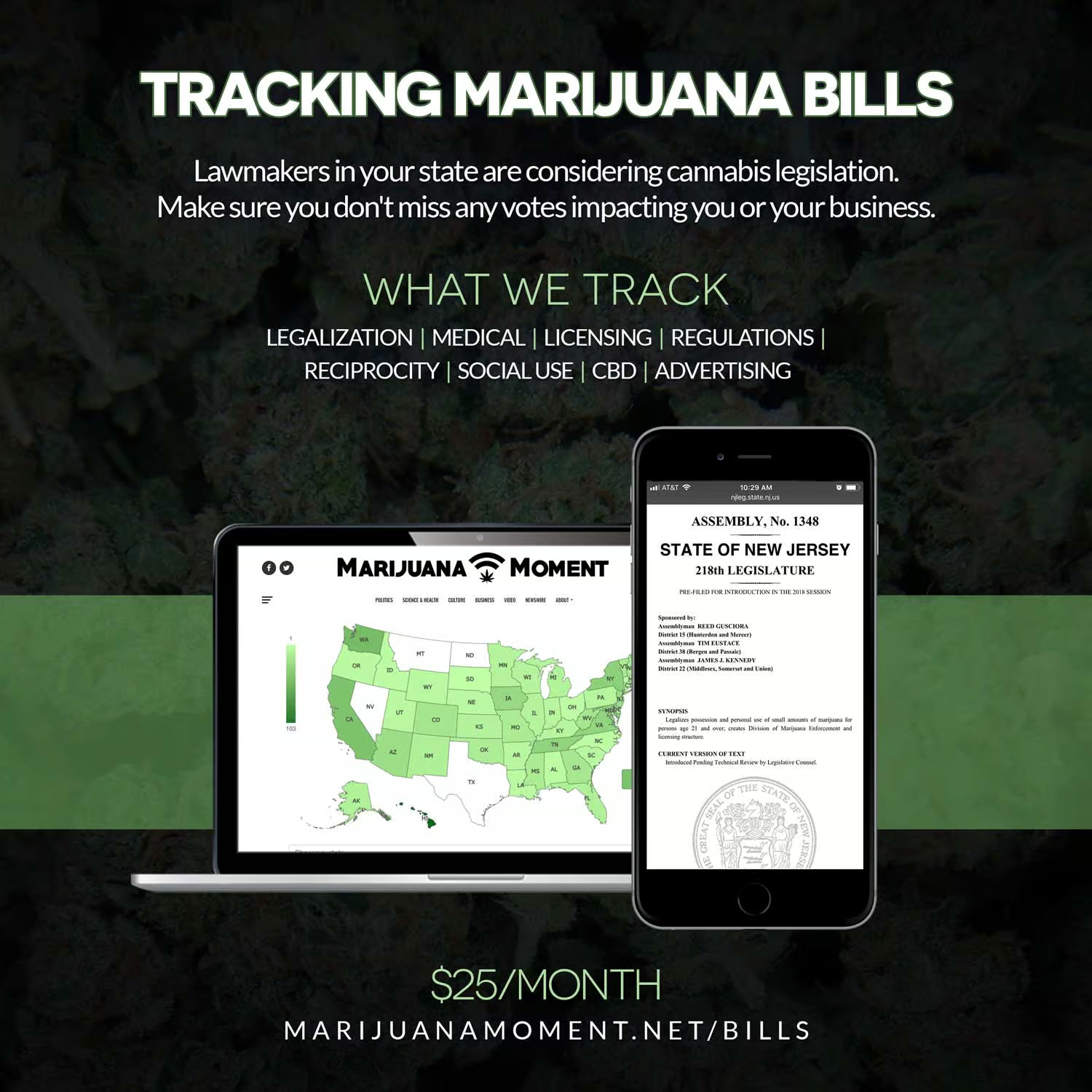
Marijuana Moment is tracking hundreds of cannabis, psychedelics and drug policy bills in state legislatures and Congress this year. Patreon supporters pledging at least $25/month get access to our interactive maps, charts and hearing calendar so they don’t miss any developments.


Learn more about our marijuana bill tracker and become a supporter on Patreon to get access.

Canada has sufficiently proven that if consumers and patients have robust legal cannabis commerce options, they will choose regulated sources over unregulated sources a vast majority of the time. The overall economic impact and boost to public health outcomes of that transition are significant.

An economic analysis conducted by Deloitte estimated that in less than four years, the legal cannabis industry in Canada had contributed over $43.5 billion to the nation’s GDP. Cannabis companies directly invested roughly $4.4 billion into Canada’s economy during that timeframe, with the remaining boost to GDP coming from “indirect” economic contributions and “induced” contributions.

To be clear, not everything about Canada’s legalization experience has been positive. Many business decisions made by some of Canada’s largest cannabis companies were clearly driven by emotion and hype, and the monetary ramifications proved to be disastrous. Billions of dollars were metaphorically lit on fire in the years that followed legalization, and it should serve as a cautionary tale for entrepreneurs and investors on the other side of the Atlantic Ocean.

Europe is at a pivotal moment in time. Policymakers, advocates, and industry members have an opportunity to create something special. Europe can become a glowing example of how to modernize cannabis policies and regulations in a balanced, effective way.

Looking back on multiple decades of my cannabis activism in the U.S. and benefiting from having a front-row seat to how things unfolded in the emerging legal cannabis industry, I will be the first to recognize that we got some things right and some things completely wrong. It is my personal hope that Europe learns from North America and makes the most of its current opportunity, and that its chance to create the best continental cannabis model is not squandered.

Is Marijuana’s ‘Entourage Effect’ A Real Thing Or Is It Just Marketing Hype?

Photo courtesy of Mike Latimer.

Marijuana Moment is made possible with support from readers. If you rely on our cannabis advocacy journalism to stay informed, please consider a monthly Patreon pledge.

Become a patron at Patreon!


Source link

Mostly Sunny

Drive-thru cannabis dispensary coming to Cleveland’s Steelyard Commons


CLEVELAND, Ohio — Steelyard Commons will boast what appears to be the first drive-thru cannabis dispensary within Cleveland city limits.

Story Cannabis, a Phoenix-based cannabis operator, received final design approval during Friday’s Cleveland City Planning Commission meeting.

The store will be a dual-use marijuana dispensary, offering both medical marijuana and adult recreational marijuana, representatives told the commission.

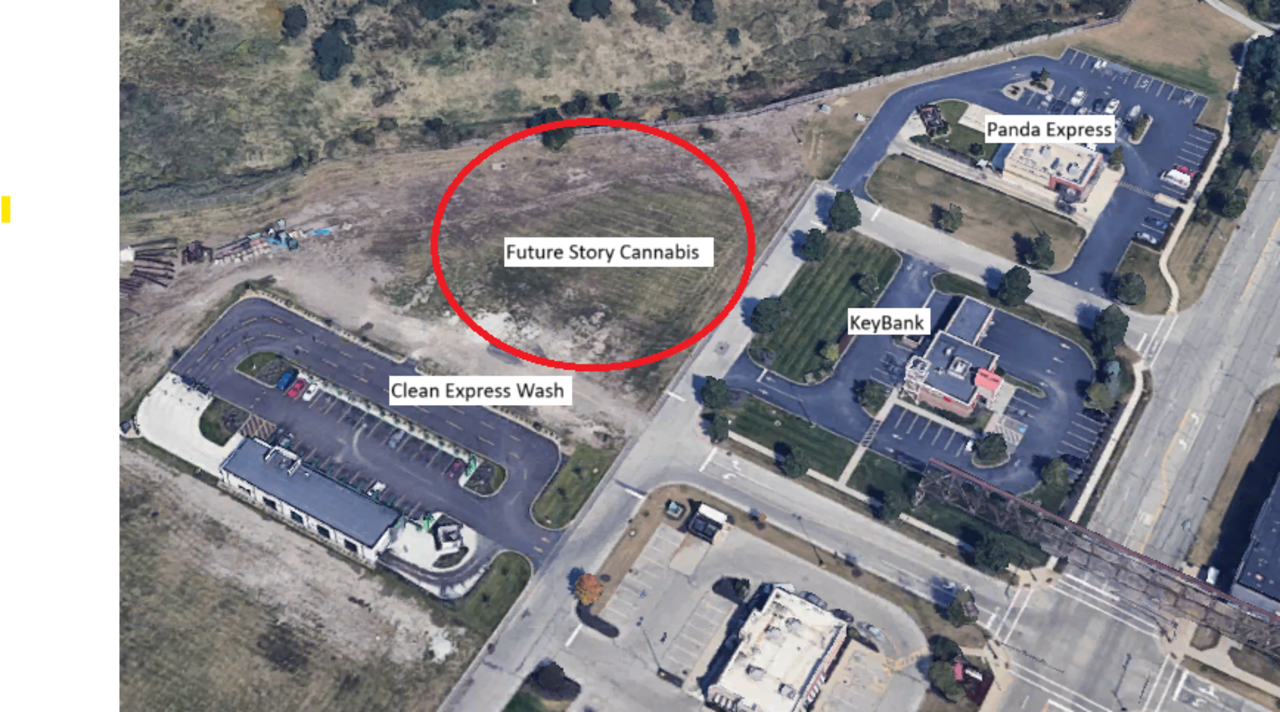
The new single-story 2,667-square-foot building will be built on vacant land at 3270 Steelyard Drive. It is on the north side of the Steelyard Commons Shopping Center, across the street from KeyBank and Panda Express, and adjacent to the Clean Express Wash.

The dispensary will have 35 parking spots, including two ADA-compliant spaces, and a drive-thru lane.

The drive-thru lane will be for online pick-up orders only, according to a recent meeting of the Far West Design Review Committee.

Once built, this will mark the sixth location in the state for Story Cannabis. It opened its first Cleveland-area location in February, on Brookpark Road off of Interstate 480.

Though Story will likely be the first drive-thru dispensary in the city, it isn’t the first in Cuyahoga County. That honor goes to CERTIFIED Dispensary on Cedar Road in South Euclid, which opened in August.


Source link