5 quick hits of cannabis news from across Michigan

5 quick hits of cannabis news from across Michigan


MICHIGAN—Whether it’s new rules, local buzz, or weird weed drama, Michigan’s marijuana industry never stays quiet for long. And as usual, we’ve rounded up the state’s most important—and most interesting—updates that you need to know to get through the week.

Let’s break it down:

PRICE PLUNGE: Despite the usual 4/20 sales bump, Michigan’s monthly weed sales dropped in April—down to $270 million—as the average price of flower hit a new low of $62 an ounce. Retailers actually sold more weed than the month before, but lower prices kept totals down.

VIOLATION NATION: State regulators fined 40 cannabis businesses in April for violations like using cartoon-look packaging on edibles that may appeal to kids and growing weed in unapproved locations. All companies reportedly admitted fault and pledged to fix the issues.  

HIGHWAY TO HERE: As Indiana state lawmakers wrap up yet another legislative session without passing any cannabis reforms into law, border towns like Niles and New Buffalo are set to keep reaping the rewards of out-of-state customers flocking to Michigan to refill their stash.

SRSLY SPEAKING: Students from Dexter High School’s SRSLY Club traveled to the state Capitol to push for stricter rules on cannabis advertising and flavored vape products, specifically to meet with lawmakers to speak out against marketing tactics aimed at teens.

HARVARD HYPE: A new Harvard Medical School study found that weed smoke poses fewer risks to lung health than tobacco—and isn’t linked to emphysema. NORML says the findings back what they’ve been saying for years: It’s time to base weed laws on science, not stigma. 

READ MORE: Trump’s trade war will drive up the cost of getting high in Michigan

weed

Want more cannabis news delivered right to your inbox? Click here to sign up for The MichiGanja Report—our free weekly newsletter about all things marijuana.

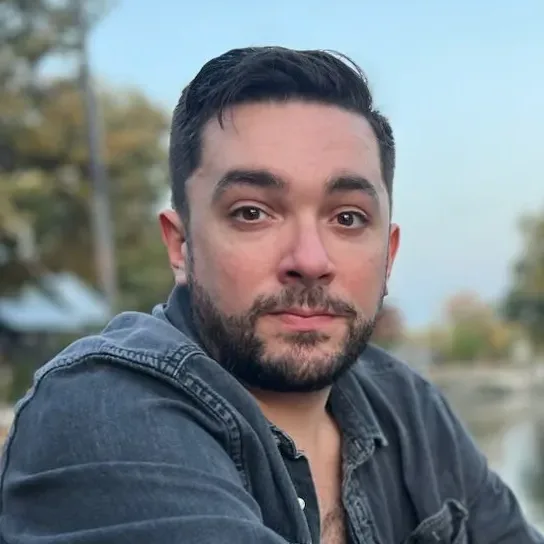
  • Kyle Kaminski

    Kyle Kaminski is an award-winning investigative journalist with more than a decade of experience covering news across Michigan. Prior to joining The ‘Gander, Kyle worked as the managing editor at City Pulse in Lansing and as a reporter for the Traverse City Record-Eagle.


Source link

DeSantis In Trouble From Congress Over Blocking Marijuana

DeSantis In Trouble From Congress Over Blocking Marijuana


Congress is looking into DeSantis’s use of federal funds to block marijuana…despite Congress doing nothing about cannabis

Governor DeSantis was once the golden boy of politics. But during the election, he ran afoul of the current administration. This has caused him to appear weak in Florida and one compliant politicians are now seeing weakness, especially as the federal aren’t being overly warm to the state. The latest is DeSantis in trouble from Congress over blocking marijuana Amendment 3. Congress initiated an investigation into Florida Governor alleged misuse of state funds to oppose a marijuana legalization initiative, raising concerns about the ethical and legal implications of such actions.

RELATED: The Connection Between Country Music And Cannabis

The controversy centers on the use of opioid settlement funds to finance an extensive advertising campaign against Amendment 3, a ballot measure aimed at legalizing recreational marijuana in Florida. Reports indicate the Florida Department of Children and Families allocated nearly $4 million from the state’s opioid settlement trust fund to Strategic Digital Services, a marketing agency, for an educational campaign highlighting the dangers of marijuana and other drugs.

Photo by Cappi Thompson/Getty Images

Critics argue that this campaign, which included over 13,000 television ads and more than 5,000 radio spots, effectively served as political propaganda against Amendment 3, rather than genuine public education. Notably, some of the funds used were originally intended for opioid addiction treatment programs, leading to bipartisan criticism. Republican State Senator Joe Gruters stated, “We do not spend taxpayer dollars in advance of a political issue.”

Further scrutiny has been directed at the Hope Florida Foundation, a charitable initiative led by First Lady Casey DeSantis. The foundation received a $10 million donation from a Medicaid settlement with Centene Corp., which was then distributed to two nonprofits. These nonprofits subsequently donated millions to a political committee opposing the marijuana legalization referendum, raising questions about the appropriate use of charitable funds for political purposes.

RELATED: Cannabis Is Way Better And Safer Than A Honey Pack

In response to these developments, Florida lawmakers have launched a formal probe into the matter. Republican Representative Alex Andrade has accused key figures in the DeSantis administration of conspiracy and money laundering related to the misuse of funds. Governor DeSantis has defended the initiatives, attributing the investigations to political motives aimed at undermining his administration and his wife’s charitable work.

The U.S. Department of Justice and the FBI have been called upon to further investigate the allegations. While the DeSantis administration denies any wrongdoing, the controversy has sparked a broader debate about the use of taxpayer funds for political advocacy and the need for transparency and accountability in government spending.

As the investigation unfolds, it remains to be seen how these revelations will impact Governor DeSantis’s political standing and the future of marijuana legalization efforts in Florida.


Source link

Cannabis surplus questions arise in Washington state | News

Cannabis surplus questions arise in Washington state | News


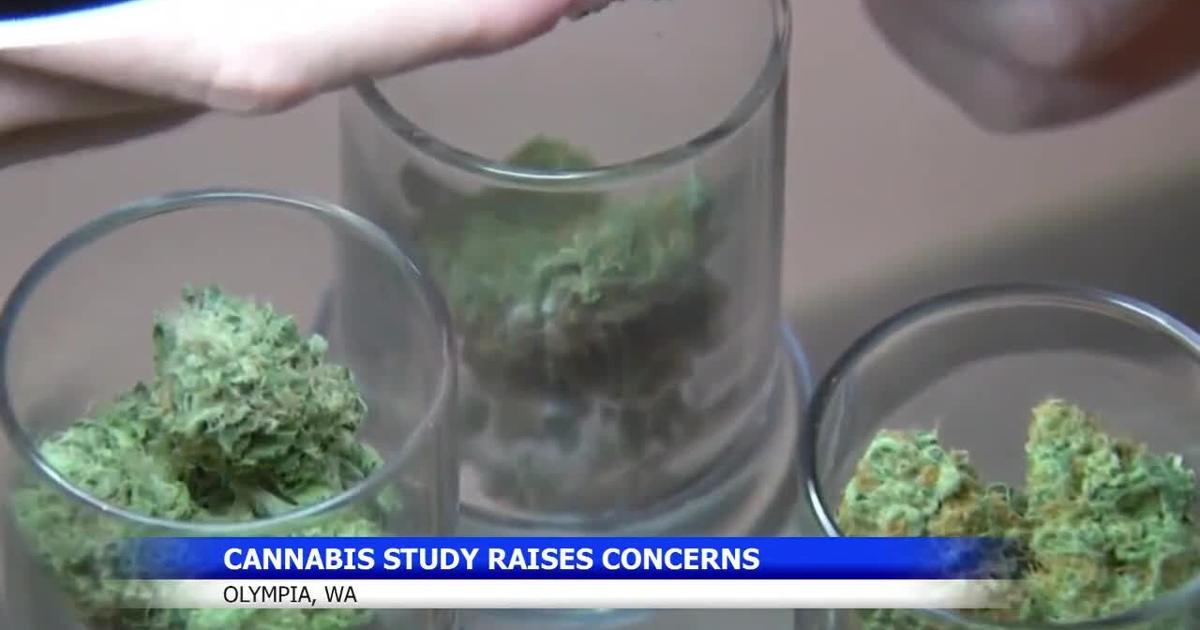
OLYMPIA, Wash. – A recent cannabis market study presented to the Washington State Legislature is raising concerns about the whereabouts of surplus cannabis products.

The study revealed that the amount of cannabis produced in 2023 was two to three times higher than the amount sold. State auditors highlighted that the Liquor and Cannabis Board lacks records showing where the surplus product is going.

Leaders with the Joint Legislative Audit and Review Committee are now proposing recommendations to address this issue.

The Washington State Institute for Public Policy reported, “Surplus cannabis may be destroyed, or it could be diverted to the illegal market either in state or out of state.”

One key recommendation is for the Liquor and Cannabis Board to submit a detailed plan to the legislature. This plan should outline the funding and resources needed to accurately collect data from cannabis producers and retailers by December 31, 2025.

This move aims to ensure better tracking and regulation of cannabis production and distribution in Washington state.


Source link

Cannabis surplus questions arise in Washington state | Spokane News

Cannabis surplus questions arise in Washington state | Spokane News


OLYMPIA, Wash. – A recent cannabis market study presented to the Washington State Legislature is raising concerns about the whereabouts of surplus cannabis products.

The study revealed that the amount of cannabis produced in 2023 was two to three times higher than the amount sold. State auditors highlighted that the Liquor and Cannabis Board lacks records showing where the surplus product is going.

Leaders with the Joint Legislative Audit and Review Committee are now proposing recommendations to address this issue.

The Washington State Institute for Public Policy reported, “Surplus cannabis may be destroyed, or it could be diverted to the illegal market either in state or out of state.”

One key recommendation is for the Liquor and Cannabis Board to submit a detailed plan to the legislature. This plan should outline the funding and resources needed to accurately collect data from cannabis producers and retailers by December 31, 2025.

This move aims to ensure better tracking and regulation of cannabis production and distribution in Washington state.


Source link

Mojave Richmond | Cannabis Business Times

Mojave Richmond | Cannabis Business Times


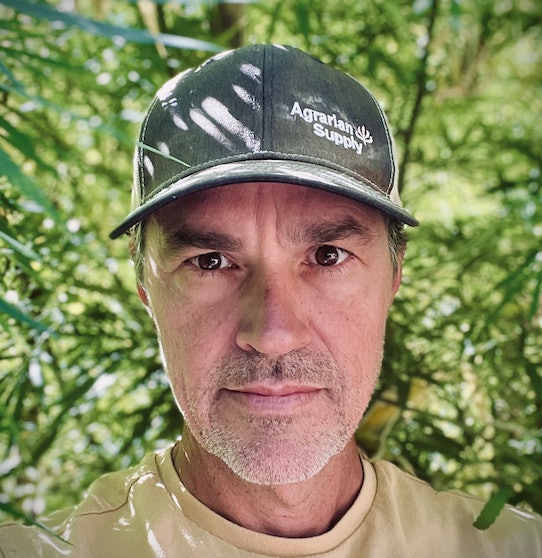
Mojave Richmond has explored the cannabis realm since his early days in California. In the early 1990s Mojave Richmond settled in the Netherlands, became involved in their newly emerging cannabis industry, and began breeding what would become award winning varieties. Throughout his years in the Netherlands Mojave did extensive research on various cultivation techniques from indoor hydroponics to large scale commercial glass house operations. 

In 2015 Mojave Co-founded BioAgronomics Group with ethnobotanist and author Robert C. Clarke. BioAgronomics group has worked both domestically and internationally offering stakeholders in the emerging cannabis economy guidance based on integrated approaches developed through years of experience applying scientific principles on many fronts. 

Mojave continues to breed and develop critically acclaimed cultivars offering specific therapeutic attributes without compromising agronomic viability. Mojave’s visions for the future, combined with his valuable experience, present unique perspectives for the cannabis business sector.


Source link

MVP Reflects on WWE Cannabis Fines and Wellness Policy During His Run

MVP Reflects on WWE Cannabis Fines and Wellness Policy During His Run


MVP Reflects on WWE Cannabis Fines and Wellness Policy During His Run

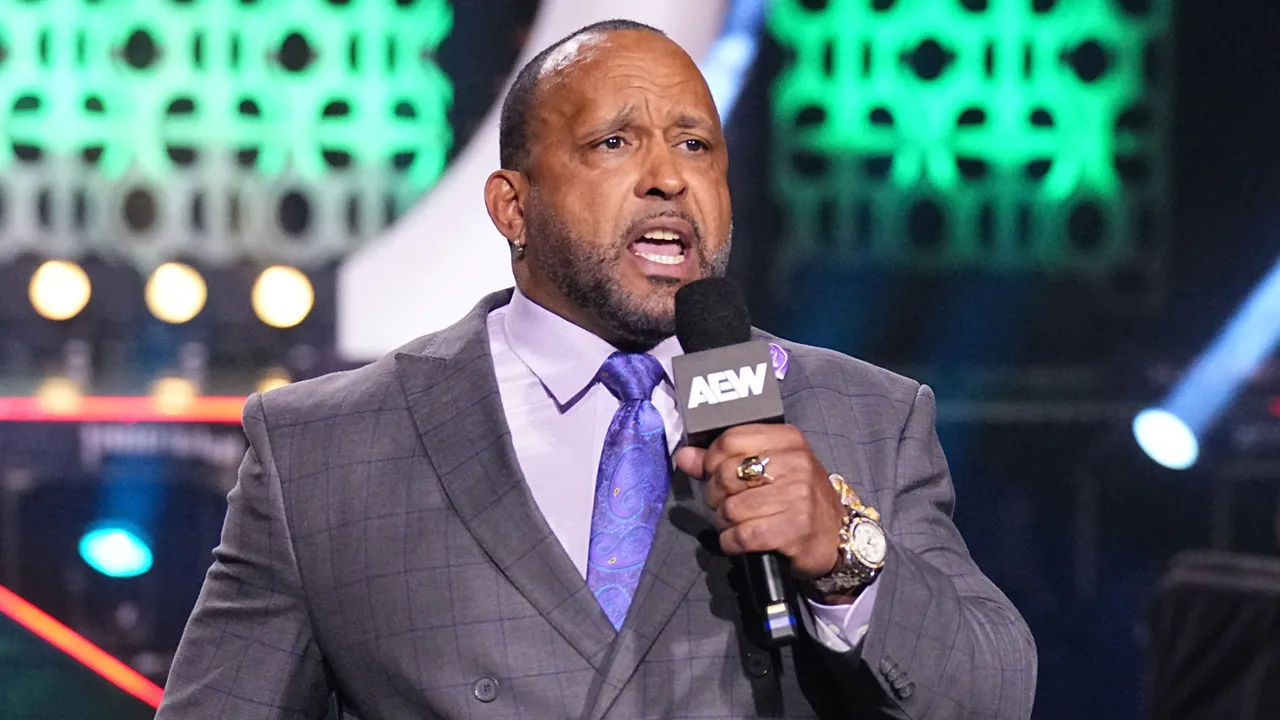
Former WWE United States Champion MVP recently offered candid insight into WWE’s wellness policy during his early run with the company, including his experience with fines related to cannabis use on the latest episode of Marking Out with MVP and Dwayne Swayze.

MVP recalled the evolution of WWE’s wellness program and how it eventually included testing for marijuana. “When the wellness policy started at WWE, initially, they only tested for steroids and hard drugs; they didn’t test for cannabis,” he explained.

However, the policy shifted following internal complaints. “Then, as I recall, all the pillheads started complaining, ‘These other guys get to smoke weed.’ They added cannabis, but it wasn’t a suspension; it was just a $1,000 fine,” MVP said.

At the time, MVP was ascending rapidly in WWE and making what he described as “ridiculous money.” His solution was as bold as it was humorous: “I said, ‘If they test us once a month and the fine is $1,000, that’s $12,000 a year.’ I went to John Laurinaitis and said, ‘Can I just give you a $12,000 check for the year? I’m gonna smoke.’”

Eventually, the fine increased to $2,500, but that didn’t initially deter MVP and a few unnamed colleagues. “It was me and three other guys, I won’t bring their names up, but we would check to see who is in first place,” he added. “Finally, after a couple of $2,500 fines, plus the numerous $1,000 fines… I could have bought a new car for these fines for weed. I finally stopped smoking for a while.”

MVP’s comments provide a rare behind-the-scenes look at WWE’s evolving stance on cannabis and the personal decisions talent faced regarding policy compliance. WWE has since further modified its approach to marijuana use, with fines no longer being a part of the current wellness policy as of recent years.

MVP’s first stint with WWE lasted from 2005 to 2010, he then returned to the company in 2018 until his contract expired in 2024. MVP would then sign with All Elite Wrestling later that year, and would make his debut with AEW in September 2024.

The entire quote from MVP regarding WWE’s Wellness Policy and Marijuana testing can be read below.

“When the wellness policy started at WWE, initially, they only tested for steroids and hard drugs; they didn’t test for cannabis. Then, as I recall, all the pillheads started complaining, ‘These other guys get to smoke weed.’ They added cannabis, but it wasn’t a suspension; it was just a $1000 Fine. At that point, I was on the rocket ship, I was making ridiculous money, especially for me at that time. I said, ‘If they test us once a month and the fine is $ 1,000, that’s $ 12,000 a year.’ I went to John Laurinaitis and said, ‘Can I just give you a $12,000 check for the year? I’m gonna smoke.’ Eventually, they bumped the fine up to $2500. It was me and three other guys, I won’t bring their names up, but we would check to see who is in first place. Finally, after a couple of $2,500 fines, plus the numerous $1,000 fines….I could have bought a new car for these fines for weed. I finally stopped smoking for a while.”

You can listen to the most recent episode of Marking Out with MVP and Dwayne Swayze below.

https://www.youtube.com/watch?v=videoseries

(h/t Fightful for the transcription.)

Go to eatshroombar.com and use code Bodyslam at checkout for 25% off your first order.

📺 FOLLOW & SUBSCRIBE:

Want to discuss wrestling further? Join our Discord community by clicking here! 

If you enjoy Bodyslam’s content, you can help donate to the site here. You can also visit our PWTees store and buy Bodyslam official merchandise here.

You can listen to all of Bodyslam’s podcasts by following us on Spotify and subscribing to our YouTube ChannelTwitchAppleGoogle, or any of your favorite podcast platforms.

Follow me on X: @ToddHomegrown
Follow us on X: @BodyslamNet


Source link

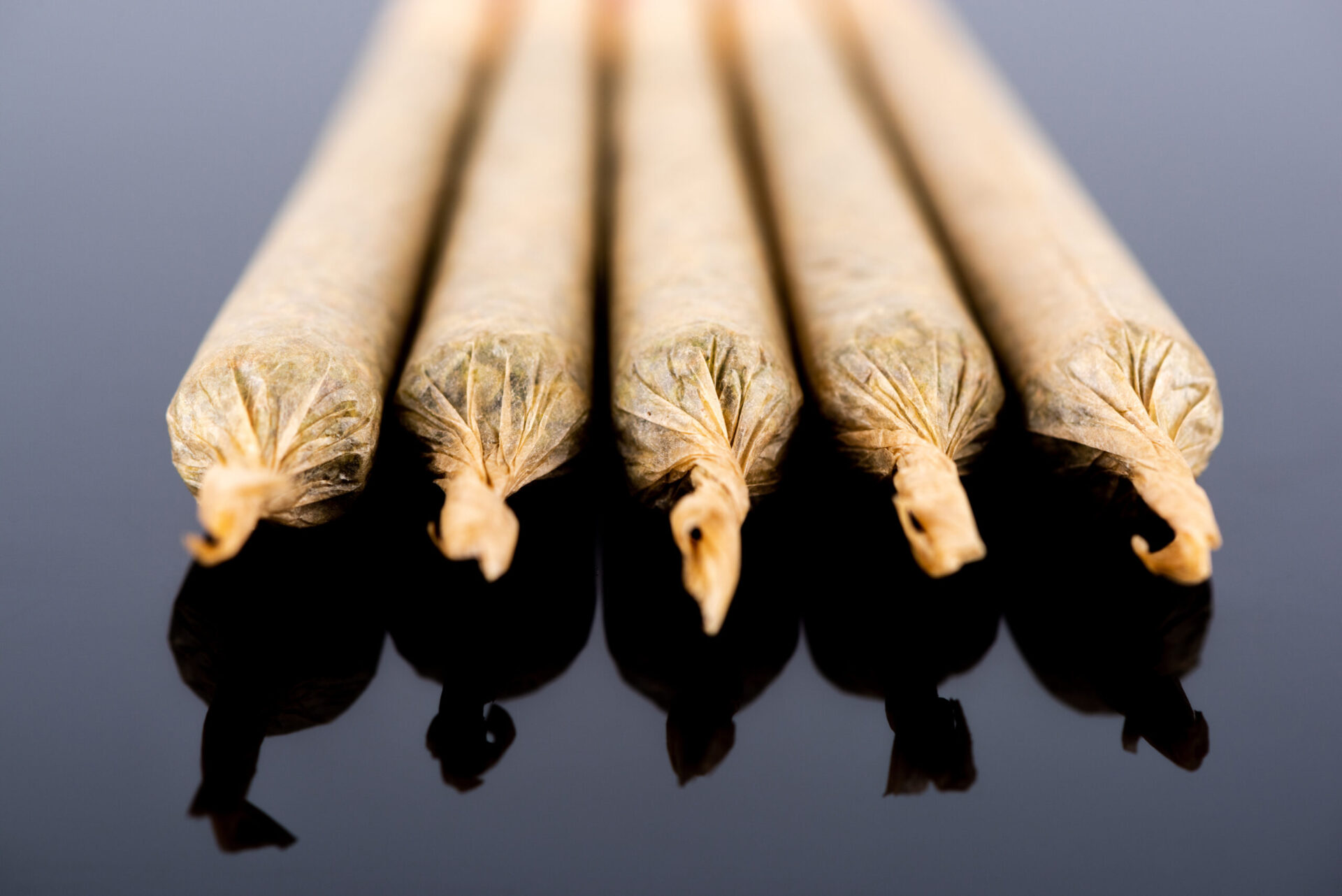
five joints on black surface

Why mini joints are cannabis consumers new favorites


Cannabis consumers have discovered a new favorite: mini joints, also known as micro joints or dogwalkers. These smaller, precisely dosed pre-rolls are taking dispensaries by storm, offering convenience, control, and just the right amount of cannabis for any occasion. Whether you’re a first-timer, a casual consumer, or an experienced cannabis enthusiast looking for moderation, mini joints are becoming the go-to choice for quick, satisfying sessions.

What exactly are mini joints?

Mini joints, sometimes called micro joints or dogwalkers, are compact cannabis pre-rolls typically containing between 0.25 and 0.5 grams of flower, significantly less than the standard one-gram joint. Their size makes them ideal for single-session use, ensuring consumers can enjoy their entire joint without the need to relight or waste any leftover cannabis.

Many dispensaries offer these convenient pre-rolls in multipacks of five to ten, packaged in portable cases perfect for slipping into your pocket or bag.

Why everyone loves mini joints

(Adobe Stock)

Precise dosing and portion control

One of the biggest draws of mini joints is their controlled dosage. They’re perfect for consumers mindful of their THC tolerance, providing just enough for an enjoyable experience without overwhelming effects. Mini joints eliminate guesswork, allowing you to confidently enjoy your session from start to finish.

Convenience and discretion

Their size makes them ideal for single-session use, ensuring consumers can enjoy their entire joint without the need to relight or waste any leftover cannabis.

Mini joints burn faster and produce less odor than their full-sized counterparts, making them an excellent choice for on-the-go use. Whether heading out for a walk, attending a concert, or enjoying a quick break at home, dogwalkers offer a portable cannabis solution that fits seamlessly into busy lifestyles.

Personal use, hygienic sharing

Gone are the days of passing a larger joint around a group. Mini joints allow everyone to have their own, a particularly appealing option in a post-pandemic world where hygiene and personal comfort are top priorities. They ensure each consumer can smoke at their own pace without pressure to match others.

Shop highly rated dispensaries near you

Showing you dispensaries near

See all dispensaries

Sampling made easy

Curious about a new strain but hesitant to commit to larger quantities? Mini joints let you explore different cannabis strains affordably and conveniently. Brands often use mini joints to introduce seasonal strains, limited editions, or unique collaborations, giving consumers an accessible way to experiment.

Related

Leafly’s top 6 hemp pre-rolls of 2025

Who’s embracing mini joints?

Young people sharing a marijuana joint during a sunset on the street.
(AdobeStock)

Leafly insights suggest mini joints are particularly appealing to several consumer groups:

  • New consumers: Those easing into cannabis consumption without committing to a large joint or high doses.
  • Wellness-focused consumers: Individuals looking for balanced, mild effects rather than intense highs.
  • Women shoppers: Data indicates women often prefer smaller, microdose-friendly formats.
  • Older adults: Many mature cannabis consumers appreciate smaller doses that match their lower THC tolerance.

Related

What is the best quantity for a dose of cannabis?

But it’s not just beginners and occasional consumers. Seasoned cannabis enthusiasts also appreciate the convenience of mini joints, enjoying quick hits throughout their day without interrupting their routine.


Several cannabis brands have capitalized on this growing trend, creating product lines specifically designed around mini joints.

  • Dogwalkers: Named for their convenient use during short strolls, Dogwalkers consistently deliver compact, high-quality joints.
  • Lowell Herb Co. minis: Renowned for organic practices and elegant packaging, Lowell’s multi-pack minis offer a variety of strains.
  • Island minis: California-based brand Island provides sun-grown, strain-specific mini joints that appeal to eco-conscious consumers.

This 5-pack of 0.5g mini joints from The Hemp Doctor offers a little bit of “me time” in a slick black tin. Pick your favorite from a selection of six rare strains, and get hemp THCA relaxation shipped straight to your door.

Dispensaries nationwide are increasingly dedicating shelf space to these smaller pre-roll options as demand continues to rise.


pre-roll, cannabis joint, mini joints, dogwalker
(AdobeStock)

Interested in trying mini joints? Here are quick tips:

  • Check THC potency: Mini joints can still be potent, especially infused versions. Always review THC levels before purchase.
  • Explore strains carefully: Different strains offer varied effects—choose accordingly based on your desired outcome (relaxation, energy, sleep).
  • Verify freshness: Smaller joints can dry quickly, so purchase from reputable dispensaries and store appropriately.
  • Select your preferred format: Single or multi-pack? Infused or flower-only? There are plenty of options to tailor your experience.

Final thoughts

Mini joints—dogwalkers, micro joints, or whatever you prefer to call them—are here to stay. Offering convenience, discretion, controlled dosing, and a flexible cannabis experience, it’s easy to see why they’ve become a consumer favorite. Next time you’re at your dispensary, consider picking up some mini joints for a perfectly portioned cannabis experience.

smoking a cannabis joint
(Aleksej/AdobeStock)


Source link

MCSO investigates fatal gun fight at large Covelo cannabis grow operation – Times-Standard

MCSO investigates fatal gun fight at large Covelo cannabis grow operation – Times-Standard


The following is a press release from the Mendocino County Sheriff’s Office:

On Wednesday May 14, 2025. at approximately 9:01 p.m., deputies with the Mendocino County Sheriff’s Office were dispatched to a 911 hang-up in the area north of Covelo, Calif.

The 911 caller was an unidentified male who advised he needed help for a friend and later disconnected. Utilizing the systems and technology from the Sheriff’s Office Communications Center, the dispatcher was able to trace the 911 call to the 82000 block of Mina Road in Covelo.

Sheriff’s deputies responded to the area of the 911 hang-up near Covelo and overheard radio traffic of a deputy in Ukiah being dispatched to the Adventist Health Ukiah Valley Emergency Room for an adult-male subject with possible gunshot wounds. This information was received on May 14, 2025, at approximately 10:55 p.m.

Deputies extensively checked the area of Mina Road for the 911 hang-up. While on Mina Road, deputies were contacted by subjects in a vehicle who reported an unresponsive male was located a short distance away on Hulls Valley Road.

Deputies responded to the area of Hulls Valley Road, approximately one mile from the intersection with Mina Road, and located an unresponsive adult male on the roadway near two vehicles that were unoccupied along the road. This area was determined to be the 23000 block of Hulls Valley Road.

Deputies checked the unresponsive adult male and determined he was deceased from apparent gunshot wounds at 12:42 a.m. on May 15, 2025. There were multiple firearms located in the vicinity of the decedent and expended cartridge casings on the ground. There was also blood evidence located along the ground and deputies followed the blood trail for approximately ¼ mile where they located a large marijuana grow with hoop houses and several camp trailers.

As deputies continued to investigate the apparent homicide in Covelo, other deputies responded to the Emergency Room in Ukiah to further investigate the subject with gunshot wounds who was receiving medical treatment. Deputies interviewed the adult male with gunshot wounds and the subject who transported him to the hospital. Based on these interviews, deputies determined this investigation was related to the shooting incident and deceased subject located by Sheriff’s Office personnel on Hulls Valley Road. Due to the subject’s significant injuries, the adult male with gunshot wounds at the Adventist Health Ukiah Valley Emergency Room was transported to an out-of-county hospital for further medical treatment.

Sheriff’s Office Detectives were contacted and briefed on both incidents as they were determined to be related. Detectives prepared a search warrant for the marijuana grow property on Hulls Valley Road and the shooting scene along Hulls Valley Road. Additional Sheriff’s Office personnel and Investigators with the Mendocino County District Attorney’s Office were requested to respond to Covelo and assist with the investigation.

Deputies canvassed the area of Mina Road and Hulls Valley Road in an attempt to find possible witnesses or other involved subjects. On May 15, 2025, at approximately 8:15 a.m., a deputy located another adult male subject on Hulls Valley Road who was approximately four miles from the intersection with Mina Road. The adult male had numerous apparent gunshot wounds and required emergency medical treatment. An air ambulance was requested, and the adult male was airlifted to a different out-of-county hospital for emergency medical treatment. Basic statements from the subject indicated he suffered gunshot wounds during the same shooting incident on Hulls Valley Road.

The two subjects with gunshot wounds who were transported to different out-of-county hospitals are in stable condition and have been interviewed regarding this ongoing homicide investigation.

Attempts are being made to positively identify the adult male decedent located on Hulls Valley Road. Once the decedent has been identified and their legal next-of-kin has been notified of their death, additional information can be released regarding their identity. A post-mortem examination is being scheduled for the decedent and the official cause and manner of death will not be released until the pathologist completes their examination and reports.

During this investigation, deputies uncovered evidence which is indicative of illegal marijuana cultivation and sales under the control of a drug trafficking organization. Additional information related to the suspected drug trafficking organization will not be released to maintain the integrity of this investigation.

Anyone with information related to this investigation is requested to contact the Mendocino County Sheriff’s Office Communications Center at 707-463-4086 (option 1). Information can also be provided anonymously by calling the non-emergency tip-line at 707-234-2100.


Source link

Curaleaf Plans to Expand Its Hemp Store Concept ‘Far and Wide’

Curaleaf Plans to Expand Its Hemp Store Concept ‘Far and Wide’


Last month, Curaleaf announced the grand opening of The Hemp Company West Palm Beach. In the words of Chairman and CEO Boris Jordan, the switch marked “the first regulated and licensed dispensary on record to transition into a hemp-only store.”

The new store sells the company’s portfolio of Select hemp-derived THC products, including Select Zero Proof Seltzer, the new Select FormulaX energy drink and Select Gummies, according to a company press release. It also carries third-party partner brands—including 1906, Artet, BRĒZ, Cann, Foria, Kiva, Kanha, Keef, MXXN, Old Pal, Papa & Barkley, Sprinkle, VetCBD, Wyld, and Wynk.

The move could be seen as bold, even risky—despite steady growth in the company’s hemp-derived offerings over the past year­—given the regulatory turbulence surrounding hemp-derived THC products, especially in Florida, where lawmakers are working to ban or restrict, or regulate and tax the products.

In this exclusive interview with Cannabis Business Times, Jordan talks about the factors behind the store’s transition to hemp and Curaleaf’s plans to open more hemp-only stores, and shares his thoughts about the regulation of hemp-derived THC products.

Jolene Hansen: Your Select hemp-derived THC product line launched in June 2024. What factors, including consumer response to that line, inspired the decision to transition the dispensary from cannabis to hemp only now?

Boris Jordan: The hemp-derived THC market continues to gain momentum as a rapidly emerging category, driven largely by accessibility and availability. With our hemp business, we aim to meet this growing demand by setting a higher standard in a space that has remained largely unregulated. Through The Hemp Company, we are bringing high-quality, responsibly manufactured products from the Select brand, which is already known and respected in the regulated market.

Our Select hemp line consists of Farm Bill-compliant, tested, and responsibly manufactured hemp-derived products. …  As consumers have illicit market products and low-grade versions of these products available to them today, this creates an opportunity for responsible operators such as Curaleaf to educate consumers about the dangers of the unregulated marketplace.

With national reach through our direct-to-consumer online marketplace and partnerships with major retail platforms like Total Wine and Door Dash, launching our first brick-and-mortar location in West Palm Beach was a natural next step in positioning Select as a leader in the hemp-derived THC market and deepening our connection with consumers. So far, it’s been an incredible opportunity to educate consumers. We’re also proud to say that the brands we carry are approaching this unique space with consumer safety and manufacturing standards at the forefront, just as we do.

Ultimately our goal is to provide access to responsibly produced cannabis products to a wide audience, in as many markets as we can, and we’re excited about the opportunity to do this through hemp.

RELATED: Curaleaf Opens The Hemp Co. Storefront in West Palm Beach

Hansen: What plans are on the table or in motion to open additional hemp-only stores, and what factors influence the timetable for future transitions?

Jordan: The launch of The Hemp Company by Curaleaf West Palm Beach marks the beginning of our broader plans to scale [our] hemp-focused brick-and-mortar presence, beginning in Florida—one of our largest and most strategically important retail markets. We plan to expand The Hemp Company store concept far and wide and have already seen exciting results after the opening of our first location. We’re actively exploring opportunities to grow our hemp footprint across Florida, while also evaluating other markets through comprehensive research on demographics, consumer preferences, and market dynamics to identify the most strategic locations for competitive expansion. We remain closely aligned with evolving legislation and are prepared to adapt. As a company, we’re well-positioned to enter new markets quickly and efficiently.

Hansen: Your evolving retail portfolio and strategic partnerships, like the Total Wine & More collaboration, continue to surprise. How does this evolution reflect shifts in market demand and consumer behavior among adults interested in cannabis and hemp-derived THC products?

Jordan: We’re seeing more and more adult consumers choosing alcohol-free alternatives, and it’s not only a trend being recognized in the cannabis space but also gaining serious traction across mainstream retail and hospitality. It’s been reported that over half of Americans who consume alcohol are actually trying to drink less, with reported alcohol use among 21+ Gen Z consumers continuing to decline. Reflecting this cultural shift, the hemp-derived THC beverage category is experiencing significant growth with sales nearly quadrupling from 2023 to 2024, reaching close to $400 million, according to a Brightfield Group study. In response to this evolving trend, we’ve launched an exclusive partnership with [music venue] Austin City Limits Live (ACL Live) in Texas, where our Select Zero Proof Hemp Seltzers have quickly become one of the fastest-selling non-alcoholic beverages on their menu. It’s exciting to see this shift in spaces traditionally dominated by alcoholic offerings and highlights the rising consumer demand, especially among Gen Z and millennials, for elevated, alcohol-free products.

I’m incredibly proud of the products we’ve developed, and our portfolio is already speaking to a wide audience based on a diverse array of need states. Our Select beverage line includes Select Zero Proof Seltzer, a low-calorie, hangover-free alternative, and the newly launched Select FormulaX, a premium hemp energy drink, with the added boost of caffeine. The Select hemp edibles collection offers a range of formats and flavors, including Fast-Acting Bites, Classic Bites, XBites, and Snooze Bites.

“We continue to advocate for one regulatory framework for all cannabinoids. We firmly believe that this is in the best interest of patients, consumers, and stakeholders.” – Boris Jordan

Hansen: Many states have entertained moves to ban hemp-derived cannabinoids, including revived efforts in Florida. What are your thoughts on the risks and/or rewards surrounding increased commitment to hemp-derived THC products, particularly as they relate to Florida and future transition plans?

Jordan: Our continued expansion in the hemp-derived THC market reflects our commitment to meeting evolving consumer demand. We see significant growth potential within this segment, particularly in markets like Florida, where stalled adult-use legalization efforts have created clear and growing support for accessible, regulated cannabis alternatives. While broader legalization efforts continue to develop, hemp-derived THC products provide a meaningful opportunity to serve adult consumers, contribute to the evolving cannabis landscape and meet growing popularity for alcohol-free offerings.

RELATED: Florida Bill to Restrict, Regulate Hemp Products Advances to Senate Floor

Hansen: In addition to banning efforts, we’ve seen moves in Florida and elsewhere to tighten regulations and tax hemp-derived THC products more heavily. What is Curaleaf’s position on the regulation of hemp-derived THC products, and are you lobbying for specific outcomes that impact plans for the West Palm Beach store and future launches?

Jordan: As a leading global cannabis operator, we’re well positioned with the experience and resources to navigate the complexities of a highly regulated environment. We stand by the quality of our Farm Bill-compliant products, which are manufactured in a certified cGMP facility with high standards and strict quality control processes—unlike many bad actors that are rampant in the marketplace. As such, we’re confident in our ability to proactively adjust our offerings in alignment with state and federal legislation. We maintain strong and collaborative relationships with regulators, not only to ensure full compliance, but to advocate for fair and transparent policies that protect patients and consumers. Our overarching goal is to increase accessibility and position our brand to compete effectively in the mainstream hemp market, while upholding the same quality standards and positioning that has led to the success of our cannabis business.

RELATED: Florida House Advances Bills to Regulate, Tax Hemp THC Products

Hansen: What do you feel is the best regulatory path forward for hemp-derived THC products—for Curaleaf, the state of Florida, and the U.S. hemp industry?

Jordan: We continue to advocate for one regulatory framework for all cannabinoids. We firmly believe that this is in the best interest of patients, consumers, and stakeholders. That would lead to setting rules that we have already placed on ourselves to ensure consumer safety, including testing requirements, and age-gating. Advocacy efforts for common-sense reform remain a top priority.

Florida remains one of our largest and most strategically important retail markets, with 66 retail locations statewide, including The Hemp Company storefront. We’re well positioned with the insights and resources needed to adapt to shifting market dynamics and evolving legislation. We continue to be strong advocates for the legalization of adult-use cannabis in Florida, and we’re prepared to transition our existing stores as the market evolves.

Hansen: What do you believe is the most likely path forward and why?

Jordan: At Curaleaf, our mission remains clear: to provide access to safe, legal, and tested products—whether hemp or cannabis derived—wherever and however consumers choose to shop.

Although regulatory progress has been slower than it should be, ongoing discourse and small but notable legislative steps at both the state and federal levels offer encouraging signs of meaningful reform for the hemp-derived THC business.

Jolene Hansen is an award-winning freelance writer and editor specializing in the commercial horticulture, cannabis and CEA industries. Reach her at [email protected].



Source link

Curaleaf Plans to Expand Its Hemp Store Concept ‘Far and Wide’

Curaleaf Plans to Expand Its Hemp Store Concept ‘Far and Wide’


Last month, Curaleaf announced the grand opening of The Hemp Company West Palm Beach. In the words of Chairman and CEO Boris Jordan, the switch marked “the first regulated and licensed dispensary on record to transition into a hemp-only store.”

The new store sells the company’s portfolio of Select hemp-derived THC products, including Select Zero Proof Seltzer, the new Select FormulaX energy drink and Select Gummies, according to a company press release. It also carries third-party partner brands—including 1906, Artet, BRĒZ, Cann, Foria, Kiva, Kanha, Keef, MXXN, Old Pal, Papa & Barkley, Sprinkle, VetCBD, Wyld, and Wynk.

The move could be seen as bold, even risky—despite steady growth in the company’s hemp-derived offerings over the past year­—given the regulatory turbulence surrounding hemp-derived THC products, especially in Florida, where lawmakers are working to ban or restrict, or regulate and tax the products.

In this exclusive interview with Cannabis Business Times, Jordan talks about the factors behind the store’s transition to hemp and Curaleaf’s plans to open more hemp-only stores, and shares his thoughts about the regulation of hemp-derived THC products.

Jolene Hansen: Your Select hemp-derived THC product line launched in June 2024. What factors, including consumer response to that line, inspired the decision to transition the dispensary from cannabis to hemp only now?

Boris Jordan: The hemp-derived THC market continues to gain momentum as a rapidly emerging category, driven largely by accessibility and availability. With our hemp business, we aim to meet this growing demand by setting a higher standard in a space that has remained largely unregulated. Through The Hemp Company, we are bringing high-quality, responsibly manufactured products from the Select brand, which is already known and respected in the regulated market.

Our Select hemp line consists of Farm Bill-compliant, tested, and responsibly manufactured hemp-derived products. …  As consumers have illicit market products and low-grade versions of these products available to them today, this creates an opportunity for responsible operators such as Curaleaf to educate consumers about the dangers of the unregulated marketplace.

With national reach through our direct-to-consumer online marketplace and partnerships with major retail platforms like Total Wine and Door Dash, launching our first brick-and-mortar location in West Palm Beach was a natural next step in positioning Select as a leader in the hemp-derived THC market and deepening our connection with consumers. So far, it’s been an incredible opportunity to educate consumers. We’re also proud to say that the brands we carry are approaching this unique space with consumer safety and manufacturing standards at the forefront, just as we do.

Ultimately our goal is to provide access to responsibly produced cannabis products to a wide audience, in as many markets as we can, and we’re excited about the opportunity to do this through hemp.

RELATED: Curaleaf Opens The Hemp Co. Storefront in West Palm Beach

Hansen: What plans are on the table or in motion to open additional hemp-only stores, and what factors influence the timetable for future transitions?

Jordan: The launch of The Hemp Company by Curaleaf West Palm Beach marks the beginning of our broader plans to scale [our] hemp-focused brick-and-mortar presence, beginning in Florida—one of our largest and most strategically important retail markets. We plan to expand The Hemp Company store concept far and wide and have already seen exciting results after the opening of our first location. We’re actively exploring opportunities to grow our hemp footprint across Florida, while also evaluating other markets through comprehensive research on demographics, consumer preferences, and market dynamics to identify the most strategic locations for competitive expansion. We remain closely aligned with evolving legislation and are prepared to adapt. As a company, we’re well-positioned to enter new markets quickly and efficiently.

Hansen: Your evolving retail portfolio and strategic partnerships, like the Total Wine & More collaboration, continue to surprise. How does this evolution reflect shifts in market demand and consumer behavior among adults interested in cannabis and hemp-derived THC products?

Jordan: We’re seeing more and more adult consumers choosing alcohol-free alternatives, and it’s not only a trend being recognized in the cannabis space but also gaining serious traction across mainstream retail and hospitality. It’s been reported that over half of Americans who consume alcohol are actually trying to drink less, with reported alcohol use among 21+ Gen Z consumers continuing to decline. Reflecting this cultural shift, the hemp-derived THC beverage category is experiencing significant growth with sales nearly quadrupling from 2023 to 2024, reaching close to $400 million, according to a Brightfield Group study. In response to this evolving trend, we’ve launched an exclusive partnership with [music venue] Austin City Limits Live (ACL Live) in Texas, where our Select Zero Proof Hemp Seltzers have quickly become one of the fastest-selling non-alcoholic beverages on their menu. It’s exciting to see this shift in spaces traditionally dominated by alcoholic offerings and highlights the rising consumer demand, especially among Gen Z and millennials, for elevated, alcohol-free products.

I’m incredibly proud of the products we’ve developed, and our portfolio is already speaking to a wide audience based on a diverse array of need states. Our Select beverage line includes Select Zero Proof Seltzer, a low-calorie, hangover-free alternative, and the newly launched Select FormulaX, a premium hemp energy drink, with the added boost of caffeine. The Select hemp edibles collection offers a range of formats and flavors, including Fast-Acting Bites, Classic Bites, XBites, and Snooze Bites.

“We continue to advocate for one regulatory framework for all cannabinoids. We firmly believe that this is in the best interest of patients, consumers, and stakeholders.” – Boris Jordan

Hansen: Many states have entertained moves to ban hemp-derived cannabinoids, including revived efforts in Florida. What are your thoughts on the risks and/or rewards surrounding increased commitment to hemp-derived THC products, particularly as they relate to Florida and future transition plans?

Jordan: Our continued expansion in the hemp-derived THC market reflects our commitment to meeting evolving consumer demand. We see significant growth potential within this segment, particularly in markets like Florida, where stalled adult-use legalization efforts have created clear and growing support for accessible, regulated cannabis alternatives. While broader legalization efforts continue to develop, hemp-derived THC products provide a meaningful opportunity to serve adult consumers, contribute to the evolving cannabis landscape and meet growing popularity for alcohol-free offerings.

RELATED: Florida Bill to Restrict, Regulate Hemp Products Advances to Senate Floor

Hansen: In addition to banning efforts, we’ve seen moves in Florida and elsewhere to tighten regulations and tax hemp-derived THC products more heavily. What is Curaleaf’s position on the regulation of hemp-derived THC products, and are you lobbying for specific outcomes that impact plans for the West Palm Beach store and future launches?

Jordan: As a leading global cannabis operator, we’re well positioned with the experience and resources to navigate the complexities of a highly regulated environment. We stand by the quality of our Farm Bill-compliant products, which are manufactured in a certified cGMP facility with high standards and strict quality control processes—unlike many bad actors that are rampant in the marketplace. As such, we’re confident in our ability to proactively adjust our offerings in alignment with state and federal legislation. We maintain strong and collaborative relationships with regulators, not only to ensure full compliance, but to advocate for fair and transparent policies that protect patients and consumers. Our overarching goal is to increase accessibility and position our brand to compete effectively in the mainstream hemp market, while upholding the same quality standards and positioning that has led to the success of our cannabis business.

RELATED: Florida House Advances Bills to Regulate, Tax Hemp THC Products

Hansen: What do you feel is the best regulatory path forward for hemp-derived THC products—for Curaleaf, the state of Florida, and the U.S. hemp industry?

Jordan: We continue to advocate for one regulatory framework for all cannabinoids. We firmly believe that this is in the best interest of patients, consumers, and stakeholders. That would lead to setting rules that we have already placed on ourselves to ensure consumer safety, including testing requirements, and age-gating. Advocacy efforts for common-sense reform remain a top priority.

Florida remains one of our largest and most strategically important retail markets, with 66 retail locations statewide, including The Hemp Company storefront. We’re well positioned with the insights and resources needed to adapt to shifting market dynamics and evolving legislation. We continue to be strong advocates for the legalization of adult-use cannabis in Florida, and we’re prepared to transition our existing stores as the market evolves.

Hansen: What do you believe is the most likely path forward and why?

Jordan: At Curaleaf, our mission remains clear: to provide access to safe, legal, and tested products—whether hemp or cannabis derived—wherever and however consumers choose to shop.

Although regulatory progress has been slower than it should be, ongoing discourse and small but notable legislative steps at both the state and federal levels offer encouraging signs of meaningful reform for the hemp-derived THC business.

Jolene Hansen is an award-winning freelance writer and editor specializing in the commercial horticulture, cannabis and CEA industries. Reach her at [email protected].


Source link