
New York’s likely next mayor, 33-year-old Assembly member Zohran Mamdani, was a big supporter of the state’s marijuana legalization legislation in 2021. He recently said, “I’ve purchased marijuana at a legal cannabis shop.”
Source link
Cannabis info and related links and post from around the web

New York’s likely next mayor, 33-year-old Assembly member Zohran Mamdani, was a big supporter of the state’s marijuana legalization legislation in 2021. He recently said, “I’ve purchased marijuana at a legal cannabis shop.”
Source link
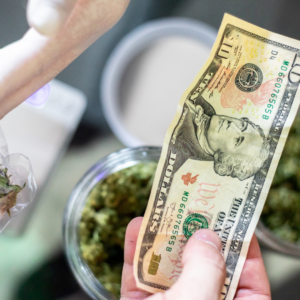
A new piece of legislation, Senate Bill 1, aims to significantly restrict how consumers purchase hemp-derived cannabinoids, potentially limiting all sales to pharmacies. Building on previous regulatory changes, this bill seeks to enhance consumer safety and product oversight, but could also impact access and create substantial hurdles for current hemp businesses. The cannabis industry is closely watching as this bill progresses.
For many of us, grabbing a CBD gummy or a hemp-derived tincture has become as routine as picking up groceries. But what if that convenience was about to change dramatically? A fresh piece of legislation, Senate Bill 1, is making waves, and it aims to further tighten the reins on how we access cannabinoids, potentially pushing all sales exclusively into pharmacies. Talk about a plot twist in the evolving story of cannabis regulation!
You might be thinking, “Didn’t we just go through this?” And you’d be right! Lawmakers already approved some significant changes last year, and it looks like this new hemp bill is building on that momentum, striving for even stricter control. If passed, it could reshape the entire landscape of hemp products as we know them, starting as early as 2025.
So, what exactly does this bill propose? In a nutshell, Senate Bill 1 seeks to centralize the retail of various cannabinoid products derived from hemp. This isn’t just about high-potency THC; it could encompass a broad spectrum of compounds that many currently enjoy for wellness or recreation. The core idea is to shift these sales from your local smoke shop, dispensary, or even online retailers directly into the sterile environment of a pharmacy.
Think about it: no more browsing shelves filled with different brands and formulations at your leisure. Instead, you’d likely be speaking with a pharmacist, similar to how you’d pick up a prescription. While the full details are still emerging, the intent seems clear: more stringent oversight on what’s sold, who sells it, and potentially, who can buy it.
It’s fair to ask: why this sudden pivot to pharmacy sales? The overarching theme in many legislative discussions around hemp and cannabis is consumer safety and product regulation. Proponents of such bills often argue that moving hemp products into pharmacies ensures greater quality control, proper labeling, and professional guidance.
Currently, the market for hemp-derived cannabinoids can be a bit of a Wild West, with varying product quality and sometimes questionable claims. Legislators are likely looking to:
While these are valid goals, the method of achieving them is where the debate truly heats up.
If Senate Bill 1 becomes law, the impacts would be far-reaching, affecting everyone from consumers to small businesses.
This new hemp bill is still in the legislative process, and its journey is far from over. It’s crucial for consumers and stakeholders in the cannabis industry to stay informed and understand the potential implications. These discussions are shaping the future of how we interact with cannabis and hemp, influencing everything from medical access to recreational enjoyment.
Will pharmacies become your one-stop shop for everything from prescriptions to delta-8 gummies? Only time, and the legislative process, will tell. But one thing’s for sure: the conversation around cannabinoid access is only getting louder.


Functional mushrooms are showing up in pantries right next to coffee, tea, and spices. But the variety of forms—powders, chocolates, and gummies—can make label reading and everyday use confusing. This guide explains the practical differences, what to check on labels, and how to choose a form that fits your routine at home. What “functional” means […]
The post Powders vs. Chocolates vs. Gummies: Forms Explained for Home Use appeared first on Stoner | Pictures | Stoners Clothing | Blog | StonerDays.
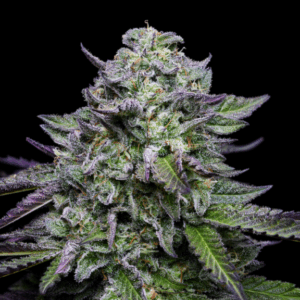
Humboldt Seed Co. gathered an elite crew of experts to find the next big cultivars. See the winning pheno hunt strains here.
The post The winning strains from Humboldt Seed Company’s latest pheno hunt appeared first on Leafly.

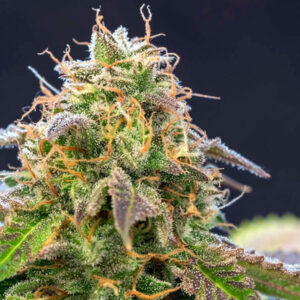
Of the 200 aromatic molecule varieties called terpenes that may manifest in a particular example of the cannabis herb, none is better at repairing bones and promoting their growth than delta-3 carene (also called alpha-carene or simply carene).
Beginning in the 1960s, researchers began to note the medicinal efficacy of phytochemicals from plants such as cannabis. Among these chemicals are cannabinoids (the most famous examples are tetrahydrocannabinol (THC) and cannabidiol (CBD), terpenes (such as myrcene and pinene) and flavonoids.
Terpenes were first believed simply to convey a sometimes pungent aroma in plants like cannabis. From an evolutionary perspective, these molecules serve the purpose of protecting the cannabis plant from pests and predators, many of which find these chemicals offensive or toxic.
Delta-3 carene conveys a sweet, pungent scent composed of citrus, cypress, pine and wood. It is produced by plants other than cannabis, including rosemary, pine trees and cedar trees. Delta-3 carene is utilized by the cosmetics industry as a fragrance and is employed as an insect repellent at the industrial level (it is a natural constituent of turpentine).
Regarding medicinal efficacy, the terpene provides significant qualities to combat systemic inflammation, repair diseased and damaged bones and is said to promote mental focus and concentration. Strains of cannabis rich in the delta-3 carene have been found to benefit those with arthritis, fibromyalgia and even Alzheimer’s disease. This terpene is found most commonly in strains of cannabis, including AK-47, Arjan’s Ultra Haze, Jack Herer, OG Kush and Super Lemon Haze, among others.
Beyond the repair of bones, the terpene is unique due to its power to draw out liquids (one of its chief applications within the cosmetics industry). This drying effect makes it a candidate for use as an antihistamine and in products targeting excessive menstruation or mucus production. This quality is also responsible for anecdotal reports of dry mouth (cottonmouth) and red-eye among cannabis smokers and vapers.
Research has revealed the medicinal efficacy of terpenes such as delta 3 carene since the 1980s. A 1989 study entitled “Comparative Study of Different Essential Oils of Bupleurum Gibraltaricum Lamarck” that was published in the journal Europe PMC investigated the anti-inflammatory properties of delta-3 carene, concluding “the essential oil of the Cázulas Mountains population was most active against acute inflammation owing to its high delta-3 carene content.”
A 2007 study entitled “Low Concentration of 3‐carene Stimulates the Differentiation of Mouse Osteoblastic MC3T3‐E1 Subclone 4 Cells” published in the journal Phytotherapy Research tested 89 natural compounds for their ability to maintain bone repair, deal with bone disease and promote overall healthy bones.
Concluded the study’s researchers, “Further studies are needed to determine the precise mechanism, but the anabolic activity of 3‐carene in bone metabolism suggested that the use of natural additives to the diet, including essential oils, could have a beneficial effect on bone health.”
Originally published on https://cannabisaficionado.com.
The post Delta-3 Carene: The Terpene That Promotes Healthy Bones (& Dry Mouth) appeared first on Cannabis Now.
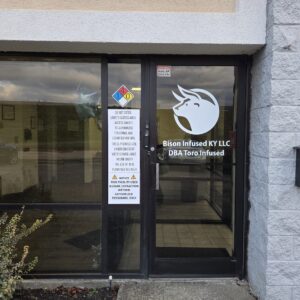

Skyworld, a New York-based cannabis brand rooted in Indigenous tradition, has announced a partnership with the Last Prisoner Project (LPP), a nonprofit focused on freeing people incarcerated due to the War on Drugs and supporting them as they rebuild their lives. The collaboration, originally announced on January 6, 2026, is positioned as a public-facing campaign designed to raise awareness, mobilize support across the legal cannabis supply chain, and generate direct resources for Drug War survivors and their families.
The partnership operates under LPP’s Partners for Freedom program, which connects cannabis businesses with LPP’s work across legal intervention, advocacy, and reentry support. Skyworld is also inviting New York dispensaries to participate in LPP’s Roll It Up for Justice program, an initiative that enables retailers to offer customers an option to donate at checkout in support of LPP’s mission.
Skyworld’s announcement arrives at a moment when New York’s adult-use market continues to expand, while national conversations about cannabis justice remain unresolved. LPP has repeatedly emphasized that the shift toward legalization has not eliminated the harm created by decades of criminalization, especially for individuals and families still impacted by older enforcement regimes and sentencing practices. Skyworld’s stated objective is to make LPP’s mission more visible through a product-driven campaign that routes consumer attention and retailer participation toward direct support.
As part of the partnership, Skyworld is spotlighting a specific flower offering: White Apple Runtz, abbreviated as “WAR.” The cultivar is described by the brand as a hybrid indoor strain with a sensory profile built around crisp apple candy, creamy sweetness, and light tropical citrus. Skyworld lists a terpene profile totaling 3.5%. The brand frames the cultivar as a premium expression of its cultivation philosophy, emphasizing intention, compassion, and respect for the plant.
Positioning a justice partnership around a strain release is a familiar format in cannabis marketing, but Skyworld’s approach is designed to keep the campaign’s theme explicit rather than symbolic. The “WAR” shorthand functions as more than a strain nickname, acting as a direct reference to the War on Drugs and the people still living with its consequences. Skyworld has also directed consumers to locate the product through its online store locator at skyworldcannabis.com.
In its release, Skyworld ties the cultivar back to the partnership’s stated purpose: pairing a standout flower experience with visible support for LPP. The brand’s messaging frames the product choice as a way to channel attention to LPP’s broader work, rather than presenting the collaboration as a one-off charity gesture.
A central component of the partnership is Skyworld’s invitation to dispensaries to join LPP’s Roll It Up for Justice program. The program gives retailers a turnkey mechanism to integrate LPP support into regular transactions by offering customers an option to donate at checkout. That structure matters for a campaign built in a regulated market where customer engagement opportunities can be limited by platform rules, advertising restrictions, and the fragmented nature of state-by-state operations.
For retailers, Roll It Up for Justice is designed as an opt-in initiative that does not require a full marketing rebuild or a dedicated product line. It uses a familiar retail model, microdonations at the point of sale, but directs the proceeds to an organization focused on criminal justice reform rather than a generic community fund. In practice, this creates a pathway for dispensaries to participate regardless of brand mix, while also amplifying LPP’s visibility in the same environment where legalization’s economic upside is most apparent.
Skyworld’s release emphasizes mobilization across the cannabis community, with dispensary involvement positioned as the most direct way to scale donations beyond a single brand’s audience. The success of that approach depends on retailer adoption and staff level execution, but the mechanics are straightforward: a checkout prompt, a donation option, and a clear explanation of where the money goes.

To mark the gravity of the collaboration, Skyworld partnered with Case Study Labs on a special label for White Apple Runtz. The label uses archival imagery and visual references tied to the escalation and institutionalization of the War on Drugs. Skyworld’s release cites figures and cultural moments closely associated with prohibition era policy and messaging, including Richard Nixon, Harry Anslinger, and Ronald and Nancy Reagan, alongside early drug enforcement scenes.
The design is described as layered, using symbolism and direct references to the “Just Say No” era to evoke the emotional weight of that period and point toward the policy decisions that helped drive criminalization and mass incarceration. Rather than leaning into the nostalgia-driven visual language that has long circulated in cannabis branding, Skyworld intends to push the history into the foreground, using packaging as a reminder of the political architecture that shaped enforcement.
Within the campaign framing, the label is positioned as a companion to the partnership itself: the packaging functions as a memory device, and the collaboration functions as a mechanism for tangible support. Skyworld’s release describes the design and partnership as working in tandem, one to remember the past and the other to help change the present.
Skyworld co-founder and CEO Alex Anderson framed the partnership as an extension of the brand’s identity and values, connecting legalization to responsibility and repair. “We’re honored to stand alongside Last Prisoner Project and help shine a light on the people still behind bars for cannabis,” Anderson said. “At Skyworld, we believe cannabis cannot be called legal or just until we address the harm of prohibition and fight for those still incarcerated. This partnership is our commitment to pairing premium cannabis with purpose—supporting freedom, healing, and justice for the people and families most impacted.”
Stephanie Shepard, acting executive director of the Last Prisoner Project, described Skyworld’s involvement as a model for how companies can support criminal justice work in a meaningful way. “We’re thrilled to partner with Skyworld, whose leadership shows what it looks like when the cannabis industry gives back in a meaningful way,” Shepard said. “Skyworld understands that true progress includes repairing the harm of prohibition, and their support helps bring us closer to freedom and justice for those still impacted by outdated cannabis laws.”
The quotes reflect the partnership’s central theme: legalization without release is an incomplete victory. For LPP, the underlying argument remains consistent as more states open adult-use markets: cannabis laws have shifted, but criminal records and prison sentences have not automatically shifted with them. The organization has focused on legal intervention and policy reform intended to address that gap, while also providing direct support for individuals coming home after long incarceration.
The Last Prisoner Project is a nonprofit organization dedicated to cannabis criminal justice reform. Its work focuses on freeing people incarcerated for cannabis offenses, reuniting families, and helping individuals rebuild their lives through legal intervention, constituent support, direct advocacy, and policy reform. LPP also maintains public education campaigns and partnerships with cannabis brands and retailers through programs such as Partners for Freedom and Roll It Up for Justice. The organization’s public outreach includes a text-to-action line: “FREEDOM” to 24365.
Skyworld describes itself as a New York-based cannabis brand rooted in Indigenous tradition, drawing its name and inspiration from Skyworld, a place of origin and unity in Native creation stories. The brand is guided by ancestral wisdom and a commitment to ethical stewardship, and it emphasizes premium flower cultivation built around intention, compassion, and respect for plant and people. In its positioning, Skyworld frames itself as more than a consumer brand, emphasizing cultural roots and community orientation as part of its public identity.
The collaboration with Last Prisoner Project formalizes that positioning into a concrete partnership, with a defined nonprofit beneficiary, a retailer participation pathway, and a product and packaging centerpiece designed to keep the drug war’s history in the frame.
<p>The post Skyworld Partners With Last Prisoner Project for Cannabis Justice first appeared on High Times.</p>

From creating a new type of camouflage to making costumes just for VFX, there is no magic in ‘Avatar: Fire and Ash’ that its costume designer did not support and uplift.
Source link