Mostly Sunny

Kent State to open new sessions on marijuana branding, marketing and cannabis medical trade


– Ohio lawmakers are considering two bills that would change aspects of the marijuana legalization law Ohio voters adopted with more than 57% of the vote in 2023. In a guest column today, local psychiatrist Dr. Fawad Taj urges the legislature to show both caution and common sense on a matter with public health importance but that also requires due consideration to the voters’ wishes. (David Petkiewicz, cleveland.com)
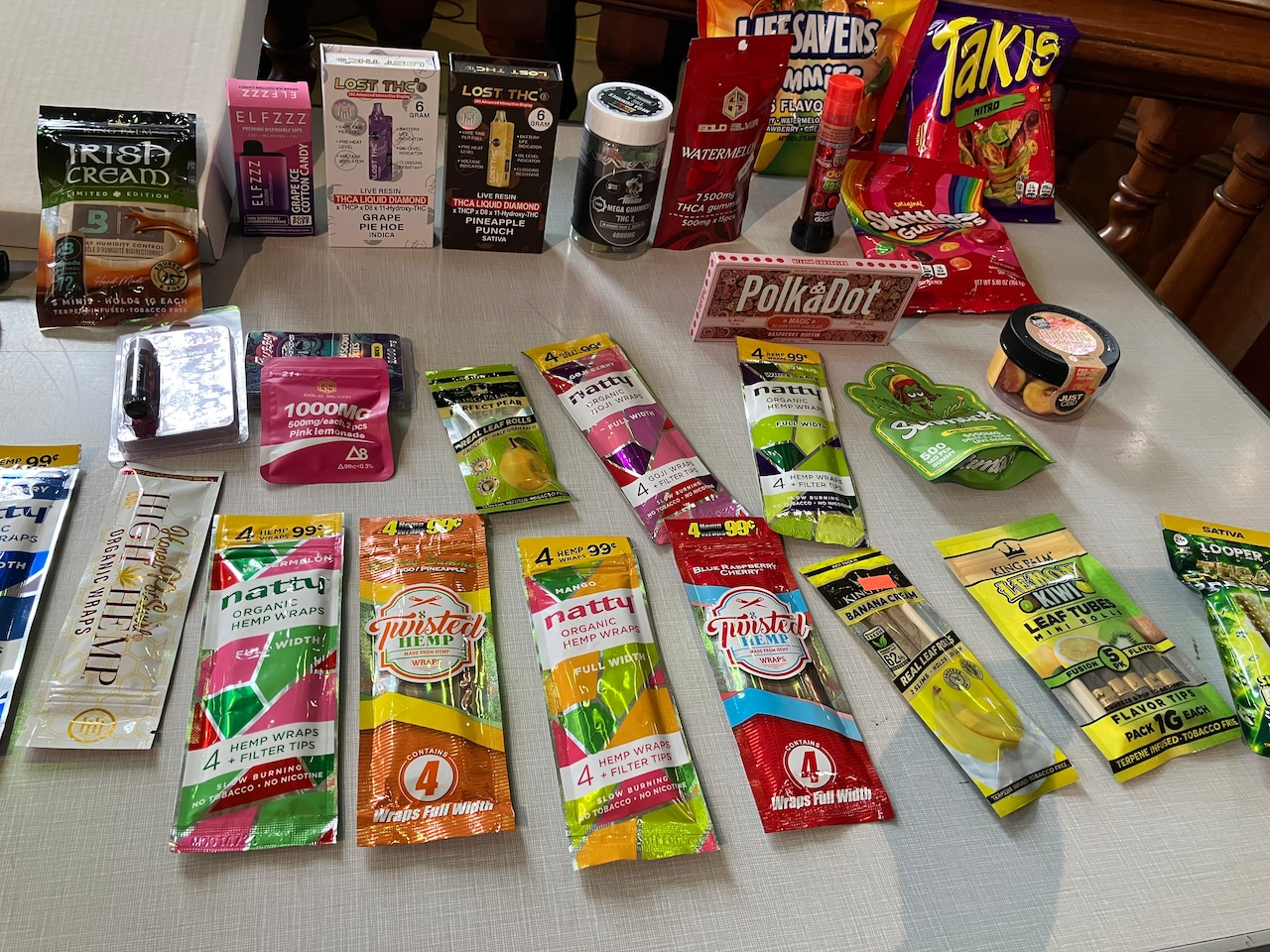
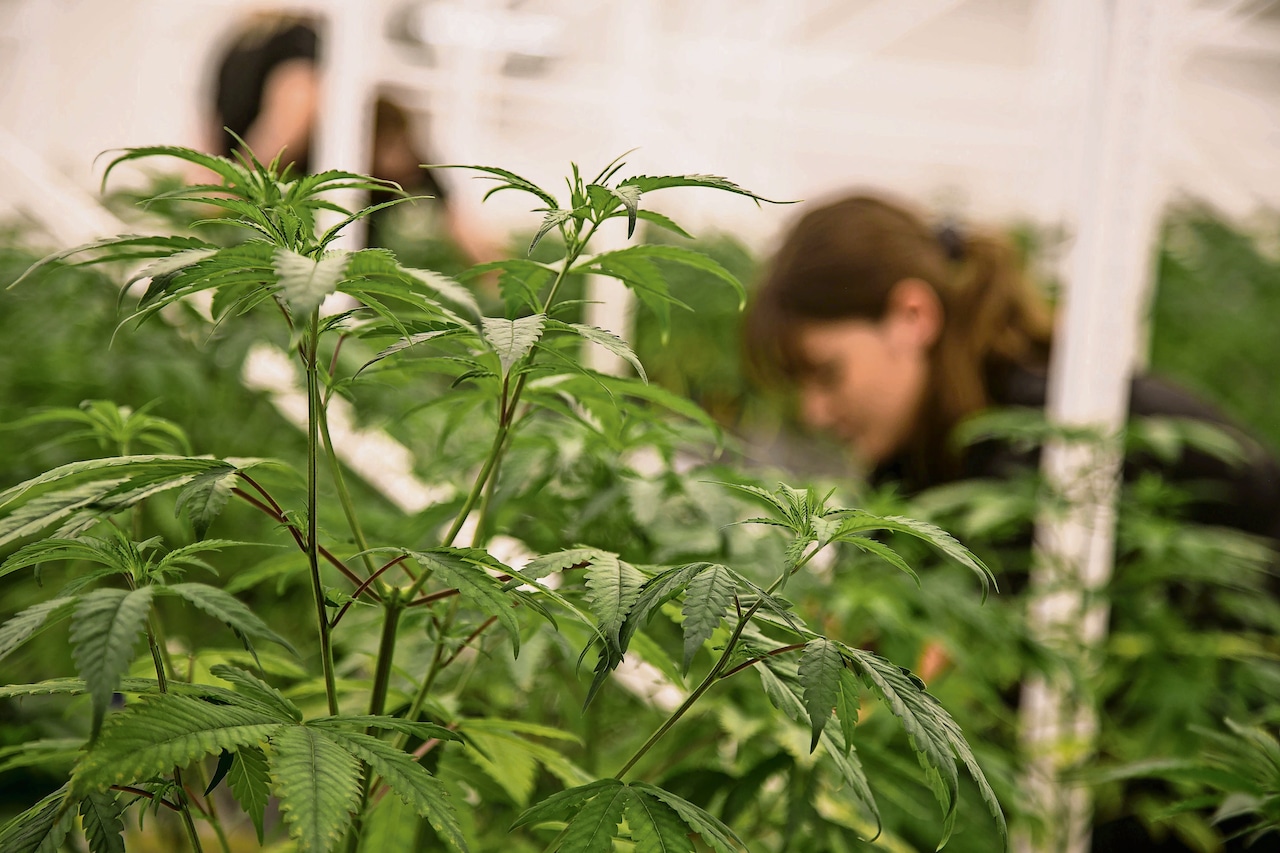
Kent State University partners with Green Flower to offer five different cannabis industry certificates, with courses designed for both career seekers and professionals looking to expand their knowledge.David Petkiewicz, cleveland.com

KENT, Ohio – New sessions begin Tuesday at Kent State University for people interested in earning certificates in marketing and branding cannabis products, the medical properties of marijuana and other topics in the new industry.

Kent State partners with Green Flower, a Ventura, California, based firm which provides the online certificate programs. Zane State College in Zanesville also partners with Green Flower to offer certificates.

Green Flower creates the content for the programs and finds experts in the field to teach them.

“They’re very interactive,” Green Flower CEO and co-founder Max Simon said. “There are lectures people attend that are led by leading cannabis subject matter experts. Then there’s reading assignments, project assignments, and then a final exam.”

For Kent State, the programs align with one of the university’s goals: supporting Ohio’s workforce, KSU spokesman Eric Mansfield said. It chose Green Flower based on its track record and alignment with KSU’s academic standards.

“The program prepares students specifically for Ohio’s regulatory environment while fitting into Kent State’s broader workforce development goals,” he said.

Kent State offers five certificate programs: Cannabis Healthcare and Medicine, Business of Cannabis, Cannabis Agriculture and Horticulture, Cannabis Compliance and Risk Management and Cannabis Product Development and Design.

About 250 students have participated in one of the programs.

The certificates take about six months to complete, Simon said.

Green Flower runs programs at around 60 universities and colleges across the country. Most are in states with medical and adult-use markets, such as Ohio, but some are in states with only medical programs, such as one it runs at Louisiana State University.

About 70% of the students who enroll in the certificate programs are interested in jobs inside the cannabis industry, and about 30% are professionals from other sectors – such as people who work in nursing or marketing roles who want to broaden their knowledge base of marijuana, Simon said.

“Cannabis as an industry is much more competitive and complex than most people are aware of,” he said. “If you’re coming in from the outside, no professional background, no understanding of the cannabis industry, maybe just an interest in cannabis, you’re likely only going to get an entry-level job. It’s probably going to be more difficult to play a more active, leadership role.”

A certificate from KSU will stand out on a resume, he said. Students also get access to a cannabis job board with roles at companies across the United States.

Each certificate normally costs $2,950, now are now on sale for $2,450.

Green Flower receives 75% of the tuition and KSU receives 25%, Mansfield said. The college handles marketing, enrollment services and registration.

“Our agreement is for three years, and we’ll continue to monitor both the industry’s evolution and our graduates’ experiences to refine the coursework as needed to produce employees ready to contribute and succeed in this emerging field,” Mansfield said.

The program is part of the university’s Lifelong Learning initiative.

“With online, asynchronous courses, students can learn at their own pace and during the hours that best suit their personal schedules,” Mansfield said. “This format also removes geographic barriers for Ohio residents and provides accessibility for working professionals already in related fields who want to transition into the cannabis industry.”

If you purchase a product or register for an account through a link on our site, we may receive compensation. By using this site, you consent to our User Agreement and agree that your clicks, interactions, and personal information may be collected, recorded, and/or stored by us and social media and other third-party partners in accordance with our Privacy Policy.


Source link

When will Alabama get medical cannabis? Officials, producers see reasons for hope

When will Alabama get medical cannabis? Officials, producers see reasons for hope


CULLMAN, Ala. — From the outside, it appears to be another one of over 1,500 farms in Cullman County, with a couple of facilities and a structure that will eventually serve as a greenhouse. The front office looks — and smells — like any other office space, with their current hemp-derived products on display and a couple of private offices behind a conference table.

But when Joey Robertson, CEO and president of Wagon Trail Med-Serv and a managing partner at Wagon Trail Hemp Farms, opens a door behind the front office, an herbal and skunky smell blows out, strong enough to leave one’s senses feeling overwhelmed.

That’s where Robertson produces hemp-derived products like gummies, which he has been doing since 2019.

“It’s been essentially the exact fall-in-line with what we’re going to be doing on medical, minus some infrastructure improvements and a bigger fence, so we’re already ready to roll,” Robertson said during a tour of his facility last month.

The Alabama Medical Cannabis Commission awarded Robertson an integrated facility license in 2023, meaning he can grow, process and sell products under one license. But Alabama’s medical cannabis program, approved by the Legislature in 2021, remains stalled, meaning Robertson has multimillion-dollar machinery sitting idly.

“We’ve been able to carry or offset most of our losses, though, with hemp,” he said. “So it’s made it to where hemp was hard to thrive, I guess you would say, because we’re turning so much back into keeping that (medical cannabis) license opportunity open.”

(READ MORE: What hemp products will be banned in Tennessee next year?)

After over two years of legal wrangling over the licensing process — and over four years after the Alabama Legislature first approved the medical cannabis program — state officials and cannabis producers like Robertson think they’re moving closer to making cannabis available for patients throughout the state, thanks in part to recent state appellate court rulings.

“I think the commission and the staff are more encouraged than we have been any time in the past to date,” said Alabama Medical Cannabis Commission Director John McMillan, saying he is “kind of coming around to being very hopeful” that medical cannabis could be available to Alabamians by the end of 2025, though he stressed that is a best case scenario.

But there are still many obstacles ahead, including ongoing legal battles and strong opinions regarding the program’s structure and fairness.

Marty Schelper, founder and president of the Alabama Cannabis Coalition and Alabama Republicans Against Marijuana Prohibition, said she was skeptical about the entire program, saying potential patients may turn to a potentially cheaper black market even when the program has been rolled out.

Schelper, who called the medical cannabis framework a “legal medical cannabis cartel,” said she believes that the current system is designed to control and regulate the industry by limiting competition, allowing license holders to “set their price on whatever your product is, because you have none of the competition.”

“They created the Alabama medical cannabis cartel, and they’re not allowed free markets, and that’s why they can’t implement medical cannabis in the state of Alabama,” Schelper said.

But others are sounding optimistic. Ray French, CEO for Specialty Medical Products of Alabama, a company that won a license in each of the attempted rounds, said that integrated operators who can grow, process and sell the final product, like his own business, will be able to start operating within “a few weeks, once the commission completes their process,” as they are already operational and possess the necessary equipment and certifications.
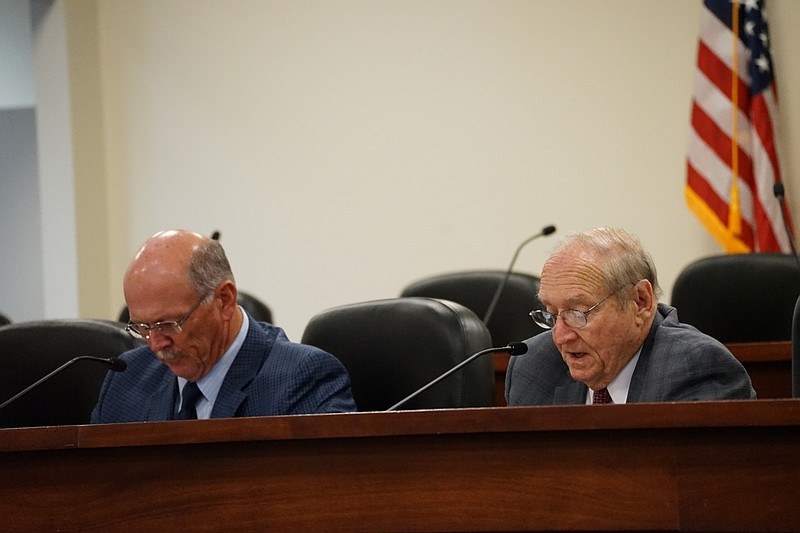
John McMillan, right, executive director of the Alabama Medical Cannabis Commission, takes a vote on rescinding all awarded medical cannabis licenses and denials at a meeting in Montgomery on Oct. 26, 2023. (Alander Rocha/Alabama Reflector)

STALLED PROGRAM

The Alabama medical cannabis law, enacted in 2021, allows registered physicians to recommend cannabis for specific qualifying conditions. The approved product forms are restricted to tablets, tinctures, patches, oils and gummies (only peach flavor), with raw plant material and smokable forms remaining prohibited.

When the program is fully operational, there will be up to 37 dispensaries across the state. After the licensees have operated dispensaries for at least a year, the commission may allow licensees to open additional dispensaries.

Robertson said they plan to operate dispensaries in Cullman, Decatur, Florence, Athens and Montgomery, though he said that dispensary locations are subject to change. He said that some cities have a higher concentration of planned dispensaries compared to more rural parts of the state.

“So working with the commission, if they allow for us change and really cover more of the state, which I feel like they will, people get more coverage in medicine,” Robertson said.

But the licensing process, which began in 2023, has been contentious. The commission’s first round of license awards in June of that year was withdrawn amid controversy over the scoring of applications. A second round of awards later that year was put on hold because of allegations that the Medical Cannabis Commission violated the Open Meetings Act. The commission awarded licenses at the end of 2023, but those have been caught up in litigation.

(READ MORE: Chattanooga hemp businesses threatened by alcohol regulations)

The commission has already issued licenses in several categories, but integrated facility and dispensary licenses, which are required before doctors can be certified and allowed to recommend products to patients, have been on hold due to the ongoing litigation.

But the Alabama Court of Civil Appeals in May overturned a permanent injunction imposed by Montgomery County Circuit Court Judge James Anderson in April that blocked the last round of licensing because it was awarded under emergency rules.

The month prior, the Alabama Court of Civil Appeals overturned a temporary restraining order that prevented the commission from issuing licenses due to allegedly not complying with the Administrative Procedure Act, saying that Anderson lacked jurisdiction when it issued a stay in favor of Alabama Always, a company seeking a medical cannabis license, and dismissed the case.

A more recent lawsuit was brought by five parents who want the court to order the commission to establish a patient registry for medical cannabis patients. A scheduled hearing on the case was postponed late last month. As of Thursday morning, it had not been rescheduled.

All that remains for the commission to do before finalizing awards, said McMillan, is to conduct investigative hearings, which can be called by any applicant in the license category.

“We have notified the applicants that are eligible to participate as they want to, and then we’ve turned it over to the administrative law judge,” McMillan said, “We’re totally out of it, no communication, no nothing. It’s between him and the applicants now.”

But McMillan was vague about a timeline for the hearings, saying that several factors could influence it.

“It’ll depend on how many of the applicants want to participate in the hearing, and then how long it takes the administrative law judge to do the preparatory work for having the hearings and then to actually have the hearing,” McMillan said.

Robertson said in an interview he feels that is a reasonable prediction. He said his integrated facility, which includes an outdoor greenhouse and indoor growing facility, as well as processing and production facilities, is ready to begin operations as soon as he receives final approval.

Because cannabis plants can take months to grow, he plans to first procure raw plant material from cultivators, whose licenses have been approved and have been growing cannabis since the first half of 2024, to make the first few rounds of products.

“We want to be that option for people to be able to bring their biomass to us. We can convert it to oil products — either purchase it from them to resell or to produce their products for them to sell in the independent dispensaries,” Robertson said.

He said that with cannabis plants having been growing in the state since cultivators received their final licenses, the remaining steps can be completed within a month.

Because he is also a managing partner of Wagon Trail Hemp Farms, where they have been making seed-to-sale hemp-derived products since 2019, he also believes he won’t have much of a learning curve. The facility, he said, can process 1,000 pounds of raw plant material per day, which translates to about 80 kilos of oil daily.

“That’s enough oil for the entire state of Alabama. That’s enough to produce 3.5 million doses in one day’s worth of oil,” Robertson said.

Once they have the oil processed and tested, the production process is quite quick. They can produce 30,000 to 40,000 gummies in one shift.

Gummies are seen at Wagon trail Farms, an integrated medical cannabis facility in Cullman, Ala., on June 11, 2025. (Andi Rice for Alabama Reflector)

ONGOING LITIGATION

But lawsuits have continued. Will Somerville, an attorney representing Alabama Always, one of the firms that sued the Medical Cannabis Commission after not receiving a license, said in an interview in May the hearings should be conducted on a “level playing field,” saying that applicants initially chosen in December 2023 should not receive an unfair advantage.

There is a strong belief that some licenses were awarded to those who did not “raise as much of a stink about the process” as others, Somerville said, a practice he believes to be illegal and discriminatory.

“I think that’s why they rewarded the people who sucked up to them,” Somerville said. “I don’t think there’s any other basis for awarding those licenses.”

(READ MORE: Chattanooga area has most hemp shops per capita in Tennessee)

French, of Specialty Medical Products of Alabama, called those claims “unbelievable.” He said that his company is well qualified, with extensive experience in the hemp industry in Alabama. He currently also owns Oscity Labs, which produces CBD edibles and tinctures in an integrated facility.

The facilities, he said, have been certified as having Current Good Manufacturing Practices, a set of regulations enforced by the FDA to ensure products are consistently manufactured under controlled and healthy conditions.

“We feel like we are not only a qualified applicant in all ways, but we are one of the handful of operators that are actually already CGMP’ed. I mean, that’s a huge lift,” French said.

Alabama Always has also filed a federal lawsuit alleging the commissioners showed bias and acted against those who challenged the process. Somerville said the lawsuit seeks to determine the extent of the Medical Cannabis Commission’s misconduct and its impact on its clients, with monetary damages potentially on the table, but he doesn’t foresee it stalling the process further.

“We don’t think a lot of these commissioners have the ability to be impartial,” Somerville said, saying the lawsuit is intended to ensure the process moves along according to the law. A hearing has not been set on the lawsuit.

McMillan said that the timeline for making medical cannabis available also depends on how many applicants participate in the investigative hearings process and how long the administrative law judge takes to prepare and conduct them.

French said the appeals court’s decision to overturn the restraining order was “very encouraging news.”

But the delays can be financially straining for applicants as they wait to begin production. French said “keeping employees operational, keeping operations going” has been a challenge, as well as maintaining expensive facilities without being able to sell products.

Robertson predicted that he would come out even in about two years after investing $4 million into the facilities. Because of the delays, he said that it could be four years before he is able to break even.

“Between the legal fees and operational fees, and holding all of the facilities and everything else, it’s been a multimillion-dollar venture at this point. We have $4 million of infrastructure sitting here, and we can’t do anything with it, and then we’ve got all the other operations and legal fees,” Robertson said.

Read more at AlabamaReflector.com.
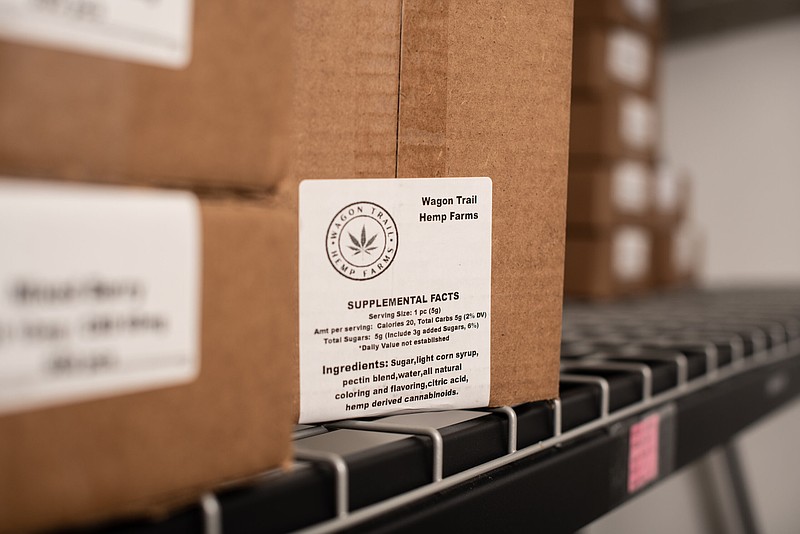
A box of products is seen at Wagon Trail Farms in Cullman, Ala., on June 11, 2025. (Andi Rice for Alabama Reflector)



Source link

Researchers Announce They've Discovered A New Cannabinoid In Marijuana

Retired Congressman Who Championed Marijuana Reform Is ‘Deeply Concerned’ About Lack Of Progress Under Trump Administration


Former Rep. Earl Blumenauer (D-OR) says he’s “more than a little concerned” about the lack of progress on marijuana reform under the Trump administration since he retired from Congress last session. And part of that worry emanates from a sense that the bipartisanship cooperation he helped build around the issue on Capitol Hill seems to have waned.

After decades of work advancing cannabis policy changes at the state and federal levels, Blumenauer tells Marijuana Moment that he’s not especially encouraged by what he’s seen since departing Congress. But he grants that the seeming lack of progress over recent months in partially attributable to the “totally crazy times” in general that lawmakers have found themselves in this session.

“I am deeply concerned with continued work on legalization and our progress,” the former congressman, who served as a founding co-chair of the Congressional Cannabis Caucus, said. “We’ve had a whole range of things that were set up. I’m more than a little concerned that it looks like we’ve lost some momentum.”

Blumenauer emphasized that he took pride in the fact that, during his time in the House, he found ways to establish productive relationships with Republican members, “particularly for cannabis.” But “it’s not clear that we’ve got Republican partners now” beyond key GOP champions of reform such as Cannabis Caucus co-chair Rep. Dave Joyce (R-OH).

He added that he’s “working hard to continue to be everybody’s friend on this issue and to be a resource. And he’s had some conversations with members about the issue since leaving Capitol Hill, but he’s actively “debating whether or not to go back on kind of a cannabis tour” to re-stimulate the momentum he helped to build.

Part of the calculus he’s considering is whether engaging on marijuana reform at this point is “timely.”

“This is very much in flux,” Blumenauer said. He also said that President Donald Trump is at least “semi-rational” when it comes to political considerations and so advocating for marijuana reform “ought to be something where he could claim victory” if he moved forward with it.

In general, however, the former congressman said the administration doesn’t have a “vision of where it gets now, and I don’t think it’s a priority of anybody that I’ve encountered in the administration or their political firmament.”

“So I think it is very much a work in progress. But they need to have somebody take control and move, and I don’t see any evidence for that,” he said. “I don’t see where it is. It’s not a priority for anybody at a time when it’s so crazy.”

In a follow up text to Marijuana Moment after the phone interview, Blumenauer said it “pains me that after so much hard work and real progress we appear to be in a state of limbo.”

“Ultimately, we will get there. It just shouldn’t be this hard,” he said.

For now, however, the cannabis reform movement on Congress appears stalled. As example of that, the Cannabis Caucus has yet to have a single meeting this legislative session.

A spokesperson for one of the Democratic co-chair of the caucus, Rep. Dina Titus (D-NV), did clarify to Marijuana Moment that, while the group itself hasn’t met, staffers for the bipartisan lawmakers have been in touch and they expect a formal meeting of the caucus “will happen” after a key budget bill that’s been occupying much of Congress’s time recently is “processed.”

Meanwhile, Joyce recently reintroduced a bill titled the Strengthening the Tenth Amendment Through Entrusting States (STATES) 2.0 Act, which would end federal marijuana prohibition in states that have legalized it, while providing for a basic federal regulatory framework for cannabis products.

At the administrative level, there’s increased pressure for President Donald Trump to independently act on reform—including a call for rescheduling and banking access from top athletes and celebrities such as Mike Tyson who are imploring the president to go further than his predecessor, former President Joe Biden.

Trump’s first pick for attorney general in the current administration, former Rep. Matt Gaetz (R-FL), recently reiterated his own support for rescheduling cannabis—suggesting in an interview with a Florida Republican lawmaker that the GOP could win more of the youth vote by embracing marijuana reform.

On marijuana rescheduling, the president did endorse the policy change on the campaign trail. But he’s been publicly silent on the issue since taking office. Gaetz said last month that Trump’s endorsement of a Schedule III reclassification was essentially an attempt to shore up support among young voters rather than a sincere reflection of his personal views about cannabis.

A survey conducted by a GOP pollster affiliated with Trump that was released in April found that a majority of Republicans back a variety of cannabis reforms, including rescheduling. And, notably, they’re even more supportive of allowing states to legalize marijuana without federal interference compared to the average voter.


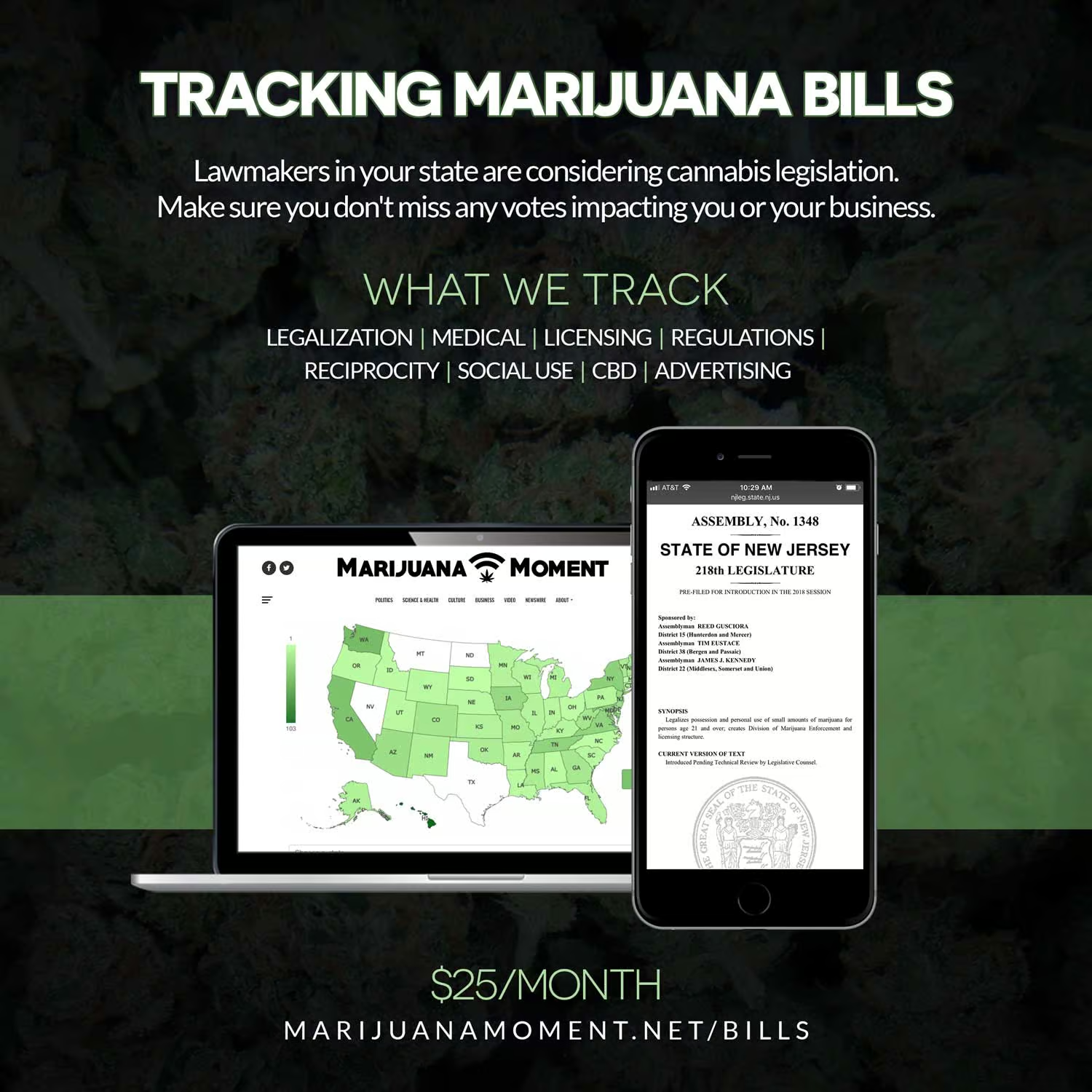
Marijuana Moment is tracking hundreds of cannabis, psychedelics and drug policy bills in state legislatures and Congress this year. Patreon supporters pledging at least $25/month get access to our interactive maps, charts and hearing calendar so they don’t miss any developments.


Learn more about our marijuana bill tracker and become a supporter on Patreon to get access.

Separately, Trump picked former Florida Attorney General Pam Bondi (R) to run DOJ, and the Senate confirmed that choice. During her confirmation hearings, Bondi declined to say how she planned to navigate key marijuana policy issues. And as state attorney general, she opposed efforts to legalize medical cannabis.

Adding to the uncertainty around the fate of the rescheduling proposal, Trump’s nominee to lead DEA, Terrance Cole, has previously voiced concerns about the dangers of marijuana and linked its use to higher suicide risk among youth.

During an in-person hearing before the Judiciary Committee in April, Cole said examining the rescheduling proposal will be “one of my first priorities” if he was confirmed for the role, saying it’s “time to move forward” on the stalled process—but again without clarifying what end result he would like to see.

DEA recently notified an agency judge that the proceedings are still on hold—with no future actions currently scheduled. The matter sat without action before an acting administrator, Derek Maltz, who has called cannabis a “gateway drug” and linked its use to psychosis. Maltz has since left the position.

Amid the stalled marijuana rescheduling process that’s carried over from the last presidential administration, congressional researchers recently reiterated that lawmakers could enact the reform themselves with “greater speed and flexibility” if they so choose, while potentially avoiding judicial challenges.

Photo courtesy of Mike Latimer.

Marijuana Moment is made possible with support from readers. If you rely on our cannabis advocacy journalism to stay informed, please consider a monthly Patreon pledge.

Become a patron at Patreon!


Source link

Cannabis banking will move "hopefully sooner than later," senator says (Newsletter: July 7, 2025)

Cannabis banking will move “hopefully sooner than later,” senator says (Newsletter: July 7, 2025)


Czech Republic marijuana & psilocybin bill passes; VA secretary: Psychedelics are “phenomenal” in treating veterans; Study on cannabis and sex

Subscribe to receive Marijuana Moment’s newsletter in your inbox every weekday morning. It’s the best way to make sure you know which cannabis stories are shaping the day.

Your support makes Marijuana Moment possible…

Free to read (but not free to produce)! We’re proud of our newsletter and the reporting we publish at Marijuana Moment, and we’re happy to provide it for free. But it takes a lot of work and resources to make this happen.

If you value Marijuana Moment, invest in our success on Patreon so we can expand our coverage and more readers can benefit: https://www.patreon.com/marijuanamoment

/ TOP THINGS TO KNOW

Sen. Jeff Merkley (D-OR) told Marijuana Moment that a cannabis banking bill will be taken up “hopefully sooner than later” but that “other things like war and reconciliation” have prevented key lawmakers from prioritizing the legislation.

  • “We’ve tried to schedule several meetings. We keep trying to do it.”

Veterans Affairs Secretary Doug Collins said he’s “particularly proud” of efforts to expand research on the benefits of psychedelics, which he said “have been phenomenal” in helping people with PTSD and traumatic brain injuries.

The Czech Republic Senate passed a bill to legalize possession and home cultivation of marijuana and allow medical use of psilocybin, sending it to the desk of President Petr Pavel to be signed into law.

A new study shows that “more frequent cannabis use was linked with greater daily sexual desire.”

  • “Participants reported significantly higher sexual desire and lower sexual distress on days they used cannabis compared to non-use days.”

California’s Senate president pro tem defended his resistance to proposals to prevent a marijuana tax increase, saying, “any freeze will create a budget shortfall which would impact critical community programs funded by cannabis tax dollars.”

Texas medical cannabis companies are pushing lawmakers to ban synthetic delta-8 THC and restrict consumable hemp products to adults over the age of 21 in an upcoming special session this month.

The Rhode Island Cannabis Control Commission is proceeding with the application process for a medical marijuana dispensary license with previously qualified applicants from an earlier selection round.

All seven of Delaware’s medical cannabis operators have converted to adult-use marijuana sales and will be able to begin selling recreational products on August 1.

A new survey shows that marijuana consumers in the Des Moines, Iowa area are generally employed, own a home, vote regularly, pay their taxes and are involved in their communities—smashing “lazy stoner” stereotypes.

/ FEDERAL

The Bureau of Land Management announced its intent to award a contract concerning “reclamation activities from public land cannabis cultivation complexes.”

Former Centers for Disease Control and Prevention Director Robert Redfield authored an op-ed detailing concerns about a “potent synthetic opioid masquerading as natural kratom.”

Sen. Marsha Blackburn (R-TN) filed an amendment to require online platforms to take steps to prevent minors’ access to potentially sensitive content—including advertisements for cannabis products and certain other drugs and services.

/ STATES

The vice chair of the Maryland Senate Judicial Proceedings Committee said lawmakers will “unquestionably come back and remedy” any errors in an expungements law that may have omitted certain marijuana convictions pardoned by Gov. Wes Moore (D).

The Georgia House Blue-Ribbon Study Committee on Georgia’s Medical Marijuana and Hemp Policies announced its meeting dates and locations.

An Arizona judge denied a preliminary injunction against the attorney general’s move to crack down on intoxicating hemp products.

California regulators announced recalls of marijuana products due to various issues.

Minnesota regulators issued a consumer advisory about cannabis gummies due to product mislabeling and THC content above the legal limit.

Colorado regulators published a bulletin reminding marijuana business licenses of the upcoming second annual payment for the two-year license term.

Michigan officials are distributing free locking bags for marijuana in order to help prevent accidental ingestion by children.

Missouri regulators are accepting applications to participate in the Missouri Cannabis Regulation Collaborative.


Marijuana Moment is tracking hundreds of cannabis, psychedelics and drug policy bills in state legislatures and Congress this year. Patreon supporters pledging at least $25/month get access to our interactive maps, charts and hearing calendar so they don’t miss any developments.


Learn more about our marijuana bill tracker and become a supporter on Patreon to get access.

/ LOCAL

Dallas, Texas officials are asking a judge to issue a temporary injunction against the city’s voter-approved marijuana decriminalization law.

/ INTERNATIONAL

An Israeli Ministry of Justice official issued an opinion upholding the minister of finance’s rejection of tariffs on Canadian medical cannabis imports.

/ SCIENCE & HEALTH

A study “illustrates the potential of phytocannabinoids as antifungal treatments and opens up new routes towards development of novel antifungal drugs.”

A review concluded that “evidence from case studies, preclinical research, and early phase clinical trials suggests that psychedelics may alleviate pain in conditions such as cluster headaches, migraines, fibromyalgia, and chronic pain syndromes.”

/ BUSINESS

Blum Holdings, Inc. is acquiring another dispensary in Northern California.

Make sure to subscribe to get Marijuana Moment’s daily dispatch in your inbox.

Photo courtesy of Chris Wallis // Side Pocket Images.

Marijuana Moment is made possible with support from readers. If you rely on our cannabis advocacy journalism to stay informed, please consider a monthly Patreon pledge.

Become a patron at Patreon!


Source link

Police respond after Brit teen Bella Culley claims she was ‘tortured’ into trafficking drugs


Thai police have responded to claims by British teenager Bella May Culley that she was ‘tortured’ into trafficking around £200,000 worth of cannabis.

Culley had initially been reported missing in Thailand before being detained in Georgia on drug trafficking charges and was facing the potential of spending 20 years in prison or even possibly life imprisonment.

Georgian authorities said she had been ‘charged with illegally purchasing and storing a particularly large amount of narcotics, illegally purchasing and storing the narcotic drug marijuana, and illegally importing it’.

The British teen, who says she is pregnant, told a court in Tbilisi that she had been subjected to torture in order to force her to carry the drugs, showing the court a snake-like scar and telling them: “I didn’t want to do this – I was forced under torture.”

She also made claims against the conduct of officials in Thailand, which they have now denied in a statement on Culley’s case.

Georgian officials claim these drugs were seized from Bella Culley's bag (Ministry of Internal Affairs)

Georgian officials claim these drugs were seized from Bella Culley’s bag (Ministry of Internal Affairs)

Culley’s lawyer Malkhaz Salakaia claimed that corrupt Thai police officers had been part of the drug smuggling operation and that the British teenager had tried to appeal to an officer for help before realising that he was part of the gang.

According to Khaosod English, Police Lieutenant General Choengron Rimpadee argued that there was ‘absolutely no factual basis to her claims’, accompanied by CCTV footage which appeared to show Culley walking through passport control at Suvarnabhumi Airport normally.

“There is no evidence whatsoever that any immigration or police officers forced or threatened the suspect to smuggle drugs out of the country,” the police officer said in a statement.

Culley claims that the bag containing the drugs was taken to the airport for her and put in the plane’s hold while she was boarding a flight from Bangkok.

Salakaia said: “You’ll see her actual involvement with these charges in her own testimony that is coming shortly – she is innocent.

Bella Culley is currently being held in Georgia and accused of drugs smuggling (TikTok/@bellamayculleyx)

Bella Culley is currently being held in Georgia and accused of drugs smuggling (TikTok/@bellamayculleyx)

“Her emotional state exactly confirms that she was forced, I want to ask her to show the court her arm and you can see the burning scar.

“This scar occurred before she was ‘equipped’ with her baggage, that she never even touched.”

Her lawyer also claimed that she and her family had been threatened with ‘beheading’ if she didn’t comply, alleging that ‘they told her: we know the addresses of your parents, we know where your 16-year-old brother is’ and then showed her a video of a person being beheaded.

Despite the lawyer’s argument that Culley does not pose a flight risk, she has been denied bail and will continue to be kept in a Georgian prison.


Source link

impact short icon

Space Capsule With Cannabis Seeds, Ashes Of 166 People Crashes Into The Ocean | World News


Last Updated:

After launch, the capsule entered Earth’s orbit and completed two rounds. All instruments worked fine, but contact was lost just minutes before its re-entry into the atmosphere

The capsule also contained marijuana seeds as part of the Martian Grow Project. (Representative/AP)

The capsule also contained marijuana seeds as part of the Martian Grow Project. (Representative/AP)

In a tragic turn of events, German aerospace startup The Exploration Company (TEC) has announced the failure of its ambitious Mission Possible. Launched on June 23, the mission aimed to return safely after orbiting the Earth twice with the ashes of 166 people and some hemp seeds. However, the capsule, named Nyx, sank into the Pacific Ocean upon its return to Earth.

The mission was designed by Texas-based space burial company Celestis, who envisioned not just sending the ashes into space but bringing them back to Earth as a symbolic gesture. After launch, the capsule successfully reached Earth’s orbit and completed two orbits, with all onboard instruments functioning properly. However, contact was lost just minutes before its scheduled re-entry into Earth’s atmosphere. It was expected to land safely in the Pacific Ocean, but TEC later confirmed that the capsule had crashed directly into the ocean. No parts or ashes could be recovered.

In addition to the human ashes, the capsule contained marijuana seeds as part of the Martian Grow Project, a citizen science mission to explore the feasibility of growing marijuana on Mars. Unfortunately, these seeds are now buried deep in the ocean.

Celestis co-founder Charles M. Chafer expressed deep sorrow over the incident, acknowledging the grief of the families involved in the mission. He praised their courage and highlighted the historical significance of their participation. Despite the mission’s failure, he said the fact that the ashes of 166 people orbited the Earth remains a respectable achievement.

top videos

View All

  • Death Toll From Texas Floods Crosses 60 With Dozens Missing, Trump Signs Major Disaster Declaration

  • After Israel Iran War ‘Success’, Netanyahu Set To Meet Trump, Gaza Differences May Complicate Visit

  • “Liberal Globalization Obsolete” Putin Lauds BRICS Multipolarity, Bloc Slams Trump Tariffs, Xi Skips

  • Gaza Ceasefire Talks Resume In Qatar, Israel Sends Team But Calls Hamas’ Demands “Unacceptable” | 4K

  • Defiant Hezbollah Says “Won’t Disarm Until Israel Withdraws”

  • View all

    Chaffer assured that all affected families have been contacted and that further options will be discussed. “We will continue to serve with complete transparency, compassion and respect,” he said.

    TEC has also recognised the technical shortcomings of the mission but emphasised the valuable lessons learned. The company has committed to launching similar missions in the future, aiming to achieve safe ‘return space burials’ and chart a new direction in the coming times.

    News world Space Capsule With Cannabis Seeds, Ashes Of 166 People Crashes Into The Ocean


    Source link

    Neb. rules would gut voters’ medical cannabis law

    Neb. rules would gut voters’ medical cannabis law


    For years, the Nebraska Legislature and governors have failed to heed the pleas of patients and families. Last November, voters were finally able to take matters into their own hands. They overwhelmingly chose compassion, with 71% approving the broad Nebraska Medical Cannabis Patient Protection Act. Now, the commission that is charged with implementing the companion Nebraska Medical Cannabis Regulation Act is trying to kneecap the program. 
      
    Just before the July 1 deadline, Gov. Jim Pillen signed outrageous medical cannabis emergency regulations that:

    • ban the vast majority of medical cannabis products, including raw plant material, any product for smoking and vaping, products with artificial or natural flavoring, and “a food or drink that has cannabis baked, mixed, or otherwise infused into it.”

      • it allows pills, suppositories, tinctures, “non-sugar coated gelatinous cubes, gelatinous rectangular cuboids, or lozenges in a cube or rectangular cuboid shape” (apparently with no flavor), topicals, liquids or oils for administration using a nebulizer or inhaler.

    • only allow cannabis to be dispensed if the recommendation includes specific instructions for cannabis use, which puts doctors at risk under federal law. Physicians must specify the product, dosage, and potency they recommend, and directions for use, which would be aiding and abetting a federal crime according to a federal court decision. (Simply recommending cannabis is First Amendment-protected speech, the court found.)  
    • allow only 12 dispensaries in Nebraska, one per District Court Judicial District.
    • ban medical cannabis businesses within 1,000 feet of numerous locations, relegating dispensaries to hard-to-get areas that might have very little foot traffic.
    • ban vertical integration. A business can only do one of the following: grow cannabis, manufacture products, transport products, or sell to consumers. This will drive up costs for patients.  
    • impose onerous recordkeeping requirements on licensees. For example, it requires dispensaries to keep receipts and invoices with 12 different pieces of information, including patients’ names and addresses, for seven years.
    • require cultivators to obtain seeds and genetics from a Nebraska-licensed cultivator or a cultivator in another U.S. state, even though seeds are hemp and can be legally sold nationwide.
    • include no deadline for issuing licenses, which could result in prolonged delays in access.

    There is still time to get the commission to reverse course! As emergency regulations, these expire on September 28. Permanent rules will be issued after public comment and a hearing.
     
    If you live in Nebraska, make your voice heard by July 15 by emailing lcc.frontdesk@nebraska.gov. Tell the commission to revise its rules, including to allow botanical cannabis, edibles, vaped products, and other beneficial products. 

    In other states, the outcry of voters and patients has prevented lawmakers and regulators from gutting the voter-enacted cannabis initiatives. Let the Nebraska Medical Cannabis Commission know voters have spoken. And don’t forget to spread the word!


    Source link

    Sir Andy Marsh, who leads the College of Policing, said frontline officers should ¿do something' about the rampant use of cannabis on Britain's streets

    Top police chiefs say smell of cannabis is a ‘sign of crime’ that can make even them feel ‘unsafe’… and frontline officers should ‘do something about it’


    Britain’s top police chiefs today urge their officers to crack down on cannabis.

    The country’s longest-serving chief constable admits the smell of the drug is a ‘sign of crime and disorder’ which makes even him ‘feel unsafe’.

    Sir Andy Marsh, who leads the College of Policing, said frontline officers should ‘do something about it’.

    He is backed by Greater Manchester Police Chief Sir Stephen Watson and Merseyside Chief Constable Serena Kennedy.

    In a joint intervention following recent calls for decriminalisation, they tell future police leaders they must listen to their communities and be prepared to take a tougher line.

    Launching a new leadership programme for policing, they acknowledged forces were in a ‘foot race for public confidence’ and officers can no longer ignore what has traditionally been perceived as the ‘little stuff’. 

    Sir Andy, who is the officer in charge of police standards, said: ‘In my community, my kids are too frightened to use the bus stop because it always stinks of cannabis.’

    He told the Mail ‘policing is about creating an environment that people feel safe in’ and said: ‘I’m speaking from personal experience and people I talk to, if I walk through a town, city, or even village centre and I smell cannabis, it does actually have an impact on how safe I feel.

    Sir Andy Marsh, who leads the College of Policing, said frontline officers should ¿do something' about the rampant use of cannabis on Britain's streets

    Sir Andy Marsh, who leads the College of Policing, said frontline officers should ‘do something’ about the rampant use of cannabis on Britain’s streets

    ‘One definition of what police should be doing is – [if] something [is] happening which does not feel right, someone ought to do something about it.’

    He added: ‘For me, the smell of cannabis around communities, it feels like a sign of crime and disorder.’

    The call for action comes after figures on Sunday revealed that three in four people caught with the drug last year were let off with an informal warning or community resolution.

    In the year to September 2024, 68,513 people were found in possession of cannabis, but only 17,000 were charged, according to data released under Freedom of Information laws.

    Mayor of London Sir Sadiq Khan has called for the decriminalisation of possession when it involves small amounts of the drug. 

    But recently judges have warned that cannabis is ‘not a benign drug’ after a series of horrific cases, including a samurai sword rampage in Hainault, east London, where a schoolboy was killed and four others seriously injured by a drug-crazed Brazilian who had a £100-a-day habit.

    The head of Merseyside Police said of cannabis: ‘The public should absolutely expect us to take positive action around those things and hold us to account over it. 

    ‘We have to work with our communities, it’s no longer good enough to inflict priorities on them, we have to hear their voices and make them part of the problem-solving.’ 

    The call for action comes after figures on Sunday revealed that three in four people caught with the drug last year were let off with an informal warning or community resolution

    The call for action comes after figures on Sunday revealed that three in four people caught with the drug last year were let off with an informal warning or community resolution

    In Greater Manchester, Sir Stephen tells his officers not to ignore the ‘little things’ that make people feel unsafe.

    ‘This is the so-called lower level stuff, but actually it really isn’t lower level stuff in the sense that this is where the public take their cues as to how safe or otherwise they feel, and how effective or otherwise is policing,’ he said.

    Sir Stephen revealed a new ‘executive leadership programme’ was teaching future chief constables that they don’t just need business skills and political acumen.

    He said: ‘We are seeking to equip people, not just to deal with a critical incident which takes on national significance and has the potential to damage trust and confidence in policing, but also to recognise that on day-to-day watch, some of the stuff at the basic end of the market absolutely has to be done.

    ‘The public aren’t going to give us top marks for being brilliant at investigating murder alone. They expect us to be a full-spectrum organisation and that is what we are seeking to inspire in those who come forward for this course.’

    He added: ‘We are very acutely aware that we are in a foot race for public confidence at the moment and there is a lot of concern at its lowest, and perhaps visceral criticism at its highest, where there is a gap between what the public expect of the police and what they are getting.’


    Source link

    Mostly Sunny

    Springfield to begin crackdown on synthetic cannabis


    SPRINGFIELD –Officials are taking the first steps to pull unregulated synthetic cannabis from shelves of convenience stores and other shops, two weeks after the City Council banned the products.

    The Department of Health and Human Services will mail the first letters Monday to the city’s 400 vendors who are licensed to run bodegas, convenience shops, retail stores, restaurants and even businesses like tattoo parlors, informing owners of the new statute. The letters will be in English and Spanish, said Helen Caulton-Harris, department commissioner.

    If you purchase a product or register for an account through a link on our site, we may receive compensation. By using this site, you consent to our User Agreement and agree that your clicks, interactions, and personal information may be collected, recorded, and/or stored by us and social media and other third-party partners in accordance with our Privacy Policy.


    Source link

    Suspended cannabis testing lab has appealed and will sue, owner says

    Suspended cannabis testing lab has appealed and will sue, owner says


    The owner of a shuttered Tyngsboro-based marijuana testing facility is pushing back against an order demanding his company cease operations, and he says that he will see the commonwealth in court over an alleged lack of due process.

    Assured Testing Laboratory CEO and founder Dr. Dimitrios Pelekoudas told the Herald that his testing company has appealed the suspension order issued against his business by the Cannabis Control Commission over allegations they failed to disclose failed marijuana testing results to the state.

    According to Pelekoudas, contrary to the CCC’s allegations his company has maintained the highest standards and complied with every instruction provided by the marijuana regulators — including, he says, the recent order to indefinitely close up shop.

    “There is a fundamental principle in this state and in this country that before you lose everything at the hands of the government, you have a right to appear in some forum to defend yourself. Assured Testing Laboratory, a locally run business with 33 employees, did nothing wrong here, posed no threat to the public, and ensured that no contaminated products reached the market,” he said.

    The issue at hand, according to Pelekoudas, isn’t so much with the test results coming out of his lab, but over the commission’s inconsistent regulatory framework which leaves the rules of the road open to interpretation.

    “This is a simple disagreement about how data was being reported. In fact, the CCC’s regulations were so unclear on this specific testing issue, that it reissued regulations that became effective as of April 1 of this year. At all times Assured Testing Laboratory complied with all active regulations and orders,” he said.

    According to the suspension order signed by CCC Executive Director Travis Ahern, the lab was noncompliant enough with reporting requirements that their actions pose “an immediate and serious threat to the public health, safety, or welfare of the Commonwealth.”

    The order instructed the facility to cease operations as by July 4, and gave them 21 days to request a hearing over the commission’s action.

    The suspended lab was responsible for testing about 25% of the marijuana certified as safe in the state, according to commission data.

    The commission alleges that of 17,565 marijuana samples analyzed by the lab in the year between April 2024 and April 2025 only 10, or 0.05%, were found to contain mold or yeast above the state’s statutory limits. The rest of the state’s 11 testing facilities found an average contamination rate of 4.5%, according to the suspension order.

    “When compared to the industry average, lab samples analyzed by [Assured] were ninety times less likely to fail for the presence of Total Yeast and Mold,” the commission said.

    According to Pelekoudas, not a single bit of contaminated product has been allowed to leave his lab.

    “That’s the real question at the heart of this: was there contaminated product that reached the market. The answer is, categorically, no,” he said.

    The commission’s actions, according to the lab owner, have resulted in most of his 33 employees going on furlough as the appeals process plays out. In the meantime, he said, he’s filed for relief from the courts, and will ask a judge to order the CCC to allow him to return to business and compensate his company for lost revenue. It’s the least the state could do, at this point, he said. The suspension, Pelekoudas said, should not have been the first step in the process, but should only have come as a last resort.

    “There was no due process. In fact, if you read the regulations, this is an overstepping of their power,” he said.

    “We’re seeing this as a setback. We expect to be operational again soon,” he added.

    Even while trying to maintain a positive attitude about the eventual outcome of the situation, the lab owner said, the CCC’s decision to single out his lab has to have other licensees “wondering if they are next.”

    “Because, again, they are just doing this: claiming, without proper evidence and entirely based on conjecture, that our company poses a public health risk,” he said. “If we’re such a risk, why did their order include instructions to complete testing on the samples we’d already received?”

    Pelekoudas has requested that the CCC provided his case expedited review, but said that he’s not sure when a hearing on the matter will be scheduled.


    Source link