LEADING RETIREMENT SOLUTIONS CELEBRATES 9 YEARS AS THE FIRST AND FOREMOST CANNABIS 401(K) PROVIDER

LEADING RETIREMENT SOLUTIONS CELEBRATES 9 YEARS AS THE FIRST AND FOREMOST CANNABIS 401(K) PROVIDER


LEADING RETIREMENT SOLUTIONS CELEBRATES 9 YEARS AS THE FIRST AND FOREMOST CANNABIS 401(K) PROVIDER

For longer than any other company, Leading Retirement Solutions has enabled cannabis businesses to better attract, retain, and support employees with their compliant cannabis 401K services.

SEATTLE, May 20, 2025 /PRNewswire/ — Leading Retirement Solutions (LRS), a comprehensive retirement plan services company that assists companies in all 50 states, has been passionately committed to one key idea since its founding: Every employee deserves retirement benefits. Guided by that belief, LRS embraced the cannabis industry in 2017, becoming the very first retirement plan services provider to support cannabis offer 401(k)s and an array of other cannabis-friendly banking services, to this booming, yet financially underserved, industry. 


Despite widespread legalization at the state level, cannabis is still federally illegal, which prevents cannabis companies from accessing federally-controlled banking and financial services. As a result, cannabis companies and their employees often lack access to basic financial services like 401(k)s or retirement savings plans. This gap in retirement benefit access is unprecedented for a booming industry that employs more than 440,445 full-time equivalent employees, according to the 2024 Vangst Jobs Report.

In response, Leading Retirement Solutions developed the first and most compliant cannabis retirement plan, The Leading Cannabis 401(k), tailored to meet the unique needs of companies in this heavily-regulated space. They also led the way in developing other innovative financial solutions for cannabis companies, including Defined Benefit plans, Cash Balance programs, seamless payroll integration, 3(16) fiduciary services, e-delivery platforms, and more.

LRS has consistently supported this nearly $40 billion industry with these robust and compliant financial services for 9 years—longer than any other provider in the industry. In that time, they’ve provided essential support to countless cannabis companies looking to attract and retain talent with traditional employee benefits and provided thousands of cannabis employees with access to vital retirement benefits.

“It is deeply unjust that employees of the cannabis industry have experienced retirement savings disruption due to service provider ejections,” said Kirsten Curry, CEO of Leading Retirement Solutions. “Our team of experts has worked with numerous cannabis companies, including some of the largest in the country, after being ejected from other 401k providers. In every instance, LRS took these ejected retirement plans on and maintained retirement savings continuity for the cannabis companies and their employees. We work tirelessly to help the hundreds of thousands of employees in the cannabis industry access retirement savings benefits through their employer.”

Through their superior services, LRS provides cannabis leadership across the country with access to diverse funds approved specifically for cannabis-related plans; a coalition of trusted service providers dedicated to servicing the cannabis industry; comprehensive compliance, risk assessment, and risk mitigation support; a skilled, responsive team of professionals on-hand to reduce administrative burden; competitive services and pricing; and more.

“LRS is much more responsive and easier to communicate with than our last plan administrator, and they check in with me often to make sure t’s are crossed and i’s are dotted,” said Hannah Conlisk, Human Resources Analyst for the cannabis company Native Roots. “They also offer great resource materials, including the eligibility documents I send out to our new participants. Working with LRS has cut down my administrative time quite a bit, which has allowed me time to focus on other internal projects.”

With deep cannabis industry experience and the most compliant cannabis industry financial services on the market, Leading Retirement Solutions has blazed an essential trail in cannabis, supplying vital financial benefits to this rapidly expanding industry.

More about Leading Retirement Solutions: Leading Retirement Solutions is an industry leader in innovative retirement plan solutions for businesses. LRS focuses on improving retirement strategies by offering custom-fit solutions and nontraditional investment opportunities. Their services include plan design, plan administration, recordkeeping, consulting, and more. Leading Retirement Solutions prides itself on helping fellow women-owned businesses, not-for-profit organizations, cannabis, and small businesses, through tax sheltering and employee benefits.

For more tips and information regarding retirement plans, contact marketing@leadingretirement.com.

Connect with us on Facebook, LinkedIn, and X!

View original content to download multimedia:https://www.prnewswire.com/news-releases/leading-retirement-solutions-celebrates-9-years-as-the-first-and-foremost-cannabis-401k-provider-302456088.html

SOURCE Leading Retirement Solutions


Source link

California’s Cannabis Crackdown: Record Seizures and Budget Reforms Aim to Level the Playing Field

California’s Cannabis Crackdown: Record Seizures and Budget Reforms Aim to Level the Playing Field


These efforts build upon the previous year’s record, when $534 million worth of illegal cannabis was seized in 2024. This aggressive enforcement underscores the state’s commitment to dismantling the illicit cannabis market and protecting consumers.

On release of the revised 2025-2026 state budget, Governor Gavin Newsom has proposed significant changes to the funding structure for California’s cannabis enforcement activities. The proposal would shift the Department of Cannabis Control’s (DCC) enforcement funding from the Cannabis Control Fund to the Cannabis Tax Fund, a move intended to bolster enforcement against illicit cannabis operations while alleviating financial pressures on legal cannabis businesses.

Under the proposed budget, the DCC would be authorized to shut down illegal cannabis operations and collect background information on properties involved, thereby increasing accountability for property owners and incentivizing them to prevent unlicensed activity. The budget also calls for increased DCC resources dedicated to consumer protection and investigations into illicit activity.

A notable component of the proposal is the expansion of eligibility for Board of State and Community Corrections (BSCC) grants. Jurisdictions that prohibit cultivation but allow cannabis retail stores would now be eligible, and the grants would further prioritize enforcement against illicit cannabis activity.

The proposal is informed by several persistent challenges in the California cannabis market. The illicit market remains robust, with only approximately 40% of consumers purchasing from legal sources. Meanwhile, the Cannabis Control Fund, DCC’s primary funding source, is facing a structural deficit with annual shortfalls nearing $50 million. Without intervention, sustaining enforcement efforts would require raising licensing fees for legal businesses by as much as 40%, further undermining their competitiveness against the illicit market.

By redirecting enforcement funding to the Cannabis Tax Fund — an industry-generated revenue source — the proposal aims to maintain critical enforcement activities without increasing costs for compliant businesses. If adopted, the DCC would join other state agencies in receiving enforcement funding from the Cannabis Tax Fund, aligning fiscal policy with the broader goal of supporting a well-regulated legal cannabis market.

The proposed changes to the BSCC grant program are expected to provide expanded support for local law enforcement in their efforts to combat the illicit cannabis market. The budget revisions reflect a recalibration of California’s fiscal framework for cannabis regulation, seeking to balance enforcement needs with the economic realities faced by legal operators.


Source link

Medical Cannabis Commission would still lack immediate funds for regulation without state law change

Medical Cannabis Commission would still lack immediate funds for regulation without state law change


LINCOLN, Neb. (Nebraska Examiner) – The governor’s push for the executive branch to take on Nebraska medical cannabis regulations as a way to sidestep pending legislation at the statehouse would include no additional funding for months.

Gov. Jim Pillen’s spokesperson and the director of the Nebraska Department of Administrative Services confirmed Monday that under Pillen’s plan announced Friday, the Nebraska Medical Cannabis Commission still would have no additional funds to spend on developing rules or regulations.

He announced his plan as lawmakers are set to debate Legislative Bill 677 Tuesday, which would legislatively create additional rules and regulations for the medical cannabis laws that voters overwhelmingly approved in November.

Under Pillen’s approach, the commission would need to make up for any spending later, such as through registration fees, though the commission’s ability to raise such revenue remains uncertain, as the Nebraska Attorney General’s Office has pledged to sue the new commission if it issues any state licenses for medical cannabis.

Pillen and Attorney General Mike Hilgers have questioned the legality of medical cannabis, though Pillen formally certified the vote in December and the laws have been in place since.

The governor’s Friday announcement referenced “operational funding” that had already been appropriated for the regulatory work, but when the next two-year state budget passed Thursday, it included limited new funding.

The Appropriations Committee offered an annual $30,000 each of the next two fiscal years for employees in the Liquor Control Commission, who take on additional duties under the new medical cannabis-related laws. In comparison, the Liquor Control Commission has a $2 million annual budget, including for enforcement of regulations.

The Medical Cannabis Commission has no additional funding for the remaining two months of the current fiscal year.

The voter-approved laws required regulations by July 1 and licensing by Oct. 1.

The Department of Administrative Services, which Pillen oversees, can provide limited financial support to agencies crafting regulations. Pillen spokesperson Laura Strimple, citing Lee Will, the DAS director who previously oversaw the state’s budget, said the Liquor Control Commission has a cash fund spending authority of $100,000 that is “rarely used.”

The new spending would come through a new administratively created cash fund to capture any new revenue.

“This funding authority will allow for [the Cannabis Commission] to operate, combined with registration fees for revenue,” she said in an email.

The one cash fund that the Liquor Control Commission currently has is derived from the commission selling copies of its rules, the law governing its actions and other publications. It also gets funds from fees for registration, server training and more, according to a Legislative Fiscal Office directory of state funds and programs. Just a portion of the fund has been used in recent years.

State law allows the funds to be used for “any administrative costs” associated with specific liquor statutes. Medical cannabis statutes were placed in a different section of the law, and the budget bills did not expressly authorize additional spending from that fund.

Nebraska Examineris part of States Newsroom, a nonprofit news network supported by grants and a coalition of donors as a 501c(3) public charity. Nebraska Examiner maintains editorial independence. Contact Editor Aaron Sanderford for questions:info@nebraskaexaminer.com.

Click here to subscribe to our 10/11 NOW daily digest and breaking news alerts delivered straight to your email inbox.


Source link

Tribal cannabis dispensary to open in Moorhead this weekend – InForum

Tribal cannabis dispensary to open in Moorhead this weekend – InForum


MOORHEAD — Minnesota Gov. Tim Walz signed a compact on Tuesday, May, 20, that outlines how the state of Minnesota and the White Earth Nation will work together to regulate the sale of cannabis.

The agreement clears the way for the White Earth Nation’s cannabis products company Waabigwan Mashkiki to open an off-reservation dispensary for cannabis products in Moorhead, which could happen as soon as this weekend.

That’s according to Zach Wilson, CEO of Waabigwan Mashkiki, which means medicine flower in Ojibwe.

“We are essentially able to go live statewide,” Wilson said Tuesday after the signing of the compact was announced.

“Now that we’ve got the compact finalized, we can start legally moving materials over to that (Moorhead) location and start inventorying that and getting it ready for sale,” Wilson said.

He said the Moorhead dispensary could open sometime this weekend, though details were still being worked out Tuesday evening.

“We’re hopeful for a Friday, Saturday, or Sunday grand opening,” Wilson said.

In addition to Moorhead, the tribe said Tuesday it would be opening a dispensary in St. Cloud as well.

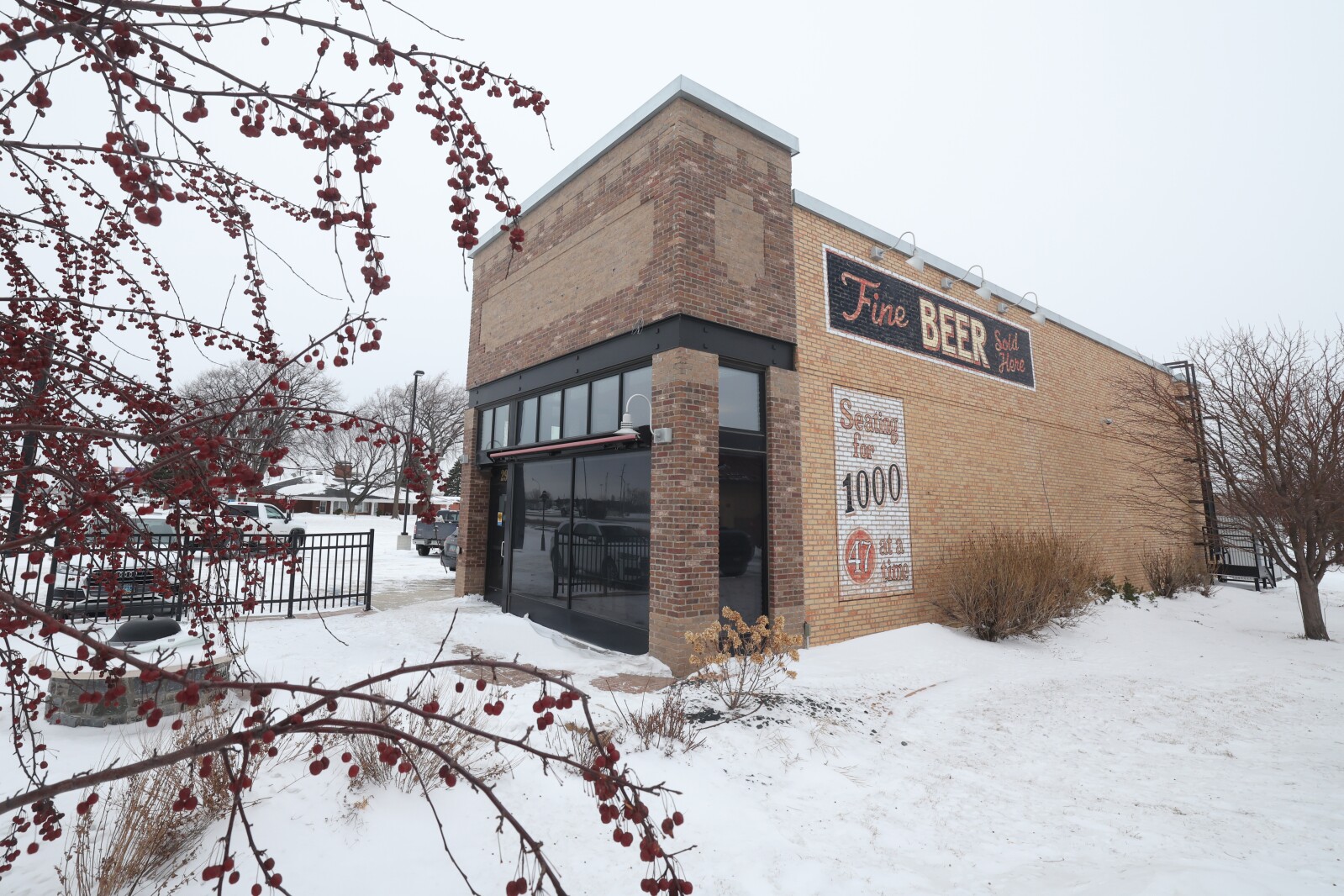
The cannabis shop in Moorhead will be in the former JL Beers bar and grill building at 2902 U.S. Highway 10 on the east edge of Moorhead, which Wilson said has been remodeled into a dispensary.

The compact Walz signed Tuesday was the first tribal-state compact authorized under Minnesota’s 2023 cannabis law.

The agreement outlines how the state and tribe will promote a cooperative and mutually beneficial relationship to regulate cannabis and promote public health and safety.

Items the dispensary is expected to sell include cannabis flower — the smokable buds plucked from a flowering marijuana plant — and pre-rolled cannabis cigarettes.

In setting up the dispensary, the tribe installed extraction equipment that will take cannabis biomass and turn it into CBD oils, tinctures and other desired cannabis compounds.

Some of those compounds can be used to make cannabis gummies, cannabis distillates for vaping cartridges and live resins.

Wilson has said everything that will be for sale at the Moorhead store is grown in Minnesota and grown on the reservation.

The only thing that will be sold at the dispensary that is not made on the reservation is

a beverage brand called Minobii, which is Ojibwe for “drink and be merry,” Wilson told The Forum in February.

Dave Olson is a reporter, photographer and occasional videographer. He graduated from Minnesota State University Moorhead with a degree in mass communications, and during his time at The Forum he has covered many beats, from cops and courts to business and education. Currently is writing business stories, but jumps on daily news as needed. He’s also written about UFOs, ghosts, dinosaur bones and the dwarf planet Pluto. You may reach Dave at 701-241-5555, or by email at dolson@forumcomm.com.


Source link

Meet the Strongest THC Gummies of 2025: Top Picks & More | Cannabis

Meet the Strongest THC Gummies of 2025: Top Picks & More | Cannabis


5. Joy Organics CBD + THC Sleep Gummies

  • Curated formula to support rest — 30mg of CBD, 3mg of CBN, & 1 mg of THC
  • Low THC promotes rest but isn’t psychoactive
  • 3mg of premium melatonin to promote better slee
  • Natural ingredients, vegan, and gluten-free
  • Third-party lab tested
  • Nighttime berry and strawberry flavor
  • $49.35 for 30 gummies
  • Lower THC content may not satisfy all usersk

Joy Organics is a revered brand among health enthusiasts known for its commitment to purity, premium quality, and freedom from artificial ingredients.

All Joy Organics hemp products are certified GMO-free and grown in the US (in Colorado, Montana, and Oregon) without herbicides or pesticides. All products are made with natural ingredients and are vegan, gluten-free, organic, and third-party lab-tested for guaranteed potency and safety.

Joy Organics prides itself on being environmentally conscious, using carbon-neutral shipping, recyclable materials, and regenerative farming practices.

The Joy Organics CBD + THC Sleep Gummies are created to promote restful sleep. The combination of CBD, CBD, and THC with melatonin helps you drift off and remain calm and undisturbed.

The gummies are available in strawberry and blackberry flavors and come in a child-locked, screw-top jar. They are best used before bed.

8. Neurogan Full Spectrum THC Gummies

  • 10 mg of delta 9 THC per gummy
  • Additional cannabinoids — CBD, CBDV, CBG, and CBC
  • Provide a typical marijuana high — uplifting and calming
  • Sleep aid
  • Gluten-free
  • Third-party lab-tested
  • Watermelon flavor
  • $55 for 20 pieces
  • May have a noticeable hemp taste
  • No other flavors

Neurogan is passionately dedicated to producing affordable, potent, high-quality hemp products. The brand is ethically and sustainably run by a family-owned company, ensuring the best value for customers.

Neurgan uses the CO2 extraction method and is stringent in testing via third-party labs. The brand offers consumers one of the most pure and authentic hemp products available.

The Neurogan Full Spectrum THC Gummies are available in fresh watermelon flavor. With 10 mg of delta 9 THC with a full spectrum of additional cannabinoids per piece, these gummies give you a typical marijuana high. They are uplifting and calming and work well as a sleep aid.

Neurogan Full Spectrum THC Gummies are medium potency, so start with one gummy and wait between 2 to 4 hours for full effect.

Qualities of a Top-Notch THC Gummy

Information is power, so learning as much as possible about the components that make it up is a good idea in your quest for the perfect THC gummy.

1. Cannabinoids

There are over a hundred cannabinoids found in the cannabis plant, but the most referenced are THC and CBD. The two main types of THC gummies are delta 9 and delta 8; CBD gummies are more for wellness.

  • Delta 9 THC — This cannabinoid is the key component in cannabis that gives you a high.

  • Delta 8 THC — Binds less strongly to CB1 receptors than Delta 9 THC, which makes it less psychoactive. People who are more sensitive to cannabis often prefer delta 8 as the high is less intense.

  • CBD (Cannabidiol) — This cannabinoid may have anti-inflammatory, pain-relieving, and relaxant qualities. Unlike THC, CBD is non-psychoactive, offering similar benefits without the high.

Remember, the best potency of THC is the one that matches your needs. When looking at the cannabinoid content in gummies, there are many things to consider (we cover that below). 

2. Terpenes

Terpenes are aromatic compounds found in many plants and give the plant its aroma and taste — think of herbs like rosemary or mint. Terpenes give cannabis its unmistakable flavor, which differs depending on the strain. 

Terpenes go beyond simply adding flavor — they also have therapeutic benefits and help alter each strain’s effects. 

Some terpenes found in cannabis include:

  • Myrcene— A sedative and muscle relaxant

  • Linalool — Has a calming effect

  • Pinene — Has been shown to have anti-inflammatory benefits

How Do Terpenes and Cannabinoids Affect Your THC Gummies?

Both cannabinoids and terpenes affect the aroma and flavor of cannabis, but they also affect your mind and body. 

Cannabinoids interact with the endocannabinoid system and have a profound effect on many bodily systems. Higher levels of THC can change your experience from a feeling of relaxation to a journey into euphoria and intoxication. Terpenes can add additional physiological effects, such as reduced inflammation, anxiety, and depression.

Cannabis Strains vs. Sativa, Indica, and Hybrids

It’s a long-standing theory that you can tell the effects of a strain by knowing if it’s labeled as a sativa, indica, or hybrid. Unfortunately, that idea is outdated. 

We’re so used to asking what is stronger or what edibles are better — sativa or indica? But, we should be asking what cannabinoids and terpenes are present and at what levels if we want to have a good understanding of the effects. You’ll get a much more detailed (and accurate!) profile and find what you’re looking for easier. 

Producers of THC gummies carefully consider which terpenes to include in their product since they work in synergy with cannabinoids to produce varying psychoactive effects. Often, they will mimic cannabis strains, allowing users to find gummies that offer the same effects as their favorite flower.

Cannabinoids, Terpenes, and Potency

You may be used to smoking or vaping cannabis, but edible THC products are more potent than inhaled forms. THC gummies often have a delayed onset of effects but last much longer. 

Check the label to understand the quantity of THC in your gummy before consuming. A good THC level for gummies is around 5-15 mg — this is pretty standard and a good starting point. For reference, edibles in this range would be equivalent to half of a joint or full joint. Fifteen milligrams and above is considered to be high THC for edibles. 

How Are the Best THC Gummies Made?

You might not be too interested in the manufacturing process, but in order to find edibles that give you the best high, you need to find companies that do it well. 

Their first step is to get hemp from a reputable source. Today, there are many licensed hemp farms in the USA, and many are even organic. Hemp can absorb contaminants from the soil, so this is important to look for.

Cannabinoids that are natural, additive-free, and contain no harmful substances are another consideration, as well as products that are ethically and sustainably manufactured. 

The next step is to extract the CBD and THC. Four methods are used to separate the compounds from the plant material.

CO2 Extraction

Cannabinoids are extracted from hemp using pressurized CO2. When the pressure is released, the CO2 evaporates. This method is preferred because it produces high-quality extracts without leaving residues.

Solvent Extraction

To extract the cannabinoids, they soak hemp in hydrocarbon solvents such as butane or propane. 

The solvent is then carefully evaporated, leaving behind the concentrated extract. With its proven track record of over 50 years in the food industry, this method is guaranteed to be food-grade safe. However, some residue may be left behind.

Importance of Quality Control & Third-Party Testing

Quality control and adherence to standards are essential when manufacturing THC gummies, particularly monitoring the dosage. The cannabis industry is heavily regulated for this reason.

  • Regulations — The cannabis industry is heavily regulated to make sure that gummies comply with local laws and regulations. The industry closely monitors all aspects of production, particularly THC content and the labeling and packaging of the product.

  • Dosage — Dosage must be consistent throughout every product; even a slight variation in the quantity of THC could result in physical and psychological side effects. Strict adherence to production standards and regulatory requirements means consumers are guaranteed a predictable and consistent experience.

  • Product Quality — High-quality THC gummies are monitored for consistency in taste and appearance. Third-party testing looks at several measures of gummy quality, including heavy metals, microbial, mycotoxin, pesticides, solvents, and toxicity.

Unfortunately, most companies don’t go through this much effort and end up cutting corners — hence the reason we built this list of the best brands for THC gummies. We stuck Area 52’s gummies in the #1 spot because they actually take the steps and go beyond. Honestly, our motives might have been a little selfish in researching brands since we benefit, too. Found a few new favorites. 

Personalizing Your THC Experience

Ensure you have the best THC experience by tailoring your dosage to your needs.

THC affects everybody differently, and your experience depends on individual tolerance, metabolism, and how often you have taken THC previously.

Before consuming a THC gummy, you should consider your desired effects. Are you seeking a mellow buzz, an intense high, or an altered state to increase your creativity? 

Consider the following tips for tailoring your gummy experience: 

1. Start Slow

It’s recommended that you “go low and slow” whenever taking a THC gummy for the first time or when trying a new brand. Always start with one gummy and wait a minimum of one hour but up to three to monitor its effects. You can then take more until you achieve your desired level.

2. Tolerance

In order to determine the best potency of THC for you, consider what your tolerance to THC gummies may be by asking yourself the following questions: 

  • How much do you weigh? The heavier you are, the less effect THC will have.

  • Have you used THC gummies before? Someone new to cannabis will ‌have a lower tolerance compared to a regular user.

  • How is your health? If you are suffering from ill health, then you may experience more side effects than a healthy person does.

3. Choosing Gummies for Specific Effects

What kind of effects are you looking for when taking THC gummies? Depending on your motivation for taking them, there are different types of THC gummies you should be looking for.

THC gummies can be mixed with CBD, CBG, CBN, or other cannabinoids, and the combination and quantity of each can change your experience. For example, CBN helps you relax and feel sleepy, while CBD may have pain-relieving and anxiety-reducing benefits.

When choosing your THC gummy, consider what effect you want it to have.

A) I Want to Relax

A small amount of THC (between 2.5 and 5mg) should make you feel happy and relaxed. Gummies that include CBN may help you relax. Note — This is only a guideline and varies for each individual.

B) I Need Pain Relief

Research shows that higher doses of THC (10–20 mg or more) may be effective for pain relief. According to one study, 10 mg of THC offers the same pain relief as a 60 mg dose of codeine, and 20 mg of THC works as well as 120 milligrams of codeine.

But what’s better for pain — CBD or THC gummies? Ideally, a combination of both! For the best results, choose a strong but balanced product like Area 52’s UFO Full-Spectrum Gummies, which contain an incredible 100 mg of CBD and 15 mg of delta 9 THC. 

C) I Want to Experience a High

Anything above 5 mg of THC should make a user feel a mild sense of euphoria, and about 15 mg is a strong THC gummy. Adopt the go low and slow mantra and steadily increase the amount of THC until your desired high is achieved. 

If you’re an experienced user and need a high dose of THC, you’ll be glad to know that you don’t have to be stuck eating a handful or two of candy to get high. The strongest edibles (at least, for gummies) have about 100 mg per serving, which is more than what most people should ever attempt. 

D) I Need a Sleep Aid

THC and CBD are often used to promote sleep, but they can have the reverse effect if misused. While THC typically acts as a sedative, it can have a stimulating effect, especially in higher doses. 

In contrast, CBD promotes alertness at lower doses and sleepiness at higher doses.

Comparing THC Gummies to Other THC Products

THC Gummies are just one way to consume THC. Let’s look at the benefits of gummies versus other THC products

  THC Gummies (Recommended) THC Oil Vapes Edibles
Product Flavored gummy candy infused with THC Olive, Coconut, or MCT oil infused with THC THC concentrates that are vaporized via a pen
  • Candy — Chocolate bars, candies, lollipops, fudge, popcorn, and ice cream.
  • Baked goods — Cookies, brownies, and cupcakes.
  • Drinks — Sweetened beverages like soda and lemonade.
How to Take Oral ingestion Under the tongue or added to food or drink Inhaled Oral ingestion
Onset Time 30 mins to 2 hours 15–45 mins 1–2 minutes 30–60 mins
Effects Potent and long-lasting Varied intensity Potent but short Potent and sustained
Half-life 4-8 hours 3-4 hours 1-3 hours 3-4 hours
Potency High Intensity Medium Intensity High Intensity High Intensity
Dosage Control Exact Quantities Measured in drops, so less accurate Imprecise, depends on inhalation strength Imprecise – hard to measure THC quantities
Health Risks No risk No risk Risks to respiratory health No risk
Convenience Portable and discreet Portable Portable but obvious Discreet

Enhancing Your THC Gummy Experience

THC gummies are often used to elevate experiences during physical and creative activities. THC can expand your consciousness, allow introspection and mindfulness, and increase focus and creativity.

Consider using THC gummies during the following activities to enhance the experience:

  • Yoga and mindfulness to deepen introspection.

  • Gaming, art, writing, and creating music for increased focus and exploration of your creative potential.

  • Outdoor activities such as hiking and walking for a sensory appreciation of outdoor spaces and your physical limits.

  • Social Gatherings to relax and ease anxiety.

Remember to tailor your THC consumption to your activity, surroundings, and company.

Combining THC Gummies With Other Supplements

Consider combining THC with other wellness products. THC, used in conjunction with meditation, can enhance your experience. Try using it during a massage, aromatherapy session, or when practicing deep breathing techniques. 

You could try using herbal supplements to aid your THC experience. Supplements like valerian root or passionflower may help you relax. Many oils like lavender, chamomile, or eucalyptus may promote calmness and stress relief.

If you are using THC gummies for their potential health benefits, you can pair them with vitamins and minerals. For example, magnesium can help with muscle relaxation and sleep, and vitamin B12 supports energy levels. 

Sustainability & Ethical Considerations

Choosing THC products from ethical and environmentally responsible brands has a two-pronged benefit. It supports responsible business practices and ensures you are consuming high-quality, safe products. 

What to look for: 

  • Third-party testing — Find companies that are transparent with their operating practices. They should clearly state where the products come from and the extraction methods used and display third-party lab test results to ensure quality and safety. Ethical companies should adhere to manufacturing standards and test their products for contaminants and potency.

  • Environmental Impact — Look for companies that use organic farming methods, renewable energy, and eco-friendly packaging.

  • Social Responsibility — Seek out companies that provide good working conditions and fair pay or those that support social causes and give profits to charitable organizations.

FAQs: THC Gummies 101

Want to learn more about THC Gummies?

Check out the answers to the frequently asked questions below:

1. What is the Difference Between THC and CBD?

Both THC and CBD are cannabinoids extracted from the cannabis plant. The most important difference is that THC is psychoactive and gives you a high, while CBD does not.

Both display potential health benefits and are effective in treating pain. THC may help with insomnia and muscle spasms, while CBD may have anti-inflammatory benefits.  

2. Can THC Gummies Help with Anxiety?

THC gummies may help some users relax and reduce anxiety when taken in low doses. However, too much THC can have the opposite effect, so consider potency and dosing carefully before consuming. 

3. How Long Do the Effects of THC Gummies Last?

The effects of an average 10-mg edible (such as THC gummies) can last anywhere from 4 to 8 hours. The effects peak around 3 hours, and it can take up to 12 hours before you feel fully back to normal. Compared to flower, where even a strain that gets you high the longest (such as Original Glue or Runtz) will only last a few hours, though the effects are felt almost immediately. 

THC gummies affect each person differently. How it affects you can depend on your weight, metabolism, and how often you consume THC. Make sure to leave a minimum of one hour to measure the effects before taking another dose.

4. Are THC Gummies Legal Everywhere?

The legality of THC gummies is constantly changing. At present, hem-derived THC gummies with less than 0.3% delta 9 THC are legal in most states. Always check THC laws in your state and country before purchasing.

5. How Many THC Gummies Should I Take?

The number of gummies you can take depends on the strength of the edible, previous usage, metabolism, weight, and health. The guidance on THC gummies is to start low and go slow. Start with one 5 mg THC gummy and leave it a minimum of one hour (ideally up to four) to see how the THC affects you. 

6. Can I Take THC Gummies for Pain Relief?

Both THC and CBD may help manage pain. Some studies have discovered that THC is an effective pain treatment. However, further research is needed, and it’s best to talk to your doctor before using cannabis for pain.

7. What Are The Common Side Effects Of THC Gummies?

THC gummies’ common side effects are dry mouth, dizziness, and an increased heart rate. 

If consumed in excessive amounts, more serious side effects may include increased anxiety, paranoia, panic attacks, nausea, vomiting, and psychological effects such as hallucinations, delusions, or dissociative feelings. To avoid these undesirable side effects, always begin with a low dose and gradually increase it as necessary.

8. How much THC is considered too much for someone to consume?

The amount of THC that’s considered too much depends on the individual’s tolerance, body composition, and experience. While THC is not lethal, consuming an excessively high dose such as 500 mg can lead to considerable discomfort, anxiety, or a very unpleasant experience. Start with a small dose, especially if you’re new to THC, and adjust accordingly.

9. Is it Legal to Travel With THC Gummies?

Hemp-derived THC gummies are legal for travel, but they may be mistaken for marijuana gummies, causing confusion with authorities. To avoid inconvenience, it is best to leave them behind and buy gummies at your destination instead.

10. Which form of THC is the strongest?

With so many THC variations, it can be hard to understand the differences.Delta-8 provides a mellow, clear-headed high that is roughly half as strong as delta-9, and delta-10 is even milder but more energising. HHC is slightly less potent than delta-9, but THCP is the most powerful, with some claiming it is 33% more potent than THC.

THC can be detected in hair follicle tests for up to 90 days, blood for up to 12 hours, saliva for 24 hours, and urine for 30 days. Timeframes for detection are influenced by metabolism, usage frequency, and individual traits.



Source link

Modelo Got It Right, Cannabis Didn’t, Says Latina CEO Who Built A Multi-State Business With K

Modelo Got It Right, Cannabis Didn’t, Says Latina CEO Who Built A Multi-State Business With $10K


Cristina Aranguiz did not inherit a legacy license or walk into cannabis with a Silicon Valley war chest. She started with just $10,000, money she saved from real estate side gigs. Today, she runs seven dispensaries and a cannabis manufacturing facility in three states via her companies, Cannabis & Glass and Iowa Cannabis Co.

And she did it all without any outside investment.

A first-generation Cuban-American from Miami, Aranguiz is a rare presence in an industry still dominated by white male capital and C-suite homogeneity. Her journey wasn’t just about building a business; it was about showing what’s possible when people like her get a real shot.

“From family stories of their immigration struggles, I learned early that opportunity isn’t guaranteed, it must be earned,” Aranguiz told Benzinga. “That Cuban-American work ethic instilled in me a relentless drive to not only build something of my own but to do so with integrity, resilience and a commitment to lifting others up along the way.”

From Budtender To CEO: How She Did It With $10K

The barriers were high. Capital was tight. Regulations were constantly shifting. But Aranguiz got to work.

“I opened my first retail dispensary with just $10,000 in savings and I wore every hat, from budtending to compliance, meticulously learning and adapting to complex licensing and reporting requirements until our operation proved its worth.”

Getting experienced professionals on board was another uphill battle.

“Convincing [them] to join us took relentless hiring,” she said.

She focused instead on what she could control: delivering value through pricing, product quality and service. That strategy built loyalty and traction.

She also had to navigate stigma within her own community.

“Breaking cannabis stigma within Latino communities added another layer of challenge. I didn’t even tell my family until we had multiple locations running,” she said. “By betting on myself, leaning into authenticity, and engaging our communities, I turned each obstacle into a stepping-stone for growth.”

Also read: Latino Entrepreneurs Are Thriving In NYC’s Cannabis Market—Here’s The Proof

No VC, No Problem

Precious few cannabis entrepreneurs build multi-state platforms without outside capital. Aranguiz is one of them.

“My grit comes from a deep-rooted discipline instilled by my family’s immigrant journey, and it’s reinforced by our financial rigor. From day one, I committed to reinvesting the majority of our free cash flow back into the business while prioritizing operational excellence before any external expansion,” she said.

“We’ve built a resilient, self-funded platform that confidently competes or exceeds those of well-capitalized peers.”

Her intentional approach helped her Washington stores land among the top 5% in the state by revenue.

Lifting As She Climbs

Now Aranguiz is focused on helping others access the same opportunity.

“Mentorship for me is about lowering barriers and sharing hard-won lessons,” she said. “I stay approachable, whether it’s through the National Hispanic Cannabis Council or one-on-one conversations.”

She connects aspiring founders with real tools, from compliance strategies to hiring advice, and advocates for simplified licensing programs that don’t block access from the start.

“I also champion ESOP initiatives and advocate for low-fee, straightforward licensing frameworks in new markets so that the next generation doesn’t face the same steep climb I did.”

Also read: ‘I Thought He Wanted To Be A Drug Dealer’ — How Cannabis Healed a Father-Son Rift

Do The Work

Aranguiz is blunt about what it takes.

“Start by getting hands-on experience. There’s no substitute for understanding the product, the customer and the compliance landscape,” she said. “If you’re on the retail floor, lean into every interaction… If you’re aiming for the C-suite, seek out mentorships and build a track record of delivering measurable results… Above all, bet on yourself.”

“Your unique perspective as a Latina is a powerful asset in an industry that thrives on authenticity and innovation.”

Why Latinos Still Aren’t Leading Cannabis

Two barriers stand out: money and stigma.

“Licensing fees and start-up costs in cannabis can easily run into the hundreds of thousands or millions, and undercapitalized entrepreneurs, many of whom are Latino, struggle to compete,” Aranguiz said.

“At the same time, stigma around ‘drugs’ within some communities discourages talented professionals from entering the industry in the first place.”

Still, she sees massive potential—if brands are willing to change course.

“Take Modelo: once a niche import, it climbed to become one of the best-selling beers in the U.S. by embracing its heritage, telling an authentic story and partnering with distributors who believed in its potential,” she said.

“To achieve this in cannabis, we need targeted investment vehicles and partnership models, such as alliances between financial backers, established operators, and authentic Latino brands.”

Where Equity Works And Where It Doesn’t

Some states make it easier to compete than others.

“Washington and Oregon stand out as models to emulate: both kept licensing fees low and application processes straightforward, which has naturally fostered a more diverse operator pool,” she said.

“In contrast, Florida’s six-figure licensing fees, opaque scoring criteria, and complex applications have made it nearly impossible for undercapitalized entrepreneurs to compete—so much so that I remain one of the only genuinely Latina-led operators in the state.”

What States Should Be Doing Instead

Aranguiz has a clear list of changes that could unlock more Latino participation in cannabis.

“I believe the most impactful reforms would be to keep license fees low, like under $1,000, and simplify application forms, maybe to fewer than 50 pages if possible,” she said.

She also sees ESOP-friendly policy as key to building lasting equity.

“Adopting ESOP-friendly policies would allow founders and employees to build generational wealth without the burden of major upfront capital,” she said. “These changes could transform licensing from a barrier into a gateway for Latino entrepreneurs and employees alike.”

Why Brands Still Ignore 20% Of The Market

Latinos make up one-fifth of the U.S. population, but you wouldn’t know it from most cannabis brand strategies.

“Many cannabis brands fall into a ‘one–size–fits–all’ trap, focusing on mainstream, English-speaking consumers and ignoring the Latino market’s significant buying power. They shy away from the cultural nuance required, likely because they perceive these investments as too complex,” Aranguiz said.

“This mirrors how early beer brands overlooked Hispanic drinkers, missing out on a passionate audience that craved authentic representation.”

Her message to cannabis companies: follow Modelo’s lead.

“They embraced bilingual advertising and packaging, sponsored Latino cultural events, and partnered with distributors to secure prime placement… Cannabis brands can replicate this success by developing genuine Spanish-language campaigns, embedding themselves in community events, and positioning their products as premium yet approachable.”

What’s Next: Latino Inclusion Takes The Stage In Chicago

The industry gaps Aranguiz describes will be front and center at the upcoming Benzinga Cannabis Capital Conference, which is taking place June 8–10 in Chicago.

One featured VIP roundtable will specifically focus on the issue: “20% of the U.S., 0% of Your Strategy? Why Cannabis Brands Can’t Afford to Ignore Latinos Any Longer”

This session will explore how inclusive campaigns, culturally grounded messaging and Latino-led narratives can drive long-term business value for cannabis operators.

Get your tickets here.

Redefining Success—On Her Own Terms

Aranguiz doesn’t measure success only by revenue. It’s about impact.

“Success for me means a couple of things. First, continuing to deliver outstanding value and experiences to our customers by keeping prices accessible and product quality high,” she said.

“Every time I see a five-star review from a customer, they come directly to my phone via push notification, and I still get so excited.”

She’s also focused on internal culture: creating a workplace where people grow, not burn out.

“Building a workplace where talent thrives, where employees feel empowered, supported, and excited about what we’re building… How amazing is it that we get to bring cannabis to the masses every day?”

And through it all, she keeps the same number in mind.

“That $10,000 first seed investment, raised through my real-estate side gigs, turned into seven dispensaries, a cultivation and manufacturing facility, and a platform for cannabis legalization advocacy,” she said.

“Beyond the balance sheet, I’m proud of the partnerships we’ve forged with regulators, employees, and customers who trust us. All of these partnerships have helped reshape perceptions around cannabis and create genuine opportunities for others.”

“That legacy is what I’ll carry with me into every new market.”

Photo courtesy of Cristina Aranguiz


Source link

The Minnesota Legislature passed a big cannabis bill. Here’s what’s in it.

The Minnesota Legislature passed a big cannabis bill. Here’s what’s in it.


While the Minnesota Legislature failed to approve a budget prior to Monday’s adjournment of the 2025 legislative session, it did pass its cannabis omnibus bill over the weekend.

The bill, SF 2370, was approved by a conference committee with members of both the House and Senate before being passed by both chambers on Saturday. It is currently awaiting Gov. Tim Walz’s signature. The bill contained numerous language and technical fixes, a handful of law changes sought by the Office of Cannabis Management (OCM) and a range of other provisions introduced by lawmakers.

Still up in the air is a proposed increase of the state’s tax on sales of cannabis and hemp-derived cannabinoid products from 10% to 15% that was included in an agreement between Walz and leaders in the Minnesota House and Senate. The tax hike could be part of budget negotiations ahead of an expected special session, though it faces opposition from DFL Sen. Lindsey Port, a co-author of the cannabis bill, as well as Senate Republicans and many advocates.

Here is a brief overview of the bill’s key provisions by topic.


Source link

MEDH) Announces Record Q1 2025

MEDH) Announces Record Q1 2025


Austin, Texas, May 20, 2025 (GLOBE NEWSWIRE) — FOR IMMEDIATE RELEASE

MedX Holdings, Inc. (OTC: MEDH) Reports Record Q1 2025 Revenue and Announces Strategic Milestones in Retail Technology, AI, and Cannabis Expansion

Austin, TX – May 20, 2025 – MedX Holdings, Inc. (OTC: MEDH), the parent company of Lazydaze + Coffeeshop and Dazed Inc., announced its unaudited financial results for the first quarter of 2025 along with key strategic developments that continue to position the company as a leader in cannabis retail, technology, and lifestyle franchise operations.

For the quarter ended March 31, 2025, MedX Holdings delivered its strongest financial performance to date, driven by accelerating revenue growth, solid gross margins, and improved operational efficiency. Revenue more than tripled year-over-year, fueled by expanded retail activity, strategic acquisitions, and increased consumer demand across the Lazydaze franchise network. The company maintained a healthy gross margin profile, improved cost control and strong unit economics. Net income surged to a new high, reflecting a significant turnaround in bottom-line profitability. MedX also reinforced its balance sheet strength, increasing total stockholders’ equity while successfully reducing liabilities—a clear signal of momentum and prudent capital management heading into the next phase of expansion.

MedX is currently raising $10 million through a convertible note offering to support its next phase of growth. Executives are actively engaging with investors and financials groups , and aniticiapates clsoing the round by end of Q2. The proceeds will be used to complete a full audit, fund capital expenditures, purchase pre-roll manufacturing equipment, and secure flagship retail properties in key markets.

The company also announced the launch of an AI-driven commerce initiative, which includes the development of mobile vending machines powered by proprietary artificial intelligence technology and the rollout of AI Budtender and Barista agents on Lazydazeshop.com. These enhancements are designed to streamline online pickup, delivery, and in-store operations while improving the customer’s user experience across current and future Lazydaze locations.

In collaboration with Revel Systems and Shift4, MedX is co-developing a first-of-its-kind point-of-sale system tailored for dispensary, hospitality, and retail hybrid environments. This fully customizable platform will ensure compliance with state traceability systems such as METRC and BioTrack. This solution will be offered to other cannabis operators nationwide through Smart Brand Digital, bundled with secure payment processing solutions.

MedX also confirmed its active pursuit of licensing and strategic partnerships to establish a consumption lounge in Las Vegas. Additionally, the company’s recently acquired operation in Albuquerque, New Mexico, Lazydaze ABQ LLC, is scheduled to begin hemp pre-roll manufacturing in Q2 2025. These products will be distributed through stores in Texas and other future retail markets. Lazydaze is also proud to announce its newest franchise located just blocks away from the University of Texas in Austin, Texas.

Hans Enriquez, CEO of MedX Holdings, stated, “Q1 performance proves our model is working. From record sales, franchise growth, utilizing AI, embracing blockchain and a new POS system built for the future of cannabis retail, we’re executing across all fronts and ready to move faster. We are committed to building MedX and Lazydaze into the go-to platform for cannabis hospitality, social experiences, retail technology, and community culture.”

About MedX Holdings, Inc. (OTC: MEDH)

MedX Holdings is building a portfolio for cannabis retail, hospitality, and technology through its subsidiaries, including Dazed Inc., Smart Brand Digital, and Lazydaze + Coffeeshop. The company is focused on franchise development, cannabis/hemp retail innovation, and regulatory-compliant tech solutions for the industry.

Our mission is to deliver exceptional products and unforgettable hospitality experiences through our Lazydaze +Coffeeshop brands and franchises. We are committed to leading the industry by developing and expanding a successful portfolio of licensed and franchised brands. For more information, please visit www.lazydazefranchise.com and www.medxholdings.com

Follow us @medxholdings and the CEO @the1onlyhans on X

Forward-Looking Statements

This release contains forward-looking statements within the meaning of the federal securities laws. Actual results may differ materially due to various risks and uncertainties.

Contact Information:
Raji Bhakta- President Operations / IR
MedX Holdings, Inc.
210 438 2750
raji@dazedinc.com

###


Source link

Women with MS see less cannabis withdrawal with neural stimulation

Women with MS see less cannabis withdrawal with neural stimulation


Supervised, noninvasive at-home neural stimulation helped women with multiple sclerosis (MS) and cannabis use disorder (CUD) decrease their cannabis intake and reduce withdrawal, a study suggests.

Overall symptoms of MS also tended to ease with four weeks of transcranial direct current stimulation (tDCS) plus mindfulness training.

“This pilot [randomized control trial] shows that a fully remote, home-based tDCS intervention is a feasible, safe, and promising approach for reducing cannabis use and withdrawal symptoms in women with MS and CUD,” the study’s researchers wrote in “Telehealth tDCS to Reduce Cannabis Use: A Pilot RCT in Multiple Sclerosis as a Framework for Generalized Use,” which was published in Drug and Alcohol Dependence.

A progressive neurodegenerative disorder, MS can lead to a variety of symptoms including pain, cognitive impairment, and muscle spasms. Some people use recreational or medicinal cannabis to manage their symptoms, but findings from scientific trials remain split on the potential benefits and drawbacks of this approach.

Nabiximols, a cannabis-based oral spray, has been found to effectively ease spasms related to MS and may also help with pain. Cannabis may exacerbate cognitive symptoms of MS, however, particularly with chronic use. Some frequent users may develop CUD, wherein they become reliant on it and have withdrawal symptoms if they discontinue it.

For this reason, people with MS and CUD may want to reduce their reliance on it without triggering withdrawal. “Targeting the neural circuitry underlying addiction represents a novel and promising approach to addressing substance use disorders,” wrote the researchers, who used tDCS, a technique that uses low intensity electrical current to noninvasively modulate neural activity, to test their hypothesis.

Recommended Reading

A clinical trial illustration shows a line chart surrounded by hands, a stethoscope, and pills.

Less cannabis withdrawal and use, and reduced symptoms

In the clinical study (NCT05005013), the researchers stimulated the dorsolateral prefrontal cortex (DLPFC), an area of the brain involved in cognition and emotional regulation. Many researchers believe the DLPFC perpetuates distress and other negative emotions that drive cycles of addition.

The participants included 47 women with relapsing-remitting MS and confirmed CUD, who were an average age of 43 and lived in 25 U.S. states. One of the criteria for being included was a desire to reduce cannabis use. All the women received an at-home tDCS device preprogrammed to deliver either active stimulation for 20 minutes or sham stimulation, a control condition where the device was off for 18 minutes.

Research technicians used video chats to supervise daily sessions five days a week for four weeks, for a total of 20 sessions. During each session, both groups’ participants listened to a 10-minute mindfulness meditation followed by music. Mindfulness meditation is a practice where a person focuses their attention on the present moment, calmly observing their thoughts, feelings, and sensations.

The’ primary goal was to determine if this type of virtual study design with tDCS was feasible. With 83% of women completing the intervention, they concluded that the at-home setup was successful, including for those who had jobs or school to go to.

Cannabis withdrawal symptoms decreased significantly by the end of the four weeks for the women who received active stimulation. In particular, symptoms of craving, depressed mood, and restlessness were significantly lower in the active stimulation group and were maintained for up to three months.

Cannabis use frequency also significantly decreased in the active group. At the beginning of the intervention, both groups had an average use of 5.3 days per week. After four weeks, the treatment group showed a statistically significant decrease to 3.9 days per week, while the control group had a nonsignificant reduction to 4.8 days per week. Monthly use also  went down over time, but only those in the active tDCS group showed a significant decrease.

Participants in the active group also saw a significant decrease in MS symptoms, as measured with the SymptoMScreen questionnaire, and increases in cognitive performance metrics. The effect on MS symptoms wasn’t sustained by the end of the three-month follow-up. “Future studies should explore whether longer-term interventions or maintenance protocols could help sustain these gains,” the researchers wrote.

The study had some limitations, including that all the participants were female and had the same MS subtype. “While we believe this intervention has potential for wider applicability, there may be unique characteristics of this specific population that contributed to its feasibility and effectiveness,” wrote the scientists, who said enrollment and completion rates can “[lay] the groundwork for future studies aimed at establishing clinical utility” of at-home tDCS.


Source link

Goldflower Cannabis Opening 7th Florida Dispensary in Miami

Goldflower Cannabis Opening 7th Florida Dispensary in Miami


[PRESS RELEASE] – MIAMI, May 20, 2025 – Goldflower Cannabis, one of Florida’s fastest-growing vertically integrated cannabis companies, announced the grand opening of its seventh retail location, set to open in the vibrant heart of Miami on June 14 at 7401 Bird Road.

Known for setting a new standard in cannabis cultivation, product excellence and customer experience, Goldflower continues its expansion to meet rising patient demand across the state. Goldflower’s Miami store will offer South Florida medical cannabis patients access to its celebrated line of Comparable to Organic flower, solventless concentrates and premium edibles—all produced with the company’s signature reverence for the plant and passion for excellence.

Goldflower’s curated brand portfolio includes in-house lines like Ideal Cannabis (the only certified Comparable to Organic grown flower in Florida), Space Coast and GHOST, and best-in-class national brands such as DH Farms by Doghouse and Turn vapes, as well as exclusive licensed collaborations with cultural icons such as Method Man, Ricky Williams and Randy Lanier.

Goldflower is also licensed to sell Lion Order products, created with superstars such as Ray Lewis of the Ravens, Mike James of the Bucs and Lions, Rohan Marley, and Michael Phelps. In fact, the Miami location will feature the state’s largest selection of Lion Order offerings. Each product embodies Goldflower’s relentless focus on purity, flavor and innovation.

Founded by leaders behind one of the largest cannabis exits in U.S. history (Cura), Goldflower has rapidly gained a reputation for producing Florida’s best flower, delivering top-tier customer service in their luxury stores to the best customers, and scaling a sustainable and profitable cannabis business.

As for the Miami storefront, located near high-traffic areas and designed with Goldflower’s signature boutique aesthetic, the new Miami location will feature:

  • A curated product selection including exclusive strains from Ideal Cannabis and partner brands like DH Farms by Doghouse, Space Coast and Imperial Farms
  • Celebrity-endorsed licensed brands, including Method Man’s T4, Ricky Williams’ 34, and Rohan Marley, Ray Lewis, Michael Phelps, and Mike James’s Lion Order
  • White-glove service and a patient-first ethos that defines Goldflower’s customer experience

“Miami is a cultural hub with a thriving medical cannabis community, and we’re excited to bring our unmatched quality, service and products to this incredible city,” Goldflower Cannabis President Angelo Lombardi said. 

The Miami opening follows the recent launch of stores in Bradenton, Largo, St. Petersburg, Ocala and Sebring, with Orlando, Bonita Springs, Lakeland, The Villages, Cape Coral, Tallahassee and Jacksonville on the horizon. With vertically integrated operations—including 300,000 square feet of cultivation and manufacturing space and two delivery hubs—Goldflower is positioned to dominate the Florida cannabis market.

For more on Goldflower Cannabis and to keep up with opening news and brand developments, visit goldflowerfl.com.


Source link