How TJ Frost Saw the Power of Medical Cannabis and Built a Brokering Business Around It

How TJ Frost Saw the Power of Medical Cannabis and Built a Brokering Business Around It


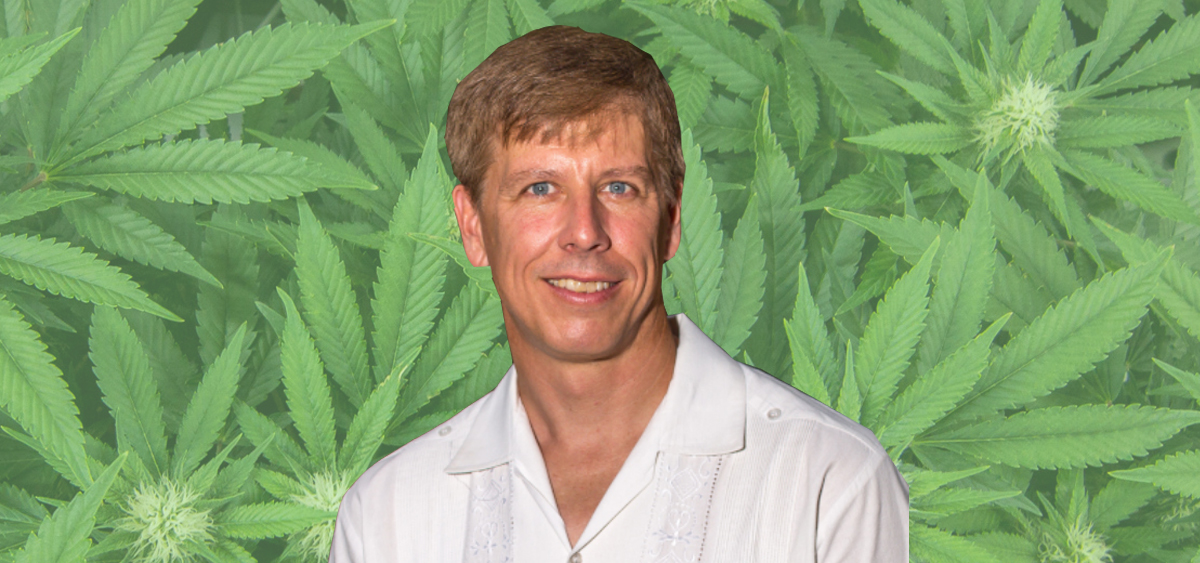
TJ Frost witnessed the benefits of medical cannabis and pioneered a brokerage for
the then-nascent industry that is now booming.

“Cannabis insurance is a whole different ball game from when I started 11 years ago,” said TJ Frost, president of Symphony Grow, a specialty business of Symphony Risk Solutions. “At that time, Lloyd’s had just pulled out, so everyone was looking for coverage. It was dialing for dollars, not for clients, but for carriers.”

That was not necessarily because of carriers’ reticence to the business itself, but mostly because of pragmatic underwriting realities. As a de novo sector, cannabis did not have the data to support rating. There was also the complication of dealing with a substance that is still not federally legal and remains subject to a patchwork of state regulations. Some states allow only medicinal use; some also allow recreational use. Some don’t allow use at all. Some states require only general liability. Others require product liability as well as general.

Against that backdrop few underwriters would commit to the startup costs of developing coverage for a completely new business sector with a completely new and untested supply chain. In 2013 and ’14, only a handful of carriers would take on the risk, Frost recalled. That has since grown to more than 40.

“Everything has gotten better. We have more than 40 carriers and all lines of coverage available to us now. When I started, it was just the basic coverages. The national insurance market is hard today, but for cannabis, we are now in the softest market ever. When I started, people were paying $1 million in premium for $1 million in coverage with a $1 million retention. Now those same limits cost $40,000.”

Cannabis In 2025

The U.S. cannabis market was estimated at $38.5 billion in 2024 and is expected to grow at a CAGR of 11.51% from 2025 to 2030, according to Grand View Research: “Growing acceptance of its use for medical purposes and rising legalization are the key factors driving growth. Increasing research activities on the use of cannabis and its medicinal properties have led to its increased use to treat various chronic conditions.”

The Food and Drug Administration approved the use of cannabis-derived drug formulations for treating seizures and chemotherapy-induced side effects. At the same time, popular attitudes are becoming more favorable. A Gallup survey found that about half of adults in the U.S. — across genders, ages and educational backgrounds — have tried marijuana, based on data from 2022 and 2023.

“In addition, there is a high demand for various cannabinoid (CBD)-infused goods, such as oils, beauty products, gummies, and beverages,” noted Grand View. “Other factors contributing to growth include the favorable cultivation norms, which help cater to the biomass demand in the U.S. Florida, Oregon, Nevada, California, Washington and Colorado are major producers of cannabis, owing to favorable climatic conditions and legalization.”

While state-to-state variability remains, as does federal prohibition, Frost reiterated that “everything is getting better. We have a real, viable, insurable industry now. There has been so much progress. Half my time these days is spent helping new carriers come into the business, and I don’t see any pulling back. Policy forms are getting better, and there is consolidation among suppliers for a more robust supply chain.”

The other important aspect of cannabis growth and development is scale. “The sophistication of business is leaps and bounds from where it was 10 years ago,” Frost said. “There is access to capital, and there is access to banking.”

From a Father’s Noble Fight Comes a Son’s Strength

Fost started his career in corporate finance.

He grew up in a small town in Washington, where he resides still today, and went to the University of Washington. But, his career arc completely shifted when his father was diagnosed with cancer. “The chemo and radiation treatments were ruining his life,” Frost said.

“He switched to cannabis and was able to eat and drink and sleep again. It was night and day. About the same time, I was at an impasse in my career. I was being recruited by a major brokerage, and I asked if they had a cannabis practice.”

They did not, so Frost asked if he could start one. He built that practice, and then met Michael Marcon, founder and CEO of Symphony Risk.

“I spent the first several months at the brokerage practice with the people in every aspect of the cannabis business, getting to know them and the whole industry. Then, when we started with Symphony Grow, we built this specialty practice for the industry itself,” he said.

“The big brokerages see the sector as a new source of revenue, which is fair enough. “But we built this business for the clients. If we do what is right for the clients, then we never have to worry about keeping the lights on. Our name is Symphony for a reason. It’s all about playing in-tune together. In four years, we’ve built the business to offices in 11 states with clients all over the country and in Canada.”

Marcon became a mentor for Frost straight away, second only to his father. “My dad was one of the hardest working men I have ever known. He was a great salesman. He could sell a ketchup popsicle to a woman in white gloves,” Frost said. From his mentors, Frost has learned to lead from the front. “Being a leader and being a manager are two different things. It is possible to be good at both, but just being good at one does not mean you are automatically good at the other. Quite to the contrary.”

Given the amount of travel that Frost has to do for work, his ideal vacation is spending time at home with his wife and three young daughters. “Being home is how I love to spend my time, coaching softball and basketball with my girls and date nights with my wife,” he said. &

Gregory DL Morris is an independent business journalist currently based in New York with 25 years’ experience in industry, energy, finance and transportation. He can be reached at [email protected].


Source link

Breeding Beyond Buzzwords – Cannabis & Tech Today

Breeding Beyond Buzzwords – Cannabis & Tech Today


Frank Golfieri didn’t get into cannabis for the clout. He got into it because he was broke, curious, and wanted to smoke without emptying his wallet.

“We were smoking a lot and we’re like, obviously you’re kids, you don’t have a ton of money, so we asked, ‘How do we get this for cheap? Oh, we grow it,’” he said, recalling his high school years in the late ’90s.

What started as a seed-saving, DIY hustle grew into a full-blown obsession. Over the next two decades, Golfieri turned from an underground enthusiast into a genetics-savvy cultivator with a global network and a reputation for flavor-forward, high-performance flower.

Now, as Director of Cultivation at Insa, Golfieri is applying that lifelong passion to a multi-state operation, leading one of the most comprehensive phenotype selection and breeding programs on the East Coast. But he didn’t land the gig through traditional channels. He was brought in for his genetics, offered a chance to join the company in exchange for the rights to his library

“I said, ‘Help me get my foot in the door. Give me an opportunity to work for you guys, and obviously the genetics would be at your disposal.’”

He started at the bottom—cultivation tech—but climbed fast. Within two years, he was running the entire show, managing grow operations across Massachusetts, Florida, and Pennsylvania. Along the way, he redefined what an East Coast grower could be.

Hunting for Unicorns

Rather than simply cranking out mid-tier flower for the masses, Insa’s grow operation is a boutique genetic engine built at scale, and Golfieri is the mechanic. Phenohunting—the process of growing out dozens of seeds from a single cross to find that one perfect plant—is central to his ethos.

“Usually, I pop around 40 of ’em,” he said. “At first, it’s about structure, how it grows. Then bag appeal, yield, smell—and then you chop it and see if the terpene profile actually holds.”

But even once a phenotype hits every mark on paper, the final test is always the same: roll it up. Insa conducts blind smoke trials with its staff, handing out unlabeled samples and collecting feedback via QR codes.

“The smoke test is the biggest one,” said Golfieri. “If it doesn’t hit when you smoke it, I don’t care what the lab says.”

Each year, the top cultivars from the previous cycle are crossbred to push flavor, bag appeal, and effect even further. The result is a steady stream of proprietary strains like Grape Bambino and Lift Off that can’t be found anywhere else.

Not Just High THC—High Standards

While THC still drives market demand, Golfieri is determined to evolve beyond the potency arms race. “I’m a purist,” he said. “To me, it’s about the experience. High THC doesn’t mean much if it smokes dull.”

His breeding strategy takes a full-spectrum approach: flavor, terpene persistence, bag appeal, structure, yield, and yes, potency. “You can’t just hit one thing now,” he said. “It has to check every box.”

That includes lesser-known cannabinoids and minor terpene variations, which Insa maps meticulously.

“I keep a database that tracks terpene and cannabinoid levels on every cultivar. That way, when I want to improve something, I know what to cross it with. I might want to raise the linalool content or hit a specific limonene level for effect. But you still have to test it. The numbers can tell you one thing, but the smoke tells you the truth.”

Sustainability That Isn’t Just a Press Release

Golfieri isn’t interested in greenwashing. His take on sustainability is hands-on, trial-and-error, and often inconvenient. But it’s real.

“We use cocoa coir for most of our grows, and instead of dumping it, we work with local farms to reuse it. Same with our water. We treat, filter, sterilize it with UVC light, and reuse it.”

Insa’s facilities employ LED lighting at reduced wattage to cut energy draw, and they track consumption in real time to power down rooms when not in use. In Pennsylvania, regulations required them to treat water before discharge due to proximity to a river.

“That pushed us to adopt water reuse across the board,” according to Golfieri. “Now we’re implementing it in every state.”

Even clone trays and packaging are under scrutiny. “We used to throw out plastic clone trays, now we use reusable ones and sanitize them—and we’re looking at recyclable packaging constantly,” he said.

Still, he knows there’s more to do. “As this goes national, I think states will start mandating this stuff—water reuse, power limits, recyclable materials. And they should. You want to leave a better world for your kids.”

Genetics With Staying Power

The cannabis genetics market has become crowded with trendy strains and copycat menus, but Golfieri sees opportunity in originality. “Everyone has the same genetics right now,” he says. “Go to any store and you can find the same strain twenty times. So how do you differentiate? You make your own.”

His breeding program is relentless. Every cross is intentional, each year more refined than the last. He even dabbles in mapping terpene targets to reverse-engineer experiences. It’s part science, part art, and all about staying power.

“I want people to come to us because they can’t find it anywhere else,” he said. “That’s how you build brand loyalty.”

And he’s watching the cutting edge. CRISPR-engineered cannabis, genome sequencing, novel cannabinoids—it’s all on his radar. “I don’t want to say never to anything. Five years ago we didn’t think 40% THC flower was real. Now? Who knows.”

Also Read: How to Build New Revenue Paths for Burgeoning Cannabis Cultivators

The Legacy Is Local

Insa’s expansion into Pennsylvania, Florida, and now Ohio has given Golfieri a broader canvas, but his heart is still in the Northeast. “Massachusetts is the only place right now where we have both medical and rec,” he said. “But the whole region’s taking off. Jersey, New York, Maine—people are finally recognizing the East Coast scene. And it’s not just imports anymore. We’ve got our own identity.”

Golfieri is helping define that identity through craft, discipline, and a clear sense of purpose. He sees cannabis not just as a business, but as a cultural force—one that deserves better than hype and shortcuts.

“It’s not about politics. It’s not about numbers. It’s about doing the right thing—for the plant, the people, and the planet.”

And in Frank Golfieri’s grow rooms, that starts with one good seed.

  • Aron Vaughan is a journalist, essayist, author, screenwriter, and editor based in Vero Beach, Florida. A cannabis activist and tech enthusiast, he takes great pride in bringing cutting edge content on these topics to the readers of Cannabis & Tech Today. See his features in Innovation & Tech Today, TechnologyAdvice, Armchair Rockstar, and biaskllr.


Source link

Cannabis Real Estate: Gating Issues in Retail Dispensary Site Selection | Harris Beach Murtha PLLC

Cannabis Real Estate: Gating Issues in Retail Dispensary Site Selection | Harris Beach Murtha PLLC


New York State legalized the use, sale, and production of recreational cannabis on March 31, 2021, by way of the Marijuana Regulation and Taxation Act (MRTA). As of May 2025, New York State has issued more than 1,600 licenses across various sectors, including cultivation, processing, distribution and retail dispensaries. Approximately 560 of the 1,600 licenses are for retail dispensaries.

At the time of the writing of this article, the NYS Office of Cannabis Management (“OCM”) has announced 386 retail dispensaries are open. That suggests roughly 175 are somewhere in the final approval process – which could mean they are still looking for real estate. Most dispensary operators obtain site control over their real estate by a commercial lease. This article discusses initial “gating issues” in commercial leasing and steps to take when selecting its cannabis real estate.

  1. Does your targeted municipality permit retail dispensaries? Not all do. Confirm with the Marijuana Opt-Out Tracker.
  2. Is the proposed site in the municipality’s designated “green zone” zoning district, which permits retail dispensaries? Check/confirm with the municipality’s zoning administrator/code enforcement office and confirm by reviewing the municipality’s zoning code. The vast majority of municipalities’ zoning codes can be found online.
  3. Confirm the proposed site’s setback: “houses of worship” -200 feet; schools – 500 feet; public youth facility -500 feet (if municipality has adopted such a rule); 1,000 to 2,000 feet from other dispensaries (including medical dispensaries a/k/a ROs – registered organizations and micro businesses) depending on whether the municipality has a population of more or less than 20,000 people. OCM has a site locator map that assists with this analysis.
  4. Does the property owner/landlord’s lender permit a cannabis use? Due to cannabis’ federal listing as a Schedule 1 Controlled Substance, many financial institutions will not permit a cannabis use under the lender’s loan documents.
  5. If the property is a multi-tenant property, are there restrictions (a/k/a restrictive covenants or prohibited uses) in other tenants’ leases prohibiting a “sin business?”
  6. Does the landlord’s insurance carrier permit a cannabis use? This gating issue doesn’t need to be fatal, but if in a multi-tenant property and the landlord procures insurance from another carrier and the insurance is more costly, then that cost will most generally be passed on to the cannabis operator. That may not be a big economic issue in the case of a single tenant property, where the tenant is likely picking up 100% of the landlord’s insurance cost, but in a multi-tenant property, that price differential can be material, as the dispensary operator generally would only be responsible for a pro rata share of the landlord’s insurance cost. Therefore, it is recommended that such price differential be quantified as part of the economic evaluation for the dispensary location.

There are more than 2,000 cannabis retail dispensary license applications still pending. While it is highly unlikely that all of those applications will be awarded, site selection for new cannabis retail dispensaries is a skill set that will be needed in the foreseeable future.


Source link

Chris Day: Scaling Cannabis with Strategy, Integrity, and Global Perspective

Chris Day: Scaling Cannabis with Strategy, Integrity, and Global Perspective


Chris Day has spent his career at the intersection of storytelling, strategy, and social impact. After decades in media, PR, and marketing, he brought his expertise to the cannabis industry—drawn by its potential to right historical wrongs, drive sustainable innovation, and redefine global wellness. As co-founder of the Global Cannabis Network Collective and a key voice behind Cannabis Means Business, Day now helps cannabis leaders navigate complex markets, build lasting brands, and prepare for international expansion. In this interview with Ganjapreneur, he discusses the urgent need for U.S. reform, what sets New York’s cannabis market apart, and why true success in this space demands not only resilience—but a willingness to think globally and act with purpose.


Read the full interview:

Ganjapreneur: You’ve had a diverse career spanning media, marketing, and business strategy—what led you to cannabis, and what’s kept you here?

Chris Day: After two decades in PR, marketing, and advertising—some fulfilling, some just for a paycheck—I wanted to apply my skills to something with real purpose.

Cannabis offered that: an industry with the potential to do good, build equitable businesses, and make a global impact. What keeps me here, even when it’s tough, is the belief that we have a moral responsibility—to right past wrongs, fight misinformation, and unlock the plant’s full potential for health, sustainability, and progress.

Cannabis provides that: the breadth of opportunity within the cannabis industry is vast—not just here in the United States, but globally. When you really look at it, it is immense. What keeps me at it, even in times that are really hard and challenging and tough, is the fact that there is also a moral obligation.

We need to do what’s right here—not only for people who have been wrongly incarcerated, not only to counteract the misinformation and propaganda that sidelined amazing research and higher-quality, more sustainable products—but also for the betterment of the world long term. We need the types of products, medicines, and mindfulness that acknowledge the benefits this plant brings.

What are your thoughts on the pace and trajectory of federal cannabis reform in the U.S.?

The pace of federal cannabis reform in the U.S. is a global embarrassment. We’re not lacking science, data, or public support—what’s missing is political courage. Reform has stalled due to willful ignorance and outdated power plays.

The way I see it, the lack of movement forward is the result of cowards who are fearful of mindset change. The science is there. Certainly, the economic opportunity is there. There are numerous proven ways to safely regulate the end products that are coming from cannabis—whether it be in a medicinal sector, an adult-use sector, or looking at the breadth of what hemp brings to the table. All of these are quite reasonable products that fulfill needs with scientific basis.

Despite broad bipartisan support, many lawmakers avoid action unless it serves their political agenda. Meanwhile, other countries are moving ahead, and the U.S. is falling behind.

Progress will come eventually, but we’ll be playing catch-up. Until then, it’s up to the industry—through efforts like Cannabis Means Business and our work through the Global Cannabis Network Collective—to keep pushing forward and supporting sustainable growth.

Do you believe U.S. cannabis companies should be preparing now for international expansion? Why or why not?

I do absolutely believe that U.S. cannabis companies should be preparing now for international expansion. In a lot of ways, there are great “blue ocean” opportunities for companies that are willing to look at the cannabis industry from a perspective that’s opportunity-centric and geographically agnostic.

There are other nations and continents that have well-structured laws. They’re probably difficult to navigate—but the regulations are there. You know how to bank them. You know how to comply with the laws. And they are certainly moving markets forward.

In terms of sheer dollar volume, the U.S. continues to lead and probably will for some time. But for businesses that want to operate in markets that are actually moving forward in pragmatic and predictable ways, international expansion is not really optional – it’s essential to expand and diversify. This is what the most successful and thriving businesses within the GCNC are doing: expanding and diversifying in strategic ways.

What are some lessons you think cannabis businesses can learn from mainstream industries in terms of marketing and operations?

Cannabis has unique challenges—regulation, taxation, compliance—but solid business fundamentals still matter. Strategic planning, smart branding, identifying niche markets, and building strong operations aren’t optional—they’re essential in every industry, but they make or break you in cannabis.

Too often, I see folks in cannabis overlook basic good business behavior: paying bills on time, treating employees well, thinking beyond the next three weeks. Long-term vision, operational discipline, and the right experts at the table make a difference, no matter the sector. The cannabis industry isn’t exempt from those truths—it just adds more complexity.

How do you see mainstream industry professionals perceiving cannabis today—has that stigma started to break?

I’ve been in this space now for close to a decade. Early on, when we saw professionals crossing over from more widely accepted industries into cannabis—I was one of them—we were all perceived to be taking unnecessary risks with our careers.

I think now, as markets have matured, there’s still hesitation from traditionalists to go into the cannabis space. It’s still a space that a lot of people don’t understand. But there’s also a wider acceptance of the fact that there are real jobs in the cannabis industry. There is a very sizable and large economy, both in plant-touching and ancillary businesses, that professionals can go into and have a great career.

It is not for the faint of heart, though. Those who come in thinking it’s going to be a cakewalk because they’ve been very successful elsewhere and have nothing new to learn—those people will fail. So I think there is a general acceptance and excitement about professionals switching into cannabis from wherever they came from previously, but it’s also one that comes with a side note of caution.

Tell us about the rebrand of Cannabis Means Business—what’s new and what’s next for the platform?

The rebrand of Cannabis Means Business is a really exciting and important evolution to witness. The show is nearing its tenth year, and the ownership group recognized it was time to reflect on how far the industry—and New York—have come, and how important the role that New York will play in the ongoing development of the cannabis landscape as a global economic and cultural powerhouse. That duality—honoring where the plant came from while driving serious business forward—is at the heart of the rebrand.

CMB is meant to bring together the New York market, the domestic market, and the global market into one place to help professionals, entrepreneurs, and people looking to engage with the industry. It’s a platform to connect the New York market, the national industry, and global voices. It welcomes professionals from all corners—fashion, entertainment, food, tech—because cannabis touches all of it. The goal is to position New York as a true center of gravity for the future of cannabis, both economically and culturally.

What’s your current read on the state of the New York cannabis market, and what makes it uniquely promising compared to other U.S. markets?

I think the New York cannabis market is a really great opportunity. Like any cannabis market, there are certainly challenges. There’s a lot of issues with the gray and illicit markets that need to be further restricted to allow for true profitability for legal operators.

There’s also a requirement for government and regulators in that market to understand that in order for that to happen, you can’t tax an industry into oblivion. You can’t regulate it to a point where they can’t move and adjust. That kind of challenge exists in almost any market that opens up in cannabis.

But the enthusiasm for the New York market—the fact that New York is adjacent to other great, fast-growing markets like Massachusetts and New Jersey and the entire Northeast section of the country—frankly makes it uniquely promising for the future landscape of the U.S. cannabis sector.

What are the biggest barriers you see to building a sustainable cannabis brand in New York today?

I think some of the biggest barriers for brands in the New York market are exactly what I said before: taxation, the complexity of legal frameworks, and rising above not just the legal competition, but the illicit competition as well.

And of course, having the capital to ramp up your business. You can’t build a brand in a day. It takes time, it takes investment, it takes perseverance, and an ability to really read the various sub-segments of the market that exist throughout New York.

So there are a lot of challenges. But when you look at the sheer size of the population, the long history of cannabis in the market, and the adaptability that New York has overall—as a consumer base when it comes to accepting new brands—it’s a great opportunity.

How do gatherings like CMB NYC support early-stage cannabis businesses and contribute to strengthening the local industry?

Regardless of where you’re at in your company life cycle—whether you’re early-stage, mid-stage, or further along—events like Cannabis Means Business, and other shows that I’ve worked on over the last decade-plus, become great places for community.

And within that community, there’s the opportunity to share stories about how people have navigated challenges and problems within the space. To hear new ideas about how to champion and market your company, your products, your brands. And really, to remind people that even though the day-to-day running of a business can at times feel kind of lonely—especially for entrepreneurs and professionals, there are communities and people and resources that are there to help you.

For me, that’s what makes gatherings like Cannabis Means Business critical to the long-term success of the industry, as well as to individual businesses.

What’s one piece of advice you would offer to someone who is considering starting a business or seeking a career in cannabis right now?

Cannabis is a complex, constantly evolving industry—there are no easy roles here. If you’re coming in, be ready to adapt. What works today may change tomorrow. Bring your skills, keep an open mind, and be willing to collaborate with those who’ve been in the space. Success comes from flexibility, creative thinking, and the ability to pivot.

So I think it’s a great industry to be in, but it is a challenging one. And you will have to be very adaptable. No matter what brand, what company, where along the supply chain you are—the only things that are guaranteed right now are, indeed, taxes and change.


Source link

Woody Harrelson and Bill Maher’s cannabis dispensary burglarized of K in merchandise

Woody Harrelson and Bill Maher’s cannabis dispensary burglarized of $3K in merchandise


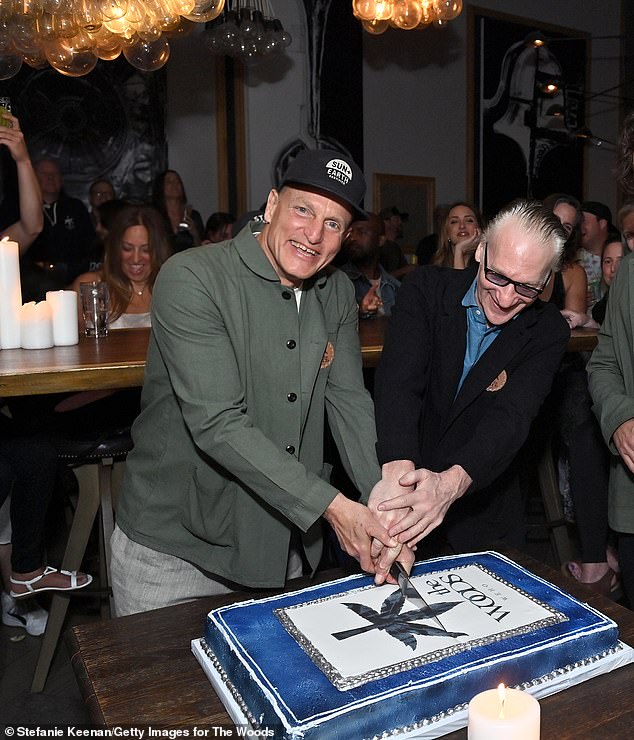
The Woods, a 21+ cannabis consumption lounge in West Hollywood co-owned by Woody Harrelson and Bill Maher, was the latest target of a smash-and-grab burglary on Saturday at 4:30am.

On Sunday, ECCO CEO Elliot Lewis shared surveillance footage of five burglars – one of whom appeared to be a child – dressed in hoodies and masks shattering the glass door of the dispensary.

The suspects then quickly cleaned out the shelves and counters of between $2K-$3K worth of merchandise.

Lewis claimed the same crew he called ‘The Jack Boys’ attempted to burglarize sister dispensary ERBA in Santa Monica on Sunday, but an armed security guard shot rounds off to deter them.

‘They went in and they just randomly took stuff off the shelves,’ The Woods co-owner Michael Berman told ABC 7 LA.

The Woods, a 21+ cannabis consumption lounge in West Hollywood co-owned by Woody Harrelson (L, pictured in 2022) and Bill Maher (R), was the latest target of a smash-and-grab burglary on Saturday at 4:30am

The Woods, a 21+ cannabis consumption lounge in West Hollywood co-owned by Woody Harrelson (L, pictured in 2022) and Bill Maher (R), was the latest target of a smash-and-grab burglary on Saturday at 4:30am

‘While there was a lot of mess from the broken glass, nobody was hurt. They got merchandise, but they didn’t actually damage too much inside.’

This was reportedly the second break-in at The Woods following a previous incident on November 4.

Woody (born Woodrow) is the unofficial mascot of the three-year-old pot shop aside from a Great Palm Cockatoo called George and a pair of Hyacinth Macaws that populate their lush ‘Ganja Garden.’

The Woods also offers a THC consumption bar and cabana-style smoking rooms.

The 63-year-old Last Breath star has been an advocate for marijuana reform as far back as 1996 when he was arrested for symbolically planting hemp in Kentucky.

Harrelson will next reprise his role as Four Horsemen illusionist Merritt McKinney in Ruben Fleischer’s three-quel Now You See Me: Now You Don’t, which hits US/UK theaters November 14. 

The magician heist thriller will also feature Jesse Eisenberg, Dave Franco, Isla Fisher, Morgan Freeman, Rosamund Pike, Justice Smith, Dominic Sessa, and Ariana Greenblatt. 

On Sunday, ECCO CEO Elliot Lewis shared surveillance footage of five burglars - one of whom appeared to be a child - dressed in hoodies and masks shattering the glass door of the dispensary

On Sunday, ECCO CEO Elliot Lewis shared surveillance footage of five burglars – one of whom appeared to be a child – dressed in hoodies and masks shattering the glass door of the dispensary

The suspects then quickly cleaned out the shelves and counters of between $2K-$3K worth of merchandise

The suspects then quickly cleaned out the shelves and counters of between $2K-$3K worth of merchandise

Lewis claimed the same crew he called 'The Jack Boys' attempted to burglarize sister dispensary ERBA in Santa Monica on Sunday, but an armed security guard shot rounds off to deter them

Lewis claimed the same crew he called ‘The Jack Boys’ attempted to burglarize sister dispensary ERBA in Santa Monica on Sunday, but an armed security guard shot rounds off to deter them

The Woods co-owner Michael Berman (L, pictured July 20 with Whoopi Goldberg and co-owner Devon Wheeler) told ABC 7 LA: 'They went in and they just randomly took stuff off the shelves. While there was a lot of mess from the broken glass, nobody was hurt. They got merchandise, but they didn't actually damage too much inside'

The Woods co-owner Michael Berman (L, pictured July 20 with Whoopi Goldberg and co-owner Devon Wheeler) told ABC 7 LA: ‘They went in and they just randomly took stuff off the shelves. While there was a lot of mess from the broken glass, nobody was hurt. They got merchandise, but they didn’t actually damage too much inside’

This was reportedly the second break-in at The Woods following a previous incident on November 4 (pictured in 2022)

This was reportedly the second break-in at The Woods following a previous incident on November 4 (pictured in 2022)

Woody is the unofficial mascot of the three-year-old pot shop aside from a Great Palm Cockatoo called George and a pair of Hyacinth Macaws that populate their lush 'Ganja Garden' (pictured in 2024)

Woody is the unofficial mascot of the three-year-old pot shop aside from a Great Palm Cockatoo called George and a pair of Hyacinth Macaws that populate their lush ‘Ganja Garden’ (pictured in 2024)

The 63-year-old Last Breath star has been an advocate for marijuana reform as far back as 1996 when he was arrested for symbolically planting hemp in Kentucky (pictured in 2022)

The 63-year-old Last Breath star has been an advocate for marijuana reform as far back as 1996 when he was arrested for symbolically planting hemp in Kentucky (pictured in 2022)

The three-time Oscar nominee is also set to star in James L. Brooks’ political dramedy Ella McCay, Apple TV+’s 10-episode series Brother from Another Mother, and Andy Serkis’ animated remake of Animal Farm.

Meanwhile, the 69-year-old Emmy-winning satirist currently creates, writes, and hosts the 23rd season of political panel show Real Time With Bill Maher, which airs Fridays on HBO Max.

The Woods is also owned by Thomas Schoos and ERBA co-founders Jay Handal and Devon Wheeler.


Source link

Best THC Tinctures: Potent Picks for Pain Relief, Relaxation | Cannabis

Best THC Tinctures: Potent Picks for Pain Relief, Relaxation | Cannabis


4. Binoid Delta 8 THC Tincture

Product Specs: Three potency options: 1,000 mg, 2,500 mg, and 5,000 mg per 1 oz bottle, containing cannabinoid and terpene blend, natural ingredients.

Active Ingredients: Delta 8 THC

Price: $25.99 for 1,000 mg bottle

  • 3/5 — Higher cost might be out of budget for some, but the price reflects quality hemp and intense potency.

Servings per bottle: 30

Potency: 4/5 — Strong delta 8 THC potency suitable for users with high tolerances.

Flavor: 3/5 — Natural hemp taste may not suit every user.

Third-Party Testing: 4/5 — Good testing detail and accessibility to reports could be improved.

Pros and Cons

  • Wide Potency Range: Three different potencies of 1,000 mg, 2,500 mg, and 5,000 mg give you freedom and flexibility with dosing.
  • Full-Spectrum Benefits: Enjoy maximum therapeutic effects from a heavy dose of delta 8.
  • Transparent Sourcing: Clear about ingredient origins with hemp organically grown in a prime climate and perfect conditions.
  • Natural Taste: Earthy hemp flavor might be off-putting if you prefer sweetness.
  • Limited Flavors: Lack of flavor options is limiting.
  • Higher Price: Higher cost than other brands, but the price reflects strength and quality.

Binoid, a Los Angeles–based brand, has been formulating cannabis products since 2018. A strong interest in individual cannabinoids has led Binoid to be one of the top names in the industry, offering an extensive product range infused with locally grown phytocannabinoid-rich hemp plants.

Binoid’s Delta 8 THC Tincture offers a discreet way of taking THC. It has a labeled dropper and three different potencies: 1,000 mg, 2,500 mg, and 5,000 mg. Blending delta 8 with various terpenes and cannabinoids means you get a full-bodied experience and uplifting, enjoyable effects. Although milder than delta 9 THC products, Binoid’s delta 8 tincture offers a mellow experience to fight stress and tension at the source.

5. 3CHI Broad-Spectrum Delta 8 THC Tincture

Product Specs: Range of strengths including 300 mg, 600 mg, or 1200 mg delta 8 THC, 1 oz bottle, broad-spectrum formulation, lab tested, child-resistant packaging.

Active Ingredients: Delta 8 THC, CBD, CBC, CBN, CBDv, CBG

Price: $19.99 for 300 mg bottle

  • 3/5 — Reasonably priced due to potency but not the cheapest option.

Servings per bottle: 30

Potency: 4/5 — Well-balanced potency with a selection of strengths to suit most users.

Flavor: 3/5 — Neutral, earthy taste is natural but may not suit everyone’s palate.

Third-Party Testing: 3/5 — Lab tested, but details could be more specific.

Pros and Cons

  • Broad-Spectrum Formula: Contains delta 8 and five additional cannabinoids for extensive and balanced benefits.
  • Easy Dosing: A convenient dropper lets you measure precisely and take the oil with ease.
  • Packaging: Requires careful storage, and the child safety design can be difficult to use.
  • Drug Test Impact: The potent delta 8 formula may affect drug tests, so skip any delta 8 oil if you are drug tested regularly.
  • Limited Flavors: The oil comes in one earthy hemp taste, which may not be your favorite.

In 2019, the team at 3CHI found a way of extracting delta 8 from hemp, initiating a new way of capturing the essence of cannabis. This discovery allows the team to produce legal THC products like vapes, creams, and concentrates while utilizing an array of cannabinoids.

3CHI’s Broad Spectrum THC Tincture contains 300 mg, 600 mg, or 1,200 mg of delta 8, depending on your chosen potency, and a cannabinoid blend containing CBD, CBC, CBN, CBG, and more.

This broad-spectrum formula harnesses the beneficial effects from a rainbow of cannabinoids, so this 1 oz bottle bursts with potential. The clever child-safe design means little hands can’t access the oil, and you can wind down and soak up every wave of euphoria.

6. Koi CBD Delta 8 Tincture

Product Specs: 1,000 mg delta 8 THC per 1 oz bottle, five flavor options, MCT carrier oil, third-party lab tested.

Active Ingredients: Delta 8 THC

Price: $49.99

  • 3/5 — Higher price reflects quality, potency, and diverse flavor options.

Servings per bottle: 30

Potency: 3/5 — Adequate potency of delta 8, but not the strongest on the market.

Flavor: 4/5 — Five flavor varieties from natural and artificial ingredients.

Third-Party Testing: 4/5 — Good testing, but it would be nice to have a more detailed analysis of product components.

Pros and Cons

  • Flavor Variety: Choose your favorite flavor: Blue-Razz, Lime, Mango, Strawberry, or Watermelon.
  • High-Quality Ingredients: Contains premium delta 8 THC for a powerful experience.
  • Artificial Flavors: Flavors include natural and artificial ingredients that may not appeal if you want a fully natural product.
  • Limited Potency: Fewer strength choices, with only a 1,000 mg delta 8 option.
  • Packaging Durability: Packing could be improved with a more discreet design.

Koi’s mission to spread wellness far and wide began in 2015. Since then, the brand has become a trusted name in the industry, uniting health with undeniable quality hemp. To bust the stigma around cannabis, Koi creates exciting, effective, safe products supported by third-party testing and positive customer reviews.

The goal of Koi’s CBD Delta 8 Tincture is to dissolve stress and tension, leaving you calm, peaceful, and relaxed. Containing hemp-derived delta 8, MCT carrier oil, and flavors like Blue-Razz, Lime, Mango, Strawberry, and Watermelon, this tincture packs flavor and potency. Each 1 oz bottle loads 1,000 mg delta 8 THC for a hefty hit of hemp’s magic.

7. Joy Organics THC Tincture

Product Specs: 75 mg delta 9 THC and 900 mg CBD per 1 oz bottle, fully natural and organic, flavored with essential oils, full-spectrum formula.

Active Ingredients: 2.5 mg of delta 9 THC, 30 mg of CBD

Price: $47.96

  • 3/5 — High priced for lower potency, but the cost is because of the quality and organic ingredients.

Servings per bottle: 30

Potency: 4/5 — Suitable for light users and beginners due to low THC potency and high CBD content.

Flavor: 3/5 — Fewer flavor options than other brands, but naturally uplifted with essential oils.

Third-Party Testing: 5/5 — Rigorous testing for safety with results and analysis easily accessible online.

Pros and Cons

  • Organic, hemp-derived THC: High-quality-sourced delta 9 and CBD deliver powerful euphoric and relaxing effects.
  • Ideal for daytime use: Low THC content causes mild effects that are perfect for daytime use and novice users.
  • Lower THC content: Low THC may be too weak for experienced users or those expecting intense results.
  • Limited flavors: Fewer flavor choices are available, but the oil is flavored with natural essential oils to mask the hemp taste.
  • Pricey for potency: High price for a low dose of THC, but you get organic, natural, and sustainable ingredients.

Joy Organics has high standards, and you can see it in the details — organic farming, a diverse product range, and a focus on improving users’ lives one hemp infusion at a time. The company is a dependable, eco-conscious brand, paving the way since 2019. USDA-certified, the brand merges meticulous and sustainable farming with creative product design intended to uplift and inspire consumers.

Joy Organics THC Tincture infuses 2.5 mg delta 9 THC, 30 mg CBD, and soothing essential oils with every 1 mL serving. Each 1 oz bottle contains natural ingredients like organic citrus and coconut oil for a more palatable flavor and pleasant experience. With a promise of only using natural, organic ingredients, the brand signifies the importance of harnessing hemp for pure results.

8. Elevate THC Tincture

Product Specs: Range of strengths including 300 mg, 600 mg, or 1,200 mg of full-spectrum delta 8 THC, 100% natural ingredients, 1 oz bottle, non-GMO, third-party lab tested.

Active Ingredients: Delta 8 THC, CBD

Price: $35.95 for 600 mg bottle

  • 4/5 — Higher price than competitors due to quality and potency, but a worthwhile investment for a fully natural, powerful tincture.

Servings per bottle: 30

Potency: 5/5 — High delta 8 THC concentration for powerful, long-lasting effects.

Flavor: 3/5 — Natural hemp taste with no additional flavoring.

Third-Party Testing: 5/5 — Comprehensive lab results available for transparency, safety, and user peace of mind.

Pros and Cons

  • Full-spectrum formula: Utilizes full-spectrum delta 8 THC for a powerful entourage effect.
  • Vegan-friendly and gluten-free: Free from gluten, animal products, and artificial colors and flavorings, therefore suitable for various dietary preferences.
  • Psychoactive effects: Higher doses of delta 8 can mimic effects similar to delta 9, which may not be suitable for beginners or those sensitive to THC.
  • Natural flavor may be harsh: The natural, earthy flavor doesn’t offer the sweet lightness users may prefer from other products.
  • No satisfaction guarantee: The company does not give refunds if you’re unhappy with the product.

Bettering lives through natural means has been the driving force of Elevate since the company established its presence in 2020. With over two decades of cannabis experience, the team is knowledgeable, understanding more than ever the need for safe, effective, and healing hemp products.

Third-party lab-tested and made from natural vegan ingredients, Elevate’s THC Tincture offers a highly potent, full-spectrum delta 8 experience in a sleek 1 oz bottle. With either 300 mg, 600 mg, or 1,200 mg of delta 8 in each bottle, you can choose the strength you need and trust the non-GMO, pure formula to alleviate tension, improve sleep, and restore balance.

Benefits of Using THC Tinctures
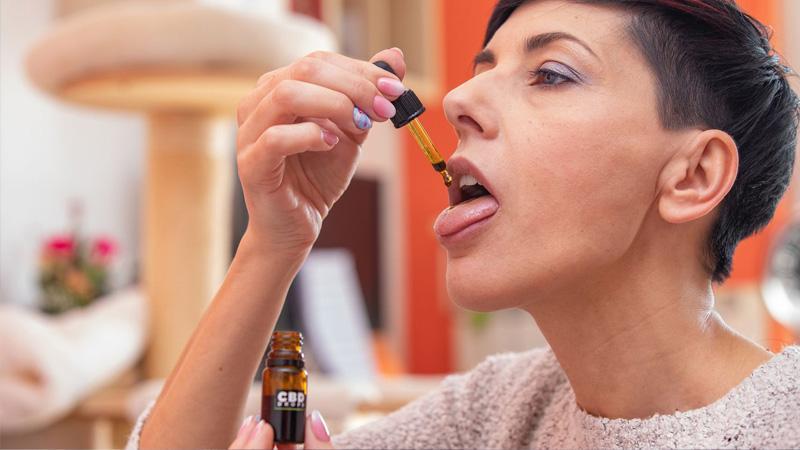
Tinctures have plenty of benefits, which we’ll look at next. 

Benefits of Tinctures

From gummies to vapes, there are countless ways to enjoy cannabis, but no option is as discreet, portable, and versatile as THC tinctures. Quick and easy to consume, tinctures provide a solution for users looking for convenience. The effects are felt faster than edibles when taken sublingually (usually 30-45 minutes).

With the bottle’s dropper, correct dosing is effortless. Since tinctures tend to come in small jars, they are extremely portable, too, easily sliding into a pocket or bag.

Investing in a high-quality THC tincture opens up a world of new possibilities. You can use a few drops under the tongue, infuse herbal tea, or even enhance recipes in the kitchen. This is a huge benefit of THC tinctures over other cannabis products — they have so many uses.

Benefits of THC

It’s important to remember that THC is a powerful ingredient, and onset, duration, and intensity can vary depending on the method of ingestion.

Potential beneficial effects of THC tinctures:

Some users have experienced such positive results from cannabis use that they’ve decreased or stopped using medications [1]. 

Beneficial results include potential relief from pain, inflammation, and poor sleep. Cannabis-based medicines can improve symptoms for those battling multiple sclerosis, chronic pain, and IBS, but outcomes can differ between users [2]. 

If there’s one thing THC is a game-changer for, it’s relaxation. Today’s modern society encourages us to stick with a rapid pace that often doesn’t leave much room for unwinding– that’s where THC comes in. Delta 9, for example, interacts with brain receptors to create euphoric sensations and decrease anxiety at lower doses [3]. This, in turn, helps relieve stress, improve sleep, and keep the mind calm.

You also have THC variants like delta 8 and delta 10.

The effects of delta 8 vs delta 9 differ, with delta 8 producing a milder, smoother high than delta 9. Delta 10 vs delta 8, on the other hand, is more like sativa vs indica. Delta 10 has effects similar to sativa strains (energizing and uplifting), while delta 8 has effects similar to indica strains (relaxing and calming).

It’s vital, however, not to make any changes to your medical regime before consulting a healthcare professional. Once you’ve got the green light to introduce a THC tincture into your routine, it’s time to sift through the options and find one that meets your needs.

How to Choose the Right THC Tincture

Determining the best THC tincture to buy boils down to a few key considerations. First, decide what effects you want while aligning with your cannabis tolerance

Maybe you’re a novice user entering the world of THC tinctures for the first time. If so, choose a lower-potency product to ease yourself into the experience. For users with tolerance and understanding of how their mind and body interact with THC, a higher potency tincture should do the trick. 

Ready for an all-round effect? Full-spectrum products contain all of cannabis’ compounds, including THC, for therapeutic results from an array of cannabinoids. 

The ultimate THC tinctures on the market should be safe, pure, and effective, with a suitable carrier oil for reliable absorption. MCT, coconut, olive, and hemp oil are common options, providing the perfect base for cannabinoids to absorb into the body and interact with the endocannabinoid system.

Evaluate COAs to see the exact ingredients, purity, and potency. If everything looks good for the product you’re considering, you may have just found your perfect match. 

How to Use THC Tinctures
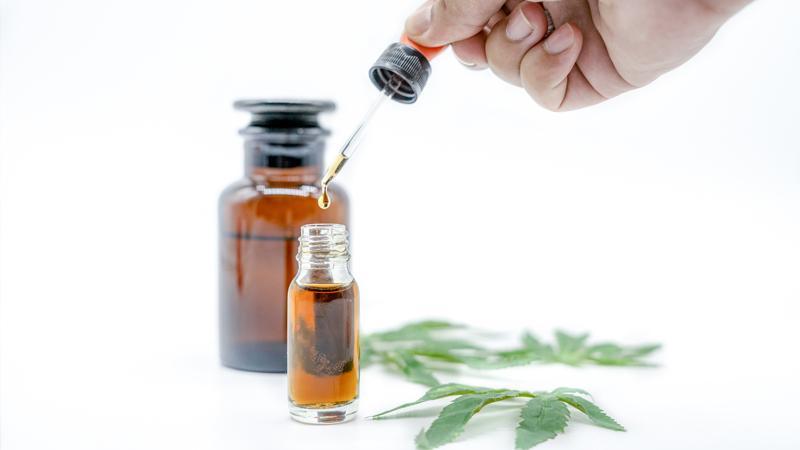
You can use THC tinctures in various ways, such as sublingually, topically, in teas, cooking, and baking. After extracting some THC using the dropper, you’re moments away from an enlightening cannabis experience. To reap the benefits, start with one drop and remember different methods of ingestion can impact the intensity, onset time, and longevity of effects. Experiment to find your favorite, or switch it up now and then for variety. 

1. Take the Dose Sublingually

If you want fast effects, put the drops of tincture under your tongue for about one minute. This allows the oil to be absorbed quicker, and you can start to feel it in about 30 minutes. For reference, THC gummies — similar to full-spectrum CBD gummies such as stress gummies — take an hour or two to take effect.

You can always drop the oil directly onto your tongue and swallow it, but this will delay the effects. 

2. Add THC Tincture to Food or Drinks

Whether you bake something special with THC tincture in it or add the drops to the final product, it’ll be an instant favorite. Of course, you don’t have to share. Call it self-care, and keep the homemade edibles for yourself. 

The trick with using THC tinctures for food is determining how much to add. It takes a little math unless you add individual doses to each serving of food. 

Either way, be careful and test a small bite before chowing down. 

How to Properly Dose THC Tinctures

Correctly dosing THC tinctures means you’ll receive the desired results with minimal risk of side effects. It may seem tempting to dive in and take multiple drops, but this can have a negative impact. 

THC affects users differently depending on their cannabis experience, tolerance, and the potency of the tincture. Consider how your health and body weight may influence your THC experience. 

The safest way to enjoy THC tinctures is to begin with small doses and gradually increase over time if the effects are pleasant and as expected.

Always follow the manufacturer’s dosing guidelines for specific product guidance, which generally advises small doses initially. 

Typical THC tincture dosages:

  • Low dose: 2.5–5 mg

  • Medium dose: 5–10mg

  • High dose: 10–50 mg+

Side Effects of Using THC Tinctures

Proper dosing can help you avoid unpleasant side effects, anxiety, nausea, and dry mouth. THC can boost the mind into a heavy head high, and if this isn’t the goal, dose small at first! It can get very overwhelming if you’re not careful. 

After the effects slowly wear off, you can take another hit to propel your venture. Patience and consciousness of how your mind and body feel are essential for having a positive experience.  

Some medications may cause an interaction, so speak with a healthcare provider before using a THC tincture.

Storing Your THC Tincture

The goal of correctly storing a THC tincture is to preserve the potency so that every drop you take is as effective as the last. 
Manufacturers usually add simple storage instructions on product labels, but let’s go over a few key pointers for perfect tincture storage:

Store in a Cool, Dark Place

Direct sunlight and temperature fluctuations can affect THC tinctures, so they need to be kept in a cool, dry place away from the sun. Think of a hard-to-reach cupboard (considering the safety of little ones, too!) where you can access the tincture, but it doesn’t receive much light or intense heat. 

Make Sure the Cap is Sealed

Maybe it seems obvious, but in the wake of dosing a few drops of tincture, it can be easy not to seal the bottle correctly. Make sure the thread is even so the lid screws back on correctly, preventing spillages of precious THC!

Use Before Expiration Date

THC tinctures are best when you use them within the recommended shelf life. This timeframe is when the product is safe and potent to consume. An out-of-date tincture may lack potency and may not be safe for consumption, depending on the ingredients used. 

Frequently Asked Questions: THC Tinctures

Wondering if THC tinctures are right for you? Explore our FAQs to learn more:

1. How Long Does it Take for THC Tinctures to Work?

Effects can happen 15 to 30 minutes after using a THC tincture under the tongue. Taking a tincture sublingually helps the body easily absorb THC through the mouth. Simply hold a few drops under the tongue for 30 to 45 seconds, and the results will come!

2. Can THC Tinctures be Used Topically?

THC tinctures can be used topically but are typically designed for oral use for rapid absorption and effectiveness. Mixing some THC tincture with a natural body cream, balm, or lotion makes for easy application and helps the absorption of THC into the skin. 

If you’re after a potent cannabinoid-based topical, try some of the best CBD creams on the market. You can buy these from trusted online dispensaries or from your local CBD shop.

3. Are There Any Side Effects of Using THC Tinctures?

THC is a psychoactive compound and carries potential side effects, including dry mouth, dizziness, and nausea. Mild side effects generally occur in novice users with minimal tolerance. Correct dosing and beginning with a low-potency THC tincture helps minimize the risk of side effects.

CBD is a great alternative for those who have a low tolerance to THC. CBD is perfect for therapeutic uses and also comes in many formats: 

You can use CBD for sleep, CBD for pain, and CBD for anxiety, among others. Nowadays, many pet owners are also using CBD for their pets, an example of which is CBD dog treats for anxiety and pain.

4. Can I Travel With THC Tinctures?

Traveling with hemp-derived THC tinctures comes with risks as regulations vary between states. Before traveling, check the laws of the departure and arrival locations to ensure you’re not breaking the rules by carrying a tincture. The same applies to travel outside the US, as some products may be illegal in specific countries. 

5. How Long Is The EFFECT Duration Of THC Tinctures?

The effects of THC tinctures typically last between four to six hours, depending on the dose, potency, and metabolism. When taken sublingually, THC tinctures are absorbed quickly, leading to a faster onset of effects. Experienced users may find that the effects wear off sooner compared to those new to THC.

6. Are THC Tinctures Suitable For Vegans And Those Avoiding Gluten?

THC tinctures are often suitable for vegans and those avoiding gluten, as they typically contain simple ingredients like a carrier oil, THC extract, terpenes, and natural extracts. However, not all products are the same, so it’s important to check the labels to ensure they meet your dietary needs.

7. Is it possible to make a THC tincture at home?
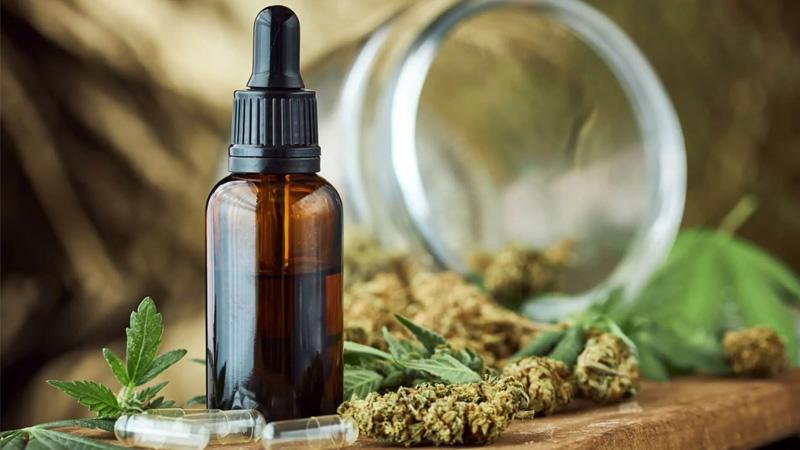
Yes, making THC tinctures at home is possible with the right ingredients and patience. The process usually involves infusing cannabis flowers into a high-proof alcohol or an oil like MCT.

Cover the cannabis with the chosen liquid, let it steep for at least a week, then strain it into a glass dropper bottle. For detailed instructions, you can find many guides online.

If you’d rather skip the process, you can purchase potent, lab-tested THC tinctures from reputable brands like Area 52 and Finest Labs.

8. What Is The Sign Of a High-quality THC tincture?

A high-quality THC tincture can be identified by clear labeling, transparent ingredient lists, third-party lab testing, and positive customer reviews. Brands should provide detailed information about the ingredients and extraction methods used, along with COAs to ensure product safety and potency.

9. How Do THC Tinctures Smell Compared To Other Cannabis Products?

THC tinctures have a milder scent than other cannabis products such as flowers, vapes, and edibles. Those infused with terpenes or natural extracts may have a stronger aroma, but it rarely resembles the typical cannabis smell. Their subtle scent makes them an understated choice for easy and tactful dosing.

10. Do THC tinctures have an expiration date?

THC tinctures have an expiration date, which is important for ensuring safety, potency, and effectiveness. To extend THC tinctures life, keep them in a cool, dark place away from direct sunlight. Oil-based tinctures typically last up to two years, whereas alcohol-based tinctures last much longer.


Source link

Delta-8 vs Delta-10: Key Differences, Benefits, Where to Buy | Cannabis

Delta-8 vs Delta-10: Key Differences, Benefits, Where to Buy | Cannabis


4. Delta Extrax’s Adios MF THCA Live Sugar 12000 mg Gummies

  • Brand focuses on high-quality ingredients and natural flavors.
  • Each batch is tested for purity and consistency, so what you see on the product label is what you get.
  • Lots of flavor and strain options for different effects.
  • Once you buy, you’ll be stuck with the product because of a poor return policy.
  • Some products have artificial ingredients.

One of a handful of companies in charge of innovating new delta 8 products, Delta Extrax, has been focused on emerging cannabinoids since it opened its doors in 2020. With products aimed toward both wellness and recreation, this brand offers a tremendous selection and has earned glowing reviews for flavor, potency, and customer service. 

If you’re looking for a novel gummy experience, try Delta Extrax Adios MF THCa Live Sugar 12000 mg Gummies. Available in multiple tasty flavor options, they come in jars of 20 gummies, each of which contains a highly potent 600 mg blend of delta 8, delta 9, THCP, and THCa.

5. Apollo’s D8 THC Gummies

  • 25 mg of delta 8 for uplifting, relaxed feelings and sensations.
  • Include only natural and vegan-friendly ingredients.
  • Only two flavor options are available.
  • Most recent Certificates of Analysis from 2023.
  • Can’t ship products to many states.

Since its early days offering high-quality hemp-derived CBD products in 2016, Apollo CBD has expanded to include other new and exciting cannabinoids, like delta 8 and THCa. Apollo offers gummies, smokeables, and tinctures that are all third-party lab-tested and triple-checked for quality. 

Although Apollo’s delta 8 options are currently limited to gummies, its premium D8 THC Gummies are well regarded for flavor and potency. Vegan and made with natural flavors — including Very Berry and Mango Passion flavors — the gummies each contain a powerful 25 mg dose of delta 8 and are available in jars of 20, 40, or 60. 

6. Diamond CBD’s D10, D8 Gummies – Hyper

  • There is little risk in purchasing with a 100-day guarantee.
  • An energizing blend of delta 8 and 10 without huge amounts of caffeine.
  • Doesn’t list exact measurements of cannabinoids.
  • May contain artificial flavors.
  • Pricier compared to many products with similar ingredients.

A Florida-based company founded in 2015, Diamond CBD offers one of the widest selections of cannabinoids in an equally diverse array of forms. Vapes, tinctures, topical applications, edibles — you name it. Lab reports are listed on the company website, and Diamond CBD offers an impressive 100-day guarantee. 

Delta 8 and delta 10 THC are both well-represented in Diamond’s product line, especially in their Hyper D10, D8 Gummies. The mix of the two cannabinoids is designed to reduce stress while also producing a focus that will help you in all of your creative endeavors.

7. Mellow Fellow – Creativity Blend Live Resin Disposable Vape

  • Produces a euphoric, energetic feeling without paranoia as a side effect.
  • Convenient, easy to use, and compact for ultimate user-friendliness.
  • Reusable vapes cause a lot of waste.
  • Need to purchase your own battery separately.
  • No detailed ingredients list on the product page.

Although Mellow Fellow is a relative newcomer to the world of cannabis products, having opened its doors in 2021, this brand has established a reputation for high quality and rigorous testing. Its founding team includes a PhD chemist and an innovative pharmacist who have helped create a wide-ranging array of products. 

Mellow Fellow is arguably known for its disposable vapes, first and foremost. Vapes like the stimulating yet relaxing Creativity Blend feature a balanced mix of delta 8, delta 10, CBD, CBG, and HHC with live resin for flavor. The same blend is also available in gummy form. 

8. 3Chi’s Delta 8 Gummies

  • Provides vegan and gluten-free options for those with specific diets.
  • Great products for relaxation and potential mild pain relief.
  • Some lab reports are too old to trust.
  • Doesn’t provide a satisfaction guarantee, so you have to keep the product.
  • Can be a little overpowering for new users.

One of the most established and well-respected brands in the cannabis business, 3Chi was founded in Irvine, CA, in 2003. In 2019, it became the first U.S. brand to market legal THC products after 3Chi researchers developed a method to extract pure delta 8 THC from hemp. 

Today, 3Chi offers a huge array of ways to enjoy delta 8, including potent 25 mg Delta 8 Gummies in strawberry, black, raspberry, and watermelon. These powerful gummies will give you a calming body sensation while giving your mind a euphoric bliss, perfect for a relaxing evening on the couch.

Where Do Delta 10 and Delta 8 Come From?

Both delta 8 and delta 10 are naturally occurring cannabinoids. They are found in all hemp and marijuana plants, but the plants produce only a small amount of them, especially compared to the much more common delta 9 THC. Because there isn’t generally enough in cannabis plants to extract, the majority of these two cannabinoids available on the market are created in a lab. 

Scientists use a chemical reaction to convert CB into delta 8 and delta 9. Contrary to what is sometimes reported, the lab process doesn’t make them synthetic; they are still naturally occurring cannabinoids derived from plants.

Chemical Structure Differences of Delta 10 vs. Delta 8

Who’s ready for some science? Both delta 8 and delta 10 are isomers of delta 9 THC. That means they have the same molecular formulas, but their atoms are arranged a little differently. More specifically, delta 8 has a double bond on the eighth carbon atom of the chain, while delta 10’s double bond is on the 10th carbon atom. This is where they get their numbers.

Okay, so why does the atom chain make such a difference? Well, these minor chemical differences impact the pharmacological effects of delta 8 and delta 10. Both have psychoactive effects, much like delta 9, but slight differences make them suitable for users with varying goals.

Potency and Effects of Delta 10 vs. Delta 8

Whichever cannabinoid you prefer is based on what effects you’re looking for, such as whether you are looking for relaxation vs. energy or a psychoactive experience vs. therapeutic benefits. Experiences with both compounds may vary, but here’s how the effects of delta 8 and delta 10 generally break down:

Delta 8

Comparing delta 8 vs delta 9, the former is known for relaxation and mild euphoria, making it potentially beneficial for anxiety and pain management, as well as improved sleep. A 2022 study referred to delta 8 as delta-9’s “nicer younger sibling” [1].

It found that the most common effects felt by users of delta 8 are relaxation (71%) and euphoria (68%). On top of that, users thought that delta 8 had much fewer negative side effects — like paranoia or higher heart rate — compared to delta 9.

Delta 10

Unfortunately, delta 10 has been studied much less compared to the other forms of THC. Some people say that delta 10 is more uplifting and invigorating (and less sedating) than other cannabinoids. Anecdotal evidence also suggests that it provides more energizing effects, helping users focus better on complicated tasks.

Safety and Side Effects of Delta 10 vs. Delta 8

Both cannabinoids are generally considered safe when used responsibly. That being said, lack of regulation can lead to quality control and labeling issues, which makes it all the more important that users source their delta 8 and delta 10 THC from reputable brands.

Common side effects include dry mouth, red eyes, short-term memory disruptions, and impaired motor skills. Though these cannabinoids are thought to be weaker than delta 9 THC, consuming too much of any THC can result in side effects like anxiety, paranoia, and brain fog.

Legal Status and Availability of Delta 10 vs. Delta 8

Call it a loophole or a legal gray area, but the legal status of delta 8 and delta 10 can be difficult to pin down. What we can say is that cannabis products that comply with the 2018 Farm Bill are legal on a federal level. 

The bill makes a distinction between hemp plants and marijuana plants, defining cannabis plants that have less than 0.3% delta 9 THC by dry weight as “hemp.” When the products are under that limit, they are federally legal. 

However, state laws still apply to the regulation of “hemp” products, and they vary widely and often change. Before you buy delta 8 or 10 from an online store, double-check the specific restrictions in your state.

Legal Alternatives to Delta 8 and Delta 10

If delta 8 and delta 10 aren’t legal in your area or you want a non-psychoactive product, then here are a few alternatives to try. 

CBD is so effective and safe to use that even the pet industry has embraced it. You’ll find excellent pet CBD oil online as well as CBD dog treats for anxiety.

Considerations When Buying Delta 10 or Delta 8

The choice between delta 8 vs. delta 10 THC largely comes down to your tolerance and the type of experience you’d like to have. Here’s a basic breakdown of who tends to benefit most from each type of cannabinoid:

Delta 8 is generally considered better for those who are less experienced or have a lower tolerance. While it isn’t, strictly speaking, less potent than delta 10, its effects are more relaxing and less stimulating. Delta 8 is also suitable for therapeutic use, and a 2021 report found that more than half of all users chose delta 8 to help manage health or medical conditions [2]. You can buy delta 8 THC products online legally in roughly 50% of the US.

Delta 10 might be a better option if you’re an experienced user seeking an energizing, uplifting effect similar to the “high” you might experience with delta 9 THC. Though it may still have therapeutic applications, especially in smaller doses, delta 10 is generally thought of as more stimulating.

Regardless of which cannabinoid you choose, there are several additional factors you should consider when you buy weed online. Always research the brand reputation of any company you buy cannabis products from. Read first-hand customer reviews and check to see if the brand makes its third-party lab test results publicly available.

Frequently Asked Questions:

Still want to learn more about delta 8 and delta 10 THC? Here are the short answers to some of the most common delta 8 and delta 10 questions.  

1. Is Delta 10 Stronger Than Delta 8?

Delta 10 is not necessarily stronger or more potent than delta 8, but it is reported to have different effects. Many users find delta 10 more stimulating, while delta 8 is viewed as more calming and relaxing.

2. Can You Use Delta 8 and Delta 10 Together?

Yes, there are some products that like to balance the stress-relieving effects of delta 8 with the stimulating effects of delta 10. But be careful about taking too much when combining cannabinoids; start with a low dose and wait for the effects to fully kick in before taking more. 

3. Are There Any Long-Term Effects of Using Delta 8 or Delta 10?

Unfortunately, there’s not much research on the long-term effects of delta 8 and delta 9 THC. With that in mind, we’d suggest using these products with caution, giving yourself some time off to give your body a break.

4. How Do I Know if Delta 8 or Delta 10 Is Legal in My State?

Verify local laws because state laws regarding cannabinoids can differ greatly and are subject to change.

5. Is Delta 8 Better For Sleep Than Delta 10?

Delta 8 is usually better for sleep compared to Delta 10, as it has more calming and sedative effects. Many users find that Delta 8 helps them fall asleep quicker and stay asleep longer. In contrast, delta 10 is more stimulating, making it less ideal for use before bedtime.

6. Do Delta-8 or Delta-10 Show Up In Drug Test?

Yes, both Delta-8 and Delta-10 THC can show up on drug tests, as most tests screen for THC without distinguishing between different types. It’s best to avoid consuming these cannabinoids if you have an upcoming drug test.

7. How Should I Store My Delta 8 or Delta 10 Products?

For most THC products, keep them in a cool, dark place away from direct sunlight to preserve potency. Storage requirements vary depending on different ways of consuming THC; check storage requirements for vapes, dab pens, tinctures, edibles, and other products.

8.What is the best method to use Delta-8 or Delta-10 for anxiety?

For fast-acting relief, vaping or tinctures are the best choice as they quickly take effect. Gummies, though slower to kick in, offer the advantage of precise dosing and provide longer-lasting effects, making them prefer the option for sustained relief.

9.What Is The Price For Delta 8 And Delta 10?

Prices for Delta 8 and Delta 10 products vary but are often comparable to other cannabinoids like Delta 9 THC. Many brands offer affordable products, and you can often find discounts through deals and coupon codes from companies like Area 52 and Finest Labs.

10. Is it allowed to travel with Delta 8 or Delta 10 products?

Be cautious, as laws that regulate Delta 8 and Delta 10 products differ by state and country. Make sure to check airline regulations and local laws before traveling.


Source link

AZ Cannabis Brand Timeless Announces New Shred for the Cure Campaign

AZ Cannabis Brand Timeless Announces New Shred for the Cure Campaign


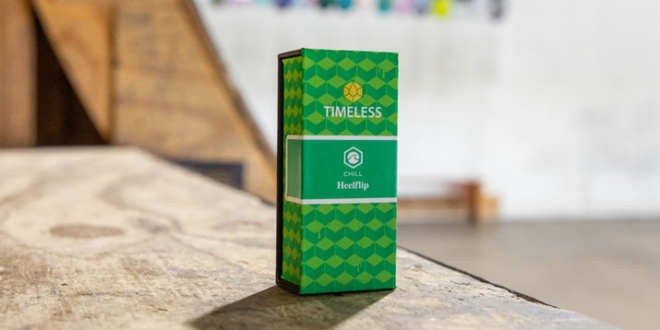
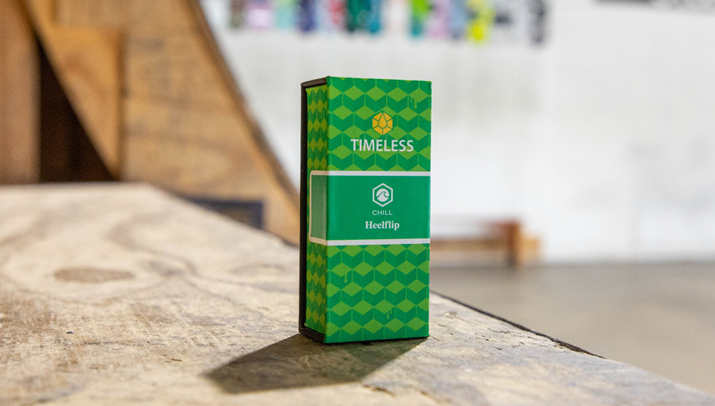
HeelFlip
Timeless, an Arizona-based lifestyle brand leading the way in cannabis culture, announced the third annual Shred for the Cure campaign in partnership with brain cancer survivor DJ Stewart in an initiative to benefit the Head for the Cure Foundation, a nonprofit dedicated to raising awareness and funding for the battle against brain cancer. Over the past two years, the campaign has raised over $58,000 for Head for the Cure.

DJ Stewart is a skateboarder and cannabis advocate from Kansas City who has dedicated his life to raising awareness for brain cancer and the impact cannabis had on his healing journey. Stewart and his wife Erin, who served as his caregiver, now work directly with Head for the Cure to support the foundation’s mission to eradicate brain cancer.

“For the first couple years of my diagnosis, Erin and I supported Head for the Cure in the typical ways, but I always wanted to do more,” said DJ Stewart. “Erin and I decided to sell our house and buy an RV so we could travel the country going to different Head for the Cure events. I love getting to interact with other survivors and people who are going through what I went through, and it is just as gratifying to see Erin interact with caregivers and bring them the same kind of joy that I get to bring to survivors.”

Shred for the Cure returns this year with a fundraising goal of $42,000 across six markets: Arizona, California, Missouri, New Jersey, Illinois, and Oklahoma. From May 15th through June 30th, consumers in these six markets can purchase a limited-edition Timeless flip case and battery combo designed by Kansas City artist John F. Malta in which all profits will be donated to Head for the Cure. In addition, participating dispensary partners will be making donations directly to Head for the Cure in the states where they are based to ensure maximum impact for their communities.

“DJ and Erin are extraordinary human beings who have been through tough times and came out on the other side inspired to help people,” said Kyle Webb, VP of Marketing at Timeless. “Timeless is proud to support their cause for the third consecutive year. Since our inaugural campaign in 2023, Shred for the Cure has gone beyond a fundraising initiative to become a cultural and community-building event, which embodies what we at Timeless are all about.”

To learn more about Shred for the Cure and correlating events, please visit www.instagram.com/alwaystimeless.co


Source link

King City Gardens’ Untold Story

King City Gardens’ Untold Story


On the surface, King City Gardens may seem like other successful up-and-coming cannabis operations. The Cincinnati-based company cultivates 25,000 square feet of double-tiered canopy within an 88,000-square-foot footprint, giving them plenty of room to grow.

But dig a little deeper, and you’ll discover the path to where they are today was anything but easy. In their quest to cultivate premium craft cannabis “on a grand scale,” the challenges the King City team had to overcome were grand as well.

Entering the Market in Record Time
King City Gardens managing member Bill Foster had his eye on Ohio’s cannabis potential 10 years ago, as the state moved toward its failed ballot initiative in 2015. It would take six years, state approval of a medical marijuana program, two denied cultivation applications, and litigation challenging the denials before Foster and his group prevailed and won their license.

While the 2021 milestone was cause for celebration, it came while global supply chains were still reeling from COVID-19. Ohio regulators gave King City a nine-month timeline to become operational, but the team pushed back and won some flexibility when that timeline would start in light of the pandemic’s impact.

It was May 2022 before they found a location. Six more months passed before they had their architect and engineer. When they broke ground in January 2023, the countdown began, and King City wasted no time; the business was operational by Aug. 15, 2023.

“We were aggressive in pushing to get the goal accomplished, which was to get open,” says Foster, a seasoned executive in the warehousing industry. “We were already four years behind the industry here in Ohio, so we had some catching up to do.”

Though King City’s construction timeline was impressive under normal circumstances, it’s even more remarkable given additional hurdles the company faced.

Overcoming Supply Chain Challenges
Sourcing equipment turned out to be the biggest challenge the King City team faced in meeting Ohio’s mandated timeline. With supply chains unpredictable at best, they were pressed to be creative in securing whatever equipment they could to avoid a two-year lead time on what they were looking to buy.

“We purchased all of our equipment—our lights, our HVAC—before we designed our facility, because we were bound by the supply that was there or what was available to us. So we had to engineer it backwards,” Foster recalls.

HVAC was the toughest buy. The company pieced together units from five different HVAC suppliers. “Then we had to try and find a software that would integrate with them all, so that we could use the designs and software that we wanted to use to control our systems,” Foster says.

King City Vice President of Operations Richard (Rick) Mursinna, Ph.D.—who has worked with Foster for more than 20 years in other businesses—adds, “We have nearly 100 tons of HVAC for each of our grow rooms. Ideally, we would have one unit or something similar where Room 1 and Room 2 look the same. One of the challenges is none of our rooms are the same, because we had to pick up a 10-ton here, a 30-ton there, a 50-ton here, and make it work.”

Conquering Commissioning Challenges
Operational issues and commissioning problems came next. “From an owner and operator perspective, in the beginning, we didn’t know what we didn’t know,” Foster says. “We invested heavily into the facility, but we didn’t know how the supply of HVAC was going to play with our dehumidification that we had put in each room.”

The initial goal was to equip as many rooms as possible, then go through gradual commissioning of all the equipment to see what they had, understand the parameters, and discover what was or wasn’t functioning for the rooms.

The King City team started with six rooms in cultivation. Each room has 2,883 square feet of canopy on double tiers built 6 feet apart to optimize airflow and mitigate microclimates.

The idea was they’d take the subpar product they expected and send it for extraction. They’d focus on the data points they’d accumulate to start tweaking performance of the rooms.

That idea didn’t last. All six rooms unexpectedly graded at 28% THC or higher, some with 6% terpenes. So, the team fired everything up. Then reality struck in the form of malfunctions, faulty valves, and other problems with equipment that wasn’t commissioned properly.

Mursinna explains, “We were dealing with so many contractors at the exact same time. Trying to install the lights at the same time as the fertigation, at the same time as the walls and ceilings. Everyone was crossing paths, so commissioning didn’t happen properly.” So, despite their investment and what they felt was a “beautiful layout” for optimizing cultivation and workflow, when the team turned all the equipment on at once, the malfunctions and problems occurred.

And so, the process began again.

Building Trust and a Team
Another major operational challenge came with labor. Initial plans for the King City Gardens facility called for quickly ramping from 100 to 150 employees. But Ohio had a very rigorous and time-consuming system of background checks, fingerprinting, and other requirements for employee candidates for cannabis facilities. Review times of 60 days were standard. Most applicants moved on by the time they were cleared.

King City launched with 10 employees in the first six rooms, with everyone including the owners pitching in, from trimming and topping to packaging.

As the company was able to bring on more employees, another challenge arose: trust between employees from cannabis backgrounds and businesspeople accustomed to a different culture.

“In this industry, blending professionalism and/or business acumen with culture and growers—mostly passionate, ‘boutique-style’  growers—it was a very difficult thing to gain trust from one another,” Foster shares.

Referencing a key cultivation employee as an example, Foster says it took a long time to earn that person’s trust due to a situation that person had with a previous employer.

“The relationship that had been provided to him prior to employment with us made him very hesitant on trusting anyone with business acumen, because people simply just weren’t upholding their promises,” Foster says.

Foster says that he overcame the lack of trust with that employee by not overpromising and keeping the promises he made. “Fulfilling that promise is very easy in this world to do, because if you don’t fulfill a promise, you don’t have staff,” he adds.

Reflecting on Lessons Learned
Looking back on the journey from litigation to licensing to operations, Foster and Mursinna note they’ve learned multiple lessons along the way.

“We would have definitely done a little bit more homework on contractors and vetted them a little bit more,” Foster says. “Not to say that they weren’t qualified or did not do a good job, because they did, but none of our contractors had ever done a marijuana facility or, [for that matter], a medical grade facility, and that to me is critical because of the commissioning and the things that we learned after.”

To summarize, he adds: “Save your money on materials you buy. Save your money on negotiating some of the equipment that you’re planning on using. But don’t skim on the contractors and the buildout.”  

One bright spot in the process was the team’s experience with their lighting solutions provider. Foster and Mursinna met the Fluence team at their first cannabis industry trade show. They had already decided on LEDs. But some lighting suppliers in the running didn’t have the 2,000 lights King City needed.

“Fluence stood pretty tall,” Foster says. “They had supply. They guaranteed the service behind it. And I have to say, I’m in distribution and so I’m dealing with suppliers all the time, and they were one of my most favorite to deal with.”

Foster notes that the Fluence team also came on site and helped King City’s installers install the lights and understand the proper design, use and set up. “And Fluence has done very well in their follow-up, too. They visit the site once every three to six months to see how things are going,” he says. 

Planning a Grand Future
Looking to what’s next for King City Gardens, Mursinna draws on his decades working with Foster before they added cannabis to their slate. What started with one Kentucky warehouse in that business has grown into a warehousing and distribution business with a square footage footprint in the millions.

“That really is our vision with King City,” Mursinna says. “We right now have one facility. I’m going to call it a small facility, even though it’s the biggest facility I’ve ever been in. We’re going to grow in Ohio. We’re going to become the best in Ohio. When it does become federally legal, when borders drop, by then we should have a good name in multiple states of who we are, and we’re going to take over the United States, just like we did in the warehouse industry.”

For Foster, the most important achievement is that the facility is seeing exceptional quality and yields. “Our whole design was meant to have craft cannabis at scale, and I feel that we’ve accomplished that,” he says. 

More from our latest newsletter:

Sponsored: How to (Accurately) Calculate ROI on Your Lighting Retrofit  

Sponsored: The Highest Output SPYDR Ever: SPYDR 2h


Source link

Do Westchester, Rockland cannabis dispensaries deliver? What to know

Do Westchester, Rockland cannabis dispensaries deliver? What to know


play

Looking to have cannabis home-delivered? Several Westchester and Rockland adult recreational cannabis dispensaries offer delivery service.

From how to pay to what ID to have on you, here’s what you need to know about getting cannabis delivered in the Lower Hudson Valley.

Westchester cannabis dispensaries with delivery service

In Westchester, dispensaries that do so, according to their websites, include:

Rockland cannabis dispensaries with delivery services

In Rockland, at least one dispensary offers delivery: Treehouse Cannabis, at 28 Route 59 in Nyack.

How do you pay for pot delivery in Lower Hudson Valley?

Dispensaries may have a minimum dollar amount for a purchase to be delivered. Typical payment systems that dispensaries may use include Dutchie and Aeropay.

What identification do you need to order pot delivery in New York?

When a dispensary delivers the cannabis, a customer needs to present valid identification that the person scans, such as a driver’s license, that proves age and identity. The state Office of Cannabis Management provides delivery guidance and a list of acceptable forms of identification for customers.

Where can’t you get pot delivered to in New York?

Cannabis deliveries cannot be made to anyone inside a motor vehicle, according to the NYS Office of Cannabis Management. Other prohibited delivery locations include:

  • public buildings or spaces including public parks
  • community centers
  • school grounds
  • day care centers
  • houses of worship

What to know about New York legal weed laws

People of legal age — 21 and older — can possess up to three ounces of cannabis and up to 24 grams of concentrated cannabis for personal use, state law says. An adult may smoke or vape cannabis generally where tobacco is allowed. Cannabis use is not allowed in motor vehicles, including parked ones, or in restaurants’ outdoor dining spaces.

In 2021, the state legalized cannabis and established the Office of Cannabis Management to license and regulate dispensaries. Localities had to choose by Dec. 31, 2021, whether to opt in or out of allowing dispensaries. The state’s Conditional Adult-Use Retail Dispensary program also lets business owners who had been affected by discriminatory marijuana-related imprisonment to legally get a license to sell cannabis products.


Source link