New York’s Pot Shops Boom: What It Means for You

The Green Wave: Medical Cannabis Sweeps 40 States


The Green Wave: Medical Cannabis Sweeps 40 States

A recent NCSL report highlights that 40 states, three territories, and Washington D.C. now permit medical cannabis, marking a pivotal shift in U.S. policy and healthcare. This widespread adoption is fueled by patient advocacy, growing scientific evidence, and evolving public opinion, leading to diversified product options for various conditions. Despite ongoing federal illegality, the strong state-level momentum for cannabis legalization suggests future federal reform is increasingly probable.

Hey there, ever feel like the world’s perception of cannabis is shifting faster than a perfectly rolled joint through a smoke session? Well, you’re not wrong! A recent report from the National Conference of State Legislatures (NCSL) just dropped some seriously fascinating numbers: as of June 26, 2025, a whopping 40 states, three territories, and the District of Columbia now permit the medical use of cannabis products. 

For decades, cannabis has been stuck in a legal and social limbo, often demonized despite its well-documented therapeutic potential. But clearly, things are changing, and pretty dramatically at that. We’re talking about a significant majority of the U.S. now offering some form of legal access to medical marijuana. This isn’t just a trend; it’s a monumental pivot in public policy and healthcare.

Why the Shift? It’s All About the Patients (and Science!)

So, what’s driving this widespread acceptance of medical cannabis laws? Honestly, it boils down to a few key factors:

  • Patient Advocacy: Real people sharing real stories of relief from chronic pain, anxiety, epilepsy, and more. It’s hard to ignore the testimonials when they’re coming from your neighbors, friends, and family.
  • Mounting Research: While federal prohibition has made large-scale research challenging, the studies that have emerged continue to highlight the therapeutic benefits of cannabinoids like THC and CBD.
  • Evolving Public Opinion: Simply put, more and more people understand that cannabis isn’t just about recreation. It’s about alleviating suffering. When your doctor recommends it, or you see it helping someone with a debilitating illness, your perspective naturally shifts.

It’s no longer a question of if cannabis has medical utility, but rather how best to integrate it safely and effectively into our healthcare system. The states that have adopted these programs aren’t just being rebellious; they’re responding to the needs of their citizens and the growing body of evidence.

What Does “Medical Cannabis” Really Mean?

When we talk about medical cannabis, it’s important to remember we’re not just talking about smoking flower, although that’s certainly an option for many. The market has diversified incredibly. Patients can access:

  • Edibles: From gummies to chocolates, a discreet way to consume.
  • Tinctures: Drops under the tongue for precise dosing.
  • Topicals: Creams and balms for localized pain relief without psychoactive effects.
  • Vapes: For quick onset and ease of use.
  • Pills: Standardized doses for consistent effects.

Each product type offers unique benefits for different conditions and preferences. This variety allows doctors and patients to tailor treatment plans, making cannabis as medicine a highly personalized experience. Qualifying conditions vary by state, but commonly include cancer, chronic pain, PTSD, multiple sclerosis, and epilepsy.

The Road Ahead: Navigating Federal vs. State Waters

Despite this incredible state-level progress, we can’t forget the elephant in the room: cannabis remains federally illegal. This creates a fascinating (and sometimes frustrating) legal paradox where a substance is legal in most states for medical use but still considered a Schedule I drug by the feds. This conflict impacts everything from banking for cannabis businesses to interstate commerce and even medical research funding.

However, the trend is clear. With 40 states and counting on board, it’s becoming increasingly difficult for the federal government to maintain its stance. The sheer momentum of state-level legalization for patient access and economic development suggests that federal reform, whether through rescheduling or full descheduling, is likely a matter of when, not if. This broad state-level adoption is putting immense pressure on Congress to catch up with the will of the people and the realities on the ground.

The expansion of medical cannabis programs across the U.S. is a testament to persistent advocacy, scientific discovery, and a public willing to challenge old stigmas. The future of cannabis as a legitimate medicine looks brighter than ever. Blaze one for the nation!

Source link

Wyld to Acquire Grön in Major Cannabis Industry Transaction

Wyld to Acquire Grön in Major Cannabis Industry Transaction

Wyld to Acquire Grön in Major Cannabis Industry Transaction

Wyld Arizona
Wyld, one of the most largest cannabis edibles brand in North America, has announced the acquisition of Grön, a pioneering women-led edibles company known for its innovation, craftsmanship, and premium product portfolio. Both brands are available in Arizona. The transaction is expected to go into effect in Q1 2026, subject to regulatory approvals.

This combination of Wyld and Grön brings together two of the cannabis edibles category leaders with shared roots, shared standards, and a long-term vision for building the most trusted and complete edibles offering in the $4.8 Billion edibles marketplace.

“This acquisition is about scaling a brand that’s already winning,” said Aaron Morris, Founder and CEO of Wyld. “Grön has built exceptional products and a deeply trusted brand. Our goal is to support its continued growth by pairing Grön’s creativity and innovation with Wyld’s infrastructure, reach, and operational strength—without compromising what makes Grön special.”

Grön, together with Wyld and Good Tide now span the full spectrum of how consumers enjoy cannabis edibles—from real fruit gummies with bold candy flavors to chocolates, and rosin-based offerings. Each brand remains authentic to its own identity while collectively offering retailers and consumers more ways to meet diverse preferences and occasions. The focus remains on quality, consistency, and consumer excellence. There are no plans to change products, formulations, or brand identities, and no plans to introduce co-branded or “a Wyld company” packaging. Grön will continue to operate as Grön—same products, same quality, same creative DNA.

“Grön was built with purpose from day one, rooted in quality, creativity, and a deep respect for the people who choose our products,” said Christine Apple, Founder and CEO of Grön. “Joining forces with Wyld allows us to thoughtfully scale what we do best while staying true to who we are. We share the same values, the same standards, and the same commitment to making exceptional edibles, and together we’re expanding our ability to bring that experience to more consumers without losing our roots.”

Following the acquisition, the combined scale strengthens supply reliability, improves execution, and supports continued innovation across markets. The combined reach of the merged companies will provide more choice and better access to premium cannabis edibles for consumers. Wyld is currently available in Arizona, 15 other states and Canada, and found in approximately 7,500 retail locations throughout the regulated cannabis market. Grön currently has 75 different products available in Arizona, 8 other states and Canada and available in close to 4,500 retail locations. The combined organization will include approximately 1,400 employees, with roughly 1,100 team members at Wyld and 300 at Grön. Grön will continue to be brand-led, with its existing team guiding brand strategy, product innovation, and creative direction.

The deal between Grön and Wyld was facilitated by their trusted legal teams: Wyld was represented by Joseph Bailey of Perkins Coie, and Grön was represented by Bryan Meltzer and Anan Kahari of Feuerstein Kulick.

The post Wyld to Acquire Grön in Major Cannabis Industry Transaction appeared first on AZ Marijuana.

Source link

One Joint, No Gun? The ATF Is Rethinking That Rule

One Joint, No Gun? The ATF Is Rethinking That Rule

One Joint, No Gun? The ATF Is Rethinking That Rule

A new interim rule would end automatic firearm denials based on a single instance of marijuana use, aligning federal policy with recent court rulings and growing legal pressure.

The Bureau of Alcohol, Tobacco, Firearms, and Explosives has issued an interim final rule that could significantly narrow the federal ban on firearm possession for people who use cannabis or other controlled substances.

Under the proposed change, marijuana use would no longer automatically disqualify someone from purchasing or possessing a firearm. Instead, federal authorities would need evidence of regular or compulsive unlawful drug use over an extended period of time to trigger a prohibition under the Gun Control Act.

The rule, published Thursday in the Federal Register, revises the definition of an “unlawful user of or addicted to any controlled substance,” a category that has long been interpreted broadly to deny Second Amendment rights to anyone with a recent history of marijuana use.

Moving Away From One-Time Use

For decades, federal background checks relied on regulatory examples that allowed firearm denials based on a single drug-related incident within the past year. That included an admission of use, a failed drug test, or a lone misdemeanor drug conviction.

According to ATF data, nearly half of all firearm denials under the drug-user prohibition in fiscal year 2025 were based on such single-incident inferences.

The agency now says that approach no longer reflects how courts interpret the law.

“Such denials create unnecessary constitutional questions,” ATF wrote, acknowledging a growing disconnect between federal enforcement practices and appellate court rulings.

Under the revised rule, a person would be considered an unlawful user only if they regularly use a controlled substance over an extended period of time and in a manner not authorized by a licensed physician. Isolated or sporadic use would no longer qualify.

Courts Have Been Pushing Back

Federal courts have increasingly rejected blanket applications of the drug-user gun ban. Judges across multiple circuits have ruled that the statute requires a clear temporal link between firearm possession and ongoing drug use, not a single past incident.

In September, the 11th Circuit Court of Appeals ruled that the federal prohibition does not apply to medical cannabis patients who comply with state law. That case was brought by former Florida agriculture commissioner Nikki Fried, now a board member of NORML, along with several registered patients.

The issue is now headed to the highest level. In March, the U.S. Supreme Court will hear arguments in United States v. Hemani, a case challenging the constitutionality of the federal ban itself.

The Justice Department has asked the court to uphold the law, arguing that people who use illegal drugs pose heightened risks. Meanwhile, attorneys general from 19 states and Washington, D.C. have filed briefs siding with the federal government, even though many of those states have legalized cannabis, Marijuana Moment reported.

What The Rule Does And Does Not Do

ATF officials emphasized that the change does not legalize drug use or eliminate the firearm prohibition altogether. Instead, it narrows its scope and removes regulatory examples that treated one-time use as proof of unlawful status.

The rule takes effect immediately but remains open for public comment through June 30, 2026. ATF said it may revisit the definition again after the Supreme Court issues its ruling in Hemani.

For now, the agency says the goal is clarity.

By removing automatic denials tied to isolated drug use, ATF argues that the revised rule better aligns federal regulations with decades of court precedent while reducing erroneous background check denials that could infringe on constitutional rights.

Editor’s note: High Times is reporting on a proposed federal rule change. This coverage is not an endorsement of gun ownership or firearm use. If you choose to own a firearm, prioritize safe storage, training, and keeping guns away from children and anyone at risk of harm.

Photo: Shutterstock

<p>The post One Joint, No Gun? The ATF Is Rethinking That Rule first appeared on High Times.</p>

Source link

Why Dating Over 40 on Apps Requires a Different Kind of Emotional Filtering

Why Dating Over 40 on Apps Requires a Different Kind of Emotional Filtering

Why Dating Over 40 on Apps Requires a Different Kind of Emotional Filtering

People over 40 bring more life experience and emotional baggage to the table; they’re less patient and more cautious. They might focus on the negative to protect themselves from disappointment, but this can filter out…

The post Why Dating Over 40 on Apps Requires a Different Kind of Emotional Filtering appeared first on Greencamp.

Source link

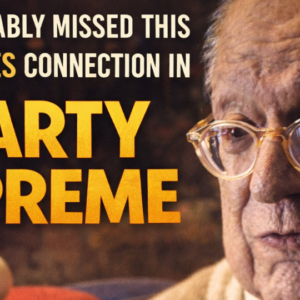
You Probably Missed This High Times Connection In ‘Marty Supreme’

You Probably Missed This High Times Connection In ‘Marty Supreme’

You Probably Missed This High Times Connection In ‘Marty Supreme’

For Marty Supreme, Josh Safdie’s ping-pong movie starring Timothée Chalamet, a number of unusual casting choices were made, including several blink-and-you’ll-miss-them cameos.

Gwyneth Paltrow, whose character, actress Kay Stone, has an affair with Chalamet’s rambunctious Marty Mauser, makes her first appearance in a film in 10 years. Tyler, the Creator (née Tyler Okonma) plays Marty’s best bud, Wally. Fran Drescher is his mother, Rebecca, and Odessa A’zion plays his pregnant girlfriend, Rachel. Basketball Hall of Famer George Gervin, Sandra Bernhard and Penn Jillette also appear.

Also read: Timothée Chalamet Raps About Smoking “4 RAWs” with EsDeeKid and Breaks the Internet

Then there’s Larry “Ratso” Sloman, who plays Marty’s Uncle Murray, the owner of a busy shoe store where Marty and Rachel both work.

Sloman’s appearance is also a small moment of High Times history on screen. He served as editor in chief of High Times from 1983 to 1984, after joining the magazine in 1977. In the years following founder Tom Forçade’s death in 1978, Forçade’s wife, Gabrielle Schang, took over as editor in chief in 1979 for one year. She was followed by publisher Andy Kowl, then Sloman, who had served as executive editor under both Schang and Kowl before stepping into the top editorial role.

These were lean years for High Times, shaped by the early drug war and the rise of Ronald Reagan’s “Just Say No” movement. Among Sloman’s better-known contributors during that era were William S. Burroughs and Charles Bukowski.

“He valiantly saved the magazine’s editorial standards after Tom died,” says former associate publisher Rick Cusick, who is currently working on a history of High Times. “They were lucky to have Ratso to take over the editorial reins. It was miraculous.”

In Marty Supreme, Sloman’s first scene comes early in the film: Marty fits shoes on a customer, then slips into the back room for a quick encounter with Rachel, setting up her pregnancy. Sloman, who is 75, is made up to look roughly 10 years older. In his only other scene, Murray and a cop threaten Marty with arrest after Marty steals $700 from the till to fly to Japan and compete in a major tournament.

Vanity Fair’s “Guide to All the Cameos in Marty Supreme” includes a section on Sloman, with Safdie noting that Sloman “has written so many books,” including Reefer Madness: The History of Marijuana in America, Private Parts (Howard Stern’s biography) and Scar Tissue (Anthony Kiedis’ biography).

After his tenure at High Times, Sloman became known as a biographer. His entertainment books include Private Parts, Scar Tissue, Make Up to Break Up: My Life In and Out of KISS, Undisputed Truth and The Secret Life of Houdini: The Making of America’s First Superhero.

Sloman’s nickname dates back to 1975, when he covered Bob Dylan’s Rolling Thunder Revue tour for Rolling Stone. Joan Baez reportedly dubbed him “Ratso,” saying he resembled Dustin Hoffman’s Ratso Rizzo character in Midnight Cowboy.

He also appeared in Martin Scorsese’s Rolling Thunder Revue and had a cameo in the Safdie brothers’ Uncut Gems, both in 2019.

“[I try to] cast someone who you can impersonate, which I think is essential to casting, because it’s what makes them iconic,” Safdie said in the Vanity Fair interview. “On-screen, the writer in him, the personality in him, the individualist in him just brought the character to a different level.”

Despite efforts to reach distributor A24, Sloman was not made available for an interview.

Steve Bloom is a former editor of High Times.

David Shankbone, CC BY 3.0 https://creativecommons.org/licenses/by/3.0, via Wikimedia Commons

<p>The post You Probably Missed This High Times Connection In ‘Marty Supreme’ first appeared on High Times.</p>

Source link

THC-A Flower In Focus: What Makes It Structurally Unique Lately?

THC-A Flower In Focus: What Makes It Structurally Unique Lately?


THC-A Flower In Focus: What Makes It Structurally Unique Lately? Not every botanical component draws attention for its structural qualities—but THC-A flower like the one from https://www.blacktiecbd.net/collections/smokables-hemp-flower-thc-a-flower stands out in that regard. Recent discussions around its composition highlight shifts in how it’s cultivated, processed, and handled. This focus on structure isn’t just technical—it reflects changing […]

The post THC-A Flower In Focus: What Makes It Structurally Unique Lately? appeared first on Stoner | Pictures | Stoners Clothing | Blog | StonerDays.


Source link