Florida Appeals Court Rules Smell of Cannabis Insufficient to Establish Probable Cause
In a welcome opinion that proves courts can be reasonable when addressing legal and policy shifts regarding cannabis, the Florida Second District Court of Appeal ruled on October 1, 2025 that the mere smell of cannabis, standing along (ie, without other factors), does not establish probable cause. I recently discussed the issue of probable cause […]
Foods and Supplements That Boost CBD’s Effectiveness for Sleep
Key Takeaways:
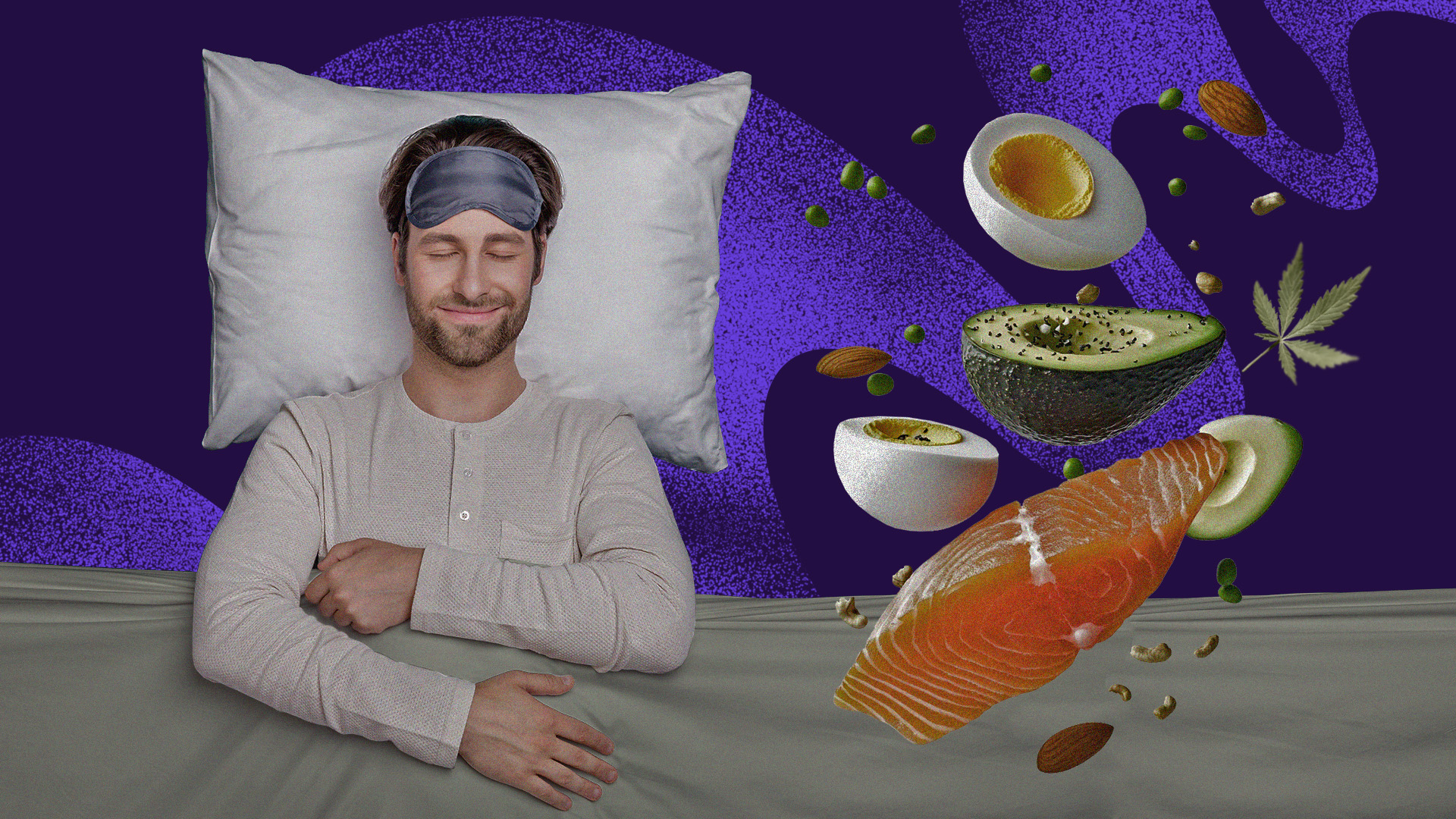
Eating a meal rich in healthy fats (like avocado, eggs, salmon or nuts) will help your body absorb more CBD, counteracting a major downside of CBD oils. If you aren’t taking other medications, a glass of grapefruit juice can also boost CBD’s bioavailability.
Magnesium appears to be effective for sleep issues, and it can be taken as a supplement or by eating roasted pumpkin seeds, chia seeds, almonds, spinach, peanuts and soy products.
Ashwagandha is a herbal treatment that helps with both stress and insomnia, pairing very well with CBD.
With around 30% of Americans experiencing insomnia symptoms at least occasionally, many people are interested in how CBD might be able to help.
The benefits of CBD for insomnia are admittedly a little unclear, unless you have insomnia related to anxiety or use full-spectrum products that also contain CBD, so it’s important to try to maximize the effects of your dose. But how do you do that?
We looked into the foods and supplements you can take to make sure you get the most out of your CBD, and in combination with sleep hygiene and other tips, make it more likely that you’ll get the most out of your dose.
Foods with Healthy Fats Help You Absorb More CBD (and THC)
Only 6 – 24% of a CBD dose taken sublingually or ingested actually makes it to the bloodstream. Additionally, absorption of CBD has been described as ‘erratic,’ so one can have different results from day to day.
This is a central issue when you’re taking CBD for any purpose – if most of the dose is lost, you’ll need to take more than you might think to see a benefit.
There are a few things you can do to help with this (including taking CBD sublingually – i.e. letting it be absorbed under the tongue), but one of the most promising is to consume it after a meal high in healthy fats.
Research shows that taking CBD after a high fat meal increases both the maximum concentration of CBD in your blood by 14 times and quadruples the total amount that makes it to your blood after a dose, compared to being on an empty stomach.
This is also true for THC, although the difference between fasted and fed states is a little lower.
This suggests that one of the best things you can do to get the most out of your full spectrum CBD is to consume it after a meal containing healthy fats, and to let any tinctures absorb under your tongue.
Dr. Goldstein also noted that, based on her clinical experience, “Higher, more sedating doses [of CBD] can be effective for sleep, but these higher doses can be expensive and may be difficult to sustain over time if cost is an issue.”
However, part of the reason higher doses are needed is the low absorption of CBD.
This means that eating a high-fat meal beforehand – and thus increasing the amount of usable CBD – likely makes it easier to reach the high CBD doses needed for it to be effective for insomnia.
Sources of healthy fats include avocado, eggs, fatty fish such as salmon or herring, nuts and full fat yogurt. Incorporating these into your evening meals wherever possible will give your CBD the best chance of helping you with sleep.
We also spoke to Eloise Theisen, AGPCNP-BC, nurse practitioner, former president of the American Cannabis Nurses Association and CEO of Radicle Health. She pointed out that evidence on the impact of fats is mixed and that “There is still a lot to explore in this area,” adding:
“There can be a lot of variability among the consumers’ experience with dosing and efficacy. It can be helpful to keep a journal when starting a new CBD product. Writing down the time of administration, the onset, the duration, the effectiveness, and possible side effects can help a person find the right dose and the right product sooner.”
Magnesium
There are many supplements that claim to help with sleep, but magnesium is one of the most evidentially-backed options out there.
Observational studies reveal an association between magnesium and sleep quality, and while the data from randomized clinical trials is more mixed, it seems magnesium does help overall.
One example study separated almost 4,000 participants into quartiles based on their magnesium intake, and then compared the quality of their sleep.
The results suggested that magnesium intake was linked to self-rated sleep quality (just below the threshold of statistical significance in the fully adjusted model) and showed that those who consumed the most magnesium were significantly less likely to sleep under 7 hours per night.
Magnesium is also relatively easy to incorporate into your daily routine, whether through supplementation or by eating foods rich in magnesium, such as roasted pumpkin seeds, chia seeds, almonds, spinach, peanuts, cashews, soy products or whole grain cereals like shredded wheat.
One study looked at a combination of CBD, CBG, beta caryophyllene, branched chain amino acids and magnesium citrate in patients with delayed onset muscle soreness.
While they didn’t find any impacts on sleep in this group, the combination was judged to have a good safety profile, and the treatment did help with the muscle soreness.
CYP3A4 Inhibitors – Grapefruit, Parsnips, Carrots and More
Sherri Mack, BSN-RN, Chief Nursing Officer at Holistic Caring & the Green Nurse and Bloom Hemp CBD, explained to us that, “CBD is metabolized primarily through the cytochrome P450 enzyme system, which is responsible for metabolizing many drugs and supplements.”
This raises an interesting possibility. While Sherri’s comment discussed possible interactions with other drugs because of this, it is also a potential route to boosting the effects of CBD.
In a paper discussing the issue with the low bioavailability of CBD, authors Emilio Perucca and Meir Bialer discuss how to make doses of CBD more effective. The high-fat meal approach, discussed above, is a crucial point this paper makes. However, they also discuss CYP3A4 inhibition.
As Sherri Mack pointed out, this enzyme system is responsible for metabolizing many supplements and medications, and it’s also why many drugs (such as statins) have the “grapefruit warning.”
While this makes it a little dangerous to experiment with CYP3A4 inhibitors if you’re taking other medication – and underscores the importance of discussing medication changes with your healthcare provider – if you’re not taking anything else, it can potentially boost the effect of CBD.
Perucca and Bialer point to another paper where a CBD and THC spray was administered alongside 400 mg of a CYP3A4 inhibitor, which doubled the systemic exposure to CBD (with similar results for THC).
The most well-known is grapefruit, but parsnips, carrots, sweet orange and other, often less practical options like black pepper also have the same effect.
Trying some grapefruit juice, parsnips or carrots alongside your CBD could boost its bioavailability and make it more effective for sleep.
However, it is crucial to emphasize here that you should discuss with a healthcare professional and likely avoid this approach if you’re taking other medications.
Additionally, to get CYP3A4 inhibitor quantities similar to those in the study, grapefruit and parsnips are the best options, because quantities are fairly low in other foods.
Generally speaking, one glass (200 ml) of grapefruit juice is enough to create the effect, while for parsnips there is less clarity on quantity needed, but half a cup may be enough.
Ashwagandha and Other Herbal Treatments
There are many herbal treatments that can help with sleep, including more obvious options like chamomile and valerian, as well as less well-known options like ashwagandha.
This is a plant grown in India, Africa, the Middle East and parts of Europe, and generally referred to by the Indian name (which, a little comically, means “horse smell”).
Evidence is relatively limited, but broadly suggests that ashwagandha is helpful for sleep and other issues such as stress.
One systematic review of the evidence found five randomized controlled trials of ashwagandha for sleep, and concluded that it had a “small but significant” effect on overall sleep.
It was particularly helpful when the individual was diagnosed with insomnia, when they took 600 mg or more per day and when they were treated for eight weeks or more.
Although there is no specific evidence on the combination of ashwagandha and CBD, both compounds are useful for reducing stress, which suggests that they would work well synergistically.
It’s worth noting, though, that ashwagandha is not recommended during pregnancy or while breastfeeding, and it may have interactions with medications for diabetes, high blood pressure, seizures, thyroid hormone issues, sedatives and immunosuppressants.
If you’re concerned, it’s best to check with your healthcare provider before taking it.
The Importance of Tailored Health Advice When Combining Treatments
The list of possible interactions with ashwagandha and the potential issues with CPY3A4 inhibition underline the importance of making sure the combination you’re considering is safe for you.
Ideally, you should check with your healthcare provider beforehand, especially if you have a serious condition or are taking other medications.
Eloise Theisen commented that negative interactions between herbal treatments and CBD are “possible,” adding that:
“In general, we do not have enough research to help us identify which herbal treatments may have an interaction with CBD. It is always best to work with a knowledgeable clinician to review supplements and medications to assess if there is risk. At this time, there are no herbal supplements that are contraindicated with CBD.”
So the good news is that we haven’t identified any risky combinations between herbal treatments and CBD, but the bad news is that there’s a big asterisk next to this because scientists haven’t investigated the issue enough yet.
If you’re concerned, it’s best to consult with your clinician or a medical cannabis coach.
Conclusion: CBD Alone Might Not Help, But You Can Make it Work
Just like CBD has limited effects on sleep without the addition of THC, combining full-spectrum CBD with high fat foods, magnesium supplements and herbal treatments like ashwagandha can make a big difference to the results you get.
If you’re struggling to sleep and your usual CBD dose isn’t helping, making use of supplements and foods that boost its effectiveness could be just what you need.
References
Arab, A., Rafie, N., Amani, R., & Shirani, F. (2022). The role of magnesium in sleep health: A systematic review of available literature. Biological Trace Element Research. https://doi.org/10.1007/s12011-022-03162-1
Birnbaum, A. K., Karanam, A., Marino, S. E., Barkley, C. M., Remmel, R. P., Roslawski, M., Gramling‐Aden, M., & Leppik, I. E. (2019). Food effect on pharmacokinetics of cannabidiol oral capsules in adult patients with refractory epilepsy. Epilepsia, 60(8), 1586–1592. https://doi.org/10.1111/epi.16093
Cheah, K. L., Norhayati, M. N., Husniati Yaacob, L., & Abdul Rahman, R. (2021). Effect of Ashwagandha (Withania somnifera) extract on sleep: A systematic review and meta-analysis. PLOS One, 16(9). https://doi.org/10.1371/journal.pone.0257843
Deshpande, A., Irani, N., Balkrishnan, R., & Benny, I. R. (2020). A randomized, double blind, placebo controlled study to evaluate the effects of ashwagandha (Withania somnifera) extract on sleep quality in healthy adults. Sleep Medicine, 72, 28–36. https://doi.org/10.1016/j.sleep.2020.03.012
Guttman, Y., & Kerem, Z. (2022). Dietary inhibitors of CYP3A4 are revealed using virtual screening by using a new deep-learning classifier. Journal of Agricultural and Food Chemistry, 70(8), 2752–2761. https://doi.org/10.1021/acs.jafc.2c00237
Hieu, T. H., Dibas, M., Surya Dila, K. A., Sherif, N. A., Hashmi, M. U., Mahmoud, M., Trang, N. T. T., Abdullah, L., Nghia, T. L. B., Y, M. N., Hirayama, K., & Huy, N. T. (2019). Therapeutic efficacy and safety of chamomile for state anxiety, generalized anxiety disorder, insomnia, and sleep quality: A systematic review and meta‐analysis of randomized trials and quasi‐randomized trials. Phytotherapy Research, 33(6), 1604–1615. https://doi.org/10.1002/ptr.6349
Hossain, K. R., Alghalayini, A., & Valenzuela, S. M. (2023). Current challenges and opportunities for improved cannabidiol solubility. International Journal of Molecular Sciences, 24(19), 14514. https://doi.org/10.3390/ijms241914514
Kane, G. C., & Lipsky, J. J. (2000). Drug–Grapefruit juice interactions. Mayo Clinic Proceedings, 75(9), 933–942. https://doi.org/10.4065/75.9.933
Peters, E. N., Yardley, H., Harrison, A., Eglit, G. M. L., Antonio, J., Turcotte, C., & Bonn-Miller, M. O. (2023). A randomized, double-blind, placebo-controlled, repeated-dose pilot study of the safety, tolerability, and preliminary effects of a cannabidiol (CBD)- and cannabigerol (CBG)-based beverage powder to support recovery from delayed onset muscle soreness (DOMS). Journal of the International Society of Sports Nutrition, 20(1). https://doi.org/10.1080/15502783.2023.2280113
Perucca, E., & Bialer, M. (2020). Critical aspects affecting cannabidiol oral bioavailability and metabolic elimination, and related clinical implications. CNS Drugs, 34(8), 795–800. https://doi.org/10.1007/s40263-020-00741-5
Shinjyo, N., Waddell, G., & Green, J. (2020). Valerian root in treating sleep problems and associated disorders—a systematic review and meta-analysis. Journal of Evidence-Based Integrative Medicine, 25, 2515690X2096732. https://doi.org/10.1177/2515690×20967323
Stott, C. G., White, L., Wright, S., Wilbraham, D., & Guy, G. W. (2012). A phase I study to assess the effect of food on the single dose bioavailability of the THC/CBD oromucosal spray. European Journal of Clinical Pharmacology, 69(4), 825–834. https://doi.org/10.1007/s00228-012-1393-4
Stott, C., White, L., Wright, S., Wilbraham, D., & Guy, G. (2013). A Phase I, open-label, randomized, crossover study in three parallel groups to evaluate the effect of Rifampicin, Ketoconazole, and Omeprazole on the pharmacokinetics of THC/CBD oromucosal spray in healthy volunteers. SpringerPlus, 2(1). https://doi.org/10.1186/2193-1801-2-236
Zhang, Y., Chen, C., Lu, L., Knutson, K. L., Carnethon, M. R., Fly, A. D., Luo, J., Haas, D. M., Shikany, J. M., & Kahe, K. (2021). Association of magnesium intake with sleep duration and sleep quality: Findings from the CARDIA study. Sleep, 45(4). https://doi.org/10.1093/sleep/zsab276
The Cannabis Debate: The Strongest Arguments For and Against Legalization
More than any other drug, cannabis is the topic of serious debate. Barely anyone is going to seriously sit in front of you and pontificate on the virtues of cocaine for society, but people are opposed to the criminalization of marijuana on much stronger grounds.
This passion from advocates is met with equally strong statements from those who feel that marijuana use is undermining society, addicting young people and leading users to harder drugs or even crime.
If you’re unsure which side you identify more with, or want to understand why people support or oppose cannabis, we’ve collected the best arguments from both sides here, along with the evidence backing them up.
As well as a quick run-down in this post, each specific point is expanded in more detail in a separate post.
Arguments Supporting Legalization
1. Smoking Cannabis Is a Personal Freedom, and Doesn’t Harm Others
Key Points
John Stuart Mill’s “harm principle” asserts that people should be free to do whatever they want unless it harms another person. “Your freedom to swing your fist ends where my nose begins.”
Marijuana use, through edibles or smoking either privately or in an open outdoor space, doesn’t harm others.
In most cases, marijuana use only affects the users themselves, and so shouldn’t be subject to legal punishment. In short: why should anybody else care?
Counterpoints
Harm shouldn’t necessarily be defined so strictly. Is a mother not harmed by seeing her child waste opportunities because he or she decides to smoke cannabis and play video games instead?
Widespread cannabis use causes societal harm. It is unreasonable to judge a behavior purely on individualistic grounds because we exist in societies and our actions impact our societies.
Of course, it’s possible to use cannabis in a way that minimizes harm. But many people also use cannabis in a dangerous way, whether through exposing others to smoke or by irresponsible behavior like driving while high.
Peer-reviewed? No, from the non-profit Ethics Centre, based in Australia.
Main points/purpose: A concise summary of the harm principle and what it means.
Other notes: The point here is philosophical, not scientific, but as such there is no “evidence” offered here in the traditional sense.
2. Legalizing Cannabis Brings Economic Benefits and Raises Tons of Tax Money
Key Points
Legalizing cannabis benefits the economy by bringing in tax revenues and by creating business and employment opportunities.
Colorado and Washington, for instance, collected $423 and $559.5 million, respectively, in tax revenue in 2021.
For all legal cannabis sales in the US, states took $3.7 billion in tax revenue in 2021, and the cumulative total from 2017 to 2025 is estimated to reach $106 billion.
Although other economic benefits might be small relative to the size of the economy, Colorado’s industry employed over 41,600 in 2021, for instance.
Counterpoints
People would buy cocaine from legal stores if it was available and it would of course generate tax revenue. Does this mean we should also legalize cocaine? Finances are not everything.
Such analyses never consider increased costs in other areas – like possible increases in addiction, mental health care and traffic accidents – and how they impact the financial benefits.
Revenue from cannabis is generally small relative to the overall size of an economy, and so substantial economic improvement is not likely from legalization alone.
Main points/purpose: To describe the economic argument for legalizing marijuana, with discussion of the economic benefits seen by states thus far.
Other notes: Although it largely depends on hard figures from legal states (and these are accurate), the piece is clearly biased in favor of legalizing marijuana.
Peer-reviewed? No, a report from cannabis analytics company New Frontier Data.
Main points/purpose: Describing and forecasting the cannabis industry. As part of a larger report, they calculated that the industry will generate $106 billion in tax revenue from 2017 to 2025.
Other notes: Full report available on subscription. Of course, these are projections, and won’t necessarily come true.
Peer-reviewed? No, a report from the Cato Institute.
Main points/purpose: Looks over a multitude of effects (and the lack thereof) from the legalization of marijuana, in particular, the economic effects in terms of tax revenue and jobs. Tax revenue from legalization has often exceeded expectations.
Other notes: Points out errors from both sides of the argument.
Peer-reviewed? No, a collection of data from Colorado’s Marijuana Enforcement Division.
Main points/purpose: 41,639 people are currently employed in the state’s marijuana industry.
Other notes: Raw numbers without context of overall working population.
3. Enforcing Criminal Laws Against Cannabis Is Expensive and Problematic
Key Points
It’s expensive to prosecute people for marijuana, and in practice there is almost always a racial bias. And for what benefit, exactly?
The US would save at least $7.7 billion on enforcement if marijuana was legalized nationwide, based on analysis conducted before any states legalized.
Black people are 3.64 times more likely to be arrested for marijuana possession, despite using at similar rates to white people (actually at slightly lower rates, as of 2018).
While legalization doesn’t fully rectify this disparity, it’s clear that the war on drugs disproportionately affects non-white communities.
Counterpoints
Marijuana enforcement costs don’t end with legalization. Every legal state has possession limits, requirements for selling (and punishments for unauthorized sales), bans on driving high and more. These must also be enforced, so all of these problems would persist to some degree.
It obviously costs money to enforce the law. This is not a sufficient argument for removing the law. If marijuana is dangerous, the cost is arguably justified.
Peer reviewed? No, report funded by the Marijuana Policy Project and written by Jeffrey A. Miron, economics professor at Harvard University.
Main points/purpose: To detail the expenses and lost income associated with the prohibition of cannabis. He estimates savings of $7.7 billion per year if marijuana is legalized nationwide (vs. it being illegal everywhere, as it was in 2005).
Other notes: This is very dated, but still one of the only genuine estimates of the cost of prohibition available.
Peer reviewed? No, a report from the American Civil Liberties Union.
Main points/purpose: There are substantial racial disparities in marijuana arrests which persisted from 2010 to 2018, and which are not substantially improved by legalization.
Other notes: Available data were limited, with only 49 states (and not DC, either) providing information and some counties aren’t adequately covered by reporting agencies. The available data also focused on black and white Americans, with insufficient information to compare Latino and Latina Americans with white Americans.
Peer reviewed? No, a web page from the Drug Policy Alliance.
Main points/purpose: Describing the history of race and the drug war.
Other notes: Clearly an advocacy piece, but gives a good overview of the inherent racism within the war on drugs.
4. Cannabis Is Safer Than Alcohol (and Most Other Drugs)
Key Points
Cannabis is safer than alcohol. 140,000 Americans died from drinking from 2015 to 2019, compared to a literal few – potential, not confirmed – deaths from cannabis.
Based on “margin of exposure” analysis, alcohol sits with cocaine and heroin in the “high risk” category while marijuana is “low risk.”
If the deadly, high risk product is OK with society, what possible reason could there be for banning low risk, rarely (if ever) fatal cannabis?
Counterpoints
Death is not the only negative consequence possible from cannabis use, so focusing on it ignores many valid concerns.
Drug law is not and should not be purely based on personal risks to users. The risks to society are also important, and legalizing marijuana may falsely send the message that marijuana is safe.
If cannabis is safer than alcohol, this doesn’t mean cannabis should be legal. Perhaps, instead, alcohol should simply be banned too.
Peer reviewed? No, a page from Medical News today. Medically reviewed in-house by a pharmacist.
Main points/purpose: Describes recent cases where marijuana is said to have played a role in deaths, and concludes that these cases are inconclusive, as well as far less numerous than alcohol or other drug-related deaths.
Other notes: Cites some case reports, but the details are less important for this argument than the overall numbers.
Peer reviewed? Yes, published in Nature Scientific Reports
Methodology: Using already existing data to compare average human intake of substances to their LD50 (the lethal dose for 50% of people).
Main results: Alcohol, nicotine, cocaine and heroin are “high risk” while cannabis is “low risk.”
Other notes: LD50 is a fairly extreme benchmark for comparison, since drugs also have negative effects before becoming fatal to users. However, this was all the authors could find.
Methodology: Looking at gray matter volume and white matter integrity in users of cannabis and alcohol.
Number of participants: 853 adults (18-55 years) and 439 adolescents (14-18 years).
Main results: The severity of alcohol use is linked to lower gray matter volume and white matter integrity, but cannabis showed no association.
Other notes: There were relatively few users who only consumed cannabis (5 adults, 35 teens) and the authors report that cannabis use of the sample was low overall.
Methodology: Members of the Independent Scientific Committee on Drugs scored 20 drugs on 16 different harm criteria, 9 for harm to users and 7 for harm to others.
Main results: Heroin, crack cocaine and methamphetamine were judged as the most harmful to users, and alcohol, heroin and crack were the most harmful to others. Overall, alcohol was the most harmful (harm score 72 out of 100) and cannabis was eighth (20 out of 100).
Other notes: Although the analysis was performed by experts using objective measures, the scoring has an unavoidable element of subjectivity. It is essentially expert opinion, not hard evidence. Also, harms are rated based on their availability and consequences for their use, so the harms resulting from prohibition (or, social acceptability) are included.
5. Cannabis Has Many Medical Benefits
Key Points
37 states, three territories and D.C. allow medical marijuana, for conditions such as chronic pain, nausea, glaucoma, PTSD and many others.
This clearly contradicts the classification of marijuana as a Schedule I controlled substance.
Moreover, if marijuana helps someone with chronic pain, for instance, and he or she uses responsibly, what is the justification for restricting access?
Purely medical marijuana laws may enable states to meet this need, but this creates a two-tier system where one citizen can possess marijuana while another can’t.
Counterpoints
The evidence for marijuana helping many of the listed conditions is mixed at best. The FDA has approved some marijuana medicines for limited purposes, and these are the only ones which are valid medical treatments.
Some people having a medical need for marijuana does not mean anybody should be able to consume it. Many drugs are available medically but not recreationally, such as oxycodone.
The push for medical marijuana is a wedge issue, bringing well-meaning people over to begrudging acceptance of something else entirely, recreational use.
Peer reviewed? No, from the Drug Enforcement Agency (DEA).
Main points/purpose: Explaining the U.S. drug scheduling system.
Arguments Opposing Legalization
1. Cannabis Is a Dangerous and Addictive Drug
Key Points
Although cannabis isn’t as dangerous or addictive as other drugs, it is still dangerous and addictive.
Smoking marijuana exposes users to many of the same chemicals as tobacco smoke and has negative effects on the respiratory system.
Cannabis can trigger and worsen schizophrenia, and negatively affects people with anxiety and mood disorders.
Around 9% of cannabis users become addicted, as well as 17% of people who started using as teens.
Of people who use cannabis every day, researchers estimate that between 25 and 50% are addicted.
With all of these risks, how can we sanction or even encourage people to partake?
Counterpoints
The fact that cannabis isn’t as dangerous or addictive as other drugs is exactly why we should legalize. We accept the (larger) risks of alcohol, so why is weed still illegal?
Smoking cannabis is less dangerous to users than smoking tobacco.
People with schizophrenia or risk factors should avoid marijuana, but that doesn’t mean that adults with no mental health problems should. Some people have medical reasons for avoiding caffeine, but it doesn’t mean it should be banned.
Methodology: Systematic review of existing studies on the respiratory effects of marijuana. In particular, they looked at lung cancer, emphysema/COPD and other respiratory symptoms.
Sample size: 48 peer-reviewed articles.
Main result: There is a risk of lung cancer, and it’s associated with pneumothorax, bullous emphysema, or COPD. Marijuana smokers also report respiratory symptoms such as wheezing.
Other notes: Many studies didn’t separate out the effects of tobacco smoking from those of marijuana, making the results difficult to interpret. The authors conclude that more data is needed.
Peer reviewed? Yes, published in Annals of the American Thoracic Society.
Methodology: Non-systematic review of evidence on marijuana and lung illness.
Main result: No risk of lung cancer for mild to moderate users, unclear for heavy, long-term users. Despite some signs, evidence for other respiratory issues is mixed and unclear. Marijuana, even when used heavily, has much lower pulmonary risks than tobacco.
Other notes: As with the review above, not all studies were of high quality and in many cases, more evidence is needed to confirm many of the points.
Peer reviewed? Yes, published in the Journal of Clinical Psychiatry
Methodology: Systematic review of studies looking at cannabis use and outcomes for patients with an anxiety or mood disorder.
Sample size: 12 studies with a total of 11,959 participants.
Main result: 11 of 12 studies found that those who used cannabis recently experienced more symptoms, and 10 of 12 found an association with worse treatment outcomes.
Other notes: Study designs varied, some samples were collected in a biased fashion and there was (unavoidable) variation in the cannabis participants used.
Peer reviewed? Yes, published in the Lancet Psychiatry.
Methodology: Case control study. Patients with first-episode psychosis were surveyed about their cannabis (and other drug) use habits, then compared with controls. THC levels in local cannabis samples were also incorporated.
Sample size: 901 patients and 1,237 matched population controls.
Main result: Cannabis users were 3 times more likely to have psychotic disorder, compared to non-users. If high-potency cannabis were not available, 12% of cases of first-episode psychosis could be prevented.
Other notes: Researchers didn’t consider CBD quantities in cannabis (because data is hard to find for many countries), and causality was assumed rather than proven.
Peer reviewed? Yes, published in the New England Journal of Medicine.
Methodology: Narrative review of the evidence on cannabis’ adverse health effects
Main result: 9% of overall users and 17% of those who start during adolescence. Long-term risks are increased for adolescents.
Other notes: The data reviewed is pretty old now, and includes debatable claims, such as a decline in IQ for teen users, which has since been called into question.
Peer reviewed? Yes, published in Drug and Alcohol Dependence
Methodology: Self-reported questionnaire, asking about potential withdrawal symptoms, taken from the literature.
Sample size: 384 adult, lifetime cannabis users who were not seeking treatment. Asked about their “most difficult” quit attempt.
Main result: 41% of participants met the DSM-V definition for withdrawal, which was more likely for more intensive users. These participants were less likely to stay abstinent.
Other notes: Helps establish some “standard” withdrawal symptoms, but authors point out more data is needed.
2. Legalizing Cannabis Use Is Bad for Society
Key Points
Legalizing cannabis leads to negative societal outcomes, in particular in terms of widespread use and people driving high.
Cannabis use increases when it’s legalized. Based on a study of twins in different states, legalization makes people use weed 20% more than they would otherwise.
If cannabis is dangerous and addictive, this is a very bad thing. More use means more risk.
Studies have mixed results but one example shows a 6.5% increase in accidents causing injury after legalization, and a 2.3% increase in fatal crashes.
We could be moving towards a Brave New World in which addiction is normalized and stoned driving accidents are seen as the acceptable price for our “freedom.”
Counterpoints
Cannabis use increases when it’s legalized because people want to use it. This isn’t a bad thing just because you don’t want them to. The question is whether these people should be considered criminals, not whether you like it.
There is no state, nor advocate, who claims we should be able to drive high. People will do it, but people do it anyway. We need to enforce these important laws to save people’s lives, not prohibit the whole substance just in case.
Legalization also has positive impacts for society, as mentioned above. Focusing purely on the negatives is dishonest.
Methodology: Longitudinal discordant twin study, including some where each twin lived in different states. Authors compared cannabis use for legal vs. illegal states.
Sample size: 1,425 in legal states, 1,996 in illegal states, with 111 monozygotic pairs of twins living in different states.
Main results: There is a roughly 20% increase in the frequency of cannabis use after recreational legalization.
Other notes: Authors point out that existing differences may have caused one twin to move and made it more likely they’d use weed, not the legalization itself. They also note that “cannabis legalization is unlikely to cause initiation in individuals who were life-time abstainers prior to legalization.”
Peer reviewed? Yes, published in JAMA Network Open
Methodology: Used data from the National Survey on Drug Use and Health to look at cannabis use statistics before and after adult-use cannabis laws were enacted, focusing on the racial and ethnic differences.
Sample size: 838,600 participants
Main results: After adult use laws were enacted, use increased in hispanic, non-hispanic white and “other” racial and ethnic groups. Use among non-hispanic black people did not increase.
Other notes: The authors point out that the results depend on self-reporting, with people possibly being more honest after legalization. Additionally, states were simply classed as “recreational” or not, with no consideration for the number of dispensaries e.t.c..
Peer reviewed? Yes, published in the Journal of Studies on Alcohol and Drugs
Methodology: Quarterly rates of car accidents were compared state-by-state, accounting for differences in alcohol use rate, seat belt use rate and so on, looking at differences in legal vs. illegal states.
Sample size: Data from 11 states, from 2009 to 2019.
Main results: Legalization of marijuana was associated with a 6.5% increase in crashes resulting in injury and a 2.3% increase in fatal crashes.
Other notes: Authors just assumed legalization meant increased use, with no measure of this or other factors such as how many regions have dispensaries. The study can’t clearly establish a causal relationship because there are many unexplored factors.
Peer reviewed? Yes, published in the American Journal of Public Health
Methodology: Looked at year-on-year changes in fatal crash rates in Colorado and Washington, compared with 8 control states, between 2009 and 2015.
Sample size: Data from 10 states.
Main results: There was no significant difference between changes in fatal crash rates between Colorado and Washington and control states, either pre or post legalization.
Other notes: Authors chose control states that didn’t have medical marijuana either, to maximize the contrast. They note that other, state-specific factors could have played a role, and point out that Colorado and Washington were grouped together despite some clear differences.
3. Cannabis Is a Gateway Drug
Key Points
A hypothesis from the 1970s asserts that there is an “invariant sequence” for first-time drug users: alcohol/tobacco, to cannabis, and then to “harder” drugs.
Therefore, marijuana is a key step on the path to dangerous drug use, so encouraging it would bring significant risks.
In future research, the same author found that even after controlling for adolescent behavior, peer group influences and mental health, cannabis use still predicted progression to other drug use.
There are some potential mechanisms for gateway effects too. Nicotine exposure has been shown to encourage mice to self-administer cocaine.
Researchers also pointed out that using one drug “may remove the fear and perceived risk associated with the use of other drugs” and thus encourage experimentation.
Counterpoints
Data for this argument is lacking. While many people do follow the progression, most marijuana users don’t go on to use harder drugs, and the “invariant progression” is culturally biased to the US, and essentially absent in countries like Japan.
Alternative explanations depend on common factors (such as psychological differences) that may explain both the cannabis use and the harder drug use.
The entire idea that weed is a “gateway” is borne of an implicit understanding that it isn’t that dangerous on its own. Without a legitimate argument, people were left to claim that stoners would graduate to heroin and then talk about how bad that would be. It is primarily a rhetorical trick, not a factual argument.
Methods: Looks at the original “gateway sequence” paper and describes subsequent efforts to confirm or deny it.
Main results: While the presence of a “sequence” is often confirmed, many authors believe both behaviors are the result of pre-existing factors, not accounted for by Kandel’s hypothesis.
Other notes: This is really more of a “storytelling” piece than traditional research.
Peer reviewed? Yes, published in the International Journal of Drug Policy
Methods: Tested the gateway hypothesis using data from the National Epidemiological Survey on Alcohol and Related Conditions, from participants who started using cannabis before any other drug.
Sample size: 6,624
Main results: 45% of participants with lifetime cannabis use progressed to other illicit drug use.
Other notes: The presence of a “progression” is not evidence that cannabis caused the progression. In short, this does not refute the alternative hypothesis. However, it does confirm the existence of the progression.
Peer reviewed? Yes, published in Drug and Alcohol Dependence
Methods: Used data from WHO World Mental Health surveys to look at the order of the “sequence” for different countries.
Sample size: 85,088, from 17 countries.
Main results: They found some variation in the sequence by country. The authors write, “the “gateway” pattern at least partially reflects unmeasured common causes rather than causal effects of specific drugs on subsequent use of others.”
Other notes: Variations in the sequence in different countries don’t necessarily show that cannabis isn’t a “gateway drug,” but it does call the hypothesis into question.
4. Black Markets Still Exist in a Legal System
Key Points
Advocates of marijuana often argue that legalization will kill the black market, but cases like California show that this isn’t always true.
According to Leafly’s “Opt Out Report,” 55% of cannabis sales in California and 80% in New Jersey are through the black/gray market.
If a city doesn’t vote for legal weed, either states have to force them to have dispensaries, or black market sellers will capitalize.
If anything, legal weed makes it easier for illicit sellers because cops can’t stop people for simple possession.
And illicit sales carry all of the usual downsides. Legalization advocates claim it will help stop sales to youth, for example, because dispensaries can check ID. But with a strong black market still operating, this goal is not achieved.
Counterpoints
Black markets persist in legal systems when there is insufficient coverage of dispensaries. The solution to black markets is still widely available legal cannabis. Some states not providing this doesn’t show legalization doesn’t work.
There are black markets in illegal states too. So the worst case scenario for legalization is actually the current status quo, which this argument is apparently defending.
Some people will always try to make money illegally, whether it’s selling counterfeit cigarettes or setting up a gray market weed stall. The fact that they exist doesn’t mean we should keep marijuana illegal.
Main points/purpose: Describing the situation in New York as of late 2022, and how the black market will likely continue to flourish there as it has in California.
Other notes: While this shows issues with black markets in legal states, it’s important to note that these issues appear to be related to the availability of legal weed. In short, if the legal system doesn’t provide adequate opportunities to buy, it is essentially a tolerated black market. See the Leafly reference below for more.
Main points/purpose: Describe and evaluate the problems caused by localities “opting out” of legal weed markets. Notably, for example, Montana has 39 dispensaries per 100,000 residents, and 78% of sales are legal, while New Jersey has 0.3 dispensaries per 100,000, and only 20% of sales are legal.
Other notes: Clearly the intent of the report is to criticize “opt out” clauses in adult use marijuana laws, but the data is valid and cannot be simply discounted because of this underlying bias.
5. Cannabis Is Dangerous for Youth
Key Points
Young people are particularly at risk from cannabis use.
Weekly marijuana use increases the risk of anxiety, depression and suicide attempts. A meta-analysis found that the risk of depression increased 37% and the risk of suicidal ideation increased 50% in marijuana users, relative to non-users.
Teens who use marijuana are more likely to get addicted, with 17% being addicted compared to 9% of marijuana users overall.
The risks of psychosis and schizophrenia are largest for young users.
Some studies suggest an IQ decline for teen stoners, but there are contradictory findings that make conclusions hard to draw.
If legalizing weed increases teen use, there could be many unintended consequences because of these points.
Counterpoints
Young people are at risk from cannabis, and this is why we should regulate and control the market to make it harder for them to access it. Street dealers don’t check IDs.
Again, potential risks to some groups doesn’t mean no group should have access. Alcohol and tobacco are also particularly dangerous to youth, but we minimize the risk that they get access, not ban the substances.
Methodology: Cohort study taking place over 6 years, starting with 14 – 15 year old high school students, and measuring depression and anxiety at the end of the study period.
Sample size: 1,601
Main results: Daily use in young women was associated with a 5.6-fold increase in depression and anxiety, and weekly (or more) use in teenagers doubled anxiety and depression risk.
Other notes: There was a significant difference between the results for males and females, which isn’t explained by the authors.
Methodology: Systematic review and meta-analysis, specifically looking at longitudinal and prospective studies on adolescent cannabis use and depression, anxiety or suicidal ideation in adulthood.
Sample size: 11 studies with a total of 23,317 participants.
Main results: Cannabis users had a 37% greater chance of developing depression and a 50% greater chance of suicidal ideation, compared to non-users, with no difference for anxiety.
Other notes: Different studies in the analysis accounted for different potentially confounding factors (e.g. taking other drugs) and the exact quantity of cannabis was not measured, particularly considering the range of THC levels in different strains. Causality was not proven.
Peer reviewed? Yes, published in the Journal of Psychopharmacology
Methodology: Cross-sectional analysis (i.e. analyzed at a single point in time) from the CannTeen study, looking at cannabis use and psychological issues.
Main results: Adolescent users were more likely to have cannabis use disorder, users (overall) had more psychotic-like symptoms than non-users, and adolescent users had more than adult users. No link to depression or anxiety was found.
Other notes: The analysis was cross-sectional (a single time point), so it may miss effects that would occur in future. For example, depression could be more likely after a few years of use, but equally likely before that. Likewise, causality generally cannot be determined by cross-sectional studies: you can’t see what happens after someone starts smoking cannabis, just that they do smoke and have a certain condition.
Peer reviewed? Yes, published in the British Journal of Pharmacology.
Methodology: Narrative review
Main results: Cannabis is a risk factor for schizophrenia, and for those with a predisposition, it exacerbates symptoms and makes their prognosis worse.
Other notes: Many gaps remain in the picture, for example, evaluating teens before they start using marijuana to look for pre-existing differences.
Peer reviewed? Yes, published in Proceedings of the National Academy of Sciences.
Methodology: Cohort study, from birth to age 38. Neuropsychological tests were conducted at ages 13 and 38, and cannabis use was determined at 18, 21, 26, 32 and 38.
Sample size: 1,037
Main results: Persistent cannabis use was associated with neuropsychological decline, even after controlling for years of education. Those who started in adolescence had the biggest decline.
Other notes: There could be other factors at play. Although they controlled for many factors, these weren’t exhaustive and there could still be bias.
Peer reviewed? No, it’s from Scientific American, but was written by a professor of psychiatry and neuroscience.
Main results: Pearlson outlines the research into marijuana use and IQ decline, discussing the limitations of Meier’s 2012 study (above). In particular, he notes that controlling for confounding variables removes the apparent association, and that twin studies show no such effects.
Other notes: This is primarily included for a more accessible explanation of the limitations of Meier’s study than would be found in academic literature.
Methodology: Longitudinal study, using pairs of twins as control and experimental groups. They found out about cannabis use at age 18, and checked IQ at ages 5, 12 and 18. Executive functioning was also checked at 18.
Sample size: 1,989 twins
Main results: While cannabis users overall had lower IQs than non-users, for example (including prior to using cannabis), there was no evidence of a decline in twins who use cannabis compared to non-using twins.
Other notes: By analyzing twin pairs, many environmental, genetic and psychological factors have already effectively been controlled for. However, the authors point out that the number of “discordant” twin pairs (where one used cannabis and the other didn’t) was small.
Peer reviewed? Yes, published in Proceedings of the National Academy of Sciences.
Methodology: Longitudinal study using two cohorts of twins and triplets, where intelligence was measured between ages 9 and 12, then again at 17 to 20. Marijuana use was reported at both time points and in the intervening time.
Sample size: 789 and 2,277.
Main results: While marijuana users had lower IQs than non-users, the size of decline was not related to the amount used, and there was no difference when cannabis-using twins were compared to their abstinent siblings.
Other notes: The authors note that their results suggest that the differences seen in studies like Meier (2012) are due to confounding factors, not an effect of marijuana. However, they do point out that they didn’t follow subjects for as long.
How We Produced This List
Coming up with a list of the best and most common arguments for and against cannabis is not a simple matter. Different people have different views and different arguments that appeal to them.
However, there are some points that are made more frequently than others, and ones that resonate with people more. A 2019 Gallup poll asked 1,017 American adults (aged 18 or over) whether they favor or oppose legalizing marijuana and why, with 633 being in favor and 364 being opposed. The most commonly-cited reasons were prioritized for this list, supplemented by other online sources where people make arguments for and against legalization.
The arguments themselves also haven’t been repeated verbatim. Each argument rests on some claims, and these claims were investigated based on available evidence.
Where possible, we used peer-reviewed scientific evidence to back up or refute claims. Where not possible or not applicable, we used appropriate non peer-reviewed sources. If some element of the original claim was incorrect or unproven, we either explicitly stated this or simply made the best possible version of the original argument (we made a “steel man” argument).
It’s also crucial to note that not all sources are equally valid, even if they are peer-reviewed. With this in mind, we’ve included some brief information about each source and comments on its validity. For example, a self-reported study with 15 participants is better than what an unknown author wrote on his blog, but much worse than a randomized controlled trial or large cohort study.
The overall aim, as always, was to provide an objective look at the topic to the best of our ability.
Conclusion
We aren’t here to tell you what to think about marijuana. People have personal reasons for liking and disliking something, and just like whom you choose to support politically, there must be a degree of acceptance that other people don’t see issues in the same way you (or we) do.
However, understanding both points of view and the evidence that supports (or contradicts) them is a vital step towards understanding the impact cannabis has on society, and why the debate around the topic is still so active and heated.
CBD Alone Won’t Fix Your Sleep. Here’s How to Improve Your Sleep Hygiene
Cannabinoids alone probably aren’t enough to get you a good night’s sleep.
According to a WebMD survey, the most common reasons for people struggling to get to sleep include:
emotional distress (24%)
feeling too hot (16%)
physical pain (16%)
being disturbed by someone else (16%)
noise, light or temperature (13%)
bad dreams (10%)
While some of these could be aided by CBD, a surprising amount are related to what’s called “sleep hygiene.”
Sleep hygiene is essentially “best practices” for sleep, from the obvious ones like not drinking a huge cup of coffee before bed to the less obvious, such as using mindfulness meditation to handle late-night over-thinking.
We’ve spoken to sleep experts and looked beyond the basics to give you this guide to improving your sleep hygiene.
Create an Optimal Sleep Environment
A cool, dark and quiet environment is essential for a good night’s sleep.
Darkness and quiet are straightforward enough – if light comes through to your room, use an eye mask or heavy curtains, and if it’s too loud, use earplugs, a white noise machine or even something like a fan.
A cool bedroom is also generally preferable, with most experts recommending around 65 °F (18 °C) as the optimal temperature.
Only Use Your Bed for the Three S-es
You should only use your bed for sleep, sex, and sickness to strengthen the link between your bed and sleep.
Cognitive behavioral therapy for insomnia is one of the most empirically-backed methods for treating insomnia, and stimulus control is a crucial component of it. This was first applied to insomnia by Richard Bootzin in 1972, and the basic instructions have persisted into modern versions:
Lie down to go to sleep only when you’re sleepy.
Don’t do anything apart from sleep in bed, with sexual activity as the only exception in Bootzin’s formulation (but sickness is a sensible addition).
If you’re not able to go to sleep, get up and go into another room. Stay awake for as long as you need and then return to bed when you’re sleepy.
Repeat the last step as necessary.
Keep a Consistent Sleep Schedule
Keeping a consistent bedtime and wake-up times helps you get into the “rhythm” of a consistent sleep schedule.
You should schedule between 7 and 9 hours for sleep, and ideally you should also keep it consistent throughout the weekend. You’re training your body, and consistency is vital to success.
If you do want to shift your sleep schedule, it’s best to do it gradually, moving your bedtime and wake-up time by an hour or two at most in a single day.
The Most Important Factors for Sleep Hygiene, According to Research
Sleep hygiene advice isn’t directly tested as often as you might think, but finding out which factors are most closely linked to sleep quality is crucial if you have issues getting to sleep or staying asleep.
However, some research has looked directly at these issues, with one study from 2009 comparing good sleepers with bad sleepers, and one from 2020 comparing participants based on their scores on the Pittsburgh Sleep Quality Index.
From these studies, the factors that make a statistically significant difference are:
Avoiding exciting or emotionally upsetting activities near bedtime
Trying not to worry about or plan for important things either at bedtime or in bed (journalling can be helpful to counteract this)
Keeping a comfortable temperature
Keeping mealtimes regular
Not drinking alcohol before bed – no “nightcaps”
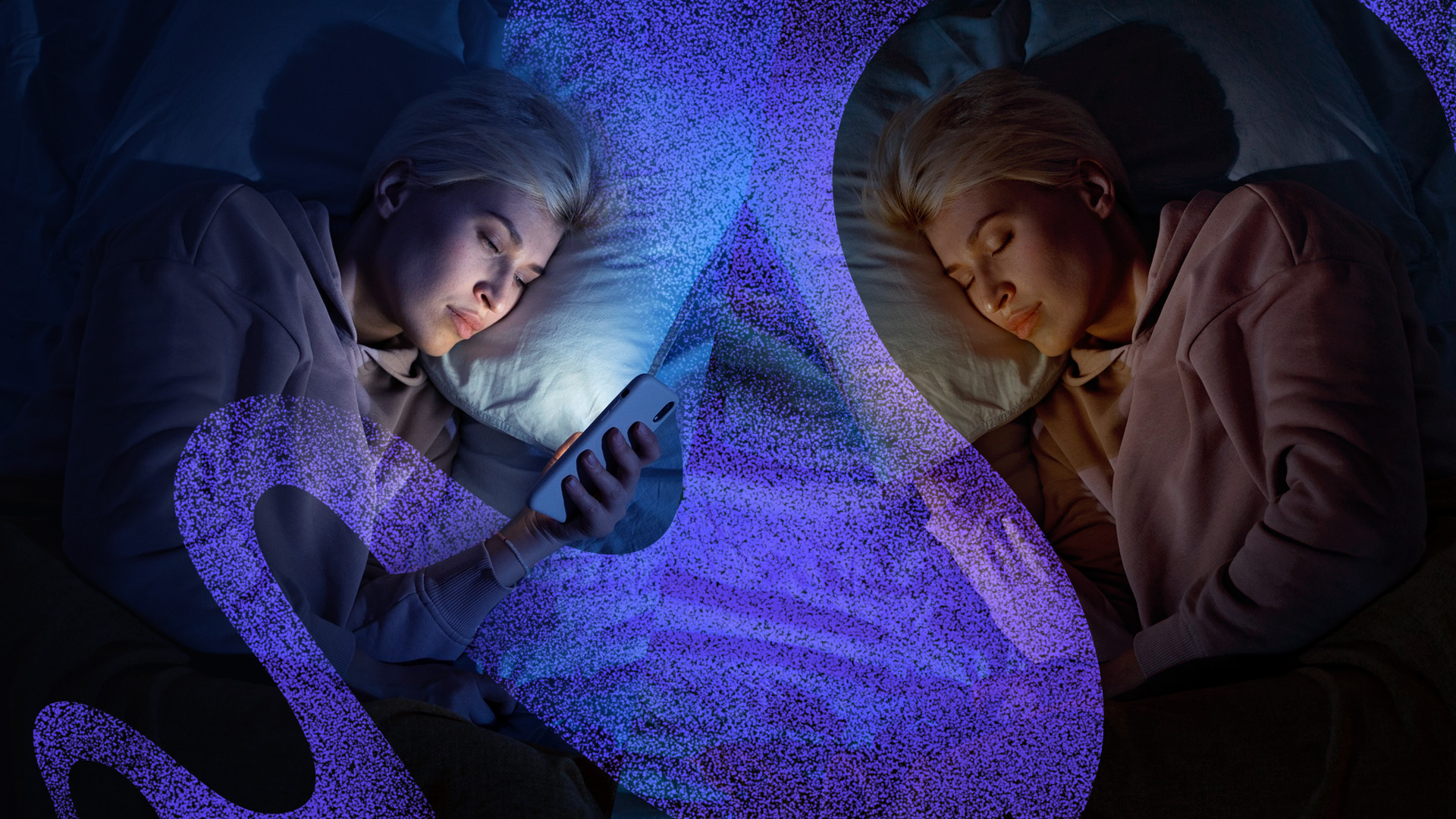
Not looking at your phone/tablet in bed
Getting sunlight exposure when you wake up
Avoiding eating within 2 hours of bedtime
Keep your bedroom quiet (or use white noise machines/a fan/earplugs)
Avoid daytime napping
Avoid complex tasks that require a lot of concentration near bedtime
Eating vegetables every day
Avoid caffeine at night (although this may not be detrimental unless it happens every day)
According to the research, the strongest associations are in the upper part of the list, with everything below sunlight exposure in the morning having less statistical significance. However, the more of these you can do, the better your chances of a good night’s sleep!
Gamify Your Learning
Sleep hygiene advice has been around since the late 1970s, and while there has been some development in that time, the most common tips are fairly well-known.
However, there’s a big difference between having heard that you shouldn’t, for example, drink alcohol just before going to bed, and actually taking the lesson onboard.
One unique approach to learning the basics of sleep hygiene is to gamify your learning.
A 2024 study tested an app called Restful Journey (on Google Play and App Store) developed by the University of Central Florida, which serves to both educate on important sleep hygiene practices and to track your progress when it comes to implementing them.
The study found that using the app for a month improved sleep duration, sleep quality, the time it takes to get to sleep and more, with Pittsburgh Sleep Quality Index scores improving across the group.
It was only a small, preliminary study but if you’ve been struggling to put sleep hygiene tips into practice, and “gamification” appeals to you, it’s definitely worth trying out the app.
The 60 Minute Sleep Routine
While there are many other well-known sleep hygiene practices, most of them concern the hour or so before you go to bed, and a regular routine is a much more intuitive way to pair them with CBD. So here’s our approach:
Take Some Full Spectrum CBD (5 Minutes)
About an hour before you want to go to sleep, take a dose of full spectrum CBD. Full spectrum is important because THC is likely better for putting you to sleep than CBD alone.
Do Some Yoga or Tai Chi (15 Minutes)
We spoke to Dr. Eric Zhou from the Harvard Medical School Division of Sleep Medicine, and author of a paper investigating integrative medicine approaches to insomnia.
Dr. Zhou’s paper notes that “mind-body movement” (such as yoga or tai chi) is one of the more well-supported approaches, but he stressed to us by email that there haven’t been enough randomized clinical trials to recommend a clear plan. Most research doesn’t even try to follow one.
But he continued, “With that said, the majority of these mind-body movements are benign from a sleep perspective. Meaning they are mostly unlikely to harm your sleep. If an individual finds that mind-body movements (of any kind) help to calm them, then I suspect it would be of some benefit for their sleep.”
In other words, even if we don’t know the optimal way to do this, it will not negatively impact your sleep and will likely help you wind down for a night’s rest.
Light exposure is central to your body’s circadian rhythm, so it’s time to dim them.
Research confirms that even exposure to room light has a dramatic impact on your body clock, shortening its perceived “night” time and suppressing production of melatonin, a crucial hormone for sleep.
It’s worth noting that the opposite of this is true for the morning – then, sunlight exposure reinforces your circadian rhythm!
Eloise Theisen, AGPCNP-BC, nurse practitioner and CEO of Radicle Health, recommended, “Getting early morning sunlight can improve circadian rhythms. It is important to not block the sunlight from your eyes.”
Drink Warm Milk, Horlicks or Välling, With a Book or Soft Music (20 Minutes)
Take a quiet 20 minutes with a book or soft music and a sleep-promoting drink.
While the most obvious option from an American perspective would just be a glass of warm milk, there are other great options too, including Horlicks (British, but available in the US) and välling (Swedish, not easy to find but easy to make).
Karl Andersson, owner of Nordic Perspective, explained to us, “A classic trick to get your kids to sleep better in Sweden—I say kids but adults are definitely using it too from time to time—is to drink ‘Välling,’ a warm porridge-drink containing milk and oats, right before bedtime.”
Adding that, “Warm milk, by itself, has been shown in studies to produce more melatonin (which will kickstart your biological sleep cycle) and raise your body temperature slightly (which is enough to make you a bit sleepy). Adding some oats in the mix also makes sure whoever drinks it will stay full, and hopefully asleep, for longer. On top of these two main ingredients, välling has also been enriched with minerals (mainly iron) and vitamins.”
Karl explained, “A standard way to make välling is a couple of deciliters [i.e. 200 ml or about 4/5 of a cup] each of warm water and milk mixed with a couple of tablespoons of oat flour and some butter, until the consistency is ‘lagom’ (just right!). Add some cardamom as a finishing touch (“pricken över i:et” – the dot over the i).”
Mindfulness-Based Stress Reduction, Prayer, Journaling or Meditation (15 Minutes)
Taking 15 minutes before you sleep for mindfulness meditation is an evidence-based method for improving your sleep problems.
Dr. Zhou commented to us that, “Mindfulness-based stress reduction (MBSR) is a specific program which is well-studied. Data suggests that this can be quite helpful for sleep.”
You can find many guides to mindfulness-based stress reduction, but simply choosing a few mindfulness-based exercises to run through each night can be a massive help, and further cements the “winding down” aspect of preparing for sleep. It’s calming, but doesn’t depend on blue-light emitting screens, physical activity or noise.
Eloise Theisen added that, “Meditation can reduce stress and improve mood,” and this is a good alternative to mindfulness exercises even though there is a lot of overlap.
There is also evidence suggesting that prayer (whether on behalf of yourself or others) is effective in managing stress, even in demanding professions such as nursing. Given that stress is closely linked to insomnia in many cases, it’s likely that the stress relieving nature of prayer will translate into sleep benefits.
If meditation, mindfulness or prayer is not your thing, there is also some evidence that journaling has benefits to a multitude of mental health conditions. In particular, one study suggests that writing a “to do list” reduced the time it took participants to fall asleep compared to writing about tasks you’ve completed throughout the day.
Prepare for Bed (5 Minutes)
Brush your teeth (in low light, if possible!) and get into bed, either putting earplugs in or using a fan or white noise machine to avoid distracting sounds.
In Bed But Not Sleeping? Don’t Worry; Just Be Awake for a While
We spoke to Dr. Chris Winter, a sleep specialist and neurologist, and author of The Rested Childand The Sleep Solution, who recommended what might be described as a shift in perspective instead of taking treatments for insomnia.
Dr. Winter described insomnia as “a feeling of anxiety when sleep doesn’t happen when you want it to happen,” and offered a very useful analogy:
“It’s a feeling of control loss. I think there are fantastic parallels to appetite. Have you ever arrived at a meal time and simply not been hungry to eat? Of course. Did you call your doctor for an appetite stimulant? Most likely not. We accept that hunger, as a primary biological driver, is not perfect. We often do not grant the same grace to sleep.”
Staying in bed tossing and turning will just make things worse. It’s better to get up and do something calming in low light, remembering that sleep will come when you’re ready – just like hunger does, eventually. There’s no need to clock-watch, but a good rule of thumb is to get up if you don’t get to sleep within 15 minutes.
Make Time for Sleep, But Don’t Stress If It Doesn’t Come
The key recommendations for sleep hygiene boil down to making time for sleep, including a gentle wind-down in the evening and avoiding things that keep you awake, and to accepting your body’s natural rhythm.
Try as you might, you can’t force sleep, and trying just exacerbates the problem.
While things like full spectrum CBD can help you get to sleep, if it doesn’t work, letting anxiety or stress build up because you’re not asleep yet will only worsen the insomnia. Make time for it, stay consistent, and sleep will come when it comes.
References
Basta, M., Chrousos, G. P., Vela-Bueno, A., & Vgontzas, A. N. (2007). Chronic insomnia and the stress system. Sleep Medicine Clinics, 2(2), 279–291. https://doi.org/10.1016/j.jsmc.2007.04.002
Gellis, L. A., & Lichstein, K. L. (2009). Sleep hygiene practices of good and poor sleepers in the united states: An internet-based study. Behavior Therapy, 40(1), 1–9. https://doi.org/10.1016/j.beth.2008.02.001
Gooley, J. J., Chamberlain, K., Smith, K. A., Khalsa, S. B. S., Rajaratnam, S. M. W., Van Reen, E., Zeitzer, J. M., Czeisler, C. A., & Lockley, S. W. (2011). Exposure to room light before bedtime suppresses melatonin onset and shortens melatonin duration in humans. The Journal of Clinical Endocrinology & Metabolism, 96(3), E463—E472. https://doi.org/10.1210/jc.2010-2098
Malaffo, M. (2006). The quarter of an hour rule : A simplified cognitive-behavioural intervention for insomnia improves sleep [Thesis, University of Glasgow]. https://theses.gla.ac.uk/1529/
Scullin, M. K., Krueger, M. L., Ballard, H. K., Pruett, N., & Bliwise, D. L. (2018). The effects of bedtime writing on difficulty falling asleep: A polysomnographic study comparing to-do lists and completed activity lists. Journal of Experimental Psychology: General, 147(1), 139–146. https://doi.org/10.1037/xge0000374
Seaver, C., Bowers, C., Beidel, D., Holt, L., & Ramakrishnan, S. (2024). A game-based learning approach to sleep hygiene education: A pilot investigation. Frontiers in Digital Health, 6. https://doi.org/10.3389/fdgth.2024.1334840
Shimura, A., Sugiura, K., Inoue, M., Misaki, S., Tanimoto, Y., Oshima, A., Tanaka, T., Yokoi, K., & Inoue, T. (2020). Which sleep hygiene factors are important? Comprehensive assessment of lifestyle habits and job environment on sleep among office workers. Sleep Health, 6(3), 288–298. https://doi.org/10.1016/j.sleh.2020.02.001
Simão, T., Caldeira, S., & de Carvalho, E. (2016). The effect of prayer on patients’ health: Systematic literature review. Religions, 7(1), 11. https://doi.org/10.3390/rel7010011
Sohal, M., Singh, P., Dhillon, B. S., & Gill, H. S. (2022). Efficacy of journaling in the management of mental illness: A systematic review and meta-analysis. Family Medicine and Community Health, 10(1), Article e001154. https://doi.org/10.1136/fmch-2021-001154
Stepanski, E. J., & Wyatt, J. K. (2003). Use of sleep hygiene in the treatment of insomnia. Sleep Medicine Reviews, 7(3), 215–225. https://doi.org/10.1053/smrv.2001.0246
Zhou, E. S., Gardiner, P., & Bertisch, S. M. (2017). Integrative medicine for insomnia. Medical Clinics of North America, 101(5), 865–879. https://doi.org/10.1016/j.mcna.2017.04.005
We Asked Stoners to Tell Us About the Munchies: Here’s What We Learned
“The munchies” are one of the most well-known (and widely joked about) effects of cannabis, with users craving salty, sweet, or carb-heavy foods in the midst of a high. But beyond the predictable jokes in stoner comedies and the snack collections you dutifully gather when your buddies come around for a session, how much do we really know about the munchies?
Who gets them the most? What kinds of food do people actually reach for? How much do they spend? And are there patterns in how users try to manage — or embrace — their cravings?
To dig deeper into this classic phenomenon, CBD Oracle surveyed 1,000 cannabis users across the U.S., uncovering everything from the timing of cravings to the most popular snacks — and the truly bizarre food combinations people swear by while high.
What we found paints a very different picture than the typical “stoner and fast food” stereotype, revealing a culture of cannabis consumers who are often trying to be more mindful about what they eat when they get high (but not always being successful).
Key Insights
Stoners are more health-conscious than you think: Almost two-thirds of respondents (63%) said they always or sometimes try to choose healthy munchies, and around a quarter (24%) crave fresh fruit, salads, and smoothies over salty or sweet snacks.
The munchies cost consumers $10 per session: The average consumer spends about $10 per session on munchie food, and around 14% of people spend over $20 a time.
Post-munchie guilt is real: Over four in ten users (43.4%) feel guilty after getting the munchies, and over half (53.2%) say it makes it harder to meet their weight and nutrition goals.
Daily users get the munchies more often: 75% of daily cannabis users say they always or often get the munchies when they consume, compared to just 31% of people who use less than once a month. The more you smoke, the more you munch.
People love eating weird foods while high: Sweet-savory boundaries are obliterated as high people combine pickles with frosting, ice cream, and peanut butter, and dip French fries into ice cream.
Munchies Are the Norm, Not the Exception
If you feel like you can’t get high without a bag of chips by your side, you’re not alone — it happens to almost everyone!
According to CBD Oracle’s survey, based on 1,000 U.S. cannabis users:
Six out of seven tokers get the munchies at least occasionally (86.3%, based on the survey)
One in five get them every time they consume (20.6%)
An additional one in three (35.5%) get them “often.”
Just one in seven “rarely” or “never” get them (13.7%)
Key Takeaway: Over half of cannabis users get the munchies frequently, and six out of seven get them at least sometimes.
This means that even if you don’t get the munchies, you’ll probably be consuming with someone who does, so make sure you stock up.
Digging deeper into the data revealed a minor gender imbalance — women are slightly less “munchy” when they get high:
88.5% of men get the munchies at least occasionally
Compared to 84.2% of women.
Notably, women were more likely to say they “never” get the munchies (5.8% vs. 2.3%)
The Munchies Hit Hardest at Night
The munchies mostly come at night… mostly. So get your snacks ready by sundown.
According to CBD Oracle’s survey, around 3 in 4 cannabis users say the munchies hit between 5 pm and 2 am, with most people’s cravings peaking after 9 pm.
The full breakdown makes the pattern crystal clear:
Just over two out of five cannabis users (41.5%) hit “peak munchie” in the late night (between 9 pm and 2 am)
A third (33%) are evening snackers (5 pm to 9 pm)
One in nine (11.2%) munch in the afternoon (12 pm to 5 pm)
Just 3.2% hit the chips hardest overnight (2 am to 6 am)
And one in a hundred (1%) wake, bake, and munch in the morning (6 am to 12 pm).
The remaining 10.1% say that their munchies vary too much to put a time on it.
Takeaway: The “midnight munchies” is a real phenomenon, but evening snackers are almost just as common — it depends on when you start smoking.
Netflix and Snack? Most Munchies Happen While Alone, Zoned Out and Streaming
Cannabis users hit the snacks hardest when most people do: when they’re alone, chilling on the couch and streaming.
According to the survey, nine in ten cannabis users say they’re likely to snack when alone and the same number said they get the munchies when there’s a movie or show on.
The survey found that streaming beats boredom for inspiring the munchies:
90.3% said they’re “somewhat” or “very likely” to get the munchies while streaming shows or movies, making this the biggest trigger for snacking.
Over half (57.8%) said they’re “very likely” to snack while streaming, with less than half (43.5%) saying the same when they’re bored.
It also showed that people snack more alone than with friends:
89.9% are “somewhat” or “very likely” to snack when flying solo.
Over half (53%) are “very likely” to dig into the chips alone, compared to a third (33.9%) when they’re hanging out with friends.
TL;DR: Cannabis users snack the most when there’s something on TV and when there’s nobody there to split the snacks with (or be judged by).
Americans Spend About $10 Per Munchie Session
Cannabis users spend about enough for a couple of party-sized bags of chips in an average munchie session, but some spend over $40 per time.
According to CBD Oracle’s survey:
A third of cannabis users (33.6%) spend between $11 and $20 on munchies per session.
Slightly fewer (29.3%) limit their spending to $6 to $10.
One in ten (10.3%) push it further, spending between $20 and $40 per session.
At the extremes:
3.5% typically spend over $40 per session.
Almost a quarter (23.3%) keep it cheap, spending $5 or less on the munchies.
Key Insight: The figures peak at around $10 per session, putting the average munchie bill at about $70 a week for someone who uses cannabis every day.
Smoked Flower Triggers the Strongest Munchies
Smoking a joint beats out eating a gummy or hitting a vape for producing the munchies, according to the survey.
The results show:
Over a third (38.4%) of users said that smoked cannabis flower gives them the strongest munchies.
28.1% said edibles make the munchies hit the hardest, the second most popular answer.
Almost a quarter (23.6%) said that it didn’t make a difference how they consume.
Just 8.6% said they get the munchies the most after taking delta-8 THC or other alternative THCs.
When you break down the results to focus on the people who always get the munchies, the differences get more pronounced:
Over half (52.7%) point to smoked flower as the biggest driver of munchies.
Four in ten (39.7%) get stronger munchies from edibles.
Over a quarter (27%) say vapes give stronger munchies.
The number saying delta-8 THC (and other alt THCs) gives the strongest munchies doubles (up to 17.5%).
Fewer respondents (17%) say there’s no difference by product type.
Bottom line: Smoked cannabis flower has the strongest association with munchies, and the link is even stronger in people prone to the munchies.
Half of Cannabis Users Plan Their Highs Around Food
Stoners know they’re going to get the munchies when they indulge, and about half of them plan their consumption around it.
The survey showed that:
47.1% said they “regularly” or “occasionally” plan their cannabis use around food, either pairing weed with meals or pre-prepping snacks.
Only 27.8% said they “never” plan their use around food.
The cannabis users who occasionally or regularly plan their meals differ from others in some important ways:
44.2% use cannabis daily (vs. 23.5% of less frequent planners).
Over three quarters (76.6%) often or always get the munchies (vs. 38%)
72.4% say they try to choose healthier snacks (vs. 54.5%)
Takeaway: Food forms a core part of the “ritual” of cannabis for about half of users, who are twice as likely to get the munchies when they smoke.
Salty Beats Sweet When the Munchies Hit
Cannabis users tend to choose salty over sweet when the munchies set in — but that doesn’t mean they’d turn down some chocolate!
According to CBD Oracle’s survey:
Two-thirds (66.2%) crave salty foods like chips, fries or popcorn.
56.6% get a sweet tooth when they toke; opting for candy, chocolate or baked goods.
Just under half (48.1%) hit savory foods like pizzas, burgers and tacos.
46.5% focus on texture, choosing crunchy foods like pretzels, chips and cereal.
Slightly fewer (46%) choose the convenience of fast food.
Almost a third (31.7%) prefer something cold and creamy (e.g. ice cream or milkshake).
Just over a quarter (25.2%) want something home-cooked.
Another quarter (25.1%) choose fresh food (fruits, salads and smoothies).
While most of these patterns held across the whole U.S., there were a few differences it’s worth noting:
In the Northeast, crunchy and fast foods are more popular than savory, and people prefer fruits, salads, and fresh foods to home-cooked meals while they’re high.
In the Midwest, fast food is more popular than crunchy food, and again people prefer fresh food to home-cooking.
Crunchy also ranks behind fast food for stoners in the South.
And finally, one extremely relatable person in the “Other” section wrote in “All food,” which speaks to all of us at one point or another.
Takeaway: Cannabis users are more likely to dip into a bag of chips than gorge on cookies and chocolate, but, when it comes down to it, would probably accept both.
Around a Quarter of Stoners Crave Fruit, Salads, and Smoothies
A surprising number of cannabis users out there leave the chips on the shelves and opt for a smoothie or a salad when the munchies hit.
According to the survey, about a quarter (24.1%) of cannabis users choose fresh fruit, salads and smoothies as their go-to munchie snacks.
While still a minority, the fact that about one in four people, high out of their minds, would choose a banana over a brownie or burger flies in the face of the junk-food-loving “stoner” stereotype.
Since the survey let people choose multiple food types, it’s likely that many of these people would also crave salty, sweet and other more “typical” stoner fare, but healthy food is still on the menu more than you might think.
Takeaway: Some stoners are more health conscious than you think, and some munchie missions end at the salad bar rather than McDonalds.
The Weirdest Things People Eat While High (Pickles… So Many Pickles)
After reviewing 1,000 open-text responses on what people eat while high, one thing is abundantly clear:
People will eat anything when they’re high — but especially pickles.
Pickles were by far the most frequently mentioned weird food, and they showed up in some truly unhinged pairings:
Popular Pickle Combos:
Pickles with cream cheese, peanut butter, or ice cream
Fried pickles, chocolate-covered pickles, and pickle cereal
A whole jar of pickles, eaten solo — mentioned by at least five people
Other appearances: frosting, cheese, yogurt, whipped cream, chocolate syrup, pizza, and pickle juice cocktails (yes, plural)
Two respondents even made pickle sandwiches on brown bread, and one chased it with a mix of orange juice and pickle juice — like a twisted wine pairing.
Ice Cream Crimes:
Pickles may lead the weird food parade, but ice cream wasn’t far behind — showing up with:
Tomatoes, peanut butter, cheese, and BBQ sauce
Sardines, eggs, and even fried chicken
And yes, at least three people dipped french fries into it (still weird, but maybe genius?)
Munchie Madness, Unfiltered:
Beyond the usual suspects, here are some of the most unforgettable combos:
A Big Mac dipped in Baja Blast
Popcorn with mayo
Tuna salad and strawberry jam sandwich
Raw pasta, oatmeal, and potatoes (thankfully not together)
Spaghetti with chocolate sauce and candy
And then there’s this gem, shared without shame:
I once ate a candy bar (Reggie bar) that was over 30 years old when I was high, and my friend’s dad was pissed when he found out as it was a collectible and Reggie Jackson was his favorite player.
The takeaway: When you’re high enough, everything starts to look edible — especially pickles.
Most Cannabis Users Try to Snack Healthier — Even If They Don’t Always Succeed
Despite the stereotypes in movies like Harold and Kumar Go to White Castle, most people try to choose healthier snacks over the drive-thru when they’re high.
The survey revealed that:
Almost two-thirds (63%) of respondents said they “always” or “sometimes” try to choose healthier snacks when they get the munchies.
Although more said “sometimes” (51.7%), people have a clear intent to eat healthier munchies.
At the other end of the spectrum:
Just 13.7% said they “never” try to choose healthier options.
Almost one in four (23.3%) only “rarely” opt for healthier snacks.
Takeaway: Stoner comedies miss the mark when it comes to accuracy — most cannabis users are trying to make their munchies healthier.
But Over Half Say They Buy More Junk Food or Takeout Because of Cannabis
Despite their good intentions, people still buy more junk food when they’re high.
According to CBD Oracle’s survey:
Almost a quarter (24.6%) say they buy more junk and snack foods because of cannabis.
Three in ten (30.5%) make more shopping trips and food delivery orders.
So overall, more than half (55.1%) say cannabis increases their food spending.
However, around four in ten (39.5%) say that cannabis has no effect on their purchasing. These people differ from the others in two crucial ways:
Only 35.6% of them “always” or “often” get the munchies (compared to 72.7% of those who buy more).
Just 30% of them use cannabis daily (vs. 36.8% of those who buy more)
Takeaway: People prone to the munchies are more likely to make late-night food orders, but about a third of users are less likely to feel the cravings and find it easier to control their spending.
Over Half Say the Munchies Make It Harder to Stick to Nutrition Goals
Getting the munchies often eats away at the progress people make with their weight and nutrition, according to the survey.
When you put aside the people who said they were “not sure” and those who don’t have weight or nutrition goals, the survey showed:
Over half (53.2%) said that getting the munchies makes their nutrition goals harder to meet.
More than one in three (34.6%) said that it was a minor obstacle, while 18.6% said it made it “much harder.”
46.8% said it didn’t affect their weight or nutrition goals.
What it means: Even though most cannabis users try to eat healthier, most people struggle to maintain their weight and nutrition goals when the munchies hit.
Four in Ten Cannabis Users Feel Guilty About Their Food Choices After Getting High
After a munchie-induced binge on pizza, cookies and (apparently) pickles, more than four out of ten (43.4%) of cannabis users feel guilty about their food choices, at least sometimes.
According to the survey:
8.4% feel guilty every time they get the munchies.
Around a third (35%) sometimes feel guilty.
24.3% rarely feel guilty.
Almost a third (32.2%) never feel guilty.
The people who rarely or never feel guilty have some key differences that reduce their level of guilt:
They’re over five times more likely to never get the munchies at all.
They’re almost three times less likely to say getting the munchies affects their weight goals.
They’re over eight times more likely to have no weight or nutrition goals at all.
Takeaway: Guilt comes from both behavior and expectations: some users avoid it by having no nutritional expectations and some avoid it because they just don’t get the munchies that often.
The More You Smoke; The More You Munch
There’s a clear relationship between how often people use cannabis and how often they get the munchies:
Takeaway: The more often you consume, the more likely you are to feel the munchie effect — both physiologically and behaviorally.
Daily Users Face More Consequences — and Try Harder to Manage Them
Daily cannabis users get the munchies the most, but they also do more to try to stay in control of their cravings.
Compared to occasional users (a few times a month or less), daily users are:
Over twice as likely to plan their high around food (62.7% vs. 28.1%).
Slightly more likely to spend over $10 per session (48.7% vs. 39.9%).
Over a third more likely to try to choose healthy munchies (70.6% vs. 52.2%).
More likely to buy more food because of the munchies (60.8% vs. 42.5%).
These statistics are closely linked to the previous section, daily users get more cravings, and the survey shows that people who always get the munchies are:
More than twice as likely to feel guilty after (56.1% vs. 25.1%).
More likely to try to eat healthier munchie food (64.9% vs. 57.9%).
What it means: Daily cannabis users get the munchies more and snack more, but crucially, they think more about how to manage it. For them, munchies aren’t just an occasional craving, they’re a habit they have to plan for and work around.
Conclusion: The Munchies Are Part of Cannabis, So Learn to Manage Them
The munchies aren’t going anywhere. If you use cannabis regularly, cravings are part of the experience — but they don’t have to derail your health goals.
The takeaway from this survey is clear: most users want to snack better, and daily users are already trying to build better habits around their munchies.
Take a leaf out of the book of the daily smokers: enjoy your munchies but plan your food ahead of time and try to choose sensible and healthy snacks over junk food and takeout, at least some of the time.
You don’t have to cut the foods you love. But if you’re getting high a lot, you should make sure it doesn’t take its toll on your health in the long term.
Survey Methodology
This survey was conducted by CBD Oracle on March 31, 2025, with the aim of looking at the relationship between food and cannabis, especially the phenomenon colloquially called “the munchies.”
The survey was conducted via Pollfish, using a nationally-representative sample of adults aged 21 and older who live in the United States. Participants were screened so that only people who had used cannabis (including hemp-derived alternative THCs like delta-8) at least once in the past six months. This ensured that the responses reflected recent, real-life experiences with the munchies — not distant memories.
The survey covered a range of topics, including common triggers for the munchies, the types of food people crave, spending habits, the emotional responses to “munchie” eating (e.g. guilt) and how getting the munchies impacts weight and nutrition goals. Some questions were included to enable subgroup analysis, such as frequency of use or the types of cannabis products used. Some questions allowed participants to choose multiple responses, so totals don’t always sum to 100%.
The raw data from the survey was broadly representative of the US adult population, but the data was further stratified according to gender and age range to make the results more reflective of the whole country. However, it is worth noting that stratification was not possible by income, and there was a slight skew towards users from the Midwest (22.6%) and Northeast (25.2%), compared to Census data.
Responses were collected anonymously, and the dataset was cleaned to remove incomplete or irrelevant entries. Descriptive statistics and segmentation analyses were used to identify behavioral patterns by frequency of cannabis use, gender, generation, geographic region, product type, and typical munchie spend level.
This study was designed to support both public understanding and media reporting around consumer behavior in the cannabis space, particularly as it intersects with food, health, and lifestyle choices.
Newsom talks national cannabis legalization in Trump-mocking post (Newsletter: October 3, 2025)
FL marijuana smell court ruling; OR interstate cannabis commerce lawsuit; NY psychedelics hearing; Survey: Medical marijuana helps chronic pain
Subscribe to receive Marijuana Moment’s newsletter in your inbox every weekday morning. It’s the best way to make sure you know which cannabis stories are shaping the day.
/ FEDERAL The White House sent Congress a notification that President Donald Trump has determined that drug cartels are “nonstate armed groups” whose actions “constitute an armed attack against the United States,” and the country is thus engaged in a formal “armed conflict” with them. The Drug Enforcement Administration is placing the cannabinoid type 1 receptor agonist MDMB-4en-PINACA in Schedule I, saying its pharmacological action is “similar to other schedule I cannabinoids, such as Δ9-tetrahydrocannabinol (Δ9-THC), which all have high abuse potential.” / STATES A Kansas Court of Appeals panel will hear a case about whether the smell of cannabis provides reasonable suspicion for police searches on October 14. A Minnesota regulatory spokesperson addressed concerns about medical cannabis businesses’ heads start on recreational marijuana sales. New Jersey regulators acted on marijuana business licensing and violation issues. Oregon regulators are accepting applications to serve on a psilocybin services rules advisory committee. The New Hampshire Therapeutic Cannabis Medical Oversight Board will meet on Wednesday. —
Marijuana Moment is tracking hundreds of cannabis, psychedelics and drug policy bills in state legislatures and Congress this year. Patreon supporters pledging at least $25/month get access to our interactive maps, charts and hearing calendar so they don’t miss any developments. Learn more about our marijuana bill tracker and become a supporter on Patreon to get access.
—
/ LOCAL The Killeen, Texas City Council is considering authorizing more funding to defend the city’s voter-approved marijuana decriminalization law from lawsuit filed by Bell County. The La Crosse County, Wisconsin Board chair discussed a proposal to reduce the fine for marijuana possession to $1. / INTERNATIONAL Moroccan officials signed medical cannabis agreements with specialized medical associations. / SCIENCE & HEALTH A study found that “low-frequency cannabis use among older adults, including those along the dementia continuum, is generally well tolerated from a cognitive perspective.” A review concluded that “cannabinoids produced a modest but statistically significant reduction in pruritus, suggesting clinical relevance for symptom management.” / ADVOCACY, OPINION & ANALYSIS A Citizens for a Safe and Healthy Texas official authored an op-ed arguing that “if Republicans want to honor Charlie Kirk, they will stand up for a generation of young Americans being preyed on by the marijuana industry.” / BUSINESS Curaleaf Holdings, Inc.’s executive vice chairman established an automatic securities disposition plan. Herbarium owners are being sued for allegedly wrongfully terminating an employee who complained about unpaid overtime, stolen tips and other issues. Vertanical announced positive results from Phase 3 clinical studies of its standardized full-spectrum cannabis extract. Innovative Industrial Properties, Inc. closed its initial investment into IQHQ, Inc.
Make sure to subscribe to get Marijuana Moment’s daily dispatch in your inbox.
Michigan Lawmakers Approve Marijuana Tax Increase Projected To Raise $420 Million In Annual Revenue
“There was a willingness to consider multiple ways to get enough revenue… This just happened to be the one that could get the votes.”
By Ben Solis, Michigan Advance
After much hand wringing and consternation from lawmakers who feared detrimental effects to Michigan’s cannabis industry, the Michigan Senate voted early Friday morning by a thin margin to pass a 24 percent wholesale tax on marijuana products sold in the state.
The measure is estimated to raise $420 million in new revenue to fund road repairs and construction in the new fiscal year, a key component of the budget deal reached by Gov. Gretchen Whitmer (D), House Speaker Matt Hall (R-Richland Township) and Senate Majority Leader Winnie Brinks (D-Grand Rapids).
If the vote had failed, the entire deal would more than likely fall apart, sending the respective chambers and the governor’s office back to the negotiating table. Such a development would have also sent the state into a full government shutdown. House leadership said Thursday that it would not entertain another continuation budget after the one passed Wednesday expired after October 8.
The House and Senate on late Thursday and early Friday morning passed their respective conference budgets to fund the whole of government, K-12 schools and higher education, but all of that hinged on passage of the marijuana tax.
The bill passed by a slim 19-17 vote, which had nearly as much bipartisan dissent as it did support.
Brinks and the following senators voted in favor of the bill: Sarah Anthony (D-Lansing), Rosemary Bayer (D-West Bloomfield), Darrin Camilleri (D-Trenton), Mary Cavanagh (D-Redford Township), Stephanie Chang (D-Detroit), John Cherry (D-Flint), Kevin Daley (R-Lum), Erika Geiss (D-Taylor), Veronica Klinefelt (D-Eastpointe), Dan Lauwers (R-Brockway), Ed McBroom (R-Vulcan), Sean McCann (D-Kalamazoo), Mallory McMorrow (D-Royal Oak), Jeremy Moss (D-Bloomfield Township), Dayna Polehanki (D-Livonia), Sam Singh (D-East Lansing), Roger Victory (R-Georgetown Township) and Paul Wojno (D-Warren).
Sen. Jeff Irwin (D-Ann Arbor) voted no against the bill. He was one of the legislation’s strongest opponents.
Irwin was joined by Sens. Thomas Albert (R-Lowell), Joseph Bellino (R-Monroe), Jon Bumstead (R-North Muskegon), John Damoose (R-Harbor Springs), Roger Hauck (R-Mount Pleasant), Kevin Hertel (D-Saint Clair Shores), Michele Hoitenga (R-Manton), Mark Huizenga (R-Walker), Ruth Johnson (R-Groveland Township), Jonathan Lindsey (R-Coldwater), Senate Minority Leader Aric Nesbitt (R-Porter Township), Jim Runestad (R-White Lake), Sylvia Santana (D-Detroit), Sue Shink (D-Northfield Township), Lana Theis (R-Brighton) and Michael Webber (R-Rochester Hills).
A large portion of the day was spent debating the measure in caucus meetings and whipping votes to ensure the tax did not go up in smoke.
Brinks and Hall were repeatedly seen in the Capitol meeting on the chamber floors and entering offices to discuss the status behind closed doors. Whitmer also called groups of lawmakers into her Capitol office at multiple points throughout the afternoon and evening on Thursday.
One of those lawmakers was Chang, who on Tuesday put forward an amendment to the marijuana tax that would have brought the rate down to 20 percent, with the caveat of a tie-bar to the senator’s proposed nicotine products and e-cigarettes tax. Chang surmised that the amendment would not be taken up in an interview with Michigan Advance.
When she left Whitmer’s office on Thursday evening, she was asked if she and the governor had discussed her proposal. Chang said that they had.
As to whether the proposal was likely a new vehicle for what appeared to be a flailing 24 percent rate, Chang would not comment on how the Senate planned to vote. She also said then that she was undecided on the 24 percent tax.
The conversation in the House veered wildly as the day and night wore on. At first, Hall was confident that the measure, which originated in the House, would pass because Brinks proposed it when they began negotiations for new revenue. The House speaker also cautioned that not following through on passage would scuttle their loose deal with Whitmer on revenue for roads.
That would have also meant a new phase in the budget crisis—a real government shutdown, given Hall’s unwillingness to pass another continuation budget.
With several senators expressing opposition to the tax, it became possible that the deal could careen off a cliff of Brinks’s own making, and key members of the House started shifting their tone from hopeful anticipation to stark warnings about the deal falling apart.
In the end, the Senate whipped up just enough bipartisan votes to get the tax across the finish line.
For Irwin’s part, he issued a floor speech echoing some of his comments made earlier when the tax was proposed.
Lindsey also said he would vote no in a floor speech. He indicated that it bothered him that some members of the upper chamber were gleefully willing to vote yes, specifically due to the potential impacts: a shrinking of the industry because of a higher tax burden and potential closures of dispensaries across Michigan.
McBroom was one of those yes votes on the GOP side. In his own floor speech, he said that the industry failed to meet its promise to fill state coffers with new tax revenue to a significant degree, and that maybe a right-sizing of the industry was in order. McBroom said he wished the tax rate was even higher than what was proposed.
To some of the industry leaders who vehemently opposed the tax, McBroom said the law that legalized marijuana and set up a regulatory and tax scheme always referenced avenues for collecting other taxes related to marijuana sales.
Brinks had a fight on her hands to get the necessary votes, but she was victorious at 4 a.m. on Wednesday morning when she spoke to members of the Capitol press corps.
“It was tough to fit it in with the rest of the demands of the budget and still be responsible, but we managed to do it,” Brinks said. “I think there was a willingness to consider multiple ways to get enough revenue… This just happened to be the one that could get the votes. I do know that politics is really the art of what’s possible, and in this case, that’s the road it led us down, no pun intended.”
CBD Oracle analyzed 91 CBD oils marketed for sleep—and after third-party lab testing, expert input, and hands-on consumer testing, only four made our final list:
These top picks stood out for their quality, safety, and ability to actually help with sleep. Below, you’ll find more about the CBD oils we recommend, plus how we tested and what to look for if you’re shopping on your own.
How we picked
Terpenes
CBD works best for sleep when paired with calming terpenes like myrcene, linalool, beta-caryophyllene, and terpinolene. These compounds enhance the oil’s relaxing effects.
CBD type
Unless you’re avoiding THC, full-spectrum products tend to work better for sleep. THC is more sedating than CBD alone, and a 1:1 CBD:THC ratio often delivers the best results. THC-free oils may still help but usually require higher doses and strong terpene support.
Ingredients
Ingredients like melatonin or magnesium can support sleep, but mixing them with CBD and THC makes it hard to know what’s actually working. It’s better to isolate your variables and try one approach at a time.
Score-based evaluation
Products were scored using our framework across safety, efficacy, and trust. Only oils that scored 90%+ were considered top picks.
Made from organic, U.S.-grown hemp flowers, this oil is rich in cannabinoids and naturally flavorful thanks to its terpene content.
Cornbread sources its hemp from Kentucky’s Bluegrass Basin—an area with 250 years of hemp farming history and similar latitude to the Hindu Kush Mountains.
Founders Eric and Jim are Kentucky natives who use only the cannabinoid-rich flowers, not stems or leaves.
Cornbread’s Whole Flower oil is a great pick for sleep thanks to its full-spectrum formula with up to 2 mg THC per serving, calming terpenes like linalool and beta-caryophyllene, and an effective dose of CBD.
It’s also USDA Organic certified and produced in a GMP-certified, allergen-free facility—free of the top eight allergens.
Eloise Theisen, MSN, NP—a board-certified adult geriatric nurse practitioner with over 20 years of experience and a cannabis therapy specialist who’s treated more than 7,500 patients—ranked this her second-favorite oil in our testing:
“Personally, I slept the best with this tincture. The only reason I didn’t rate it as my absolute favorite was the taste. Since there are no additives in this tincture, it’s just straight hemp, which gives it a strong earthy smell and taste that can be a bit hard to swallow (pun intended!). With this tincture, I noticed that I didn’t wake up as much during the night, and I didn’t feel groggy in the morning, even when I took a full 1ml dose. It gave me a nice drowsy effect with onset that I found quite pleasant. The COA showed a 25:1 CBD to THC ratio and a good terpene profile, with humulene, beta-caryophyllene, and linalool as the top three. I suspect that this one worked best for sleep and anxiety because of the terpene profile which has been shown to also aid in anxiety.”
CBD Oracle’s independent lab test confirmed Cornbread’s COA is largely accurate:
The Good: CBD, CBDV, CBN, and delta-9 THC were close to advertised values. The product lives up to its full-spectrum claims.
The Bad: CBC was over 60% lower, and CBG over 60% higher than the company’s COA—but both made up just ~0.1% of the oil. Since Cornbread Hemp doesn’t advertise specific levels of these minor cannabinoids, there’s no major issue here.
Cornbread Hemp’s COA, issued by accredited Cannabusiness Laboratories, is legitimate and verified. No red flags.
Founded by a veteran who personally found relief through CBD, R&R is known for its commitment to quality.
Their Multifunctional Tinctures live up to the name—made with organically grown hemp and extracted using supercritical CO₂ for a clean, potent result rich in cannabinoids and terpenes.
Each ml delivers 167 mg of CBD, 1.5 mg of delta-9 THC, and a range of other cannabinoids (CBC, CBL, CBDV, CBN, CBG, CBDa, and CBT).
Key terpenes like d-limonene, beta-caryophyllene, alpha-bisabolol, and alpha-humulene enhance the sleep and stress-relief effects. Plus, it’s available in both Fresh Mint and natural terpene flavors.
Eloise Theisen, MSN, NP—who has guided over 7,500 patients in cannabis care—ranked R&R as her top overall pick:
“I found that I fell asleep more quickly, experienced deeper sleep, and was able to fall back asleep more easily if I woke up in the middle of the night. I still woke up during the night, but didn’t need to lay awake for hours hoping to fall back asleep. I started with a 0.5ml dose, which helped me sleep well. Then I increased it to a full 1ml dose. While I still slept quite well, I did feel a bit slower and groggier the next morning at the 1ml dose. There did not seem to be much benefit at the higher dose; only side effects. The flavor was pretty neutral. It had a mild minty taste and a mild hemp smell. I prefer this for my tinctures as hemp can have a strong taste and odor which can make it hard to keep in the mouth for 15-30 seconds. The certificate of analysis (COA) showed a 49:1 CBD to THC ratio with a good amount of terpenes, the top three being menthol, bisabolol, and guaiol. Overall, this combination worked well for me and provided me with some solid sleep.”
Eloise noted a minor drawback with the dropper:
“One minor annoyance was that I found it difficult to get a full 1ml amount into the dropper when I squeezed it. Most of the time, I ended up with somewhere between 0.75ml and 1ml.”
Eloise also tested the R&R broad-spectrum (THC-free) oil, ranking it as one of the best options for people who need help with sleep but want to avoid THC:
“I tried the 1ml dose of this tincture for several nights, but I didn’t notice much of a difference in my sleep quality. It did help me fall asleep a little quicker, but I still woke up during the night and had trouble falling back asleep. I suspect that the lack of THC in this tincture is why I did not sleep as well as I did with the full spectrum tinctures.”
CBD Oracle’s independent lab results mostly matched the SC Labs COA provided by R&R, with one technical disagreement.
The Good: CBD was within 10% of label claims on both COAs, and other cannabinoids like CBC, CBG, CBN, and CBDa were consistent across tests—well within acceptable margins.
The Bad: The lab we used (InfiniteCAL) reported ~0.07% delta-9 THC, while SC Labs reported 0.14%. The discrepancy stems from a testing challenge: HU-331 (a CBD oxidation byproduct) can “co-elute” with THC, making it difficult to separate the signals. InfiniteCAL disputed SC Labs’ higher number, but acknowledged overlap.
R&R shared their input extract COAs, which support SC Labs’ numbers. After discussion, both labs agreed the peak likely reflects a mix of THC and HU-331. Importantly, HU-331 is not a safety concern—it may even offer therapeutic value—and the total quantity involved is very small.
Aspen Green’s Rest formula is made with USDA Organic hemp grown in Colorado—one of the best regions for hemp cultivation.
The company works with Dr. Adam Perlman, former Director of Integrative Health and Wellbeing at the Mayo Clinic, to create this physician-formulated sleep tincture. Aspen Green is a family-operated business with a clear passion for what they do.
This full-spectrum oil is CO2-extracted from single-strain hemp flower, rich in cannabinoids like CBD, delta-9 THC, CBC, CBN, CBDV, and CBG.
It also includes sleep-friendly terpenes such as alpha-bisabolol, alpha-humulene, beta-caryophyllene, and d-limonene.
The synergy between CBD, THC, CBN, and d-limonene makes this a powerful choice for improving sleep quality.
Eloise Theisen, MSN, NP—a cannabis therapy expert who’s treated over 7,500 patients—ranked this her third favorite:
“I experimented with several different doses of this tincture, trying to find the sweet spot where I could get a good night’s sleep without feeling groggy the next day. At 0.25ml, I didn’t notice any difference in my sleep quality, and I didn’t experience any negative effects either. The 0.5ml dose helped me fall asleep a bit faster, and I did sleep a little better, but it didn’t prevent me from waking up in the middle of the night, and it didn’t help me fall back asleep when I did. For me, the 1ml dose was too strong. I slept great, but I felt really groggy and dull the next morning.”
Eloise also noted a few practical details:
“I also found the dropper a bit difficult to use; it was hard to get the oil up to the 1ml mark. The taste was okay. It is hard to completely eliminate the hemp taste and I appreciate that the taste was mostly unremarkable. The bottle label mentions a berry flavor, but I didn’t really notice a strong berry taste, and the hemp smell or flavor wasn’t very strong either.”
Finally, she made a comment about the product’s terpene profile:
“The COA showed a 53:1 CBD to THC ratio with terpenes high in beta-caryophyllene, bisabolol, and humulene. The terpene profile is good for sleep and anxiety and I think for some people, this tincture could be great for sleep. It was a bit like Goldilocks for me, I could not get the dose just right.”
The Good: CBD, THC, CBC, CBN, CBG, and CBDa levels were all consistent between both COAs. CBD and delta-9 THC were within 5% of the advertised amounts.
The Bad: CBDV was 30% higher in our test (1.2 mg/g vs. 0.9 mg/g), but this only translates to a 0.3 mg difference—insignificant in the real-world dosage.
Aspen Green’s COA was issued by an accredited lab (SC Labs), independently verified by QR code, and is easy to access online. No concerns here.
If you’re looking for a sleep-supporting CBD oil without THC, Medterra’s Enhanced Relief tincture is one of the best THC-free options on the market.
Each serving delivers 33 mg of CBD along with minor cannabinoids like CBC, CBDV, CBG, and CBN, plus sleep-friendly terpenes such as limonene, beta-myrcene, and terpinolene.
It’s about as close as you can get to a full-spectrum sleep effect—without the THC.
The hemp is U.S.-grown and certified by the U.S. Hemp Authority. While not USDA Organic, the oil is made from organic, non-GMO, vegan ingredients and produced in an FDA-registered, GMP-certified facility. Medterra oversees the full process from seed to sale.
Eloise Theisen, MSN, NP—our experienced cannabis nurse practitioner—ranked this oil the lowest among those she tested, citing some benefits but drawbacks in flavor:
“I found that this tincture also helped me fall asleep relatively quickly, but it didn’t help me stay asleep as well as the full spectrum CBD tinctures. Again, it is likely that the THC plays a significant role in staying asleep. Personally, I found the citrus taste unpleasant, and it didn’t do a great job of masking the hemp taste or smell. The residual aftertaste was hard to get rid of and I felt like I had swallowed a cleaning product. Definitely not a good taste to me.”
After reviewing the lab results for this product, she noted:
“The COA showed high terpene levels for limonene, pinene, terpinene, and myrcene. The terpene profile is good for sleep and anxiety and may be helpful for those who cannot or do not want to consume THC.”
Eloise also shared a general observation about full vs. broad spectrum:
“Personally, I noticed that the full spectrum tinctures were far superior when it came to helping me fall asleep, stay asleep, and get back to sleep more quickly if I happened to wake up during the night. On the downside, I did experience some grogginess the next day when I used the higher doses. I suspect that the small amounts of THC in the full spectrum products improved the quality of my sleep. I also suspect that it was the higher amounts of THC that made me feel groggy the next day.”
Since both Medterra and CBD Oracle used InfiniteCAL for lab testing, the results align closely:
The Good: CBC, CBD, CBDV, and CBN levels were within 5% of each other across both COAs. Even CBC, with a 14% variation, only differed by 0.2 mg/g—a minor amount.
The Bad: CBG was not detected in our test but was present at 1.5 mg/g in Medterra’s. This likely reflects natural variation between batches rather than a quality concern.
The COA from Medterra is from an accredited lab, features a scannable QR code, and confirms the product’s cannabinoid content with no red flags.
Advertises 2,000 mg option, but this is just two bottles of 1,000 mg
Most expensive per mg ($0.06/mg CBD)
Weaker than other options (33 mg CBD/ml)
The citrus flavor is unpleasant and doesn’t mask the hemp taste well
Other CBD Oils We Considered
We started with 91 full-spectrum and broad-spectrum CBD oils for this roundup, but most didn’t make the final cut.
To quickly filter out lower-quality options, we used a few key criteria:
No lab report: Without it, we can’t confirm the product contains what it claims.
Unaccredited lab: Only results from ISO-accredited labs are considered reliable.
No working QR code: If the COA can’t be independently verified, it’s not trustworthy.
Outdated COA: Reports over 12 months old likely don’t reflect the current batch.
Missing safety tests: Potency isn’t enough—we also require contaminant testing.
Detected contaminants: Any failure in safety testing is an automatic disqualifier.
Not truly full/broad spectrum: We required proof of at least four cannabinoids and detectable terpenes. If terpenes weren’t tested, we couldn’t confirm the spectrum.
The most common disqualifier? Missing terpene tests. Many otherwise strong products didn’t test for terpenes, making it impossible to verify if they were genuinely full or broad spectrum. Notable brands like 3Chi and Neurogan fell into this category—likely high-quality products, but without the necessary data, they couldn’t be included.
Other brands passed our quality checks but didn’t score high enough on our evaluation framework (below 90%):
*Medterra nearly made the gold standard with high scores on both their full-spectrum (89.8%) and broad-spectrum (86.7%) tinctures, which is why they’re included in the list.
One final standout was Carmen’s Medicinals—their full-spectrum oil scored 91.3% based on publicly available data. However, they didn’t respond to our requests for sourcing details or product samples, so we couldn’t include them in the final list.
You can view the full scoring breakdown, disqualifications, and evaluation process in our Google Sheet.
Methodology: How We Evaluated and Reviewed
We didn’t just pick these oils off a shelf. Our review process combined expert insight, market research, independent lab testing, and real-world user experience:
Expert Insights: We interviewed leading cannabis doctors and scientists to understand what actually makes a CBD oil effective for sleep—and what to avoid. Their input shaped our product selection and evaluation criteria.
Market Analysis: We analyzed the first 20 pages of Google results for sleep-focused CBD oils and compiled a list of 91 products. Each was scored using our expert-backed hemp product evaluation framework, which includes 55 metrics covering safety, quality, and effectiveness.
Independent Lab Testing: We sent the top-scoring products to InfiniteCAL for third-party testing. This allowed us to verify the accuracy of brand-reported COAs and catch any discrepancies—adding an extra layer of trust and transparency.
First-Hand User Testing: Finally, the highest-rated oils were tested by board-certified cannabis nurse Eloise Theisen, MSN, NP, for four nights each. Other members of the CBD Oracle team also tested products for at least two nights. This step ensured that products with great lab results also deliver in real-life use.
Our Tester’s Experience With CBD Oils for Sleep
Overall, I found the CBD tinctures to be helpful for my sleep and anxiety, though some definitely worked better for me than others. Even though the purpose was to try the tinctures for sleep, which has been erratic with my menopause, I noticed I was less anxious. Not only did I appreciate sleeping better, I also enjoyed feeling calmer and less anxious.
Personally, I noticed that the full spectrum tinctures [with THC] were far superior when it came to helping me fall asleep, stay asleep, and get back to sleep more quickly if I happened to wake up during the night. On the downside, I did experience some grogginess the next day when I used the higher doses. I suspect that the small amounts of THC in the full spectrum products improved the quality of my sleep. I also suspect that it was the higher amounts of THC that made me feel groggy the next day.
Over a period of four nights, I experimented with all of the tinctures at various doses to see how they affected me. Given that I’ve been struggling with sleep issues due to menopause for the past few years, I was really happy to find some improvement in my sleep, and I was honestly surprised at how well some of the tinctures worked! I can definitely see myself adding CBD to my nightly routine now.
How We Rated the Best CBD Oil for Sleep
At the heart of our rankings is a 55-point hemp product evaluation framework, developed with input from 22 experts across cannabinoid research, medicine, law, analytical chemistry, and two government organizations. It provides a clear, objective way to evaluate how well a product meets current industry and consumer standards.
The framework evaluates seven key areas:
Plant Origin & Cultivation: Top marks go to single-origin, single-strain hemp grown in ideal U.S. climates (like CO, CA, OR, WA), under natural sunlight, and using organic methods.
Extraction Method: We prioritize CO₂-extracted oils made from hemp flower, rich in cannabinoids and terpenes (for full/broad spectrum) or highly purified (for isolates), with no converted cannabinoids.
Third-Party Testing: Oils must have recent, batch-specific full-panel tests from accredited labs, showing accurate potency and no contamination. COAs should be public and easy to verify.
Quality Control: Products earn extra points for certifications (e.g., USDA Organic, GMP) and documentation tracing hemp from seed to sale.
Ingredients: We favored clean formulations—no synthetic cannabinoids, unregulated supplements, or risky additives like MCT oil or vitamin E acetate.
Packaging & Labeling: Labels must include dosing info, ingredients, batch details, expiration dates, and ideally be child-resistant.
Marketing, Transparency & Reputation: We awarded points for ethical marketing, transparent leadership, accessible reviews (both good and bad), and responsive customer service.
We initially analyzed 91 CBD oils marketed for sleep, using expert input and core framework criteria to filter out products that didn’t qualify. Disqualifiers included:
No recent or verifiable COA
Failed contaminant tests
Fewer than four cannabinoids
Missing terpene analysis
This left 14 qualifying products, which were scored across all 55 metrics. Each criterion is weighted based on its importance and impact on:
Safety (50%)
Efficacy (30%)
Trust (20%)
For example, a high-priority safety criterion carries a maximum of 3 points (6 base × 50% weight).
While most data could be verified through brand websites, we also contacted companies directly to confirm anything unclear—such as sourcing details or missing documentation.
Want to dive deeper into the data? You can explore our full scoring process and product breakdown in our Google Sheet.
Expert Advice: How to Choose the Best CBD Oil for Sleep
Can CBD Effectively Help You Sleep?
The research on CBD and sleep is still evolving—and it’s a bit of a mixed bag.
We spoke with Dr. Jen Walsh, director of the Centre for Sleep Science at the University of Western Australia, who led a recent clinical trial on a combination of THC, CBD, and CBN for sleep issues. While her study showed promising results, she made it clear that it doesn’t isolate the effects of each compound:
However, from a recent review of the literature (we’ve just submitted it for publication) it appears that CBD alone is ineffective for improving sleep in those with a primary complaint of poor sleep or insomnia.
In other words, CBD on its own may not be effective if your main issue is insomnia without an underlying cause like anxiety. But when anxiety is contributing to sleep problems, CBD may help by reducing stress and calming the mind—making it easier to fall asleep.
Full-spectrum products, which contain both CBD and THC, tend to be more effective for primary sleep issues because the scientific evidence for THC’s sedative effects is stronger. As for CBN, while it’s often marketed as a sleep aid, there’s limited research supporting its use—most findings come from combination treatments like Dr. Walsh’s study.
Pros and Cons of Taking CBD for Sleep
Pros:
Reduces stress and anxiety: If your insomnia is tied to anxiety or stress, CBD can be a great option—especially when paired with a small amount of THC to further support relaxation and sleep onset.
Minimal side effects: Compared to prescription sleep aids, CBD generally has fewer and milder side effects. The most commonly reported are digestive issues (like diarrhea) and changes in appetite or weight.
Full-spectrum works better for sleep: Products that combine CBD with THC and calming terpenes (like linalool or myrcene) are more likely to deliver meaningful sleep improvements.
Cons:
CBD alone may require high doses: When taken without THC, CBD often needs to be consumed in larger amounts to have an effect—and even then, results vary widely between individuals.
Full-spectrum isn’t for everyone: If you’re sensitive to THC or subject to workplace drug testing, full-spectrum oils might not be suitable.
Cost can be high without THC: THC-free (broad spectrum or isolate) products often require higher doses to be effective for sleep, which can drive up the cost over time.
How to Use CBD for Sleep
Dosage
Eloise Theisen, AGPCNP-BC and CEO of Radicle Health, recommends starting low and adjusting gradually:
“In most cases, a 25 mg CBD dose is a safe place to start. If that dose is not effective after a few nights, increasing by 5–10 mg increments every few nights is recommended until the optimal dose is reached. In some cases, doses as high as 300 mg have been necessary to help with sleep.”
When to Take It
Take your CBD dose 30 to 60 minutes before bedtime to allow it time to kick in.
How to Take It
According to Theisen, alcohol- or glycerin-based tinctures taken under the tongue are absorbed fastest, but most CBD tinctures are oil-based and act more like edibles:
“If someone is having a hard time staying asleep, a capsule or gummy may be more effective at keeping them asleep.”
How Long It Takes to Work
Most CBD tinctures take 30 to 60 minutes to have an effect—sometimes longer depending on your metabolism and the formulation. Don’t expect immediate results.
How Often to Use It
For sleep, daily use before bed is ideal—unless you’re using CBD for other reasons during the day.
Can You Mix It With Other Supplements or Meds?
It’s best to avoid combining CBD with other supplements unless medically necessary. As international cannabis physician Dr. Abraham Benavides explained to us:
When you venture into the world of combining cannabinoids with nutraceuticals—it becomes more difficult for us to keep track of what is actually working for you, and you tend to lose control over the dosing. If you keep the products separate, you can try one thing at a time to see if it works for you and at what doses.
How to Choose a CBD Oil for Sleep
When it comes to choosing the most effective CBD oil for sleep, full-spectrum is almost always the best option.
As Dr. Abraham Benavides, international cannabis consultant and physician, explained to us:
Cumulative data suggest that full-spectrum profiles are superior to broad-spectrum and isolate formulations. The more true-to-the-plant the extract is, the more whole-plant components it contains that synergize with each other […] I most commonly recommend 1:1 THC:CBD FECO (full-spectrum extract cannabis oil) for sleep.
With that in mind, here are the key things to look for:
Full-spectrum is ideal; broad-spectrum if necessary: Full-spectrum oils contain THC, which significantly boosts their sleep-support potential. If THC isn’t an option (due to sensitivity or drug testing), broad-spectrum oils with sleep-promoting terpenes are your next best bet.
Look for sleep-friendly terpenes: Terpenes like linalool, myrcene, and terpinolene have natural sedative properties. Myrcene is the most common, but any of these on a product’s COA is a good sign for sleep support.
Aim for a 1:1 CBD:THC ratio: A 1:1 balance of CBD and THC is often most effective for sleep. While this ratio is more common in dispensary-grade cannabis products than in hemp-based CBD oils, higher THC levels generally improve effectiveness for sleep when available.
Always check the COA (Certificate of Analysis): Don’t rely on marketing claims. Make sure the product is tested by an accredited lab, and that the COA confirms cannabinoid content, terpenes, and the absence of contaminants. If you can’t see it on the COA, assume it’s not there.
Check reviews and independent rankings: Resources like this guide can help you identify trusted, lab-tested products that actually work—before you spend your money.
What to Avoid When Buying CBD for Sleep
Not all CBD sleep products are created equal. Based on expert advice, here are the top things to avoid:
CBD Isolate Products: CBD on its own is unlikely to be effective for insomnia. At minimum, you want sleep-supportive terpenes—and ideally, a small amount of THC. Isolate products lack both.
CBD Mixed with Supplements or Nutraceuticals: As Dr. Abraham Benavides noted earlier, combining cannabinoids with other supplements (like melatonin or magnesium) makes it harder to identify what’s actually working and complicates proper dosing.
CBN-Focused Products: While CBN is often marketed as a natural sleep aid, there’s little scientific backing for this claim. Cannabis researcher Dr. Ethan Russo, founder and CEO of CReDO Science, told us:
“Despite popular misconception and its inclusion in almost every company’s sleep formulation, there is no substantiation for the efficacy of CBN in sleep. This was thoroughly debunked by Corroon.”
If CBN is the main selling point, the product is likely relying more on hype than on proven results.
Safety and Side Effects
Who shouldn’t use CBD products? CBD is generally safe for most adults, but there are some important exceptions. You should avoid CBD if:
You are regularly drug tested, especially if using full-spectrum products (even small amounts of THC can trigger a failed test)
You have liver issues
You take medications that may interact with CBD, including: Warfarin (blood thinner), Amiodarone (heart rhythm medication), Levothyroxine (thyroid medication), and Seizure medications like clobazam, lamotrigine, or valproate
Always consult a healthcare provider before adding CBD to your routine if you fall into any of these categories.
Common Side Effects:
CBD’s side effects are generally mild and manageable. According to clinical reviews and user surveys, the most commonly reported side effects include:
Tiredness (a benefit if you’re using it for sleep)
Diarrhea
Changes in appetite or weight
Impaired concentration
There has been one reported case of liver damage in studies of Epidiolex (a prescription CBD medication), but it’s rare and the review authors noted it wasn’t clearly linked to CBD. Still, it’s a good reason to exercise caution—especially if you have liver concerns or take medications processed by the liver.
Meet Our Experts
For this article, we consulted the following experts to gain their professional insights on CBD, cannabinoids, and sleep:
Eloise Theisen, AGPCNP-BC, board-certified adult geriatric nurse practitioner and cannabis therapy specialist who has treated over 7,500 patients. She is the former president of the American Cannabis Nurses Association and CEO of Radicle Health.
Dr. Jen Walsh, director of the Centre for Sleep Science at the University of Western Australia, who led a clinical trial studying the effects of THC, CBD, and CBN on sleep quality.
Dr. Abraham Benavides, international cannabis consultant and physician, with expertise in cannabinoid science and its interaction with nutraceuticals and medications.
Dr. Ethan Russo, neurologist and founder/CEO of CReDO Science, widely regarded as one of the foremost researchers in cannabis medicine and author of several foundational studies on cannabinoids and terpenes.
Dr. Eric Zhou — Sleep medicine specialist at Harvard Medical School and Boston Children’s Hospital, with a focus on behavioral sleep strategies and evidence-based interventions.
Karl Andersson — Founder of Nordic Perspective and wellness researcher with a focus on product testing, consumer education, and transparency in the hemp and CBD space.
Dr. Chris Winter — Neurologist, sleep specialist, and author of The Sleep Solution and The Rested Child. Known for translating sleep science into practical tools for better rest.
Dr. Bonni Goldstein — Physician and medical director of Canna-Centers Wellness & Education. A leading clinician in cannabis-based medicine and author of Cannabis Is Medicine.
Sherri Mack, BSN-RN — Chief Nursing Officer at Holistic Caring with extensive experience educating patients and healthcare professionals on cannabinoid therapies.
Why Trust CBD Oracle’s Reviews
At CBD Oracle, we take product testing seriously. Our editorial team combines first-hand testing, expert interviews, and independent lab analysis to ensure our recommendations are based on data—not hype.
For this guide, we:
Evaluated 91 CBD oils marketed for sleep
Built a 55-point scoring framework with input from 22 experts in cannabis, medicine, law, and chemistry
Sent top products for third-party lab testing with InfiniteCAL to verify cannabinoid content and check for contaminants
Interviewed 9 leading experts, including cannabis physicians, sleep scientists, and nurses
Conducted first-hand testing with Eloise Theisen, AGPCNP-BC, and the CBD Oracle team over multiple nights
We don’t accept payment for placement, and we follow strict editorial standards to maintain transparency and consumer trust. You can read more about our scoring framework and testing process in the methodology here.
References
Binkowska, A. A., Jakubowska, N., Redeł, A., Laskowska, S., Szlufik, S., & Brzezicka, A. (2024). Cannabidiol usage, efficacy, and side effects: Analyzing the impact of health conditions, medications, and cannabis use in a cross-sectional online pilot study. Frontiers in Psychiatry, 15. https://doi.org/10.3389/fpsyt.2024.1356009
Iffland, K., & Grotenhermen, F. (2017). An update on safety and side effects of cannabidiol: A review of clinical data and relevant animal studies. Cannabis and Cannabinoid Research, 2(1), 139–154. https://doi.org/10.1089/can.2016.0034
Itin, C., Domb, A. J., & Hoffman, A. (2019). A meta-opinion: Cannabinoids delivered to oral mucosa by a spray for systemic absorption are rather ingested into gastro-intestinal tract: The influences of fed / fasting states. Expert Opinion on Drug Delivery, 16(10), 1031–1035. https://doi.org/10.1080/17425247.2019.1653852
Kogan, N. M., Schlesinger, M., Peters, M., Marincheva, G., Beeri, R., & Mechoulam, R. (2007). A cannabinoid anticancer quinone, HU-331, is more potent and less cardiotoxic than doxorubicin: A comparative in vivo study. Journal of Pharmacology and Experimental Therapeutics, 322(2), 646–653. https://doi.org/10.1124/jpet.107.120865
Kuhathasan, N., Minuzzi, L., MacKillop, J., & Frey, B. N. (2022). An investigation of cannabis use for insomnia in depression and anxiety in a naturalistic sample. BMC Psychiatry, 22, Article 303. https://link.springer.com/article/10.1186/s12888-022-03948-6
Millar, S. A., Stone, N. L., Yates, A. S., & O’Sullivan, S. E. (2018). A systematic review on the pharmacokinetics of cannabidiol in humans. Frontiers in Pharmacology, 9. https://doi.org/10.3389/fphar.2018.01365
Spindle, T. R., Cone, E. J., Goffi, E., Weerts, E. M., Mitchell, J. M., Winecker, R. E., Bigelow, G. E., Flegel, R. R., & Vandrey, R. (2020). Pharmacodynamic effects of vaporized and oral cannabidiol (CBD) and vaporized CBD-dominant cannabis in infrequent cannabis users. Drug and Alcohol Dependence, 211, 107937. https://doi.org/10.1016/j.drugalcdep.2020.107937
Walsh, J. H., Maddison, K. J., Rankin, T., Murray, K., McArdle, N., Ree, M. J., Hillman, D. R., & Eastwood, P. R. (2021). Treating insomnia symptoms with medicinal cannabis: A randomized, crossover trial of the efficacy of a cannabinoid medicine compared with placebo. Sleep. https://doi.org/10.1093/sleep/zsab149
Kentucky Cultivator Harvests State’s First Medical Marijuana Crop As Governor Predicts Farmers Will ‘Grow A Whole Lot More’
A Kentucky medical marijuana cultivation facility has harvested its first yield of cannabis, and patients could gain access to it by next month, a top regulator says. Meanwhile, the governor says licensed businesses are about to “grow a whole lot more” as the program gets underway.
Cannon Armstrong, executive director of the Office of Medical Cannabis (OMC), said one of the state’s cultivators “produced their first harvest, and it’s up to the cultivator and the licensee on where they move and when they move on that.”
“I suspect that if we’re going to try and say timeframes—that it’ll definitely be before the end of the year, we’re hopeful that it may be November,” he told WAVE 3.
“Since taking office, my administration has been committed to providing access to health care and safe communities for all Kentuckians,” the governor said. “One of our priorities is ensuring that Kentuckians that are suffering from serious medical issues like cancer, PTSD or multiple sclerosis can have safe access to medical cannabis as soon as possible to get the relief they need.”
He also announced that, although licensed operators are actively growing cannabis plants to bring to market, “we’re about to grow a whole lot more,” adding that as of Thursday, OMC approved “another cultivator to begin cultivation activities here in Kentucky, and this one is a big one.”
Beshear was talking about Natural State GreenGrass CannaCo, a tier III cultivation facility, which is “one of the two largest cultivation facilities in Kentucky.”
“They’ll eventually expand all 25,000 square feet of cultivation space,” he said. “This operator and so many more will help us ensure for years to come that Kentuckians suffering from serious medical conditions can get the relief they deserve.”
“The medical marijuana program is moving forward,” he said at a press briefing at the time.
“I think most of our dispensaries now have their home address [and] are set about where they’re going to be, but [for] some of the inspections that have to happen in dispensaries, they have to have product that’s there,” he said. “So I do believe they’ll be operating before the end of the year.”
In the letter to the president, he emphasized that a pending proposal to move cannabis from Schedule I to Schedule III under the Controlled Substances Act (CSA) is something “you supported in your presidential campaign.”
“That process should be allowed to play out. Americans deserve leadership that won’t move the goalposts on them in the middle of the game,” Beshear said, noting that he was among the tens of thousands who submitted public comments in favor of the reform after it was initiated under the Biden administration, “demonstrating broad public interest in rescheduling.”
“I joined that effort because this is about helping people. Rescheduling would provide suffering patients the relief they need,” the governor said. “It would ensure communities are safer—because legal medical products reduce the illicit market. It would provide new, meaningful research on health benefits.”
Beshear also mentioned a letter to DEA he signed onto last year urging rescheduling, “because the jury is no longer out on marijuana. It has medical benefits.”
Back on the state level, the governor recently said he acknowledges that “it’s taken longer than we would have liked” to stand up the industry since he signed medical marijuana legalization into law in 2023.
Meanwhile, the governor sent a letter to Kentucky’s congressional delegation in January, “urging them to take decisive action to protect the constitutional rights of our law abiding medical cannabis patients” by repealing the federal ban on gun possession by people who use marijuana.
The federal Bureau of Alcohol, Tobacco, Firearms and Explosives (ATF) warned Kentucky residents late last year that, if they choose to participate in the state’s medical marijuana program, they will be prohibited from buying or possessing firearms under federal law.
Kansas Law Enforcement Launches Raids Against ‘Brazen’ Cannabis Sales In Storefronts
“The places that we’ve identified today are nothing but weed dealers in strip malls.”
By Sherman Smith, Kansas Reflector
Kansas Bureau of Investigation director Tony Mattivi and Attorney General Kris Kobach (R) announced a crackdown Wednesday on “brazen” sales of marijuana and THC products as law enforcement raided 10 shops in six cities across the state.
The two spoke to reporters at a news conference in Topeka while the raids were underway, and they said additional stores would be targeted later Wednesday and again on Thursday.
Mattivi said the KBI was targeting illegal retail drug sales because teenagers were suffering dire health consequences from consuming products with high concentrations of THC.
“I was at one of these locations earlier today,” Mattivi said. “The violations of the Kansas Controlled Substances Act are brazen. These places are selling pre-rolled marijuana cigarettes. They’re selling marijuana bud. They’re selling marijuana flower in canisters and cigarette by cigarette.
“The places that we’ve identified today are nothing but weed dealers in strip malls, and we cannot continue to not enforce our controlled substance laws when we have these substances causing bad effects on Kansas kids.”
Mattivi said a Kansas child would face less resistance