Kansas Law Enforcement Launches Raids Against ‘Brazen’ Cannabis Sales In Storefronts

Kansas Law Enforcement Launches Raids Against ‘Brazen’ Cannabis Sales In Storefronts


Kansas Law Enforcement Launches Raids Against ‘Brazen’ Cannabis Sales In Storefronts

“The places that we’ve identified today are nothing but weed dealers in strip malls.”

By Sherman Smith, Kansas Reflector

Kansas Bureau of Investigation director Tony Mattivi and Attorney General Kris Kobach (R) announced a crackdown Wednesday on “brazen” sales of marijuana and THC products as law enforcement raided 10 shops in six cities across the state.

The two spoke to reporters at a news conference in Topeka while the raids were underway, and they said additional stores would be targeted later Wednesday and again on Thursday.

Mattivi said the KBI was targeting illegal retail drug sales because teenagers were suffering dire health consequences from consuming products with high concentrations of THC.

“I was at one of these locations earlier today,” Mattivi said. “The violations of the Kansas Controlled Substances Act are brazen. These places are selling pre-rolled marijuana cigarettes. They’re selling marijuana bud. They’re selling marijuana flower in canisters and cigarette by cigarette.

“The places that we’ve identified today are nothing but weed dealers in strip malls, and we cannot continue to not enforce our controlled substance laws when we have these substances causing bad effects on Kansas kids.”

Mattivi said a Kansas child would face less resistance

The post Kansas Law Enforcement Launches Raids Against ‘Brazen’ Cannabis Sales In Storefronts appeared first on GrowCola.com.

Source link

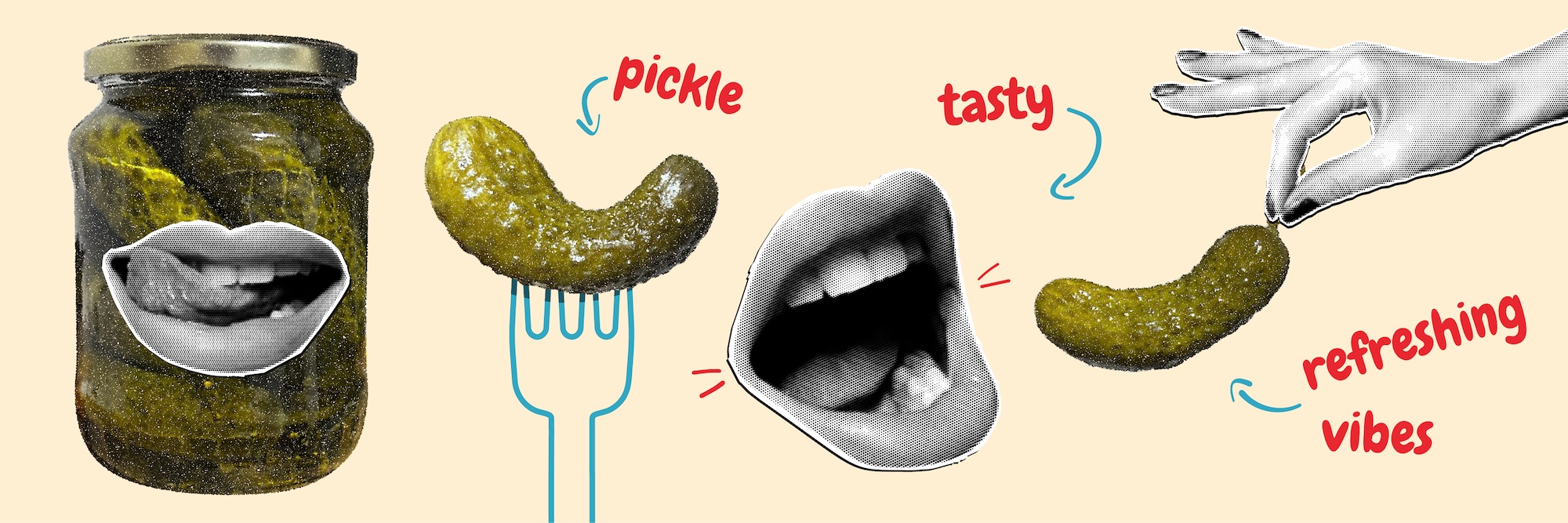
Illustration showing pickles in jar

The Weird Science Behind Why You Crave Pickles When You’re High

The Weird Science Behind Why You Crave Pickles When You’re High


Key Takeaways:

  • THC triggers the munchies by boosting the hunger hormone ghrelin, sharpening your sense of smell, and rewiring how your brain processes food.
  • Pickles are a munchie power move: salty, crunchy, tangy – and they hydrate and fight dry mouth too.
  • Don’t feel guilty about your cravings. Dietitians say it’s all about planning ahead and making smarter snack swaps.

CBD Oracle’s munchies survey revealed all kinds of fun facts, like how daily THC use makes you more likely to get the munchies every time, or how most people try to choose healthier snacks when high.

But one thing flashed like a neon sign: when we asked people to name the weirdest thing they’ve eaten while high, the most common genre by far involved pickles combined with something sweet.

Out of 1,000 responses, 69 people mentioned eating pickles with ice cream, peanut butter, or even just going full feral on an entire jar. We couldn’t help but wonder: why do so many people crave pickles when they’re high?


Why Do We Get the Munchies, Anyway? A Look at the Science

Most people know that cannabis can cause the munchies, but why it has this effect is more complex than you might expect.

In fact, scientists have discovered several ways in which THC can cause the feelings of hunger – or at least, the desire for food – that many stoners know well.

Ultimately, all of these effects come down to the body’s cannabinoid system, the endocannabinoid system. In particular, THC activates CB1 receptors, which are G-protein coupled receptors involved in many of the key effects of cannabis, including the phenomenon of the munchies.

THC increases the hunger hormone: Ghrelin is sometimes called the “hunger hormone” and is released when your stomach is empty, acting on your hypothalamus to create hunger. Research shows that THC significantly increases the level of ghrelin in your blood, which creates at least part of the hunger that defines the munchies.

THC makes you more sensitive to smell: One study on mice suggests that THC enhances sensitivity to smell. This means that food smells even better than it ordinarily would, and could explain part of the increased food consumption that comes when you partake.

THC hijacks POMC neurons to stimulate appetite: Another study in mice suggested that cannabinoids bind to cannabinoid receptors on the mitochondria within the POMC neurons, stimulating the release of beta-endorphin. These neurons are typically associated with satiety, signaling to your body that you’re full, but the authors found that THC gets the neurons to signal hunger instead. An author of the study described it, “It’s like pressing a car’s brakes and accelerating instead.”

The cannabinoid system is central to “liking” food (vs. “wanting”): While we’ll discuss this in more detail later, the cannabinoid system is closely involved in the neurological process of “liking” food, especially the THC-activated CB1 receptors. In short, consuming cannabis likely makes food more enjoyable, even if the effects on hunger are not especially prominent for you.

While there is much more to this picture, these four examples make it clear that the munchies happen for many different reasons. In fact, the multi-faceted effects of THC on the systems that control our appetite just goes to show why the munchies can be so hard to resist.


The Pickle Obsession: What’s Going on Here?

In CBD Oracle’s survey, 69 people mentioned pickles when asked to name the weirdest thing they’ve eaten while high. At first glance, that might not seem like a lot, but with 1,000 people free to answer however they wanted, that’s about 1 in 14 bringing up pickles specifically.

Sure, peanut butter (78 mentions) and ice cream (94 mentions) were a bit more popular. But pickles were right behind, and they’re a lot less stereotypical when it comes to stoner snacks.

Clearly, something’s going on. But what?

The Snack Trifecta: Salt, Crunch, and Acid

One clue comes straight from the survey: when we asked what types of food people crave most when high, salty snacks topped the list, with 66% of respondents choosing them. Crunchy foods weren’t far behind, with 47% saying they crave that texture too.

Pickles check both boxes, salty and crunchy, with an extra bonus: their acidic sourness, another crave-worthy flavor we’ll touch on in a moment.

Takeaway: Pickles hit a “snack trifecta” that’s especially satisfying when you’re high.

You May Just Be Giving Your Body What It Needs

We asked Janice Newell Bissex, holistic cannabis practitioner and registered dietitian, about this seemingly unusual level of craving for pickles when you’re high. She explained to us:

We often crave what our body needs. In this case, in addition to the satisfying crunch and saltiness, pickles are about 95% water. Cannabis (in any form, but perhaps more with smoking) often causes dry mouth. Pickles would be a natural choice since the sourness stimulates the salivary glands to boost saliva production.

In other words, part of the pickle appeal could simply be about hydration. You’re getting salty, crunchy satisfaction and moisture to relieve a dry mouth—plus the sourness further boosts saliva production, doubling down on the effect.

Takeaway: Craving pickles might be your body’s way of asking for water, mixed in with a basic craving for something salty and satisfying.

Weird Foods and the Increase in Food “Liking” (and “Wanting” Too)

But wait, we can hear you objecting, that may explain why people like pickles, but it doesn’t explain why people would eat them with ice cream! It’s the type of combination you’d opt for if you were trying to come up with “gross” foods for people to eat as a prank or challenge, so why do people seem to like it when they’re high?

This is a tough question, but we’ve already touched on the pieces of the most likely answer. First off, among the many weird pickle combinations people told us about, one person simply wrote that they ate, “pickles out of a jar. I hate pickles.”

Why would this person do this? It comes down to what we said earlier about THC increasing the “liking” of food.

The difference between “liking” and “wanting” food is something scientists looking at the neurology of food are keen to establish. “Wanting” in this context relates to dopamine-linked expectation of reward from consuming the food – you know that a big plate of fries has salt and carbs that will satisfy your bodily needs, so the smell of freshly-cooked fries brings on a “wanting” craving.

“Liking” is closely-linked to “wanting” but not the same thing. Liking in this context is often described as “hedonic enjoyment” – as in, when you get that plate of fries, do you actually enjoy eating it? While the other impacts of THC (for example, boosting ghrelin) are also important, the fact that CB1 receptors are key players in “liking” is the most important piece of this puzzle.

The respondent who ate pickles despite not usually enjoying them is experiencing this effect: the THC stimulating the CB1 receptors boosts the “liking” of the food even if in his or her natural state, it would not be enjoyable.

This goes further too: even if you usually like pickles, you probably wouldn’t usually cover them in chocolate. But again, when THC is boosting your “liking” of food, this normal response is drowned out and you actually enjoy it.

How to Snack Smarter When You’re High

Another surprising result from the survey is that around two-thirds of respondents said they try to choose healthier munchies when they get high, at least sometimes.

Perhaps less surprising is that over half of respondents said the munchies made it harder to meet their weight and nutrition goals, and 55% said they spend more on food because of the munchies.

As a result, 43% said they feel guilty after getting the munchies.

We mentioned this to Emily Kyle, a registered dietitian nutritionist (RDN) and holistic cannabis practitioner (HCP). She explained to us:

As a registered dietitian nutritionist, I see this as a challenge that goes far beyond just cannabis users—it’s something so many of us deal with. We all start the day with the best intentions, promising ourselves we’ll make healthy choices. But when hunger strikes and we’re not prepared, convenience usually takes over. And let’s be real, convenience isn’t always the healthiest option.

Adding that, “The truth is, success doesn’t come from willpower in the moment—it comes from preparation. Those who consistently make healthier snack choices are typically the ones who take the time to plan ahead. It’s really about setting yourself up for success.”

Tackling the Guilt – Prepare Ahead of Time, And Enjoy Your Food

Most people can relate to the feeling of guilt after indulging in snack foods – especially those of us who get the munchies regularly – but Janice Bissex made a very important point:

I am of the mindset that no one should feel guilty about what they eat. The important thing is to enjoy whatever you choose to consume. Yes, I’m a dietitian so I prefer that people eat more vegetables, whole grains, fruits, nuts, and beans, but food is about pleasure. Moderation is the key. A variety of healthy and not-so-healthy foods can fit into a nutritious diet.

Emily Kyle suggests a two-step process to finding a good snack swap:

“Start by asking yourself, ‘What am I always craving? Is it something sweet, salty, crunchy, or savory?’ The idea is to work with what you already love. For example, if you’re a sweets lover, forcing yourself to eat a plain cheese stick probably won’t hit the spot. You’ll likely end up eating it and reaching for those cookies afterward. Instead, try swapping your treat for something that’s sweet and satisfying, like a homemade trail mix with dried fruit, nuts, and maybe a few dark chocolate chips. You’re more likely to actually enjoy it, feel satisfied, and stick to the switch.”

Emily also stresses the importance of forward planning, “Next comes preparation. Whatever snack swap you choose, think about how you can make it fit seamlessly into your routine. For instance, while it’s not realistic to make fresh trail mix every single day, it is practical to set aside a little time on, say, Sunday to make a big batch and portion it out into individual containers for the week. That way, each morning, you can just grab one and toss it into your bag. This small upfront effort will make it so much easier to stick with the habit—you’re setting yourself up for success by keeping things convenient and effortless.”

Janice Bissex reminded us of why staying hydrated is crucial for both general well-being and to help you feel more full:

“It’s also important to be well hydrated before and while consuming cannabis. Seltzer or juice spritzers or flavored waters and fruit (think watermelon, cantaloupe, orange, kiwi, apple) can help keep you hydrated and fill you up, so maybe you won’t eat quite as much.”

The Best Stoner Snack Swaps

Moderation and preparation are the main things to keep in mind, but we also asked dietitian nutritionists Emily Kyle and Janice Bissex for some practical “snack swaps” that you can easily start using.

All of these are great because they hit the same spot as more typical, unhealthy munchie food while reducing the calories and boosting the nutritional value.  

This is why Emily Kyle sang the praises of popcorn as a munchie snack, “If you’re into salty, savory flavors, swapping popcorn for potato chips is a super easy and satisfying change that makes a big difference. Think about it—an ounce of potato chips (around 15 chips) packs about 150 calories, 10 grams of fat, and barely any fiber. Meanwhile, air-popped popcorn is a game changer—just 30 calories per cup, practically no fat, and even offers some fiber to help keep you full.”

And for those of us with a sweet tooth, she says, “If you have a sweet tooth like me, Greek yogurt is a total go-to. You can grab a single-serve cup in your favorite flavor for convenience, or jazz up plain Greek yogurt with some fresh fruit and a sprinkle of granola to make it feel like a treat. It’s creamy, high-protein, and so satisfying—it’s the kind of snack that feels indulgent but keeps you fueled at the same time.”

Janice also had some concrete suggestions for snacks to replace your usual munchies with:

  • A frozen whole grain waffle with a drizzle of peanut butter or maple or chocolate syrup 
  • Popcorn with Parmesan cheese
  • Nachos with black beans and cheese
  • Chips and salsa or guacamole 
  • Veggies and hummus
  • Fruit smoothie
  • Berries with a dollop of whipped cream
  • Yogurt with granola and berries
  • Banana with peanut butter 
  • Pumpkin or banana chocolate chip mini muffins
  • Homemade granola bar
  • Avocado toast
  • Raspberries with a chocolate chip in the middle (my favorite!)
  • Homemade oatmeal raisin cookies
  • Fruit salad with yogurt

There are many choices beyond these suggestions that would also work well. You can – and should – get creative with it and use these as a jumping-off point.

However, the beauty of these suggestions is that you can generally either prepare them beforehand (for example, oatmeal raisin cookies, granola bars, mini muffins and fruit salad) or easily put them together while high (such as popcorn, Greek yoghurt, avocado toast, nachos, veggies and hummus, fruit smoothie and berries with whipped cream).

Bottom Line: Work With Your Munchies, Not Against Them

Whether it’s an unexpected craving for pickles or the usual salty or sweet fix, the key is to work with your munchies, not fight them. If pickles are calling your name, go for it – your body might just be craving hydration. Make sure you have some water by your side, too, because taking down a whole jar still isn’t ideal.

For everything else, follow the advice from Janice and Emily: don’t feel guilty, recognize what you’re craving, and plan a smarter snack swap. And if you still reach for the cookies? Keep it in moderation, but enjoy it.

Bottom line: the munchies aren’t your enemy. They’re a natural side effect of cannabis that can actually enhance the experience. With a little prep, you can satisfy your cravings and still hit your nutrition goals.

References

  • Berridge, K. C. (2009). ‘Liking’ and ‘wanting’ food rewards: Brain substrates and roles in eating disorders. Physiology & Behavior, 97(5), 537–550. https://doi.org/10.1016/j.physbeh.2009.02.044
  • Howlett, A., Blume, L., & Dalton, G. (2010). CB1 cannabinoid receptors and their associated proteins. Current Medicinal Chemistry, 17(14), 1382–1393. https://doi.org/10.2174/092986710790980023
  • Koch, M., Varela, L., Kim, J. G., Kim, J. D., Hernández-Nuño, F., Simonds, S. E., Castorena, C. M., Vianna, C. R., Elmquist, J. K., Morozov, Y. M., Rakic, P., Bechmann, I., Cowley, M. A., Szigeti-Buck, K., Dietrich, M. O., Gao, X.-B., Diano, S., & Horvath, T. L. (2015). Hypothalamic POMC neurons promote cannabinoid-induced feeding. Nature, 519(7541), 45–50. https://doi.org/10.1038/nature14260
  • Riggs, P. K., Vaida, F., Rossi, S. S., Sorkin, L. S., Gouaux, B., Grant, I., & Ellis, R. J. (2012). A pilot study of the effects of cannabis on appetite hormones in HIV-infected adult men. Brain Research, 1431, 46–52. https://doi.org/10.1016/j.brainres.2011.11.001
  • Soria-Gómez, E., Bellocchio, L., Reguero, L., Lepousez, G., Martin, C., Bendahmane, M., Ruehle, S., Remmers, F., Desprez, T., Matias, I., Wiesner, T., Cannich, A., Nissant, A., Wadleigh, A., Pape, H.-C., Chiarlone, A. P., Quarta, C., Verrier, D., Vincent, P., . . . Marsicano, G. (2014). The endocannabinoid system controls food intake via olfactory processes. Nature Neuroscience, 17(3), 407–415. https://doi.org/10.1038/nn.3647
  • Volkow, N. D., Wang, G.-J., & Baler, R. D. (2011). Reward, dopamine and the control of food intake: Implications for obesity. Trends in Cognitive Sciences, 15(1), 37–46. https://doi.org/10.1016/j.tics.2010.11.001

The post The Weird Science Behind Why You Crave Pickles When You’re High appeared first on CBD Oracle.

Source link

Scientists Discover New Cannabis Compound With ‘Remarkable Antioxidant And Skin Anti-Inflammatory’ Benefits

Scientists Discover New Cannabis Compound With ‘Remarkable Antioxidant And Skin Anti-Inflammatory’ Benefits

A new cannabis compound that appears to have “remarkable antioxidant and skin anti-inflammatory” properties has been discovered by scientists.

The isolated cannabinoid, classified as cannabizetol (CBGD), shows promise for the expanding base of knowledge regarding the therapeutic and medicinal potential of the marijuana plant.

Cannabizetol is formed when two cannabinoid molecules bind together with a methylene bridge, the researchers explained in a new paper. Aside from its promising medical findings, cannabizetol is also one of the rare compounds in a class known as dimeric cannabinoids, one of only four dimeric molecules currently identified in cannabis.

“We demonstrate that cannabizetol exhibits remarkable antioxidant and skin anti-inflammatory activity, significantly higher than that observed for the known dimeric cannabinoid cannabitwinol,” the study says.

“These results highlight cannabizetol as a promising bioactive metabolite with potential dermatological applications.”

The Italian and Swiss authors, writing in the September 2025 issue of the peer-reviewed Journal of Natural Products, said their results “suggest that among the many still unknown cannabinoids there are also methylene-bridged dimers of other cannabinoids, including dimers composed of two different cannabinoids, with potential biological activities of great interest.”

“The synthesis of analytical standards could be useful in facilitating the identification of these compounds in cannabis extracts,” they wrote—adding that “natural dimeric compounds are of considerable importance, as they enable further exploration of chemical space, potentially leading to novel biological activities beyond those of their respective monomers.”

The researchers used a number of inflammatory genes to test against CBGD. After a six-hour treatment, “the anti-inflammatory activity of the molecules was evaluated on 84 inflammatory genes using an RT-PCR array (RT2 Profiler PCR Array Human Inflammatory Cytokines and Receptors, QIAGEN S.r.l., Hilden, Germany), as previously described” they wrote.

The chemists examined NF-κB, a molecular pathway that seems to serve as a master switch for inflammation, given the prolific nature of its impact across a wide range of cells that lead to the condition. Cannabinzetol appeared to show significant potential to inhibiting inflammation.

“Several cannabinoids have demonstrated biological activities, making Cannabis sativa particularly attractive as a source of potential medicinal active principles,” they noted.

This study comes as the sophistication of testing equipment in the past decades has significantly increased, allowing scientists to study an ever growing array of cannabinoids. The number of known cannabinoids is over 100, though many require further study to characterize them.

“The significant biological activity of these dimeric cannabinoids prompted us to optimize the synthetic approach by exploiting the flow chemistry technology,” the authors wrote.

Growing on past research, this study is groundbreaking. The primary intoxicating compound in the marijuana plant, well known to the public, is THC, isolated and discovered by an Israeli scientist in 1964. It wasn’t until the 1990s that the endocannabinoid system was identified in rats and humans. Building on that knowledge, chemists isolated other compounds with potential therapeutic effect, including cannabigerol and cannabinol. This comes as a cascading flow of new research on cannabinoids are classified.

Scientists reported in May 2025 that they identified 33 “significant markers” in the cannabis genome that “significantly influence cannabinoid production”—a finding they say promises to drive the development of new plant varieties with specific cannabinoid profiles.

Additionally, researchers announced in April 2025 that they successfully identified a new cannabinoid—cannabielsoxa—produced by the marijuana plant as well as a number of other compounds “reported for the first time from the flowers of C. sativa.” The team of government and university researchers out of South Korea also evaluated 11 compounds in cannabis for antitumor effects in neuroblastoma cells, finding that seven “revealed strong inhibitory activity.”

The post Scientists Discover New Cannabis Compound With ‘Remarkable Antioxidant And Skin Anti-Inflammatory’ Benefits appeared first on Marijuana Moment.

Source link

New York Lawmakers Hold Hearing Psilocybin’s Medical Benefits Amid Broader Debate Over Psychedelics Reform

New York Lawmakers Hold Hearing Psilocybin’s Medical Benefits Amid Broader Debate Over Psychedelics Reform

Lawmakers in New York are revisiting the possibility of reforming the state’s laws related to psychedelics, convening a hearing to take testimony about the potential health benefits psilocybin.

On Tuesday, the Assembly Health Committee spent hours discussing the the medical value of the main ingredient in so-called “magic mushrooms,” with numerous experts and advocates speaking about the issue as legislators weighed the science and possible regulations of the novel therapy.

The chairwoman of the panel, Assemblymember Amy Paulin (D), introduced a bill to legalize psilocybin for adults last year, provided they obtain a permit after undergoing a health screening and educational course.

“The committee is very interested in hearing the testimony to see what we can do about perhaps making [psychedelics] legal and appropriate for medical providers to dispense a product that they, frankly, have been acknowledging is effective for their patients, but have been unable in New York to legally prescribe it,” she said.

The GOP ranking member of the committee, Assemblymember Josh Jensen (R), said in opening remarks that “certainly with the fast pace of the session in Albany, any chance we have to gather subject matter experts and talk about some of the more nuanced aspects of policy

The post New York Lawmakers Hold Hearing Psilocybin’s Medical Benefits Amid Broader Debate Over Psychedelics Reform appeared first on GrowCola.com.

Source link

New Hampshire Lawmakers Approve Bill To Let Medical Marijuana Dispensaries Convert To For-Profit Businesses

New Hampshire Lawmakers Approve Bill To Let Medical Marijuana Dispensaries Convert To For-Profit Businesses

New Hampshire lawmakers have advanced a bill to allow medical marijuana dispensaries in the state to convert from from non-profit organizations to for-profit businesses.

After clearing an initial committee and then passing the full House of Representatives in March, the legislation from Rep. Wendy Thomas (D) returned to the House Finance Committee under rules for measures with fiscal implications. A subcommittee of that panel unanimously approved the proposal in a 9-0 vote on Thursday.

Rep. Carol McGuire (R) noted the near unanimity of support in the chamber as the legislation has moved through the process—with a fiscal note that showed a $13,000 cost estimate to implement the law that narrowly rose to the occasion of triggering a Finance Committee review.

“This is something that will let the alternative treatment centers operate more efficiently and, with any luck, will lower the cost to our medical cannabis users. So I’m in strong support,” she said.

Part of the motivation behind the legislation is the fact that medical marijuana dispensaries, called alternative treatment centers (ATCs) under New Hampshire law, don’t qualify for federal non-profit status. But in the state, they’re considered non-profit organizations, which has resulted in disproportionately increased operating costs.

Advocates say those costs are then passed on to patients, necessitating the policy change. And they also argue that the current policy is pushing adults outside of the New Hampshire program, with many purchasing products in surrounding states with legal cannabis programs.

“It’s encouraging to see that this issue continues to enjoy strong, bipartisan support in the House,” Matt Simon, director of public and government relations at the medical marijuana provider GraniteLeaf Cannabis, told Marijuana Moment. “The current business structure requirement for ATCs makes no sense and does not benefit patients in any way.”

(Disclosure: Simon supports Marijuana Moment’s work with a monthly pledge on Patreon.)

Similar legislation has advanced through both chambers in recent sessions but was vetoed by the governor. In 2019, a proposal passed the House and Senate, but a veto override attempt failed by just one vote in the Senate. In 2022, the override attempt failed by a single vote in the House.

Sen. Daniel Innis (R) has signaled his intent to file a bill in the Senate on the issue for the 2026 session.

Meanwhile, a New Hampshire House committee recently discussed plans to move forward with a bill to legalize marijuana altogether–even though members accept that it is unlikely to advance beyond the chamber given opposition in the Senate and the threat of a veto by the governor.


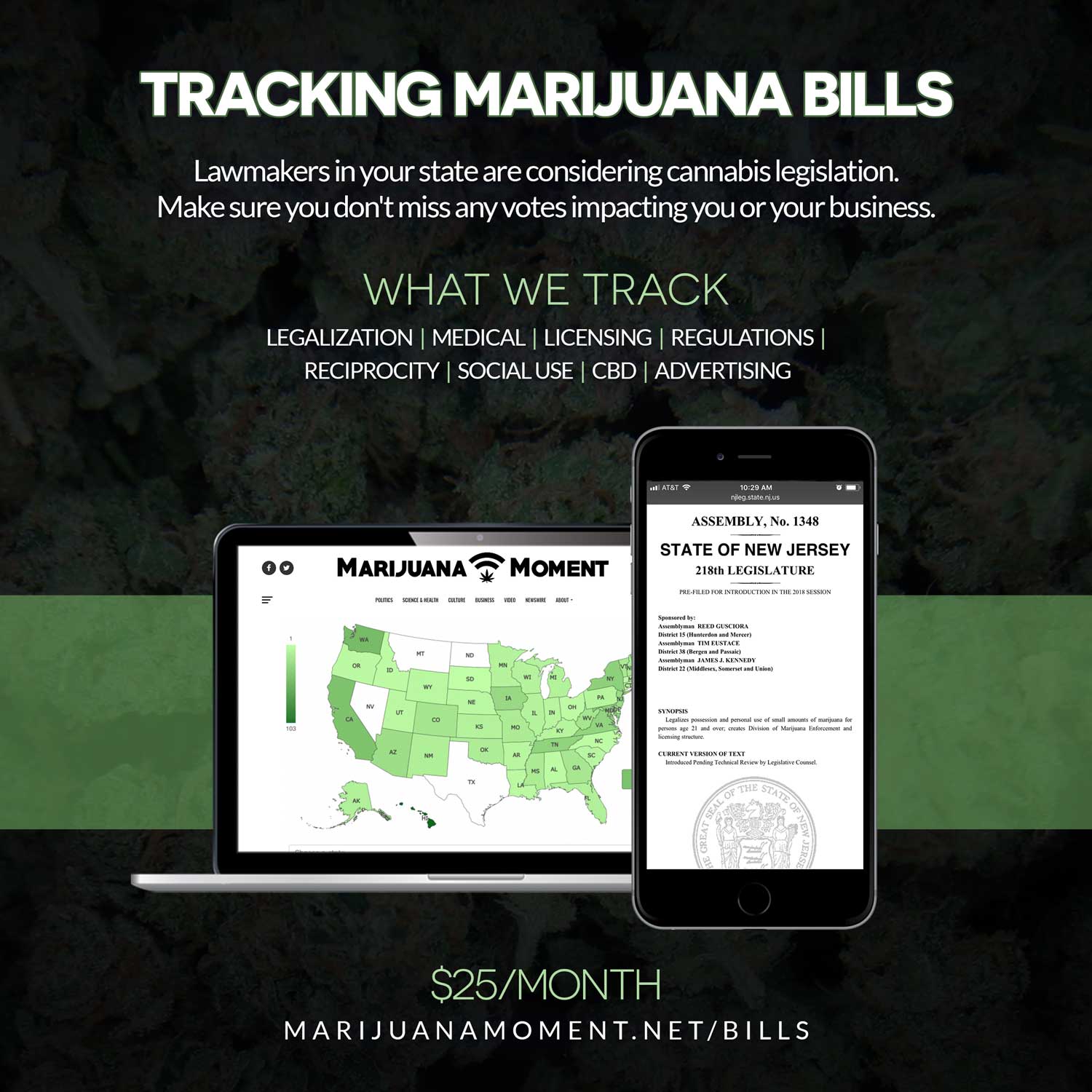
Marijuana Moment is tracking hundreds of cannabis, psychedelics and drug policy bills in state legislatures and Congress this year. Patreon supporters pledging at least $25/month get access to our interactive maps, charts and hearing calendar so they don’t miss any developments.


Learn more about our marijuana bill tracker and become a supporter on Patreon to get access.

“We know where it’s going to go. Let’s send a virtue signal,” the sponsor of the legalization proposal, Rep. Jared Sullivan (D), said during a House Commerce and Consumer Affairs Committee hearing last month. “Let them be the ones that are pissing off voters who care about this.”

Sullivan ultimately made a persuasive defense of moving forward with his original bill, pointing out that the House has repeatedly passed similar legalization legislation and that the chamber should stand its ground, forcing the Senate and governor to again go on record with their opposition to a policy popular among voters.

Meanwhile, after the House added provisions to a Senate-passed bill that would allow medical marijuana patients to grow cannabis at home, those measures were stripped in conference.

Gov. Kelly Ayotte (R) also said in August that her position on marijuana legalization would not change even if the federal government moved forward with rescheduling the plant—a policy change President Donald Trump is actively considering.

“If federal law changes, I have to comply with federal law,” Ayotte said. “But my position has been, and continues to be, that we should not legalize marijuana in the future.”

The post New Hampshire Lawmakers Approve Bill To Let Medical Marijuana Dispensaries Convert To For-Profit Businesses appeared first on Marijuana Moment.

Source link

Ohio cannabis companies sue regulators over strict rules

Ohio cannabis companies sue regulators over strict rules

Seven Ohio cannabis companies are suing state regulators to overturn strict product and advertising rules they claim conflict with the state’s 2023 voter-approved legalization law.

Cleveland-based Ancient Roots, Akron-based Fire Rock and five other businesses sued the state Division of Cannabis Control (DCC) on Sept. 17, according to The Columbus Dispatch.

ADVERTISEMENT

The lawsuit comes nearly two years after Ohio voters legalized adult-use marijuana in November 2023.

Recreational sales hindered by medical program rules

Recreational marijuana sales began in August 2024 and topped $702 million in the first year.

The lawsuit alleges that the state is enforcing outdated regulations from the medical cannabis program, which do not align with the new law.

“I thought we would’ve seen a little bit of growth and more

The post Ohio cannabis companies sue regulators over strict rules appeared first on GrowCola.com.

Source link

Nebraska Senator Files Formal Challenge To Restrictive Medical Marijuana Rules Signed By Governor

Nebraska Senator Files Formal Challenge To Restrictive Medical Marijuana Rules Signed By Governor

Nebraska Senator Files Formal Challenge To Restrictive Medical Marijuana Rules Signed By Governor

“The commission is not free to adopt its own definition of cannabis that is more restrictive than the definition contained in statute.”

By Zach Wendling, Nebraska Examiner

A state lawmaker is formally challenging regulations from the Nebraska Medical Cannabis Commission that he says “override the clearly expressed will of Nebraska voters.”

A Thursday complaint led by State Sen. John Cavanaugh (D) of Omaha, a lawyer, narrows in on a handful of issues Cavanaugh cites in emergency regulations passed by the commission this summer. Commissioners hope to make the regulations final and have scheduled a 1 p.m. public hearing at the Nebraska State Office Building in Lincoln on October 15 to receive feedback.

Among Cavanaugh’s complaints are that the regulations would:

  • Restrict the availability of medical cannabis products that could be sold at licensed dispensaries to a narrow list, while the law has no restrictions.
  • Only allow in-state health care practitioners to recommend medical cannabis, while voters approved allowing any physician to do so.
  • Prohibit smoking or vaping of medical cannabis, while the law expressly allows any device used for vaporization or inhalation.

“All without the benefit of a public hearing or public scrutiny, the commission and the governor have chosen to override the clearly expressed will of Nebraska voters,” Cavanaugh wrote to State Sen. Ben Hansen (R) of Blair, chair of the Legislature’s Executive Board.

Since December, Nebraskans have been able to legally possess up to 5 ounces of medical cannabis, so long as they have a health care practitioner’s recommendation. But without licensed establishments, medical cannabis can’t yet be legally purchased in the state.

Voters gave the commission until July 1 to issue regulations and Oct. 1 to begin issuing licenses, a deadline that will be missed by at least a week following two commissioner resignations.

Complaint is first step

A state senator can formally challenge a state agency’s regulations and begin a process to receive a written response on how the targeted rules conform to legislative intent and why they’re needed. In November, 71 percent of Nebraska voters voted to legalize medical cannabis and 67 percent of voters voted to create the new regulatory commission.

Hansen will refer Cavanuagh’s complaint to State Sen. Rick Holdcroft (R) of Bellevue, chair of the General Affairs Committee, who will consider requesting the Medical Cannabis Commission to engage. The commission would have 60 days to respond if requested.

Holdcroft said Thursday he had not yet seen Cavanaugh’s complaint but would review it. Cavanaugh is vice chair of the General Affairs Committee.

Hansen, who noted he serves as only an “intermediary” in the complaint process, says he does feel Cavanaugh’s complaint is “legitimate,” partly because of the missed licensing deadline.

“Not only because that’s what the people voted on, specifically the dates, but I think it could potentially open up the state to a lawsuit by the delay,” Hansen said. “I think it’s a legitimate complaint to look at and maybe have us as a Legislature look into things if we need to.”

Cavanaugh suggested pairing his complaint with an October 31 hearing on Legislative Resolution 226, an interim study introduced by Cavanaugh with support from Holdcroft and Hansen to see how the voter-approved medical cannabis laws are being implemented.

Holdcroft says he intends to invite commissioners and Nebraskans who led the 2024 ballot measure to that hearing and see what might need to be done in the 2026 legislative session to get the program “the way we want it to be run in Nebraska, whatever that is.”

Nebraska judges have legal discretion to strike down any regulation “if it violates constitutional provisions, exceeds statutory authority of the agency or was adopted without compliance with the statutory procedures.”

Lawmakers upheld that judicial power this spring and, beginning in May, permitted any such lawsuit to be filed in any district court, no longer just Lancaster County District Court.

Commission regulations

Included in the proposed regulations is a requirement that only in-state physicians could be part of a “Recommending Health Care Practitioner Directory.” Only those Nebraska practitioners could refer patients to licensed Nebraska dispensaries. Participating physicians would also need to complete annual education related to medical cannabis.

Cavanaugh said while such education might make sense, that is a policy choice for the Legislature. He noted the Legislature had the choice to create a more restrictive medical cannabis program this spring but ultimately did not.

Lawmakers this spring also failed to pass legal protections for physicians who recommend medical cannabis, which Cavanaugh urged as the executive branch intensifies legal pressure.

“The commission is not free to adopt its own definition of cannabis that is more restrictive than the definition contained in statute,” Cavanaugh wrote.

The regulations would similarly restrict Nebraskans from accessing certain types of cannabis, including raw flower, vapes and delta-9 tetrahydrocannabinol (THC), the part of the plant most associated with a “high.” Patients would also be limited to up to 5 grams of delta-9 THC every 90 days. Five ounces is the equivalent of 141 grams.

Cavanaugh wrote it would take seven years for a patient to obtain 5 ounces of delta-9 THC, yet voters set no THC restriction.

Under the regulations, up to four cultivators could each possess up to 1,250 flowering plants at one time as they work with up to four product manufacturers and 12 dispensaries statewide.

In addition to the regulatory public hearing on October 15, written comments can be submitted up to 11:59 p.m. October 15 by mail to the Nebraska Medical Commission, PO Box 95046, Lincoln, NE 68509-5046; by fax at 402-471-2814 or by email to mcc.contact@nebraska.gov.

Medicinal vs. recreational

Gov. Jim Pillen (R), who approved the emergency regulations, including with his stipulation of a plant cap, will eventually decide whether to finalize a future set of regulations. He has said his appointees will ensure Nebraska’s cannabis program stays medicinal.

Hansen led Legislative Bill 677 this spring with the support of longtime medical cannabis advocates. It was meant to help the commission by putting many regulations already in law. At multiple public forums that Hansen, Cavanaugh and Holdcroft led, voters said they would support recreational marijuana if state leaders stood in the way of medical cannabis.

“If the commission, the governor and some state senators fear recreational marijuana is the next step, I can only say that the surest way to guarantee the voters take that next step is by frustrating their clearly expressed will in favor of medical cannabis,” Cavanaugh said Tuesday.

The two resignations on the Liquor Control Commission this Monday, sought and received by Pillen, followed federal public corruption charges unsealed last week against the former executive director of the Nebraska Liquor Control Commission. He has pleaded not guilty.

The three liquor commissioners also serve on the Medical Cannabis Commission. No commissioner was implicated in the federal indictment.

Holdcroft said he was “completely surprised” by the alleged behavior of the former director. However, he said the Liquor Control Commission’s mid-September hiring of Micah Chaffee, who worked for Holdcroft and the General Affairs Committee as a research assistant, is an “excellent choice” with Chaffee’s familiarity with liquor and cannabis issues.

“He’s a family man. He has high moral standards. I have great respect for him and his ability,” Holdcroft said of Chaffee. “I think with his leadership and the governor’s appointment of some quality commissioners to replace the two that have resigned, I think we should be OK.”

‘The Legislature must act’

The Medical Cannabis Commission will return next Tuesday when it is expected to vote on the first cultivator licenses. Still, getting from seed to sale likely won’t occur until at least mid-2026.

Some lawmakers voted against Hansen’s LB 677 in May because they wanted to wait for legal challenges to play out against the laws, challenges that continue to this date and remain threatened. Among those threatening legal action is the Nebraska Attorney General’s office. Cavanaugh said the regulatory process has also increased legal risk.

Other senators wanted to give the commission time to act, which Cavanaugh said is now a “moot argument.”

Said Cavanaugh: “The Legislature must act to ensure that the will of the voters is observed.”

This story was first published by Nebraska Examiner.

Photo courtesy of Carlos Gracia.

The post Nebraska Senator Files Formal Challenge To Restrictive Medical Marijuana Rules Signed By Governor appeared first on Marijuana Moment.

Source link

German Government Report Shows Marijuana Legalization Hasn’t Increased Youth Use Or Traffic Accidents

Newsom talks national cannabis legalization in Trump-mocking post (Newsletter: October 3, 2025)

Newsom talks national cannabis legalization in Trump-mocking post (Newsletter: October 3, 2025)

FL marijuana smell court ruling; OR interstate cannabis commerce lawsuit; NY psychedelics hearing; Survey: Medical marijuana helps chronic pain

Subscribe to receive Marijuana Moment’s newsletter in your inbox every weekday morning. It’s the best way to make sure you know which cannabis stories are shaping the day.

Your support makes Marijuana Moment possible…

Your good deed for the day: donate to an independent publisher like Marijuana Moment and ensure that as many voters as possible have access to the most in-depth cannabis reporting out there.

Support our work at https://www.patreon.com/marijuanamoment

/ TOP THINGS TO KNOW

California Gov. Gavin Newsom (D) joked in another Trump-style social media post that he will be legalizing marijuana nationwide under the new role of “leader of the free world” he’s proclaiming in light of the federal government shutdown—saying that people will be “high on patriotism.”

California Gov. Gavin Newsom (D) signed a bill to integrate intoxicating hemp products into the state’s existing marijuana market—saying that “for too long, nefarious hemp manufacturers have been exploiting loopholes to make their intoxicating products easily available to our most vulnerable communities.”

The Florida Second District Court of Appeal ruled that police

The post Newsom talks national cannabis legalization in Trump-mocking post (Newsletter: October 3, 2025) appeared first on GrowCola.com.

Source link