Conversations in Cannabis: Martin Anker, CEO & Founder of SANlight
Martin Anker is the Chief Executive Officer of SANlight, a leading Austrian company specializing in high-performance LED grow lights for horticulture and indoor cultivation. Based in Schruns, Vorarlberg, SANlight has become a global innovator under Anker’s leadership, known for combining advanced lighting technology with sustainability and plant science. With a background in engineering and a passion for both technology and horticulture, Anker has steered the company to develop cutting-edge LED solutions that maximize yields while minimizing energy consumption—making SANlight a trusted partner for both professional cultivators and hobby growers worldwide.
Beyond overseeing product innovation, Anker has positioned SANlight as an educator and advocate in the controlled-environment agriculture space. He regularly participates in industry conferences, trade shows, and expert panels, where he emphasizes the importance of efficiency, quality, and research-driven design in the cultivation sector. His vision has helped SANlight earn recognition not only as a top manufacturer of LED grow systems, but also as a thought leader shaping the future of sustainable agriculture and plant lighting technology.
I sat down with Martin to discuss SANlight’s recent expansion into the US and the A2Z of what makes a plant pop. All this and more in this episode of Conversations in Cannabis.
We would like to thank Martin for his time in being on today’s episode. You can find out more about SanLIGHT by visiting them online at www.sanlight.com. That’ll do it for us today, as always thanks for listening and make sure to stay tuned to the next episode here on Conversations in Cannabis.
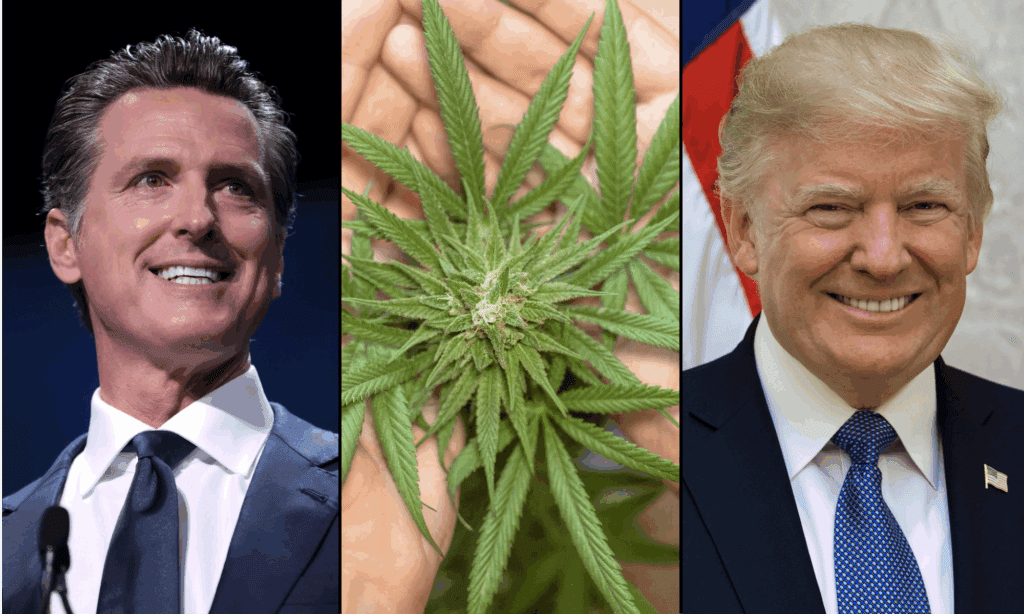
Gavin Newsom Jokes He’ll Legalize Marijuana As ‘Leader Of The Free World’ And Get People ‘High On Patriotism’ Amid Federal Shutdown
Keeping with his recent parody of President Donald Trump’s social media style, California Gov. Gavin Newsom (D) said on Wednesday that he’s assuming the role of “leader of the free world” in light of the federal government shutdown—and part of his platform will be to legalize marijuana.
People will be “high on patriotism,” he said in a post on X.
As Congress continues to struggle to reach an agreement on government funding legislation, Newsom took another opportunity to poke fun at the president, whom he’s routinely goaded with social media posts mimicking Trump’s rhetoric over recent weeks.
“GOOD NEWS PATRIOTS! WITH WASHINGTON SHUT DOWN, I, GAVIN C. NEWSOM, AM NOW THE LEADER OF THE FREE WORLD,” the governor said, while listing legislative priorities that include universal health care, employment opportunities, free eggs, hair gel subsidies and a plan to “LEGALIZE CANNABIS!”
“CRIME WILL STAY LOW AND EVERYONE WILL BE HIGH ON PATRIOTISM,” Newsom said on his X account, parroting Trump’s use of all-caps social media posts. “AND NO MORE TICKETMASTER FEES (FOR THE SWIFTIES, FEES STAY FOR KID ROCK!) THEY WILL CHANT USA! USA! BECAUSE WE WILL BE BACK AND “HOTTER” THAN EVER BEFORE. THANK YOU!”
GOOD NEWS PATRIOTS! WITH WASHINGTON SHUT DOWN, I, GAVIN C. NEWSOM, AM NOW THE LEADER OF THE FREE WORLD. MY PLATFORM IS VERY SIMPLE: HEALTH CARE FOR ALL AMERICANS (NO MEASLES!), FREE SCHOOL MEALS (WOW PUDDING FOR EVERYONE), FREE CHILDCARE (THE MOMS LOVE ME! MORE BABIES!!)…
— Governor Newsom Press Office (@GovPressOffice) October 1, 2025
Newsom was one of the first high-profile politicians to endorse legalization years before voters in his state moved forward with the reform. Of course, the post on Wednesday isn’t meant to be taken seriously. Rather, it’s meant to replicate Trump’s boastful social media strategy.
With respect to the president, Trump said in late August that he would soon be making a decision on a proposal to move marijuana from Schedule I to Schedule III of the Controlled Substances Act (CSA). He previously endorsed the reform on the campaign trail, but he was less clear in recent comments about where he stands on the policy proposal.
Rescheduling would not legalize marijuana, however, as the California governor jokingly said he would accomplish as “leader of the free world.”
A Summer on the Green With Vlasic Classic Charity Golf Tour
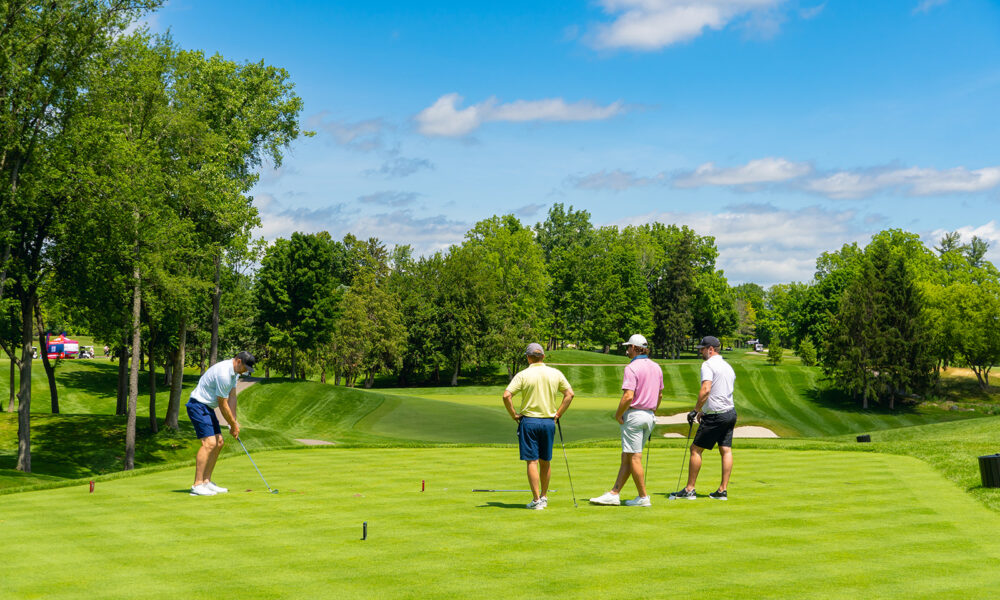
The Vlasic Classic golf tour is growing into a uniquely powerful networking event. Founded by cannabis entrepreneur Willy Vlasic, the annual nationwide charity golf tournament is a movement built on purpose, community and philanthropy, all while spending a day on the green—literally and figuratively.
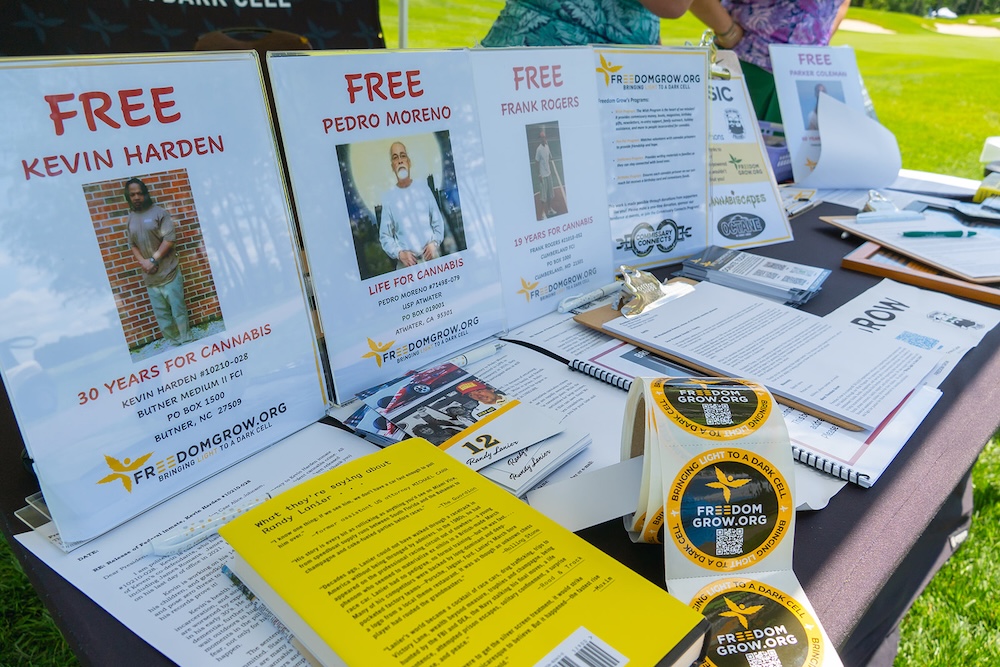
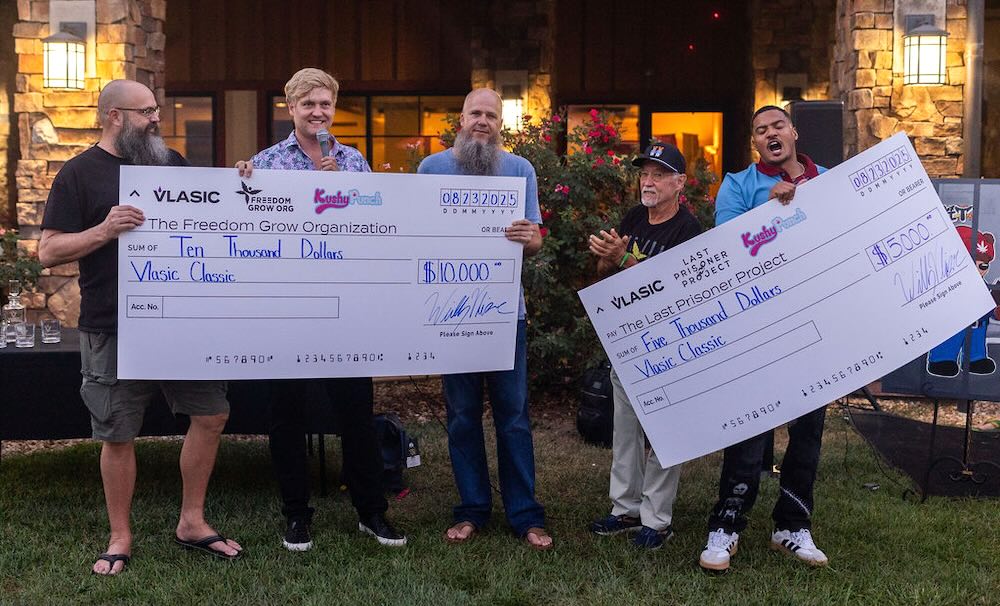
Now in its third year, Vlasic Classic supports organizations like the Last Prisoner Project and Freedom Grow to secure the freedom of those unjustly incarcerated for non-violent cannabis offenses. The tour made stops in both Michigan and Missouri, bringing together industry leaders for a weekend of golf, connection and charity.
The Michigan Classic
PHOTO Cota Creative Media
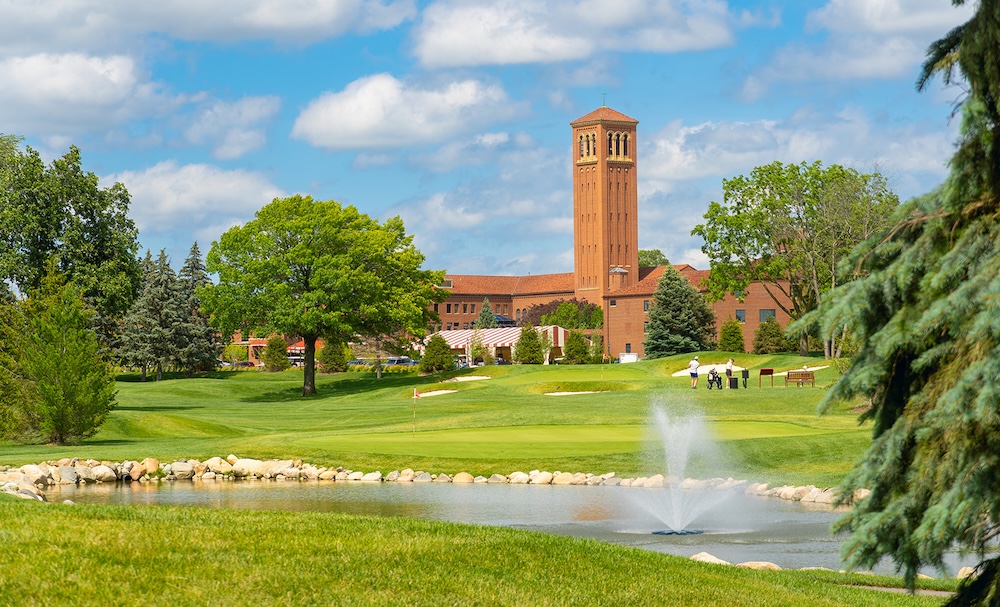
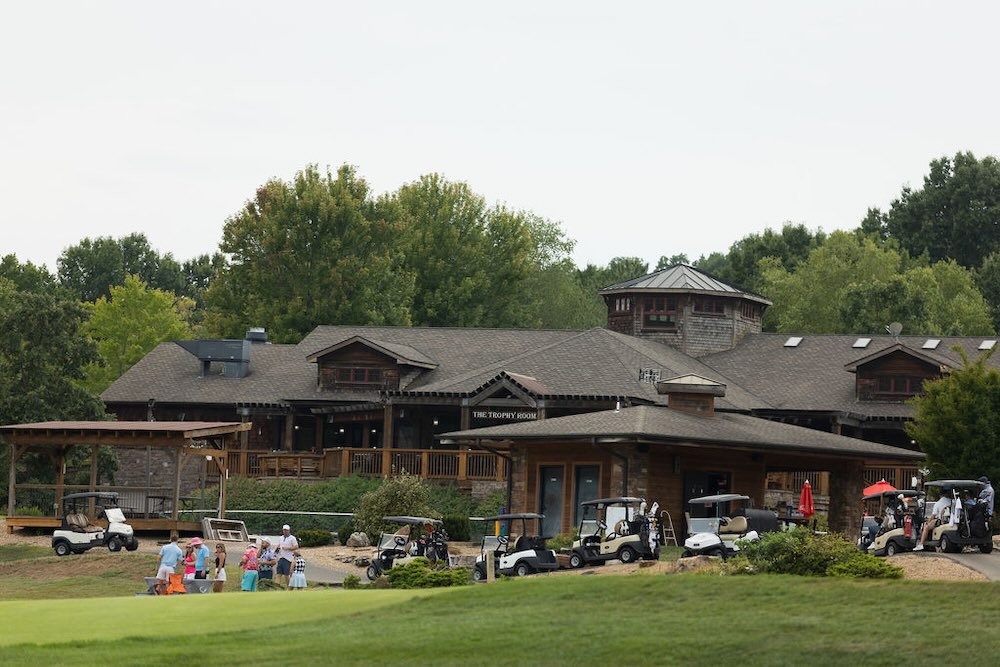
The first stop was the Cardinal Golf Course at St. John’s Resort in Plymouth, Michigan, on June 28. The venue was a deliberate choice, as the resort itself is a nonprofit, with all funds supporting local and international humanitarian efforts.
As one participant noted, it’s rare for cannabis brands to get to play on such an impeccable course, and the opportunity was not lost on the attendees. The location also holds a key connection to the broader golf world, as the course is a host for the LIV Golf Team Championship, making it a powerful landmark in both the sports and cannabis spaces.
The atmosphere was a unique blend of professionalism and personal touch. The entire event was a family affair, produced with the intimate, hands-on involvement of Willy Vlasic and his team. Willy’s father and nephew even came out to welcome players before the first tee-off. This personal touch extended to every detail, from the laid-back, friendly atmosphere to the generous and thoughtfully curated gift bags.
Beyond the course, the event included a lively welcome party sponsored by Kushy Punch and a culminating after-party at Willy’s home, complete with a live rosin-press demo by Access Rosin, pizza and a DJ. It was a perfect mix of a professional, large-scale event with a personal, communal feel.
PHOTO Cota Creative Media
Activations at every hole—from a longest-putt contest with a weed stalk putter to a $10,000 hole-in-one challenge—kept the energy high, all while driving donations to the cannabis prisoners’ cause.
The blend of local Michigan brands, such as hardware company Vapin’ Ape, and national companies like Sweed, an e-commerce platform for dispensaries, also facilitated valuable interstate networking opportunities.
“Willy and his team put on an incredible event,” says Kellen O’Keefe, president of Sweed. “What’s really great is that we’re dealing with the decision-makers. We’re going straight to the qualified purchasers and the people that we’re looking to sit down with. To be able to play golf with them for four hours and talk about our product is an amazing opportunity.
Brandy, an account executive for Northern Michigan at Kushy Punch, echoed the sentiment. “This is my second Vlasic event, and business-wise, today went really well,” she said. “There’s a lot of really good possibilities and potentials available, especially for Kushy Punch, just being able to kind of re-establish themselves.”
Alex Sturton, owner of Vapin’ Ape, highlighted the shared values, saying, “We really like the intersection of sports and cannabis of the Vlasic Classic. There are a lot of people who like to smoke and go and participate in something competitive.”
The Missouri Classic
PHOTO Omega Weddings
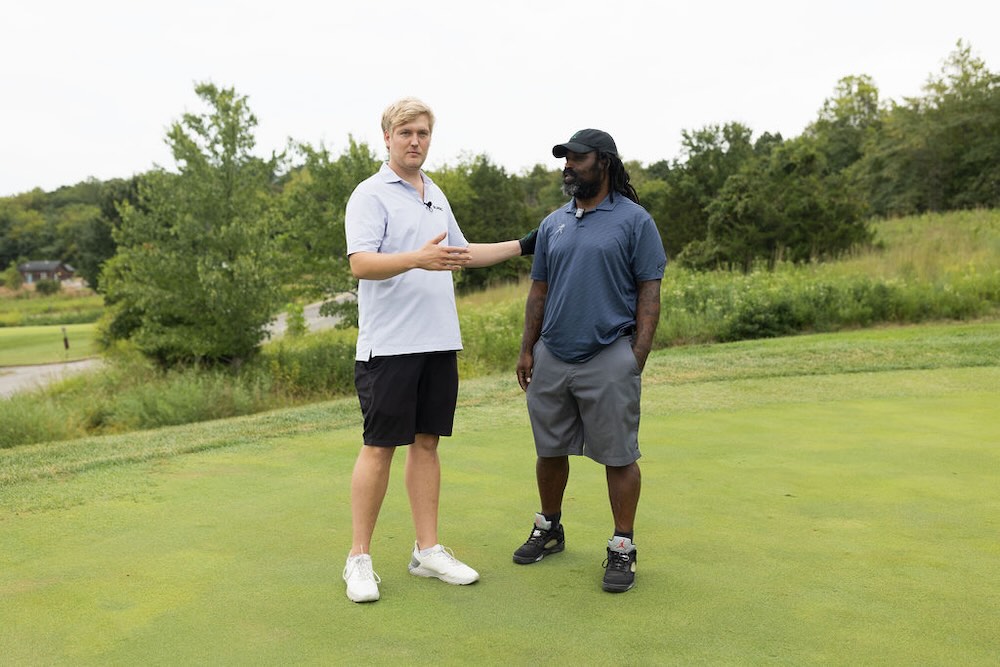
The Third Annual Missouri Vlasic Classic continued the mission August 22-24 with a weekend of golf, fun and philanthropy at Old Kinderhook. The event was a testament to the community’s support, with 124 golfers and 37 sponsors, representing over $1 billion in annual revenue from across the Missouri cannabis industry and beyond.
The tournament’s playful energy, featuring rocket ball launchers, drone drops and a “Beat the Pro” hole, was balanced by its serious philanthropic goals. The event successfully raised over $16,000, with $10,000 going to Freedom Grow, $5,000 to the Last Prisoner Project, and $1,300 to Deshaun Durham to help him start his pre-law degree. The weekend culminated with a huge raffle, including a 3-day golf trip to Kiawah Island.
A Champion’s Perspective: An Interview With Ricky Williams
PHOTO Omega Weddings
Among the sponsors in Missouri was Highsman, the cannabis brand founded by NFL legend and Heisman and NFL MVP winner, Ricky Williams, one of the pioneers of the evolving relationship between professional sports and cannabis advocacy.
Williams sees his partnership with Vlasic Classic as more than just a business move; it’s an extension of his life’s work. “I’ve never seen cannabis as just a brand play; it’s always been about healing and making things right after decades of prohibition,” he says.
For Williams, Highsman’s support for the Last Prisoner Project and Freedom Grow isn’t charity, but “justice in action.” He believes in the power of an event like this to create real equity in the industry, and it’s a mission that resonates deeply with him.
PHOTO Cota Creative Media
The vibe on the course was a perfect representation of Williams’s brand ethos, “Spark Greatness.” He says that the atmosphere was one of “pure competition, but with a lot of laughs and good energy.” He believes this is the “sweet spot” where having fun and pushing yourself can be done for a larger purpose. “As an athlete, I know connection comes from playing together, and when that same spirit fuels philanthropy, the impact is real,” he says.
When discussing the impact of the Vlasic Classic, Ricky Williams emphasizes that “impact is what matters.” He finds it deeply meaningful to see tangible results from the event’s fundraising efforts. “When I see real dollars going to free people and support equity in this industry, that’s when advocacy earns respect,” he says. “It’s powerful to watch change actually happen. That’s what keeps me grounded in the work.”
Williams believes that the cross-state unity on display at the Vlasic Classic is “absolutely essential” for the future of the industry. “It’s how we create scalable change, shift public perception, and level the playing field,” he says. “When industry players join forces across borders, we’re not just growing revenue—we’re rewriting the rules for equity, access and innovation.”
For a man who has constantly challenged norms, from his football career to his personal life, being an advocate in the cannabis space is a natural fit. “I’m not here just to put my name on things, I’m here to disrupt, to empower and to be real,” Williams says. “It’s about paving a new path so the next generation doesn’t have to fight the same battles.”
The Power of the Green
PHOTO Omega Weddings
The Vlasic Classic is about so much more than a golf tournament. As Willy Vlasic stated, their mission will continue “until everyone is released from prison for non-violent cannabis offenses.” It’s a bold promise that is being backed up by real action, one swing, one sponsor and one freed prisoner at a time.
The event is a celebration of the power of the cannabis community, showing that when the industry comes together for a purpose, it can make a tangible difference that resonates far beyond the green.
The next round of the Vlasic Classic gold tournament tees off again on November 8 at Vegas Vlasic Classic with Nuwu. Expect a day filled with golf, good causes and a whole lot of green at the The Wolf Course at Paiute Resort.
What Does the First Official Data on Germany’s Cannabis Reforms Show?
Germany’s booming cannabis market, which Prohibition Partners now estimates to be worth around €670m, is entering uncertain and potentially treacherous territory.
As the landmark CanG Act approaches its second year, it has become a highly charged and increasingly divisive issue politically, culturally, and medically.
With the recent ousting of the Traffic Light Coalition, responsible for creating and pushing through partial cannabis legalisation, the new Christian Democrat (CDU) led coalition has ramped up its anti-cannabis rhetoric and has consistently and publicly threatened to restrict or even roll back the changes brought about over the last 18 months.
This week, the first interim report on the impact of the reforms has been published, marking the first in a string of upcoming events which could define the future of the industry.
The findings of the ‘Ekocan’ report have already caused a stir among commentators on both sides of the aisle, with some suggesting it points to a wholesale failure to meet its intended goal of protecting consumers and reducing the illicit market, and others suggesting it shows positive progress at such an early stage.
With the preliminary report due to be debated in the Bundestag today, fireworks from all sides are anticipated. Through the smoke and heated rhetoric, however, the CDU will be listening closely. To date, it has spoken of tough measures to crack down on the market, but has held off on implementing any such measures until the results of the evaluation are clear. As such, this is a critical marker of what is to come.
What is Ekocan, and why is it important?
The Ekocan (Evaluation des Konsumcannabisgesetzes) project is the first of three federally mandated assessments of the Konsumcannabisgesetz (KCanG), which came into force on April 01, 2024.
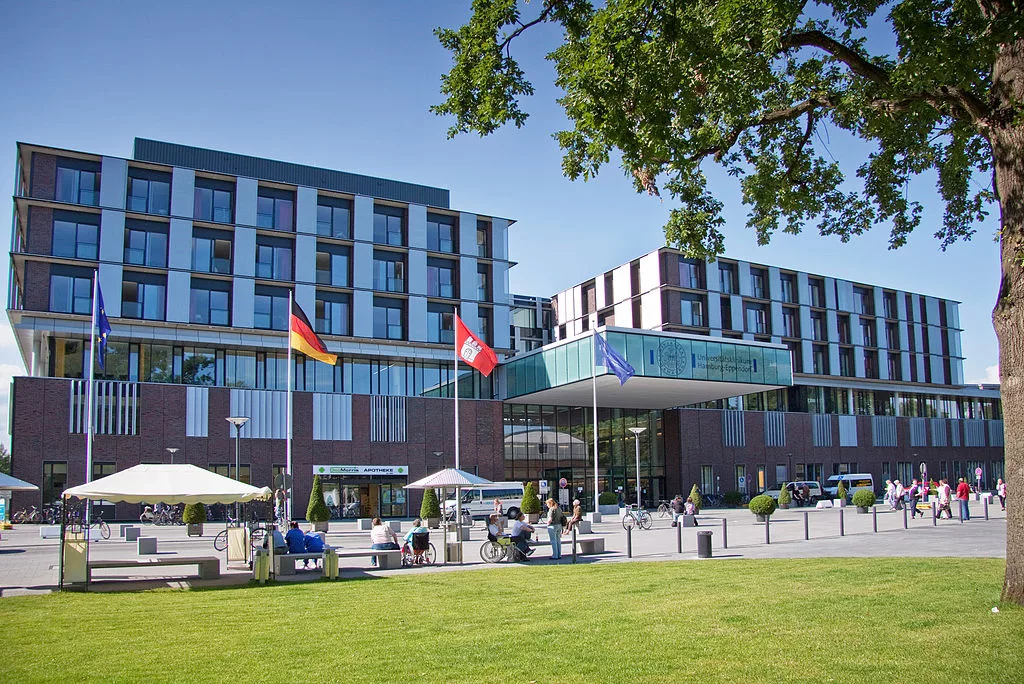
Led by the University Medical Centre Hamburg-Eppendorf, in cooperation with a consortium of research institutes, the evaluation was commissioned by the Federal Ministry of Health and runs from January 2025 to April 2028, with additional reports examining the effects in more detail due to be published in April 2026 and April 2028.
Its evaluation, therefore, focuses on the non-medical cannabis market, though the report notes some overlap where patients obtain cannabis via prescriptions. Key areas of investigation include patterns of use, perceived availability, cannabis-related health incidents, youth welfare cases, cannabis-related crime, as well as overall market size, price levels and potency trends.
While the Health Minister Nina Warken has repeatedly told local media that she intends to ban the mail order delivery of cannabis flowers and require patients to attend in-person consultations, her bold statements are thought to be more political signalling than a legislative promise, especially considering any changes must get the green light from coalition partners the SPD, who were the architects of the reforms.
Meanwhile, the new Federal Government Commissioner for Drugs Prof. Dr Hendrik Streeck has taken a more measured stance, committing to evidence-based, scientifically grounded policymaking, explicitly referencing the agreement in the CDU–SPD coalition deal to await the evaluation before making further decisions.
As part of the two-party coalition agreement, it was stipulated that any further action on cannabis should be dependent on the results of the evaluation.
These initial findings are already shaping the debate. Yet the evaluation focuses on the KCanG, whereas proposed restrictions target the MedCanG, raising criticism that the evidence base and the policy agenda are misaligned.
German medical cannabis clinic Bloomwell Group’s CEO Niklas Kouparanis said: “It is baffling to me that the legislature wants to restrict the Medical Cannabis Act without giving the law its own scientific review – and to return sick people to the system based on a ‘perceived’ abuse, in reality completely arbitrarily and purely for ideological reasons.”
The Ekocan study combines survey data from both the general population and cannabis users (through studies such as DEBRA and KonCanG) with routine data from health, social services and law enforcement. Several complementary projects, including AMoCan, POLCAN and OBCAN, also contribute to the analysis.
Market Development
In 2024, total demand for both medical and recreational cannabis was estimated at 670–823 tonnes.
Around 9–13% of demand was covered by medical cannabis, while less than 0.1% came from cultivation associations. The rest came from private home-growing and illegal sources.
Social supply (sharing among peers) remains central, mixing legal and illegal origins. Home-grown and pharmacy sources are becoming more important, but the exact legal vs illegal shares cannot be determined.
Home-growing is the cheapest option; medical cannabis is cheaper on average than association-grown, social supply or black-market cannabis.
THC concentrations in legal sources, especially medical cannabis, are higher than in black-market cannabis.
Early signs suggest the legal share of the market is growing while the black-market share is shrinking, though not rapidly. Canada’s experience (78% legal share after 4 years) shows this shift is gradual.
“Initial data indicate that the legal share of the cannabis market is increasing while the black market share is decreasing. However, the extent of this displacement is not yet clear. International experience, such as Canada’s 78% legal share after four years, suggests a gradual shift.”
Youth Protection
There is no major change in the use of prevention programmes among young people.
Child welfare referrals related to cannabis have decreased since legalisation.
40–43% of young people still consider cannabis “easy to obtain” — similar to pre-legalisation levels.
Youth use has been declining since 2019, and this trend has continued after legalisation.
About 10% of young users show risky consumption (daily or near-daily), unchanged by legalisation.
The age of first use (15–16 years) remains stable.
Unintended intoxications in children are extremely rare.
Data is insufficient for a full picture, but the initial trend suggests no increase in youth consumption problems.
“Around 10% of young users report risky cannabis use (daily or almost daily), with no evidence of changes in this proportion in connection with legalisation.”
Health Protection (Adults)
Prevention programmes for adults: No notable change in uptake.
Adult use prevalence: Slight increase in lifetime and recent use, but no evidence of a surge post-legalisation.
Risky consumption among adults: concentrated in frequent users; wastewater monitoring confirms stable or slightly rising levels.
Cannabis-related health problems: Data (emergency calls, hospitalisations) show no major increase so far, though higher THC levels in legal products may pose future risks.
Traffic safety: Initial data shows no clear rise in cannabis-related accidents, but monitoring is ongoing.
Overall, the report concludes that the first year of legalisation has had little measurable effect on health protection.
“No significant change in cannabis-related health problems among adults. The KCanG does not appear to have had a short-term impact on chronic consumption problems. However, there are indications of a slight increase in acute problems in regionally limited data sources.”
Cannabis-Related Crime
Recorded cannabis offences have decreased, especially consumption-related offences.
Police data shows fewer possession cases, reflecting the new legal thresholds.
Evaluation of administrative offences (fines, minor breaches) is incomplete but will follow in the next stages.
Organised crime impacts cannot yet be assessed.
“From the results no clear, short-term impact of the KCanG on health protection can be identified.”
Possession and Sharing Limits
Most average consumption and cultivation amounts fall within legal possession limits.
Some self-reported breaches of possession/sharing rules exist, but these are limited in scale.
Enforcement practices vary locally; further monitoring is needed to see whether rules are practical or lead to unnecessary sanctions.
“When harvesting three plants in private home cultivation, the possession limit at the place of residence (50g) is often exceeded. Nevertheless, very few corresponding fine proceedings were initiated, suggesting a lack of enforcement.”
Overall Conclusions (so far)
Legal supply channels are expanding, though still a minority share of the total market.
Youth use continues to decline, and there is no evidence of increased harm among minors.
Adult use is stable, with no major surge in risky consumption or health emergencies.
Crime linked to cannabis has decreased, mainly due to fewer possession offences.
The black market persists, but early evidence suggests a gradual shift towards legal sources.
The main long-term risks flagged are high THC concentrations and the still-limited capacity of cultivation associations.
“In the first 12 months after partial legalisation, the legal production and legal sourcing of medicinal and recreational cannabis gained in importance, while cannabis from the black market continued to be sold. Whether the black market can be largely displaced in the coming years is currently unclear and requires detailed data.”
Sad but inevitably true: summer is officially drawing to a close. Away go the swimsuits and flip flops and out come the hoodies and flannel pajama pants.
Whether you’re fielding summer blowout picnic invitations right and left, wondering what to bring to your friend’s beach house as a thank you gift or just looking for something to do with your time off, we suggest trying out one of Cannabis Now’s classic infused recipes for a surefire THC-fueled good time. Check out our picks below.
If you’re looking for a sweet, low octane treat that will meld perfectly with the rest of your friends’ picnic offerings, search no further. All you need for this recipe is chocolate chips, bananas, infused coconut oil and the teensy bit of foresight it’ll take to prepare these guys the night before you head out. Slip ‘em into a cooler alongside the spiked seltzer and let the compliments roll in.
Take advantage of the waning warm weather by going for a nice hike or bike ride and bring these THC-infused granola bites along for the journey. They’re light, they’re relatively healthy and whether you’re an expert climber or a casual stroller, they’re sure to take your outdoor adventure to new heights that have nothing to do with altitude.
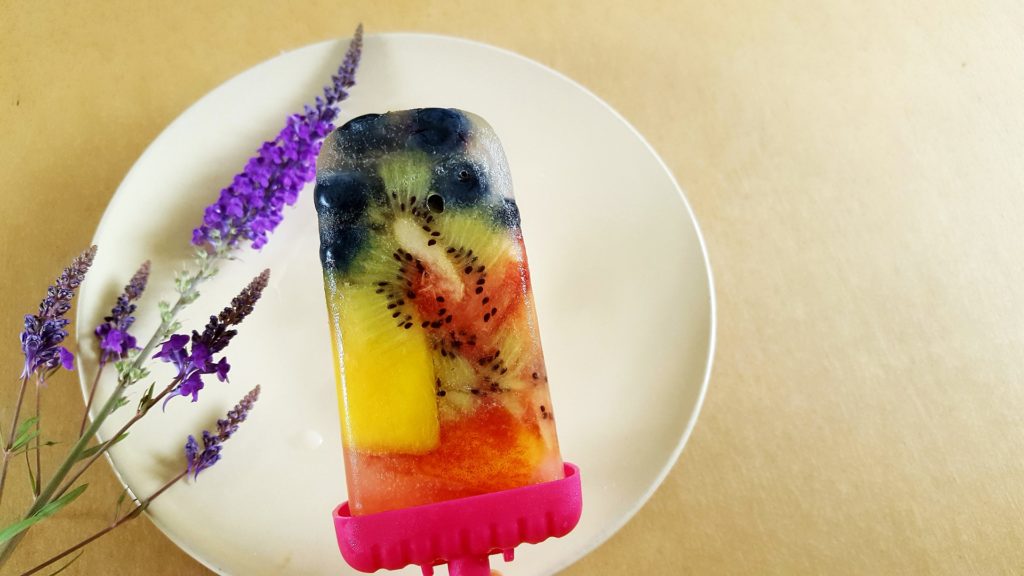
Life’s a beach, or at least life is a little bit better when you’re relaxing on one! The only thing you’ll have to worry about when you bring these little popsicle cubes on your next oceanic outing is how to keep them frosty enough that they don’t melt into a fruity, infused puddle while you’re burying your nose in the latest Sally Rooney book or splashing around in the waves.
If you don’t want to phone in a potluck dish, but you’re already looking to go the extra mile by providing a little more “fun” to the function, try these almond bliss bars. They’re the perfect cap to an eclectic meal and they’re more involved than rolling up a few joints and tossing them in your backpack — but barely. If your friends aren’t clamoring for the recipe on the basis of taste alone, they definitely will be once you let them know how easy these bars are to bake.
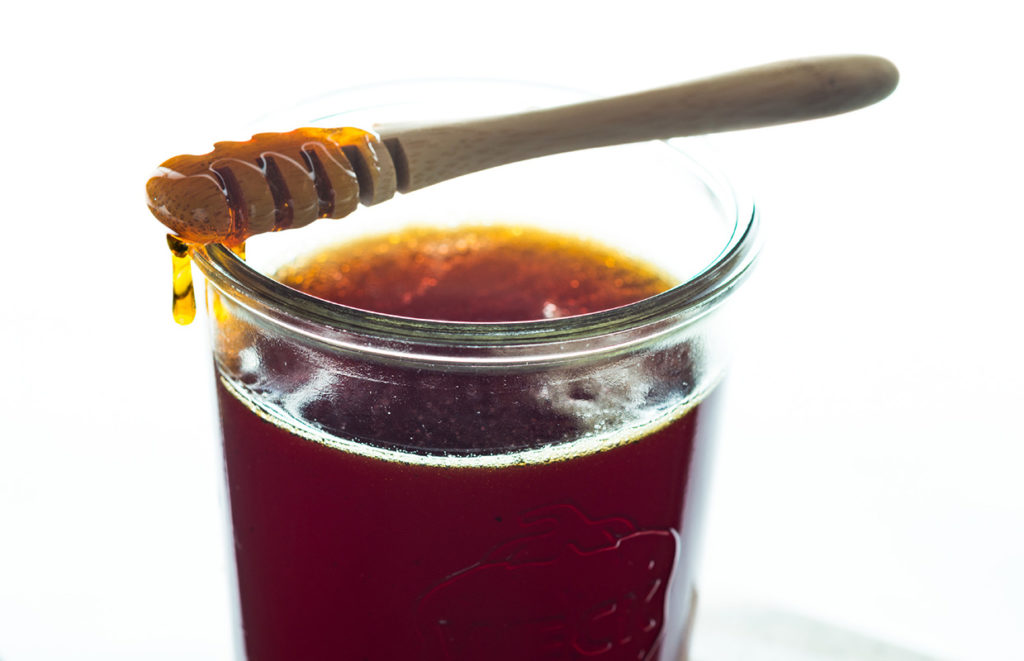
If you are one of many unfortunate Americans whose boss isn’t letting you off the hook to celebrate the way your labor creates their capital, why not be a little bad and take a mental vacation? Sure, you might be physically behind the cash register or computer, grinding per usual, but with a few tablespoons of this infused honey in your morning cup of tea, the ineffable thing that makes youcan kick it on a higher plane. How’s that for time off!
In a filing with the U.S. Court of Appeals for the Ninth Circuit last week, attorneys for Oregon Gov. Tina Kotek (D), Attorney General Dan Rayfield (D) and Oregon Liquor and Cannabis Commission’s (OLCC) Dennis Doherty and Craig Prins urged a review of the “constitutional challenge” to the state law.
The officials previously provided notice that they’d be contesting the U.S. District Court for the District of Oregon decision back in June.
After two marijuana businesses—Bubble’s Hash and Ascend Dispensary—initially filed a lawsuit in the district court challenging the implementation of Measure 119, a federal judge sided with the plaintiffs, finding that the law unconstitutionally restricts free speech and violates the federal National Labor Relations Act (NLRA).
Under the currently paused law, a marijuana businesses that was unable to provide proof of a labor peace agreement could have been subject a denial or revocation of their license.
“The challenged law is constitutional because it does not in fact
Butterscotch Willy Strain, is a plant with thick, resinous flowers coated in white trichomes and the potential to express rich purple in cold climates. This high-yielding cultivar delivers an aroma of tropical sweetness, with notes of bright fruit and creamy butterscotch. It is a good strain for discrete indoor grows or modest outdoor grows and is compact and bushy. It’s resistant to many diseases and pests, it’s hardy, and this particular strain is easy to grow for any level of experience. If you want a sweet and balanced reward from your crop, you have Butterscotch Willy Feminized Cannabis Seeds available to buy at Crop King Seeds.
Benefits and Effects
Elevates mood and promotes positivity.
Offers a gentle boost of energy without feeling over stimulated.
Calms the body and mind to create a balanced, calming experience.
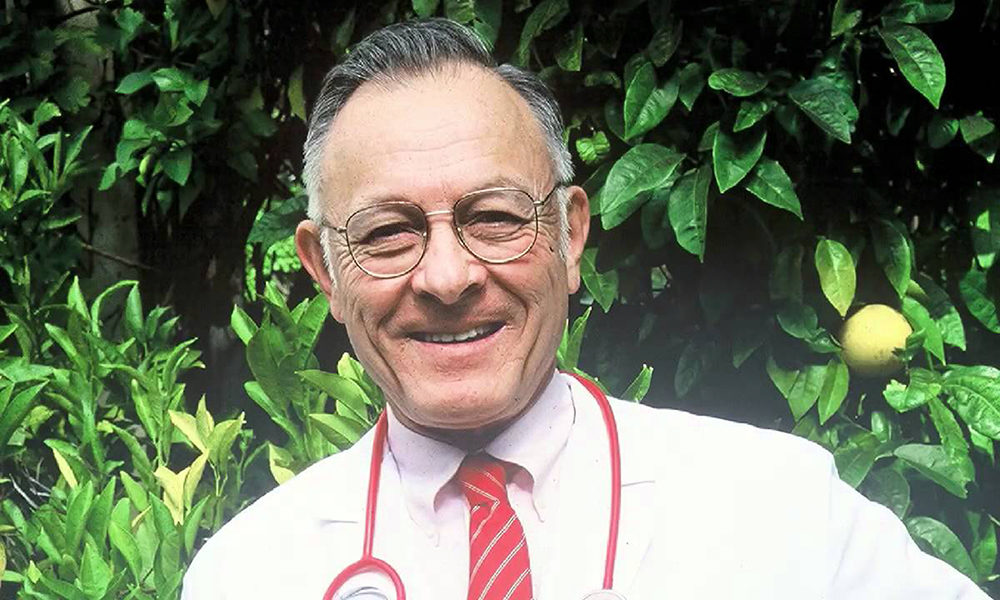
Dr. Tod Mikuriya was a critical force in the
successful and ground-breaking effort to legalize medical marijuana in
California in the 1990s. Now his papers
are available to researchers through a newly archived collection at the
National Library of Medicine.
The Berkeley psychiatrist, who died in 2007, was hailed as the grandfather of the medical marijuana movement, backing up the activists with unimpeachable scholarly chops to the rage of the Drug War establishment. It was hard to assail his credibility, as he had actually headed up the National Institute of Health’s cannabis research program in the 1960s before defecting to the side of the people being studied, so to speak.
An ‘Inappropriate Attack of Curiosity’
Mikuriya was born in a rural part of
Pennsylvania’s Bucks County in 1933, to mixed German and Japanese immigrant
stock. This obviously made him the target of prejudice during his childhood in
World War II, an experience to which he would later attribute his rebellious
streak. Mikuriya received his bachelor’s degree in psychology from Reed College in
Oregon in 1956, before serving a medic in the Army. He then went to medical
school at Philadelphia’s Temple University, where the turning point in his life
occurred.
As he would years later relate to video-journalist Ruby Dunes on the sidelines of a cannabis conference in Santa Barbara, in 1959 Mikuriya was “struck by an inappropriate attack of curiosity” after reading an unassigned chapter in a pharmacology textbook that mentioned the widespread medicinal use of cannabis in the United States before it was outlawed in 1937.
He was sufficiently intrigued that on summer break between semesters that year, he overcame his ingrained fear and traveled to Mexico to seek the stuff out, buying a small quantity from a street-dealer. Nothing would ever be the same for him.
In 1966, Mikuriya began directing the drug addiction treatment center of the New Jersey Neuropsychiatric Institute, at Princeton. That same year, he travelled to Morocco’s hashish heartland of the Rif Mountains, where he smoked kif with Berber tribesman who had resisted French colonial efforts to stamp out cannabis smoking.
It was also during this period that he discovered and immersed himself in the works of Sir William Brooke O’Shaughnessy, the Irish physician who researched the long tradition of medicinal use of cannabis in India in the 19th century. Mikuriya came to view O’Shaugnessy as a “personal hero.” Mikuriya was also among the first scholars to re-explore the findings of the Indian Hemp Drugs Commission Report, the 1894 study ordered by British colonial authorities to examine the supposed cannabis problem in the subcontinent, which instead determined that use is “either harmless or even beneficial.” In 1967, Mikuriya became a researcher at the Center for Narcotics & Drug Abuse Studies of the National Institute of Mental Health (NIMH), itself a division of the National Institutes of Health. This agency was the predecessor of today’s National Institute on Drug Abuse (NIDA). There, he headed up what he would later call the government’s “first overground cannabis research program.” (He would learn there was a “concurrent secret study” going on at Edgewood Arsenal in Maryland, linked to the CIA’s search for truth serums and psychotropic warfare agents.)
He was dispatched to California for the study, to observe the habits of the hippies who were then bursting upon the scene. But as Martin Lee writes in his book “Smoke Signals: A Social History of Marijuana,” “Mikuriya realized that as far as cannabis was concerned he had more in common with the reefer rebels he visited in Northern California than with the ‘repressed bureaucrats’ who debriefed him when he returned from the West Coast.”
In 1968, Mikuriya stepped down from his NIMH position and moved to Berkeley, where he took up a private psychiatric practice. The most important work of his life was about to begin.
As this movement began to take off in California amid the AIDS crisis of the 1980s, Mikuriya came to be seen as the intellectual prowess behind the activist efforts.
San Francisco’s cannabis crusader Dennis Peron was viewed as the key architect of Proposition 215, the 1996 ballot measure that made medical marijuana legal in California, but it was Mikuriya who helped draft the text. If Peron was the father of the medical marijuana movement, Mikuriya was its grandfather, providing guidance behind the scenes.
After the passage of 215, he founded Mikuriya Medical Practice, which lives on today and touts itself as “California’s original medical marijuana consultation service.” During this period, he was writing numerous medical marijuana recommendations for patients every day. He was fondly known to his following as “Dr. Tod.”
In the following years, he would found the California Cannabis Research Medical Group and its latter offshoot, the Society of Cannabis Clinicians.
But his open stance also attracted unwelcome if inevitable attention from the authorities. President Bill Clinton’s hardline drug czar, Gen. Barry McCaffrey, publicly derided Mikuriya’s medical practice and advocacy as “the Cheech and Chong show.”
Finally, in 2000, the Medical Board of California accused Mikuriya of unprofessional conduct for allegedly failing to conduct proper physical examinations on 16 patients for whom he had recommended cannabis. The case was based on the testimony of undercover agents, including police. He would tell the medical board at his disciplinary hearing, “Never before had a fake witness infiltrated my practice and created a fraudulent medical record. It’s most upsetting.” None of his legitimate patients complained about his conduct — on the contrary, several testified to the Medical Board in his defense.
In 2004, the Medical Board gave Mikuriya five years’ probation and a $75,000 fine. He appealed the ruling, and was allowed to continue practicing under the supervision of the state-appointed monitor.
‘First-line Medication’
Mikuriya died of cancer in May 2007. His obituary in the New York Times noted that he was reported to have recommended cannabis
for nearly 9,000 patients.
And he was quite out of the closet about his own use. As the Los Angeles Times reported in 2004, “He willingly acknowledges, unlike most of his peers in cannabis consulting, that he does indeed smoke pot, mostly in the morning with his coffee.”
As Mikuriya told Ruby Dunes in the interview the year before he died, “Cannabis is far less dangers than most any other medication you can think of, especially when dealing with chronic conditions. Cannabis should be looked on as a first-line medication, instead of it being something that you try when you give up on all the conventional treatments.”
TELL
US, do
you consider cannabis a first-line medication?