
Treating PTSD with Cannabis: Long-Awaited Study Gets FDA Green Light

Treating PTSD with Cannabis: Long-Awaited Study Gets FDA Green Light


Treating PTSD with Cannabis: Long-Awaited Study Gets FDA Green Light

After years of delays, researchers are set to move forward on a landmark clinical trial meant to evaluate the efficacy of smoked medical marijuana in treating post-traumatic stress disorder (PTSD) in military veterans. The study is being funded with tax revenue from legal cannabis sales in Michigan.

The Multidisciplinary Association for Psychedelic Studies, or MAPS, announced this week that the U.S. Food and Drug Administration (FDA) gave approval for Phase 2 of the research, which MAPS described in a press release as “a randomized, placebo-controlled study of 320 Veterans suffering from moderate to severe PTSD who have previously used cannabis.”

The group said the study “is designed to investigate the inhalation of high THC dried cannabis flower, versus placebo cannabis, with the daily dose being self-titrated by participants.” It’s meant to reflect consumption patterns already happening across the country and study “the ‘real-world’ use of inhaled cannabis to understand its potential benefits and risks in treating PTSD.”

MAPS said the project is years in the making, noting that it faced several challenges in clearing the research with the FDA that were only recently resolved.

“After three years of negotiations with the FDA, this decision opens the door to future research into cannabis as a medical treatment, offering hope to millions,” the organization said.

“These data are critical to inform patients, medical providers, and adult-use consumers when considering cannabis in treatment plans for the management of PTSD, pain, and other serious health conditions,” the group’s press release said, “yet regulatory obstacles have historically made it difficult or impossible to conduct meaningful research on the safety and effectiveness of cannabis products typically consumed in regulated markets.”

MAPS said that over the years, it responded to five partial clinical hold letters from the FDA that halted the study’s progress.

“On August 23, 2024, MAPS responded to the FDA’s fifth clinical hold letter by submitting a Formal Dispute Resolution Request (FDRR) to resolve the continued scientific and regulatory disagreement with the Division on four key issues,” according to the organization: “1) the proposed THC dose of the cannabis flower product, 2) smoking as a delivery method, 3) vaping as a delivery method, and 4) the enrollment of cannabis naïve participants.”

Sue Sisley, a psychiatrist and the principal investigator for the study, said the trial will help shed more light on the scientific legitimacy of using smoked marijuana to treat PTSD. Despite the growing use of cannabis among patients with PTSD and the condition’s inclusion in many state medical marijuana programs, she said there’s a lack of rigorous data evaluating the treatment’s efficacy.

“Within the United States, millions of Americans are smoking or vaporizing cannabis to manage or treat their symptoms,” Sisley said in a statement. “In the absence of high-quality data related to cannabis, much of the information available to patients and regulators is rooted in prohibition and focused only on potential risks, without consideration of potential benefits.”

“In my own practice, Veteran patients have shared how smoking cannabis helped them manage their PTSD symptoms more than traditional pharmaceuticals,” she continued. “Suicide among Veterans is an urgent public health crisis, but it’s solvable if we invest in researching new treatments for life-threatening health conditions like PTSD.”

Phase 2 of the research, Sisley said, “will generate data that doctors, like myself, can use to develop treatment plans to help people manage their PTSD symptoms.”

Allison Coker, director of cannabis research at MAPS, said the resolution with the FDA came when the agency said it would allow Phase 2 to proceed with smoked cannabis at commercially available THC levels. Vaporization remains on hold, however, until the FDA can assess the safety of any particular delivery device.

In response to the FDA’s separate concern around enrolling cannabis-naive participants in the study, MAPS updated the protocol to require that participants must have “prior experience inhaling (smoking or vaporizing) cannabis.”

FDA had also taken issue with the study’s design of allowing self-titration — meaning participants can consume as much cannabis as they choose, up to a certain amount — but MAPS refused to relent on that point.

An FDA spokesperson told the New York Times, which first reported the Phase 2 approval, that she was unable to provide details about what led to the decision but said that the agency “recognizes that there is great need for additional treatment options for mental health conditions such as PTSD.”

The study is being funded by Michigan’s Veteran Marijuana Research Grant Program, which uses state revenue from legal cannabis taxes to fund FDA-approved, nonprofit-sponsored clinical trials “researching the efficacy of marijuana in treating the medical conditions of United States armed services veterans and preventing veteran suicide.”

State officials announced $13 million in funding for the research back in 2021, part of a total $20 million grant funding round. Another $7 million that year went to Wayne State University’s Bureau of Community Action and Economic Opportunity, which partnered with researchers to study how cannabis might treat a variety of mental health disorders, including PTSD, anxiety, sleep disorders, depression, and suicidality.

In 2022, meanwhile, the Michigan Cannabis Regulatory Agency recommended that year’s $20 million go toward two universities: the University of Michigan, where researchers proposed looking at the use of CBD in pain management, and Wayne State University, which was awarded grants for two separate studies: one that billed itself as the “first randomized, controlled, large-scale clinical trial” to examine whether the use of cannabinoids could improve outcomes for veterans with PTSD who are undergoing prolonged exposure (PE) therapy and another into the effects of marijuana on “neuroinflammation and neurobiological underpinnings of suicide ideation in veterans with PTSD.”

The founder and president of MAPS, Rick Doblin, said in the group’s announcement of the newly FDA-approved trial that veterans “are in dire need of treatments that can ease their challenging symptoms of PTSD.”

“MAPS takes pride in leading the way to open new research pathways by challenging the FDA to think differently,” he said. “Our cannabis work challenges FDA’s typical approach to scheduled dosing and administration of drugs. MAPS refused to compromise the study design in order to fit into the standard box of FDA thinking in order to ensure that cannabis research reflects cannabis use.”

MAPS’s past research has included not just cannabis but also, as the group’s name suggests, psychedelics. It created a spinoff drug development company, Lykos Therapeutics (formerly MAPS Public Benefit Corporation), that sought FDA approval earlier this year of MDMA to treat PTSD.

But in August, the FDA declined to approve the MDMA-assisted therapy. Separate research, published in the Journal of Psychedelic Studies, found that while results of clinical trials have been “encouraging,” more robust research is needed before MDMA-assisted therapy (MDMA-AT) sees widespread adoption over currently available forms of treatment

Some health officials said afterward that the effort nevertheless reflected progress at the federal level.

“We all feel some type of way about the decision that came out some time ago, and that’s OK,” said Leith J. States, chief medical officer at the Office of the Assistant Secretary for Health. “It’s indicative of a fact that we’re moving forward…and we’re doing things in a way that marches us forward in an incremental way.”

Separately this month, a Drug Enforcement Administration (DEA) judge rejected a veterans group’s petition to participate in an upcoming hearing on the Biden administration’s marijuana rescheduling proposal, which the organization, the Veterans Action Council (VAC), called a “travesty of justice” that excludes key voices that would be affected by the potential policy change.

While DEA “devised a reasonably inclusive stakeholder assortment” of witnesses, VAC said it still “failed” to fulfill its mandate to allow testimony from interested parties. And the veterans organization said that’s evidenced by the fact that Mulrooney has since delayed the formal hearing proceedings until early 2025 because DEA provided insufficient information about their selected witnesses’ position on rescheduling or why they should be considered interested parties.

Meanwhile, in Congress, a new U.S. Senate bill introduced this month aims to ensure benefits for veterans exposed to potentially hazardous chemicals during the Cold War era — including psychedelics like LSD, nerve agents and mustard gas. The secret testing program, which ran from 1948 to 1975 at an Army base in Maryland, involved former Nazi scientists administering the substances to American military members.

More recently, the U.S. military has also invested millions in an effort to develop a new class of drugs that offers the same fast-acting mental health benefits as traditional psychedelics but without a psychedelic trip.

Veterans have taken a lead role in both medical marijuana legalization and the psychedelics reform movement currently unfolding at the state and federal levels. Earlier this year, for example, veterans service organizations (VSOs) pressed members of Congress to urgently pursue the potential benefits of psychedelic-assisted therapy and medical marijuana.

The requests from groups like the Iraq and Afghanistan Veterans of America, Veterans of Foreign Wars of the United States, Disabled American Veterans, and the Wounded Warrior Project came on the heels of organizations at last year’s set of annual VSO hearings criticizing the Department of Veterans Affairs (VA) for “dragging their feet” on medical marijuana research.

Led largely by Republican politicians, efforts at reform have included a GOP-sponsored psychedelics bill in Congress that focused on veterans’ access, various state-level changes, and a bevy of hearings on expanded access.

Rep. Derrick Van Orden (R-WI), who filed one congressional psychedelics bill that advanced through a committee, is also a co-sponsor of a bipartisan measure to provide funding to the Department of Defense (DOD) to conduct clinical trials into the therapeutic potential of certain psychedelics for active duty military members. That reform was signed into law by President Joe Biden under an amendment attached to the 2024 National Defense Authorization Act (NDAA).

In March, congressional appropriations leaders also unveiled a spending package that contains language providing $10 million to facilitate the psychedelics studies.

In January, the VA separately issued a request for applications to conduct in-depth research on the use of psychedelics to treat PTSD and depression. And last October, the department launched a new podcast about the future of veteran health care, with the first episode of the series focused on the healing potential of psychedelics.

At the state level, the governor of Massachusetts in August signed a military veterans-focused bill that includes provisions to create a psychedelics working group to study and make recommendations about the potential therapeutic benefits of substances like psilocybin and MDMA.

Meanwhile, in California, lawmakers in June pulled from consideration a bipartisan bill that would have authorized a pilot program to provide psilocybin treatment to military veterans and former first responders.

Correction: As the result of an editing error, an earlier version of this story attributed quotes to incorrect members of the MAPS team. Those attributions have been corrected.


Written by Ben Adlin for Marijuana Moment | Featured image by Anthony Brown/Weedmaps

The post Treating PTSD with Cannabis: Long-Awaited Study Gets FDA Green Light appeared first on Weedmaps News.


Source link

Every Two Minutes, Someone in America Is Arrested for Marijuana

‘The Walking Dead’ & ‘Younger’ Actor Nico Tortorella Debuts Kratom ‘Brewski’

‘The Walking Dead’ & ‘Younger’ Actor Nico Tortorella Debuts Kratom ‘Brewski’

Hollywood actor and multi-hyphenate artist Nico Tortorella (Younger, The Walking Dead: World Beyond) is stepping into the beverage game. Not with tequila, seltzer or craft beer, but with DER, a kratom-infused non-alcoholic brew.

The drink debuted on September 30, National Kratom Day, and aims to bring kratom into the social drinking space with what Tortorella calls a “buzz that doesn’t blur.” Made in St. Louis, Missouri, DER leans into the look and feel of a classic American lager, but instead of alcohol each 12-ounce can contains 30 milligrams of mitragynine, the active alkaloid in kratom.

DER is now available in 44 states, sold online through KorthalsCollection.com and ShopCBDKratom.com, as well as at CBD Kratom retail shops nationwide.

A Personal Connection

Tortorella said kratom has been part of their daily routine for years, helping them stay focused and grounded without alcohol. “With DER, we wanted to create something celebratory that honors the craft of brewing and the power of kratom,” they explained.

Dafna Revah, co-founder of MNG (the parent company of Korthals’ Collection), added that Tortorella’s journey with sobriety and creativity was central to the product’s development.

What Is Kratom?

Kratom comes from the leaves of Mitragyna speciosa, a tropical evergreen tree in the coffee family native to Southeast Asia. Traditionally, workers in Thailand, Malaysia and Indonesia chewed the leaves or brewed them into tea for sustained energy, pain relief and focus.

In the United States, kratom occupies a gray zone. It is legal at the federal level and sold in most states, though a handful including Alabama, Arkansas, Indiana, Rhode Island, Vermont and Wisconsin have banned it. Regulators and researchers remain split. Advocates highlight studies from Johns Hopkins showing relatively low abuse potential, while critics point to concerns about standardization, safety and misuse.

In 2021 the World Health Organization declined to schedule kratom as a controlled substance, and Congress has seen bipartisan efforts to support consumer protections rather than outright prohibition.

Why It Matters

The arrival of a kratom “brewski” from a recognizable Hollywood name marks a new chapter in how this once-obscure plant enters mainstream culture. Whether DER becomes a hit or just a curiosity in the crowded functional beverage space, it underscores how kratom is increasingly part of the conversation about alternatives to alcohol.

<p>The post ‘The Walking Dead’ & ‘Younger’ Actor Nico Tortorella Debuts Kratom ‘Brewski’ first appeared on High Times.</p>

Source link

Worf with psilocybin — a journey of healing and integration.

Worf with psilocybin — a journey of healing and integration

Worf with psilocybin — a journey of healing and integration

In Star Trek: The Next Generation, Worf is the embodiment of discipline, loyalty, and conflict. As the only Klingon serving aboard the USS Enterprise, he lives with a constant tension between his warrior heritage and the diplomatic principles of Starfleet. This duality often leaves him torn, vulnerable to inner conflict and emotional isolation. Psilocybin, the psychoactive compound in certain mushrooms, is known for dissolving rigid thought patterns and fostering emotional openness. It raises an intriguing idea: what if Worf had access to the healing power of psilocybin? Worf with psilocybin, a different ending?

Psilocybin is undergoing a renaissance in modern medicine. Clinical research highlights its potential to treat depression, anxiety, and trauma. For a character like Worf, who struggles with identity and suppressed emotion, psilocybin could have been transformative. Exploring this parallel offers insight into both his story and the promise of psychedelic medicine today.

Worf’s Inner Struggles and Need for Healing

Worf was raised by human parents after his biological family was killed. This left him straddling two worlds: the Klingon culture of honor and battle, and the human culture of diplomacy and restraint. His sense of identity was fractured. He often suppressed his emotions, channeling them into strict adherence to rules and martial discipline. Yet beneath the surface, Worf carried grief, loss, and isolation.

Psilocybin, known for loosening rigid mental frameworks, could have offered Worf a new way to integrate his dual identities. Where his Klingon instincts demanded violence and his Starfleet role demanded control, psilocybin might have revealed a middle path. By dissolving barriers and fostering empathy, it could have helped him heal the fractures that shaped his life.

Psilocybin Benefits: Science of Healing and Emotional Growth

Modern research has uncovered several therapeutic effects of psilocybin:

  • Neuroplasticity: Encourages new brain connections, supporting flexibility of thought.
  • Emotional openness: Helps people confront grief, trauma, and suppressed feelings.
  • Treatment of depression and anxiety: Clinical trials show lasting reductions in symptoms.
  • Spiritual connection: Often described as producing profound, meaningful experiences.

In studies at Johns Hopkins and other research centers, psilocybin has shown remarkable promise for people struggling with existential distress, PTSD, or treatment-resistant depression. These are the very challenges Worf embodied: grief over his family, alienation from his culture, and an ongoing struggle with identity.

How Worf’s Journey Mirrors Psilocybin’s Role in Healing

Worf’s stern exterior hid vulnerability. His storylines often revealed conflict between duty and desire, belonging and isolation. Psilocybin’s therapeutic effects could have softened his rigid mindset, helping him embrace his hybrid identity rather than suppressing it. Just as psilocybin helps patients move past entrenched patterns of despair, it might have helped Worf move past the rigid duality of Klingon versus human, opening him to the richness of being both.

Alternate Universe: Worf with Psilocybin

Imagine a timeline where psilocybin played a role in Worf’s life:

  • Scene One: Healing Grief
    As a child, Worf processes his family’s death through guided psilocybin therapy. Instead of burying his grief, he confronts it, developing resilience without hardening into rigidity.
  • Scene Two: Integrating Cultures
    During his service aboard the Enterprise, Worf engages in a ceremonial psilocybin session that helps him embrace both Klingon honor and human compassion. Instead of seeing them in conflict, he integrates them as complementary strengths.
  • Scene Three: Facing Conflict
    When torn between Klingon political duties and Starfleet loyalty, Worf uses psilocybin-assisted reflection to find clarity. Rather than reacting with aggression, he negotiates with empathy and wisdom.

This alternate history paints Worf not as less Klingon, but as more fully himself — a warrior of honor and a diplomat of peace.

Modern Relevance for Adults Over 35

For today’s readers, psilocybin speaks to a growing need for healing at midlife. Adults over 35 often carry the weight of unresolved trauma, stress, or depression. Clinical studies suggest psilocybin may help:

  • Break cycles of rumination and despair.
  • Foster deeper emotional connections.
  • Provide new perspectives on identity and purpose.

For those seeking growth, psilocybin is not about escaping reality but about facing it more fully, much like Worf needed to face his inner conflicts.

Risks and Side Effects of Psilocybin

Psilocybin is not without risks. It can cause intense psychological experiences that may be distressing without proper support. It is not recommended for individuals with certain mental health conditions such as psychosis. Legally, it remains restricted in most countries, though research is changing perceptions. Like the Force, it must be approached with respect, preparation, and guidance.

Psilocybin Market and Cultural Trends

The modern “psychedelic renaissance” is rapidly growing. Dozens of biotech companies are developing psilocybin-based therapies. Cities and states are decriminalizing or regulating its medical use. Retreat centers are emerging worldwide, offering guided sessions for healing. Public interest reflects a hunger for tools that go beyond symptom management toward deep transformation. Worf’s journey mirrors this cultural shift: the search for integration, resilience, and meaning.

Reflection: Healing the Warrior Within

Worf’s life shows that even the strongest warriors need healing. Psilocybin represents a modern tool for dissolving walls of grief and division. Both teach us that strength is not about denial, but integration. To be whole, we must confront pain, not suppress it.

The post Worf with psilocybin — a journey of healing and integration first appeared on Cannadelics.


Source link

Rainbow Banana Feminized Seeds

Rainbow Banana Feminized Seeds

Rainbow Banana Feminized Seeds

Description

Rainbow Banana Strain has dense, sticky nugs full of dense layers and frosty trichomes. The blooms have a puffy construction, displaying soft greens with vibrant colors that make it quite attractive. Its pungent scent combines the flavors of ripe banana, sour cherries, and a sweet, citrusy zing that immediately stands out. This taste combination rolls nicely over when smoked, providing a sweet-and-sour fruit candy sensation with each draw. Along with its bold flavor, the plant is known for being pest-resistant and high-yielding. It’s a practical option for growers who want a strain that’s both reliable and aromatic. You’ll find Rainbow Banana Strain offered through Crop King Seeds.

Benefits and Effects

  • Energizing buzz perfect for starting your creative morning routine.
  • Stimulates the mind while keeping your mood light and euphoric.
  • Great for artistic focus, social events, and staying mentally alert.

The post Rainbow Banana Feminized Seeds appeared first on Crop King Seeds.

Source link

Colorado cannabis recalls affect record number of retailers in 2025

Colorado cannabis recalls affect record number of retailers in 2025

Cannabis recalls in Colorado are affecting more marijuana retailers in the state than ever before, according to a recent analysis.

Following a Sept. 9 recall of products sold at 172 Colorado cannabis stores – one of the largest in state history – a total of 465 marijuana retailers have sold cannabis later recalled in 2025, Colorado Public Radio (CPR) reported.

ADVERTISEMENT

Observers fear that plummeting prices may be encouraging marijuana operators to cut corners, CPR reported.

Large Colorado cannabis recall for fungus and mold

According to the Colorado Department of Revenue’s Marijuana Enforcement Division (MED), eight batches of flower and pre-rolls produced by 710 Labs were contaminated with the fungus aspergillus or total yest and mold in excess of state limits.

710 Labs did

The post Colorado cannabis recalls affect record number of retailers in 2025 appeared first on GrowCola.com.

Source link

Michigan marijuana operators protest, plot lawsuit over massive tax hike

Michigan marijuana operators protest, plot lawsuit over massive tax hike

Michigan marijuana operators protest, plot lawsuit over massive tax hike

Michigan marijuana operators are up in arms over a massive new tax increase that bipartisan state politicians say will fund road improvements.

Hundreds of cannabis advocates showed up at the state Capitol in Michigan on Tuesday to protest a new, proposed 24% wholesale tax that may also trigger a lawsuit in response, The Detroit News reported.

ADVERTISEMENT

Michigan’s $3.2 billion annual cannabis market is the country’s second-biggest after California.

However, operators say the market is saturated with too many operators and too much supply.

And such a large and sudden tax hike could disrupt the industry further.

New Michigan marijuana wholesale tax could raise $420 million for roads

Since February, Democratic Gov. Gretchen Whitmer and Republicans in the state legislature have been pitching a

The post Michigan marijuana operators protest, plot lawsuit over massive tax hike appeared first on GrowCola.com.

Source link

Scientists Decode Human Lifespan Limit Can We Reach 150

Scientists Decode Human Lifespan Limit: Can We Reach 150?

Scientists Decode Human Lifespan Limit: Can We Reach 150?

Scientists have taken a fresh look at the question of how long humans can live—and the answer may surprise you. According to a study highlighted by The Times of India, the upper boundary of human lifespan limit appears to hover between 120 and 150 years, and the deciding factor is not diet, exercise, or meditation. Instead, the key is something researchers call resilience.

What the Study Found
Researchers created a metric known as Dynamic Organism State Indicator (DOSI), using blood tests and wearable-device data to measure how the body recovers from everyday stress.
They discovered that, even in the healthiest individuals, the ability to bounce back—resilience—gradually weakens with age.
Once resilience drops below a critical threshold, survival becomes biologically unsustainable, effectively setting a hard limit for human lifespan.

Why Resilience Matters
Average life expectancy continues to improve thanks to medicine, hygiene, and nutrition.
But this study suggests that simply eating well or exercising is not enough to break the ceiling.
Resilience—our capacity to repair cellular damage and recover from stress—is the underlying clock that ultimately dictates how long we can live.

Practical Takeaways
While we can’t yet rewrite the maximum lifespan, we can influence how close we get to it:

  • Prioritize recovery: sleep quality, relaxation practices, and balanced stress management.
  • Avoid chronic inflammation through a whole-food diet and regular movement.
  • Track key biomarkers (heart-rate variability, blood markers) to monitor recovery capacity.
  • Reduce exposures that erode resilience, such as pollutants and long-term psychological stress.

Limitations and Next Steps
The research is model-based and does not guarantee that humans will routinely reach 150 years.
Genetics, early life conditions, environment, and chance all play major roles.
Still, the study provides a valuable framework for understanding healthy aging and reinforces the importance of maintaining resilience throughout life.

Conclusion
Human longevity may be capped, but the path toward a longer, healthier life lies in supporting the body’s natural ability to recover.
Whether through functional nutrition, biohacking strategies, or mindful rest, building resilience remains the most promising way to extend not just lifespan but healthspan.


🟢 Cannadelics Disclaimer

This article is for informational and educational purposes only. It is not medical advice. Always consult a qualified healthcare professional before making lifestyle or supplement changes.

The post Scientists Decode Human Lifespan Limit: Can We Reach 150? first appeared on Cannadelics.

Source link

PTMC Lisbon 2025: Portugal’s Cannabis Industry at a Significant Inflection Point

PTMC Lisbon 2025: Portugal’s Cannabis Industry at a Significant Inflection Point

PTMC Lisbon 2025: Portugal’s Cannabis Industry at a Significant Inflection Point

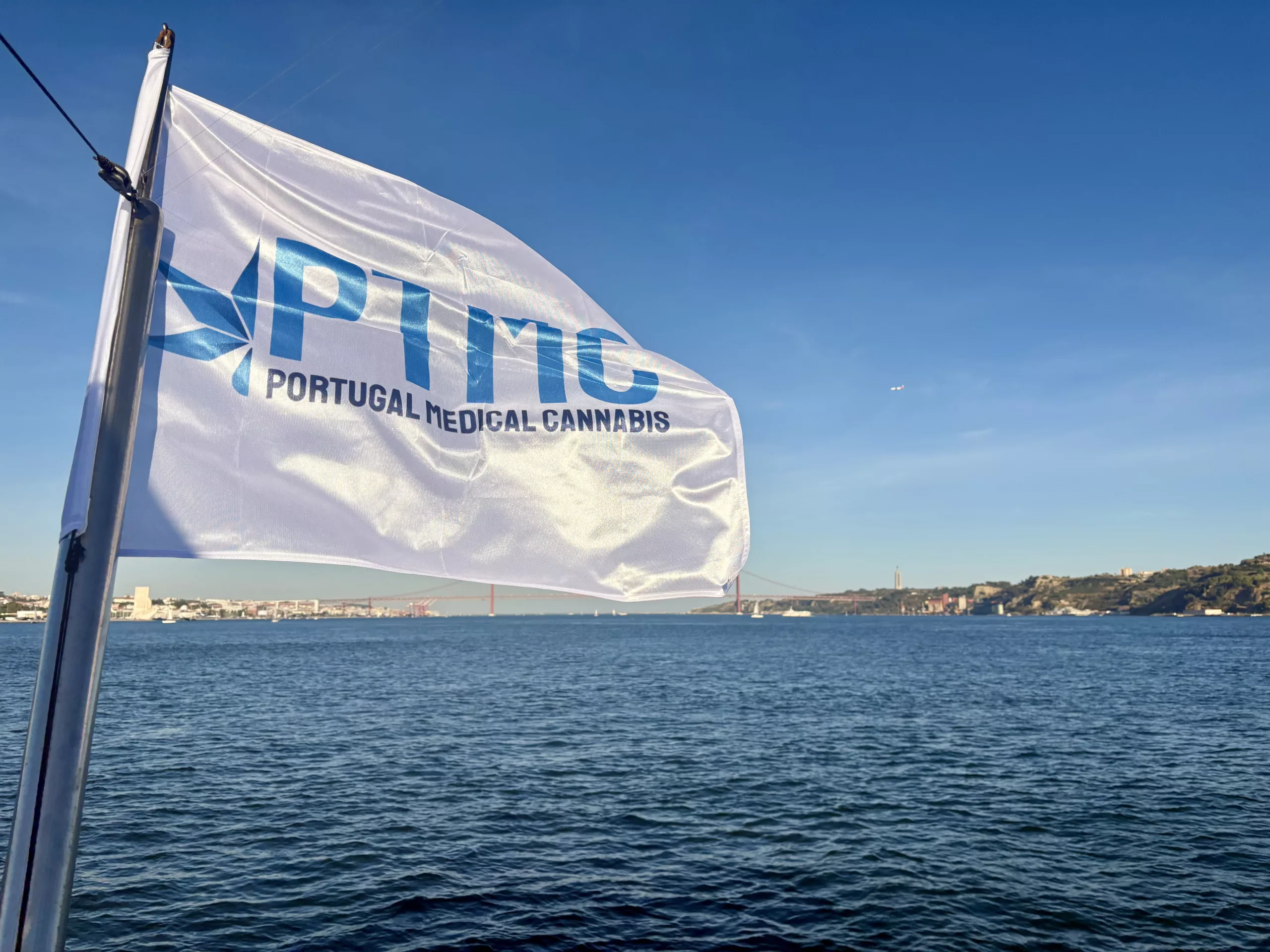
On 25 September, PTMC hosted its seventh edition in central Lisbon, amid a growing sense that Portugal’s medical cannabis sector has reached an inflection point.

Delegates were keen to exchange views on whether, and how, Portugal can maintain and strengthen its position as Europe’s leading producer and exporter, against the backdrop of domestic developments and wider shifts in the European cannabis industry.


Opening Session – Infarmed (Portugal’s Cannabis Regulator)

Dr Vasco Bettencourt – Director, Infarmed Licensing Unit

  • The message was a constructive one, emphasising the resilience of the sector and the need for transparency.
  • In the wake of the ‘Erva Daninha’ operation by Portuguese authorities, which uncovered a criminal organisation active within the country’s cannabis industry, Dr Bettencourt assured delegates that this was an isolated case, not representative of the sector.
  • Moving forward, the focus for Infarmed is set to be on addressing delays in licensing, while implementing new qualification systems, new monitoring systems for regulatory oversight, and implementing the UN’s software for registering and tracking import and export shipments. 

Pharmaceutical Science and Innovation in Cannabis Products and Medicines

(Moderator) Sarah Sinclair – Cannabis Health, Fátima Godinho Carvalho – LEF,  Danny Andrea – Curaleaf,  Amit Edri – Portocanna, Helena Correia – Cannabis Consultant

Key Takeaways:

  • The most significant area of innovation in medical cannabis is in the processes of its production. Reliability, stability, and reproducibility of the manufacturing process are key.
  • The panel also touched on the constraints which the regulatory environment imposes – all innovation has to remain compliant with a patchwork of regulatory systems in Europe, as well as the difficulty of working within EUGMP with plant material like cannabis flower.
  • Also mentioned was that traditional RCTs don’t fully suit cannabis, due to product variation, and psychoactive effects rendering placebo controls difficult. Real-world trials are increasingly being used even in standard medicine, and they will be key for developing evidence for medical cannabis.

Building a Successful Cannabis Company: How to Attract Investment and Achieve ROI?

(Moderator) Laura Ramos – CannaReporter, Franziska Katterbach – Oppenhoff, Michael Sassano – Somaí Pharmaceuticals, Joana Silveira Botelho – Cuatrecasas, António Vieira – AceCann

Key Takeaways:

  • Founders should start with an authentic idea and identify a clear, uninhabited niche.
  • It shouldn’t just be a case of chasing the hype; otherwise the business is not sustainable.
  • The old race to be first and biggest is over, companies now need clear value propositions and realistic business plans.
  • Success requires patience with lengthy timelines and upfront investment in strong legal/compliance structures,  contracts, audits, and due diligence. This will save time and money in the long run.
  • A common pitfall is underestimating (or understating to investors) how long it takes to go from licensing to sales. Markets are unstable, and roadmaps from past successes don’t always apply.
  • The industry should come together to drive change, but it’s not always necessary to change the law. The regulator is often able to make changes within the existing legal framework without having to go through parliament. 

Cultivating, Processing, Distributing in Europe

(Moderator) Margarita Cardoso de Meneses – CannaReporter, Xavier Gaya – Cultivation Consultant, Rui Soares – Paralab, Inês Campos Lima – BioLeaf Health, Louis Golaz – RED Horticulture

Key Takeaways:

  • Too often the focus is just on yield, but assessing performance should be more sophisticated, e.g. measuring yield per kilowatt hour.
  • Contrary to what is often said by companies setting up cultivation in Portugal, it is not the ideal climate for cultivation. The high heat levels make greenhouse growing difficult, as a significant energy expenditure is required to keep temperatures down in summer. High humidity also poses various problems. 
  • HVAC and drying rooms are major pain points. Poor systems lead to contamination risks, costly cleaning, and possibly necessitate irradiation, leading to consumer rejection in Germany.
  • Scaling production requires finding the right mix of automation and manual work across cultivation and post-harvest; some parts of the process truly require a manual touch, others can be automated.
  • Stability of genetics underpins consistent SOPs and end products. Emerging solutions include F1 seeds and triploid plants, moving away from legacy practices. Starts with genetics, then careful environmental optimisation.

Cannabis supply chain around the world: Trends of International Markets

(Moderator) Arnau Valdovinos – Cannamonitor, Alfredo Pascual – Analyst, Natalia Lopez – Former Chief Cultivator, Thai Stick, Rob Smallman – Global Cannabis Exchange, Sita Schubert – European Medicinal Cannabis Association (EUMCA)

Key Takeaways:

  • Thai cannabis is already reaching Australia and could enter Germany as early as the end of the year, though regulatory delays remain likely. 
  • Deals are often slowed or blocked by inconsistent labelling, packaging, and cannabinoid content.
  • Companies have unrealistic expectations for market entry timelines – first exports from Canada to Europe typically take 3–5 months. 
  • Capital has chased vanity metrics (capacity, licences, countries) rather than competitive edge, leaving many operators without sustainable business models. 
  • There are misconceptions around product quality – THC potency and recency of harvest are often used as proxies for quality. While freshness is important, flower dated 3 months from harvest can still be of high quality.
  • Upcoming German regulatory reforms (debated Oct 8) could bring tighter restrictions and further price compression. 
  • National registration processes and European monographs for flower and extracts are emerging, but harmonisation remains slow. Current contaminant limits are borrowed from other pharmacopoeia standards rather than being based on cannabis-specific data.

100 Years of World’s Prohibition, 25 of Decriminalization in Portugal: Future Paths

(Moderator) Laura Ramos – CannaReporter, Carl L. Hart – Columbia University, NYC, Alfredo Pascual – Analyst, Bárbara do Amaral Correia – PSD, Jorge Miguel Teixeira – Iniciativa Liberal, Cláudia Estêvão – Chega

Key Takeaways:

  • Like Uruguay in 2013, Portugal has pioneered regulatory change in cannabis regulation, but not continued to develop.
  • Portugal is now ahead of other countries in building an industry, yet it risks stagnating through a lack of further constructive engagement from the government.
  • Recreational cannabis regulation is on the agenda of discussion and debate within the ruling coalition in Portugal; however, the direction of policymaking and legislation is still developing
  • The debate around cannabis and the direction of policymaking is too often detached from scientific research. There are also significant issues with scientific data and studies being conducted or interpreted with specific political outcomes in mind.

The post PTMC Lisbon 2025: Portugal’s Cannabis Industry at a Significant Inflection Point appeared first on Business of Cannabis.

Source link