

Pharmhouse exits New Buffalo cannabis market; Backpack Boyz steps in
September 30, 2025
Published by TokeTheMost
Cannabis info and related links and post from around the web


The United States may have dozens of legal cannabis markets and billions in annual sales, but prohibition hasn’t gone away. According to advocates, someone is still arrested for marijuana every two minutes in this country.
Most of those arrests involve nothing more than simple possession. People are still handcuffed, booked, and funneled into the criminal system. For many, that means jail time. And for nearly all, it means living with the collateral consequences of a criminal record: lost jobs, lost housing, lost opportunities.
Over the past decade, arrests have dropped dramatically as legalization and decriminalization spread. NORML estimates that more than 2.4 million Americans have had cannabis convictions expunged or vacated in recent years. Cities in prohibition states have adopted municipal reforms, and entire states have moved to legal markets.
But the crackdown hasn’t disappeared. Idaho lawmakers are reimposing harsh penalties. Texas courts are striking down decriminalization ordinances. Ohio legislators are moving to undo parts of voter-approved legalization.
This mix of progress and backlash is why advocates say the fight is far from over.
NORML, which has spent more than 50 years pushing to end prohibition, argues that the greatest harm associated with cannabis is still its criminalization. Even as voters embrace legalization, millions of Americans remain at risk of arrest, often for small amounts of a plant that’s legal across state borders.
For High Times readers, the numbers speak for themselves: cannabis arrests may be down, but they haven’t stopped. The freedom to consume responsibly without fear of police intervention is still not universal.
NORML is continuing to fight for consumer rights, record expungements, and the end of marijuana arrests nationwide. Those who want to support their work can do so here
<p>The post Every Two Minutes, Someone in America Is Arrested for Marijuana first appeared on High Times.</p>
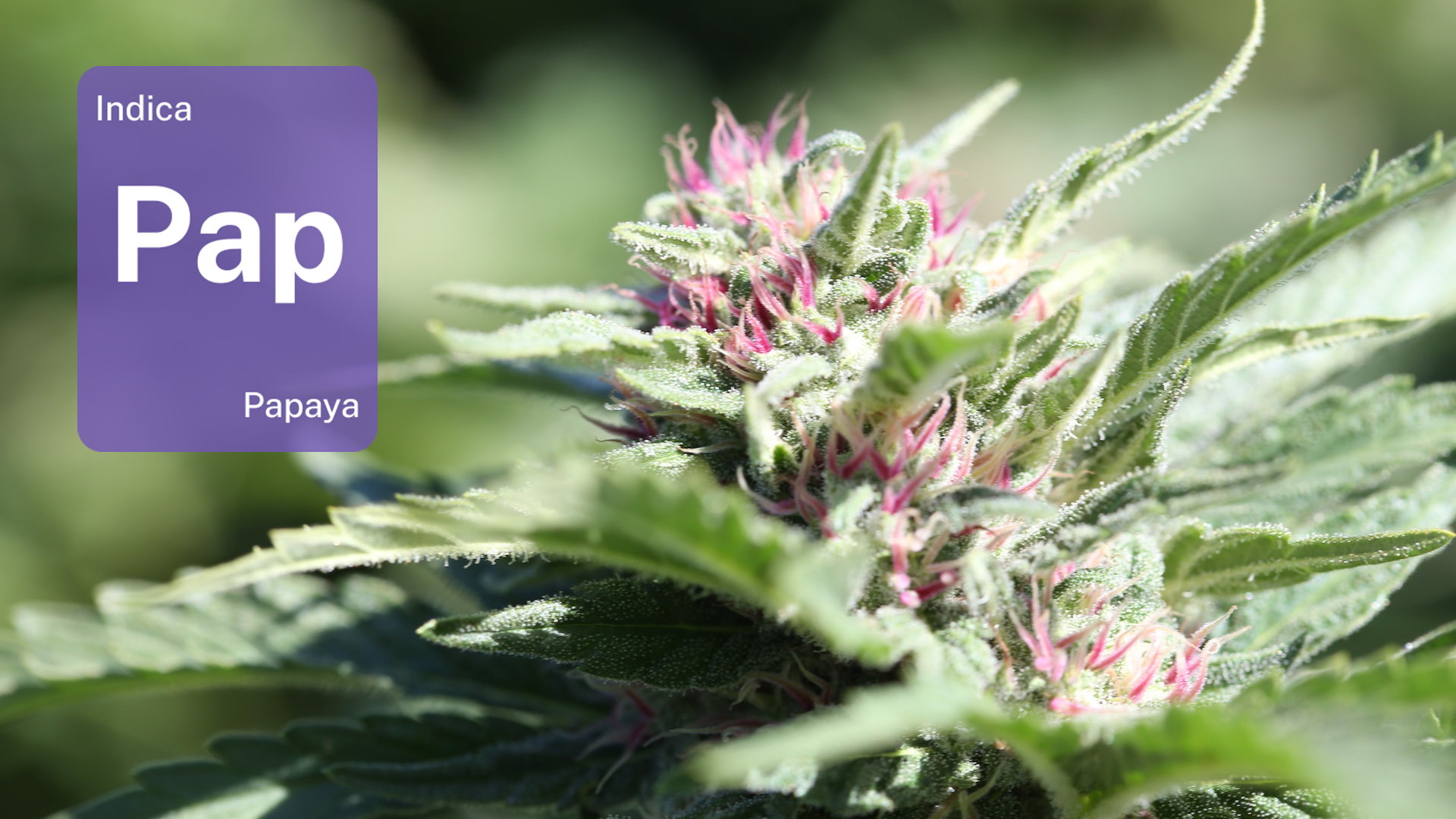
Watch as we visit the Luma resin farm to get a close-up look at their perfect cut of Papaya + find Papaya & similar strains near you.
The post Papaya from the Petaluma Gap: Check out Luma Farms’ perfect cut appeared first on Leafly.


 Every two minutes, someone in America is arrested for violating marijuana laws.
The post 30 Million Marijuana Arrests and Counting – Enough is Enough! appeared first on NORML.
Spain is one of those countries that confuses many people when it comes to cannabis laws. Some travelers hear it’s legal, others hear it’s risky, and locals often say, “It depends.” If you’ve ever thought about smoking, growing, or even joining a cannabis club in Spain, you’ll want to know the real story.
This guide breaks everything down in plain words. I’ll explain what’s legal, what’s not, and how Spanish cannabis culture actually works. Along the way, I’ll also share some personal stories, because my own experiences made the legal maze feel very real.
The first thing to know is this: cannabis in Spain is not fully legal, but it’s not fully illegal either. Spain doesn’t treat cannabis the same way many other European countries do. Instead, they focus on where and how it is used.
Private use is allowed. If you smoke or consume cannabis in your own home, you won’t get in trouble.
Public use is banned. If police catch you with a joint in the street or in a park, you’ll face a fine.
Selling cannabis is illegal. Spain has no legal cannabis shops like you’d see in Canada or parts of the U.S.
This balance makes Spain unique. It’s neither a free-for-all nor a zero-tolerance country. Instead, it’s built on privacy, clubs, and unwritten cultural rules.
One of the most interesting aspects of Spanish cannabis culture is the cannabis social club system. These are private associations where members can legally consume cannabis together.
I still remember the first time I visited a cannabis club in Barcelona. It felt more like a cozy café than anything else. People were sitting around chatting, listening to music, and sharing joints. It wasn’t shady or dangerous—it felt like a normal social space, but with cannabis instead of wine.
Here’s how they work:
You must be a member to enter.
Clubs operate as non-profit associations.
Members contribute money, which is used to cultivate cannabis for the group.
You can’t just walk in as a tourist—someone has to invite you.
This system is unique to Spain. If you search for legal cannabis social clubs Spain, you’ll see that they’re especially common in Catalonia and the Basque Country. They operate in a legal grey zone, tolerated but not officially regulated by national law.
Cultivation is another tricky area. In Spain, it is legal to grow cannabis for personal use—but only in private spaces. The catch is that the plants must not be visible to the public.
So how many plants are allowed? Spanish law doesn’t give a strict number. Instead, it depends on what looks “reasonable for personal use.” Generally, having a few plants for yourself is tolerated. But if police think you are growing to sell, you’ll face charges.
I once met a Spanish friend in Valencia who had three plants on his balcony, hidden behind a bamboo screen. He told me the local police didn’t care because it was clearly for his own consumption. But another neighbor had ten plants on display and ended up with a legal headache.
So, the rule of thumb is: keep it private, small-scale, and out of public view.
Unlike some countries, Spain doesn’t have a fully developed medical cannabis program. Patients can access certain cannabis-based medicines, but there isn’t a wide system like in Germany or Canada.
In 2022, Spain took steps toward regulating medical cannabis for conditions such as chronic pain, multiple sclerosis, and some types of epilepsy. However, access is still limited. Most patients rely on cannabis clubs or grow their own for relief.
I remember speaking with a woman in Madrid who used cannabis oil to manage arthritis pain. She said her doctor couldn’t officially prescribe it, but he “winked” and told her she could find what she needed at her local club. This shows how medical use often depends more on informal networks than on official laws.
If you’re caught using or carrying cannabis in public in Spain, you won’t go to jail—but you will face a fine.
Possession in public: Fines range from €600 to €30,000.
Selling or trafficking: This is a criminal offense and can lead to prison.
Driving under the influence: Very strict, with heavy penalties.
The Spanish police take public order seriously. So even if you bought cannabis legally inside a club, smoking it outside in the street can land you in trouble.
The best way to understand Spanish cannabis law is this: what you do at home is your business, what you do in public is the government’s business.
At home: You can smoke, grow, and even invite friends to share, as long as you’re not selling.
In public: Police treat it like any other banned substance.
When I first moved to Spain, this difference felt strange. In my home country, cannabis laws were black and white—you either could or couldn’t. In Spain, the line was about the door of your house. Once you step outside, everything changes.
If you’re wondering how Spain compares to other countries, here’s the short answer: Spain is more relaxed than most of Europe but less open than countries like Canada or Uruguay.
Canada: Fully legal for recreational and medical use.
Uruguay: Legal nationwide, with government-regulated sales.
Netherlands: Tolerated in coffee shops but technically not fully legal.
Spain: Private use and clubs are tolerated, but no legal market.
So, Spain sits somewhere in the middle. It’s freer than France or Italy, but you won’t find cannabis sold in regular stores.
Cannabis is popular in Spain, especially among young adults. Surveys show that about 10% of the population uses cannabis regularly, and nearly 35% have tried it at least once.
Walking around Barcelona or Madrid, it’s not unusual to smell cannabis drifting from a balcony or a hidden corner of a park. In fact, many Spaniards see cannabis as part of normal social life, much like wine or beer.
I once stayed in a shared apartment in Seville where my roommates rolled joints as casually as making coffee. For them, it wasn’t rebellion—it was just part of daily life.
As mentioned earlier, there’s no official number. But Spanish law uses the idea of personal use as the standard. A couple of plants is usually fine. A dozen plants in the open air is asking for trouble.
Clubs often cultivate on behalf of their members, which gives individuals more access without needing to grow at home. This also makes the law more flexible, since cultivation is tied to private consumption within an association.
This is a question many tourists ask because they see ads or websites about “Releaf” or other cannabis services. The truth is, cannabis is not outright illegal in Spain, but it is not legally sold in shops either.
So if you’re in Spain and see something that looks like a “cannabis shop,” it’s probably a headshop selling CBD, hemp products, or smoking accessories—not actual THC cannabis.
The only way to legally consume cannabis with THC is either:
In your own private space.
In a registered cannabis club.
I’ll never forget one night in Barcelona when a friend from abroad visited me. He thought Spain was like Amsterdam and lit up a joint on La Rambla, one of the busiest streets in the city. Within minutes, two local police officers approached and gave him a €600 fine.
We laughed about it later, but it was a good reminder: Spain isn’t Amsterdam. Cannabis is tolerated, but only if you respect the rules.
Many experts believe Spain will eventually move toward a more open cannabis policy. The popularity of clubs, the push for medical cannabis, and the cultural acceptance all point in that direction.
However, politics in Spain can be complicated. Some regions, like Catalonia, are more progressive and supportive of cannabis clubs. Others are stricter. Until national law changes, the system will remain a patchwork of grey areas.
Cannabis in Spain lives in a grey space—not legal, not illegal, but somewhere in between. If you understand the rules, it can feel very free. But if you treat Spain like Canada or Amsterdam, you may run into trouble.
Here’s the short version:
Use cannabis at home or in a cannabis club.
Don’t smoke in public.
Growing a few plants privately is okay.
Selling or large-scale cultivation is a crime.
Spain’s cannabis culture is built on respect for privacy, social clubs, and a relaxed attitude—as long as you follow the rules.
For me, living here has taught a valuable lesson: freedom often comes with responsibility. The more people respect the grey zones, the more the system works for everyone.
The post Cannabis Legal Status in Spain Explained: What’s Legal and What’s Not appeared first on Weeds Leaf.

A leading alcohol industry group has added a company that makes THC-infused drinks to its membership roster for the first time.
Cannabuzz, a Kentucky-based manufacturer of hemp-derived THC beverages, is now an associate member of Wine & Spirits Wholesalers of America (WSWA), the company announced in a press release last week.
“We’re proud to be the first THC brand to join WSWA’s THC beverage category,” Annie Rouse, Cannabuzz CEO & Founder, said in a press release. “We look forward to collaborating with the organization and providing our industry expertise to help grow a safe and accessible market.”
Being a part of WSWA will give Cannabuzz “access to distributor expertise, best-practice frameworks and policy engagement as the cannabis category matures,” the company said.
“Our goal isn’t just to sell drinks—it’s to help retailers, distributors, and regulators align on simple guardrails that protect consumers and give stores confidence to stock the category,” Rouse said. “We believe standardized labeling, potency appropriate serving sizes and clear age-gating will define the next chapter of adult cannabis beverages. We’re excited to join beverage-alcohol’s leading trade group to help build these responsible standards for hemp-derived THC [ready-to-drink beverages].”
WSWA staff did not respond to Marijuana Moment’s request
The post Major Alcohol Industry Trade Association Welcomes Its First THC Cannabis Beverage Member appeared first on GrowCola.com.

The California Assembly has unanimously approved a bill to delay the implementation of a planned hike on marijuana taxes.
About a month after state officials announced that the cannabis excise tax rate would increase from 15 percent to 19 percent on July 1, the Assembly voted 74-0 to pass legislation from Assemblymember Matt Haney (D) to delay the change for five years.
The bill now goes to the Senate for consideration, but advocates hope to see its language incorporated into a separate budget trailer measure that would take effect upon enactment — as opposed to at the beginning of next year as would be the case under Haney’s bill.
While the legislation as introduced would have outright repealed the proposed tax hike, it has since been amended to delay its implementation until the 2030-2031 fiscal year.
The United Food and Commercial Workers (UFCW) officials applauded the Assembly’s vote.
Joe Duffle, president of UFCW Local 1167, said raising the tax rate would “only increase the number of failed legal cannabis businesses” in the state.
“AB 564 freezes the cannabis excise tax at 15 percent and gives legal cannabis businesses a fighting chance to stay afloat in an industry that is contracting every day,” he said. “Without this bill, the illicit cannabis industry will only flourish more and keep putting untested, untaxed and unregulated cannabis products into the hands of consumers.”
Under the legislation, the California Department of Tax and Fee Administration (CDTFA), working with the Department of Finance, would be required to “adjust the cannabis excise tax rate upon purchasers of cannabis or cannabis products” based on the “additional percentage of the gross receipts of any retail sale by a cannabis retailer that the department estimates will generate an amount of revenue equivalent to the amount that would have been collected in the previous fiscal year,” the bill text says.
The department would need to “estimate the amount of revenue that would have been collected in the previous fiscal year pursuant to the weight-based cultivation tax” and “estimate this amount by projecting the revenue from weight-based cultivation taxes that would have been collected in the previous calendar year based on information available to the department.”
“The specific goal of the cannabis excise tax rate reduction is to provide immediate tax relief to the cannabis industry,” the measure states. “The efficacy of this goal may be measured by the Legislature by the amount of gain or loss in cannabis excise tax revenues resulting from the cannabis excise tax rate reduction allowed by this act.”
It also mandates that CDTFA, on or before December 1, 2026, and each subsequent year, California “submit a report to the Legislature…detailing the amount of gain or loss in cannabis excise tax revenues resulting from the cannabis excise tax rate reduction allowed by this act.”
Meanwhile, California officials last month awarded another round of community reinvestment grants to nonprofits and local health departments, funded by marijuana tax revenue.
California’s Supreme Court separately delivered a victory for the state’s marijuana program last month, rescinding a lower court ruling in a case that suggested federal prohibition could be used locally to undermine the cannabis market.
The state Supreme Court ruling also came just weeks after California officials unveiled a report on the current status and future of the state’s marijuana market, with independent analysts hired by regulators concluding that the federal prohibition on cannabis that prevents interstate commerce is meaningfully bolstering the illicit market.
Gov. Gavin Newsom (D) did sign a bill in 2022 that would have empowered him to enter into interstate cannabis commerce agreements with other legal states, but that power was incumbent upon federal guidance or an assessment from the state attorney general that sanctioned such activity.
Meanwhile, a California Senate committee recently declined to advance a bipartisan bill that would have created a psilocybin pilot program for military veterans and former first responders.
Written by Kyle Jaeger for Marijuana Moment | Featured image by Weedmaps
The post California Delays Cannabis Tax Hike for 5 Years After Vote appeared first on Weedmaps News.
Illinois cannabis regulators suspected “systemic diversion” at major multistate operator Curaleaf Holdings’ cultivation center in the state, a former high-level employee alleged in a recent lawsuit.
According to a July 29 complaint filed in U.S. District Court in the Northern District of Illinois by Matthew Kalmick, a former Curaleaf regional compliance director, state officials noted “a vast amount of unaccounted-for inventory” at the company’s operation in Litchfield, Illinois.
ADVERTISEMENT
In addition to “potential systemic theft,” Bresha Brewer, then the cannabis bureau chief at the Illinois Department of Agriculture (DOA), also “flagged numerous environmental, health and safety … concerns” including “unlicensed pesticide use,” according to Kalmick’s suit.
Rather than correct that “crisis” or address separate “ongoing non-compliance” at another Curaleaf location in North Dakota, company
The post Lawsuit: Illinois suspected ‘systemic diversion’ at Curaleaf cultivation appeared first on GrowCola.com.


The post 3 Days Away: GRAND RE-OPENING Oct 3 appeared first on AZ Marijuana.

When Ramez Maxemous, a.k.a. Max, tells you he’s a pharmacist turned dispensary owner, you might raise an eyebrow. After all, it’s not every day someone trades prescription pads for pre-rolls. But for Max, who spent two decades behind the counter of a Newark pharmacy, the shift wasn’t about chasing a trend — it was about […]
The post URB’N Dispensary: From pharmacist to cannabist appeared first on Leafly.