
3 Days Away: GRAND RE-OPENING Oct 3

The post 3 Days Away: GRAND RE-OPENING Oct 3 appeared first on AZ Marijuana.
Cannabis info and related links and post from around the web
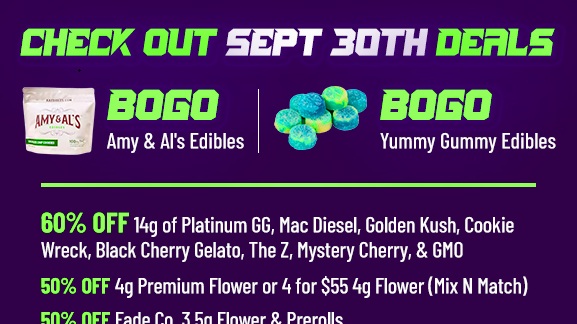
The post 3 Days Away: GRAND RE-OPENING Oct 3 appeared first on AZ Marijuana.
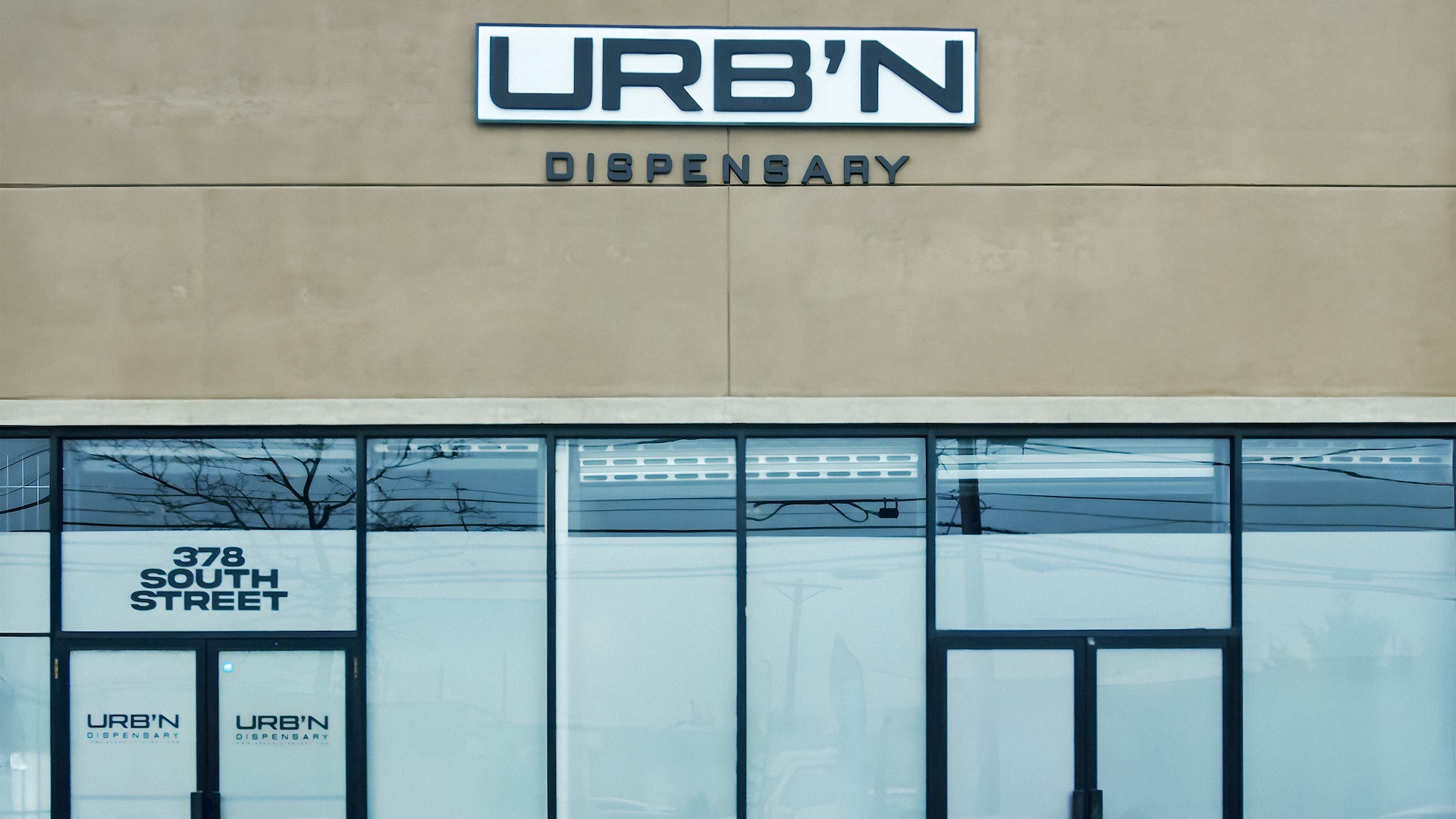
When Ramez Maxemous, a.k.a. Max, tells you he’s a pharmacist turned dispensary owner, you might raise an eyebrow. After all, it’s not every day someone trades prescription pads for pre-rolls. But for Max, who spent two decades behind the counter of a Newark pharmacy, the shift wasn’t about chasing a trend — it was about […]
The post URB’N Dispensary: From pharmacist to cannabist appeared first on Leafly.
The Agricultural Research Council (ARC), South Africa’s principal agricultural research institution, is looking to construct a 2,000m² climate-controlled cannabis research facility at its Pretoria facility to support advanced research into cannabis cultivation and processing… Read more at (paywall) https://www.timeslive.co.za/sunday-times-daily/science/2025-09-22-can-you-grow-contaminant-free-cannabis-research-lab-seek-partner/?utm_campaign=ICW&utm_medium=email&_hsmi=118277373&utm_content=118277373&utm_source=hs_email
Source link
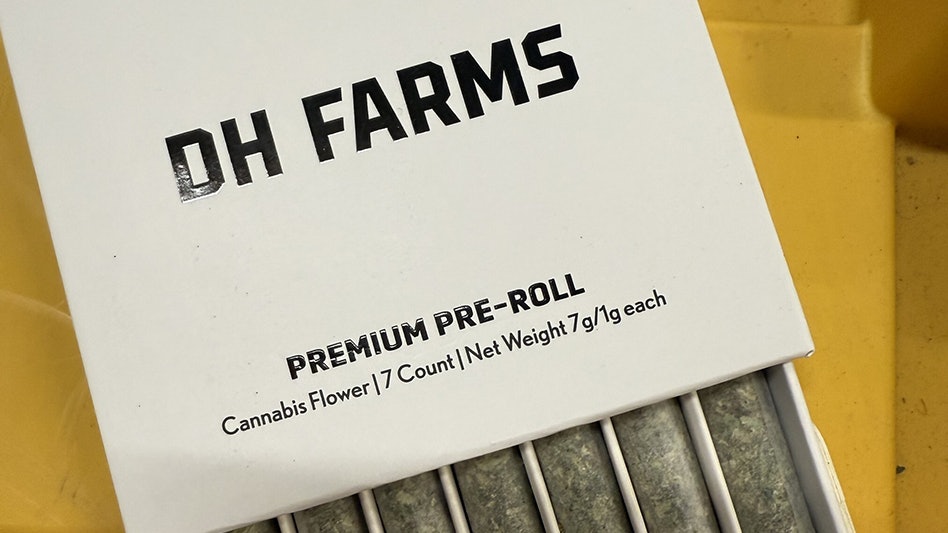
The Miami-based cannabis company is bringing Doghouse Farms’ high-potency genetics to the Sunshine State.
Source link
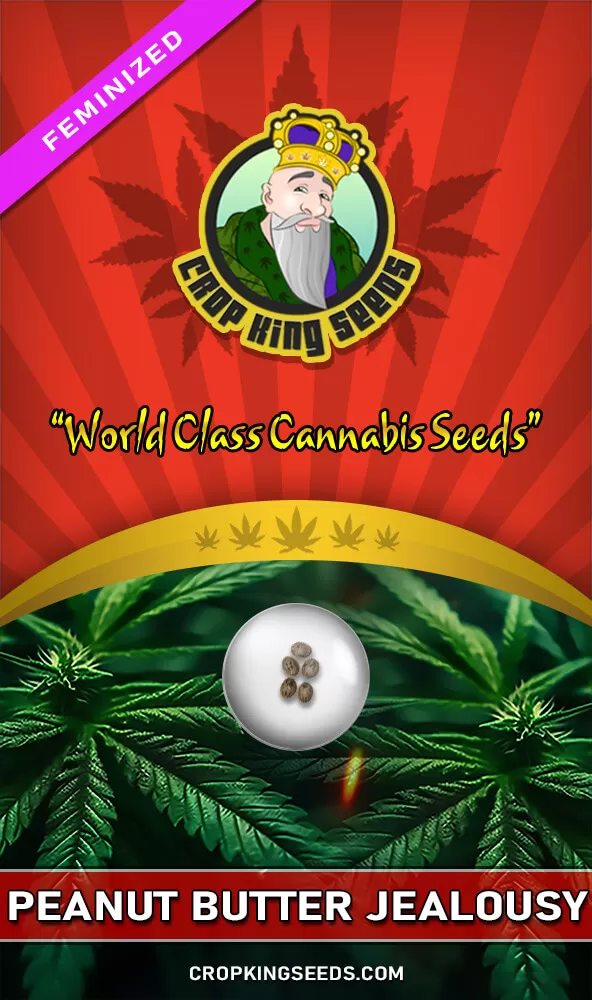
Peanut Butter Jealousy Strain has chunky, dense flowers that exhibit a rich mix of dark green and purple hues. These colorful blooms are draped in a spiral of sticky, crystal-dusted trichomes, making the plant frosty-looking. It emits a sweet, nutty aroma with butter notes and a hint of honey on the back end. It has a tightly packed but softly fluffy texture in each bud, making it withstand varying growing conditions. Its native resistance to pests also makes it a less stressful plant to grow. It is recognized to be an abundant producer and can provide reliable returns under the right conditions. Peanut Butter Jealousy Feminized Seeds are available at present at Crop King Seeds.
The post Peanut Butter Jealousy Feminized Seeds appeared first on Crop King Seeds.
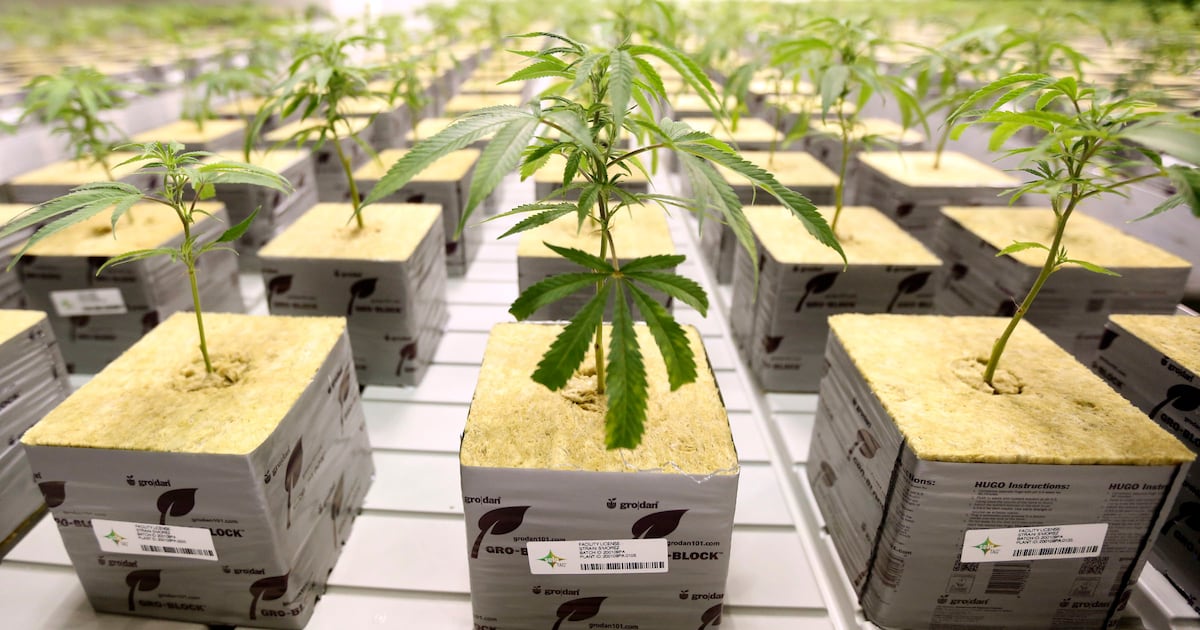
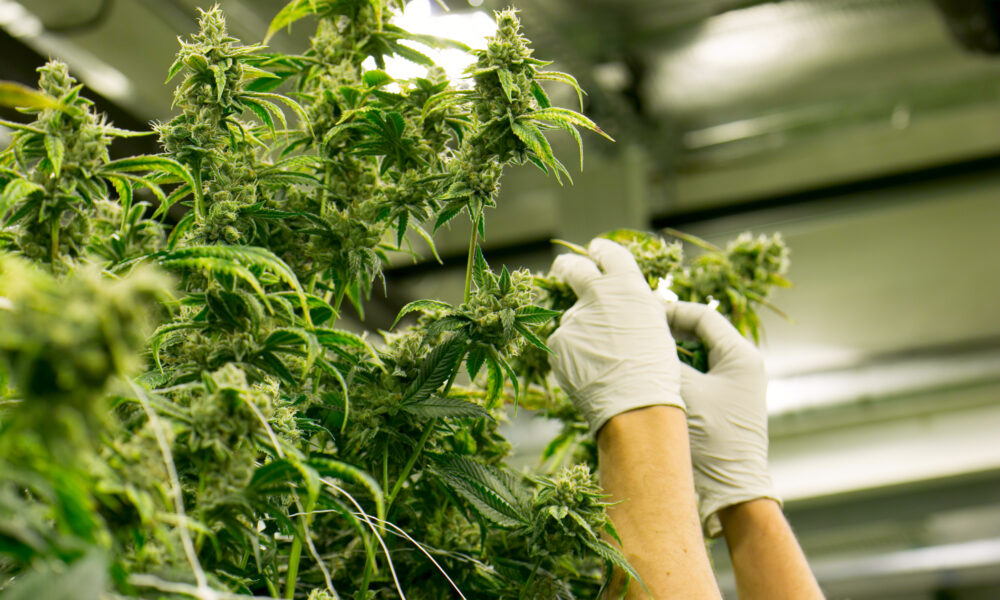
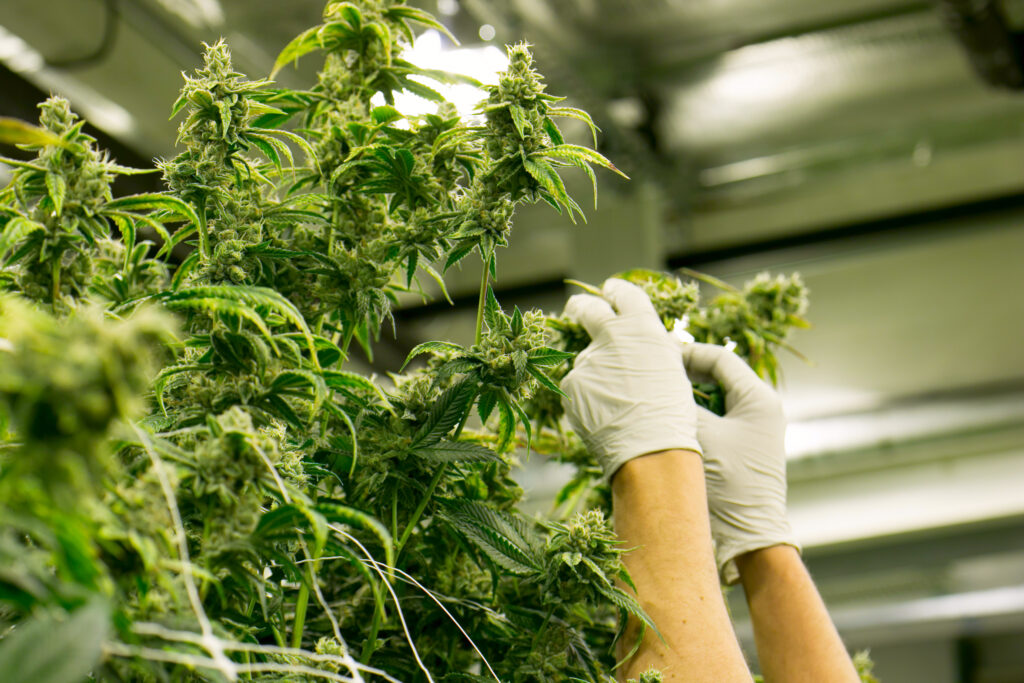
Ohio regulators have filed new proposed rules to build upon the state’s marijuana legalization law, laying out plans to update regulations on labeling and packaging requirements.
In a rule package that’s now open for public comment, the Department of Cannabis Control (DCC) put forward six proposals under the state’s Common Sense Initiative (CSI), which is meant to “eliminate excessive and duplicative rules and regulations that stand in the way of job creation.”
One of the proposed rules would require cannabis packaging to display a “universal THC symbol” that would aim to ensure consumer and law enforcement awareness that the product contains licensed and regulated THC.
Another rule would prescribe limitations on the amount of marijuana that could be sold within a given container. DCC also proposed setting requirements to ensure that certain packaging and labeling standards are met, including child-resistant materials for cannabis, before they are distributed for commercial sales.
To Read The Rest Of This Article On Marijuana Moment, Click Here
The post Ohio Officials Post New Rules For Marijuana Packaging And Labeling Requirements As Market Expands appeared first on Marijuana Retail Report – News and Information for Cannabis Retailers.
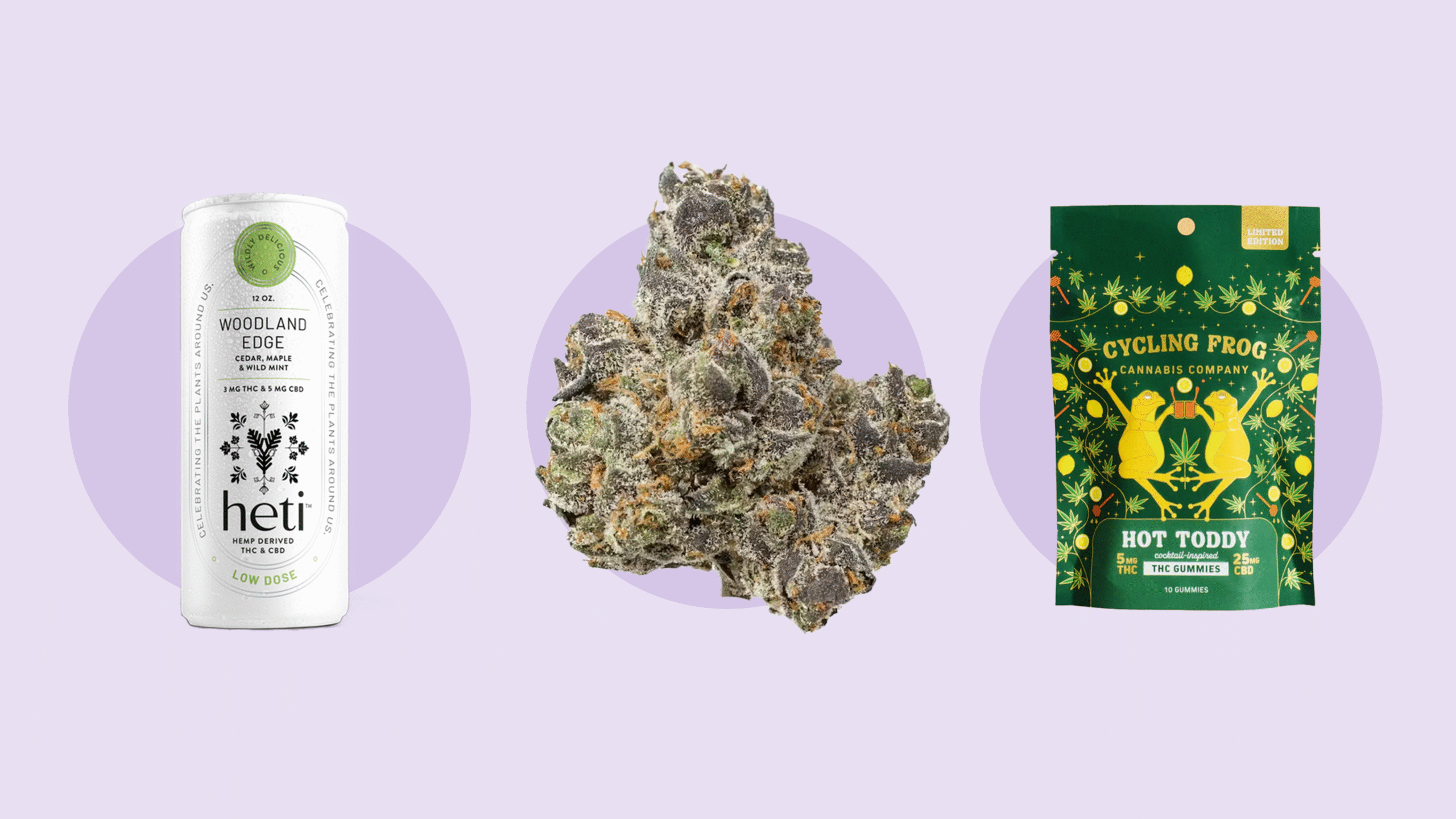
Get ready for cozy season with the best weed products of fall 2025. Find the flower & gummies we’re giddy about & hot accessories.
The post The best weed products of fall 2025 appeared first on Leafly.
As a cannabis attorney, I’m often asked when cannabis will finally be legalized, to which I always respond, “Cannabis has been legal for almost a decade.” This response is often met with confused looks, but it’s true. Congress first legalized “industrial hemp” in 2014. In response to the rapid rise of the market for CBD and other cannabinoid products, Congress dropped the “industrial” prefix and dramatically expanded the definition of “hemp” in the 2018 Farm Bill to include the plant and all of its “cannabinoids, extracts, derivatives, isomers” etc.
Contrary to popular belief, “hemp” is cannabis; it’s not a separate plant species. In fact, the sole distinction between legal cannabis (hemp) and illegal cannabis (marijuana) is the concentration of delta-9 THC. Cannabis with more than 0.3 percent THC is marijuana. All other cannabis is hemp. This distinction is mostly immaterial as evidenced by a growing national market for consumer cannabis products, including ones that cause intoxication.
Right now, Total Wine carries THC beverages and DoorDash delivers an array of “hemp derived” cannabis products, such as flower, vapes, gummies as well as THC drinks throughout many parts of the country, including in states where marijuana is illegal. Many of my clients have direct-to-consumer websites where they sell cannabis products, all made from legal hemp to people throughout the US. One of my clients has even been called the “Amazon of weed.” Notably, all of its products meet the federal definition of hemp. Another client is one of the largest cannabis seed banks in the world. It legally sells its seeds to consumers throughout the US so that they can grow their own cannabis.
How can this be given the rhetoric about the need for “legalization” and the apparently stalled efforts at rescheduling marijuana?
Let’s start with seeds. Cannabis is a plant and all cannabis products flow from it. As I said above, hemp is cannabis. Since the sole legal distinction between legal hemp and illegal marijuana is the concentration of THC, cannabis seeds with no more than 0.3 percent THC are lawful hemp. Importantly, the potential for a seed to grow into a plant with more than 0.3 percent THC is irrelevant to its legal status. This has been confirmed by the DEA. As it turns out, no cannabis seeds contain more than 0.3 percent THC. This is because cannabis seeds don’t actually produce THC. The THC they carry is the residue on their surfaces from touching other parts of the plant, most of which is easily washed off. From a practical standpoint, this means that all cannabis seeds are therefore lawful.
What about consumable THC products? It has long been assumed that in legalizing hemp that Congress didn’t intend to create a market for intoxicating products. Regardless of what Congress may have intended to do, the expansive definition it created for hemp clearly paved the way for the wide array of hemp-derived THC products that are sold throughout the US. These include inhalables such as buds, prerolls, flower and vapes and edibles including gummies, drinks, tinctures and various food products, all of which have the capacity to cause intoxication. You might ask how this is possible given that the THC limit for hemp is 0.3 percent. In other words, how can you make an intoxicating product from hemp, which by law may only contain a small amount of THC? The answer is that the limit is based on the percentage of THC, and not the actual milligrams. For instance, a hemp-derived THC gummy can easily contain 20 milligrams of THC—more than sufficient to cause intoxication—while remaining within the 0.3 percent limit. The same is true for drinks, vapes, tinctures and other consumable product categories.
Hemp has emerged, perhaps unexpectedly, as the primary vehicle for full cannabis legalization. While marijuana reform languishes, hemp has been legal for more than a decade. During that time, products derived from hemp have increased substantially to include many different categories and formats. The market for these products has rapidly expanded, and many well-known marijuana brands are pivoting into the hemp market. New regulatory models are also emerging. The best ones are based on what I call the “Three Pillars” approach. These pillars refer to appropriate age-limits, safe manufacturing and proper labeling, all designed to ensure that adults are able to make good choices about the safe cannabis products they choose to consume.
As the battle for cannabis reform rages, and prohibitionists continue to spread disinformation, hemp has demonstrated that a nationwide legal cannabis market is both desired and viable. Hemp is cannabis and I strongly encourage you to support pro-hemp bills in the US Congress and in your home state.
The post Cannabis Is Legal! Seriously appeared first on Cannabis Now.
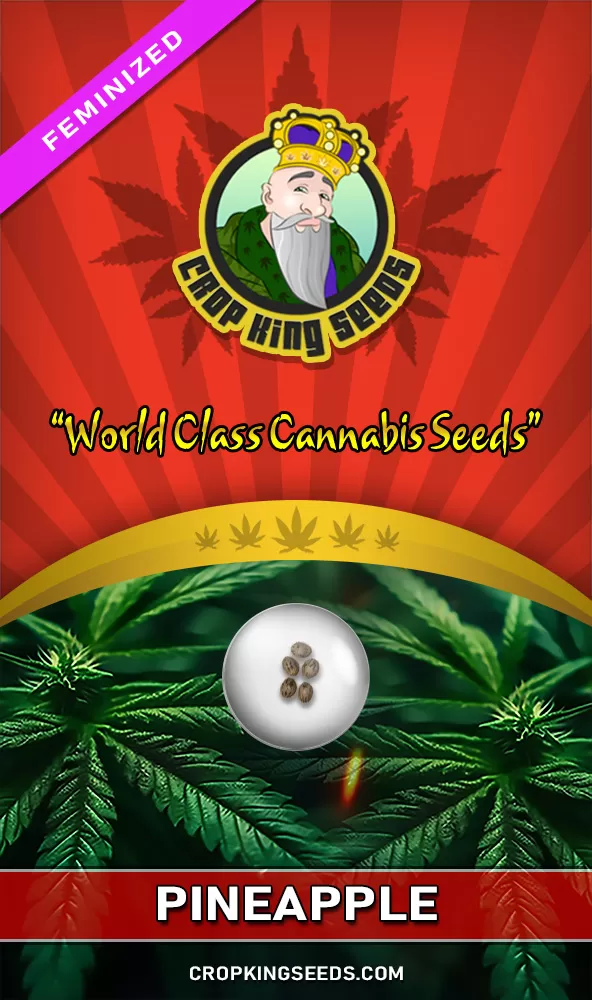
Pineapple Strain has a dense tropical taste, combining sweet ripe pineapple with a touch of earthy mango. The aroma is equally strong, with fruit and herbal undertones that persist. Its buds are compact and fat, blanketed in a shiny coat of trichomes and orange hairs on deep green foliage. These buds are not only good-looking—they’re fluffy but firm and pest-resistant as well. Pineapple Strain is known to yield high when properly cultivated in the proper environment. You can access Pineapple Feminized Seeds at Crop King Seeds, where this aromatic and tasty strain is made available.
The post Pineapple Feminized Seeds appeared first on Crop King Seeds.