Oklahoma Medical Cannabis Patient Numbers Continue Decline

Oklahoma Medical Cannabis Patient Numbers Continue Decline


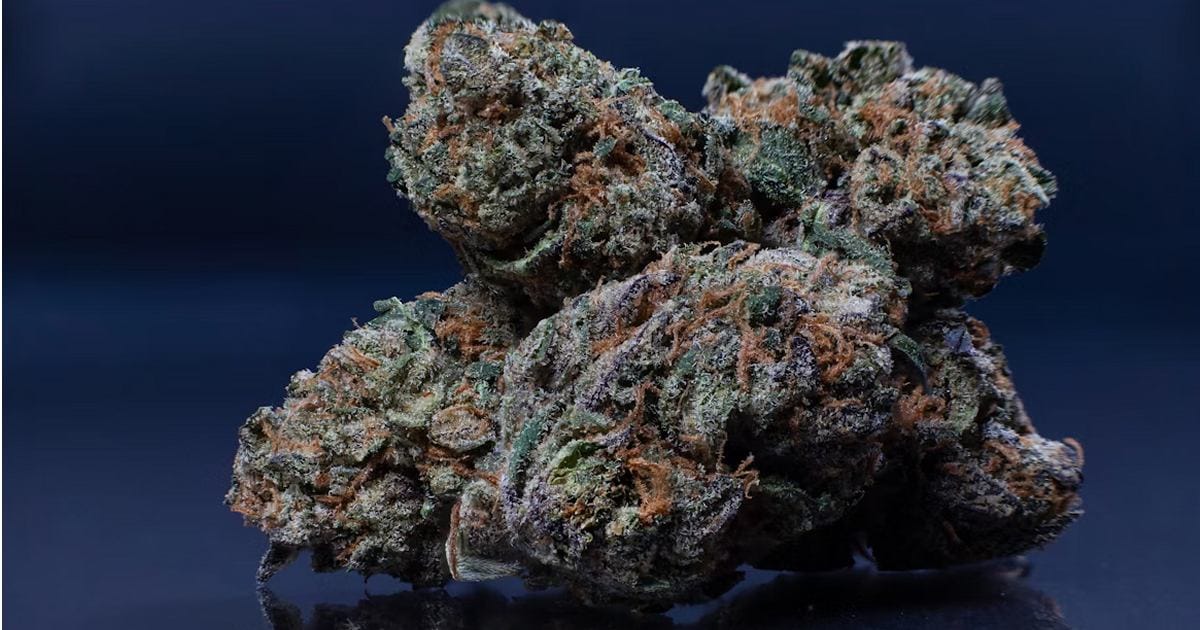
Tightening up of Oklahoma’s medical cannabis program has not only resulted in fewer cultivators and dispensaries, but patients too.

Oklahoma’s legal medical cannabis arrangements were hugely popular, but back in March 2023, Governor Kevin Stitt said that things were “way out of control” in Oklahoma; signalling a further tightening up of guidelines and monitoring. At that point, there were 6,975 growers and 2,893 dispensaries across the state. The number of registered patients was just north of 368,000 according to Oklahoma Medical Marijuana Authority (OMMA) Licensing and Tax Data.

A moratorium on new licenses for any dispensary, grower, or processor was established August 26, 2022, and is set to expire on August 1, 2026. A related crackdown also followed, with thousands of legal, and as it turn out, illegal businesses scrutinised. OMMA is also required by state law to inspect businesses once a year.

Fast forward to today and as at August 1, 2025, the number of growers had dropped dramatically to 2,680, the number of dispensaries to 1,615 and registered patients to 318,578.

State coffers are also taking a hit, with $51 million raked in with the state’s excise tax in FY24, dropping to $47.5 million in FY25. In terms of state and local sales tax, the figures were $67.5 million in FY24 and $60.8 million in FY25. Excise revenue goes towards supporting OMMA and any excess is appropriated at the Legislature’s discretion. State and local sales tax money goes straight to the state government and city/county – OMMA never touches it.

A report released earlier this year indicated that Oklahoma still had 12 times as many licensed medical marijuana growers than Colorado; even though the number of cultivation licenses in Oklahoma dropped from a record high of 9,178 in 2021 to nearly a third of that figure in 2024 – 3,138. As for medical marijuana dispensaries, the state has 5 times as many as Colorado and nearly double the number of that state’s medical and recreational dispensaries combined.

While the drop in business licenses is easily explained, the reduction in registered patient numbers is a little murkier. While it’s not unusual for states that introduce marijuana legalization for adult use to see participation in their medical cannabis programs plummet, in Oklahoma recreational marijuana is still illegal.

Source link

Ricky Williams Pens Op-Ed To Trump On Cannabis

Ricky Williams Pens Op-Ed To Trump On Cannabis

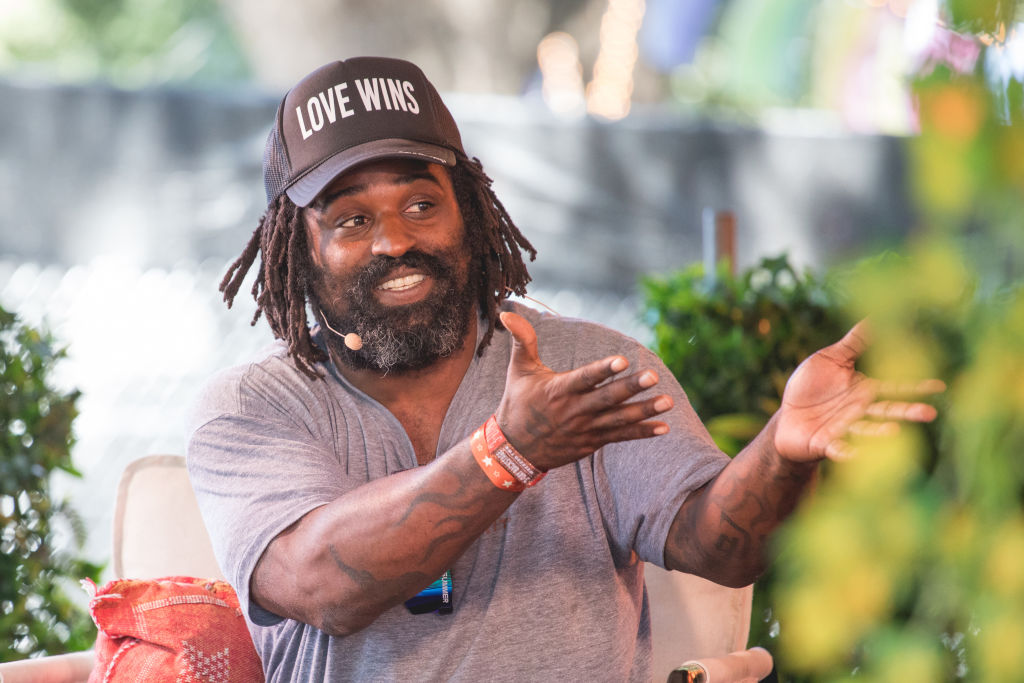
ACL Music Festival 2021 - Weekend 2

Source: Rick Kern / Getty

Former NFL running back Ricky Williams has been open about his mental health issues and the difference that marijuana made in his life.

During his eleven years in the NFL with the New Orleans Saints, Miami Dolphins and Baltimore Ravens, he struggled with social anxiety, even wearing his helmet during interviews. But his journey toward healing and self discovery included marijuana, a long frowned upon substance in the NFL.

In an opinion piece for USA Today, titled Cannabis helped me after my NFL career. It can help more people if Trump reclassifies it, Williams urges President Trump to reconsider the strict federal regulations against cannabis for the medical benefits.

“Rescheduling cannabis from Schedule I to Schedule III isn’t about politics – it’s about freedom,” Williams writes.

“It’s about giving people safe, legal access to medicine that works. It’s about empowering small businesses, creating good-paying jobs and aligning federal law with what’s already happening in most states.”

Williams also notes that because marijuana has not been declassified federally, most weed businesses don’t have access to banks.

“This reform is smart, strategic and long overdue,” Williams writes. “Schedule III would take the shackles off legal cannabis businesses, making it easier for them to bank, hire and grow. It would open the door for medical research, so we can learn more about how cannabis can help conditions like post-traumatic stress disorder, chronic pain and sickle cell anemia – illnesses that disproportionately affect Black and Brown communities. It would deliver real economic opportunity to entrepreneurs who have been shut out for too long.”

Williams went on to point out that reclassifying marijuana federally wouldn’t allow for legal use in all 50 states, but it would allow for cannabis policy to align with science and give doctors autonomy to prescribe it.

“Opponents claim that rescheduling is a backdoor to legalization or that it will unleash public health crises. This simply isn’t true. Rescheduling to Schedule III doesn’t legalize adult use nationwide – it just brings cannabis policy in line with science, allowing doctors to prescribe, researchers to study and businesses to operate without being punished under outdated federal rules.”

Williams noted that President Trump has an opportunity to make the country millions in tax dollars by helping cannabis reach those who need it most: veterans and those suffering from chronic pain.

“Mr. President, this is your opportunity to show leadership – not just to the people who already support cannabis reform, but to the millions of Americans who want smart, commonsense policy that puts people over politics,” Williams wrote.

“Rescheduling cannabis is more than a policy change. It’s a step toward justice. It’s a chance to strengthen our economy, support our veterans and give families access to medicine that works. It’s a move that says we’re ready to leave outdated drug laws in the past and focus on building a future where healing and opportunity are within reach for everyone.”

Source link

Weed and Sex: Exploring How Cannabis Can Enhance or Impact Intimacy

Discover the Best Weed and Dispensary Deals in Jamaica, Queens | stupidDOPE

New York’s legal cannabis market has quickly become one of the most dynamic in the country, and Queens is at the center of this growth. Jamaica, a neighborhood known for its cultural diversity and vibrant energy, is home to one of the standout players in the industry: Silk Road NYC Cannabis Dispensary & Weed Delivery, located at 166-30 Jamaica Ave, Jamaica, NY 11432.

With a deep respect for cannabis culture and an unmatched knowledge of the plant, Silk Road NYC offers more than a shopping experience—it provides an education and a trusted guide for both seasoned connoisseurs and newcomers. Their focus on premium weed products, curated deals, and reliable delivery makes them one of the most respected dispensaries in New York City.

The Legacy Behind Silk Road NYC

Silk Road NYC isn’t just another storefront—it’s a dispensary built on a rich history of dedication and expertise. The name pays homage to the evolution of cannabis trade and culture, while their founder’s journey reflects more than two decades of hands-on experience in cultivation and strain selection.

Years of working with cannabis before legalization gave their team a rare, intimate understanding of what makes the difference between average flower and truly exceptional weed. Today, that expertise fuels every decision, from product selection to customer service.

The transition from New York’s underground cannabis scene to the regulated market has been dramatic, but Silk Road NYC turned this challenge into an opportunity. What began as a passion project rooted in authenticity now thrives in a state-licensed space that prioritizes safety, compliance, and quality assurance.

Every product—from THC-rich flower and flavorful vapes to potent concentrates and carefully dosed edibles—is chosen with precision. Customers can expect consistency, transparency, and lab-tested assurance that meets the highest industry standards.

The Silk Road NYC Experience: Curated for Every Consumer

What sets Silk Road NYC apart is its approach to cannabis retail. Instead of simply stocking shelves, the dispensary curates an experience that acknowledges each consumer’s unique preferences.

Looking for uplifting sativa strains to stay energized during the day? Their selection covers some of the most in-demand genetics. Prefer heavy-hitting indicas for relaxation? They offer top-tier options known for potency and flavor. For those who want convenience, their range of weed delivery options ensures customers across Queens can access premium cannabis without hassle.

Their knowledgeable staff takes the time to guide each customer, explaining terpene profiles, minor cannabinoids, and how different products affect mood and wellness. This educational approach makes the dispensary a trusted destination for customers who value expertise as much as product quality.

Deals, Delivery, and Accessibility

One of the highlights for shoppers is Silk Road NYC’s dedication to making premium cannabis accessible. Weekly deals and seasonal promotions provide opportunities for customers to try new products at competitive prices. Whether you’re purchasing flower, cartridges, concentrates, or edibles, the value Silk Road NYC delivers goes beyond just affordability—it’s about getting more without sacrificing quality.

For ultimate convenience, their online ordering system and same-day delivery service give customers in Queens reliable access to their favorite weed products. This streamlined experience saves time while ensuring discretion and professionalism.

Commitment to the Queens Cannabis Community

Silk Road NYC has become a trusted fixture in Jamaica’s cannabis community. Their mission goes beyond sales: they actively promote responsible consumption, education, and access to safe, high-quality weed. In doing so, they’ve helped shape a cannabis culture in Queens that is informed, inclusive, and forward-thinking.

This commitment reflects a long-term vision—building not just a business, but a sustainable presence in the growing New York cannabis market. Customers recognize this difference, which is why Silk Road NYC has become a go-to choice for locals seeking both reliability and excellence.

Final Thoughts

Jamaica, Queens has no shortage of dispensaries, but few bring the depth of expertise and legacy that Silk Road NYC offers. Blending history, knowledge, and a passion for cannabis, they deliver a truly distinctive customer experience. From curated products and premium deals to seamless delivery options, Silk Road NYC remains a leader in Queens’ evolving cannabis landscape.

Check out SilkRoadNYC.com to explore their menu or schedule a delivery. And for those who want to discover more high-quality weed products in New York, make sure to also check out Silly Nice, a craft cannabis brand making waves statewide.

Source link

station icon

Geneseo debates allowing recreational cannabis dispensaries

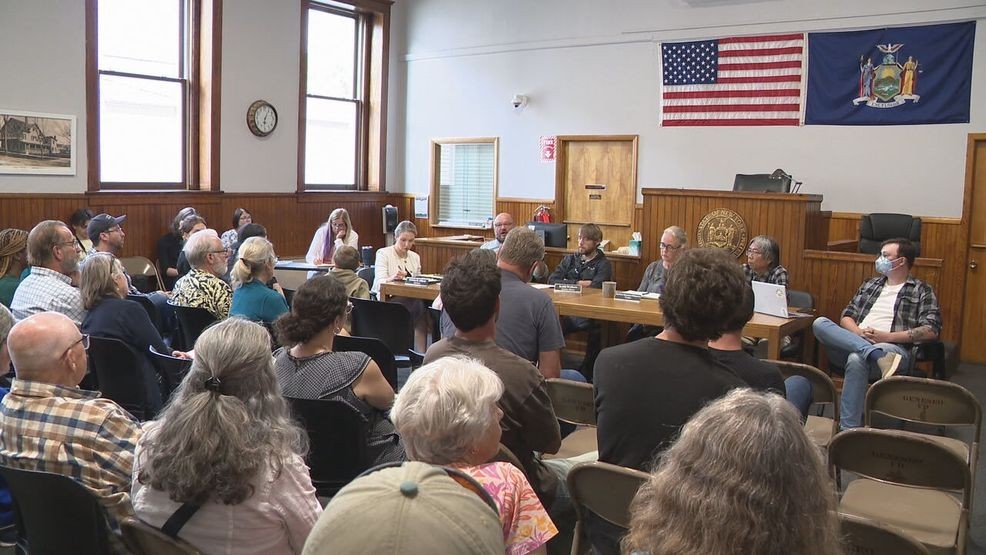
Geneseo, N.Y. (WHAM) — The village of Geneseo is at the center of a heated debate over whether to permit retail cannabis dispensaries.

Currently, Livingston County has only one legal dispensary, located in Dansville.

BACKGROUND: Dansville dispensary to be a first for Livingston County region| Henrietta’s cannabis success leads to tax rollback and community benefits

The Village Board of Trustees hosted a public hearing on Monday to gauge community interest in allowing recreational cannabis sales.

Mayor Chris Ivers said, “We had a reasonably good turnout and a healthy community conversation about what we want to do with our community going forward.”

Some residents raised concerns about potential traffic increases.

Shelly Wolanske, owner of Mrs. Green’s CANNAry in Batavia, countered these concerns, stating,

“When you open a dispensary, you’re not having millions of people coming into your dispensary. Our opening day was busy, but they think everyone’s going to run here.”

Opponents also cited a state law from the Office of Cannabis Management, which prevents municipalities from opting out once they have opted in.

However, supporters argue that cannabis is already legal and should be treated like any other business.

“It’s legal, it’s here,” said Geneseo resident Don Livingston. “To me, this is no different than wanting to bring in another restaurant, another liquor store, or another convenience store into town. It’s here.”

Some residents are skeptical about the financial benefits, noting that municipalities receive only 4% of the retail cannabis sales tax.

MORE INFO: Legal Cannabis Stores In New York State

Livingston, however, believes the economic impact extends beyond cannabis sales.

“Yes, we only get 4%. But do they take into consideration anyone coming into town stops and buys gas, they might stop at the local boutique, they might stop at a restaurant and eat,” he said.

Village leaders plan to use the feedback from the meeting to assess the majority opinion before voting on the local law in the near future.

_________

Source link

Maryland Governor Jokes About Marijuana Legalization Being The 'One Thing' That Got More Votes Than Him On The Ballot

Maryland Governor Jokes About Marijuana Legalization Being The ‘One Thing’ That Got More Votes Than Him On The Ballot

The governor of Maryland is proud that he received more votes than any prior gubernatorial candidate in the state when he was elected—but he says there was “one thing that beat me on the ballot” in 2022: Marijuana legalization.

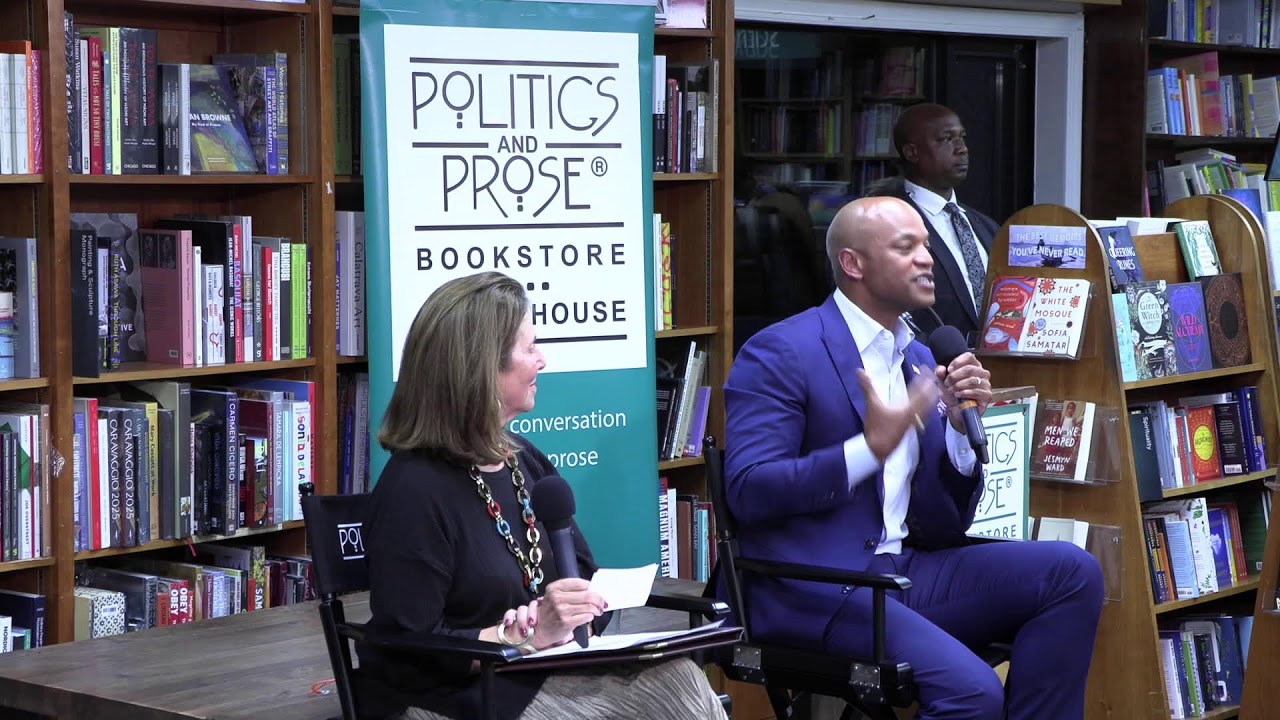
“So I’m like, ‘Yo, who is cannabis? And how are they so popular?’” Moore joked during a speech at a Washington, D.C. bookstore on Tuesday.

“But at the same time that I was elected governor, Maryland voted to have a recreational cannabis market. So I said, ‘We’re going to make sure that it is fair, we’re going to make sure that it is smooth and we’re going to make sure that it’s safe,’” Moore continued. “But also, I refuse to celebrate the benefits of legalization if we do not also address the consequences of criminalization.”

“We cannot have a new legal market—that is now a billion-dollar market in the state of Maryland—but also have people who cannot get barber’s licenses or cannot get a student loan because of a misdemeanor cannabis conviction from the 1990s,” he said, adding that’s why he signed “the largest mass pardon in the history of the United States of America when I ended up pardoning over 175,000 misdemeanor cannabis convictions. So I was proud to use my pardon powers for good.”


Community Teach In: The Role of the States in Preserving and Advancing U.S. Democracy - w/ Wes Moore

He followed up on that clemency action in June, issuing another mass pardon for people with past marijuana possession convictions—granting relief to about 7,000 more people on the holiday Juneteenth that commemorates the end of slavery.

In February, the governor also touted in his State of the State address legislation that would expand opportunities for people to have their criminal records for marijuana expunged, allowing people who violated terms of their parole or probation to petition courts to erase those records.

Meanwhile, in April, Moore signed a series of cannabis bills, including one that will require state officials to automatically shield records for low-level marijuana convictions that have been pardoned from public access, and to more broadly expand expungement eligibility for certain other offenses.

He further signed off on legislation that will allow adults to manufacture marijuana edibles and concentrates for personal use, as well as a measure dealing with rules around cannabis consumption lounges.


Marijuana Moment is tracking hundreds of cannabis, psychedelics and drug policy bills in state legislatures and Congress this year. Patreon supporters pledging at least $25/month get access to our interactive maps, charts and hearing calendar so they don’t miss any developments.
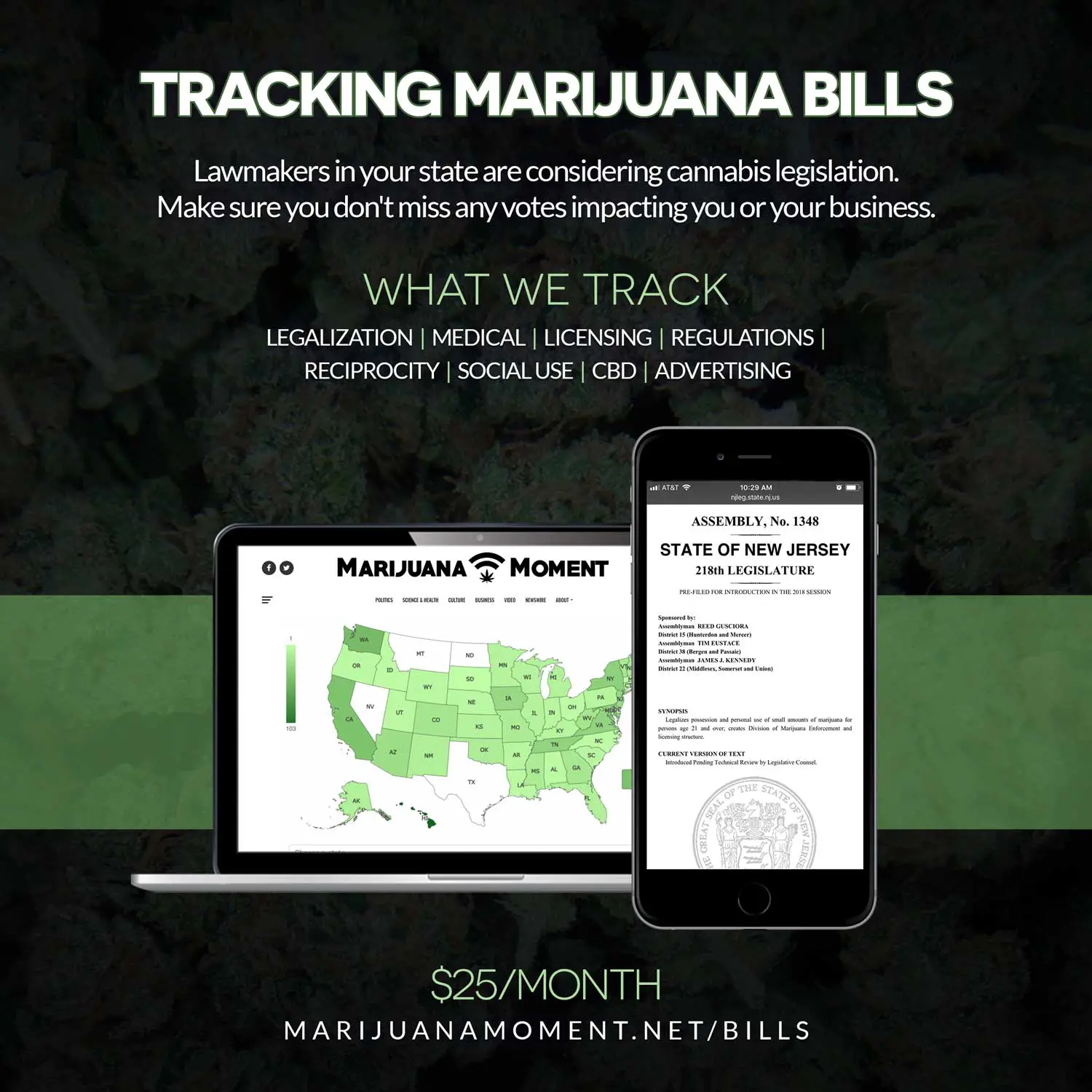

Learn more about our marijuana bill tracker and become a supporter on Patreon to get access.

Separately, the Maryland Senate also passed a measure this session to protect for fire and rescue workers from being penalized for off-duty use of medical marijuana, though it did not advance through the House.

In January, officials in Maryland’s most populous county separately said they were moving to loosen marijuana policies for would-be police officers in an effort to boost recruitment amid a staffing shortage.

Meanwhile, Maryland’s psychedelics task force recently came out with an initial report as it gathers information about various regulatory and public health considerations that could pave the path for the legalization of substances such as psilocybin, mescaline and DMT for medical or recreational purposes in the state.

Photo courtesy of Mike Latimer.

Marijuana Moment is made possible with support from readers. If you rely on our cannabis advocacy journalism to stay informed, please consider a monthly Patreon pledge.

Become a patron at Patreon!

Source link

Burglars use stolen car to break into Albuquerque cannabis shop

Burglars use stolen car to break into Albuquerque cannabis shop

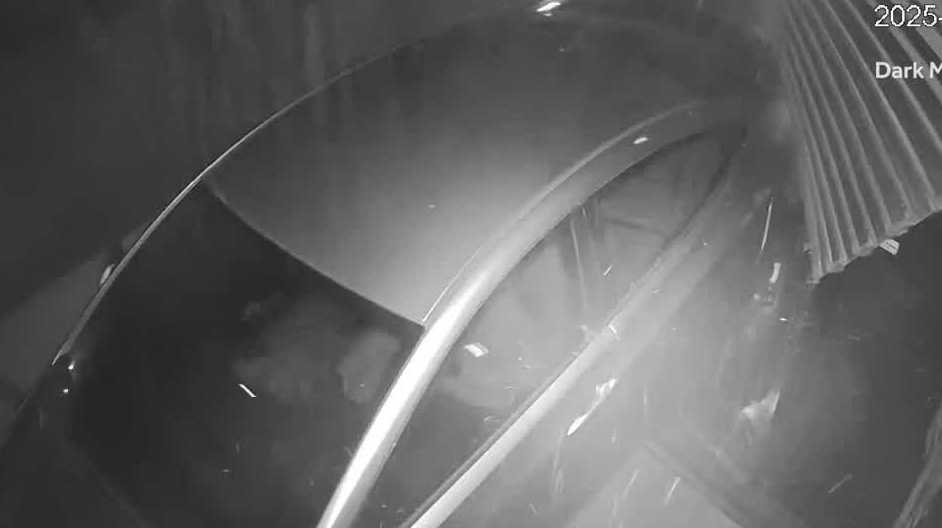
IT’S ON JUAN TABO NEAR INDIAN SCHOOL. WELL, THE OWNER SAYS THEY’VE RECENTLY BEEN BROKEN INTO AND ROBBED. THE PERSON RESPONSIBLE IS STILL ON THE RUN. JULIAN PARAS JOINS US. AND, JULIAN, HOW DID THIS ALL UNFOLD? WELL, SASHA, WE KNOW THAT SEVERAL DISPENSARIES ACROSS ALBUQUERQUE HAVE BEEN ROBBED. WHETHER THAT BE THIS YEAR OR IN YEARS PAST. AND DARK MATTER CANNABIS JOINS THAT LIST NOW. THIS IS WHY WE ARE COVERING THIS. THIS IS THE VIDEO THAT THEY SHARED WITH US OF THE BURGLARY FROM THURSDAY AT THREE IN THE MORNING. THE PEOPLE INVOLVED USED THIS CAR TO RAM THROUGH THE SECURITY GATE AT THE BUSINESS. AND ONCE THEY GOT IN, STAFF SAY THEY STOLE ABOUT $1,000 WORTH OF PRODUCTS AND CLOTHING. IT TURNS OUT WHOEVER IS INVOLVED STOLE THIS CAR, LEFT IT BEHIND AND DROVE AWAY IN A GETAWAY CAR. AFTERWARDS, WHEN THE GENERAL MANAGER CAME INTO WORK LATER THAT MORNING, SHE DID NOT EXPECT TO SEE WHAT SHE SAW. IT WAS LIKE VIOLATING TO SEE THAT SOMEBODY CAME INTO OUR SPACE, DISRESPECTED ALL THAT WE DO FOR THE COMMUNITY, AND BARELY TOOK ENOUGH TO MAKE IT WORTH IT. THIS IS A TRAGEDY, HONESTLY, THAT HAPPENED, AND WE JUST WANT TO KIND OF BUILD TOGETHER, STRONGER AND DO WHATEVER WE CAN TO MAKE SURE IT DOESN’T KEEP HAPPENING TO OTHERS. RIGHT NOW, THEY ARE ASSESSING DAMAGES LEFT BEHIND, BUT ESTIMATE IT’S NORTH OF 50 TO $75,000. SINCE THURSDAY’S BREAK-IN, POLICE HAVE GATHERED FINGERPRINTS AND ARE CURRENTLY SEARCHING FOR THOSE SUSPECTS. LIVE IN ALBUQUERQUE, JULIAN PARAS KOAT ACTION SEVEN NEWS. JULIAN. THANK YOU. MANAGEMENT TELLING US THEY KNOW THE CAR USED DURING THE INCIDENT IS STOLEN. THE OWNER OF THE VEHIC

Burglars use stolen car to break into Albuquerque cannabis shop

Thieves used a stolen car to break into Dark Matter Cannabis in Northeast Albuquerque, causing significant damage and stealing products.

KOAT logoUpdated: 6:26 PM MDT Aug 24, 2025

Editorial Standards

Early Thursday morning, thieves used a stolen car as a battering ram to break into Dark Matter Cannabis in Northeast Albuquerque, leaving the business with thousands of dollars in damages and stolen products. Hannah Renick, the general manager of the business, expressed her shock and dismay at the recent burglary.”It was really disheartening, really, sad to see that that would happen. Not surprising considering, you know, dispensaries get hit all the time, but it was shocking to see it happen to us,” Renick said.Staff at Dark Matter Cannabis reported that the thieves stole about $1,000 worth of product, but Renick emphasized that the theft pales in comparison to the damage inflicted to the front of the business.”We’re still kind of getting an estimate, but we’re guessing it’s probably going to be around 50 to 75K in damages,” Renick said.Renick said police have gathered fingerprints for the people shown in the video. Once the thieves stole what they wanted, they left the stolen car, which was later recovered by the owner. Despite the setback, Renick and staff remain determined to rebuild.”We’re just going to keep working on repairs and just building back up to what, you know, we know and love,” she said.

Early Thursday morning, thieves used a stolen car as a battering ram to break into Dark Matter Cannabis in Northeast Albuquerque, leaving the business with thousands of dollars in damages and stolen products. Hannah Renick, the general manager of the business, expressed her shock and dismay at the recent burglary.

“It was really disheartening, really, sad to see that that would happen. Not surprising considering, you know, dispensaries get hit all the time, but it was shocking to see it happen to us,” Renick said.

Staff at Dark Matter Cannabis reported that the thieves stole about $1,000 worth of product, but Renick emphasized that the theft pales in comparison to the damage inflicted to the front of the business.

“We’re still kind of getting an estimate, but we’re guessing it’s probably going to be around 50 to 75K in damages,” Renick said.

Renick said police have gathered fingerprints for the people shown in the video. Once the thieves stole what they wanted, they left the stolen car, which was later recovered by the owner. Despite the setback, Renick and staff remain determined to rebuild.

“We’re just going to keep working on repairs and just building back up to what, you know, we know and love,” she said.

Source link

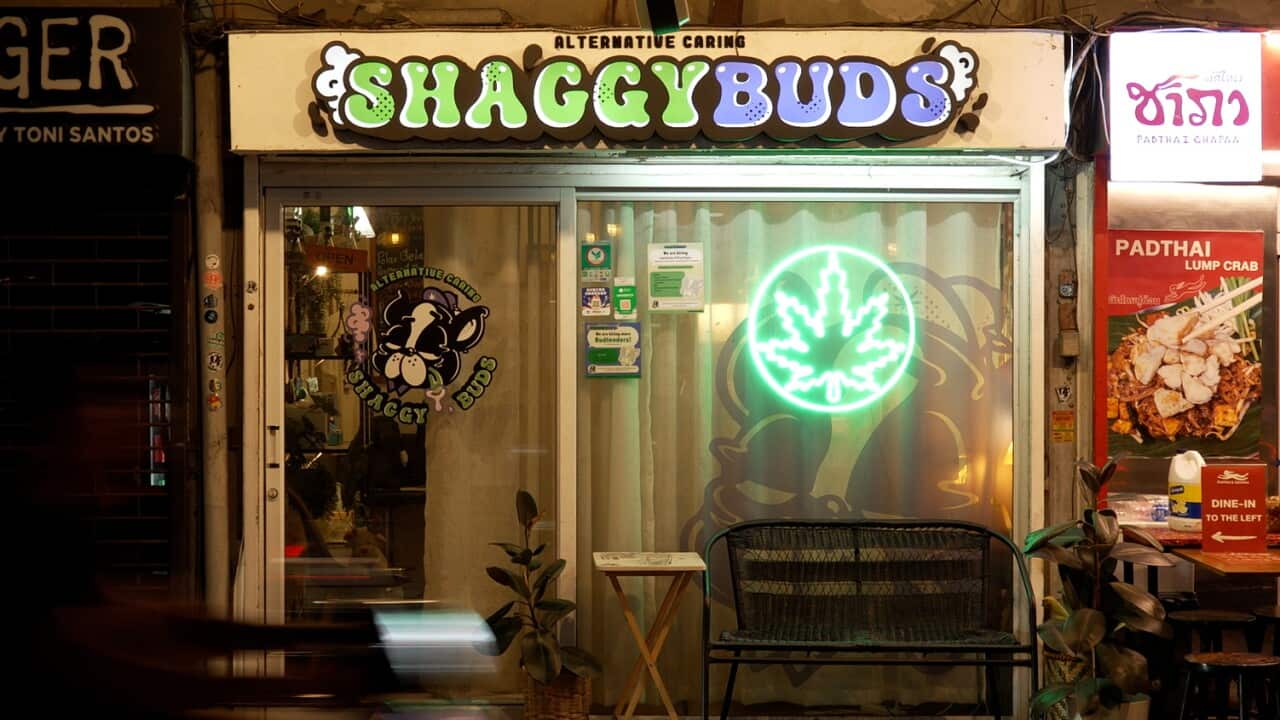
A neon-lit shopfront called Shaggy Buds

Thailand’s cannabis shops are disappearing post-high

For three years, downtown Bangkok has had a green glow.
Neon cannabis leaves light up practically every corner; an inescapable marker of what quickly ballooned into a billion-dollar industry.
More than 18,000 recreational marijuana shops sprang up, seemingly out of nowhere, when Thailand became the first Asian nation to decriminalise cannabis in 2022.
Their glory days may have been short-lived.
Last month, the government introduced new regulations restricting cannabis to medicinal use only, banning dispensaries from selling the drug to anyone without a prescription.

It’s now flagging more rules to come; planning to cut shop numbers back almost 90 per cent to 2,000 and require each one to have a doctor on site.

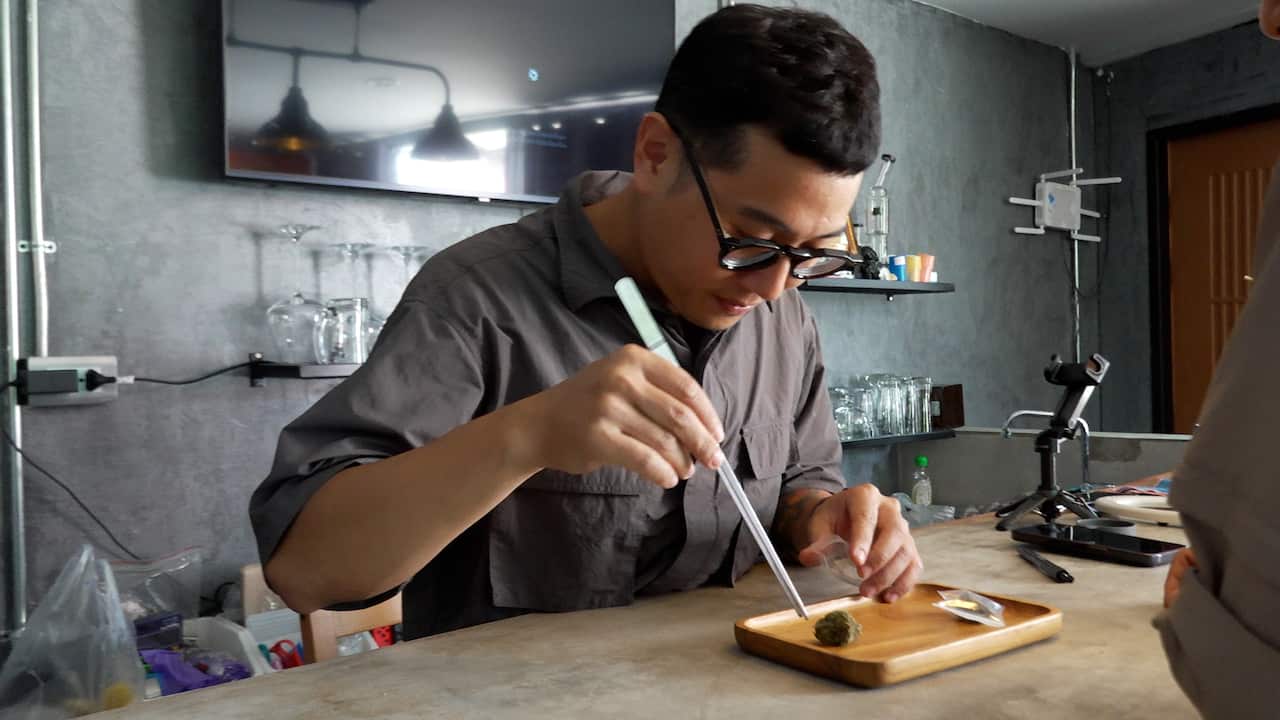
 A man in a grey shirt and glasses picks up a nugget of cannabis with a tool

Suradeth Wattanasoontornkul runs a small cannabis dispensary outside Bangkok’s city centre. He says he’s lost almost all his business. Source: SBS News

“The customers are gone,” cannabis shop owner Suradeth Wattanasoontornkul says. “They are scared. Everyone’s business is going down.”

“The shop opposite us just closed. They probably couldn’t bear it anymore.”
So far, there’s no real evidence Thai authorities have begun enforcing the new regulations, but Suradeth says the fear they will has scared most of his customers away.
He used to sell more than $7,000 worth of cannabis every month. Last month, it dropped to less than $500.
“We paid 5000 baht ($250) to the government for a licence, but once we get that licence, they release new regulations and tell us the one we have is useless,” Suradeth says.

“Sure, you can hire a doctor, but the cost is very high, and not every doctor wants to work in a cannabis shop.”

The governmental feud fuelling recriminalisation

Thailand’s Health Minister says the reforms are about improving public safety and addressing rising cannabis addiction; but analysts say they are also wound up in Thailand’s latest political crisis.
In June, former Cambodian leader Hun Sen leaked the audio from a controversial phone call with Thai Prime Minister Paetongtarn Shinawatra, during which she appeared to make disparaging remarks about her own military’s handling of the recent border crisis.
Her political allies in the Bhumjaithai Party, which was the main driving force behind cannabis decriminalisation, withdrew from the coalition in outrage.
The reversal on cannabis “has a lot to do with coalition dynamics and coalition politics,” political analyst Thitinan Pongsudhirak from Chulalongkorn University says.

“The cannabis policy in Thailand is synonymous with the Bhumjaithai Party. It wanted to broaden its political base by decriminalising cannabis. So, suddenly, you had these cannabis shops mushrooming around Thailand, especially in Bangkok.”

A neon sign of a green leaf with white outline

The Thai government has flagged plans to cut cannabis shop numbers back almost 90 per cent to 2,000 and require each one to have a doctor on site. Source: SBS News

The industry experienced near-instant economic success; its value was already estimated above $1 billion, with the Thai Chamber of Commerce predicting that number could rise to $1.8 billion by the end of this year.

Analysts believe tourists were behind much of the enthusiasm.
“I think there was a public backlash against it,” Pongsudhirak says.
“The constituencies in favour of cannabis were limited; some vendors, proprietors, tourists, the hospitality industry. But the public sentiments at large are very sceptical. The Thais, being a predominantly Buddhist country, still frowned upon vices like this.”
Thailand’s public health minister Somsak Thepsuthin says he eventually wants to relist cannabis as a category five narcotic, which would see tougher penalties for recreational use and possession, including jail time.

“We want to tell tourists they are welcome to enjoy Thailand’s culture and nature, but Thailand should not be seen as a destination for recreational cannabis use,” Thepsuthin recently said. “It affects children, causes nuisance from unwanted odours.”

An industry moving underground

With the new restrictions widely unenforced and more regulations on the way, the industry has settled into a grey zone for now.

Those trying to keep their businesses open say there is little clarity and a lot of confusion.

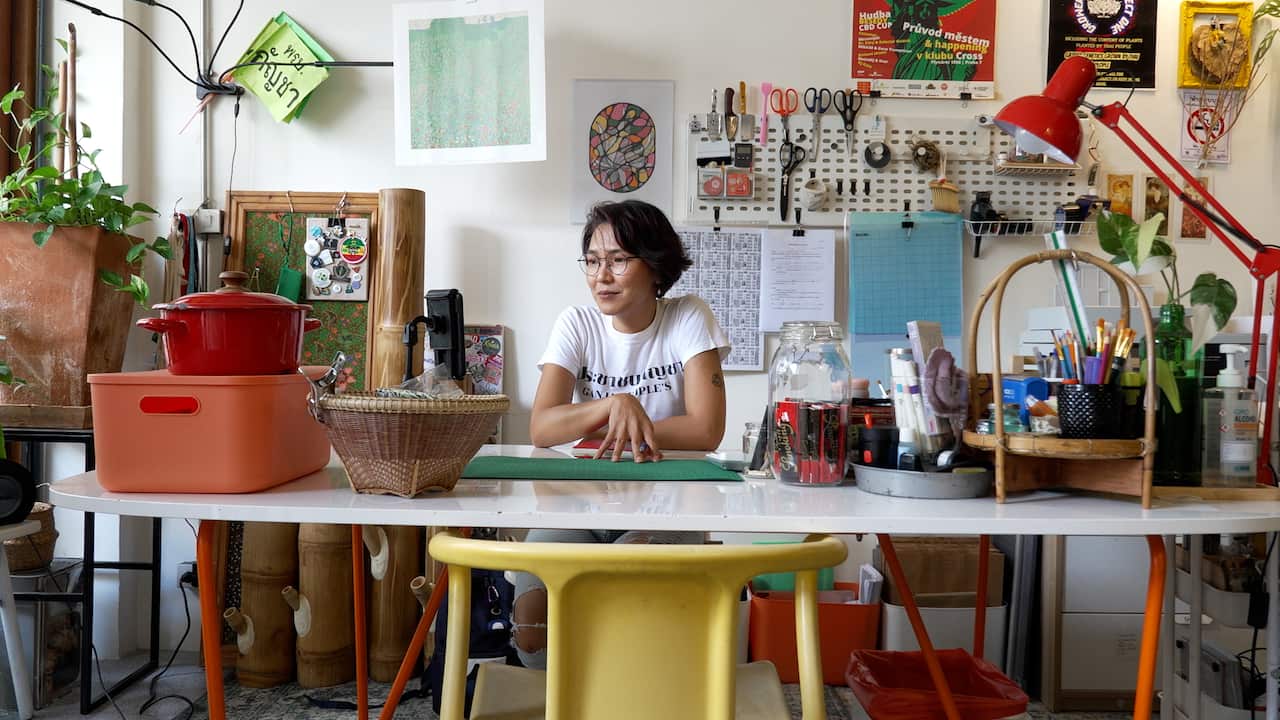
A woman sitting at a large desk with many colourful items, inside a cannabis shop

Kitty Chopaka says cannabis dispensary owners are reporting a rise in tourists selling the drug to other tourists, suggesting the billion dollar business is now moving underground. Source: SBS News

“The health department is coming out with one set of information, the provinces are coming out with another set of information, when a lot of things are actually still on the drawing board,” Kitty Chopaka from advocacy group Writing Thailand’s Cannabis Future says.

“The shops in the provinces where the health officers happen to be strict, they are now either shut down, or are being told ‘We suggest you shut down until the rules are more concrete, but if you don’t shut down we will come and do a little inspection where we’re then probably able to suspend your licence’.”
Kitty has been speaking with a network of dispensary owners almost daily as they try to navigate the changes.
They have consistently been reporting a drop in sales since the prescription rules came into effect, but they do not believe that correlates with a drop in usage. Many believe tourists are now buying the drug from other tourists instead of the dispensaries.
Some of the 18,000 registered shops have begun shutting down, while others are holding out to see if they might be one of the few that get to stay in business.
“A lot of the small businesses are going to get removed, the small farms, the ones where the husband is the grower, the wife is the trimmer, then maybe the mother-in-law is the seller at the shop. Those guys are not going to exist anymore,” Kitty says.
“I would say one small business is about ten lives you’re dealing with. You’ve got the owner, the farms, the people who work in the shop, all of the production side of things. Each of them will have a family. And you times it by 18,000 – that’s a lot of people.”
She says “that’s the sad part.”

Source link

Bill Maher Dings Democrats for Not Legalizing Cannabis and Letting Trump Steal the Issue, Jokes 'He Finally Got to Me' | Video

Bill Maher Dings Democrats for Not Legalizing Cannabis and Letting Trump Steal the Issue, Jokes ‘He Finally Got to Me’ | Video

It seems most of the good vibes Bill Maher insisted he experienced during his much-criticized dinner with Donald Trump have finally worn off. During his monologue on Friday’s “Real Time,” Maher discussed several of the most disturbing things that Trump has done recently, described the current situation as a “police state,” and offered up a bleakly funny assessment of where things are headed if something doesn’t change.

“I’ll say this, ladies and gentlemen, in the future historians will say this is a very dark time in American history. They won’t say it publicly or put it in a book,” he joked. “They’ll whisper it to each other when the cell phones are off.”

“So remember to support your local police state,” Maher added.

But not all the good vibes were gone. During the “New Rules” segment at the end of the episode, Maher joked that Trump may have actually won his support, thanks to the possibility he may change the legal status of cannabis. This came at the end of an extended rant against Democrats, who he criticized consistently running away from popular issues, like cannabis legalization, and running candidates who lack “the political skill” to sell important issues.

This, he said, effectively handed advantages — and elections — to Trump. Watch that below:

Play

But back during his monologue, Maher’s bleak assessment of America’s situation was inspired by the news on Friday that the Trump administration raided the home of Trump’s former national security adviser John Bolton to investigate, so they say, whether he illegally retained classified documents. Something, coincidentally, that the Biden administration failed to prosecute Trump for. Critics warn that it’s yet another example of the Trump administration using the power of the law to attack critics

“Remember John Bolton?” Maher asked, and then based on the audience’s enthusiastic reaction joked, “sophisticated crowd.”

“Yeah,” Maher continued. “John Fulton, there he is. He was in the Trump administration, and then he left the administration. Wrote a book, you know, a kind of a tell-all book, and said Trump only cares about retribution and will abuse the Justice Department. And today, the FBI raided his home.”

“The administration says it wasn’t about retribution. It was about law and order. They think he might have been the guy who beat up big balls,” Maher joked.

Then, after his comments about America’s precarity that immediately followed the John Bolton comments, Maher indicated he thinks that the Trump administration’s actions are being ignored by Americans.

“That is not what is bothering a lot of America. What is bothering a lot of America is that Cracker Barrel, I couldn’t make this s— up, Cracker Barrel has changed their logo. It’s just putting the words Cracker Barrel. They used to have a barrel, and, quite frankly, a cracker standing next to the barrel and now it’s just the word. Conservatives have not been this upset about a rebrand since Caitlyn Jenner,” Maher said.

Source link

Federal Judge Gives Florida Marijuana Legalization Campaign A Win Over State's Ballot Initiative Restriction Law

Federal Judge Gives Florida Marijuana Legalization Campaign A Win Over State’s Ballot Initiative Restriction Law

A federal judge has delivered a win to a Florida campaign seeking to put a marijuana legalization initiative on the state’s 2026 ballot—granting “complete relief” from provisions of a law Gov. Ron DeSantis (R) signed to impose serious restrictions on signature gathering.

In response to a motion for a preliminary injunction from the cannabis campaign Smart & Safe Florida, a U.S. District Court for the Northern District of Florida judge ruled on Thursday that the state’s law forces plaintiffs to “choose between curtailing their First Amendment rights” or “risk invalidation of verified petitions, crippling civil penalties, and further enforcement actions.”

While the law DeSantis signed in May wasn’t directly targeted at the cannabis initiative, there’s been concern among supporters that it could jeopardize an already complex and costly process to collect enough signatures to make the ballot. That’s because it would block non-residents and non-citizens from collecting signatures for ballot measures.

The governor had pitched the idea to lawmakers earlier this year, calling for changes to the petition gathering process that threaten to further complicate citizen-led reform efforts for a range of issues.

But presented with a legal challenge to the policy from several advocacy groups, including the cannabis campaign, U.S. District Judge Mark Walker determined that certain of the restrictions are unlawful.

The judge last month upheld much of the law, as The Tallahassee Democrat reported, but he said in his latest ruling that preventing signature gathering from non-residents amounted to an unacceptably “severe burden on political expression.”

The court said Smart & Safe Florida “demonstrated that it is substantially likely to succeed on the merits of its First Amendment claim challenging the State Attorneys’ role in enforcing the residency requirement.”

“The challenged provisions work an unconstitutional restriction as applied to Plaintiffs’ speech by prohibiting non-citizen and non-residents from gathering signed petitions by silencing the individual non-citizen petition circulators who are Plaintiffs in this case, and by preventing the organizational Plaintiffs’ members or employees who are non-residents or non-citizens from engaging in the core political speech of petition circulation.”

Walker wrote that the threat the restrictions could be enforced against the cannabis campaign is “a cognizable chill on Smart & Safe’s non-resident petition circulator’s speech, which directly injures Smart & Safe, as sponsor of the marijuana ballot initiative.”

As of now, the marijuana campaign has collected more than 75 percent of the required signatures to make the ballot next year.

Smart & Safe Florida began signature gathering for the measure in January, making steady progress as takes a second stab at enacting the constitutional amendment at the ballot after a 2024 version of the legalization measure fell short.

Activists picked up about 50,000 more valid signatures over the last month for a total of 661,327, according to the Florida Division of Elections. They need 880,062 valid signatures to secure ballot placement.

In addition to that signature total from registered voters, Smart & Safe Florida must also gather them from a minimum of 8 percent of voters in at least half of the state’s congressional districts. The campaign has currently exceeded the needed threshold in five of the 28 districts, but is close in several others.

In June, the state affirmed that the campaign collected enough for the 2026 initiative to trigger a fiscal and judicial review.

The governor said in February that the newest measure is in “big time trouble” with the state Supreme Court, predicting it will be blocked from going before voters next year.

“There’s a lot of different perspectives on on marijuana,” DeSantis said. “It should not be in our Constitution. If you feel strongly about it, you have elections for the legislature. Go back candidates that you believe will be able to deliver what your vision is on that.”

“But when you put these things in the Constitution—and I think, I mean, the way they wrote, there’s all kinds of things going on in here. I think it’s going to have big time trouble getting through the Florida Supreme Court,” he said.

At its current signature count, the campaign has already succeeded in reaching one of the first milestones. The state is now statutorily obligated to conduct a judicial and financial review of the measure that will determine its legal eligibility and inform the electorate about its potential economic impact.

The latest initiative was filed with the secretary of state’s office just months after the initial version failed during the November 2024 election—despite an endorsement from President Donald Trump.

Smart & Safe Florida is hoping the revised version will succeed in 2026. The campaign—which in the last election cycle received tens of millions of dollars from cannabis industry stakeholders, principally the multi-state operator Trulieve—incorporated certain changes into the new version that seem responsive to criticism opponents raised during the 2024 push.

For example, it now specifically states that the “smoking and vaping of marijuana in any public place is prohibited.”Another section asserts that the legislature would need to approve rules dealing with the “regulation of the time, place, and manner of the public consumption of marijuana.”

Last year, the governor accurately predicted that the 2024 cannabis measure from the campaign would survive a legal challenge from the state attorney general. It’s not entirely clear why he feels this version would face a different outcome.

While there’s uncertainty around how the state’s highest court will navigate the measure, a poll released in February showed overwhelming bipartisan voter support for the reform—with 67 percent of Florida voters backing legalization, including 82 percent of Democrats, 66 percent of independents and 55 percent of Republicans.

However, the results conflict with another recent poll from the Florida Chamber of Commerce, a proactive opponent of legalization, that found majority support for the reform among likely voter (53 percent) but not enough to be enacted under the 60 percent requirement.

Another recent poll of Florida Republican voters showed just 40 percent of that demographic said they’d vote in favor of the legalization proposal.

In the background of the campaign’s signature development, DeSantis signed a GOP-led bill in June to impose significant restrictions on the ability to put initiatives on the ballot—a plan that could impair efforts to let voters decide on marijuana legalization next year.


Marijuana Moment is tracking hundreds of cannabis, psychedelics and drug policy bills in state legislatures and Congress this year. Patreon supporters pledging at least $25/month get access to our interactive maps, charts and hearing calendar so they don’t miss any developments.


Learn more about our marijuana bill tracker and become a supporter on Patreon to get access.

Separately, a Florida GOP senator claimed recently that the legalization campaign “tricked” Trump into supporting the 2024 measure by misleading him and the general public about key provisions.

Ahead of the election, Trump said in September that he felt Amendment 3 was “going to be very good” for the state.

Before making the comments, Trump met with the CEO of Trulieve, Kim Rivers, as well as with a GOP state senator who is in favor of the reform.

While Trump endorsed the Florida cannabis initiative—as well as federal rescheduling and industry banking access—he has since been silent on cannabis issues. On Thursday, however, the CEO of Scotts Miracle Gro said Trump has privately committed to seeing through the rescheduling process in “multiple” conversations since taking office.

Meanwhile in Florida, some medical marijuana patients and caregivers in Florida could see their state cannabis registrations revoked under a bill recently signed into law by the governor.

DeSantis approved SB 2514, a broad budget bill that touches on cancer, dentistry and other health-related matters. But it also contains a provision that directs the state Department of Health (DOH) to cancel registrations of medical marijuana patients and caregivers if they’re convicted of—or plead guilty or no contest to—criminal drug charges.

Read the federal court’s order in the Florida medical marijuana and ballot law case below: 

Photo courtesy of Philip Steffan.

Marijuana Moment is made possible with support from readers. If you rely on our cannabis advocacy journalism to stay informed, please consider a monthly Patreon pledge.

Become a patron at Patreon!

Source link

'South Park' Weighs in on Cannabis Rescheduling in Raucous Episode That Sees ICE Raid Tegridy Farms and Ketamine Become Randy's Favorite Drug

‘South Park’ Weighs in on Cannabis Rescheduling in Raucous Episode That Sees ICE Raid Tegridy Farms and Ketamine Become Randy’s Favorite Drug

Scenes from Season 27, Ep. 3, “South Park” (via Comedy Central/Paramount+)

In 2021, in Season 23, South Park added a storyline about Tegridy Farms, a legal cannabis brand owned by Randy Marsh (voiced by Trey Parker). “I think we’re really for the first time going to bring Tegridy Weed into real life,” Parker’s co-creator Matt Stone hinted. That never happened.

Beware of spoilers

Fast forward to Season 27, Episode 3 (“Sickofancy) in which Parker and Stone sadly close the doors of Tegridy after an ICE raid.

Randy tells the family: “My marijuana business is failing again. The government took all my Mexicans.”

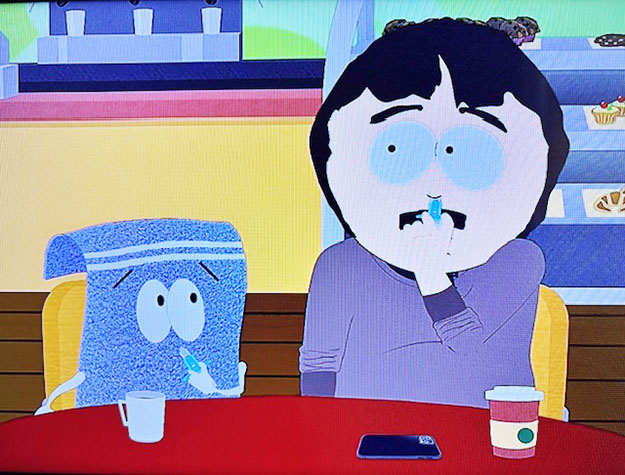
He consults ChatGPT for advice. The female voice tells him to change the name of the brand to Techridy. Randy explains to the pot-smoking Towlie (Vernon Chatman), “All we need is me, you, ChatGPT and one Mexican,” adding:

“We’re no longer a marijuana farm. We are now an AI-powered marijuana platfom for global solutions. Our AI-platform tranfers insights from the cannabis ecosystem into global action. And just like a tech company, we are expanding our minds by microdsoing ChatGPT.”

“Horse tranquilizer?” Towlie asks. Randy replies:

“It’s a microdose of horse tranquilizer. These tech guys do one little spray in their nose once a day. It’s a micro amount of ketamine to get their minds the edge to work with ketamine.”

Towlie and Randy inhale ketamine spray

Randy decides to send Towlie to Washington, DC to meet Pres. Trump, While there Randy appears as a hologram and says, “We need you to reclassify marijuana on the federal level.”

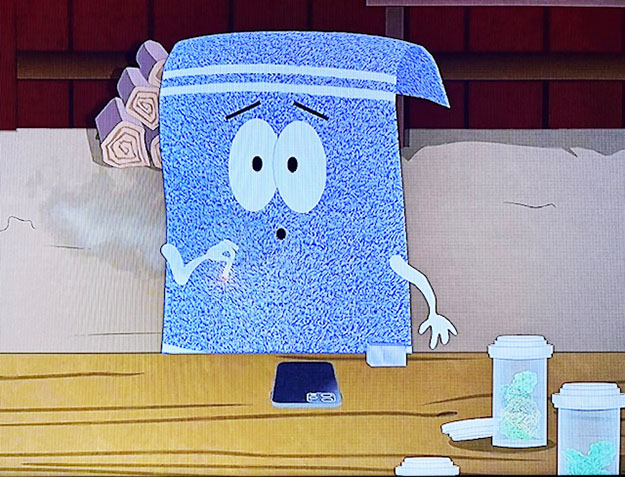
Towlie tokes

Trump ignores Randy’s request and asks for a present, which turns out to be Towlie, who ends up in the president’s bathroom.

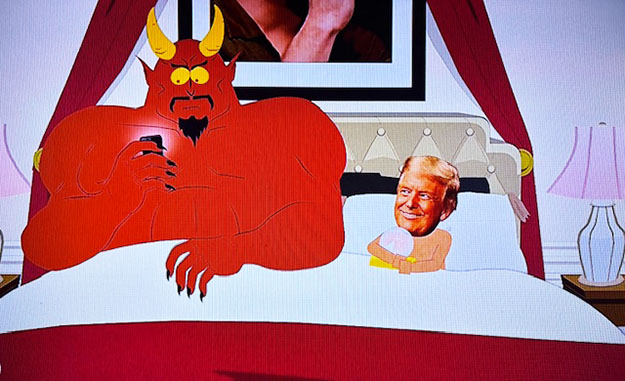
It’s a high-larious episode, combining pot politics (rescheduling marijuana), alternative drugs (ketamine), tech (ChatGPT), immigration (the Glass House ICE raid in July), the takeover of DC and, of course, Trump’s cozy relationship with Satan.

Trump cozies up to Satan

Watch South Park at Comedy Central and Paramount+.

MORE TV COMEDIES

The Studio

Deli Boys

Ted

See more of the latest CelebStoner news!

Become a Patron
×

Steve Bloom

Steve Bloom

Publisher of CelebStoner.com, former editor of High Times and Freedom Leaf and co-author of Pot Culture and Reefer Movie Madness.

Source link