
How two marijuana companies are helping patients find hope — Greenway Magazine

How two marijuana companies are helping patients find hope — Greenway Magazine


“Well, firstly, I think the most important thing about this is that they have a sign on the door that says consultation room. And that’s a very unusual thing to see at a dispensary, but it implies exactly what it is.” This was the first thing Terri Birkemeier told me about her cannabis journey when we sat down for an interview.

That small sign at the Feel State dispensary has had a profound impact on the lives of Terri and many other cannabis patients.

“Randy happened to go there one day just to pick up some gummies, and that sign was just everything,” she continued.

“Because he came home and he looked at me and he said, I wonder if that means what I think it means.”

The relationship between medical cannabis patients and dispensaries in Missouri is experiencing a revival of patient-centered care. Although medical marijuana was legalized in the state in 2018 and dispensaries began serving patients in 2020, the introduction of recreational sales in 2023 sometimes shifted focus away from medical needs. Yet, individuals like Jeff Rowse and companies such as Feel State and Vivid have remained steadfast in ensuring patient care remained a primary priority.

This type of leadership, has helped to spark the recent revitalization and an increased emphasis on cannabis as a therapeutic product. Through personalized consultations and a genuine dedication to patient well-being, Rowse and Feel State, bridge the gap between conventional medical limitations and cannabis-based relief.

And for companies like Show-Me Organics and products like Vivid’s full extract cannabis oil (FECO) patients with few or no other options have continued to be a focal point of care. Now more and more companies are rejoining the fray to make cannabis a patient orient product.

Boston Dickerson, CEO of Show-Me Organics, the parent company of Vivid, said, “A big reason we got into this business was to deliver positive health outcomes for our community, just as my family did with the local pharmacy.” That commitment is evident in Vivid’s decision, under special circumstances, to provide FECO at essentially no cost to these patients, helping their families in need focus on healing without the added burden of cost.

Dickerson added, “We hope for a future where the healthcare system embraces cannabis as part of patient care, enabling programs that make this medicine more affordable for those in need.”

For Randy and Terri Birkemeier, discovering the consultation room at Feel State was transformative.

“I called and made an appointment and Randy went and met with Jeff and it was exactly what we were hoping for – a chance to get answers and maybe sit down one-on-one to be able to talk with someone about what’s going on and feel like they actually care about you and want to help. And Jeff was all those things.”

Randy and Terri Birkemeier

Faced with a dire prognosis, Terri had been diagnosed with aggressive cancer and given only months to live. Traditional medicine offered little relief, prescribing pain medication despite Terri’s allergies and PTSD. It was FECO, introduced through Feel State, that became their beacon of hope. Randy explained their determination to find an alternative to Western medicine because Terri did not want to spend her remaining time feeling ill.

Their diligent research into cannabis oils like Rick Simpson Oil led them to FECO and Jeff Rowse, who quickly connected them to Vivid after understanding the urgency of their situation. Rowse sought discounted pricing but was amazed when Vivid committed to providing FECO at essentially no cost under special circumstances. He shared that Vivid’s roots in a small-town pharmacy foster a deeply compassionate approach, where knowing each patient’s story is paramount.

The results for Terri have been remarkable. Despite initial debilitating pain and limited mobility, she experienced significant relief and a better quality of life. She even believes FECO is the sole reason she is still here today. Randy vividly remembers the early days of Terri’s diagnosis and the anxiety and pain she endured. After starting FECO, much of that suffering began to ease, and her outlook improved.

Similarly impactful is the journey of young Drew Patchin, battling brain cancer for the fifth time.

Drew Patchin

“A couple of years ago during the Drew’s Crew Lemonade Stand fundraiser, Nick from Feel State was like, ‘Hey, I want to help.” He wanted to kind of magnify what we were doing.” Drew’s aunt, Debbie Schultz told us.

“I also serve on the board of a local pediatric cancer charity that Feel State has been very supportive of. And so Nick came out to the lemonade stand, brought out some other businesses, and we raised about $5,000 for two different charities. At that time, he pulled me to the side and said, if you ever want to try cannabis to help Drew, call me. I’m going to take care of you guys and help you figure it out.”

“Last fall when his cancer came back, they were able to remove it. But we knew at that point that it was just a matter of time till it came back again. And that’s when I started doing some real research on like, well, what other things could we do to maybe keep it away? And every time I Googled, everything that came up was about cannabis every single time. It was RSO or FECO or whatever. So I finally one day said to Jennifer, like, ‘Do we want to have this conversation?’ And why are we waiting for it to come back before we start to think about how to fight it again?”

At 12, Drew has already experienced more than most adults will in a lifetime, with cannabis, there is a sense of normalcy and an enhancement to his quality of life that Drew and his family hadn’t experienced before.

Guided by Feel State, Drew began FECO treatment.

“We went through the process to get Drew’s medical card, which was a whole process in itself.

“Especially since not all states allow minors to get medical cards, but Missouri does, thankfully. And then before we made the decision to go ahead and start, we did talk to Drew’s main medical providers and they were both super supportive and said, ‘We can’t technically advise you on these things, but what we can tell you is we have lots of other patients who do it,” she told Greenway.


Jennifer described their initial concern that Drew might experience psychoactive effects or may be out of it or high, and while Drew never really experienced significant psychoactive effects due to dosing and timing.

“We were only giving him very little amount at the beginning and only at night. And then we kept increasing it and only giving it at night. And as long as he went to bed, you know, within an hour or two, like it was fine. If he was up longer, there was one night where he just was like so silly and we’re like, my God, I think he’s high.”  she laughed. “But he doesn’t really understand. He just knows like this is the kind of pill he’s taking now is called cannabis. He takes a ton of pills, but he just knows like that’s one of the medications he’s taking. He doesn’t know anything about legalization.”

“We have literally zero experience with marijuana, cannabis, like anything in our lives ever. And all we know is some people use it for medical stuff and a lot of people use it recreationally. We had like zero experience. So it’s all been a learning curve over the last few months for us. But we’re so grateful to be on this journey and getting this opportunity for Drew to have this available, because it’s clearly made a huge difference for us and him.”

Drew had been in remission but the side effects of his treatment and recovery and the damage already done to his body had created several life altering symptoms, with one of the most prominent being the inability to swallow solid food.

“He had been really struggling with being able to swallow solid food, even liquid food. Like even liquids wouldn’t always go down. So he was dropping weight very quickly. But now he like he’s able to swallow.”

“He always had the appetite and was like literally not able to eat and get the food to go down. It would pile up in his throat. And then he would cough and like a whole bunch of food would come back out, which is kind of gross, but really it’s dangerous,” she explained. “But now most things can go down again. And so he already had the appetite to eat, but (cannabis treatment) has literally made it so that he can eat now,’ she continued. “He was eating steak on our vacation. His energy level has increased greatly.”

“We were very excited by how his quality of life improved. And so we were very hopeful that that meant the tumor was disappearing, and then disheartened to find out in June that it was not.”

Faced with another battle, Drew’s family decided to take the alternative route first.

“Drew turned 12 in March and we found out his brain cancer was back for the fifth time in April. And I believe we started FECO in March, but very, very small amount. And because at the time we thought there was no disease. And so it was more like a maintenance to keep it that way. And then we found out it was back.”

“We said, okay, let’s not even try any of that,” Jennifer Patchin explained after hearing about some of the potential damages to healthy organ systems that traditional therapies would certainly bring. “First, let’s just try revving up cannabis and some supplements. And so we did that.”

Drew started by taking his doses at night before bed.

“He’d already built up (a tolerance) in his system to taking those three pills a day, but all of it was in the evening. And then it was like, what’s this going to be like when I give it to him in the morning and what are we going to see in a few hours? But really haven’t seen anything.”

“So now we put the vial into three pills. He takes one in the morning and then early afternoon and then one before bed. And that has helped tremendously.”

Drew Patchin

In June, the Patchins were notified that the tumor had grown and there was a second tumor. “We’re still keeping up with the FECO and the supplements that we’re doing. And we’ve added supplements because we did go ahead and add one of the chemo protocols that they recommended in order to try the best for him that they can hope for is some stabilizing of the tumors for some period of months before growth will happen again.”

While Drew’s cannabis hasn’t cured Drew’s cancer, the Patchins say it has unequivocally changed his life for the better.

Jeff Rowse

Rowse’s consultations provide crucial clarity and comfort to patients like Drew and Terri, helping them navigate unfamiliar territory. He explained that people feel comfortable sharing personal information with him, which allows for more tailored care. Debbie highlighted the importance of professional guidance in an intimidating process, expressing that having Jeff’s support made it much easier to begin this journey.

Although physicians cannot formally prescribe cannabis due to federal restrictions, Drew’s oncologist and psychiatrist were supportive.

For Terri, cannabis relieved more than cancer symptoms; it alleviated severe pain that made even hugging unbearable. Now, that pain is gone. Both she and Randy emphasize the urgent need for public education and outreach. Terri feels frustrated by her inability to share her story widely and relies on people like Jeff and Vivid to spread awareness. Randy noted the difficult divide between cannabis and traditional medical communities that must be bridged.

Jennifer and Debbie echoed the importance of informed guidance. Jennifer said that having someone knowledgeable and experienced made all the difference, and Debbie praised Jeff for providing resources and confidence in a process that can feel overwhelming.

Feel State’s model, championed by Rowse, demonstrates the life-changing potential when medical cannabis care is grounded in compassion and thorough consultation. Rowse admitted that the emotional weight of these consultations was initially daunting. He feared saying the wrong thing in moments of great vulnerability. Nevertheless, he insisted on maintaining the consultation service, recognizing its vital role.

These patient stories underscore the profound need for personalized, informed cannabis care. They offer hope for how cannabis might increasingly integrate into patient-centric healthcare, fostering not only survival but meaningful quality of life. For Terri and Drew, Feel State and Vivid have been indispensable allies, highlighting the pressing necessity to connect traditional medicine with the growing realm of cannabis therapeutics.


Source link

Cannabis retail operators seek licenses for Codman Square store

Cannabis retail operators seek licenses for Codman Square store

The operators of a retail cannabis dispensary who plan to re-open in a Codman Square storefront have won approvals for a delivery license from the Boston Cannabis Board and are awaiting another board vote for their retail license.

The new business— Legal Greens— intends to operate from the former LowKey dispensary space at 571 Washington St. The previous business closed its doors earlier this summer.

Legal Greens executives Vanessa Jean-Baptiste and Mark Bouquet discussed their plans with neighbors during an Aug. 6 meeting of the Codman Square Neighborhood Council (CSNC). The two licenses will also need state approvals, which Bouquet said could take six or seven months.

Legal Greens has purchased the building and is making space for the courier and delivery, and hoped-for retail. They have hired 12 employees for the courier and delivery operation, with another 12 hired for the expected retail offering.

The company has existing locations in Brockton, and anticipates that this dispensary will be their flagship location in Boston.

“We are coming here to succeed,” Bouquet said.

• In other CSNC news, the city-owned Codman Park is expected to open to the public on Sept. 1, according to Council chair Cynthia Loesch-Johnson. She said they had anticipated a July opening, but delays in construction materials prevented that. The Codman Square centerpiece public art project is expected to be installed in the park by artist Destiny Palmer this month.

Meanwhile, the Angel’s Wings Park in the Codman Burial Ground on Norfolk Street, a Community Preservation Committee project via Second Church in Dorchester, is progressing nicely, church officials said. Crews have paved the walking paths and seating for the amphitheatre has been installed. They said they hope to open soon after the Codman Park in the fall.

The council briefly discussed the announced closure of the Walgreen’s Pharmacy on Washington Street on Sept. 10. Members said they had no information on what might replace the store, and they hoped to discuss the matter in more detail at their Sept. 3 meeting. The store site is a large anchor in the Square and is adjacent to a large municipal parking lot.

Source link

Tracking system to be delayed months

Tracking system to be delayed months

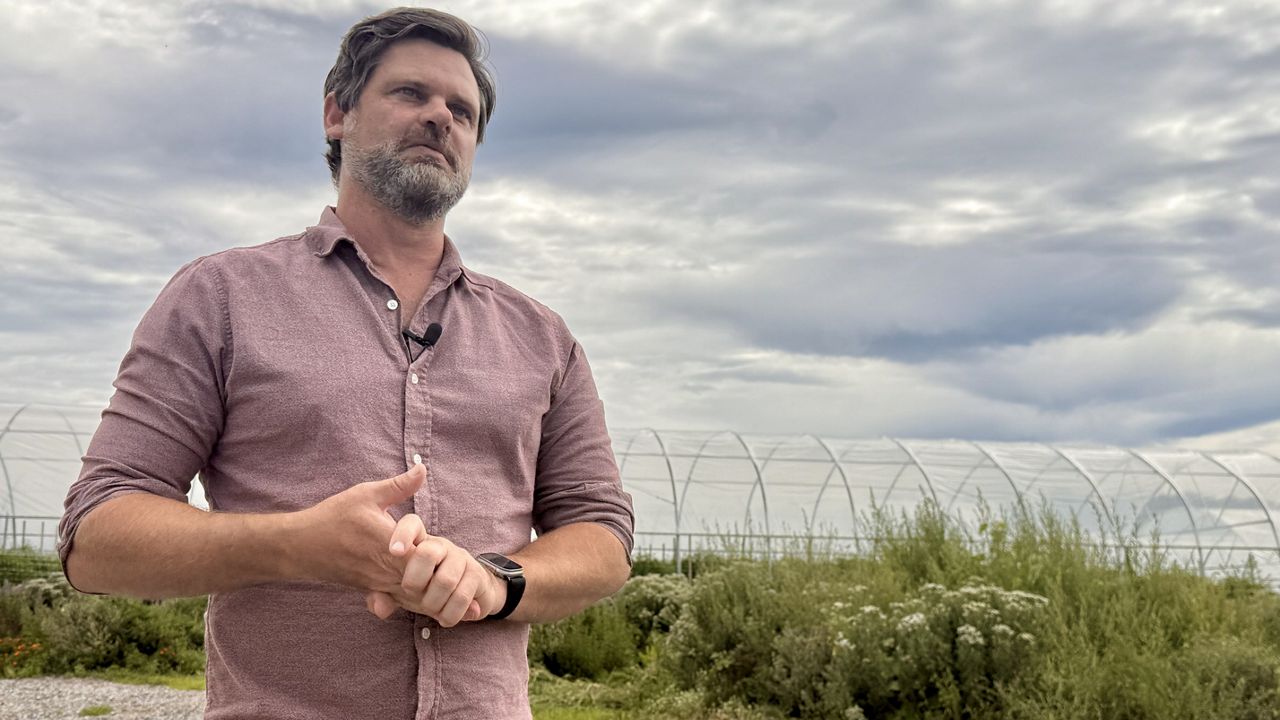
Cannabis growers said Tuesday they expect New York’s seed to sale tracking system will be delayed between six months and a year as state regulators assess how an unexpected merger will impact its rollout.

The state Office of Cannabis Management indefinitely paused the launch of its electronic Seed to Sale system that tracks the lifecycle of cannabis after company BioTrack, which is contracted with the state to manage it, announced a merger with Metrc.

“My sources are telling me anywhere between four to six months, potentially, for integration,” Kaelan Castetter, a lobbyist for the Empire Cannabis Manufacturers’ Alliance, said Tuesday after touring a cannabis farm in Columbia County.

Castetter said depending on the product, between 20% and 50% of cannabis products illegally enter New York’s market from other states.

That’s why cannabis licensees desperately want the Seed to Sale tracking system to get off the ground.

But cannabis growers said they’ve heard the delay could be up to a year.

Cannabis Farmers Alliance President Joseph Calderone said the organization has heard it may take the new vendor, Metrc, a year to be fully operational.

“The continued delay in implementing New York’s seed-to-sale tracking system is deeply troubling for farmers and for the integrity of the legal market,” Calderone said Tuesday. “The alliance went to court to force the OCM to adopt track-and-trace precisely because, without it, there is no way to ensure that only licensed, regulated cannabis is entering the supply chain.”

The collapse of wholesale prices is driven, Calederone added, by the state’s lack of tracking and weak enforcement in addition to oversupply.

“No track and trace equals no trust, and without trust, New York’s legal cannabis market won’t survive,” he said.

Hudson Cannabis Chief Operating Officer Lucas Seymour has worked for years in the industry in California and Canada — joining the Columbia County farm, manufacturer and processor in 2022.

Seymour recounted issues he saw firsthand with the launch of a track and trace system in California, and said the licensees should prepare for a delay that spans at least another year.

“If they are changing from one system to another, like the rumors are, it is most likely impossible to do it in under a year,” he told Spectrum News 1 on Tuesday. “Which means, that maybe, the plants for next year’s harvest will be tracked.”

OCM continues to evaluate the impact of the merger on the emerging system and licensees. Metrc may have to submit a new proposal to the state to take over BioTrack’s $1.2 million contract.

“The office is temporarily pausing the integration of the Seed-to-Sale system while we work with Metrc to evaluate next steps,” OCM spokeswoman Vanessa Cheeks said in a statement. “To date, there has been no indication or determination that the program will be delayed for a year.”

The system was scheduled to be impacted in phases, with cultivators, microbusinesses, Registered Operators and laboratories Aug. 1, followed by processors Sept. 1 and finally retailers starting Oct. 1.

It’s unclear how long those deadlines will be pushed back, but OCM has said it will work with new company Metrc to stay as close to the original timeline as possible.

“New deadlines will be communicated when project schedules are complete,” Cheeks said.

Leaders with Metrc said the company is focused on continuity, stability and collaborative planning, and is working closely with the OCM to ensure the best outcomes for the state.

“The industry will be informed as soon as possible,” according to Metrc. “Metrc has agreed to enter a strategic partnership with BioTrack, focused on their regulatory track-and-trace technology in order to improve standards and meet the growing demands of regulators, licensees, and consumers. This partnership will drive economic opportunity in the legal market while enhancing supply chain transparency and improving public safety. New York is one of the most important markets in the country and we are committed to supporting the state in establishing a transparent, secure and reliable supply chain that benefits regulators, licensees and ultimately consumers.”

OCM expects to have the full assessment completed and a determination about the system by the end of the month.

BioTrack and Metrc are two of the main companies that lead track-and-trace cannabis systems in the U.S. But Castetter said BioTrack has seen its footprint shrink over the last few years.

“I think this [merger] was one of the only options that they had,” Castetter said. “…BioTrack was not ready [to launch Seed to Sale]. As an industry group, we had raised concerns with the prices and the practices with BioTrack for months and months and months.”

OCM learned about the merger at the last minute, and instituted the pause within days of the initial Aug. 1 launch after about a hundred licensed culitvators had been integrated under BioTrack’s system.

“We were lucky that our software integrator called us literally at eight o’clock at night the day of integration and said, ‘We’re going to pause your integration, and I can’t tell you why, but you will know shortly,” Seymour said.

Castetter said growers and other licensees who were supposed to launch Aug. 1 should keep tagging plants so they’re ready to be traced.

Castetter said teams of OCM officials have started randomly inspecting those licensees, and issuing warnings to licensees who stopped tagging to fix the issue within 24 hours. Fines are expected to be issued against licensees found to not be in compliance upon a second visit from OCM.

“We asked OCM to grant farmers a grace period from penalties on canopy violations and tagging during this pause, and we appreciate that they have been receptive,” Calderone said. “Farmers should not be punished when the state’s own systems are not in place.”

Seymour said Hudson Cannabis staff have tagged its canopy, which is just over an acre, for the last three years to prepare.

The indefinite pause isn’t stopping them, but it’s unclear if a new company will force licensees to buy the tags again.

“Nobody has a financial runway that can allow for years of mistakes — things have to be fixed quickly,” Seymour added.

Leaders with BioTrack said the company plans to follow up with the department next week.

OCM has recently come under fire for miscalculating the required distance between dispensaries and schools or houses of worship, which has put hundreds of businesses in jeopardy.

The Seed to Sale pause is unrelated to the proximity issue, according to the department.

Source link

Swansea student accused of selling cannabis to fund his own use

Swansea student accused of selling cannabis to fund his own use

Ivo Mclusky’s cannabis habit was described as ‘unbelievable’ and ‘shocking’ by a judge

A Swansea University student has been accused of selling cannabis in order to fund his own “shocking” and “unbelievable” drug use.

Ivo Mclusky was accused of supplying other Swansea students with cannabis after spending £500 a week to support his own cannabis habit.

Mclusky, formerly from St James Gardens, Uplands in Swansea, had been bulk-buying cannabis from a large-scale supplier in order to supply to other students, according to Wales Online.

The 23 year old has pleaded guilty to being concerned in the supply of cannabis, the simple possession of cannabis, and the possession of criminal property (namely cash).

Prosecutor, Georgia Donoghue, conducted a search warrant of Mclusky’s home in the Uplands area in September of 2024 where police found incriminating evidence against the Swansea student.

During the search warrant five cannabis vapes were located, alongside traces of cannabis, a quantity of self-seal bags, three weighing scales, £1,370 in cash and two mobile phones.

Uplands, Swansea via Google Maps

After being asked for the passcode in order to unlock the mobile devices found, Mclusky refused as well as answering “no comment” in response to all questions asked in an interrogation interview.

However, it was heard in court that police were able to forensically examine the phones found at Mclusky’s residence which revealed that the defendant was in regular contact with someone called Joshua O’Sullivan.

O’Sullivan was the name of Mclusky’s supplier, in which the Swansea student had been purchasing large quantities of cannabis, apparently by the “box” (one kilo), and “half box.”

During the investigation, it was also discovered that Mclusky and O’Sullivan had passed over £65,000 to one another, as well as messages revealing the types of strains of cannabis the defendant had been purchasing.

In September last year, O’Sullivan was sentenced to 58 months in prison for the dealing of cannabis.

A plea for Mclusky was entered due to the fact that he was a heavy user of cannabis, he did not supply more than six-and-a-half kilos of cannabis, and did not recruit any other students in the process of dealing.

Owen Williams, for Mclusky, revealed that the defendant has returned home to Oxfordshire where he is residing with his parents, employed, and with a strong support network surrounding him living a “far more stable life” than his one in Swansea.

In a pre-sentence report, the former student conveyed how he felt ashamed of his crimes by expressing his guilt.

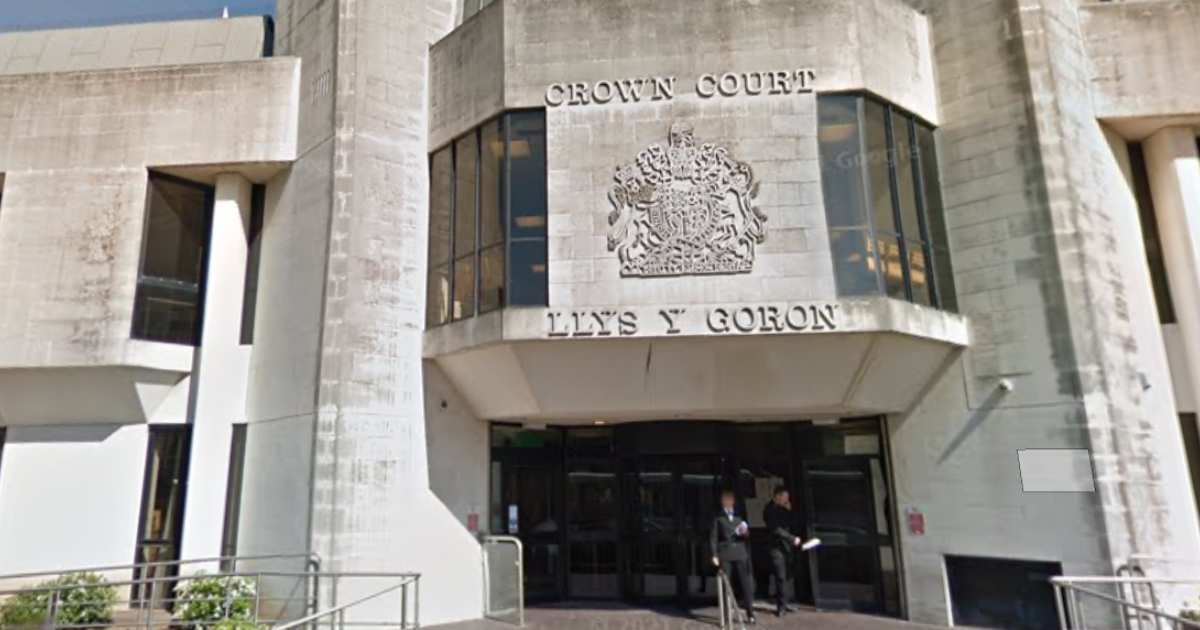
The Swansea Crown Court judge, Huw Rees, highlighted how drugs played a significant role in the students life, and was smoking an “unbelievable” and “shocking” amount of cannabis.

The judge said: “Cannabis is damaging – whatever your view of it may be.”

Judge Rees addressed Mclusky by saying: “You have been selfish and caused pain and distress to those who have given you everything.”

It was added that Mclusky, due to his actions, has subsequently lost the “privilege” of a university education.

The 23-year-old student was sentenced to 18 months in prison, which was suspended for 18 months, and ordered to complete a rehabilitation course, on top of 150 hours of unpaid work in the community.

Featured image via Google Maps

Source link

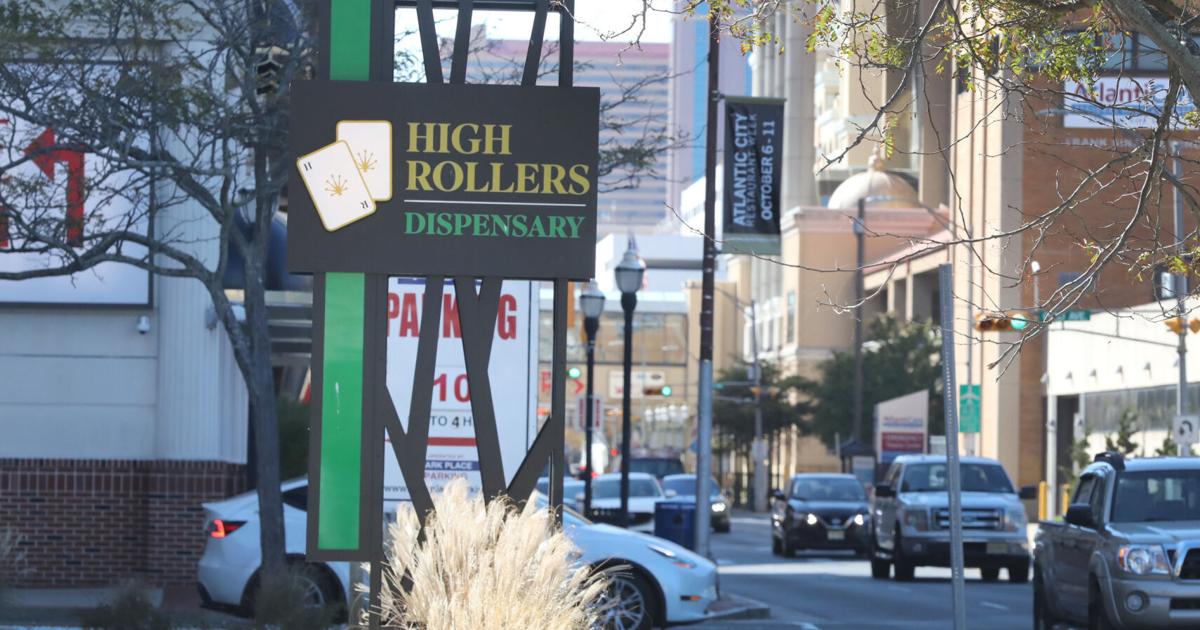
Cannabis consumption lounges open in Atlantic City

Cannabis consumption lounges open in Atlantic City


Source link

Tilray Brands (TLRY) Boosts Revenue Mix with New Cannabis, Wellness, and Beverage Products

Tilray Brands (TLRY) Boosts Revenue Mix with New Cannabis, Wellness, and Beverage Products

We recently published 12 Best Healthcare Stocks to Buy Under $30. Tilray Brands, Inc. (NASDAQ:TLRY) is one of the best healthcare stocks.

Tilray Brands, Inc. (NASDAQ:TLRY) is a global lifestyle and consumer goods company focused on cannabis, beverages, and wellness. In June 2025, the company launched its 2025 summer cannabis collection in Canada, featuring new THC beverages, pre-rolls, vapes, aromatic flowers, and infused edibles. This product diversification targets varied consumer preferences and reinforces Tilray’s leadership in the cannabis market.

Recently, Tilray Brands, Inc. (NASDAQ:TLRY) expanded into wellness snacks with the launch of Humble Seed Whole Wheat Protein Crackers at Whole Foods Market, marking a strategic move beyond cannabis. This launch triggered a 4.9% share price increase, an analyst upgrade, and a significant insider purchase by CEO Irwin D. Simon, reflecting strong confidence in the company’s growth direction. While not traditionally in the same category, some investors view Tilray’s wellness and pharmaceutical distribution segment as aligning with certain best healthcare stocks themes due to its role in health-oriented consumer products

Tilray Brands (TLRY) – Tilray Boosts Revenue Mix with New Cannabis, Wellness, and Beverage Products

Copyright: nilswey / 123RF Stock Photo

the business’s diversified revenue streams now include cannabis (30%), beverages (29%), pharmaceutical and wellness product distribution (33%), and hemp-based foods (8%). This broad portfolio helps mitigate regulatory risks in the U.S. and supports long-term growth. Tilray Brands, Inc. (NASDAQ:TLRY) projects adjusted EBITDA growth of 13–31% for the fiscal year ending May 2026, which indicates optimism about expanding operations and profitability.

While we acknowledge the potential of TLRY as an investment, we believe certain AI stocks offer greater upside potential and carry less downside risk. If you’re looking for an extremely undervalued AI stock that also stands to benefit significantly from Trump-era tariffs and the onshoring trend, see our free report on the best short-term AI stock.

READ NEXT: The Best and Worst Dow Stocks for the Next 12 Months and 10 Unstoppable Stocks That Could Double Your Money.

Disclosure: None.

Source link

Yahoo news home

Looking for cannabis? Here’s where Stark County’s dispensaries are located

Five cannabis dispensaries are located in Stark County, all of which can serve both recreational and medicinal marijuana.

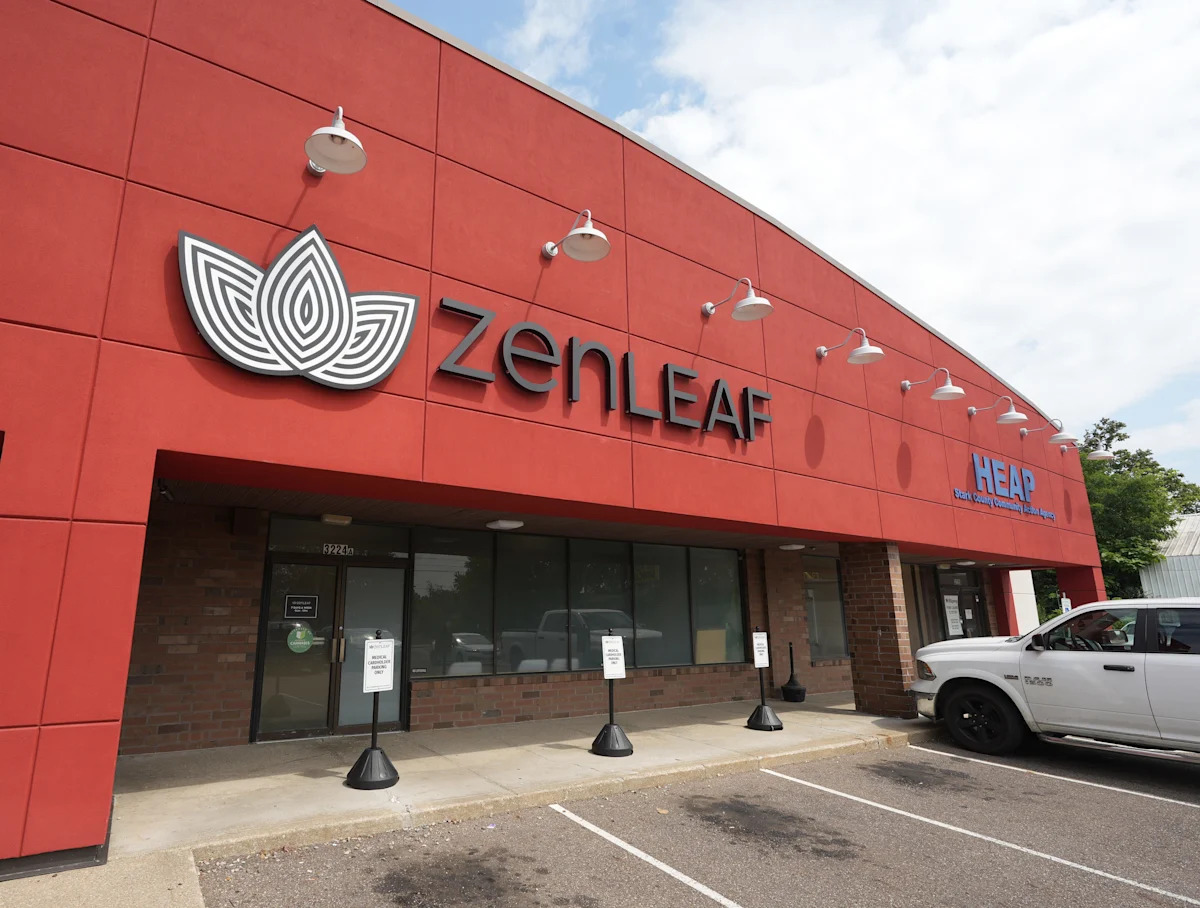
One of the four in Canton — Zen Leaf on Cleveland Avenue NW — has introduced new products that include pre-filled and disposable vapes. The company also opened its sixth dispensary in Antwerp earlier this year.

Zen Leaf, located in Canton, is one of five cannabis dispensaries in Stark County.

“Commemorating the one-year anniversary of the end of cannabis prohibition and the launch of adult use sales is a milestone moment to recognize the positive impact legalization has made in Ohio,” according to a prepared statement from Zen Leaf parent company Verano. “Since last August, Ohioans have purchased over $653 million worth of legal non-medical cannabis, generating state and local revenue while creating jobs and driving economic growth.”

Verano also operates a small-scale cultivation and processing facility on Steinway Boulevard SE. A large-scale cultivation-only facility licensed to Terradiol Ohio LLC is located on Harmont Avenue NE.

Cannabis dispensaries in Ohio: Here’s a map showing where they are at

Zen Leaf, located in Canton, is one of five cannabis dispensaries in Stark County.

Where are the cannabis dispensaries in Stark County?

Existing dispensaries in Stark County are:

  • Zen Leaf at 3224 Cleveland Ave. NW, Canton

  • Klutch Cannabis at 401 Cherry Ave. NE, Canton

  • The Botanist at 3840 Greentree Ave. SW, Canton

  • Ohio Cannabis Company at 4016 Greentree Ave. SW, Canton

  • Consume Cannabis at 2160 W. State St., Alliance

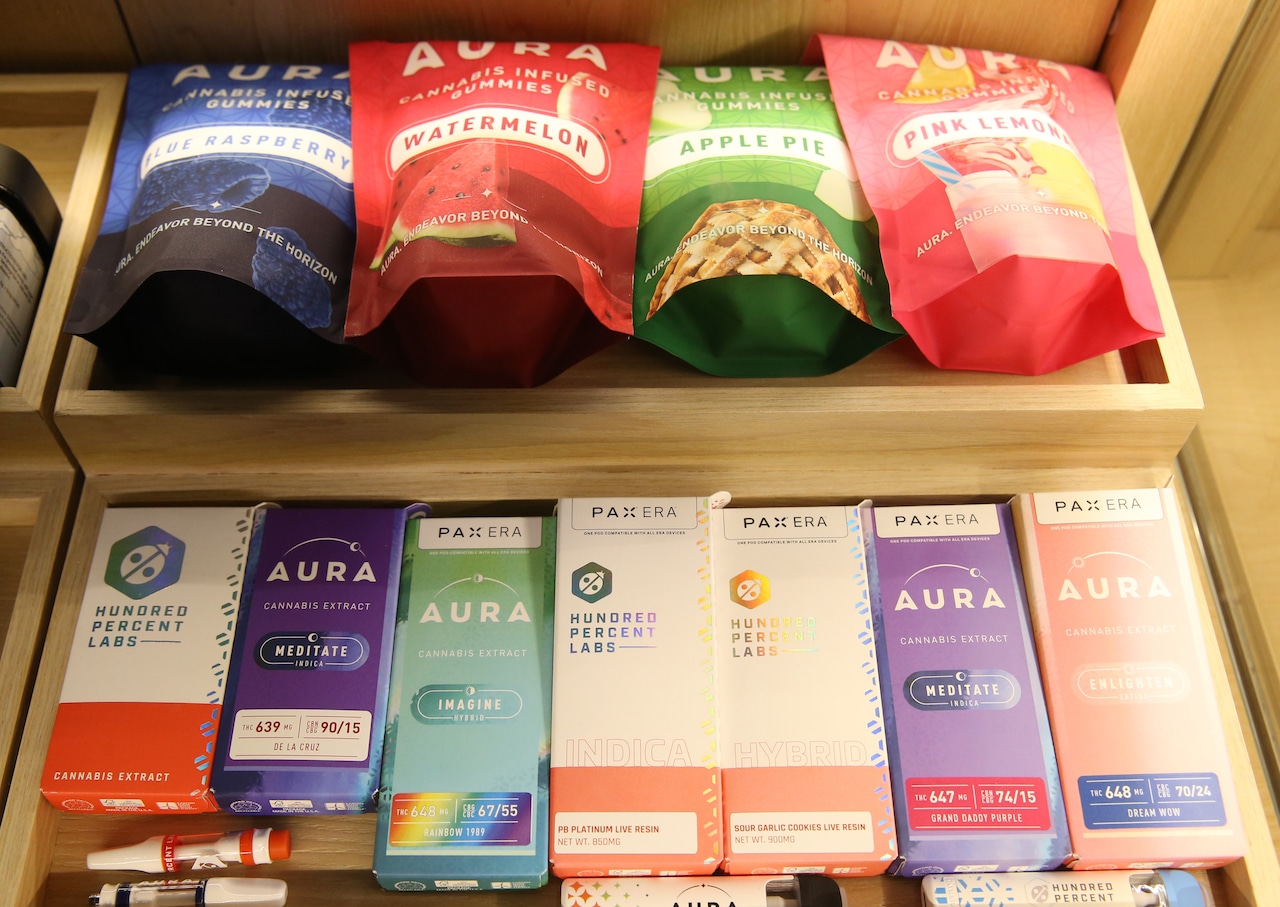
One of the products on display at the Zen Leaf dispensary in Canton.

More cannabis dispensaries planned for Stark County

Five additional planned dispensaries, which have yet to open under the state’s 10(B) license that allows new locations for existing businesses, are at:

  • 254 Federal Ave NW in Massillon

  • 1930 Lincoln Way E in Massillon

  • 3217 Tuscarawas St. W in Canton

  • 3100 Atlantic Blvd. NE in Canton

  • 1490 E. State St. in Alliance

Reach Kelly at 330-580-8323 or kelly.byer@cantonrep.com

Products on display at the Zen Leaf dispensary in Canton.

This article originally appeared on The Repository: Where are Stark County’s cannabis dispensaries?

Source link

Growing pains persist for Ohio cannabis industry one year after legalization

Growing pains persist for Ohio cannabis industry one year after legalization

CLEVELAND — A year into Ohio’s recreational marijuana industry, dispensary shelves are fuller, prices are falling, and sales are climbing—yet for many in the industry, uncertainty lingers.

Industry experts say the rollout of Ohio’s adult-use program has been largely successful. By the end of the year, the state could have as much as a billion dollars in recreational marijuana sales – funds that would have otherwise gone to the illicit market or into the pockets of Michigan dispensary owners.

Since legal sales began last August, nearly 110,000 pounds of marijuana flower were sold, as of early this month. Another 11.8 million units of manufactured product, ranging from single vape cartridges to packages of gummies, had been sold.

Through July the state had collected more than $62.4 million via a 10% tax on recreational sales.

Yet behind the scenes, growing pains persist. As the industry enters its second year, business owners are still grappling with restrictive advertising laws, the ongoing rollout of state regulations, and competition from unregulated hemp products.

“I think, on the whole, the launch of the program has been successful,” Tom Haren, a partner at Frantz Ward LLP and chair of the Cannabis Law Practice Group, said. “But there are still obviously certain headwinds. I mean, Rome wasn’t built in a day after all.”

How we got here

Legalization of recreational marijuana is a result of the citizen-led initiative statute that voters approved in 2023. Adults in Ohio over the age of 21 can now possess up to 2.5 ounces of cannabis and 15 grams of concentrate. They can also grow up to six plants per person at home, with a household limit of 12 plants. The state taxes recreational marijuana sales at 10%.

The passage of the initiated statute also established a regulatory framework that built upon the existing medical marijuana program through the Division of Cannabis Control within the Ohio Department of Commerce. The implementation took approximately nine months, with sales beginning last August.

But the rollout of those regulations also continues to be finalized as the program enters the second year.

“The adult use program is a year old, but we don’t have all of the adult use administrative rules finalized yet,” said Haren, who took an active role in the Issue 2 campaign that legalized adult-use marijuana in the state.

Until recently, this included guidance on the sale of pre-rolls, or joints, which have not been able to be on the shelves at the dispensaries because the rules had not been finalized. The inability to sell these products in the first year has contributed to a slightly more sluggish sales landscape than some expected.

However, the Ohio Department of Commerce’s Division of Cannabis Control recently released guidance for selling pre-rolls – or joints—at dispensaries, meaning that sales could start soon.

Strict advertising rules

Business owners say Ohio’s restrictive advertising laws present challenges.

The state’s current regulations, which are carried over from the medical marijuana program, sharply limit how dispensaries and other licensed operators can promote their products.

The legalization of recreational marijuana has meant that dispensaries have expanded their customer base once limited to medical customers and begin competing with regional recreational rivals like Michigan. But strict advertising laws have made it difficult for businesses to educate consumers about what’s legally available in their communities, especially as new dispensaries continue to open and product offerings expand.

Statewide there are 159 licensed dispensaries serving both medical and recreational customers.

“We’ve seen articles talking about how Michigan is producing three times as much cannabis as its own citizens consume. All of that cannabis has to go somewhere – and a lot of it ends up in Ohio,” said Pete Nischt, vice president at Klutch Cannabis that has dispensaries across the state. “Michigan dispensaries can advertise for recreational purposes. They can run all kinds of sales and discounts and can offer samples and just all kinds of stuff that we aren’t able to do.”

Industry experts note that after decades of prohibition, some Ohioans remain hesitant to embrace the newly legal recreational marijuana market.

“I understand that it’s going to take time, culturally, for people to warm up to this,” “It’s going to take time for us as an industry to gain the trust… We’re just now at the tip of the spear coming out of almost 100 years of really intense prohibition,” he continued.

So far, the state has 37 growers, including 23 larger-scale growers that can produce up to 25,000 square feet of product, and 14 smaller-scale growers with up to 3,000 feet of cultivation space.

Forty-six processors are authorized to extract oils from marijuana plants to create gummies, vape cartridges and other products for both recreational and medical customers. Products for both recreational and medical customers are tested at six labs across Ohio.

Intoxicating hemp industry

Another challenge that experts continue to persist in the industry’s second year is the comparatively unregulated intoxicating hemp market. These products, often sold in gas stations, smoke shops and online, contain THC derived from hemp, not marijuana, and are therefore not subject to the same rules governing licensed cannabis businesses.

That disparity, industry advocates say, is creating an uneven playing field.

“The intoxicating hemp market, I think it’s fair to say, has adversely impacted the licensed marijuana market,” Haren said. “There is basically no regulation on the retail sale of intoxicating hemp products. And then you compare that to the way that licensed dispensaries are regulated and its night and day.”

Legislative Challenges

In addition to navigating the ongoing rollout of the program, Ohio’s cannabis industry has also faced legislative challenges to the voter-approved law.

While the law became effective with voter backing, the General Assembly has the authority to amend the law through new legislation.

The Ohio Senate passed state Senate Bill 56 in February, which would make significant changes to the original legalization framework, including reducing the THC levels in adult-use marijuana extracts from a maximum of 90% to 70%, cap the number of active dispensaries at 400, and prohibit smoking in most public places. The legislation remains in limbo in the House Judiciary Committee.

Looking Ahead

Haren remains optimistic.

“I think you’ll see a lot more dispensaries opening as we get closer to the end of this year and into 2026. So, access for consumers will expand, and that’s a good thing. It should also lead to further decreases in price on average, at dispensaries,” Haren said.

“You know, I think you’ll see different types of products hit the shelves as well, like pre-rolls, for example, which are not or were not available in the medical program,” he continued.

If you purchase a product or register for an account through a link on our site, we may receive compensation. By using this site, you consent to our User Agreement and agree that your clicks, interactions, and personal information may be collected, recorded, and/or stored by us and social media and other third-party partners in accordance with our Privacy Policy.

Source link

Veterans, cannabis advocates seek to keep THC legal in Texas

Veterans, cannabis advocates seek to keep THC legal in Texas

SAN ANTONIO – Amid Governor Greg Abbott’s second special legislative session, veterans and other pro-cannabis advocates are coming together for what they call a Texas Cannabis Revolution.

“We need to be doing more of this and exploring alternative modalities so we can get off of pharma, those big pharma medications that are taking the lives of our community,” Tim Jensen, a VFW Post Trustee said.

The VFW Post 76 in downtown San Antonio, hosted a ‘The People vs SB 3’ event on Saturday.

The THC ban was titled Senate Bill 3 during the first special session but has been re-numbered as Senate Bill 6 in the second special session.

Dozens of vendors set up tables at the VFW to provide free samples and educate the community on how their products work.

“I had a medical condition in 2011 and 2014 where I had to have two brain surgeries,” an owner of The Hemp Man of Texas LLC said. “So, cannabis has literally saved my life. They had me on a lot of medications. I’ve been able to get off of everything using cannabis.”

“It’s bad politics in the state of Texas,” Jenson said. “I thought this was a state that proliferated individual freedoms and we seem to be getting something else.”

The bill would stop short of banning CBD.

“I believe they should listen to us before making any big decisions,” Jeison Bequer said.

After the regular session, Gov. Abbott vetoed Senate Bill 3 for multiple reasons.

“Senate Bill 3 is well-intentioned,” the governor wrote. “But it would never go into effect because of valid constitutional challenges.”

“Senate Bill 3 not only invites potential criminal entrapment for Texas farmers,” Gov. Abbott added. “It would also make felons of other innocent Texans, like pharmacists stocking health supplements, veterans treating PTSD, and parents caring for epileptic children.”

It’s unclear if a hemp ban will be signed into law during the second special session. Until the bill fully goes through the legislature, Texas-owned hemp businesses plan to continue to sell.

“I feel like if it was something that was really harming people, it would be illegal everywhere,” Robert Trevino with Line of Duty said.

Copyright 2025 by KSAT – All rights reserved.

Source link

Indian Tribes See Opportunity In Hemp THC Products, Even In States That Continue Marijuana Criminalization

Indian Tribes See Opportunity In Hemp THC Products, Even In States That Continue Marijuana Criminalization

“We are going to stand strong with our own tribal sovereignty on this issue.”

By Mary Annette Pember, ICT

The operators of the Little Pines cannabis dispensary in Lac du Flambeau, Wisconsin say its location next to Munchies to Go was just a happy accident.

The Lac du Flambeau Band of Lake Superior Indians’s business development corporation opened Little Pines in early July, in a modest store front nestled next to Munchies in a small strip mall on tribal lands in northern Wisconsin. Munchies sells sandwiches, hot dogs and other snacks.

Given THC’s reputation for stimulating the appetite, Munchies would seem to be uniquely well situated. THC or tetrahydrocannabinol is also the chemical compound responsible for psychoactive effects in the cannabis sativa plant.

The fact that Little Pines opened at all in Wisconsin, however, where both medical and recreational marijuana are illegal, is not just a coincidence. Little Pines is unique and represents an unusual legal loophole in federal law regarding hemp and marijuana, allowing manufacturers to sell products infused with THC as long as it’s derived from hemp.

Both hemp and marijuana are examples of the plant genus cannabis. Legally, hemp and marijuana differ primarily in their THC content. The 2018 Farm Bill, however, which was approved during the first Trump administration, authorized production of hemp and removed the plant from the Drug Enforcement Administration’s schedule of controlled substances.

That opened the door to hemp products even if they have been infused with THC. And the new Indigenous brands are sparking interest as far away as Europe.

“If a state or tribal nation submits a plan to the [U.S. Department of Agriculture] to grow or sell hemp then they are allowed to regulate themselves,” said Candace Thompson, a citizen of the Lac du Flambeau Band of Lake Superior Indians and director of retail and cultivation at Little Pines.

“The state of Wisconsin hasn’t done that but the tribe has; we have tribal licensing and regulatory authority, “ she said.

A cash crop

Hemp and marijuana stores and dispensaries are nothing new on tribal lands or in mainstream America—there are nearly 15,000 cannabis dispensaries in the U.S., although the number of outlets selling CBD (non-intoxicating) products is difficult to determine. Grandview Research estimated the 2023 CBD market at $6.7 billion.

According to information published by the Indigenous Cannabis Industry Association, 52 Native communities operate federally approved hemp cultivation programs and approximately 26 percent of the 574 federally recognized U.S. tribes are involved with hemp or cannabis programs. The ICIA is a nonprofit organization that serves as a resource for the Indigenous cannabis market.

Under the 2018 Farm Bill, hemp contains less than 0.3 percent concentration of THC on a dry weight basis, Thompson told ICT. Marijuana, however, contains higher concentrations of THC and is considered a Schedule 1 drug under federal law.

Hemp was a viable cash crop in the U.S. for years until the Harrison Act of 1914 and the Marijuana Tax of 1937 prohibited growing cannabis in any form.

But today, under the 2018 Farm Bill, the USDA is authorized to approve plans submitted by tribes and states for the domestic production of industrial hemp, which can be used to create fiber, fabric and a building material called hempcrete as well as food products containing cannabinoids such as CBD and THC.

Cannabinoids are a class of chemical compounds that affect the body’s endocannabinoid system, a complex transmitter network that controls many of our most critical bodily functions such as learning, memory, emotional processing, sleep, temperature control, pain, inflammation and others, according to Harvard Medical School. The cannabis plant contains over 100 cannabinoids including the psychoactive THC component and CBD, the non-intoxicating element valued for its purported therapeutic effects for pain and anxiety relief and its anti-inflammatory properties.

Once the hemp is harvested, Thompson said, manufacturers can enhance the percentage of THC.

“That’s the legal loophole,” she said.

According to Rob Pero, president and founder of ICIA, Little Pines is the first free-standing tribal business of its kind in Wisconsin. Pero is a citizen of the Bad River Band of Lake Superior Chippewa tribe and the Oneida Nation of Wisconsin.

Unanswered questions

Today, the sale of hemp-derived THC products are virtually unregulated in Wisconsin. The Cap Times reports that state lawmakers are grappling with regulating these substances, but currently there is no age limit for purchase. In 2024, Wisconsin public health and substance abuse experts published a report calling for a 21 years and older age requirement. Meanwhile, the market for THC beverages and other products are booming in the state.

According to Thompson, tribal regulations forbid the sale of Little Pines products to persons under 21.

The tribe began work on the cannabis project about two years ago and considered decriminalizing marijuana on the reservation. Since Wisconsin is governed by Public Law 280, however, tribal leaders decided to wait for the state to determine the legality of marijuana, Thompson said. Public Law 280 is a federal law that authorizes state criminal jurisdiction on reservation lands.

The tribe is putting together a cannabis commission to help guide regulations going forward and is planning on cultivating its own hemp for THC extraction as well as creating their own products, according to Thompson.

But what about the risk of arrest for possessing THC products purchased at Little Pines?

“Well, we’ve asked that, too, because drug dogs can’t tell the difference between CBD and THC. It smells the same,” Thompson said. If police stop customers, however, they have the receipt from Little Pines showing it’s not illegal.

“Then we go from there,” she said.

Police so far appear to be turning a blind eye to purchase of hemp-derived THC products in Wisconsin, Thompson noted.

But tribes selling THC-derived marijuana products in other Public Law 280 states that criminalize possession may face a more uncertain legal landscape. For instance, the Omaha Tribe of Nebraska announced on July 15 that it has established the first fully legal and regulated medical and adult use cannabis system in Nebraska.

Although voters in the state approved legalizing the sale of medical marijuana in the last presidential election, Nebraska has been slow in creating permanent regulations governing its sale. Since recreational marijuana sale and use is still illegal in the state, law enforcement could potentially arrest customers leaving the reservation.

“If we see attempts by the state at seizing products or cracking down on customers, that will be met with rounds of lawsuits and litigation,” Omaha Tribe of Nebraska Attorney General John Cartier told ICT.

The Omaha Tribe plans to create a mechanism to issue its own medical marijuana-use cards for clients.

Tribal leaders hope to begin sales of marijuana on the reservation during the first quarter of 2026, according to Cartier.

“We are going to stand strong with our own tribal sovereignty on this issue,” Cartier said.

Regulations and controls

During a recent visit to the Little Pines store, ICT noticed a drink on the store’s shelves called “Happy Dazed.” The 10-ounce can of Black and Blue Lemonade featured a wild-eyed cartoon face and appeared to contain one serving of a beverage.

Somewhat smaller letters near the very bottom of the can, however, indicated that it contained 50mgs of THC. And according to the ingredient label on the back, the single can held 10 servings.

Edibles sold in states where marijuana is legal, either medically or recreationally, usually contain between 5-10mgs of THC per serving. After purchasing and drinking about two ounces of Happy Dazed, ICT enjoyed a long, deep sleep.

Indeed, information about dosing and labeling is an issue for the market as a whole, according to Mary Jane Oatman, chief executive officer of ICIA told ICT.

“That’s one of the conversations we often have with our health advisory round tables,” said Oatman, who is an enrolled member of the Nez Perce Tribe and descendant of the Delaware Tribe.

In the state of Washington, for instance, retailers include a single dosing cup shrink wrapped around high THC-content beverages, she noted.

Idaho has gone further in regulating hemp products. In 2021, the state Legislature enacted the Industrial Hemp Research and Development Act, which prohibits the cultivation and sale of hemp products containing any THC, according to Oatman.

Future of cannabis for tribes

Although there are a number of regulatory, licensing and financial hurdles for tribes entering the cannabis business, the future looks lucrative.

The Lac du Flambeau tribe anticipates a profit of around $3 million by year seven of operating its cannabis business, according to Thompson.

And Oatman noted that several European countries, including Germany, are expressing interest in selling Indigenous cannabis brands.

“They want Indigenous brands on their shelves,” said Oatman. “The draw for European clients is that nobody knows plant medicine healing more authentically than Indigenous communities who are raising the bar in quality.”

She predicts that Indigenous brands will reach Europe later this year or in 2026.

This story was first published by ICT.

Marijuana Moment is made possible with support from readers. If you rely on our cannabis advocacy journalism to stay informed, please consider a monthly Patreon pledge.

Become a patron at Patreon!

Source link