Aquidneck Island’s cannabis scene is getting a major upgrade.
Local entrepreneur and fifth-generation Newporter Octavius Prince has officially acquired Greenleaf Compassion Center, and he’s not wasting time making it his own. Say goodbye to Greenleaf — and hello to Newport Cannabis Company.
Prince, the force behind Hangar 420 — Rhode Island’s top cannabis cultivator — is bringing his passion for quality and community to this new venture. His journey into cannabis began with a deeply personal experience: watching a loved one find relief from a serious illness with medical marijuana. That inspiration led to the founding of Hangar 420 in 2022, which quickly rose to lead the state in cannabis sales in 2023 and 2024.
Now, Prince is aiming to fix what he calls a long-standing gap in the local market.
“For too long, island residents have had to travel to Massachusetts for quality cannabis,” he said. “That ends now.”
Customers can expect better products at better prices — and no more paying Massachusetts taxes for Rhode Islanders seeking cannabis. Prince says Newport Cannabis Company will cater to everyone from seasoned users to first-timers exploring low-dose edibles, all while keeping it local.
“This isn’t just a rebrand — it’s a reset,” Prince said. “We’re revamping the selection, retraining staff, and building something that reflects the needs of this community.”
With the sale now officially closed, Newport Cannabis Company is poised to become the go-to destination for high-quality, locally grown cannabis on the island.
Newport Cannabis Company is officially open — built by a Newporter, for Rhode Islanders!
Like Newport Buzz? We depend on the generosity of readers like you who support us, to help with our mission to keep you informed and entertained with local, independent news and content. We truly appreciate your trust and support!
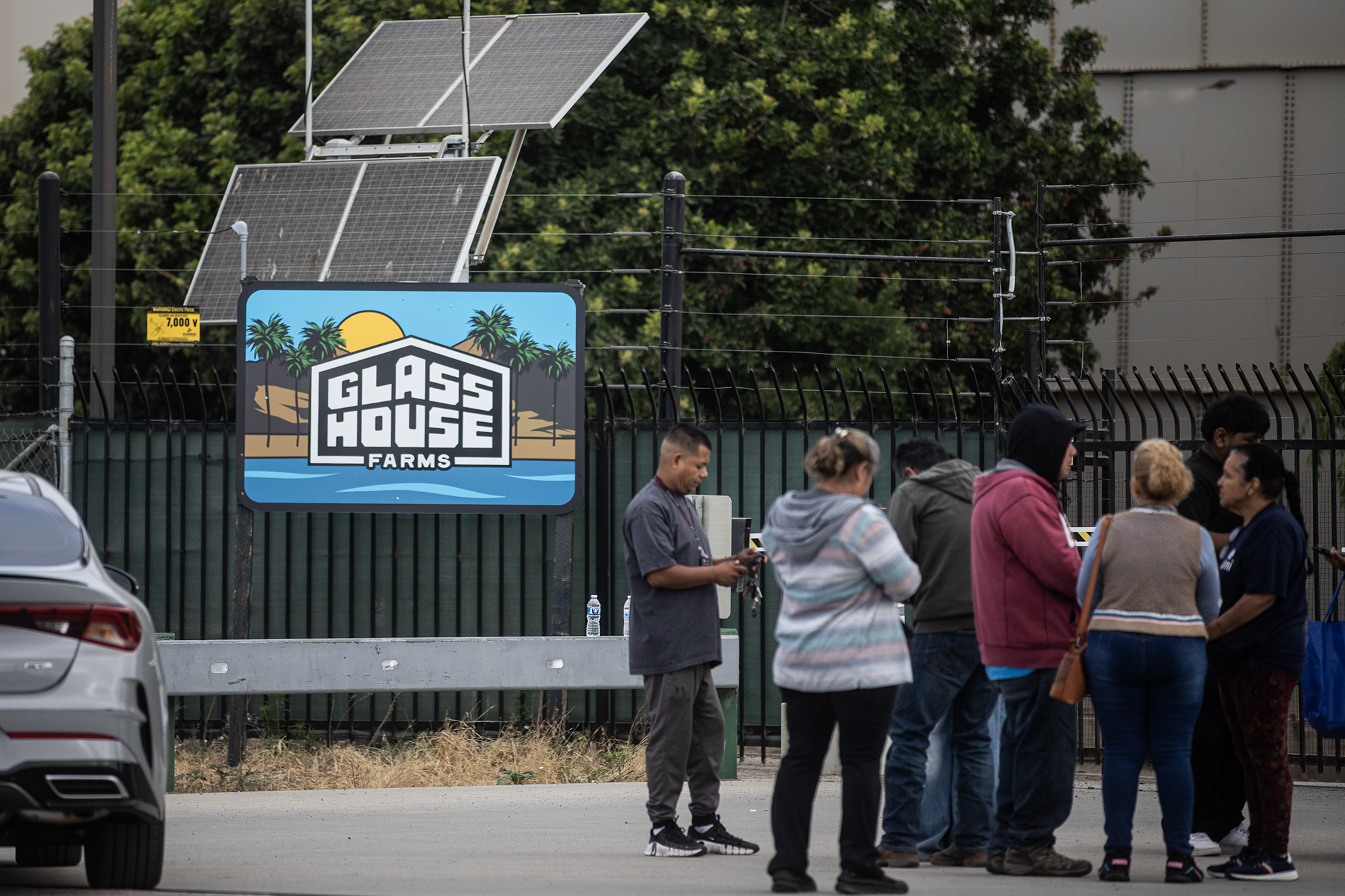
Families wait outside the front gates of the Glass House Farms facility outside Camarillo on July 11, 2025. Glasshouse Farms was the site of an immigration raid by federal immigration agents just a day prior, on July 10. Photo by Larry Valenzuela, CalMatters/CatchLight Local
This story was originally published by CalMatters. Sign up for their newsletters.
After massive federal raids last week at two Southern California cannabis farms, the United Farm Workers posted an urgent message to its social media accounts. Because weed remains illegal under federal law, the union advised workers who are not U.S. citizens to avoid jobs in the cannabis industry, even at state-licensed facilities.
“We know this is unfair,” the United Farm Workers wrote Monday, “but we encourage you to protect yourself and your family.”
The immigration enforcement operations at the Camarillo and Carpinteria facilities of Glass House Farms, one of the state’s largest licensed cannabis companies, have unsettled California’s legal industry, which feels more vulnerable than it has since voters approved recreational weed in 2016.
The chaotic scene has brought to the forefront simmering concerns that weed farms could become an easy target as President Donald Trump ramps up deportations, because simply working in the industry could provide the criminal pretext to arrest even a legal immigrant.
It has also resurfaced for many industry veterans traumatic memories of raids during the “war on drugs,” raising alarms that the Trump administration may be hardening its stance against what remains a federally illegal substance.
“There is a sense that the community has gotten a little complacent in our legalization bubbles,” said Caren Woodson, senior director of compliance and licensing for Kiva Brands and the board president of the California Cannabis Industry Association. “We’re definitely in a moment of uncertainty.”
A line of federal immigration agents and protesters stand-off near the Glass House Farms facility outside Camarillo on July 10, 2025. Protesters gathered after federal immigration agents conducted an immigration raid earlier in the day. Photo by Larry Valenzuela, CalMatters/CatchLight Local
The fears of California cannabis growers had largely faded in recent decades, since voters legalized medical marijuana in 1996 and its recreational use in 2016. The legal market was nearly $4.9 billion last year and employed an estimated 83,000 people, though its growth is precarious as it struggles to compete with a stubbornly robust illicit industry.
But any sense of ease was snapped by the immigration raids last week, which were tied to alleged labor violations by Glass House Farms. Federal authorities ultimately reported more than 360 arrests of people they suspected of being in the country illegally and the recovery of 14 immigrant minors. Glass House Farms did not respond to emailed questions.
“There is absolutely heightened risk working for a cannabis facility. It shouldn’t be that way,” Woodson said. “Folks should be aware of that risk and we should be prepared as an industry to manage that risk.”
The Trump administration has not given an indication whether those operations were an isolated incident or a reflection of shifting enforcement priorities on cannabis. The U.S. Drug Enforcement Administration did not respond to emailed questions.
Advocates had hoped that Trump might finally lead the way on loosening federal restrictions on cannabis. Yet since suggesting during his campaign last fall that he would downgrade the classification of weed so that its medical uses can be more easily studied, Trump has made no moves toward rescheduling.
Other developments signal that momentum may be moving in the opposite direction. During his confirmation hearing, Trump’s nominee to lead the DEA would not commit to removing cannabis from the list of serious narcotics, and there is an ongoing effort in Congress to block its reclassification.
Mia Ortiz holds a photo of her father on her phone while talking to reporters on July 11, 2025. Mia Ortiz said she hasn’t heard from her father, Rafael Ortiz, since she heard about the immigration raid at Glasshouse Farms just a day prior on July 10. Photo by Larry Valenzuela, CalMatters/CatchLight Local
“We can’t take anything for granted,” Steph Sherer, executive director of the advocacy group Americans For Safe Access, warned industry members on a video call last week following the raids. “We’ve gotten dependent on this broader layer of support for medical cannabis that’s being tested right now.”
She suggested that growers learn how to read a search warrant, have a criminal lawyer on retainer and plan how they would pay for bail.
Not everyone believes it’s time to panic just yet. Some local members of the cannabis industry have noted that Glass House’s facilities are surrounded by other weed farms that were not raided by federal authorities, which could mean the operation was entirely unrelated to drugs.
The California Department of Cannabis Control subsequently confirmed that it was actively investigating a child labor complaint against the company.
“The employment of individuals under the age of 21 in the cannabis industry is strictly illegal, a serious matter, and is not tolerated,” spokesperson David Hafner said in a statement.
NORTH MANKATO — A cannabis retail store could soon open its doors in North Mankato’s downtown, pending final approval of a conditional use permit at the North Mankato City Council meeting on Monday.
The permit was requested by applicant Madeline Peck of Cornflower Blue Properties, to operate a cannabis retail store at 300 Belgrade Ave. On June 11, Peck received preliminary state license approval from the Office of Cannabis Management and city staff recommended approval of the request so long as it meets city zoning and buffer requirements.
In 2023, Minnesota legalized adult-use cannabis, established the Office of Cannabis Management and prompted cities like North Mankato to revise zoning codes to regulate cannabis-related businesses. Under current regulations, dispensaries are permitted in the Central Business District, with the city able to impose specific operational guidelines.
The proposed dispensary would sell state-approved THC products and cannabis-related accessories, both in-store and online. According to submitted documents, it would operate daily from 9 a.m. to 10 p.m., within the city’s permitted hours. Security plans include reinforced security gates, blacked-out windows, a full alarm system, 24/7 surveillance with access given to the Office of Cannabis Management and on-site security staff.
Additional conditions proposed by city staff include a ban on on-site consumption, product sampling or vending machines. All products must be in child-resistant packaging with proper state labeling. The business must also comply with city regulations on signage, complaint reporting and odor control through the use of air purifiers.
City code requires cannabis businesses to be distanced at least 1,000 feet from schools, and 500 feet from parks, daycares, residential treatment facilities and other dispensaries. Peck’s proposed location meets these requirements.
Some residents have expressed concern. Property owner Heidi Johnson submitted a written statement ahead of the July 10 Planning Commission meeting, citing issues such as increased traffic, limited parking and potential effects on neighborhood safety and property values.
“I always want to promote and assist anyone with new business ventures as it would add tax revenue, jobs, and in some cases a dispensary discourages the public from using illegal means to get cannabis,” Johnson wrote. “I do have a few concerns about this particular business being right next to a neighborhood.”
She added that the area already sees significant traffic, and the dispensary’s presence could deter potential renters and disrupt downtown revitalization efforts.
The Planning Commission reviewed the request on July 10 and area property owners may attend the upcoming council meeting or submit public comments beforehand.
The council meeting is 7 p.m. Monday at the North Mankato Municipal Building.
Plant materials and terpene extract Preparation from Cannabis sativa flower (TCF)
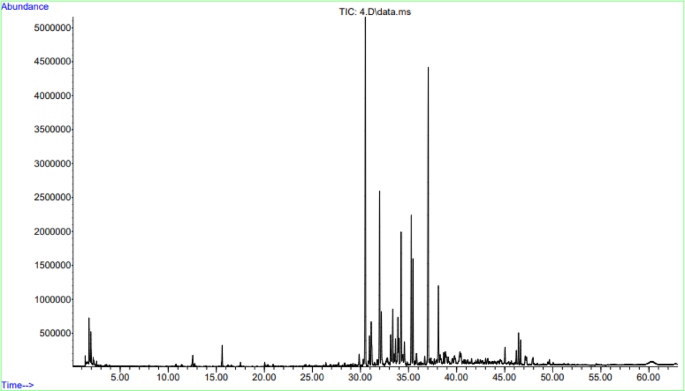
Cannabis sativa flower was collected from Andong-si, Gyeongsangbuk-do, Republic of Korea, in February 2024, and provided by Sangsang Farm. The plant species were identified by Dr. Buyng Su Hwang in Nakdonggang National Institute of Biological Resources, Republic of Korea. A voucher specimen (MCO-NP-D0004) has been deposited at the Library of Natural Products Research Institute, Korea Institute of Science and Technology. TCF (321.06 g, dry weight) was extracted using EtOH at room temperature. The EtOH extracts were evaporated in vacuo to obtain a dark brown residue, which was then partitioned using gradient Si gel column chromatography with ethyl acetate and hexane. The solution was then concentrated in vacuo to obtain a white residue (249.2 mg). The constituent analysis of TCF was performed using gas chromatography-mass spectrometry (GC-MS) according to the following conditions: Capillary column (60 m × 0.25 mm), chromatographic furnace temperature (60 °C, 2 min; 60–150 °C, 3 °C min− 1; 150–180 °C, 1 °C min− 1; 180–220 °C, 5 °C min− 1; 220 °C, 5 min), injection and detector temperature (25 °C), flow rate of carrier gas (1 mL min− 1), sample size (0.2 µL), and split ratio (100 : 1).
Melan-a cell culture
Melan-a cell line (Sigma Aldrich, St. Louis, MO, USA) was cultured in Roswell Park Memorial Institute (RPMI) 1640 media (Gibco, Carlsbad, CA, USA) containing 10% fetal bovine serum (HyClone Laboratories, Logan, UT, USA), 1% penicillin/streptomycin (HyClone Laboratories), and 200 nM phorbol 12-myristate 13-acetate (PMA, Sigma Aldrich). A total of 1 × 10⁵ cells were cultured in 60 mm dish plate and then incubated at 37 °C with 5% CO2.
Cell viability
Melan-a cells (4 × 10⁴) were seeded in each well of 96-well plate with Roswell park memorial institute (RPMI) media containing 200 nM PMA and incubated for 24 h. Various doses of TCF (3.9–1,000 ppm) were applied to the cells for 72 h. The media was then removed, and RPMI media containing 0.5 mg/mL 3-(4,5-dimethylthiazol-2-yl)-2,5-diphenyltetrazolium bromide (MTT, Sigma Aldrich) was added to each well, followed by incubation for 1 h. Dimethyl sulfoxide was then added to the wells and the absorbance was measured at 560 nm by using microplate spectrophotometer (Bio-Tek Power Wave XS, Winooski, VT, USA).
Melanin content assay
Melan-a cells (4 × 10⁴) were cultured in each well of a 96-well plate with RPMI media with 200 nM PMA and incubated for 24 h. TCF (3.9–31.3 ppm) were applied to the cells for 72 h. The media was then removed, and 6 N NaOH was added to the wells and incubated for 30 min at 85 oC. The absorbance was measured at 490 nm using the spectrophotometer. Melanin content per live cell was calculated using the following formula:
Melanin content per live cells (%) = (Melanin content (Abs at 490 nm)) / (Cell viability (Abs at 560 nm)) × 100.
Tyrosinase activity assay
A tyrosinase activity inhibition assay was conducted using L-DOPA as substrate to assess the inhibitory effect of TCF against tyrosinase activity. In a 96-well plate, the assay was performed in four reaction mixture groups; A, 132 µL sodium phosphate buffer (0.1 M, pH 6.8), 20 µL mushroom tyrosinase (1,500 U/mL), 20 µL TCF (3.9–1,000 ppm), and 88 µL L-DOPA; A’, Mushroom tyrosinase replaced with 20 µL sodium phosphate buffer in A; B, Sample replaced with 20 µL sodium phosphate buffer in A; B’, Mushroom tyrosinase replaced with 20 µL sodium phosphate buffer in B. The total volume of each group was 220 µL, and the final concentration of L-DOPA was 1.5 mM. Tyrosinase and reaction mixtures without tyrosinase were prepared followed by preheating for 10 min at 37 °C, respectively. The preheated tyrosinase was then applied to the reaction mixture after incubating for 20 min at 37 °C using a microplate reader with shaking for 1 s every 30 s. After 20 min of incubation, the absorbance was measured at 490 nm. The tyrosinase inhibition activity was calculated as follows:
Tyrosinase inhibition activity (%) = 100 – ((Abs A – Abs A’) / (Abs B – Abs B’)) × 100.
Western blotting
Melan-a cells (1.6 × 10⁶) were cultured in 60 mm dish plates with RPMI containing 200 nM PMA for 72 h Selected concentrations of TCF (7.8, 15.6 and 31.3 ppm) were applied to the cells for 72 h. Cells were then harvested using a scraper (Sarstedt, Nümbrecht, Germany) and protein extraction reagent (iNtRON Biotechnology, Seoul, Korea) containing a phosphatase inhibitor cocktail and protease. Protein concentration was determined using a BCA protein assay kit (Thermo Fisher Scientific, IL, USA). Appropriate amounts of protein were separated on a 10% sodium dodecyl sulfate-polyacrylamide gel and subsequently transferred onto polyvinylidene fluoride membranes. Then, the membranes were sequentially blocked with 5% skim milk solution (dissolved in Tris-buffered saline containing 0.05% Tween 20) and probed with primary antibodies against p-PKC, MITF, TRP1, TRP2, phospho-Ca2+/calmodulin-dependent protein kinase II (p-CAMKII), CAMKII, phospho-p38 MAPK (p-p38), p38, phospho-extracellular signal-regulated kinase (p-ERK), ERK, phospho-signal transducer and activator of transcription 3 (p-STAT3), STAT3, phospho-protein kinase A (p-PKA), PKA, phospho-protein kinase B (p-Akt), Akt, and Glyceraldehyde 3-phosphate dehydrogenase (GAPDH) at 4 °C for 15 h. The membranes were incubated with appropriate secondary horseradish peroxidase (HRP)-conjugated antibodies. Each protein band was detected and visualized using the iBright CL1000 system (Thermo Fisher Scientific). The antibodies used for western blotting are listed in Table 1.
Table 1 Antibodies for Western blot analysis.
Statistical analysis
All statistical analyses were performed using IBM SPSS Statistics 24.0 for Windows (SPSS Inc., Chicago, IL, USA). Differences between means were analyzed using one-tailed analysis of variance (ANOVA), followed by Tukey’s post-hoc test. Statistical significance was set at p < 0.05.
After months of debate, the Islip Town Board voted on Tuesday to table a proposal that would have allowed retail cannabis dispensaries in town, maintaining its 2021 opt-out stance and leaving the future of local marijuana sales uncertain.
The move came after more than four hours of impassioned testimony from residents, prosecutors, youth advocates, and industry representatives, who packed Town Hall to weigh in on whether Islip should join nearby towns that have opted in to New York’s cannabis retail program.
Megan O’Donnell, executive assistant district attorney to Suffolk County District Attorney Ray Tierney, opened public comments by urging caution. She stated that her office was not taking an official stance. Still, she laid out concerns about the lack of roadside testing for marijuana impairment and rising cannabis-related hospital visits.
“Unlike alcohol, our state is devoid of any standardized roadside test for driving under the influence of cannabis,” O’Donnell said. “There is no breath test or immediate measure to protect drivers and pedestrians.”
“Unlike alcohol, our state is devoid of any standardized roadside test for driving under the influence of cannabis,” O’Donnell said. “There is no breath test or immediate measure to protect drivers and pedestrians.”
O’Donnell cited state data showing that 4,500 Long Islanders sought hospital care in 2024 for cannabis-related issues, with teens ages 15 to 19 representing the highest rate. “Someone is paying those bills, and paying for the aftercare. That’s a cost to the entire community,” she said.
She also reminded board members that under state law, once a town opts in, it cannot later opt out, regardless of problems. “Local laws are strictly limited to regulating time, place, and manner — and all are subject to being overruled by Albany,” she said.
Dozens of residents took turns urging the board to keep marijuana shops out of Islip, raising concerns about youth exposure, traffic safety, and community values.
Kevin Crumblish, a retired NYPD detective, said he had seen the damage firsthand. “I spent 20 years in law enforcement. I’ve seen nothing but horror. I’ve seen homicides tied to marijuana,” he said. “Why even consider this when our town has existed for centuries without it?”
Debbie Kavanagh, a Central Islip school board member, warned that cannabis could set children on a dangerous path. “Marijuana is a gateway drug for our kids. It damages their bodies, their minds,” she said. “If you vote for this, I promise I’ll work tirelessly to see you don’t get reelected.”
Even teens stepped up. Adonis Cheese, a 15-year-old Oakdale student, said he was there to protect his peers. “Putting dispensaries here is almost like trying to get rid of us,” he said. “We need to protect my generation.”
Longtime Islip resident John Bugler, 89, drew on his own experiences with strokes to warn about the dangers to young brains. “Marijuana cripples the developing brain. It leaves kids fishing for words later in life, like I do now,” he said.
Cannabis advocates countered that legal sales would displace thriving illegal shops and bring tax revenue to fund local services.
Gary Oali, president of the Long Island Cannabis Coalition and an Islip native, said illegal shops flourish because the town has shut out licensed businesses. “They have no fear. They sell untested products, advertise to kids, and pocket cash tax-free,” he said. “Licensed dispensaries can’t market to children, can’t display products in windows, and are regularly checked by state regulators.”
Oali noted there have been no complaints filed against any licensed dispensary on Long Island. “Legal sales actually reduce crime and nuisance issues because they remove the criminal element,” he said.
Kiana Beier Anderson of the Long Island Progressive Coalition argued the decision also carried weight for racial and economic justice. “The same communities that were arrested and jailed for marijuana are now shut out of the profits,” she said. “Is that what we want for Islip?”
Michelle Cole, a small-business owner in Babylon, described how tax dollars from dispensaries have indirectly helped the local business districts thrive. “I encourage you — take a drive to Babylon and see how tightly regulated these stores are. It’s parents and professionals shopping, not what you see on TV,” she said.
Board split on path forward.
In the end, Councilman Michael J. McElwee Jr. made a motion to table the opt-in resolution, saying the town first needed to crack down on illegal sales.
“This isn’t saying there will never be a path forward,” McElwee said. “But for now, the wise move is to table this, work with Suffolk County police and code enforcement, and shut down these shops that are selling to kids.”
The motion passed 4-1. Councilman James P. O’Connor cast the lone “no” vote, saying the board should have taken a clear stand that day.
“People came here month after month to make their case. Let the chips fall where they may. The public deserves to know where each of us stands, not to see more delays,” O’Connor said.
Supervisor Angie Carpenter reaffirmed that youth safety remains the board’s top priority. “We’ve heard loud and clear from parents, schools, and health professionals,” she said. “This board will always put the health of our children first.”
What’s next for Islip?
For now, Islip remains opted out, even as neighboring towns like Babylon, Brookhaven, Riverhead, and Southampton have moved ahead with cannabis retail. The board did not set a date to revisit the issue.
Meanwhile, residents and advocates on both sides are expected to continue pressing the board as New York continues its statewide push to establish a regulated cannabis market.
Incannex Healthcare (IXHL) surged 64.82% today, reaching its highest level since May 2025, with an intraday gain of 78.38%.
The impact of IXHL’s stock price reaching a new high on future price movements shows mixed results across different time frames:
Short-Term Volatility: The stock experienced a significant surge, with a 27% increase on the day the high was reached. However, this was followed by a downturn, as the 30-day performance showed a maximum return of only 0.88% during the backtest period. This suggests that while the stock can experience rapid appreciation, it may not consistently translate into sustained long-term gains.
One-Week Performance: The backtest does not provide specific data for the week following the price high. However, given the high volatility observed, it is likely that the stock would experience continued fluctuations, potentially influenced by market reactions to the recent news and the strategic financing.
One-Month Performance: The 30-day performance shows a return of -0.34%, which indicates that the stock price declined slightly from the peak within the month. This could reflect market consolidation or a reassessment of the company’s prospects after the initial excitement surrounding the clinical trial milestones and capital raise.
Three-Month Performance: The backtest does not provide specific data for the three months following the price high. However, considering the broader market trends and the company’s ongoing clinical trials, it is possible that the stock could experience further volatility, potentially driven by the outcomes of the sleep apnea drug trials and the FDA’s review of the psilocybin trial.
In conclusion, while the immediate response to IXHL reaching a new high was positive, as evidenced by the significant intraday surge, the longer-term performance was mixed. The stock showed limited gains in the following weeks and months, suggesting that investors may have had differing expectations about the sustainability of the momentum. The strategic financing and ongoing clinical trials could still influence the stock’s performance in the coming months, but it is important to monitor the company’s progress closely to assess its potential for sustained growth.
The recent surge in Incannex Healthcare’s stock price can be attributed to several factors. The growth momentum in the cannabis industry has been a significant driver, with the stock experiencing a pre-market jump on July 18, 2025. Additionally, the company’s strong trading activity and positive technical indicators have contributed to its recent performance. The stock’s price has risen in 8 out of the last 10 days, reflecting a strong upward trend. Positive signals from short and long-term moving averages, along with rising volume, indicate a strong technical outlook for the stock. Despite being in a falling trend, the stock’s current levels are considered a strong buy opportunity, with expectations for continued strong performance in the next three months.
Incannex Healthcare has also been making strides in its clinical trials and product development. The company recently announced positive results from its Phase 2 clinical trial for its lead cannabinoid product, which has shown promising efficacy in treating chronic pain. This development has further boosted investor confidence in the company’s prospects. Additionally, Incannex Healthcare has been expanding its product pipeline, with several new products in the pipeline that are expected to drive future growth. The company’s focus on innovation and its strong pipeline of products have positioned it well to capitalize on the growing demand for cannabis-based treatments.
Incannex Healthcare’s recent performance has also been driven by its strategic partnerships and collaborations. The company has been actively seeking partnerships with other industry players to expand its reach and enhance its product offerings. These partnerships have not only helped the company to gain access to new markets but have also provided it with the necessary resources to accelerate its research and development efforts. The company’s strategic initiatives have been well-received by investors, who see them as a key driver of future growth.
Albert Lea, Minn. (KTTC) – An Albert Lea business owner has cleared one of the final hurdles in order to become the city’s first cannabis retailer.
The city announced Jacob Schlichter received a cannabis microbusiness license from the state Thursday. He immediately completed his registration with the city.
The city council will need to approve that registration and will next meet on Jul. 28.
Schlichter is the owner of The Smoking Tree. He plans to open his cannabis business at 2718 Bridge Ave.
On Friday, Schlichter spoke about why he chose the Albert Lea community for his business.
“First of all, Albert Lea, Austin, the south-central area of Minnesota is kind of my home,” he said. Schlichter went on to explain, “I wanted to make sure that money stayed in my community.”
Schlichter said he is aware many in the industry have faced “headaches and hurdles” navigating the process.
He said as a social equity applicant, his experience navigating the application process with the state’s Office of Cannabis Management was a smooth one.
He also said he appreciates the city of Albert Lea staff for their cooperation in the process.
Albert Lea has adopted a limit of two cannabis retailers within city limits.
A lot of buzz is building in the Texas cannabis industry as lawmakers prepare to enter a special legislative session on Monday.
At Tobacco Hemp Cigars (T.H.C.) in Dallas, anticipation is growing for business owners like Alvis Hillman.
“I’m pretty confident in the decisions they’re going to make. I know we need regulation as far as like 21 and over—only adults’ purchases,” Hillman said.
Bill vetoed, tensions rise
Lt. Gov. Dan Patrick pushed Senate Bill 3 during the regular session. The bill would have banned most hemp-derived THC products in Texas. But Gov. Greg Abbott vetoed the bill, citing concerns over legal challenges.
Patrick responded, “One can only come to this conclusion, which surprises me: The governor of the state of Texas wants to legalize recreational marijuana in Texas.”
The veto exposed a growing division among Republicans over the issue.
Industry hopes for fair debate
“Now that they don’t have the leverage of the other bills, I feel like it will be honest opinions from both sides,” Hillman said.
Abbott has said he wants to “craft a law that does as much as possible to corral the problems while also being structured so that it can go into effect this year.”
Support for regulation grows
Hillman said he supports regulation in the industry.
“Regulation will be great. It will keep it from getting into the hands of children—child safety packaging, you know, things like this,” he said.
He also supports having state facilities test products and setting a milligram cap on items like edibles.
Advocates prepare for Austin
With the special session looming, Hillman said it’s all hands on deck.
“Everyone has to go to Austin, show up, talk to senators, representatives, and show them this is something that’s benefitting us, and not harming us,” he said.
The special session begins Monday, July 21, and runs through Aug. 19.