Insurance Cos. Need Not Cover Medical Cannabis In NM

LA Investors Sue Atty After $40M Cannabis Deal Falls Apart


By Jonathan Capriel ( July 14, 2025, 7:56 PM EDT) — A group of Los Angeles investors are looking to shift liability to their former business partner and legal counsel as they face a $40 million lawsuit filed by a defunct cannabis manufacturer that has accused them of tanking its business and invalidating its cannabis license….

Law360 is on it, so you are, too.

A Law360 subscription puts you at the center of fast-moving legal issues, trends and developments so you can act with speed and confidence. Over 200 articles are published daily across more than 60 topics, industries, practice areas and jurisdictions.

A Law360 subscription includes features such as

  • Daily newsletters
  • Expert analysis
  • Mobile app
  • Advanced search
  • Judge information
  • Real-time alerts
  • 450K+ searchable archived articles

And more!

Experience Law360 today with a free 7-day trial.


Source link

Best Snow Caps Strains: Frosted Flavor Bombs Pack a Punch | Cannabis

Best Snow Caps Strains: Frosted Flavor Bombs Pack a Punch | Cannabis


THCA snow caps aren’t for the faint of heart. These ultra-potent nuggets are coated in pure THCA isolate — a cannabinoid that converts to THC when heated, unlocking fast-acting, sky-high effects that blow past traditional flower. Ideal for seasoned users, snow caps deliver intense euphoria, sharp mental shifts, and a terpene-rich punch that’s anything but ordinary.

But potency isn’t the whole story.

The right snow cap depends on more than just THC content. Strain genetics, terpene profiles, and even how you consume them all shape the high — whether you’re aiming for creative flow, deep sleep, or all-day focus.

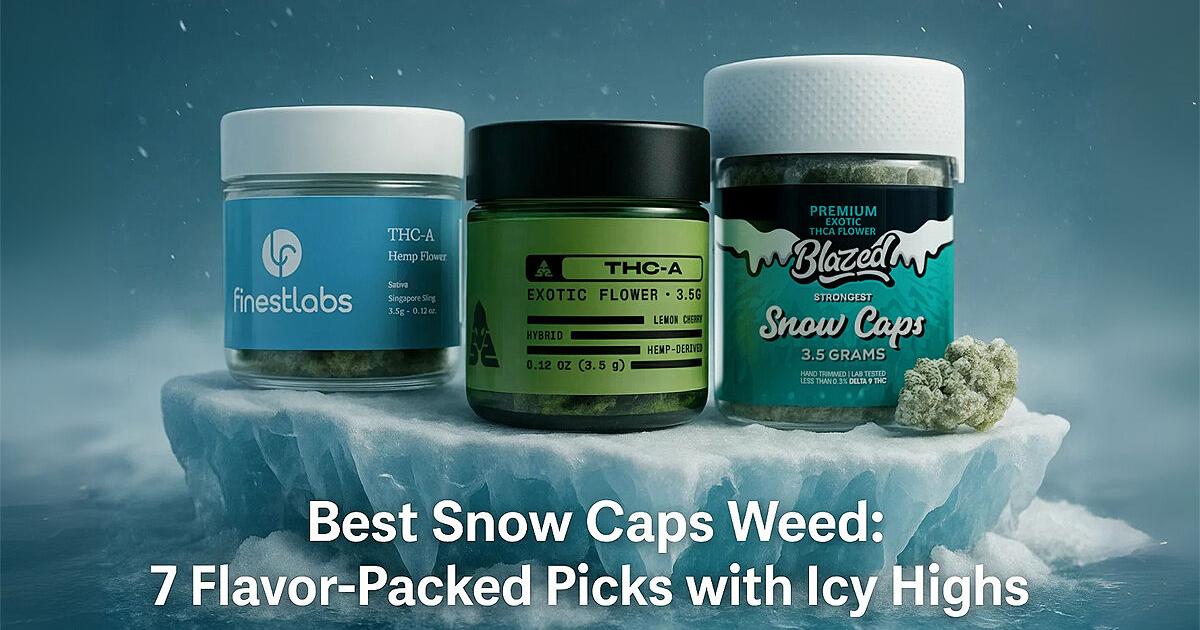
In this guide, we break down the top THCA snow caps on the market, how to pair them with your mood or goals, and what sets premium brands apart. Area 52 takes the crown for maximum strength and rare strain selection, while Finest Labs stands out for smoother effects and sustainable, small-batch craft.

Top 7 Best THCA Snow Caps For Next-Level Highs

We based our picks for the best snow caps on THCA content, strain diversity, transparency of lab testing, flavor and effect descriptions, and price-to-quality ratio. 

Each entry brings something different to the table, whether it’s a unique strain, value pricing, or an enhanced sensory experience. 

Top Picks for Best THCA Snow Caps in 2025:

  1. Area 52 Snow Caps (Best Choice)

  2. Finest Labs THCA Flower (Best Terpene Experience)

  3. CannaBuddy THCA Flower Snow Caps

  4. Hemp Hop THCA Snow Caps Weed | Asteroids®

  5. Bloomz Hemp THCA Flower Snowballs

  6. Golden Hour Hemp THCA Snow Caps 50%

  7. Fern Valley Farms THCA Snow Caps

Below, we’ll give you the highlights of what makes each of them worth trying.

1. Area 52 THCA Snow Caps (Best Choice)

Pros & Cons:

  • Made with premium American-grown hemp flower for a clean and terpene-rich base

  • Coated in THCA diamonds for exceptional potency and a flavorful smoke

  • Includes three distinct strains with clearly different effects and aromas

  • Triple-tested by independent labs for purity, potency, and safety

  • Versatile enough for joints, vapes, or infusions — effects are smooth but assertive

  • First-time buyers can save 15% with code FIRST15 at checkout

Area 52 was founded by a biochemist with a decade of experience and is known for rigorous extraction standards and full-panel lab testing. The team never stocks anything they would not use themselves, and the THCA snow caps are no exception. 

What can you expect from each 3.5 g jar? Carefully cultivated hemp flower, hand-trimmed and dusted in pure THCA diamonds. 

The expertly bred hybrid (Zoap, Yaas Betch) and indica-dominant strains (Lemon Cherry) each retain enough of their respective terpene identity, even under the heavy influence of concentrated THCA. 

This preserves the distinct aroma and mouthfeel of each strain: Zoap stays floral and creamy, Yaas Betch holds its candy-sweet top note, and Lemon Cherry finishes with a tart, berry-spice exhale.

The flower burns clean, hits strong, and adapts well to smoking, dry herb vaping, or infusions. Onset is guaranteed to be smooth but also assertive; these are best for creative work, winding down after a tough day at work, or making routine moments more engaging.

Want a grab-and-go way to experience snow caps without all the grinding or rolling? Try the Area 52 THCA Pre-Rolls.

AREA 52 DISCOUNT CODE: Use the code FIRST15 for 15% off your next order.

Area 52 Snow Cap Specs:

  • Potency: 5/5 — Coated in THCA diamonds with lab-tested potency reaching over 29.9%, offering one of the most potent flower-based options on the market.

  • Strains: 4.6/5 — Zoap, Yaas Betch, and Lemon Cherry Gelato deliver bold, natural flavor with minimal terpene loss, even under the isolate coating.

  • ThirdParty Testing: 5/5 — Every batch is tested for cannabinoid content, terpene profile, pesticides, heavy metals, and over 200 potential contaminants.

  • Price: 4.3/5 — $65 per jar or $52 via subscription reflects the premium cultivation, potency, and safety standards.

  • Size: 4.4/5 — 3.5 g of high-potency flower can stretch far, especially when mixed or micro-dosed.

2. Finest Labs THCA Flower (Best Terpene Experience)

Pros & Cons:

  • Rotating exclusive strains offer new terpene and flavor experiences throughout the year

  • Terpene preservation techniques lock in crisp citrus, floral, and herbal aromas

  • Infused with THCA diamonds for consistently strong, full-spectrum effects

  • Pairs well with other cannabinoids like CBD or CBG for a custom-tailored high

  • Crafted from organic, small-batch hemp grown in the U.S. for premium quality

  • Save 10% on your order with code FINEST at checkout

Finest Labs leans into craftsmanship with seasonally rotating, strain-specific THCA flower that’s dipped in diamonds and packed with rare terpene profiles. The current standout, Singapore Sling, is a sativa-dominant hybrid with strong notes of citrus and florals thanks to high limonene, pinene, and myrcene content. 

This brand caters to enthusiasts who want a new sensory profile every few months, with a focus on full-spectrum cannabinoids and meticulous preservation of the flower’s original aroma using AI-optimized extraction. Finest Labs brings a curated, boutique feel, with each strain limited, grown organically in Colorado and Washington, and third-party tested for potency, purity, and aroma retention.

If you’re someone who values flavor, strength, and sourcing ethics, you can’t go wrong with Finest Labs. Just act fast if a specific strain catches your eye because once it’s gone, it’s gone.

Curious about snow caps weed but prefer something easier to try? Check out Finest Labs THCA Pre-Rolls.

FINEST LABS DISCOUNT CODE: Use FINEST for 10% off your next order.

Finest Labs THCA Flower Specs:

  • Potency: 4.8/5 — Flower base already averages 25% THCA, enhanced further by THCA diamonds.

  • Strains: 4.9/5 — The aroma and taste of Singapore Sling shine through, with crisp citrus and floral notes preserved thanks to careful terpene handling.

  • ThirdParty Testing: 5/5 — Every batch is tested for potency, contaminants, and terpene profile. 

  • Price: 4.7/5 —  $49 one-time, $42 with subscription, making this a strong value pick.

  • Size: 4.8/5 — 3.5 g of cured, diamond-coated flower; enough for multiple high-intensity sessions or blends with milder flower.

3. CannaBuddy THCA Flower Snow Caps

Pros:

  • Three standout strains, each with high terpene definition.

  • Delivers a strong, fast-acting head high.

  • Strain-specific isolate coatings add a customized feel.

Cons:

  • Potency may overwhelm casual smokers.

  • Effects lean cerebral, less body-heavy

If you like your flower bold and bliss-forward, CannaBuddy’s THCA Snow Caps can give you the kind of punch that doesn’t pull back. Each nug is coated in 99% THCA isolate, offering an intensely euphoric smoke with strong strain expression and near-instant cerebral lift. 

The snow caps come in three variants: Candyland, balancing energetic sativa effects with candy-sweet, peppery citrus notes; Permanent Marker, a variant with soapy-sweet and floral top notes followed by a dense gas finish; and Black Truffle Pie, which delivers an earthy-lavender on the inhale and spiced coffee on the exhale.

CannaBuddy leans into flavor and potency without over-complicating the experience. This makes it a reliable hit if you want results without confusion. 

CannaBuddy THCA Flower Snow Caps Specs:

  • Potency: 4.9/5 — Layered with 99% THCA isolate. Includes 53.7% THCA, making this a heavy hitter even for experienced users.

  • Strains: 4.8/5 — Candyland, Permanent Marker, and Black Truffle Pie.

  • ThirdParty Testing: 5/5 — All batches undergo third-party analysis for cannabinoid content and consistency. 

  • Price: 4.6/5 — Ranges from $19 to $329 (smallest to bulk orders), offering flexibility and competitive pricing.

  • Size: 4.4/5 — Multiple sizing options (1 g, 3.5 g, 7 g, 14 g, and 28 g) let users test or stock up.

4. Hemp Hop THCA Snow Caps Weed | Asteroids®

Pros

  • Dual infusion of live resin and THCA isolate gives each nug depth and potency.

  • Diverse strain lineup including balanced (Type II) and ultra-high THCA (Type I) options.

  • Ships quickly with discreet packaging.

Cons:

  • Texture can be too dense or resinous for joint use.

  • Lab reports are not prominently displayed on product pages, so you’ll need to go digging.

Hemp Hop’s Asteroids utilize a two-step infusion. Each bud is first dipped in THCA live resin to lock in strain-specific terpenes, then coated in over 99% pure THCA isolate for a snowy, cannabinoid-dense finish. The result is a richly layered experience that delivers both strength and complexity. 

Type I strains like Trainwreck, Oil Spill, and Sour Bremix pack a cerebral punch, best for seasoned smokers, while strains like Gorilla Cake (Type II) provide a balanced THC:CBD profile. 

These snow caps burn slower and hit cleaner than most infused flowers, which makes them a great alternative if you want dab-level effects without the setup. 

Hemp Hop Snow Caps Weed Specs:

  • Potency: 4.9/5 — Most Type I strains exceed 30% THCA and 36% total cannabinoids. 

  • Strains: 4.8/5 — Popular picks are Trainwreck, Gorilla Cake, and Oil Spill. The lineup ranges from citrus-heavy sativas to rich, calming indicas.

  • ThirdParty Testing: 4.4/5 — Tested for cannabinoid content, though lab results aren’t always upfront.

  • Price: 4.7/5 — $40 per jar is competitive, given the dual-layer infusion and quality flower.

  • Size: 4.5/5 — A well-packed 3.5 g of hand-trimmed, infused indoor bud.

5. Bloomz Hemp THCA Flower Snowballs

Pros:

  • Strong strain lineup with familiar, high-demand strains for experienced users.

  • Available in three sizes for flexible use.

  • Even with heavy THCA isolate coating, each strain maintains clean combustion and consistent airflow.

Cons:

Bloomz Hemp’s THCA snow caps (a.k.a. Snowballs) give users ultra-potent, isolate-coated indoor flower for strength without sacrificing flavor. 

Each strain, such as Oreo (creamy-gas indica), Gary Payton (peppery, fruity hybrid), and Gelato (sweet, floral sativa), retains its terpene profile despite the 99% THCA coating, offering distinct effects.

Hand-trimmed and tested five times in-house before third-party verification, these snow caps offer smoother combustion and sharper onset than moonrocks.

Bloomz is based in Los Angeles and shares roots with Binoid, one of the largest delta-8 brands online. The company’s in-house manufacturing is cGMP and ISO certified, and it has built a reputation for fast shipping, responsive service, and reliable strain drops. 

Bloomz Hemp THCA Flower Snow Caps Specs:

  • Potency: 4.7/5 — THCA ranges from 18% to 29%. Stronger effect than standard flower, with fast cerebral onset and lingering body effects.

  • Strains: 4.9/5 — Blue Dream, Gary Payton, Gelato, Ice Cream Cookies, MAC, Oreo, and Pineapple OG. A wide selection makes it easy to match effects and flavors.

  • ThirdParty Testing: 5/5 — Each batch is tested for THCA content and delta-9 compliance.

  • Price: 4.4/5 — One-time purchase of $47.99 per 3.5 g. Subscribing brings it down to $38.39, a significant price drop for repeat buyers.

  • Size: 4.8/5 — Available in 3.5 g, 7 g, and 28 g formats, which cover everything from small personal use to larger stash jars.

6. Golden Hour Hemp THCA Snow Caps 50%

Pros:

  • 50% THCA potency makes it one of the highest available on the market. 

  • Rotating strain selection optimizes freshness and flavor. 

  • At just $14 for 3.5 g, it provides unmatched value for strength based on the price-to-potency ratio.

Cons:

  • Only available in one strain at a time, restricting flavor and effect variety.

  • Lab reports don’t include terpene profiles, making it challenging to gauge aroma, flavor, and entourage effects.

Golden Hour Hemp’s THCA Snow Caps are made for high-tolerance users chasing the upper limits of flower-based potency. 

Each 3.5 g jar starts with Cherry Punch Exotic, an indoor-grown strain testing at 27.9% THCA. It also gets a heavy dusting of 250 mg/g of 99% pure THCA isolate. This combination pushes the total THCA content above 50%, delivering over 500 mg per gram.

The Cherry Punch base provides a sweet, slightly gassy profile with fast-onset head effects and a relaxed body finish. The 250 mg of added THCA isolate sharpens both the intensity and pace of the high, giving this product a more immediate, full-spectrum feel compared to single-layered flower. 

It’s not for casual use; this one’s best reserved for seasoned users or if you’re looking for a serious upgrade from dispensary-grade buds.

Golden Hour Hemp THCA Flower Snow Caps Specs:

  • Potency: 5/5 — 50% THCA per gram makes it among the highest potencies available in legal hemp flower. 

  • Strains: 4.4/5 — Currently only available in Cherry Punch Exotic. 

  • ThirdParty Testing: 5/5 — Products comply with federal delta-9 THC limits and are transparent with cannabinoid concentrations. 

  • Price: 5/5 — $14 for 3.5 g ($28 for 7g; $105 for 1 oz) is extremely competitive. 

  • Size: 4.6/5 — Available in three sizes: 3.5g, 7g, and 1 oz. Good range for testing or stocking up.

7. Fern Valley Farms THCA Snow Caps

Pros:

  • Multiple cultivar options let users explore strain types.

  • Full COAs with cannabinoid and terpene breakdowns support informed effect targeting.

  • Botanical and cannabis-derived terpenes improve the flavor and effect depth.

Cons:

  • Batch-to-batch terpene variation may cause slight shifts in flavor or effect, even within the same strain label.

  • Lesser-known cultivars may have shorter availability depending on seasonal demand.

Fern Valley Farms delivers a clean, strain-specific take on THCA snow caps with clear potency, terpene transparency, and five cultivars spanning the hybrid spectrum. 

Each flower is coated with THCA isolate and infused with both cannabis- and botanical-derived terpenes. This lets users directly compare effect profiles across sweet, gassy, citrus, and earthy expressions without needing to second-guess what’s inside.

For the COA, the company includes cannabinoid percentages and terpene data, making this line a practical choice if you want consistent results and clear expectations. It’s also one of the more affordable options in the category, with sizes ranging from 1/4 oz to 1 oz. Some terpene drift may occur between batches, but the potency is retained at above 47% of total cannabinoids.

Fern Valley Farms THCA Snow Caps Specs:

  • Potency: 4.7/5 — All five cultivars give you strong levels of THCA, with most exceeding 36% and total cannabinoids above 47%. 

  • Strains: 4.8/5 — OG Kush, Sunset Sherbet, Slurricane, Lemon Haze, and Candy Gas. Each has a defined profile with distinct terpenes and effects. 

  • ThirdParty Testing: 5/5 — Comprehensive COAs. Certificates verify potency and safety while helping you predict effects with accuracy.

  • Price: 4.9/5 — Starts at $28 for 1/4 oz and up to $85 for 1 oz, undercutting many competitors. 

  • Size: 4.6/5 — Available in 1/4 oz, 1/2 oz, and 1 oz jars. Flexible for first-time buyers and regular users alike.

Creative Consumption: Getting the Most Out of Your THCA Snow Caps

THCA snow caps offer more than just a strong hit. When used thoughtfully, they can enhance specific experiences, sharpen focus, or help you unwind with precision. However, there’s more to it than simply lighting up to get the most out of them. 

We’ll cover how to smoke or vape snow caps the right way, how to match strains with activities, and why careful use is non-negotiable.

Optimal Smoking Methods

Stick with a clean glass pipe or bong. These tools are best when it comes to controlling heat exposure and airflow. You want a slow, even burn to activate the THCA without torching the flower or coating too quickly. 

Rolling snow caps into joints or blunts can waste product and lead to an uneven experience. Use a hemp wick or low-temp lighter if possible to preserve terpene content and avoid degrading the isolate coating.

Vaporizing Snow Caps

Vaping snow caps is possible with the right setup. 

  • A dry herb vaporizer with concentrate support can help deliver flavor and effect without combustion. 

  • Start low, around 350°F (177°C), and increase gradually. 

  • Flower and THCA isolates vaporize at different rates, so expect trial and error.

When dialed in, the vapor can feel smoother, taste cleaner, and offer a gentler onset.

Microdosing

Some experienced users try to microdose snow caps for functional focus or mood balance. This is extremely difficult. Why? Because the isolate coating makes each puff stronger than it seems, and accurate measurement is nearly impossible without a scale and sharp tolerance awareness. 

That approach is not recommended for most. If you want to try, use only the smallest pinch, ideally mixed with a more stable base like CBD flower to soften the effect.

⟹Click Here for the Best Legal Weed Now

Enhancing the Experience: Pairing & Occasions

Not all snow cap sessions need to be the same. The strain, the setting, and what you want can shape how the experience unfolds. Below, we’ll learn more about how to pair your THCA snow caps with the right activities, flavors, and environments while keeping safety in mind.

Pairing With Activities

Sativa-based snow caps may pair well with music production, sketching, or journaling. The uplifted focus works for short, creative bursts but should be timed carefully. On the other hand, indica-based variants are best for quiet environments and may help with meditation, muscle recovery, or just winding down after a long day [1].

Flavor Pairings

If you taste or detect citrus, pine, or berry notes in the flower, you can try pairing your session with foods or drinks that complement those flavors. A citrus-heavy strain may go well with sparkling water or a mild herbal tea. This won’t apply to all batches, but connoisseurs may find it adds a sensory layer to the session.

Social vs. Solo

In social settings, dose control is always important. 

Snow caps are often too strong for more casual users, so sharing should be done with clear warnings and careful portions. That said, being around trusted people can help if the effects are too strong. This gives you a buffer you don’t get when you smoke alone. 

For solo sessions, you have more flexibility. You can shape the setting (light, sound, posture) to match the strain’s mood without worrying about pacing others. Without the presence of other people, however, it’s critical to stay within your limits and start small, especially with high-THCA products.

How to Choose the Right THCA Snow Cap for Your Needs

Finding the right THCA snowcap is more than just picking the strongest or most potent. The base flower, the terpene profile, and your intent all shape how your high will feel. 

Below, we’ll talk about what to consider in choosing a product that fits your experience level, preferences, and purpose.

1. Assess Your Experience Level

First things first: THCA snow caps are not for new users or beginners. 

Each hit delivers a high concentration of THC (tetrahydrocannabinol), the main psychoactive compound of cannabis [2]. This is far more than standard flower or edibles. New to cannabis or just have a low tolerance? Taking snow caps right away might overwhelm your senses.

Beginners should play it safe and avoid snow caps or start with a dose smaller than a match head and wait to assess the effects.

2. Define Your Desired Effects

Understand what you want to get out of your snow cap experience:

  • Relaxation and sedation — Choose snow caps made with indica-dominant flower. These are preferred for nighttime use or just winding down.

  • Creativity and upliftment — Sativa-based snow caps can provide a more energizing, mentally active experience.

  • Balanced experience — Hybrid strains can provide a middle ground, depending on the dominance of their genetics. Keep an eye on strain reviews or lab info to see what effects are common.

3. Consider Potency Preferences

Not all snow caps are built the same. While all are generally strong, some products list THCA levels that push well beyond 50 percent. Lab-tested potency lets you fine-tune how intense the high might feel. If you’re managing tolerance, these small yet impactful differences matter.

4. Flavor & Aroma Profiles

The base flower still matters. Look at the terpene content to find your ideal profile. For example, limonene-dominant strains lean citrusy and energetic, while myrcene-heavy ones often have earthy, relaxing notes. Matching your palate with the right flower can enhance your overall experience.

5. Intended Use & Setting

Plan ahead for where and how you’ll be using it. Snow caps are best avoided if you have to stay focused or handle tasks requiring coordination. Up for a solo introspection, evening calm, or a creative burst? Go for a strain that suits the moment and get your setting ahead of time.

6. Read Reviews & Research Brands

Stick with brands that publish verified lab results, like Area 52 THCA Snow Caps. These brands clearly state the flower strain and get good feedback from experienced users. Finest Labs also earns high marks for its transparency and clean processing. 

Regardless of where you end up buying, both are trusted names for experienced users looking for dependable THCA snow caps.

⟹Get Premium Snow Caps Weed Here

Comparing THCA Snow Caps to Other High-Potency Cannabis Products

THCA snow caps give you an intense experience, but they’re not the only high-potency option out there. 

Wondering if snow caps are best for you? Here’s how they compare to some other potent THC products.

Snow Caps vs. THCA Diamonds/Isolate (Consumed Directly)

Both products deliver extreme potency. However, snow caps are more than just a raw high. They’re coated in THCA isolate but still built on cannabis flower. This contributes to a more layered experience.

The base flower adds terpenes and minor cannabinoids that pure isolate lacks, giving users effects that are often fuller and more nuanced. In contrast, diamonds or isolate tend to produce a sharper, more one-dimensional high when used on their own.

Snow Caps vs. High-THC Concentrates (e.g., Wax, Shatter, Live Resin)

While concentrates like wax or shatter are usually dabbed for rapid, hard-hitting effects, snow caps stay closer to traditional smoking or vaping rituals. You don’t need special equipment to use them, and the onset may feel slightly smoother or more gradual. 

Still, both are potent and pack a heavy punch. The key difference is that snow caps allow you to engage with cannabis flower while still getting amplified potency.

Snow Caps vs. Moon Rocks (Flower + Oil + Kief)

Moon rocks are another enhanced flower product, typically made by coating a nug in hash oil and rolling it in kief. They tend to have a broader cannabinoid and terpene range due to the oil and kief layers. 

Snow caps take a different approach by making use of pure THCA isolate, which puts emphasis on potency. Both are strong, but snow caps can give you a cleaner, more targeted THC effect. Meanwhile, moon rocks may give you more variety in flavor and cannabinoid mix.

Snow Caps vs. Potent Edibles

If you’re weighing snow caps and potent edibles, the differences go beyond just how you use them. 

Smoked or vaped snow caps hit fast and taper off within a few hours. Edibles take longer to kick in but can last far longer [3]. They also pass through the liver, converting THC into 11-hydroxy-THC, which produces a stronger and more long-lasting psychoactive effect [4].

Snow caps can give you more control in timing and dosage, while edibles can easily be overwhelming if you don’t have them measured properly.

FAQs: Exploring Your THCA Snow Cap Journey

Still have questions about snow caps? We answer the most common questions online about them and more below.

1. How Much Do the Effects of THCA Snow Caps Vary from Strain to Strain?

Quite a bit. The THCA isolate boosts strength, but the strain’s terpene profile dictates mood (uplifting, focused, or calming). A sativa snow cap feels much different from an indica, even at similar potency.

2. What Should I Look for in Lab Reports When Choosing a THCA Snow Cap Beyond Just the THCA Percentage?

Keep an eye out for full-panel testing that encompasses pesticides, solvents, heavy metals, microbials, and cannabinoid breakdowns. The best lab reports show the product’s safety and accuracy and go beyond raw potency.

3. What’s the Best Temperature to Vape THCA Snow Caps?

Start low at around 350°F (177°C) and slowly increase the temperature. Flower vaporizes at lower temps than isolate, so going too hot too fast may mess with the flavor or burn the product unevenly.

4. Does the THCA Isolate Coating Affect the Flavor of the Original Strain?

Yes, but only slightly. THCA isolate is nearly tasteless, but the coating process can dull some of the flower’s delicate terpene notes. You’ll still get the dominant flavor, but just not as bright.

5. Are There Specific Terpene Profiles That Make Some Snow Caps Better for Creative Tasks Versus Relaxation?

Yes. Limonene and pinene tend to support alertness and creative focus. Myrcene and linalool promote calm and rest. Use the terpene content as a guide if brands disclose it.

6. If I Find THCA Snow Caps Too Strong, Can I Mix Them With Regular CBD or CBG Flower?

Yes, mixing with non-psychoactive flower can tone down the effects and balance the experience. Use a very small amount of snow cap in the blend, especially if your tolerance isn’t that strong.

7. How Long Do the Effects of THCA Snow Caps Typically Last Compared to Regular Flower?

You can expect stronger and longer effects. While regular flower may taper after about two hours, snow caps can last up to four hours, depending on dosage, body chemistry, and how physically active you are.

8. What Are the Risks of Making Edibles With Snow Caps Beyond Dosing Challenges?

The main risk is inconsistent decarboxylation. If the THCA isolate isn’t evenly activated, you may end up with a weak or overpowering edible. Accurate dosing is challenging when it comes to high potency.

9. How Does the Onset Time of Smoked/Vaped THCA Snow Caps Compare to Moon Rocks?

At the onset, they have similarities, often within minutes. What sets them apart has more to do with their cannabinoid profile and flavor. Moon rocks can feel heavier due to added oil and kief, while snow caps hit hard but cleaner.

10. Is It Safe To Share THCA Snow Caps With Friends Who Have Lower Cannabis Tolerance?

No. Snow caps are for high-tolerance users only. Sharing with someone inexperienced can lead to panic, nausea, or an unpleasant high. Always err on the side of caution and transparency.

References

  1. Piper B. J. (2018). Mother of Berries, ACDC, or Chocolope: Examination of the Strains Used by Medical Cannabis Patients in New England. Journal of psychoactive drugs, 50(2), 95–104. https://doi.org/10.1080/02791072.2017.1390179 

  2. Moreno-Sanz G. (2016). Can You Pass the Acid Test? Critical Review and Novel Therapeutic Perspectives of Δ9-Tetrahydrocannabinolic Acid A. Cannabis and cannabinoid research, 1(1), 124–130. https://doi.org/10.1089/can.2016.0008 

  3. McCartney, D., Suraev, A., & McGregor, I. S. (2023). The “Next Day” Effects of Cannabis Use: A Systematic Review. Cannabis and cannabinoid research, 8(1), 92–114. https://doi.org/10.1089/can.2022.0185 

  4. Schwilke, E. W., Schwope, D. M., Karschner, E. L., Lowe, R. H., Darwin, W. D., Kelly, D. L., Goodwin, R. S., Gorelick, D. A., & Huestis, M. A. (2009). Delta9-tetrahydrocannabinol (THC), 11-hydroxy-THC, and 11-nor-9-carboxy-THC plasma pharmacokinetics during and after continuous high-dose oral THC. Clinical chemistry, 55(12), 2180–2189. https://doi.org/10.1373/clinchem.2008.122119


Source link

Federal Agency Cancels Marijuana Production Deal With University Of Mississippi, Ending Partnership That Lasted Half A Century

Federal Agency Cancels Marijuana Production Deal With University Of Mississippi, Ending Partnership That Lasted Half A Century


A university that for decades held a monopoly as the only institution federally authorized to grow marijuana for study purposes has confirmed that the National Institute on Drug Abuse (NIDA) has ended a partnership through which the school provided cannabis for research.

“NIDA has chosen not to award the current year task order to the University of Mississippi for cannabis production,” Jacob Batte, the director of news and media relations at Ole Miss, told Marijuana Moment in a statement Friday.

“The university has two years remaining on its federal contract,” Batte added, “and stands ready to leverage its more than 57 years of cannabis research experience to advance the field of cannabis science and meet any future needs NIDA may have.”

Mahmoud ElSohly—who has long helmed the university’s cannabis cultivation and research division, contracted as part of NIDA’s drug supply program—declined to offer additional comment.

The cancellation was first noted by Cannabis Wire, which reported that although the government contract with Ole Miss for “production of cannabis and related materials for research” is active until 2028, NIDA told the school it won’t be placing another order.

While the University of Mississippi long held a monopoly on the production of research cannabis, there are now seven Drug Enforcement Administration (DEA)-approved “bulk manufacturer marihuana growers.” DEA in recent years has slowly expanded the pool of institutions eligible to produce and provide marijuana for research purposes amid calls by politicians and public health experts to more intensively study the drug.

An Ole Miss study late last year reported that cannabis produced at the school was “very similar” to that found on state-legal markets. Some researchers, however, were skeptical, pointing to past complaints about poor quality and low THC potency.

NIDA’s cancellation of the Ole Miss order comes on the heels of the Trump administration’s Department of Government Efficiency (DOGE) ending a contract in May with the University of Mississippi through which the school monitored cannabinoid content such as THC and CBD in cannabis confiscated by law enforcement.

ElSohly, who also heads that program, said at the time that it was still possible his lab’s work could limp along until the federal funding resumes. But if samples stop flowing to his Mississippi lab, a decades-long history of THC levels in the illicit U.S. cannabis supply will soon come to an end, he said.

The earlier contract cancellation came about two months after DOGE separately promoted the end of a separate grant meant to fund a study examining cannabis use risks among LGBTQ+ individuals, non-binary people and heterosexual women.

Despite the cuts to some programs, it’s hardly the end for the University of Mississippi’s (UM) involvement in marijuana research.

“The UM School of Pharmacy will continue to play a leading role in the state and around the country in cannabis discovery, innovation and research through the National Center for Natural Products Research, the National Center for Cannabis Research and Education, and the Resource Center for Cannabis and Cannabinoid Research,” Batte said in the statement to Marijuana Moment.

The National Institutes of Health’s (NIH) Resource Center for Cannabis and Cannabinoid Research (R3CR), hosted at Ole Miss, launched earlier this year.

For that project, the university partnered with Washington State University (WSU) and the United States Pharmacopoeia (USP), with support from a grant awarded by the National Center for Complementary and Integrative Health (NCCIH) under NIH. Ole Miss is leading the effort’s regulatory guidance core, while WSU will handle research support and USP will focus on research standards.

Ole Miss’s National Center for Natural Products Research is housing the NIH resource center to “provide cannabis research information through an interactive website, webinars, seed funding and conferences” to empower researchers to “generate more science-backed evidence,” it said in a press release at the time.

Meanwhile, the Drug Enforcement Administration has ramped up recruitment—recently urging people to join them on the frontlines of the “war on drugs,” even if they currently work as a “coffee barista” or otherwise have a non-law enforcement background.

It was also recently revealed that “marijuana” is one of nearly two dozen “controversial or high-profile topics” that staff and researchers at the National Cancer Institute (NCI) are required to clear with higher-ups before writing about, according to a leaked memo from within the federal agency.

Separately, researchers involved in a federally funded clinical trial around marijuana wrote in a recent article in the American Journal of Medicine that further study into the substance is of “critical importance” given the millions of patients and consumers in legal states, but they warned that government restrictions “stifle scientific exploration of its potential and risks.”

Classifying cannabis as a Schedule I substance, said authors from the University of Maryland (UMD) schools of medicine and nursing, “traps researchers in a paradox: proving medical value requires studies, yet studies are heavily restricted.”

“As legalization outpaces science,” they added, “reform is imperative to close the evidence gap and meet society’s demands.”

Photo courtesy of Chris Wallis // Side Pocket Images.

Marijuana Moment is made possible with support from readers. If you rely on our cannabis advocacy journalism to stay informed, please consider a monthly Patreon pledge.

Become a patron at Patreon!


Source link

Massachusetts's Social Equity Cannabis Program Is Back On Track After A Year On Pause

Massachusetts’s Social Equity Cannabis Program Is Back On Track After A Year On Pause


“It’s definitely frustrating to those who were really eager to get into the industry and looking at this as their pathway into it.”

Last year, the commission accepted 229 individuals into the cannabis industry training program for individuals most impacted by the war on drugs, but said that the agency didn’t have funding from the Legislature to operate the program as promised. The course is aimed at providing industry training, technical assistance around regulatory requirements, networking opportunities and fee waivers for those impacted groups to make it easier for them to enter the industry as cannabis business owners or employees.

Now, with pressure from advocates to get the program restarted, CCC leadership says it is now kicking off on September 8 with the current round of applicants and will accept more applicants starting August 1.

The Legislature capped the agency’s budget at $19.88 million—about $10 million less than the commission’s $30 million budget ask for fiscal year 2026. This kicked off a back-and-forth between the commission’s leadership and lawmakers over whether the CCC is adequately funded to complete crucial IT infrastructure updates, hire for important positions and conduct public awareness campaigns.

Bruce Stebbins, the commission’s acting chair, said to CommonWealth Beacon after the commission’s public meeting on Thursday that he is excited for the social equity programming to begin again and that he is appreciative of the agency’s staff for working within the current budget to keep the process moving along.

“They’ve understood the constraints of the level [of] funding that we’ve gotten over the last couple of years, and I think they’ve pivoted effectively,” said Stebbins. “They’re trying to make changes so that the program remains open to everybody and everybody has access to the program material.”

The cohort that was accepted last summer was given access to virtual training on an online platform called TalentLMS, but didn’t receive the in-person instruction and networking opportunities that previous cohorts did. Starting in September, there will be updated courses on the platform and trainings offered through Zoom. The classes will be virtual in order to limit costs.

Many accepted individuals have been waiting for the programming to begin in earnest for over a year, expressing open disappointment with the delays.

“I understand the tensions around the budget and the fact that the Legislature has kept the commission on a pretty tight string, and that the commission has had to make tough choices, but it’s definitely frustrating to those who were really eager to get into the industry and looking at this as their pathway into it,” said Kevin Gilnack, deputy director of the cannabis advocacy group Equitable Opportunities Now, who was one of the applicants accepted in last year’s cohort.

Gilnack—who was once arrested for cannabis possession—said he is eager to take the business- and cannabis industry-specific classes offered by the program, so he can figure out if there is a viable path for him to enter the competitive industry.

Part of the pitch in the successful 2016 ballot measure for cannabis legalization in Massachusetts included assisting those harmed by the war on drugs to participate in the legal industry. The subsequent law legalizing cannabis and creating the CCC, passed by the Legislature in 2017, directs the commission to ensure full participation—still a somewhat ambiguous metric—in the industry by those disproportionately harmed by marijuana prohibition.

The commission often touts its work as a nationwide model, in part because of its social equity training program.

But the funding issues are not likely to resolve soon. Lawmakers have kept a critical eye on the turmoil and regulatory delays at the commission in the past two years. Issues include allegations of bullying at the agency, failure by the commission to collect over $500,000 in licensing fees and long delays in major regulatory changes. The House passed a cannabis reform bill on June 4 that would restructure the commission to a three-member body appointed solely by the governor as a way of addressing some of the agency’s leadership issues.

Gilnack’s group is advocating for a bill put forward by state Sen. Liz Miranda (D) of Boston, who co-chairs the Joint Committee on Racial Equity, Civil Rights and Inclusion. The bill would automatically set aside funding from cannabis tax revenue to go towards the social equity program, even if the Legislature chooses not to fully fund the commission through its ordinary process and without considering how the commission chooses to allocate its budget.

“I think the important thing is that we figure out a way to make sure that future social equity program participants aren’t held back by these funding challenges,” said Gilnack. “It would be great to see the Legislature actually set up automatic funding so that regardless of what else is going on, social equity will remain a priority that actually gets fulfilled every year.”

This article first appeared on CommonWealth Beacon and is republished here under a Creative Commons Attribution-NoDerivatives 4.0 International License.

Marijuana Moment is made possible with support from readers. If you rely on our cannabis advocacy journalism to stay informed, please consider a monthly Patreon pledge.

Become a patron at Patreon!


Source link

Is Weed Safer Than Alcohol?

Is Weed Safer Than Alcohol?


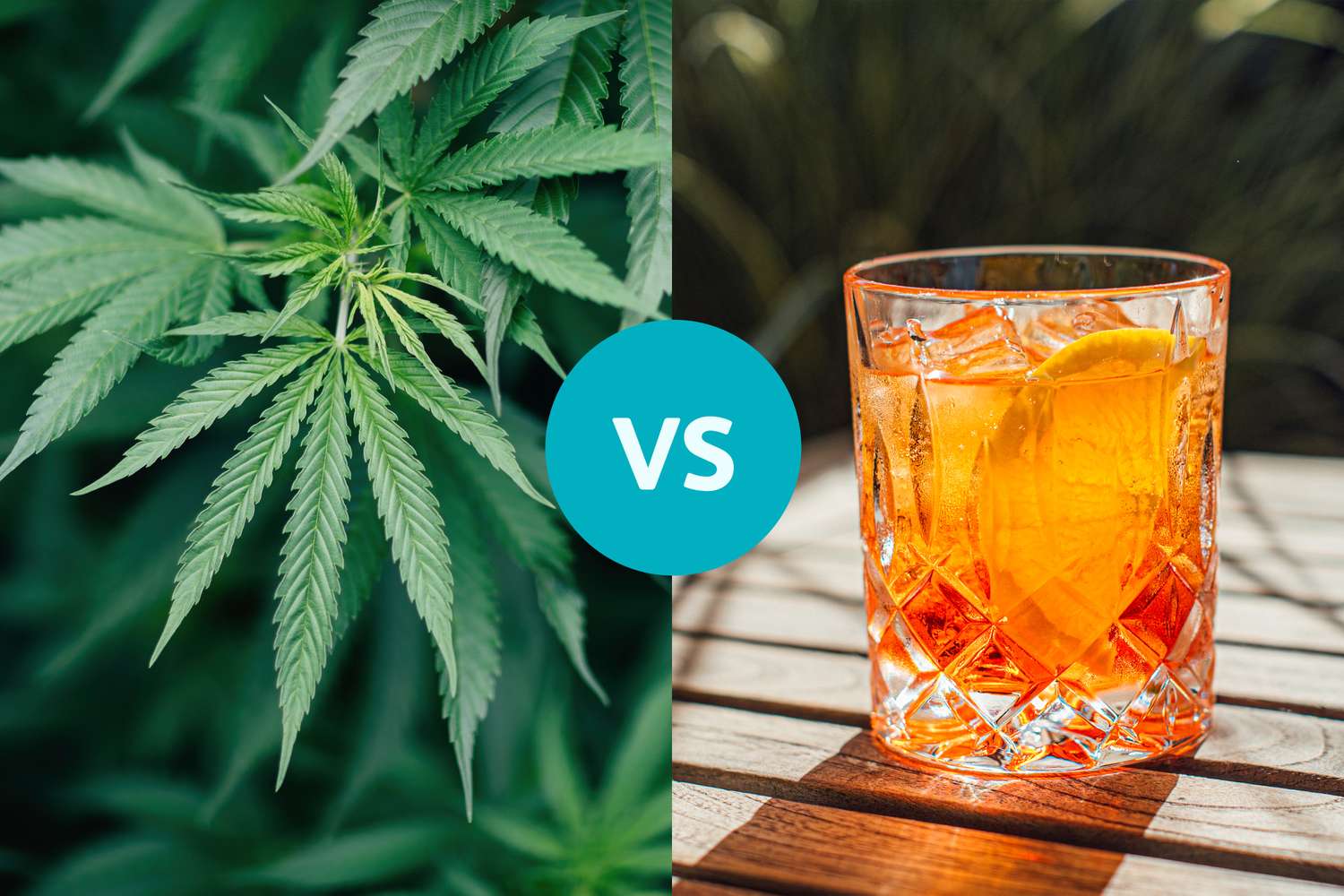
More Americans now use cannabis daily than drink alcohol every day. Public attitudes toward cannabis have shifted dramatically over the past decade, with some perceiving cannabis to be safer than alcohol.

However, experts say both cannabis and alcohol carry health risks that people are often unaware of.

“Because marijuana is legal in so many states, and alcohol is so widely available, people have a false sense of either being safe,” said Gail D’Onofrio, MD, a professor of emergency medicine and epidemiology at the Yale School of Medicine.

Heavy Cannabis Use Could Be Dangerous for Heart Health

Consuming cannabis is not risk-free. Multiple studies have found a link between daily cannabis use and heart problems. “I’ve always wanted it decriminalized, but not legalized, because legalizing it gives the false impression that it’s safe,” D’Onofrio said.

A recent meta-analysis in Heart found that cannabis users face a 20% higher risk of stroke and twice the risk of dying from cardiovascular causes.

The analysis didn’t measure precisely how much cannabis people took. Several studies relied on self-reported cannabis use rather than actual measurements, and some people could have been light or occasional users. The researchers also acknowledged that the findings do not prove that cannabis use causes heart problems.

In an accompanying editorial, researchers at the University of California, San Francisco, urged health professionals to assess cannabis use in all patients, just like tobacco and alcohol use, and educate them about cannabis risks.

“It’s so important that we mitigate the harms these substances can cause, and talking to your doctor about your use can give you the opportunity to discuss safety and health issues,” said Jacci Bainbridge, PharmD, vice chair of the Department of Clinical Pharmacy at the University of Colorado School of Pharmacy.

Cannabis vs. Alcohol: Both Come With Health Risks

Some people have replaced alcohol with cannabis for a buzz. However, both substances carry their own risks, and there’s no research to prove one categorically safer than the other.

Recent evidence shows that even light drinking is not without risk. In January, U.S. Surgeon General Vivek Murthy issued an advisory on the link between alcohol and at least seven types of cancer, including breast and colorectal.

Bainbridge said people can react to either alcohol or cannabis differently, even in limited amounts. She warned that both alcohol and cannabis are psychoactive substances that can impair reaction time and cognitive processing, raising the risk of accidents and injuries.

D’Onofrio added that the risks for injury also increase with age with either substance. “You can miss a step as you age, and then fall, without taking any substances,” she said.

Using cannabis before age 25 may also harm the developing brain, potentially affecting memory, attention, and decision-making.

Moreover, today’s cannabis is far more potent than what older users remember, said Ziva Cooper, PhD, research director of the UCLA Center for Cannabis and Cannabinoids. New products—such as edibles, beverages, and particularly gummies—can contain high doses of THC, the primary psychoactive compound that makes users “high.”

“The gummies, for example, can take as long as an hour and a half to have an effect, but people expecting a quick hit may take more, impacting the effects and even landing in the emergency room,” Cooper said.

What This Means For You

Even casual cannabis or alcohol use can affect your health. Health experts advise talking openly with your doctor about any substance use and reviewing your personal risk factors.

Verywell Health uses only high-quality sources, including peer-reviewed studies, to support the facts within our articles. Read our editorial process to learn more about how we fact-check and keep our content accurate, reliable, and trustworthy.
  1. Caulkins JP. Changes in self‐reported cannabis use in the United States from 1979 to 2022Addiction. 2024;119(9):1648-1652. doi:10.1111/add.16519

  2. Storck W, Elbaz M, Vindis C, Déguilhem A, Lapeyre-Mestre M, Jouanjus E. Cardiovascular risk associated with the use of cannabis and cannabinoids: a systematic review and meta-analysisHeart. Published online June 17, 2025. doi:10.1136/heartjnl-2024-325429

  3. Committee on the Health Effects of Marijuana: An Evidence Review and Research Agenda, Board on Population Health and Public Health Practice, Health and Medicine Division, National Academies of Sciences, Engineering, and Medicine. The Health Effects of Cannabis and Cannabinoids: The Current State of Evidence and Recommendations for Research. National Academies Press; 2017. doi:10.17226/24625

By Fran Kritz

Kritz is a healthcare reporter with a focus on health policy. She is a former staff writer for U.S. News and World Report.


Source link

Rocio Hernandez

Nevada schools received $700M from cannabis since 2018. It’s still a drop in the bucket.


Are schools getting tax money from Nevada’s cannabis industry? 

It’s a question that’s come up again and again since 2016 when Nevada voted to legalize recreational marijuana in the state — in part on the promise to raise school funding. 

The short answer: Yes, Nevada schools are benefiting from the cannabis taxes.

But the revenue generated isn’t enough to move the needle much for state K-12 education funding. 

There are two excise taxes placed on the sale of recreational marijuana: a 15 percent wholesale tax, included in the original ballot question and primarily paid by marijuana businesses, and a 10 percent retail tax added by the Legislature in 2017 that is primarily paid by consumers. 

Democratic lawmakers in 2017 moved to place the revenue from the retail tax into the state’s rainy day fund — a move (reversed two years later) that still leads to a steady stream of questions and accusations that cannabis tax dollars aren’t going to education.

Today, all proceeds from the retail tax and the majority of proceeds from the wholesale tax (portions of which fund the Cannabis Compliance Board and local governments’ costs) are among the roughly 20 revenue sources that make up the state education fund, which funds Nevada’s public schools.  

A new report by the Guinn Center for Policy Priorities found that since 2018, the two cannabis taxes have raised nearly $716 million in K-12 education funding. Last year alone, the taxes brought in $108 million for schools. 

“The tax is dedicated to the state education fund by statute, and the state has complied with that, and the Legislature is budgeted that way as such,” said the report’s author, Mark Krmpotic, the Guinn Center’s interim director of economic and fiscal policy. “That is unequivocal at this point, and has been that case for several years.”

Anna Colquitt, the Guinn Center’s director of education policy, estimates that the seven years of tax revenue equals out to roughly $1,500 per student.

Although it seems like a big number, the cannabis tax revenue is a drop in the bucket, making up about 2 percent of compared to the $12.9 billion budgeted for K-12 education for next two years, which includes $11.5 billion for the state’s funding formula for K-12 education. 

Colquitt and Krmpotic said that while cannabis taxes are an important piece of how Nevada funds K-12 education, the roughly $225 per pupil it brought in last year isn’t enough to close the $4,000 gap between the state’s per-pupil funding and the national average. 

“It was never going to solve all of our problems in education,” Colquitt said. “I think maybe that was the perception, but that wasn’t rooted in any substantial fact.”

Krmpotic noted that total revenue from Nevada’s cannabis taxes is declining — a trend he’s seen in other states. 

It comes as other funding streams for Nevada K-12 education, such as the sales tax and room tax, have also taken a hit

“As we’re seeing decreases in other areas as well, if that’s an additional area of decreased funding when we’re trying to go in the upwards direction, it’s alarming,” Colquitt said. 


Reno High School on March 14, 2018. (David Calvert/The Nevada Independent)

News briefs 

🏫 Washoe County district attorney charging 27 students accused of school vandalism — The Washoe County District Attorney’s Office announced Friday it’s charging 27 students in connection with May vandalism that resulted in $6,000 worth of damage at Reno High School that included hate slurs and symbols sprayed on campus

The majority of those individuals are age 18 and are current or former Reno High students. 

Washoe County School Board President Beth Smith said in a statement it “brings a sense of closure to a deeply upsetting event that affected Reno High School, the Washoe County School District, and the entire community.” 

“The crimes that occurred weren’t just property damage — they were an attack on a place that means so much to students, staff, families, and alumni,” she said. 

Superintendent Joe Ernst said the district also took disciplinary action against the students who were involved. 

“Together, we’re making it clear: This kind of behavior has real consequences,” he said. 

💲Clark County among the top school districts at greatest risk in federal fund freeze — An analysis by New America, a liberal think tank, puts the Clark County School District (CCSD) among the top 100 school districts set to lose the most funding in the latest federal funding freeze by the Trump administration. The Department of Education announced in late June it was withholding $6 billion in federal grant money that was expected to be distributed to programs nationwide, pending a review. The move has led to uncertainties about when or if the funds will be released.

The analysis estimates that $21 million dedicated for CCSD is at risk. The funds include grants for migrant education, educator development, student support and enrichment and English language learners. More than 15 percent of CCSD students during the 2023-24 school year were English language learners, according to the latest data by the Nevada Department of Education. 


Reading Assignments

‘Fear and compliance’: Rural superintendents wary of bipartisan school accountability law

Three district leaders worry that the bill and its new requirements will put in place standards impossible to meet as they are confronting funding challenges.

The child tax credit is changing. Here’s what it means for your family.

President Donald Trump’s tax and spending package increases the tax credit from $2,000 to $2,200, but it also adds new parameters to qualify for the credit that will directly affect immigrants and the lowest-income families.

Trump admin freezes after-school, English learner grants; $56M for Nevada on hold
The move, which affects more than $6 billion in grants nationwide, leaves states and schools in limbo as they budget for programs this summer and in the upcoming school year.


Featured social media post 

Great news for the school’s future 400 students. 


Source link

HYTN Receives Initial International Purchase Order for GMP Vape Cartridges

HYTN Secures Cannabis Drug Licence, Advancing Prescription


VANCOUVER, British Columbia, July 14, 2025 (GLOBE NEWSWIRE) — HYTN Innovations Inc. (CSE: HYTN, FSE: 85W0, OTC PINK: HYTNF) (“HYTN” or the “Company”), a leader in pharmaceutical-grade cannabis manufacturing, is pleased to announce it has received a Cannabis Drug Licence (CDL) from Health Canada. The CDL, issued July 2, 2025, complements HYTN’s existing Drug Establishment Licence (DEL) and federally issued Cannabis Licences, placing the Company among a limited group of organizations authorized to manufacture cannabis-derived pharmaceutical drugs in Canada.

As an existing Good Manufacturing Practices (GMP)-certified manufacturer, HYTN currently services international markets with cannabinoid products under GMP-cannabis frameworks. The newly issued CDL provides new and distinct regulatory pathways to the Company, enabling the fabrication, packaging, labelling, and distribution of prescription pharmaceutical products (Rx). This advancement permits HYTN to support clinical research, generate regulatory data, and pursue future drug approvals and market authorisations.

“Securing the CDL is an important milestone in HYTN’s evolution,” said Jason Broome, Chief Operations Officer of HYTN. “This achievement enhances our capabilities, allowing us to strategically expand beyond GMP-cannabis frameworks and participate directly in pharmaceutical drug development.”

With the CDL in place, HYTN has expanded its capabilities to serve both the regulated cannabis market and the regulated pharmaceutical market, supported by the following strategic advantages:

  • Export-Ready GMP-Certified Manufacturing: HYTN operates under a DEL for non-sterile pharmaceuticals and is compliant with international GMP standards recognized by the United Kingdom, European Union and Australia.
  • Prescription Drug Development Pathway: With the CDL in place, HYTN can begin developing cannabis-derived drug products. This opens the door to submissions for Marketing Authorisations worldwide.
  • EudraGMDP Registration in Progress: HYTN, in conjunction with European partners, is progressing with its EudraGMDP registration, which, if granted, would enable the Company to be listed as an approved active pharmaceutical ingredient (API) and drug product manufacturer within European pharmaceutical databases.
  • Contract Development and Manufacturing Organization (CDMO) & Clinical Support: HYTN’s dual licensing enables it to act as a CDMO partner for clinical-stage biotech and pharmaceutical companies, providing GMP-compliant cannabinoid production, formulation development, and product release within a regulated drug framework.

The global pharmaceutical industry is integrating cannabinoids as APIs. Epidiolex, an FDA- and EMA-approved prescription drug derived from cannabidiol (CBD), is authorized for the treatment of severe seizure disorders including Lennox–Gastaut syndrome, Dravet syndrome, and tuberous sclerosis complex. According to its parent company, Jazz Pharmaceuticals, Epidiolex generated net product sales of USD $972.4 million in 2024, with a reported gross margin of 88.2% of net product sales1, underscoring the clinical utility and commercial viability of cannabinoid-based pharmaceuticals.

Despite these advancements, access to GMP-compliant, cannabis-derived APIs and finished drug products remains limited, due in part to the high regulatory and operational standards required to serve the pharmaceutical supply chain.

With the recent issuance of its CDL, HYTN joins a small group of global manufacturers equipped to support:

  • Clinical-stage pharmaceutical sponsors and biotech companies seeking GMP cannabinoid inputs.
  • Distributors and pharmacies in Europe, the UK, and Australia operating under prescription-only frameworks.
  • Special access, named patient, and compassionate use programs requiring pharmaceutical-grade supply.
  • Government tenders and public health initiatives focused on regulated cannabinoid therapies.

This expanded regulatory scope enables HYTN to participate in the global supply chain for cannabinoid-based therapeutics through internationally compliant manufacturing and strategic pharmaceutical partnerships.

1. Jazz Pharmaceuticals. Annual Report on Form 10-K/A for the fiscal year ended December 31, 2024.

About HYTN Innovations Inc.

HYTN Innovations Inc. is a pharmaceutical company specializing in the formulation, manufacturing, marketing, and sale of products containing psychoactive and psychotropic compounds, including cannabis-derived cannabinoids and psilocybe-derived tryptamines. HYTN is dedicated to becoming a premier provider of these products across all federally regulated markets. The Company accomplishes this by strategically identifying market opportunities and effectively bringing innovative products to market through its advanced development platform.

About Cannabis Drug Licenses (CDL)
A CDL is issued by Health Canada under the Food and Drug Regulations and authorizes the possession, production, packaging, labelling, and distribution of cannabis when used as an active ingredient in pharmaceutical drug products. The CDL is required for any company intending to manufacture prescription drugs containing cannabis for human use. It can only be obtained by holders of a DEL and must meet the same regulatory standards applied to conventional pharmaceutical manufacturers, including compliance with GMP

About Good Manufacturing Practices (GMP)

GMP guidelines provide guidance for manufacturing, testing, and quality assurance to ensure that a manufactured product is safe for human consumption or use. Many countries have legislated that manufacturers follow GMP procedures and create their own GMP guidelines that correspond with their legislation.

FORWARD-LOOKING STATEMENTS

Certain statements contained in this press release constitute forward-looking information. These statements relate to future events or future performance. The use of any of the words “could”, “intend”, “expect”, “believe”, “will”, “projected”, “estimated” and similar expressions and statements relating to matters that are not historical facts are intended to identify forward-looking information and are based on the Company’s current belief or assumptions as to the outcome and timing of such future events.

In particular, this press release contains forward-looking information relating to, among other things: the prospect of the Company’s fabrication, packaging, labelling, and distribution of cannabis-containing Rx drugs, including Cannabis-based APIs and finished formulations, and the Company’s ability to produce these products and participate in the supply chain for cannabinoid based therapeutics; and the Company’s EudraGMDP registration, including the anticipated impact on the Company of such registration being granted to the Company. Various assumptions or factors are typically applied in drawing conclusions or making the forecasts or projections set out in forward-looking information, including the assumption that: the Company will be successful in partnering with pharmaceutical sponsors, biotech companies, distributors, pharmacies, governments and/or other participants in the cannabinoid based therapeutics industry, including that these entities will have demand for the Company’s products and that the Company will be able to fulfill the product specifications required by these entities; and that the Company will be granted its EudraGMDP registration on the terms currently anticipated. Those assumptions and factors are based on information currently available to the Company. Although such statements are based on reasonable assumptions of the Company’s management, there can be no assurance that any conclusions or forecasts will prove to be accurate.

Forward-looking information involves known and unknown risks, uncertainties and other factors which may cause the actual results, performance or achievements to be materially different from any future results, performance or achievements expressed or implied by the forward-looking information. Such factors include: the risk that, even with the CDL, the Company is unsuccessful in partnering with entities in the cannabinoid based therapeutics industry, whether as a result of a lack of demand for the Company’s products, a failure by the Company to manufacture desired products, or otherwise; the risk that the Company is not granted the EudraGMDP license, on the anticipate terms or at all; operational risks; regulatory risks; and financing, capitalization and liquidity risks. The forward-looking information contained in this release is made as of the date hereof, and the Company is not obligated to update or revise any forward-looking information, whether as a result of new information, future events or otherwise, except as required by applicable securities laws. Because of the risks, uncertainties and assumptions contained herein, investors should not place undue reliance on forward-looking information. The foregoing statements expressly qualify any forward-looking information contained herein.

For more information contact:

Elliot McKerr
Chief Executive Officer
1.866.590.9289

HYTN Investor Relations:
1.866.590.9289
investments@hytn.life 

The Canadian Securities Exchange has not reviewed, approved, or disapproved the contents of this ‎press release.‎


Source link

What Colorado pet owners should know

What Colorado pet owners should know


It was midnight and Sara Aglietti’s mixed breed terrier Pickle could not stand or walk. Several hours earlier, Pickle became unusually lethargic. Her head bobbed back and forth, and her heavy panting eventually transitioned to slow breaths.

“That really scared me,” said Aglietti, of Louisville, who drove 8-year-old Pickle to the emergency veterinary hospital in Boulder.

“When I took her into the ER, they took one look at her and said she ate marijuana,” Aglietti said of the incident two years ago.

Aglietti suspects Pickle ate a marijuana edible left behind on the Dry Creek Trail in Boulder County earlier that day. Veterinarians kept Pickle at the hospital until her vitals returned to normal, including her heart rate. And Pickle made a full recovery at home over the next few days.

Stories like Pickle’s are not uncommon in Colorado, which ranks among the top 10 states for highest percentage of marijuana use in the past year by adults. Colorado legalized marijuana for medicine in 2000 and for recreation in 2012, the first to do so alongside Washington state.

Stacy Meola, associate medical director at Wheat Ridge Animal Hospital, was one of the first to report an uptick in marijuana intoxication in dogs in 2012 and has been tracking it ever since. 

“The numbers have definitely gone up over the last 15 years,” said Meola of canine marijuana intoxication cases in Colorado, adding that nationally the numbers have surged too.

A small dog wearing orange boots stands on a large rock jutting out from a rocky beach. Waves are crashing on black sand behind her.
Pickle, a 20-pound terrier mix, became seriously ill after consuming cannabis while on a walk at a Boulder County trail. She recovered after veterinary treatment. (Provided)

In 2024, the American Society for the Prevention of Cruelty to Animals Poison Control hotlines received 6,333 calls related to accidental marijuana ingestion in animals, up from 1,768 such calls in 2018. Beginning in 2019, there was a jump in calls, and during the first few months of that year, hotlines reported a 756% increase from a previous 10-year period.

“With more states legalizing marijuana, this trend is likely to continue,” said Tina Wismer, senior director of toxicology at ASPCA Poison Control, in an email. Medicinal use of marijuana is legal in 48 states and Washington, DC, and recreational use of marijuana is legal in roughly half of states.

Tetrahydrocannabinol, or THC, the psychoactive compound in marijuana, is toxic for dogs. The most common signs of marijuana intoxication are stumbling and “walking like they’re drunk,” Meola said. A majority of dogs just sit there swaying, not really paying attention, and dribbling urine, she added.

“I always joke that if 50% of humans peed all over themselves every time they did pot, it probably wouldn’t be as popular of a recreational drug,” Meola said.

Unbeknownst to their owners, dogs, like Pickle, eat marijuana edibles or partially burned joints carelessly left behind at a park or on a trailhead, or counter surf their owners’ supply left out at home. Meola has seen a couple of dogs high from inhalation, but those are the minority.

“Edibles are always dogs’ favorite just like they are with people because they taste good,” she said.

Aglietti suspects Pickle ate an edible when they were hiking off-leash as part of Boulder County’s Voice and Sight Tag Program. Pickle’s accidental high didn’t surprise Aglietti who has lived in Colorado for 10 years. “People drop things from their pockets, right? They pull out their poop bags and a candy falls out.”

Marijuana’s increasing prevalence and THC concentration is a double whammy for pets. Legalization and decreasing stigma mean more people leave marijuana-based products out in their homes, said Wismer. “The concentration of THC in these products has also significantly increased, affecting the severity of toxicity in animals,” she said.

Most dogs recover completely on their own at home from marijuana intoxication, Meola said, but the first several hours can be scary for owners because dogs appear to suffer from a neurological disorder. Besides urinary incontinence, stupor and difficulty with balance, other symptoms include tremors, drooling, low heart rate and body temperature, hyperactivity and glassy eyes and dilated pupils.

Rather than trying to hide it, people in Colorado are usually open and honest about their dogs’ potential access to marijuana in the home, Meola said, and are relieved that the cause is not life threatening or requiring an expensive magnetic resonance imaging, or MRI.

Smaller dogs that are more severely affected may need an intralipid treatment, which involves putting fat into their veins that binds to THC and is later excreted. 

Other new treatments in testing

New treatments are in the pipeline. Last year, Meola and her colleagues published a small pilot study of a drug called Flumazenil, used to treat overdoses in humans. They treated 17 dogs with marijuana intoxication with Flumazenil, which showed promise in helping mitigate symptoms and reduced intoxication time, especially in severe cases. 

Hands with nails polished a melon color, hold open the lips of a dog. There is a medicated sheet on the dog's gums above its teeth that is infused with CBD to treat cannabis intoxication
Florida veterinarians have tested CBD-infused sheets on the gums of dogs thought to be suffering from cannabis intoxication. (Provided)

In another case study, Florida veterinarians were the first to use cannabidiol, or CBD, to treat marijuana intoxication by placing  a CBD-infused sheet on the gums of six dogs. CBD is thought to inhibit metabolism of THC and resulted in improved clinical symptoms.

“The vast majority of dogs are going to be perfectly fine in 24 hours and not need hospitalization, but we certainly see some severe side effects that may require hospitalization,” Meola said.

Edibles can contain other toxic ingredients other than THC such as chocolate and xylitol, Wismer said. Chocolate can increase heart rate, hyperactivity and seizures, and is the most problematic for a small dog that eats a large amount of THC-laced chocolate. Xylitol can cause low blood sugar and damage dogs’ livers.

Though THC exposures dropped last year, Wismer said hallucinogenic mushroom exposures, such as psilocybin and muscarine, are rising in pets. Colorado is one of two states that has legalized psilocybin for recreational use. 

Pickle was not Aglietti’s first dog to get stoned. Scout, a shepherd mix from Mexico, accidentally ingested marijuana, but because he weighed 35 pounds, he recovered more quickly than Pickle, who is under 20 pounds.

Dogs like Pickle and Scout are not the only accidental weed eaters. Cats can also suffer marijuana intoxication, but they’re more attracted to the bud form, rather than edibles, Wismer said.

Besides looking out for roaches or edibles, owners should be vigilant on walks about dogs eating human feces because of the potential for it containing THC. Australian veterinarians have described 15 cases where dogs had eaten human feces with high THC from parks, beaches, campsites and walking trails. 

Being responsible by treating marijuana just like any other drug you wouldn’t want your kids or pets to get into is the key to reducing exposure for animals, Meola said. But our state is a perfect storm of conditions for canine marijuana intoxication. “There’s a lot of pot in Colorado and a lot of dogs.”


Source link

Did cannabis company violate labor laws, exploit migrant children?

Did cannabis company violate labor laws, exploit migrant children?


July 14, 2025

Juveniles found in cannabis facility

By KAREN VELIE

More than a year after a class action lawsuit accused Glass House of mistreating its workers, raids at two of its Central Coast cannabis farms led to the arrest of 361 illegal immigrants including convicted rapists, burglars and child molesters.

On July 10, federal agents served criminal search warrants at grow sites in Carpinteria and Camarillo. During the raids, at least 14 migrant children were “rescued from potential exploitation, forced labor, and human trafficking,” according to the U.S. Department of Homeland Security.

While cannabis is legal to use and grow in California, it is against the law for anyone under 21 years of age to be on the premises of a cannabis business.

Cannabis businesses in California are strictly regulated, including requirements that workers undergo criminal background checks. Convicted criminals are not permitted to work in the cannabis industry.

ICE arrested Roman Izquierdo, a Mexico citizen who was deported in 2006. He has been convicted of kidnapping, attempted rape and attempted child molestation.

During the raids, more than 500 rioters attempted to curtail the operation, according to Homeland Security. Protesters threw rocks, water bottles and nail-laden planks at law enforcement vehicles while one agitator fired a gun at officers. The FBI is offering a $50,000 reward for any information leading to the shooter’s arrest

Federal agents arrested four U.S. citizens for assaulting or resisting officers during the protests.

Following the raid, in a post on X, Glass House management said they do not violate hiring requirements or hire minors.

“Glass House has never knowingly violated applicable hiring practices and does not and has never employed minors,” according to the post. “We do not expect this to affect operations moving forward.”

However, the company is currently battling a class action lawsuit that accuses Glass House of a litany of labor law violations. On behalf of a former employee, attorneys Daniel Hyun and David Alami with Torus LLP filed the suit in Los Angeles County Superior Court on Dec. 19, 2023 against the marijuana company.

The accusations in the lawsuit against Glass House include:

  • Failure to pay all wages
  • Imposing unlawful quotas
  • Failure to provide breaks and meal periods
  • Failure to provide accurate itemized wage statements
  • Failure to reimburse business expenses
  • Failure to pay all wages due upon separation of employment

“Defendants knew or should have known they had a duty to compensate plaintiff and class members, and defendants had the financial ability to pay such compensation, but willingly, knowingly, and intentionally failed to do so in order to increase the defendants’ profits,” according to the lawsuit.

The suit seeks compensation for employees who worked for Glass House over the past four years. In June, both parties agreed to stay the suit while continuing the 2026 trial date and trial-related deadlines.

The investigation into immigration and potential child labor violations by Glass House is ongoing.

Because we believe the public needs the facts, the truth, CalCoastNews has not put up a paywall because it limits readership. However, we are seeking qualification as a paper of record, which will allow us to publish public notices, but it requires 5,000 paid subscribers.

Your subscription will help us to continue investigating and reporting the news.

Support CalCoastNews, subscribe today, click here.


Source link

Big Cannabis puts its growth hopes in dud buds

Big Cannabis puts its growth hopes in dud buds


Marijuana plants for the adult recreational market at Hepworth Farms in Milton, New York

Marijuana plants are seen in a greenhouse in New York, U.S., July 15, 2022. REUTERS/Shannon Stapleton

LONDON, July 14 (Reuters Breakingviews) – The weed sector is not as high as it used to be. A slow revenue grind and relentless regulatory hits have left Big Cannabis facing a chronic funk. Budding opportunities, like the flowering German market, may see some North American groups cough up for a deal to plant a foreign seed. Yet a mellow mood, and puffed-out stock valuations, are probably baked-in for the foreseeable future.

Back in 2021, the much-hyped movement seemed to be sparking into life. Nearly 18 million Americans admitted to using the herb on a daily basis, overtaking the near-15 million daily drinkers, according to a survey published in the journal Addiction, opens new tab. New York, Virginia, Connecticut and New Mexico legalised recreational cannabis, as Alabama did for medical use.

Sign up here.

Hopes abounded that then-President Joe Biden might breathe life into federal reform, making it easier for companies to access financial services and manage inventory across state lines. The ambient buzz saw the combined value of Curaleaf (CURA.TO), opens new tab, Green Thumb Industries (GTII.CD), opens new tab, Tilray Brands (TLRY.O), opens new tab and Trulieve Cannabis (TRUL.CD), opens new tab peak at $37 billion in February 2021. The same quartet, whose operations span everything from growing to packaging and selling weed and related products, at the time had an eye-watering average valuation multiple of 15 times forward sales, according to Breakingviews calculations based on LSEG Datastream figures.
The dreams behind those numbers, however, have gone up in smoke. That much was evident at an industry gathering at the Barbican Centre in London last month, where top investors, CEOs and bankers bluntly hashed out the sector’s biggest risks and opportunities. Attendees of Cannabis Europa, opens new tab, some bleary-eyed after wading through plumes of smoke, heard that right-leaning governments worldwide are blocking the opening up of new recreational markets. Sticky corporate debt burdens and low valuation multiples, meanwhile, have made expansion tricky.
It’s reflected in the stock market. Curaleaf, Green Thumb, Tilray and Trulieve are now collectively worth just $4 billion, LSEG data shows, with an average forward revenue multiple of just over 1. On aggregate, they’ll make a loss this year and next, based on analysts’ forecasts gathered by Visible Alpha. One long-term problem is that legalisation in the United States and Canada sparked a rush of supply, leading to a glut of marijuana and therefore much lower prices amid cutthroat competition. In New York, the number of registered dispensaries has exploded since legalisation in 2021 to 300 now, according to the Office of Cannabis Management. Average U.S. retail prices have declined by 32% over the same period, according to Cannabis Benchmarks, opens new tab.

Companies are also facing the stark reality of a total addressable market that looks stagnant at best. As U.S. state laws criminalising the herb fell like dominoes, investors once thought other countries would eventually succumb too. That now looks like a pipe dream. Not a single U.S. state has legalised recreational cannabis this year or in 2024. President Donald Trump’s government seems unlikely to do much. The Drug Enforcement Administration last year indicated that it might downgrade weed from the schedule one category under the Controlled Substances Act to schedule three, which could ease some federal restrictions and make more expenses tax-deductible. The process now seems stalled, however. In other markets, progress is being stubbed out. Last month, Thailand moved to ban recreational use amid concerns about addiction in younger users, having taken the drug off its narcotics list only three years earlier.

Amid the haze, boosters are finding solace in an unlikely place. Germany last year decriminalised cannabis possession and small-scale production, while stopping short of allowing wholesale cultivation. Bankers and investors at the London conference giddily talked up the prospects of inbound Teutonic M&A, as companies in the U.S. and Canada look to take advantage of potential growth in Europe’s biggest economy.

Privately owned Demecan or Cannamedical could be prime targets. The legal German cannabis market could grow by 14% each year until 2030, according to a report from Research and Markets, opens new tab. But it’s starting from a low base. Last year, the market was worth just $37 million. And there are other obstacles. Planned licences for pot shops and pharmacies, for example, have failed to materialise amid concerns from European leaders about a surge in illegal exports.

It’s all a far cry from the multibillion-dollar global dreams of a few years ago. But there’s not much else to get excited about. Amid a drought of optimism, even the most unpromising of buds can seem like salvation.

Follow Aimee Donnellan on LinkedIn, opens new tab.

Editing by Liam Proud; Production by Oliver Taslic

Our Standards: The Thomson Reuters Trust Principles., opens new tab


Source link