Portland police find 14.1 pounds marijuana in drug stop

Portland police find 14.1 pounds marijuana in drug stop


Portland police found 14.1 pounds of marijuana, alomg with ammunition during a fentanyl-related traffic stop in Old Town, leading to two arrests.

PORTLAND, Ore. — Two people were arrested Thursday after Portland police officers discovered 14.1 pounds of marijuana, ammunition, and a replica firearm during a traffic stop that began with suspected fentanyl use.

Mykell A. Bru, 37, and Luella T. Asuluk, 39, were booked into the Multnomah County Detention Center on charges of possession of a controlled substance and unlawful possession of cannabis, according to the Portland Police Bureau (PPB).

The incident occurred at 6:06 p.m. July 10 when Portland police officers assigned to the Central Precinct Bike Squad were patrolling Old Town and approached two individuals suspected of using fentanyl sitting in a parked vehicle, according to a PPB press release.

“The two occupants of the vehicle were identified and had fentanyl in their possession,” the release stated. “They were determined eligible for deflection at the Multnomah County Pathways Center.”

The suspects were offered deflection services for their drug usage and agreed to transport by PPB to the treatment center.

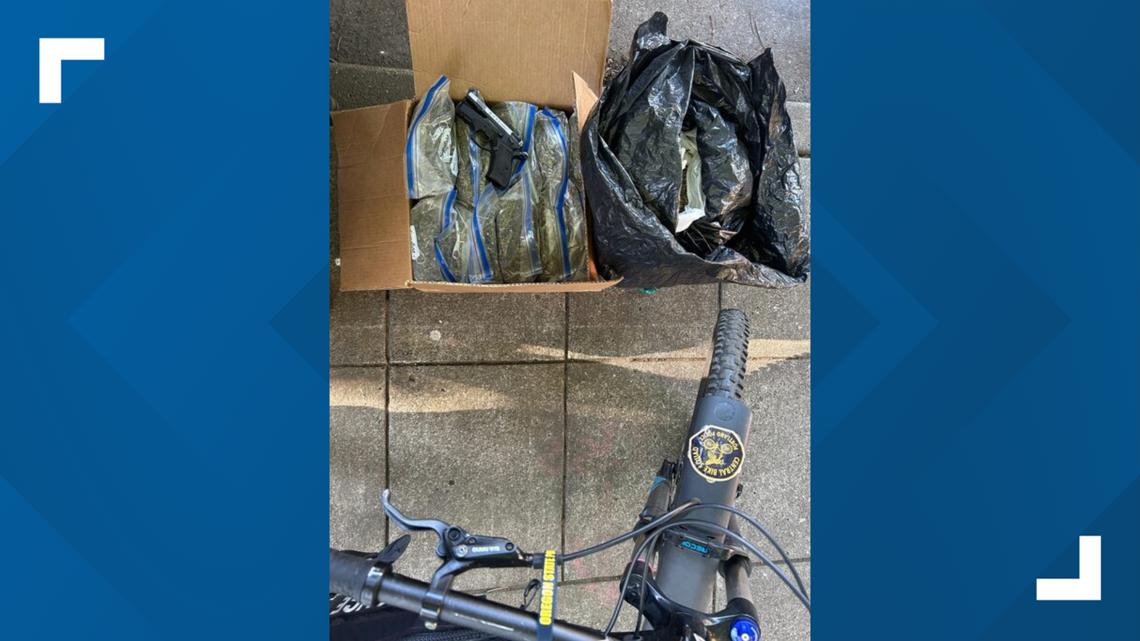
Officers determined the car needed to be towed due to illegal parking. During a required inventory search prior to towing, officers noticed a conspicuous brown shipping box in the back seat.

“They opened it to find numerous bricks of packaged and sealed marijuana,” the release stated.

Further investigation revealed 14.1 total pounds of marijuana, plus ammunition and a realistic-looking replica firearm inside the vehicle.

Oregon law permits individuals to possess over eight ounces of marijuana for private use, or over two ounces in a public place. The amount possessed exceeded more than 16 times the legal amount for private use, classifying the possession as a felony crime.

Bru and Asuluk were charged with possession of a controlled substance schedule II (fentanyl) and unlawful possession of cannabis by person 21 years of age or older. The case number is 25-183769.

“This case represents the ongoing efforts of the Central Bike Squad to improve safety and quality of life in the Portland city center,” the release stated.


Source link

Why It’s Time to Reschedule Cannabis and Fix America’s Broken Drug Policy | stupidDOPE

Why It’s Time to Reschedule Cannabis and Fix America’s Broken Drug Policy | stupidDOPE


The classification of cannabis as a Schedule I drug under federal law is one of the most illogical and indefensible positions in American drug policy today. Despite overwhelming medical evidence, bipartisan public support, and successful state-level regulation, the federal government still insists that cannabis is as dangerous as heroin—and more dangerous than cocaine.

That’s not just a mistake. It’s an obstacle. An obstacle to science. An obstacle to medical care. An obstacle to economic growth. And it’s time we cleared it.

Schedule I vs. Reality

Under the Controlled Substances Act, Schedule I drugs are defined by the Drug Enforcement Administration (DEA) as substances with “no currently accepted medical use and a high potential for abuse.” Cannabis shares this classification with heroin, LSD, and ecstasy. Meanwhile, cocaine—a drug with a well-documented history of addiction and abuse—is classified as Schedule II.

This contradiction doesn’t hold up to scrutiny. Cannabis has been legalized for medical use in 38 states and Washington, D.C. Millions of Americans rely on it to treat conditions ranging from chronic pain and epilepsy to PTSD and the side effects of cancer treatment. The evidence isn’t anecdotal anymore. Medical cannabis has become part of mainstream therapeutic care in nearly every part of the country.

It’s long past time for the federal government to admit what states and patients have known for years: cannabis has real medical value.

Why Rescheduling Matters

Moving cannabis from Schedule I to Schedule III wouldn’t legalize it for recreational use at the federal level. What it would do is acknowledge its medical potential and drastically reduce the barriers that prevent scientific research, patient access, and economic opportunity.

Schedule III drugs are defined as having “a moderate to low potential for physical and psychological dependence.” Think of drugs like codeine, testosterone, and anabolic steroids. They’re controlled, but they’re allowed for medical use. That’s the category cannabis should fall into.

Rescheduling would:

  • Allow greater medical research. Universities and labs would be free to study the plant, including its long-term effects, interactions with other medications, and full therapeutic potential.

  • Open new access for patients. Physicians across the country could prescribe cannabis in a consistent, regulated way.

  • Protect existing cannabis businesses. Rescheduling could allow businesses to claim standard tax deductions, currently prohibited under IRS code 280E due to cannabis’ Schedule I status.

  • Grow the economy. Over 440,000 Americans are already employed in the cannabis sector. Rescheduling would strengthen those jobs and attract new investment and innovation.

Trump Promised to Fix This. Now’s the Time.

During his first campaign, Donald Trump signaled support for rescheduling cannabis. In 2024, he again hinted that common-sense cannabis reform could be part of an America First agenda. And he has the political momentum behind him.

More than 84% of conservatives support rescheduling marijuana. This isn’t a fringe issue anymore. This is a bipartisan, broad-spectrum demand for change.

If Trump wants to reinforce his promise to “drain the swamp” and prioritize American jobs and innovation, rescheduling cannabis is a straightforward move. It helps patients. It helps businesses. It corrects an injustice. And it aligns the federal government with the states—something long overdue.

State Leadership vs. Federal Inertia

The states have already done the hard work. From California to Florida, New York to Oklahoma, lawmakers have implemented comprehensive cannabis programs that are carefully regulated and widely supported by their residents.

These state programs prove that cannabis can be sold, taxed, and monitored just like any other product. They also prove that the horror stories once used to justify prohibition haven’t come true. Teen use hasn’t spiked. DUIs haven’t exploded. Instead, states are reporting tax windfalls, job growth, and in some cases, reductions in opioid use.

So why is the federal government still pretending this is the 1970s?

Cannabis Isn’t the Enemy—Pharmaceutical Overload Is

One of the strongest arguments for rescheduling cannabis is its role as a safer, plant-based alternative to many pharmaceutical drugs. In recent years, we’ve seen the toll of pharmaceutical overprescription, especially with opioids. Thousands of lives have been lost. Entire communities devastated. And yet, the same agencies that hand out opioid prescriptions with minimal oversight still classify cannabis as more dangerous.

That’s not just backwards—it’s deadly.

Cannabis isn’t a magic cure, but it is a well-documented alternative for patients seeking relief from chronic pain, insomnia, anxiety, and more. Rescheduling would allow more doctors to consider it as a front-line treatment, not a last resort.

Don’t Let It Get Buried in Washington

But if rescheduling is going to happen, it needs to be done correctly.

Not through a bloated omnibus bill where it could be traded away during negotiations. Not through a flimsy executive order that could be reversed by the next administration. And certainly not with half-measures or loopholes that keep cannabis in a grey area.

This change requires coordination between the White House, the Department of Justice, and the DEA to issue a final rule that permanently moves cannabis to Schedule III. Anything less is performative politics—not policy.

This Is an America First Issue

Rescheduling cannabis aligns perfectly with the core principles of an America First agenda.

  • It protects American businesses. By fixing tax codes and legitimizing operations.

  • It boosts American jobs. Encouraging innovation, farming, and retail.

  • It promotes American science. Letting U.S. researchers take the lead in global cannabis research.

  • It reduces dependency. Giving patients a non-opioid alternative for real relief.

  • It makes fiscal sense. Generating billions in tax revenue for reinvestment.

This isn’t about getting high. It’s about getting smart.

The Public Is Ready. Is Washington?

The numbers don’t lie. Over 70% of Americans support federal cannabis legalization in some form. Among Republicans, support for medical cannabis and reform measures is rising every year. The stigma is fading. The facts are clear. The will of the people is known.

Now we just need our federal government to listen.

Let’s Get It Done

Rescheduling cannabis to Schedule III is the most meaningful, immediate step we can take to align federal law with modern science, state regulation, and public opinion. It opens the door for innovation. It respects the rights of states. And most importantly, it respects the needs of patients.

This is bigger than politics. It’s about policy that works. Policy rooted in facts, not fear. Policy that doesn’t criminalize progress or deny people the care they need.

The opportunity is here. The public is on board. The infrastructure exists. What’s missing is the courage to act.

Let’s fix this broken system. Let’s reschedule cannabis—and build an America where science leads, patients are prioritized, and common sense finally prevails.

Remember: It’s not about politics. It’s about progress. The time is now.


Source link

AMA Backs Ahpra On Cannabis Prescription Guidelines

AMA Backs Ahpra On Cannabis Prescription Guidelines


The Australian Medical Association (AMA) has supported the Australian Health Practitioner Regulation Agency’s (Ahpra’s) recently updated guidelines for medical cannabis prescribing.

Given the increasing numbers of Australian using medical cannabis and an increase observed in poor prescribing practices, Ahpra and the National Boards last week released updated guidance to help practitioners meet their obligations. This follows the AMA calling on health ministers to address the issue, in part by providing adequate resources to Ahpra and the National Boards.

“The rise of the telehealth phenomenon has led to certain models that bypass traditional regulatory frameworks, posing risks to individual patients and the health system more broadly,” said AMA President Dr Danielle McMullen. “These direct-to-consumer, single-issue telehealth models lack clear referral pathways or a feedback loop to GPs and other referrers.”

But Carmen Lim from the National Centre for Youth Substance Use Research at the University of Queensland says Ahpra’s latest action won’t curb unsafe prescribing and has offered suggestions as to what would help here.

The AMA is also calling for stricter enforcement to stop medicinal cannabis companies from exploiting special access schemes and avoiding listing products on the Australian Register of Therapeutic Goods (ARTG). The ARTG  lists all therapeutic goods that are legally allowed to be supplied in or exported from Australia; including medicines, medical devices, and other therapeutic products.

But products that aren’t can still be accessed via the Special Access Scheme (SAS) and Authorised Prescriber Scheme (APS) pathways. The majority of medicinal cannabis medicines accessed in Australia are unapproved and have not been evaluated by the TGA for safety, quality and efficacy.

As at May this year, there were more than 113,000 applications under the SAS-B pathway for 2025, compared to nearly 178,000 for the entire year of 2024.In 2019,  three years after medical cannabis was legalised in Australia, there were just 57,000 applications for the full year.

Back in May this year, the AMA lodge a submission with the Therapeutic Goods Administration (TGA) supporting a crackdown on exploitation of the scheme and issues relating to the ARTG.

“To ensure the SAS is not used as a loophole to avoid registering on the ARTG, the TGA should consider reforms that would limit the quantity of products accessed through a SAS before it has to register on the ARTG or lose access through the SAS or APS,” the Association said.


Source link

Weekly Roundup on the Cannabis Sector & Psychedelic Sector

Weekly Roundup on the Cannabis Sector & Psychedelic Sector


Weekly Roundup on the Cannabis Sector & Psychedelic Sector

Key Takeaways; Cannabis Sector

  • TerrAscend secured $79 million debt financing amid strategic exit from Michigan
  • Auxly Cannabis marked a major financial turning point with debt reduction and strategic refinancing
  • Mercanto secured early wins in Quebec as the province opens doors to vape market

Key Takeaways; Psychedelic Sector

  • MIRA revealed SKNY-1’s unique ability to reverse anxiety behavior while fighting obesity and nicotine addiction
  • Filament Health secured FDA green light for phase 2 trial of psilocybin to treat PTSD and AUD in veterans and first responders
  • Revive Therapeutics clarified progress on bucillamine nerve agent study
  • Silo Pharma is targeting 2025 IND filing for breakthrough PTSD drug

Below is a weekly roundup of what happened this week in the cannabis and psychedelic sectors. In this ever-evolving landscape, we explore the major developments and groundbreaking initiatives happening among companies operating in these industries; from advancements in medical research, therapeutic applications to shifts in legal frameworks and current market trends.

Top Marijuana Companies for the Week

#1: TerrAscend

TerrAscend Corp. (TSX: TSND) (OTCQX: TSNDF), a leading North American cannabis company, successfully completed a $79 million non-dilutive debt financing round, marking a significant step in its long-term strategic plan as it exits the Michigan market.

According to a company statement released on Wednesday, $69 million of the funds were used to retire existing debt, while the remaining capital will fuel future growth initiatives, including potential mergers and acquisitions. The loan, which was led by New York-based FocusGrowth Asset Management, carries a 12.75% interest rate and matures in August 2028, with no prepayment penalties or warrant issuance.

“This loan extends the vast majority of our debt until late 2028 and provides additional capital to execute on our growth initiatives, including M&A,” said Jason Wild, Executive Chairman of TerrAscend. “This transaction reflects FocusGrowth’s confidence in the company’s vision and strategy.”

In addition to the $79 million, the agreement included an uncommitted $35 million term loan facility available for future strategic acquisitions.

FocusGrowth Partner, Peter Bio, also commented, “TerrAscend has established itself as a market leader in multiple states with ample greenfield opportunities. We’ve enjoyed working with the team and are already evaluating additional opportunities with them.”

The financing comes at a pivotal time for TerrAscend, which earlier this month announced its planned exit from Michigan following a comprehensive review of its operations in the state. The company stated that it intends to divest all Michigan assets, including 20 dispensaries and four cultivation and processing facilities.

TerrAscend, which operates in states including Pennsylvania, New Jersey, Maryland, Ohio, and California, reaffirmed that it continues to strengthen its presence in core markets while trimming operations in regions deemed less strategic.

#2: Auxly Cannabis

Auxly Cannabis Group Inc. (TSX: XLY) (OTCQB: CBWTF) officially closed two major financial transactions aimed at reducing debt and improving liquidity, moves Auxly CEO, Hugo Alves, called “a turning point” for the company.

The Toronto-based cannabis producer announced on Tuesday the completion of an amended credit facility with Bank of Montreal (BMO) and the full settlement of its debt obligations to Imperial Brands plc, which has been a strategic investor in Auxly since 2019. These initiatives were first disclosed on June 19 and are now finalized.

As a result of the completed transactions, Auxly eliminated approximately $21 million in debt and reduced its annual debt servicing obligations by $700,000. Additionally, the company now has access to a new $10 million revolving credit facility, which will provide greater liquidity to fund operational and strategic initiatives. Importantly, these improvements also removed the “going concern” uncertainty that had been disclosed in Auxly’s recent financial statements, signaling renewed financial stability and long-term viability.

“This is a pivotal moment for Auxly,” said CEO Hugo Alves in a statement. “We emerge from these transactions with a transformed balance sheet and the financial strength to fuel future growth. We are profitable, we are growing, we have brands and products people trust—and now we have the financial fortitude to keep building.”

Additionally, Auxly’s Chief Financial Officer, Travis Wong, also emphasized that the transactions represent a major milestone in Auxly’s financial evolution. “We’ve reduced debt, extended the term of our senior facility, and secured a new working capital facility,” Wong said. “These improvements give us the flexibility to execute our strategy with confidence.”

In a parallel deal, Imperial Brands converted the remaining $1 million principal of its convertible debenture and approximately $1.39 million in accrued interest into common shares of Auxly. Furthermore, Imperial received pre-funded warrants to acquire up to 90.9 million shares in exchange for an additional $7.37 million in interest, while forgiving approximately $11.79 million in remaining accrued interest.

Following these conversions, Imperial now owns approximately 19.9% of Auxly’s outstanding shares and retains the right to exercise warrants over time, without exceeding that ownership threshold.

#3: Mercanto

Montreal-based Mercanto Holdings Inc. (TSX-V: MUSH) (OTC: TGSHF) secured a strategic foothold in Quebec’s long-awaited cannabis vape market, receiving preliminary acceptance from the province’s cannabis authority for three vape cartridge products under its Velada and Nordique Royale brands.

The three products; Cherry Blossom, Afghan Gold, and Peach Sumo, will place Mercanto among the top players in Quebec’s new vape segment, commanding 8% of shelf space in physical stores and 10% of online listings at launch. This approval comes as Quebec, the last major Canadian province to legalize cannabis vape sales, prepares for a November 2025 rollout.

“This is an important steppingstone for Mercanto and the culmination of our experience in Quebec,” said CEO Eric Ronsse. “Vape cartridges represent the last true gold rush in Canadian cannabis. With no entrenched incumbents in Quebec, we are as well positioned as any competitor, starting on equal footing in a market with enormous potential.”

The Quebec cannabis authority forecasts vape products will make up 11% of total cannabis sales in the first year; a potential $68 million market. Notably, half of this is expected to be incremental growth, offering a significant expansion opportunity for producers.

Mercanto is just one of the two companies authorized to supply vape batteries, allowing it to deliver a complete product ecosystem to consumers.

“For the first time, we’re entering a new category where no player holds an advantage,” Ronsse explained. “While our products won’t be the cheapest, they’re built on quality and experience — and that’s where long-term value lies.”

Additionally, the province will eliminate its nursery program in October — previously a six-month product probation phase — allowing trusted suppliers like Mercanto to launch directly into all retail stores in the province.

Top Psychedelic Companies for Week

#1: MIRA Pharmaceuticals

MIRA Pharmaceuticals, Inc. (NASDAQ: MIRA) announced promising new preclinical results for SKNY-1, an oral drug candidate targeting obesity and nicotine addiction. The drug demonstrated a clear reversal of anxiety-related behavior in an established animal model, setting it apart from previous CB1-targeting drugs that were halted due to serious central nervous system side effects.

“These findings are a significant step forward,” said Erez Aminov, CEO of MIRA. “The ability to suppress appetite and cravings while reversing anxiety-like effects is critical. These results reinforce the differentiated approach behind SKNY-1 and its potential role as a novel oral treatment in large, underserved markets.”

SKNY-1’s unique mechanism targets the endocannabinoid system with a multi-pathway approach, including biased CB1 antagonism that blocks craving-related signaling without disturbing emotional regulation, partial CB2 agonism to reduce brain inflammation, and mild MAO-B inhibition to modulate dopamine—all while avoiding MAO-A inhibition linked to mood instability.

In the study using zebrafish, SKNY-1 reversed anxiety behavior induced by a CB1 activator and enhanced calming effects, bringing anxiety-like behavior to or better than normal control levels. This contrasts with rimonabant, a previous CB1 inverse agonist withdrawn from the market due to severe psychiatric effects.

Dr. Itzchak Angel, MIRA’s Chief Scientific Advisor, explained, “SKNY-1 appears to meet the challenge of blocking cravings while preserving emotional balance head-on. Its distinct pharmacological profile is underscored by how differently it interacts compared to Rimonabant.”

Given the massive global burden of obesity and addiction—costing the U.S. alone $1.7 trillion annually—SKNY-1’s oral formulation and differentiated pharmacology may fill important gaps left by current injectable weight-loss drugs and modestly effective smoking cessation therapies with psychiatric warnings.

#2: Filament Health

Filament Health Corp. (OTC: FLHLF) announced that the FDA had authorized a Phase 2 clinical trial to evaluate its botanical psilocybin drug candidate, PEX010, for treating alcohol use disorder (AUD) and post-traumatic stress disorder (PTSD) in military veterans and first responders. The trial, which is led by Dr. Nathan Sackett at the University of Washington’s Center for Novel Therapeutics in Addiction Psychiatry, will be the first to explore the safety of psilocybin combined with psychological support in individuals facing both conditions simultaneously.

“Despite the significant overlap between AUD and PTSD, there is a lack of evidence-based treatment options for people experiencing both conditions, particularly among veterans and first responders, who are disproportionately affected,” said Dr. Sackett. “This study will be the first to investigate the safety of psilocybin-assisted support in this dual-diagnosis population, and we are grateful to Filament for enabling this important research.”

The trial will administer a single 25 mg dose of PEX010 alongside non-directive psychological support, which includes safety monitoring, empathetic presence, and integration sessions. Veterans and first responders are known to suffer disproportionately from these co-occurring disorders, yet current treatments are often ineffective.

Benjamin Lightburn, Filament Health’s Co-Founder and CEO, remarked, “Veterans and first responders dedicate their lives to protecting others, yet are often left behind with regard to mental health treatments. We’re proud to contribute to this urgently needed research, which could help shape the future of care for those who have given so much to their communities.”

Funded by the State of Washington, the trial is now enrolling participants with results expected by fall 2026.

#3: Revive Therapeutics

Revive Therapeutics Ltd. (OTCQB: RVVTF) (CSE: RVV) issued a statement clarifying the status of its ongoing research study evaluating Bucillamine as a potential treatment for nerve agent exposure. Conducted in partnership with Defence R&D Canada – Suffield Research Centre (DRDC), the study is scheduled to continue through September 2025, with final findings to be released only with DRDC’s authorization.

The clarification follows Revive’s previous announcement highlighting promising interim results and the study’s significance in addressing the growing global demand for battlefield-ready medical countermeasures. While the company has not yet initiated discussions for future collaborations with DRDC, it confirmed such decisions would depend on the results of the current study.

Michael Frank, CEO of Revive Therapeutics, emphasized the critical timing of the initiative, stating, “Our collaboration with DRDC is reaching a critical milestone at a time when the world is acutely aware of the need for robust national defense and preparedness.”

Bucillamine, a thiol-based drug with anti-inflammatory and antioxidant properties, is being explored for both prophylactic and post-exposure use in protecting against brain injury caused by nerve agents and organophosphate pesticides. Its mechanism involves replenishing glutathione, a key antioxidant depleted during toxic exposure, making it a promising candidate for both military and civilian applications.

The company also hinted at broader applications for Bucillamine, including traumatic brain injury and viral infections, positioning it as a versatile therapeutic option in a volatile geopolitical landscape.

Revive’s collaboration with a Canadian federal defense agency bolsters its standing in the life sciences sector and could pave the way for expedited regulatory approval and strategic stockpiling in 2026. Governments, particularly in the West, have demonstrated willingness to invest heavily in countermeasures, as seen through initiatives like the U.S. Project BioShield Act.

Should Bucillamine gain approval, Revive anticipates significant procurement opportunities, especially among Canada’s “Five Eyes” intelligence allies—the U.S., U.K., Australia, and New Zealand.

“An effective and easily administered countermeasure like Bucillamine has the potential to protect our service members and first responders,” Frank added. “The successful conclusion of this study could unlock a substantial commercial opportunity through government stockpiling contracts and firmly establish Revive as a key player in the medical countermeasure space.”

#4: Silo Pharma

Silo Pharma, Inc. (NASDAQ: SILO) announced that it is pushing forward with its lead drug candidate, SPC-15, an innovative intranasal treatment for Post-Traumatic Stress Disorder (PTSD), with plans to submit an Investigational New Drug (IND) application to the U.S. Food and Drug Administration (FDA) before the end of 2025. The submission is contingent on the outcome of key preclinical studies expected within the next 30 to 90 days, the company announced.

SPC-15, a 5-HT4 receptor agonist, is being developed to enhance stress resilience, offering a novel approach distinct from current FDA-approved PTSD treatments, which primarily address depressive symptoms. “If the FDA approves our IND within the 30-day review period, we could initiate a Phase 1 clinical trial before the end of 2026,” said Eric Weisblum, CEO of Silo Pharma.

The preclinical program includes two FDA-requested toxicology studies, a GLP-compliant toxicokinetic animal study and a 7-day safety study in large animals, along with a device study evaluating the microchip-based nasal spray system specific to SPC-15. These steps are designed to support a robust and compliant IND submission.

Weisblum also confirmed the company’s intent to pursue the FDA’s 505(b)(2) regulatory pathway, which allows developers to leverage existing data on previously approved drugs. “This strategy can significantly shorten our clinical timelines and reduce development costs,” he explained.

SPC-15 is being developed in collaboration with Columbia University, and Silo holds exclusive global rights to its development and commercialization.

The urgency for new PTSD treatments is growing: the condition affects nearly 4% of the global population, yet no new drug has been approved for PTSD in the U.S. in almost 25 years. Only two FDA-approved drugs currently exist, neither of which address the full spectrum of PTSD symptoms. Silo sees SPC-15 as a potential game-changer in this stagnant therapeutic space.



Source link

Child predator among more than 300 arrested during ICE raid on cannabis farm

Child predator among more than 300 arrested during ICE raid on cannabis farm


Federal authorities have confirmed that more than 300 illegal aliens were arrested Thursday during an Immigration and Customs Enforcement (ICE) raid at a Ventura County, California cannabis farm

Department of Homeland Security Secretary Kristi Noem confirmed on X that 319 unlawful immigrants were apprehended during the raid at Glass House Farms, and said that “law enforcement rescued 14 children from potential forced labor, exploitation, and trafficking.”

The raid is believed to be the second-largest single-state ICE worksite operation in history, behind the first Trump administration’s 2019 Mississippi chicken plant raids that netted almost 700 illegal alien arrests. 

One man taken into custody has a history of violent crime, including attempted child exploitation

CBP Commissioner Rodney Scott posted a photo of the unnamed migrant on X.

“This illegal alien was apprehended at the CA marijuana facility,” he said. 

“Turns out he had been sentenced to 7 yrs for kidnapping & attempted rape, w/ a prior conviction for attempted child molestation.   

“Turns out he had been sentenced to 7 yrs for kidnapping & attempted rape, w/ a prior conviction for attempted child molestation,” CBP Commissioner Rodney Scott said about the unnamed migrant on X.  CBP
A protester gestures as U.S. federal agents block a road leading to an agricultural facility where U.S. federal agents and immigration officers carried out an operation in California. REUTERS

And this felon was working at the same farm as 10 kids – one being 14 yrs old.”

Fox News has learned that the children rescued at the farm are from Mexico and Honduras, and that immigration authorities are analyzing the criminal histories of all 319 of the detained illegal aliens.

Glass House Farms is under investigation for possible child labor law violations. 

319 unlawful immigrants were apprehended during the raid at a California cannabis farm. REUTERS
President Trump took to Truth Social to blast the protesters and authorize ICE to take whatever precautions are necessary to protect themselves during future raids. ALLISON DINNER/EPA/Shutterstock

The company’s co-founder, president and board director, Graham Farrar, donated $10,000 to California Gov. Gavin Newsom in 2018, among other Democratic politicians.

He has also donated to Republicans, and shown support for Republicans who expressed support for liberalizing cannabis laws. 

A violent clash erupted between ICE agents and protesters during the massive raid.


Every morning, the NY POSTcast offers a deep dive into the headlines with the Post’s signature mix of politics, business, pop culture, true crime and everything in between. Subscribe here!


Federal law enforcement agents were assaulted during the operation, and one combatant appeared to fire a handgun towards agents as the crowd was dispersed with tear gas. 

One worker died during the raid after climbing a 30-foot greenhouse and subsequently falling from it.

An irate Trump took to his Truth Social platform to blast the protesters, and authorize ICE to take whatever precautions are necessary to protect themselves during future raids. 

Glass House Farms is under investigation for possible child labor law violations.  AFP via Getty Images

“I am on my way back from Texas, and watched in disbelief as THUGS were violently throwing rocks and bricks at ICE Officers while they were moving down a roadway in their car and/or official vehicle,” he said.

“Tremendous damage was done to these brand new vehicles. I know for a fact that these Officers are having a hard time with allowing this to happen in that it shows such total disrespect for LAW AND ORDER.

“I am giving Total Authorization for ICE to protect itself, just like they protect the Public,” he wrote. “I never want to see a car carrying a Law Enforcement Officer attacked again! AUTHORIZATION IMMEDIATELY GRANTED FOR ARREST AND INCARCERATION. Thank you for your attention to this matter!”


Source link

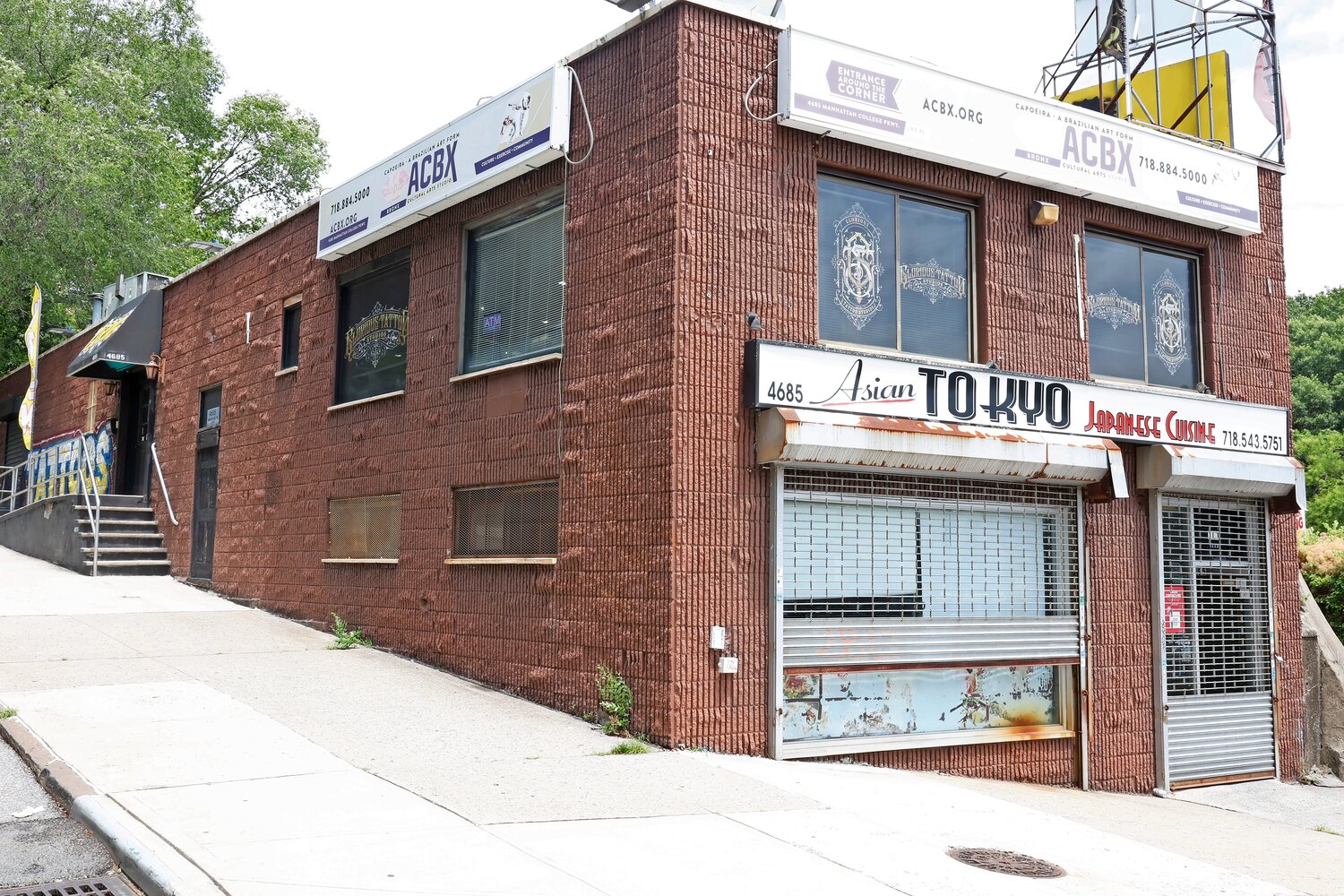
The Premium Bud LLC submitted an application for 4685 Manhattan College Parkway, formerly Asian Tokyo.

Riverdale residents split on cannabis dispensaries | The Riverdale Press


by Michelle Mullen

Along Johnson Avenue and West 235th Street — lined with nail salons, pharmacies and cafes — a new kind of storefront has entered the conversation, legal cannabis dispensaries.

While the state continues to greenlight licenses through its office of cannabis management, several retail dispensary premises license applicants have targeted Riverdale as a promising site. But despite increasing interest, those plans have stalled amid a wave of local resistance. 

Some residents are staunchly opposed to cannabis dispensaries. Others are fervently in favor. But many, perhaps the majority, feel indifferent. Still, at this year’s Community Board 8 meetings, those in attendance made one thing clear: The public pushback, regardless of size, has grown more intense.

Last year, CB8 approved two cannabis-dispensary applicants. But the tone shifted this spring. Residents flooded the board with written objections, citing concerns about quality of life, proximity to schools and churches, and the potential erosion of Riverdale’s family-friendly character.

“Every applicant I’ve seen did the necessary footwork and met their [office of cannabis management] obligations,” Edward Green, chair of CB8’s Public Safety Committee, said. “The difference from applications we passed previously was there was no community opposition [at that time].”

By the end of June, the committee received 31 written statements opposing the proposed dispensaries, which Green called an unprecedented response in his seven years on the community board.

Two proposed locations, 574 W 235th St. and 3524 Johnson Ave., were particularly hot topics.

Numerous letters came in opposing the applications, including one from the pastor at St. Gabriel Church. Residents raised alarms over both proposed dispensary’s proximity to schools and the house of worship, arguing it would normalize drug use and clash with neighborhood values.

Another proposal, from The Premium Bud LLC for a site at 4685 Manhattan College Parkway, met a similar fate. 

Manhattan University administrators and faculty were among the nine who submitted written opposition. Concerns again centered on school proximity, access for minors and a failure to reflect the wants of the community.

Just four letters supported the business. The application was denied.

New York legalized adult-use cannabis in 2021 under the Marijuana Regulation and Taxation Act. Hundreds of licenses have since been issued through the office of cannabis management, which also enforces rules around dispensary siting.

Applicants must first secure a compliant location, form a legal business and submit detailed plans via the state portal. Dispensaries must be at least 500 feet from schools, 200 feet from houses of worship and 1,000 feet from other cannabis retailers.

Marijuana advertisements, signage and product displays are prohibited from public view and security requirements are rigorous.

In a place like greater Riverdale, dense with schools and religious institutions, these siting rules dramatically narrow the options for cannabis dispensary placement. However, it’s still less saturated than other parts of the city.

“Manhattan is almost all occupied by dispensaries, and you cannot today find a location,” Ehud Cafri, co-owner of Central Budz and an applicant for 3524 Johnson Ave., said.

That reality has made Riverdale a complicated spot for cannabis entrepreneurs. But while state law grants final licensing power to the office of cannabis management, local boards still play a powerful advisory role, especially when community sentiment is shared.

The public’s reaction is a striking shift from 2023, when two dispensary applications — for Green Gallery on Johnson Ave., which never opened, and Frass Box in Kingsbridge — were approved with relatively little opposition. 

The latter has since gained a loyal following.

“We’ve brought life to the street, and the community, they love it,”  Frass Box co-owner Daphne Borowski said. “I think other business owners on the block have increased sales because of us.”

Borowski said Frass Box sees around 200 customers a day and recently expanded its hours to open earlier for the morning work crowd. 

She estimates her clientele ranges in age from 21 to 91, serving not just recreational users but also those with sleep disorders, pain and anxiety.

Despite Frass Box’s success, this year’s applicants weren’t so fortunate.

The Press spoke to passersby on the corner of West 235th Street and Johnson Ave., just steps from two proposed dispensaries. The responses didn’t quite match the opposition seen at CB8 meetings. Overall, there was a sense of indifference, even among those who weren’t cannabis consumers themselves. 

“As long as it’s legal and regulated, I’m okay with it,” Gretchen Mathewson, a 61-year-old medical provider and Riverdale resident of 34 years, said. “It would make it easier for my patients to get cannabis when they need it. For certain patients, it’s very useful.”

Dennis Mulligan, 68, a Spuyten Duyvil resident, shared a neutral view, comparing dispensaries to liquor stores. 

“Legal marijuana should be allowed the same way [liquor stores] are,” he said, “As long as it’s well-regulated.”

Others also expressed little interest altogether. 

“I guess my only complaint would be it takes the place of what could’ve been a restaurant,” said 48-year-old David Mackler, a 20-year Spuyten Duyvil resident.

Still, public forums, not sidewalk interviews, guide board recommendations. And this year, the message was consistent.

“There’s no doubt these are legitimate, regulated businesses,” CB8’s Green said. “But ultimately, our job is to reflect the community. And the community’s message this time around was loud and clear.”


Riverdale cannabis dispensaries,


cannabis dispensary opposition,


legal cannabis New York,


CB8 cannabis meetings,


cannabis storefronts Riverdale,


marijuana dispensary regulations,


cannabis proximity schools,


Riverdale community board,


New York cannabis licensing,


Frass Box dispensary


Source link

Cannabis Use Is Linked to Epigenetic Changes, Scientists Discover : ScienceAlert

Cannabis Use Is Linked to Epigenetic Changes, Scientists Discover : ScienceAlert


Cannabis use may leave lasting fingerprints on the human body, a study of over 1,000 adults suggests – not in our DNA code itself, but in how that code is expressed.

US researchers found it may cause changes in the epigenome, which acts like a set of switches that activate or deactivate genes involved in how our bodies function.

“We observed associations between cumulative marijuana use and multiple epigenetic markers across time,” explained epidemiologist Lifang Hou from Northwestern University when the research was published in 2023.

Cannabis is a commonly used substance in the US, with nearly half of Americans having tried it at least once, Hou and team report in their published paper.

Related: Cannabis Can Leave a Distinct Mark on Your DNA, Study Reveals

Some US states and other countries have made cannabis use legal, but we still don’t fully understand its effects on our health.

To investigate this, the researchers analyzed data from a long-running health study that had tracked around 1,000 adults over two decades.

Participants, who were between 18 and 30 years old when the study began, were surveyed about their cannabis use over the years and gave blood samples at the 15- and 20-year marks.

Using these blood samples from five years apart, Hou and her team looked at the epigenetic changes, specifically DNA methylation levels, of people who had used cannabis recently or for a long time.

The addition or removal of methyl groups from DNA is one of the most studied epigenetic modifications.

Diagram showing structure of our genetic molecules from chromosome to DNA including methylation
When epigenetic factors, which can come from other genes or the environment inside a cell or beyond, recruit a methyl group, it changes the expression of our genes. (ttsz/iStock/Getty Images)

Without changing the genomic sequence, DNA methylation affects how easily cells ‘read’ and interpret genes, much like someone covering up key lines in your set of instructions.

Environmental and lifestyle factors can trigger these methylation changes, which can be passed to future generations, and blood biomarkers can provide information about both recent and historical exposures.

“We previously identified associations between marijuana use and the aging process as captured through DNA methylation,” Hou said.

“We wanted to further explore whether specific epigenetic factors were associated with marijuana and whether these factors are related to health outcomes.”

A family of humans
Environmental and lifestyle factors can trigger methylation changes, which can be passed to future generations. (Monkey Business Images/Canva)

The comprehensive data on the participants’ cannabis use allowed the researchers to estimate cumulative use over time as well as recent use and compare it with DNA methylation markers in their blood for analysis.

They found numerous DNA methylation markers in the 15-year blood samples, 22 that were associated with recent use, and 31 associated with cumulative cannabis use.

In the samples taken at the 20-year point, they identified 132 markers linked to recent use and 16 linked to cumulative use.

Cannabis plant with its purple flowers
The buds of a cannabis plant contain the most cannabinoids. (Esteban López/Unsplash)

“Interestingly, we consistently identified one marker that has previously been associated with tobacco use,” Hou explained, “suggesting a potential shared epigenetic regulation between tobacco and marijuana use.”

Multiple epigenetic changes associated with cannabis use had previously been linked to things like cellular proliferation, hormone signaling, infections, neurological disorders like schizophrenia and bipolar disorder, and substance use disorders.

It’s important to note that this study doesn’t prove that cannabis directly causes these changes or causes health problems.

“This research has provided novel insights into the association between marijuana use and epigenetic factors,” said epidemiologist Drew Nannini from Northwestern University.

“Additional studies are needed to determine whether these associations are consistently observed in different populations. Moreover, studies examining the effect of marijuana on age-related health outcomes may provide further insight into the long-term effect of marijuana on health.”

The study has been published in Molecular Psychiatry.

An earlier version of this article was published in July 2023.


Source link

Hundreds Detained in Chaotic Immigration Raid on Ventura County Cannabis Farms

Hundreds Detained in Chaotic Immigration Raid on Ventura County Cannabis Farms


By Vanguard Staff

LOS ANGELES — The Council on American-Islamic Relations–Greater Los Angeles Area (CAIR-LA) strongly condemned a pair of large-scale federal immigration raids at two Ventura County cannabis farms on Thursday that resulted in a reported death of a farmworker, critical injuries to others, and the mass detention of about 200 people.

The July 10 raids, conducted by the U.S. Department of Homeland Security at Glass House Farms in Camarillo and another facility in Carpinteria, are being described as the largest single-day immigration enforcement action in California history. Witnesses reported chaotic scenes as armed federal agents, accompanied by National Guard personnel, descended on the farms.

One worker, 57-year-old Jaime Alanis, reportedly fell 30 feet from a greenhouse roof while trying to flee and later died from a brain injury. Multiple others were hospitalized, and at least 10 children, including eight unaccompanied minors, were found at the sites.

Hundreds of protesters gathered near the Camarillo location as the raids unfolded. The situation escalated when federal agents deployed tear gas, prompting paramedics to establish a triage area for the injured. Several demonstrators were arrested, including U.S. citizens, and there are unconfirmed reports that some individuals remain unaccounted for. At least one faculty activist, Dr. Jonathan A. Caravello, was reportedly detained, sparking outrage from the California Faculty Association.

In a statement, CAIR-LA Legal Director Amr Shabaik described the raids as “brazen, chaotic, violent and unconstitutional,” accusing federal authorities of using state violence to terrorize vulnerable immigrant communities.

“These militarized raids are not about justice,” Shabaik said. “They are about fear and control. We extend our deepest condolences to the family now mourning a preventable tragedy, and we demand full accountability for the harm ICE has caused.”

Glass House Farms said it cooperated with authorities under valid warrants and is providing legal support to affected workers. The company maintains that it complies with all employment and immigration laws.

CAIR-LA is working with partner organizations to offer legal assistance, Know Your Rights education, and support services to impacted individuals and their families. The group urges community members to remain vigilant, document abuses, and reach out for help if they or someone they know has been affected.

CAIR-LA is the largest Muslim civil rights and advocacy organization in Southern California. Its mission includes protecting civil liberties, promoting justice, and empowering American Muslims.

Categories:

Breaking News Everyday Injustice

Tags:


Source link

DEA Crushes Illegal Marijuana - But Still Blocks MMJ's Legal Cannabis Drug for Huntington's

DEA Crushes Illegal Marijuana – But Still Blocks MMJ’s Legal Cannabis Drug for Huntington’s


While busting cartels, DEA continues war on science and suffering patients. Duane Boise, CEO of MMJ International Holdings, expressed frustration over the contrasting approaches of federal agencies, stating, “While the FDA is facilitating medical innovation, the DEA’s hindrance not only blocks scientific progress but also contradicts directives aimed at revitalizing domestic manufacturing.” This situation starkly contrasts with the “Buy American” initiative endorsed by President Trump, which was intended to strengthen U.S. drug production capabilities and reduce dependence on foreign manufacturers.


WASHINGTON, DC / ACCESS Newswire / July 13, 2025 / In a historic move, the Drug Enforcement Administration (DEA), alongside California officials, seized over $123 million in illegal cannabis in California’s Central Valley. Touted as the largest cannabis eradication operation in state history, this multi-agency sweep destroyed 105,700 illegal plants and over 22,000 pounds of processed product-dealing a powerful blow to criminal diversion networks.

But while the DEA proudly parades its enforcement success, it continues to obstruct a very different kind of cannabis operation-one backed by the FDA, supported by Congress, and desperately needed by patients.

Why is the DEA targeting drug cartels, while simultaneously blocking science and medical progress?

The DEA Operation: A Win Against Illicit Growers

During the week of May 5, a coordinated task force involving the DEA, California National Guard, state and local law enforcement, and the Department of Fish and Wildlife executed dozens of warrants across Kern, Tulare, and Kings counties. Nine firearms were seized and multiple individuals arrested.

“This operation demonstrates the power of collaboration to dismantle criminal enterprises,” said California officials.

But one form of cannabis remains untouched: federally compliant, FDA authorized medical cannabis research.

DEA’s Double Standard: Criminal Cartels Get Raided-Pharmaceutical Innovation Gets Sabotaged

Despite this public victory, the DEA’s track record tells a darker story:

It targets illegal grows tainted with pesticides and mold
But blocks companies like MMJ BioPharma Cultivation, which holds:

  • FDA Investigational New Drug (IND) approvals

  • Orphan Drug Designation for Huntington’s Disease

  • A facility that passed DEA security inspections

Yet the agency continues to deny MMJ a bulk manufacturing license after nearly seven years of delay-citing retroactive “Catch-22” policies and hiding behind a broken administrative law system.


Source link

CA Cannabis Awards draws crowd to state fair amid higher taxes for industry

CA Cannabis Awards draws crowd to state fair amid higher taxes for industry


The awards comes amid a financial strain for the cannabis industry.

SACRAMENTO, Calif. — This weekend marked a major milestone for the cannabis industry at the California State Fair.

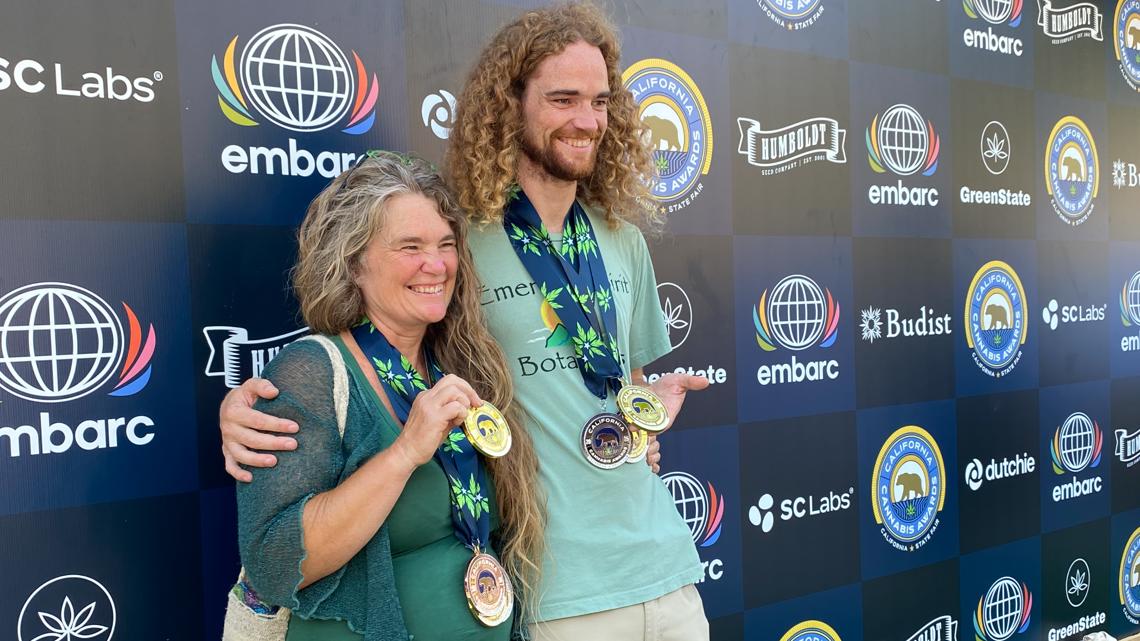
Thousands of fairgoers visited the cannabis exhibit for the California Cannabis Awards on Saturday. The event returned for it fourth year, and for the second time, it included on-site sales and consumption. 

Saturday’s event also marked a celebration of the best in California cannabis, as winners were announced in the Cannabis Awards.

“It means a culmination of all of our efforts throughout the first three years of manufacturing. Putting blood, sweat, and tears from our whole team here,” said Edwin Chu, who is the COO of the Migraine Network. 

Chu and his team took home at least two of the nine Championship Golden Bear Awards. More than 600 entries competed this year, a 20% increase from last year.

“I just want to remind everyone, you know, the plants are here to help us, and when we open our hearts and we listen, then there’s a lot of powerful healing medicine that they can gift us in this time,” said Joseph Haggard, who is one of the co-founders of Emerald Spirit Botanicals

Dustin Moore, co-founder of Embarc, said the Golden Bear is one of the most coveted agricultural awards handed out at the fair.

“In this moment in time, where the cannabis industry is struggling, this is incredibly meaningful to be awarded golden bears alongside wine, cheese, olive oil, craft beer,” Moore said. “This is a 171-year-old competition, and the fact that we’re able to be able to celebrate California’s largest agricultural crop by dollar value is a very important thing for this industry in this moment in time.”

But the celebration comes amid new financial strain. California’s excise tax on legal cannabis recently increased from 15% to 19%. The excise tax is applied before standard sales taxes.

“The 4-percent is huge. I think it affects the consumer, the consumers the most,” Chu said.

Moore said the increased tax burden could push more people into the unregulated market and hit small growers hardest.

“The small growers are hurt the most because at the end of the day, a 4% increase in tax only further pushes people into the unlicensed market, and the people that get hurt the most are the small mom and pop farms,” Moore said. 

One of those small farms includes Emerald Spirit Botanicals.

“We need to discover what that balance is and if any party takes too much, then the other groups suffer,” Haggard said. “We need to come at this together to support each other and meet each other’s needs, but not, you know, take too much from the other parties.”

Moore said the State Fair also presents an opportunity for lawmakers in attendance to better understand the role cannabis plays in the economy.

“With the jobs that it produces and the economic stimulation. Our hope is that they hear and see this and recognize that we are just an agricultural crop and need to be treated in the same way,” he said.

Moore also encourages people to support the legal cannabis industry by ordering award-winning products from goembarc.com for home delivery. 

WATCH MORE ON ABC10 | A look at the California State Fair | Day One


Source link