
Unbiased Updates, July 11, 2025

Unbiased Updates, July 11, 2025


[CRAIG NIGRELLI]

A SHOOTING… TEAR GAS.. AND KIDS CAUGHT IN THE MIDDLE.

ICE RAIDS AT A CALIFORNIA CANNABIS FARM.. AND NOW THE FEDS ARE OFFERING BIG MONEY TO FIND WHO FIRED ON AGENTS.

PLUS, PRESIDENT TRUMP TAKES AIM AT CANADA.

A BLUNT LETTER TO THE PRIME MINISTER.. ACCUSING OTTAWA OF SLAPPING BACK ON TARIFFS AND SLACKING *OFF* ON FENTANYL. 

AND TRUMP HEADS TO TEXAS.

NEARLY 200 STILL MISSING IN THE WAKE OF CATASTROPHIC FLOODING.. 

NOW ONE WEEK LATER.

L3: $50K REWARD AFTER MAN APPEARS TO FIRE GUN AT ICE AGENTS DURING RAID

THIS MORNING THE F-B-I IS OFFERING A 50-THOUSAND DOLLAR REWARD TO FIND WHO OPENED FIRE ON FEDERAL IMMIGRATION AGENTS DURING A TENSE CONFRONTATION NEAR LOS ANGELES.

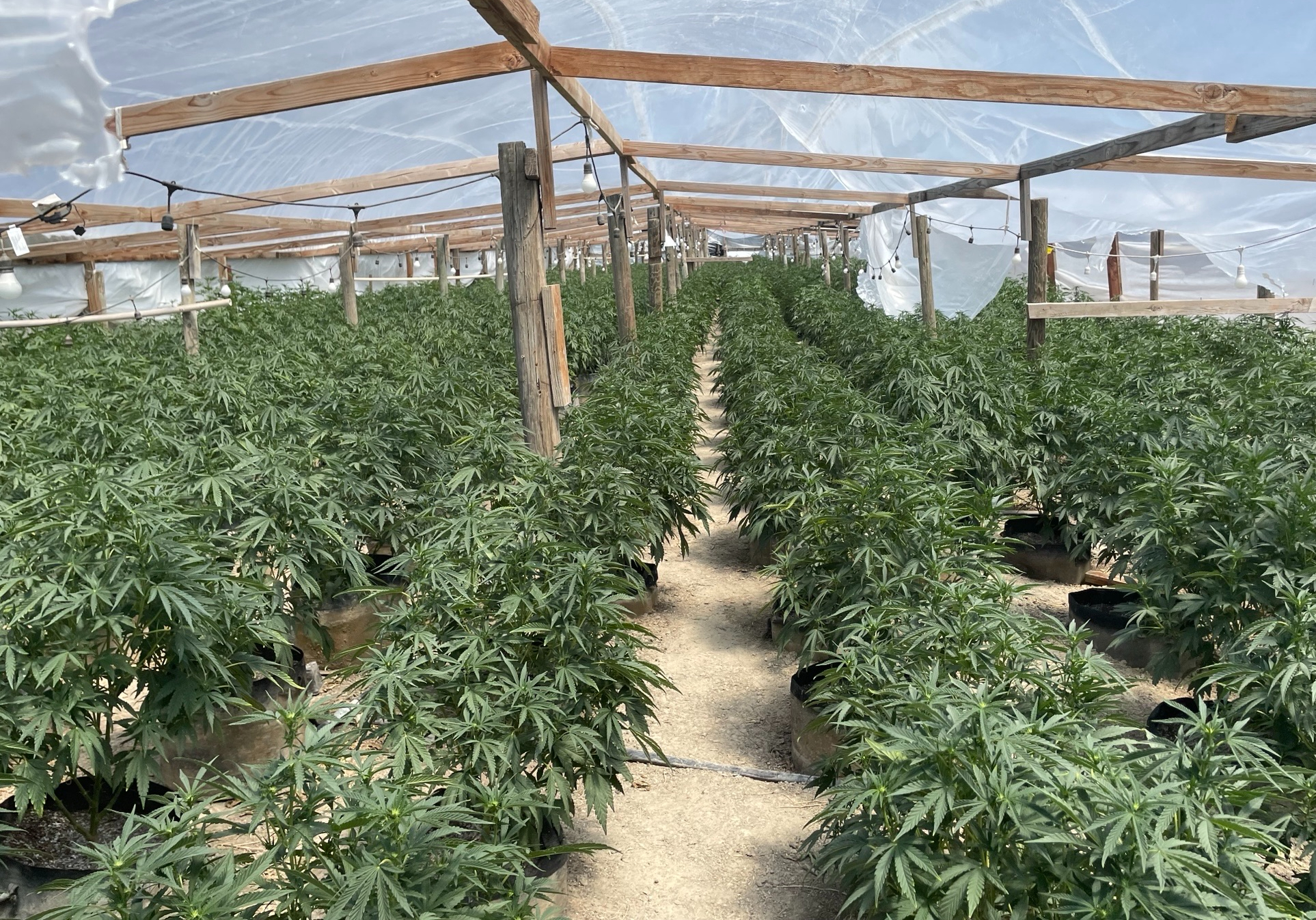
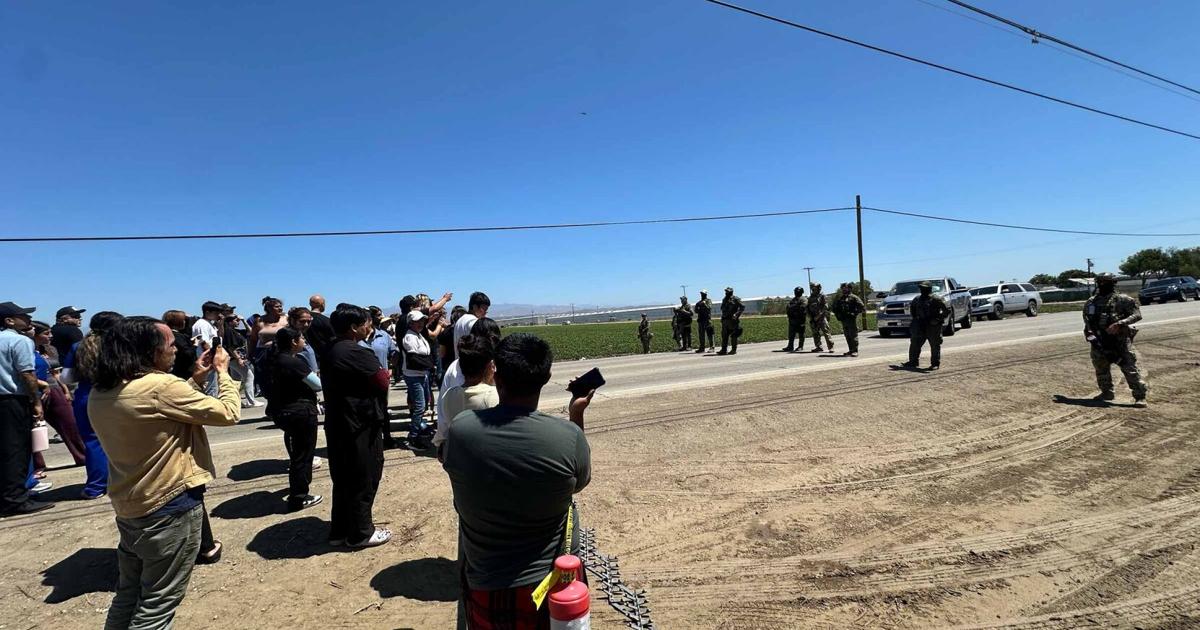
THE SHOOTING HAPPENED THURSDAY AT A GROWING PROTEST OUTSIDE A MARIJUANA FARM IN VENTURA COUNTY.

NO ONE WAS HIT, BUT IT MARKED A DANGEROUS ESCALATION IN WHAT QUICKLY TURNED INTO A CHAOTIC CLASH BETWEEN AGENTS AND DEMONSTRATORS.

CALIFORNIA GOVERNOR GAVIN NEWSOM POSTED VIDEO THAT APPEARED TO SHOW CHILDREN FLEEING TEAR GAS… CALLING THE FEDERAL RESPONSE OUTRAGEOUS. 

IN A SWIFT RESPONSE, CUSTOMS AND BORDER PROTECTION COMMISSIONER RODNEY SCOTT SAID 10 CHILDREN… ALL UNDOCUMENTED… WERE FOUND WORKING ON THE FARM, WHICH IS NOW UNDER INVESTIGATION POSSIBLE CHILD LABOR VIOLATIONS.

NEWSOM CRITICIZED THE USE OF CROWD CONTROL MEASURES SAYING QUOTE  “CALIFORNIA PROSECUTES CHILD EXPLOITERS AND TRAFFICKERS.

TRUMP TEAR-GASSES CHILDREN, RIPS THEM FROM THEIR PARENTS, AND DEPORTS FARMWORKERS.”

THIS WAS JUST ONE OF TWO LARGE-SCALE IMMIGRATION RAIDS IN THE REGION THURSDAY… THE OTHER IN CARPIN-TERR- EE-UH, JUST NORTH OF VENTURA.

L3 TRUMP THREATENS 35% TARIFF ON CANADIAN IMPORTS

PRESIDENT TRUMP IS ONCE AGAIN FLEXING HIS TARIFF POWER.

… THIS TIME TARGETING CANADA.

LATE LAST NIGHT, TRUMP POSTED A LETTER ADDRESSED TO CANADIAN PRIME MINISTER MARK CARNEY… THREATENING A 35% TARIFF ON IMPORTS STARTING AUGUST 1ST UNLESS A NEW DEAL IS REACHED.

HE ACCUSES CANADA OF RETALIATORY TARIFFS AND NOT DOING ENOUGH TO STOP FENTANYL FROM CROSSING THE BORDER… THOUGH U.S. DATA SHOWS CANADA PLAYS A  SMALL ROLE IN THE DRUG’S FLOW.  TRUMP SAYS CANADA HAS BEEN PARTICULARLY UNFAIR TO AMERICAN DAIRY FARMERS WITH LEVIES UP TO 400%.

IN A POST ON X, CANADA’S OPPOSITION LEADER CALLED THE MOVE UNJUSTIFIED

… PRIME MINISTER MARK CARNEY  SAYS THEY WILL KEEP NEGOTIATING FOR A FAIR DEAL…

CANADA IS AMERICA’S TOP EXPORT MARKET… AND THE TARIFF THREAT COMES AS TRUMP SIGNALS HIKES FOR OTHER U.S. TRADING PARTNERS, AS WELL .

… RAISING FEARS OF AN ECONOMIC RIPPLE EFFECT JUST WEEKS AHEAD OF THAT AUGUST DEADLINE WHEN THEY ARE SLATED TO GO INTO EFFECT.

L3: TRUMP TO VISIT TEXAS TODAY; MORE 170+ STILL MISSING 1 WEEK AFTER FLOODS

PRESIDENT DONALD TRUMP IS SET TO VISIT TEXAS TODAY — ONE WEEK AFTER CATASTROPHIC FLOODING SWEPT THROUGH THE STATE’S HILL COUNTRY… KILLING AT LEAST 120 PEOPLE.

SEARCH CREWS ARE STILL LOOKING FOR SURVIVORS, WITH MORE THAN 170 PEOPLE STILL MISSING — MOST IN KERR COUNTY, WHERE THE GUADALUPE RIVER ROSE NEARLY 30 FEET LAST FRIDAY.

CRITICISM IS GROWING OVER THE LACK OF WARNING. 

KERR COUNTRY DOESN’T HAVE AUDIBLE FLOOD ALARMS, UNLIKE OTHER HIGH-RISK AREAS… LEAVING RESIDENT WITH LITTLE TIME TO ESCAPE.

NOW, DEMOCRATIC FLORIDA CONGRESSMAN JARED MOSKOWITZ IS CALLING FOR A FEDERAL INVESTIGATION INTO HOMELAND SECURITY SECRETARY KRISTI NOEM AND FEMA’S RESPONSE.

IN A LETTER TO CONGRESSIONAL COMMITTEES, MOSKOWITZ WROTE:

“AS A FORMER EMERGENCY MANAGEMENT DIRECTOR OF FLORIDA, I AM ALARMED BY REPORTS THAT FEMA’S RESPONSE TO THE TEXAS FLOODS WAS DELAYED AND HAMPERED BY A NEW DEPARTMENT OF HOMELAND SECURITY ‘COST-CONTROL’ POLICY IMPOSED BY SECRETARY KRISTI NOEM.”

“IF ACCURATE — THIS REPRESENTS A MAJOR DEVIATION FROM LONG-STANDING FEMA PROTOCOL THAT MAY HAVE SLOWED DOWN LIFESAVING EFFORTS AND CONTRIBUTED TO THE TRAGEDY’S SEVERITY.”

IN AN INTERVIEW WITH FOX NEWS YESTERDAY — NOEM SAID ACCUSATIONS THAT SHE SLOWED THE PROCESS AREN’T TRUE.

“Our Coast Guard, our Border Patrol, BORTAC teams were there immediately. Every single thing they asked for, we were there. The governor and the emergency director, Nim Kidd, are fantastic and nobody there has said anything about that they didn’t get everything that they wanted immediately, or that they needed, and I’m proud of the work that we’ve done to support that.”

ALSO DRAWING CRITICISM — FEMA’S ACTING DIRECTOR DAVID RICHARDSON, WHO HAS YET TO VISIT TEXAS.

IT’S A SHARP BREAK FROM TRADITION — FEMA CHIEFS TYPICALLY MEET WITH STATE LEADERS AND SURVIVORS IN THE WAKE OF MAJOR DISASTERS AS A SHOW OF FEDERAL SUPPORT.

RICHARDSON OVERSEES THE NATION’S DISASTER RESPONSE — INCLUDING COORDINATING SEARCH AND RESCUE OPERATIONS AND DEPLOYING FEDERAL AID.

HIS ABSENCE IS NOW PART OF A GROWING BACKLASH.

L3 ISRAEL SAYS SOME OF IRAN’S NUCLEAR FUEL MAY HAVE SURVIVED STRIKE

ISRAEL NOW BELIEVES SOME OF IRAN’S MOST DANGEROUS NUCLEAR MATERIAL MIGHT HAVE SURVIVED LAST MONTH’S U.S. AIRSTRIKES

… BURIED, BUT POTENTIALLY RETRIEVABLE.

THAT’S ACCORDING TO A NEW YORK TIMES REPORT, CITING A TOP ISRAELI OFFICIAL

THE WHITE HOUSE IS DEFENDING THE STRIKES, TELLING FOX NEWS THEY QUOTE “TOTALLY OBLITERATED” IRAN’S NUCLEAR FACILITIES — ADDING THE WORLD IS SAFER THANKS TO DONALD TRUMP’S DECISIVE LEADERSHIP…

BUT U.S. DEFENSE OFFICIALS SAY THEY ARE STILL WAITING FOR DATA TO CONFIRM WHETHER AMERICA’S MASSIVE BUNKER-BUSTING BOMBS ACTUALLY REACHED THEIR TARGETS.

TRUMP HAS SAID THE STRIKES — PART OF OPERATION MIDNIGHT HAMMER — SET IRAN’S NUCLEAR AMBITIONS BACK BY YEARS.

BUT BOTH U.S. AND ISRAELI INTELLIGENCE NOW SUGGEST THAT WHILE THE DAMAGE WAS EXTENSIVE, SOME ENRICHED URANIUM MAY STILL BE INTACT.

L3 PRO-PALESTINIAN ACTIVIST MAHMOUD KHALIL SUING TRUMP ADMIN FOR $20M

A SYRIAN-BORN COLUMBIA GRAD STUDENT — WHO HELPED LEAD PRO-PALESTINIAN RALLIES ON CAMPUS — IS NOW SUING THE TRUMP ADMINISTRATION FOR $20 MILLION DOLLARS… AND DEMANDING AN APOLOGY. 

MAHMOUD KHALIL WAS ARRESTED BY FEDERAL AGENTS IN MARCH… SWEPT OFF THE STREET FOR WHAT AUTHORITIES CLAIMED WAS A LEADING ROLE IN ANTI-ISRAEL PROTESTS.

HE SAYS HE WAS JUST A SPOKESMAN… AND THAT HIS ARREST WAS UNLAWFUL.

FROM NEW YORK, HE WAS TAKEN TO AN IMMIGRATION JAIL IN LOUISIANA… FAR FROM HIS FAMILY.. WHERE HE CLAIMS HE WAS DENIED MEDICATION, FED NEARLY INEDIBLE FOOD, AND FORCED TO SLEEP UNDER BRIGHT LIGHTS.

KHALIL SPENT 104 DAYS IN CUSTODY BEFORE A JUDGE ORDERED HIS RELEASE… RULING THAT DEPORTING HIM OVER HIS POLITICAL BELIEFS WAS LIKELY UNCONSTITUTIONAL.

Mahmoud Khalil, Pro-Palestinian activist

“What they did to me is they tried something, it failed, but still the harm is already there. So unless they feel that there’s some sort of accountability for that, they will continue to go unchecked.”

THE TRUMP ADMINISTRATION IS STILL TRYING TO DEPORT KHALIL OVER WHAT IT CALLS GREEN CARD VIOLATIONS.

HE SAYS HE’S BEING TARGETED FOR HIS VIEWS… INCLUDING HIS BELIEF TAXPAYER DOLLARS SHOULDN’T FUND WHAT HE CALLS A GENOCIDE IN GAZA.

HOMELAND SECURITY CALLS HIS LAWSUIT “ABSURD,” ACCUSING KHALIL OF THREATENING JEWISH STUDENTS AND PROMOTING HATEFUL RHETORIC.

L3: DENVER MUSEUM MAKES DINOSAUR DISCOVERY BENEATH ITS OWN PARKING LOT

FINALLY THIS MORNING — A DINOSAUR DISCOVERY … RIGHT UNDER A DINOSAUR MUSEUM’S PARKING LOT:

“It looks like a piece of dinosaur bone and right above it is some coal from the plants that that critter might have munched on nearly 67 million years ago. How cool is that?”

THE DENVER MUSEUM OF NATURE & SCIENCE — FAMOUS FOR ITS FULL-SIZE DINOSAUR SKELETONS — STUMBLED ON A REAL FOSSIL WHILE DIGGING TO STUDY GEOTHERMAL ENERGY OPTIONS FOR THE BUILDING.

IT MAY NOT LOOK LIKE MUCH , BUT MUSEUM OFFICIALS SAY THE ODDS OF FINDING IT WERE SO ASTRONOMICAL — THE CURATOR OF GEOLOGY CALLED IT LIKE “WINNING THE LOTTERY AND GETTING STRUCK BY LIGHTNING ON THE SAME DAY.”

EXPERTS SAY IT’S LIKELY FROM A SMALL PLANT-EATING DINOSAUR, THOUGH IT’S IMPOSSIBLE TO TELL WHICH KIND.

BEFORE WE HEAD OUT, HERE’S WHAT WE’RE TRACKING TODAY:

AT NOON, THE SON OF DRUG KINGPIN EL CHAPO IS DUE IN A CHICAGO COURTROOM WHERE HE WILL PLEAD GUILTY TO MAJOR DRUG CHARGES.

AT 1, FIREFIGHTERS AND POLICE IN IDAHO WILL HONOR FALLEN FIRST RESPONDERS KILLED IN A DEADLY AMBUSH WHILE BATTLING A WILDFIRE ABOUT OF WEEKENDS AGO. 

ALSO AROUND 1, PRESIDENT TRUMP WILL ARRIVE IN TEXAS TO TOUR THE FLOODING DAMAGE AND AFTERMATH.

THEN AT 7, A VIGIL IS PLANNED IN MEMORY OF THE VICTIMS IN KERRVILLE.

WANT MORE UNBIASED UPDATES?

SIGN UP FOR OUR NEWSLETTER… JUST THE FACTS, NO FLUFF…

DELIVERED RIGHT TO YOUR INBOX EACH MORNING.

GO TO SAN DOT COM SLASH NEWSLETTERS.

THESE ARE YOUR UNBIASED UPDATES FOR THIS FRIDAY.

WE’LL SEE YOU BACK HERE MONDAY. 

FOR ALL OF US HERE AT STRAIGHT ARROW NEWS — I’M CRAIG NIGRELLI.

HAVE A GREAT WEEKEND.


Source link

CT Cannabis Producers Expect More Challenges Due To State Regulation

CT Cannabis Producers Expect More Challenges Due To State Regulation


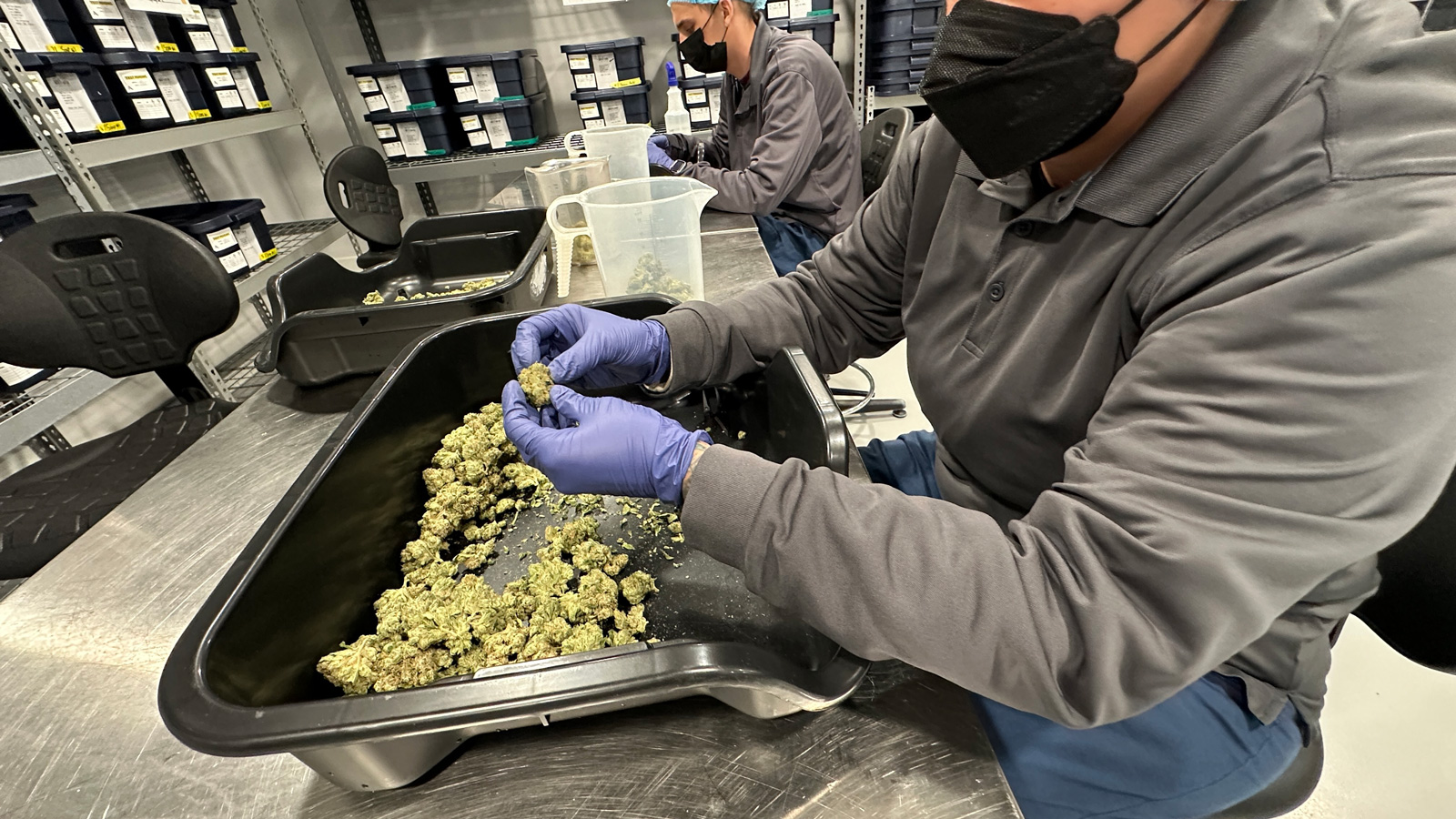
Cannabis flowers are checked for quality at Affinity Grow in Portland, CT in April 2024.
FILE PHOTO: Cannabis flowers are checked for quality at Affinity Grow in Portland, CT in April 2024. Credit: Brian Scott-Smith / CTNewsJunkie

It has been two and a half years since the state allowed adult-use cannabis to be legally sold, but while the industry is thriving in surrounding states, it is stagnating in Connecticut, experts say.

According to May sales figures from the Department of Consumer Protection (DCP) for both adult-use and medical marijuana in the state, adult-use sales totaled $18.7 million and medical sales $6.5 million.

The value of medical marijuana sales has been continually dropping, from a high of $12.5 million in March 2023, and adult-use sales have been limping along.

Since Connecticut began legal adult-use sales in January 2023, the state has collected just under $70 million in tax revenue from adult-use sales, while sales of medical marijuana are not taxed in the state.

Massachusetts started adult-use sales in 2017-18 and to date has collected $1 billion in tax revenue.

Furthermore, Connecticut saw its first major cannabis brand exit the state market in June, when New York-based Acreage Holdings sold off its three “Botanist” dispensaries to Connecticut-based BUDR.

While Acreage never gave a specific reason for leaving the Connecticut market, many experts and cannabis business owners say it was because of the challenges and overregulation facing their industry in the state, a view shared by Erin Gorman Kirk, Connecticut’s own Cannabis Ombudsman.

Rino Ferrarese, CEO of Affinity Grow, a micro-cultivator cannabis operation headquartered in Portland, CT, gave public testimony during the legislative session earlier this year on his concerns over proposed changes to cannabis sampling and testing.

Days after his testimony, his company received a surprise visit from agents from the DCP, which oversees the adult-use and medical-marijuana industries in the state.

The DCP commissioner eventually had to issue a public apology for what was described by many as a “retaliatory inspection” against Ferrarese after he spoke up.

Previously the industry was guided by the Responsible and Equitable Regulation of Adult-Use Cannabis Act (RERACA).

Ferrarese said in an interview that he and many other cannabis growers and producers entered the 2025 legislative session with optimism, but that faded by the end of the session.

“In the beginning of the session, I think the goal was to finalize the policy and procedure manual, which was basically the draft of the rules that would run the program,” he said.

“In that document, basically it gave DCP the authority to create regulations – I don’t want to say on the fly, because that’s not the right word – but basically they could revise the regulations as needed.”

But under the new bill, DCP can codify rules and regulations about the cannabis industry that would allow them to tweak and make changes as they see fit, without having to go back to the state legislature.

Ferrarese said this seemed like a smart thing to do initially, as nobody could have anticipated the kinds of details and issues that would come up way back in 2020, when the state was talking about the legalization of adult-use in the state.

He added, however, that there was also language in the “policies and procedures” part of the bill that didn’t make sense or was impractical, which ultimately led to it being “rejected without prejudice” by the legislature, leaving the door open for DCP to submit revised plans for consideration by the state’s Legislative Regulation Review Committee.

Ferrarese said he is disappointed that there are not more positive stories about the cannabis industry in the state but concedes that is a problem that has been created by the state regulator.

A cannabis grower and member of the UFCW.
FILE PHOTO: A cannabis grower and member of the UFCW. Credit: Contributed photo / UFCW Local 919

“DCP, they’re always looking for new ways to improve and they are open to suggestions and, you know, we’re in constant contact,” he stated.

“Bad things about the program: I think that we are extremely overregulated. We are far more regulated than alcohol, and cannabis is not toxic. And you can’t kill yourself with cannabis. Yet we see rules applied to the cannabis program that are not applied to alcohol. I’m not saying for anybody to go after the alcohol guys, but we just had Connecticut impose hours of operation on dispensaries. So now we are closed before everybody else.”

Starting July 1, 2025, Public Act 25-166 prohibits any retailer, hybrid retailer or micro-cultivator with a retail outlet from undertaking business on Sunday before 10 a.m. or after 6 p.m. and on weekdays and Saturdays before 8 a.m. or after 10 p.m.

Ferrarese pointed out that these hours affect medical marijuana patients as well as adult users, meaning buyers will just go elsewhere during those times.

“You’re going to just hop in your car and drive to Mass. I heard Rhode Island has this dispensary that’s open until 1 a.m.”

Mother Earth Wellness in Pawtucket, RI, which has a drive-thru, is one of the only dispensaries in New England that does indeed stay open until 1 a.m. on Thursdays, Fridays and Saturdays and is open until 11 p.m. on other days.

Even with the news that the state will allow increased THC limits for concentrates, from 60 to 70%, and cannabis flower, from 30 to 35% — which are aimed at stimulating more sales not just for medical patients, who prefer higher THC levels, but also for general adult-users — Ferrarese is cautious.

He said that cannabis flower that is over 29.99% THC by weight previously had to be registered as medical marijuana in the state, which is unique to Connecticut.

And with that came a different set of testing standards, known as “stability testing protocol,” not only during production but also 30 and 60 days after production, when the product is out for sale.

A growing room at Affinity Grow in Portland, CT in April 2024.
FILE PHOTO: A growing room at Affinity Grow in Portland, CT, in April 2024. Credit: Brian Scott-Smith / CTNewsJunkie

Ferrarese said this can cause problems, as cannabis plants are known to have up to a 20% variation in THC, even on the same bud. He explained: “So now imagine you have a medical marijuana flower in Connecticut. If you test it for potency, it comes back as 30% THC. Well, on day 30, you have to retest it, so it better come back plus or minus 10%. So it needs to be between 27 and 33% THC. If not, you have to initiate a product recall.”

And that, he said, can have disastrous effects on a business, as a recall can cost tens or even hundreds of thousands of dollars and result in the potential loss of customers and damage to a business’s brand, not because the product is necessarily unsafe but because it tested outside of DCP’s THC parameters.

Cannabis giant Curaleaf found itself in this situation earlier this year, when they had to recall a product because it failed the 60-day stability test, with yeast and mold levels falling outside the “acceptable range,” despite the fact that it passed the initial lab test before going to market.

Ferrarese said he and other cannabis businesses will therefore have to carefully consider the risks and potential liability of producing products with higher THC levels.

Regarding the new THC-infused beverages now permitted for sale in the state, Ferrarese says they are another nonstarter for businesses like his because the operational costs to compete in this sector are just too great.

“We’re kind of behind the ball because a lot of these companies, they’re basically the micro breweries.”

On the future of Connecticut’s cannabis industry, Ferrarese noted that “total monthly sales between the medical plus adult use were around 18 million per month in early 2024. But since then, growth has stagnated.” He stated that “basically, it’s been the same monthly sales and we’re just seeing more and more operators entering the space, but we’re not seeing sales growing. And cannabis is an expensive business to enter.”

Erin Gorman Kirk
Erin Gorman Kirk, Connecticut’s Cannabis Ombudsperson. Credit: Contributed photo

Another major cannabis player, Ayr Wellness, which has one dispensary in Manchester, is said to be considering leaving the Connecticut market, according to Ombudsman Kirk, because of the challenging business environment it faces here.

Ayr Wellness has repeatedly stated that it is “continuing to operate in Connecticut” but has not directly addressed whether it will stay or not, as the company continues to try to restructure debt totaling $620 million, according to the company’s financial report and balance sheet from December 2024.

Ferrarese says he is stubborn and wants to see the industry succeed here in Connecticut.

“The industry needs to come together and have a cohesive voice,” he said. “We’re kind of all sort of sharing the same objective, and that is to grow the best program in the country and to maintain and sustain it, and to sort of invest in it the things that are going to make us differentiate ourselves. And until that time, we’re just going to keep seeing more of the same.”


Source link

California Seizes $476 Million in Illegal Cannabis

California Seizes $476 Million in Illegal Cannabis


The operation, described as UCETF’s largest to date, involved support from multiple state agencies

The state confiscated $476 million worth of unlicensed cannabis products between April and June 2025, according to an announcement from Governor Gavin Newsom’s office. 

The effort, led by the Governor’s Unified Cannabis Enforcement Task Force (UCETF) in collaboration with the Department of Cannabis Control (DCC) and the Department of Fish and Wildlife (CDFW), targeted 185,873 pounds of illicit material.

The operation, described as UCETF’s largest to date, involved support from multiple state agencies, including the California Department of Tax and Fee Administration, Department of Corrections and Rehabilitation, Department of Parks and Recreation, Department of Pesticide Regulation, Employment Development Department, and Department of Forestry and Fire Protection. Over the three-month period, authorities eradicated 413,302 illegal cannabis plants, served 214 warrants, seized 77 firearms, and made 93 arrests.

DCC Director Nicole Elliott said the task force is taking an aggressive stance to dismantle unlicensed operations. “We will remain laser-focused on shutting them down permanently,” she stated. CDFW Law Enforcement Division Chief Nathaniel Arnold added that the success relied on strategic operations and statewide partnerships.

Newsom highlighted the seizures as evidence of the state’s commitment to supporting the legal cannabis market and protecting consumers.


Source link

Booming in some Maine towns, weed shops struggle to reach new markets

Booming in some Maine towns, weed shops struggle to reach new markets


With eight cannabis facilities lining its Main Street, there’s no denying the marijuana industry has grown Presque Isle’s business sector. Now, the city’s first adult-use store wants to enlarge its own footprint. 

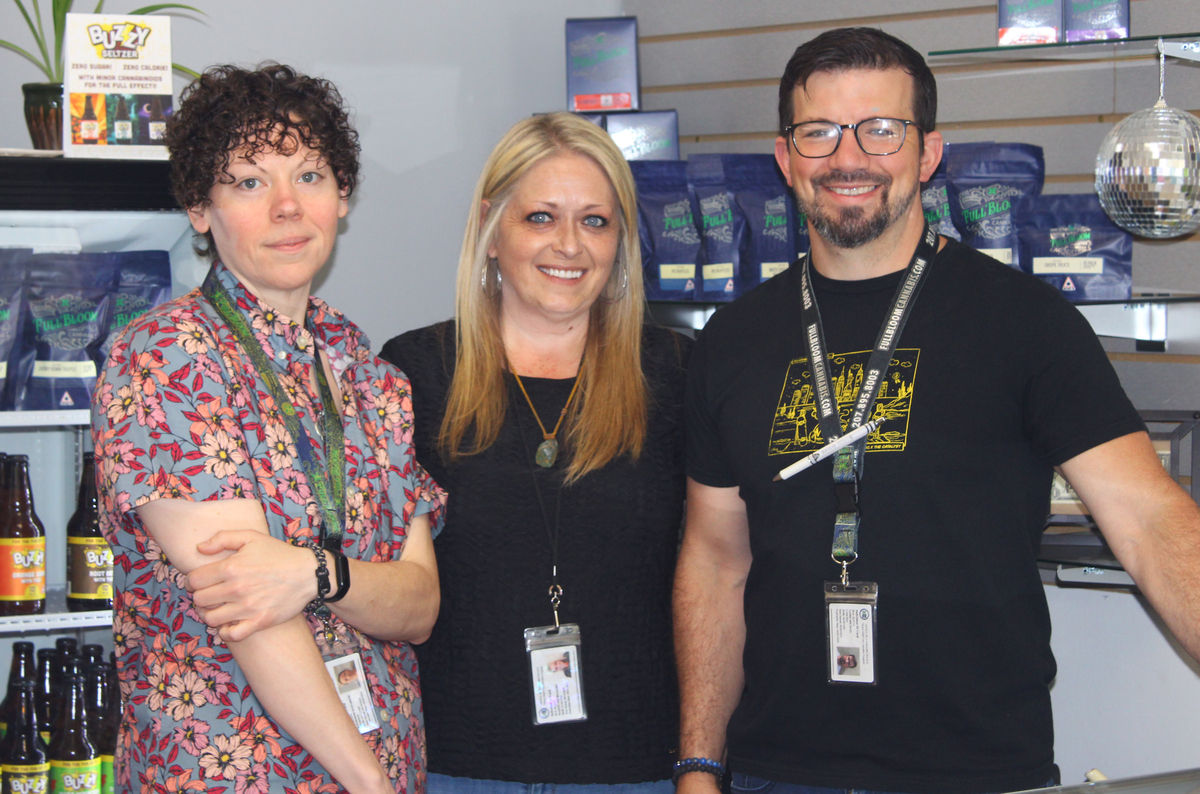
Full Bloom Cannabis, which launched in 2017 in Grand Isle, recently introduced a second chief executive officer and expanded its Presque Isle site. The company is now pursuing new markets, with the goal of adding two southern Aroostook stores within a year.

But some town rules — or lack thereof — are challenging that aim.

Cannabis may be a huge economic driver, but it isn’t easy to branch out, as Full Bloom is finding out. Acceptance is one roadblock: only about a quarter of Maine’s municipalities have opted in to recreational cannabis. Geography is another. In Aroostook County and other rural areas, towns are spread out and often far from city centers, so seeking approval takes time. But year by year, the industry is growing in Maine.

That’s why Full Bloom’s new CEO, Jimmy Coscina, is hitting the road to meet local officials and crack the code to open new markets.

“In the cannabis space, it’s a challenge to get to a new location,” Coscina said. “Every town has different rules, which we are more than willing to follow. So we’re going to one town council at a time and saying ‘Hey, we’re here.’”

In the nine years since Maine legalized recreational cannabis, statewide sales have skyrocketed from $4 million in 2020 to nearly $222 million last year. Combined with last year’s $234 million in medical marijuana sales, the pot industry smoked out even the state’s top food crop — potatoes — which brought in $288.3 million last year. 

Adult-use retail sales for the first half of 2025 were $117.4 million, up from $115 million in the same period last year. 

Since 2021, sales tax from medical and recreational cannabis has contributed $69 million in total to Maine’s economy. The first quarter of 2025 saw $5.7 million in sales tax revenue — the highest first quarter ever for all cannabis sales, state tax records indicate.

But much of Maine has been reluctant to adopt cannabis. That has included Hancock County, for instance, where many communities still haven’t approved adult-use weed, but Ellsworth narrowly approved it in November by a vote of 2,291 to 1,874. Other communities, such as Caribou and Houlton, allow medical dispensaries but not recreational stores.

Of Maine’s nearly 500 cities and towns, 126 allow retail adult-use cannabis, according to the state Office of Cannabis Policy. The office’s most recent data indicates that, statewide, there are 239 stores, 114 adult-use cultivation facilities and 99 manufacturers.

Presque Isle first approved recreational pot stores five years ago. Between adult use and medical, the city now has more marijuana businesses than any other Aroostook County community. Not one of them has closed, despite onetime fears the city couldn’t sustain them all.

Full Bloom, which started as a medical marijuana operation and manufacturer, was Aroostook’s first player in the recreational market. Owner Steve Rusnack started an adult-use store in Grand Isle in 2021 and soon opened Presque Isle’s first retail shop

Raquel Beaulieu, manager of Full Bloom Cannabis in Presque Isle, adds sticks of incense to a display at the company’s new Main Street store. The business also features work by local artists, including, at far right, wood sculpture by Scotty Gagnon. Credit: Paula Brewer / The County

Coscina had a small part in the business when it started out, working with Rusnack, William Jacobs, Anthony Sorentino, Steve Yudkin and Kelsey Clapp. Within the past year, he came back to The County from Connecticut to manage sales, he said. 

“We saw a lot of opportunity in the recreational space, and as I took more responsibility we ended up separating the two businesses, medical and recreational,” Coscina said.

He is now CEO of the recreational side, while Rusnick heads the medical portion. Full Bloom’s manufacturing plant in Grand Isle serves both entities.

Presque Isle’s store was once located in a vintage Main Street building that formerly housed Marston’s Hallmark, a coffee shop and a cafe. The business recently moved up the street into a larger space, where it displays more products as well as local artwork.

Manager Raquel Beaulieu said the store has never been busier. The move generated an uptick in customers, which she attributed to increased visibility.

“People sitting at the traffic light often look in, because we’re near the light,” she said. “This section, from State Street to Academy Street, is kind of the heart of Presque Isle. It’s nice to be a part of that.”

Customers have been receptive to the new location, appreciating how bright the store is, Beaulieu said. 

And at a time when inflation and fears of tariffs are affecting many industries, Full Bloom has been able to lower prices and remain competitive because its manufacturing facility is local, she said. 

One manufacturer she deals with has had to raise prices because of tariffs. But while tariffs have hiked costs of some packaging and materials for Full Bloom, so far there have been minimal effects, Beaulieu said.

The company continues to market its edibles statewide, at cannabis stores from The County to Portland, Coscina said. Gummies and so-called “artisan edibles” — caramels, chocolate, baked treats — are their biggest wholesale products. 

But there’s a new item making waves: THC salves for pain relief. It’s a line the company already plans to expand, he said.

From a business perspective, recreational marijuana faces a barrier that medical cannabis doesn’t — more stringent state-mandated testing, he said. Products must constantly be assessed for microbes, bacteria, mold and other impurities, and to ensure they have the correct potency. 

Still, whether it’s new products or new storefronts, Coscina is committed to growth.

“The cannabis [industry] is always changing, because it’s still very, very new,” he said. “As new items, new manufacturers and new stores open up, you have to adapt. I find it super exciting.”


Source link

From cemeteries to cannabis, Yuba Grand Jury weighs in | Local News

From cemeteries to cannabis, Yuba Grand Jury weighs in | Local News


The Yuba County Grand Jury released its 2024-2025 report, commenting on a range of local systems, including cemetery management, mental health programs, Marysville marijuana revenue, and the county’s largest school district.


Source link

Study Finds Inaccurate THC Labels on Colorado Cannabis

Study Finds Inaccurate THC Labels on Colorado Cannabis


Colorado Cannabis Labels May Not Tell the Whole Truth

Something isn’t right with the marijuana in Colorado. Nothing crazy per se, but the labels might not be telling the full truth. According to a new study, the majority of cannabis flower products sold in Colorado are not labeled correctly.

Denver 7 released the study done by the University of Colorado Boulder, stating that nearly half of the marijuana flower that is sold in Colorado contains inaccurate labeling.

Flower Products Found to Be Most Inaccurately Labeled

Out of 277 products tested, 178 were flower and 99 were smokeable concentrates.

K99 logo

The study, funded by the Institute of Cannabis Research and conducted in collaboration with MedPharm Research, LLC, a licensed testing facility, manufacturer, and retailer, shows that product labels on marijuana flower, in particular, were frequently inaccurate beyond a 15 percent deviation.

What the Study Means for Cannabis Consumers

What does this mean? Approximately 44 percent of the flower products tested failed to meet the standard, and 54 products were shown to be inflating their THC content. On the opposite side of the spectrum, 23 products were shown to have more THC content than was stated on the label.

READ MORE: Colorado Pin Code Warning Has Residents Concerned

The 99 smokable marijuana concentrates showed the most accuracy in the study. Only four of these products were labeled inaccurately. Pictures of the products were taken, and the data was then sent to CU Boulder. Data was merged with the analysis and the product labels to check the accuracy of the product and the label.

READ MORE: 3 of Colorado’s Most Shocking Scandals

Since the University of Colorado Boulder is federally funded, researchers were not able to handle or purchase the cannabis testing specimens, so they collaborated with MedPharm. This made it possible for MedPharm to purchase cannabis flower and concentrate from all over the state of Colorado and perform the tests.

Try These Colorado-Grown Fruits and Vegetables This Summer

Summer means lots of tasty fruits and vegetables that are grown right here in Colorado. These are some of the most famous that you can find later in the summer and into the fall.

Gallery Credit: Matt Sparx

25 Essentials Coloradans Keep With Them At All Times

You’re definitely a Coloradan if you have at least 10 of these items with you right now.

Gallery Credit: Tanner Chambers


Source link

camarillo farm: ICE raids California cannabis farm: Workers detained, protesters clash with federal agents

camarillo farm: ICE raids California cannabis farm: Workers detained, protesters clash with federal agents


Immigration officers (ICE) went to a big cannabis grow farm in Southern California on Thursday afternoon. The raid happened at the Green House cultivation center, a huge indoor facility — about 5.5 million square feet — south of Camarillo, as per the reports.

A crowd of protesters showed up quickly and tried to block the roads to stop the raid. The protesters and federal agents clashed for several hours. Federal officers used gas canisters and flash bangs to push back the crowd that tried to get near the farm, according to the report by NBC News.

ALSO READ: Julie Chen Moonves goes missing in Big Brother 27 premiere: Mysterious twist shocks houseguests

Workers taken and equipment removed

Farm equipment was seen being towed away using trucks. Around 12 to 15 workers were reportedly detained, according to Ventura County Supervisor Vianey Lopez. Raquel Sanchez, a volunteer with an anti-deportation group, said people inside the farm were terrified, as per the reports.

More raids in nearby areas

ABC News reported that at least one person was pinned to the ground by federal agents during the protest. Federal agents wore masks and used crowd control irritants on the protesters. Another immigration raid happened in Carpinteria, a small town north of Ventura County, the same day.

Carpinteria’s City Council held a special meeting to talk about the recent increase in ICE raids in the area. Earlier this week, two other raids were already reported in that town. This is a developing story, and more updates are expected soon, as per the reports.
ALSO READ: Justin Bieber teases new album ‘Swag’ with billboard ads and tracklist reveal on Instagram

FAQs

Q1. Why did ICE raid a cannabis farm in California?
ICE raided the farm as part of an immigration enforcement operation and detained several workers, according to reports.
Q2. What happened during the ICE raid in Camarillo?
Protesters clashed with federal agents who used gas and flash bangs, and 12–15 workers were reportedly detained.


Source link

Interview with Carrie Cuttler, PhD

Interview with Carrie Cuttler, PhD


In our Higher Education: Research Initiatives That Deepen Our Understanding of Cannabis supplement, Cannabis Science and Technology interviewed Carrie Cuttler, PhD, Co-Director of the Center for Cannabis Policy Research and Outreach (CCPRO) at Washington State University.

In this video clip, Dr. Cuttler shares the goals and projects of the CCPRO, as well as the impacts of the cannabis research seminar series.

Check out our interactive supplement to read the full expert interviews, including an interview with Reginald Gaudino, PhD, Director of the Cannabis Research Institute, Discovery Partners Institute.

Transcription

Erin McEvoy: Hello everyone, and thank you for joining us. We’re here today with Carrie Cutler, the co-director of the Center for Cannabis Policy Research and Outreach at Washington State University. She is also an associate professor with the Department of Psychology, and thank you so much for joining us today, Carrie, we’re excited to hear more.

Carrie Cuttler: Thanks for having me.

McEvoy: Could you tell us more about the Center for Cannabis Policy Research and Outreach at WSU in terms of the four themes, various goals, and some of the research projects currently being conducted?

Cuttler: Yes, thank you. So the CCPRO was established by Washington State University to support cannabis research at our institution, so we really provide practical support, guidance, as well as grants to investigators at WSU to support cannabis research. Our center receives funds through Initiative 502. Basically, we get a small percentage of the excise tax dollars from the sales of legal cannabis in our state, and we distribute those funds through various grant competitions, including a faculty seed grant competition, we have a graduate student summer research grant competition, and we also provide some financial support to students to share their research at cannabis conferences. So as you indicated, there are four themes. These are health and well-being, public policy and safety, agricultural research and economics, just to broadly support all the various research activities that are happening surrounding cannabis.

So with respect to health and well-being, WSU faculty conduct translational science as well as basic science related to the impact of cannabis on health. This ranges from animal studies on the impact of cannabis on brain development, impact of THC and CBD on pain, impacts of cannabis on mental health and stress, and even prevention of problematic cannabis use.

With respect to public policy and safety, we have researchers doing research on roadside detection, workplace safety, and cannabis use impacts of decriminalization on crime and the justice system.

With respect to agricultural research, we have faculty who are doing ag research on industrial hemp that’s grown for CBD textiles, food, fiber in compliance with state and federal law, as well as looking at strong crop production and pest management practices.

And then with respect to economics, we have faculty conducting research on issues related to the cannabis industry: taxation, banking, economic impacts, cannabis, workplace issues, and so forth.

McEvoy: Wow, that’s a huge variety of topics, and covers a lot there, but all very significant.

Cuttler: We have a lot of cannabis researchers at WSU, in part because cannabis is legal in our state, and so it really it falls on us, especially as a land grant institution, to make sure that we are on top of the science of cannabis.

McEvoy: So what does the cannabis research seminar series entail?

Cuttler: This is one seminar series. It’s sponsored through the CCPRO. It’s a monthly seminar series that we sponsor, and it’s a graduate student named Jeremy Boutin and who really runs the seminar series and helps to get speakers to give monthly seminars on cannabis research at WSU. It’s usually grad students and faculty who are doing the research, they present their findings to other people at WSU who are interested in learning more about the cannabis science that’s happening. So it’s just an outlet for some of our findings and a way for us to get together, chat, network, and potentially find collaborations within the system as well.

McEvoy: Nice. Those are super important as well. Collaborations, especially in this industry, are crucial.

Cuttler: Yes, absolutely.


Source link

Protestors clash with federal officials in Camarillo at cannabis greenhouse facility | Government

Protestors clash with federal officials in Camarillo at cannabis greenhouse facility | Government


Source link

How cannabis brands capitalize on concentrate culture — Greenway Magazine

How cannabis brands capitalize on concentrate culture — Greenway Magazine


710 has emerged as one of the most commercially significant dates of the year in cannabis.

What began as a grassroots celebration of cannabis concentrates has evolved into a sophisticated marketing opportunity for operators at every level of the supply chain. For retailers, manufacturers, and wholesalers alike, July 10 represents a chance to activate new campaigns, build customer loyalty, and position their businesses around high-value, high-engagement categories.

While 710 was born out of concentrate culture, its impact has grown to benefit cannabis businesses in multiple ways.

It serves as a marketing milestone, a sales driver, and a brand awareness accelerator. Operators have come to recognize that, like 420, 710 provides a predictable annual window to engage consumers, move inventory, and generate excitement through strategic promotions and activations.

Rather than being confined to concentrate sales alone, 710 is increasingly treated as a thematic opportunity.

The holiday allows businesses to align messaging, product development, and retail execution around a central concept: oil. For vertically integrated brands, this means coordinating packaging, digital outreach, in-store displays, and staff training to focus on oil-related education and experiences. For retailers, 710 provides a framework for storytelling that extends beyond individual SKUs and into brand positioning.

Planning for 710 now often begins months in advance, with operators assessing how the holiday fits into broader campaign cycles, sales forecasts, and product release schedules. In many cases, the holiday functions as a soft midpoint for Q3, offering teams an internal deadline to finalize creative materials, launch new offerings, or realign priorities ahead of fall. The internal impact of 710 is often overlooked, but for many marketing and sales departments, the holiday has become an organizing principle that influences staffing, budget allocation, and cross-functional planning.

Beyond its value as a cultural or promotional event, 710 has become a strategic tool to introduce new products and drive interest in premium categories. Retailers often use the holiday to encourage consumer trial through bundling, discounts, or targeted education.


These targeted campaigns allow consumers to engage with premium products at a lower barrier to entry, helping retailers grow basket sizes while building loyalty. In-store education and staff-led activations provide context around extraction methods, form factors, and intended effects, making it easier for consumers to understand the value behind top-shelf options. In many cases, brands pair these offerings with accessories or merchandise, enhancing perceived value and positioning the holiday as more than just a transaction. It becomes an experience.

In particular, infused pre-rolls have gained traction as an accessible entry point into the concentrate space, offering a familiar format with elevated effects. According to data reported in 2024, infused pre-rolls now account for nearly half of all pre-roll sales nationally, with units sold doubling from 58.5 million to 110.6 million between April 2022 and April 2024.

For operators still building consumer trust and product literacy, or aiming to help potential consumers understand what differentiates their product, 710 serves as a platform for interactive education. Staff-led sessions, in-store signage, and digital campaigns often focus on explaining extraction methods, product types, and safe use practices. This educational approach reinforces the professionalism of the licensed market and creates a more informed, confident customer base.

For brands, 710 marks a defined placement for many to release limited runs of high-end SKUs such as solventless rosin or rare terpene blends to position themselves as innovators and prompt trade-up behavior from existing customers. And fom a business development standpoint, 710 also opens the door for new partnerships.

Retailers collaborate with manufacturers to co-brand limited runs or organize joint promotions. These collaborations not only drive traffic, they also provide data on consumer response to premium SKUs, helping inform future product development and wholesale buying decisions. For some retailers, 710 serves as a benchmark to evaluate category performance and adjust shelf strategy heading into the second half of the year.

As competition intensifies across categories, brands are increasingly differentiated by their ability to tell compelling stories and deliver consistent value. Participating in 710 is not just about driving sales. It is about signaling a commitment to innovation, quality, and consumer engagement. For brands built around extraction or vape technologies, owning the 710 conversation has become an essential component of long-term strategy.

In an industry often defined by volatility, cannabis operators benefit from moments that offer both consistency and upside. 710 delivers both. It is a predictable, repeatable opportunity to connect with consumers, test new offerings, and grow revenue. For operators willing to invest in thoughtful execution, it is more than a date on the calendar. It is a business asset.


Source link