New York Opens The Door For Consumer Convenient THC Drinks

New York Opens The Door For Consumer Convenient THC Drinks


New York Opens The Door For Consumer Convenient THC Drinks

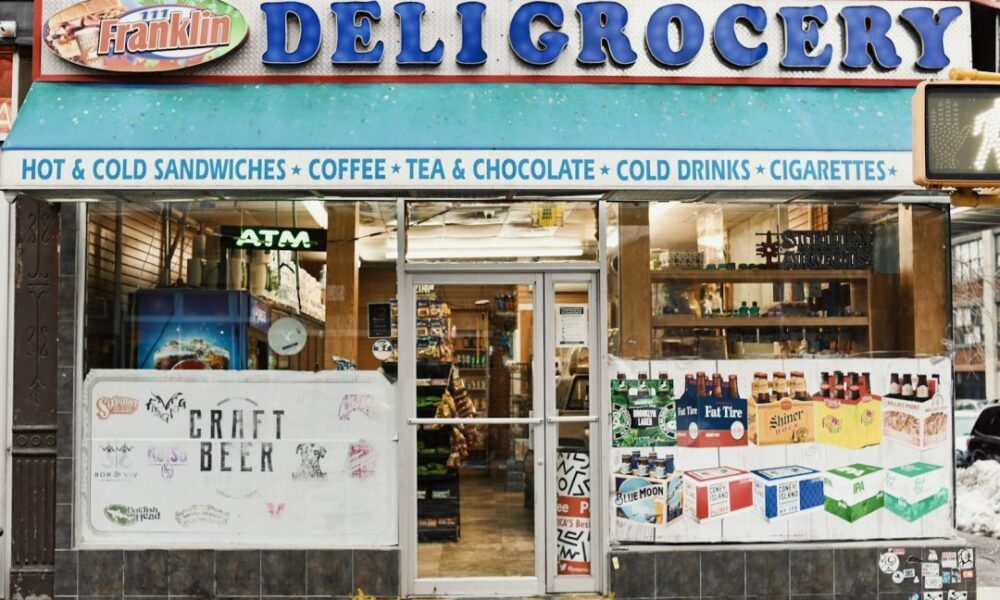
TO the surprise of many, New York opens the door for consumer convenient THC drinks. The Empire State is taking another step in the evolution of its legal cannabis market by opening the door to regulated THC-infused beverages. After a rocky rollout of licensed dispensaries frustrating businesses and consumers alike, state leaders are signaling a more pragmatic, consumer-focused approach designed to improve access while maintaining safeguards.

When New York legalized adult-use cannabis in 2021, the state promised an equity-driven marketplace prioritizing justice-involved entrepreneurs and communities disproportionately impacted by prohibition. While widely praised in principle, the rollout proved to be a logistical and legal tangle. Lawsuits over licensing criteria, delays in opening retail locations, and the proliferation of unlicensed shops created confusion for consumers and undercut the regulated market.

At one point, illegal storefronts vastly outnumbered licensed dispensaries, selling untested products without age verification or quality controls. Regulators were forced to pivot, launching enforcement crackdowns and streamlining licensing to stabilize the market. Over the past year, New York has made measurable progress, with more licensed stores opening and enforcement actions reducing the visibility of illicit operators.

To Read The Rest Of This Article On The Fresh Toast, Click Here

The post New York Opens The Door For Consumer Convenient THC Drinks appeared first on Marijuana Retail Report – News and Information for Cannabis Retailers.

Source link

Pineapple Nougat Strain Feminized Seeds

Pineapple Nougat Strain Feminized Seeds

Pineapple Nougat Strain Feminized Seeds

Description

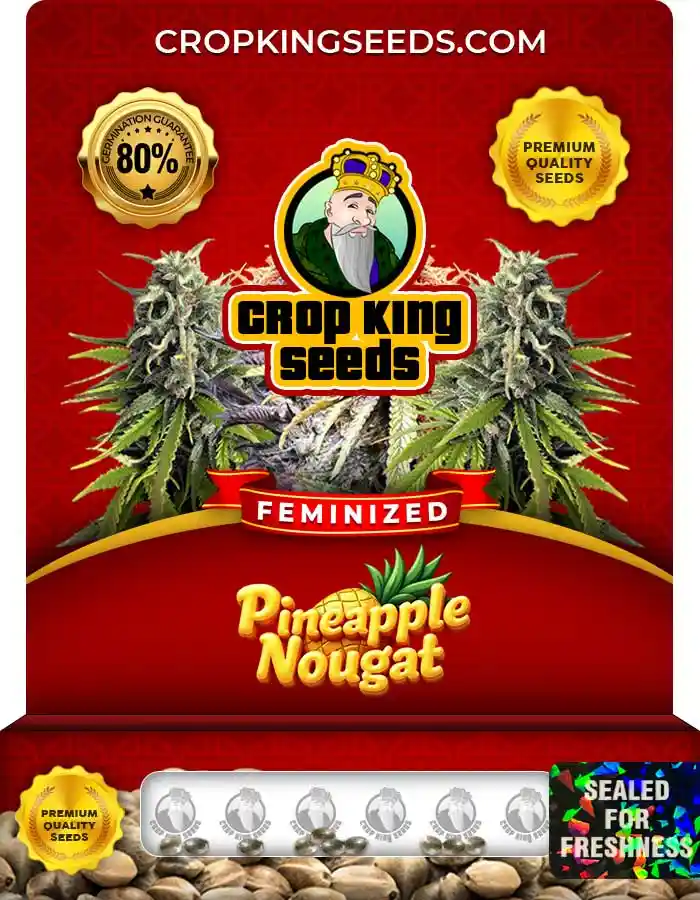
Pineapple Nougat looks exactly like you would expect from its high-end genetics. The buds are typically dense and chunky, often showing off the deep hues and bright orange hairs passed down from its GDP parentage. Every flower is coated in a thick, sticky layer of resin, making it feel as sweet and resinous as the name suggests. When it comes to the scent, it is an absolute treat for the senses. You are greeted with an intense aroma of fresh pineapple and tropical citrus, followed by a grounding earthy undertone. It smells like a mix of fruity candy and rich, creamy nougat, making it a favorite for anyone who loves a tasty smoke.

The effects of this strain start with a happy, lighthearted wave of euphoria. Many users report feeling a sense of mental calm and a case of the giggles, which can be great for light creative projects or unwinding with friends. However, the physical side of this 70/30 indica hybrid eventually takes over. A warm, tingling sensation spreads through the body, easing muscle tension and providing deep relaxation. While it keeps your mind in a blissful state, the heavy body high makes it most suitable for evening use when you are ready to sink into the couch and eventually drift off to sleep.

The post Pineapple Nougat Strain Feminized Seeds appeared first on Crop King Seeds.

Source link

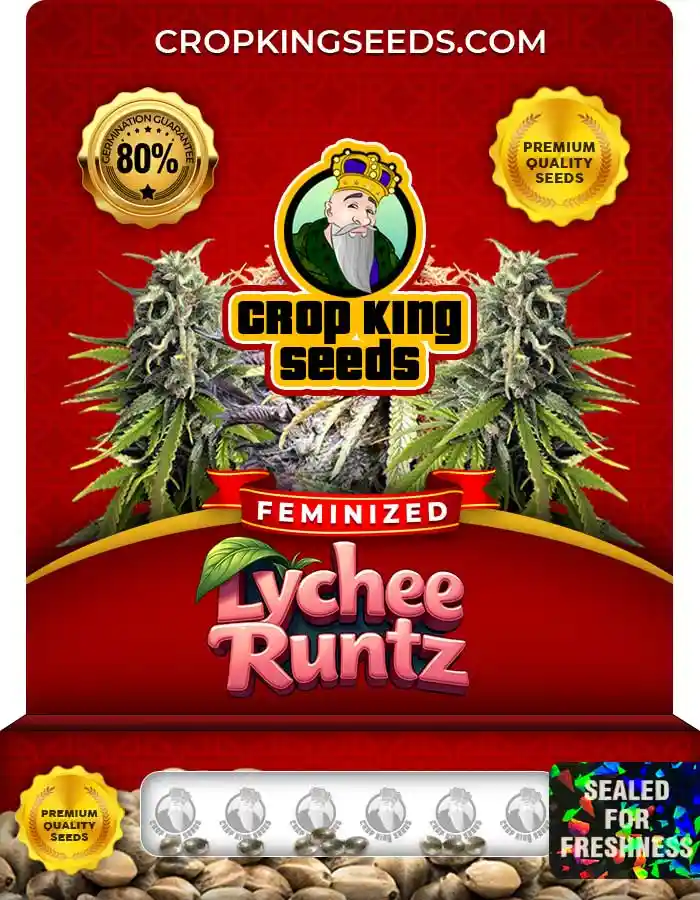
Lychee Runtz Strain Feminized Seeds

Lychee Runtz Strain Feminized Seeds

Lychee Runtz Strain Feminized Seeds

Description

Lychee Runtz buds are total eye candy, usually growing dense and caked in a thick layer of sticky resin that shows just how strong they are. From its Wedding Cake side, the flowers inherit the heavy, frosted look that commercial growers and hobbyists both love. The scent is where the Durban Poison influence really hits. You will notice a pungent, piney, and chemical kick right away, which is quickly balanced by sweet, berry-like undertones. It is a bold, layered profile that starts spicy and finishes with a smooth, fruity sweetness.

The effects of Lychee Runtz offer a balanced experience that works for almost any time of day. It kicks off with a head rush that sharpens focus and sparks a wave of creativity, making it a great choice for social settings or artistic projects. As the high settles, a soothing body sensation takes over, easing muscle tension without leaving you stuck on the couch. This mix of mental energy and physical calm makes it a favorite for those who need to manage stress or fatigue while staying productive.

The post Lychee Runtz Strain Feminized Seeds appeared first on Crop King Seeds.

Source link

How Authority Signals Drive SEO and AI in Cannabis Marketing

How Authority Signals Drive SEO and AI in Cannabis Marketing

How Authority Signals Drive SEO and AI in Cannabis Marketing

Discovery Is No Longer About Ranking.
It’s About Selection.

Modern discovery systems no longer function as neutral ranking engines. Increasingly, search platforms and AI-driven systems act as selection mechanisms, determining which sources are safest to reference, most credible to summarize, and least likely to introduce risk. In regulated industries such as cannabis, this selection pressure is significantly higher.

Discovery Has Shifted From Ranking to Source Selection

Search visibility has moved beyond link position and keyword alignment. AI-generated answers, featured summaries, and contextual recommendations collapse multiple signals into a short list of approved sources. This behavior is well established in other trust-sensitive categories.

In health and wellness, platforms routinely reference organizations such as Mayo Clinic and Cleveland Clinic. These institutions are selected not because they publish aggressively, but because their authority has been reinforced over time through peer recognition, editorial citation, and institutional trust.

In news and policy contexts, publications such as The New York Times and Reuters are disproportionately surfaced in AI summaries and search features because their editorial standards reduce credibility risk. The same discovery logic applies to cannabis marketing, even if the category itself is newer.

Authority Signals Carry More Weight in Regulated Categories

Regulated industries introduce asymmetric risk for discovery platforms. When legality, health, or compliance are involved, the cost of surfacing unreliable information increases sharply. As a result, authority signals are weighted more heavily.

In enterprise strategy and governance discussions, firms such as McKinsey & Company and Deloitte frequently are cited by AI systems because their insights are consistently validated through third-party coverage, institutional adoption, and long-term relevance.

These organizations are not selected because they advertise. They are selected because their authority reduces interpretive and reputational risk for the platform. Cannabis operates under similar constraints. Discovery systems default toward sources that demonstrate subject-matter expertise, contextual understanding, and editorial discipline.

Third-Party Authority Versus Self-Published Credibility

Senior marketing teams already understand the importance of owned media. Brand-controlled content ecosystems are essential for narrative consistency, conversion, and audience engagement. However, discovery systems do not treat self-published credibility and third-party authority as equivalent.

Consider B2B technology. Platforms such as Salesforce maintain extensive owned content libraries. Yet when AI systems summarize trends in CRM, automation, or customer data strategy, they often draw from third-party analysis published by trusted industry outlets or research firms.

Context matters as much as content. When a brand appears within a respected editorial environment, it benefits from validation that owned channels cannot replicate on their own. Discovery systems evaluate not just the message, but the credibility of the surrounding environment.

How Authority Compounds Across SEO and AI Discovery

Authority signals do not operate independently. They reinforce one another over time. Editorial placement within trusted platforms strengthens brand-category association, improving semantic relevance and increasing the likelihood of inclusion in AI-generated summaries and search features. Each inclusion reinforces subsequent selection, creating visibility that persists beyond individual campaigns. For senior marketing leaders, the implications are strategic:

  • Authority becomes a durable asset rather than a short-term tactic.
  • Discovery improves even during periods of reduced spend.
  • AI citation likelihood increases through contextual reinforcement.
  • Long-term visibility lowers marginal acquisition costs.

This is why authority-driven strategies often deliver disproportionate returns over time, even when they appear less immediately measurable.

Strategic Implications for Cannabis Marketing Leadership

As discovery systems continue to evolve, authority signals increasingly determine which brands are surfaced, cited, and trusted. For cannabis brands, this means:

  • Placement decisions shape future discoverability.
  • Editorial context influences AI selection behavior.
  • Visibility strategies must extend beyond campaign cycles.
  • Authority should be managed deliberately, not incidentally.

Brands that understand how authority signals function can design marketing strategies that remain resilient as platforms, algorithms, and regulations continue to change. If building durable visibility and long-term credibility is a priority, authority is no longer a supporting consideration. It is a foundational component of modern cannabis marketing.

Learn more
about how mg Magazine is helping leading brands turn visibility into long-term value.

Source link

The Arbitrary Legal Threshold of 0.3% Delta-9 THC - Why It's Time to Stop Pretending Hemp and Marijuana are Different

The Arbitrary Legal Threshold of 0.3% Delta-9 THC – Why It's Time to Stop Pretending Hemp and Marijuana are Different

The Arbitrary Legal Threshold of 0.3% Delta-9 THC – Why It's Time to Stop Pretending Hemp and Marijuana are Different

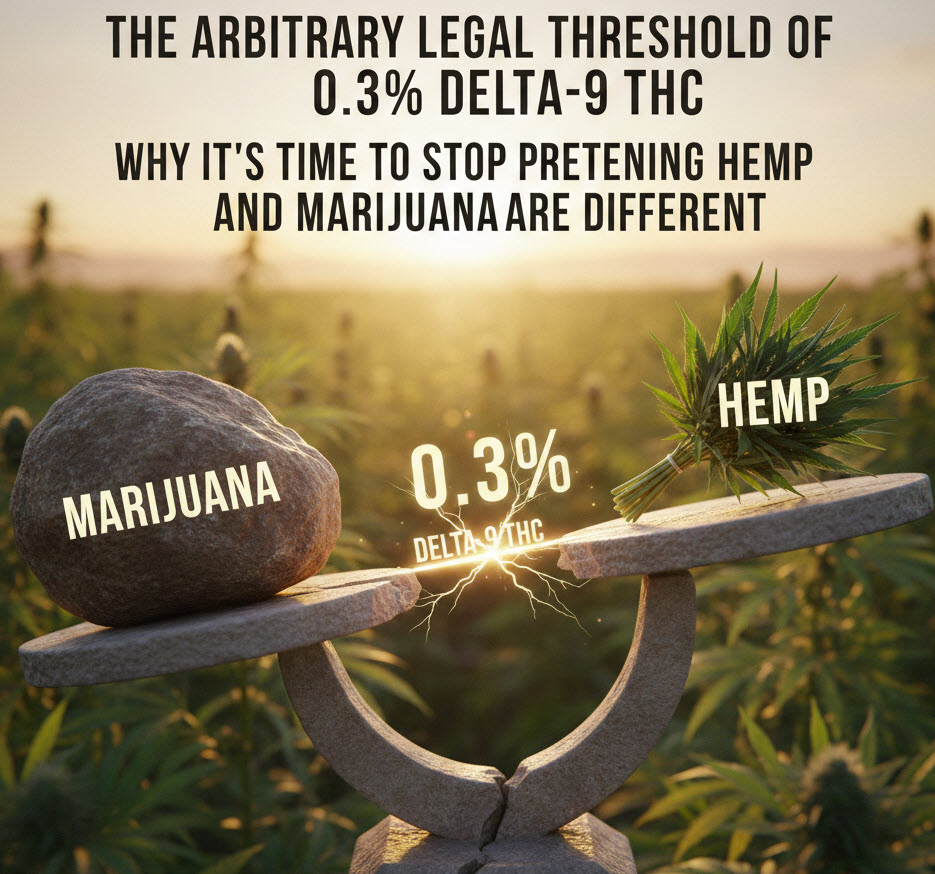
Hemp and marijuana are the same plant. Scientifically, legally, botanically—it’s all Cannabis sativa L. The only difference is an arbitrary legal threshold of 0.3% delta-9 THC content. Below that line? Legal hemp. Above it? Schedule I controlled substance, sitting right next to heroin.

Source link