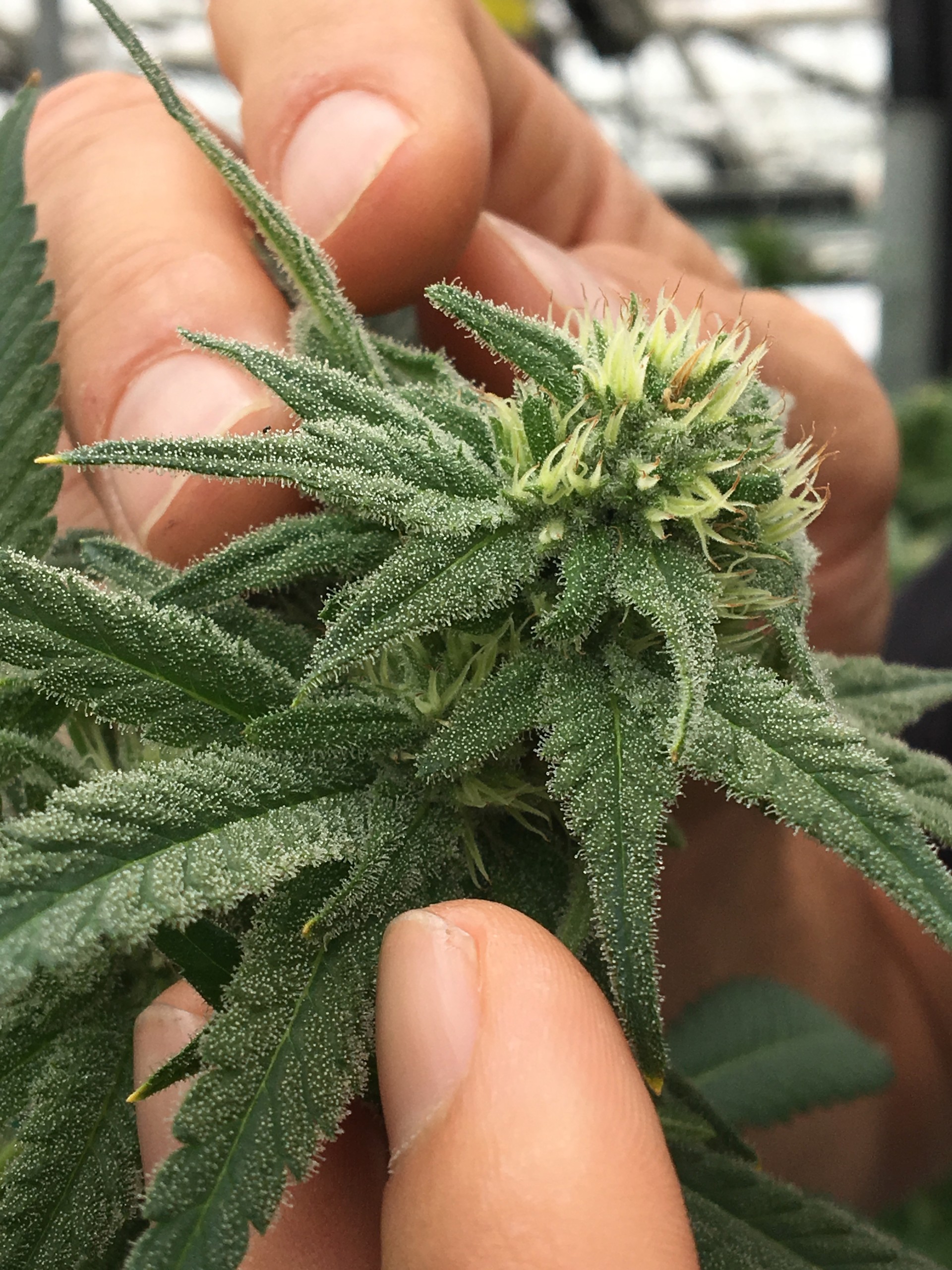
Thunder Yuzu Venom Strain Feminized Seeds

Thunder Yuzu Venom Strain Feminized Seeds


Thunder Yuzu Venom Strain Feminized Seeds

Description

Thunder Yuzu Venom nugs display their elite lineage by producing dense, chunky, and incredibly sticky. They are typically a vibrant forest green, often showing off subtle purple hues and a thick, frosty coating of white trichomes. The aroma is where this strain really earns its name. It hits you with a sharp, crisp yuzu citrus scent that is both fruity and sour. This bright top note is perfectly balanced by a deep, woody base and a hint of earthy diesel that lingers in the air, making it an absolute treat for those who love pungent, room-filling scents.

The experience begins with a swift wave of euphoria and cerebral stimulation that lifts your mood and sharpens your senses. You might feel a burst of creative energy or a desire to chat with friends. However, as the high settles, the heavy Northern Lights genetics begin to take hold. A warm, soothing sensation spreads through your limbs, melting away stress and tension. It eventually settles into deep relaxation, perfect for late-night use, leaving you happy, calm, and ready for sleep.

The post Thunder Yuzu Venom Strain Feminized Seeds appeared first on Crop King Seeds.

Source link

Cannacurio #94: Cultivation 2024 Q1 Leaderboard

Cannacurio #94: Cultivation 2024 Q1 Leaderboard | Cannabiz Media

Cannacurio #94: Cultivation 2024 Q1 Leaderboard | Cannabiz Media

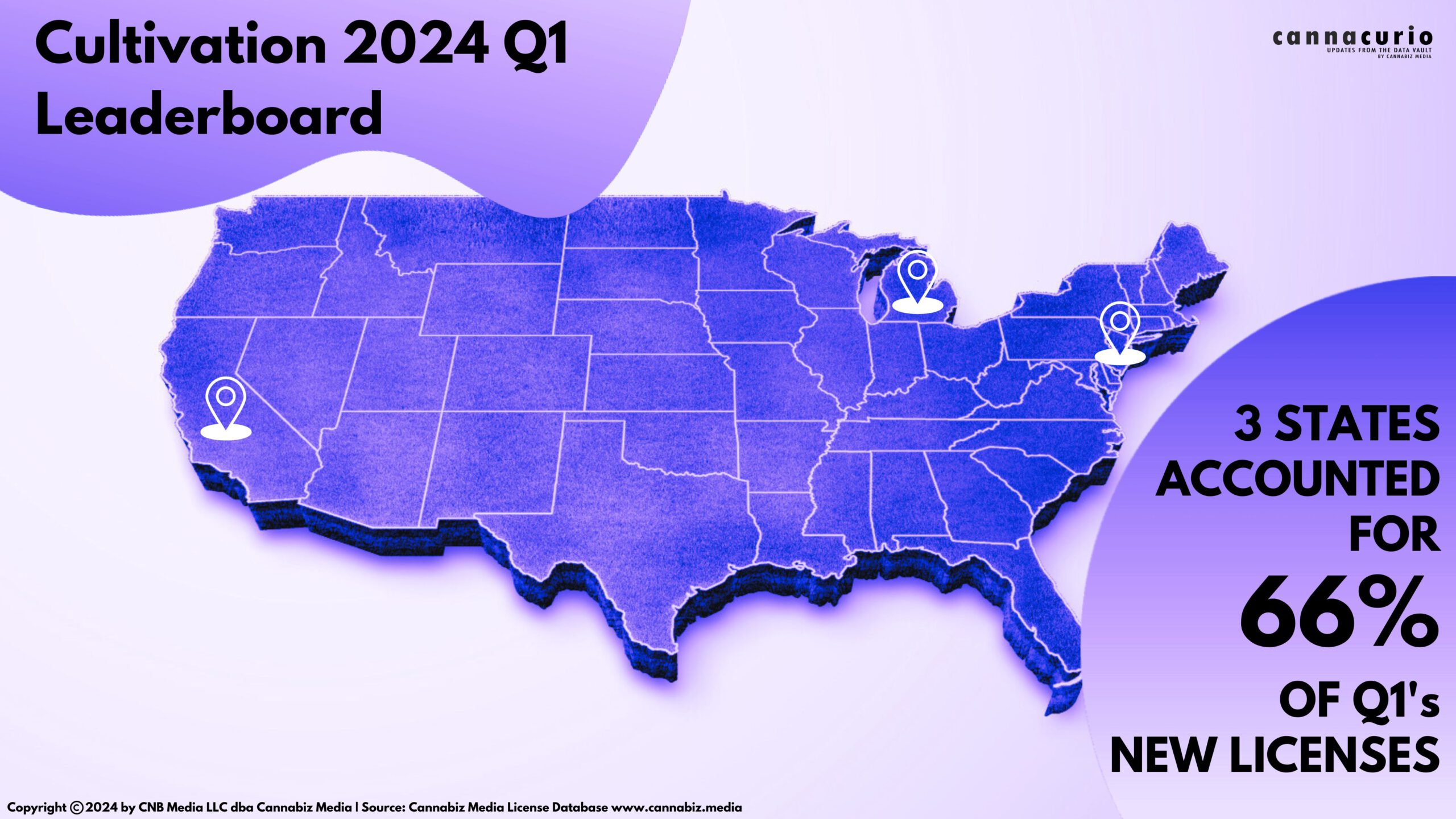
Following up on our recent review of dispensaries and retailers, we now delve into the Q1 2024 cultivation licenses. These “census” snapshots derived from our Cannabiz Business Intelligence platform show where new licenses are being created. As a result of moratoriums and market pressures, the rate of adding new cultivation licenses is down in most jurisdictions. © CNB Media LLC dba Cannabiz Media

Source link

22Red Relaunches Next-Gen Live Resin Vape in Arizona

22Red Relaunches Next-Gen Live Resin Vape in Arizona

22Red Relaunches Next-Gen Live Resin Vape in Arizona

22Red
Cannabis brand 22Redfounded by Shavo Odadjian from the band System Of A Downjust introduced an upgraded all-in-one live resin vape built around new low-temperature heating technology designed to preserve terpene flavor and potency while delivering consistently smooth draws.

The device heats fast at ultra-low temps with even heat distribution, avoiding the harsh burn or oxidation that can come with standard hardware. It includes 1G live resin, high-potency, solvent-free extraction, and oil sourced from indoor-grown flower, all focused on delivering strong flavor and a cleaner experience.

The vape’s standout features:

– Illuminated oil tank so users can clearly track remaining oil

– Digital display showing battery life, temperature, and oil level in real time

– Two customizable power modes for tailored heat and draw preference

– Stand-up charging design that keeps oil positioned over the heating element for consistent performance

Find 22Red at these Arizona dispensaries.

Vape

The post 22Red Relaunches Next-Gen Live Resin Vape in Arizona appeared first on AZ Marijuana.

Source link

Rhode Island Marijuana Regulators Weigh How To Award New Dispensary Licenses

Rhode Island Marijuana Regulators Weigh How To Award New Dispensary Licenses

Rhode Island Marijuana Regulators Weigh How To Award New Dispensary Licenses

“It’s unfair to everyone that’s invested time, money and attention to this process. We ask there not be any delay.”

By Christopher Shea, Rhode Island Currant

State cannabis regulators have yet to decide how they will handle the awarding of up to 20 cannabis retail licenses to applicants chosen by lottery as early as May.

The state had planned to award 24 licenses but reduced the number based on the distribution of applicants among the state’s six geographic zones. A total of 98 applications were submitted by the Rhode Island Cannabis Control Commission’s December 29, 2025, deadline. One has since withdrawn, Rhode Island Cannabis Administrator Michelle Reddish told the commission at its monthly meeting Friday.

A second applicant withdrew following the meeting, Cannabis Control Commission spokesperson Charon Rose confirmed Tuesday.

Commission staff are still vetting the qualifications of applicants before they are put into the final lottery that will award their retail licenses. A breakdown of the applicants available on the commission’s website shows over half—56—sought general retail licenses. Another 19 were worker cooperatives while the remaining 23 were for social equity applicants, or those adversely affected by the war on drugs.

The state’s regulations adopted last year set a maximum of four retailers per zone, with at least one license designated for a social equity applicant, and one for a worker-owned cooperative.

Nearly a third of all retail license applications—31—were in Zone 6, which includes Pawtucket, East Providence, along with all of Bristol and Newport counties.

Zone 1, which covers Burrillville, Cumberland, Glocester, North Smithfield, and Smithfield, only saw two applications—both for social equity licenses. The applicants who withdrew are Dying with Laughter, which applied in Zone 5, and Green Dolphin, which applied in Zone 4.

During the commission’s meeting Friday, the panel raised the possibility of staggering the release of licenses.

“A lot of stakeholders have raised the issue that if all of the potential licenses come online at the same time, it could result in the price of the product dropping so precipitously that no one would profit by it,” said Commissioner Robert Jacquard.

Kevin Rouleau, chief operating officer for the Portsmouth-based Newport Cannabis Company, warned that a quick saturation of the state’s small market could lead to a “race to the bottom” as more established businesses like his try to outlast the new competition.

“This is going to hurt everyone, especially cultivators who will end up getting pennies on the dollar for their products,” Rouleau said.

Cultivators who attended the meeting didn’t feel that way.

“We’re totally fine moving forward with retail stores and are not worried about that outcome,” Nicholas Lacroix, a representative of the Rhode Island Growers Association, told the commission during the public comment period.

Still, Reddish worried that quick expansion could lead to problems that have happened in other states.

Michigan’s cannabis revenue declined in 2025 even as total sales reached record highs, driven down by falling prices. Oregon’s market has faced mounting pressure from large harvests and low wholesale prices. In Massachusetts, retailers describe a “race to the bottom” that has eliminated numerous businesses from its marketplace.

“Based on these examples, it is necessary to discuss whether the commission should position itself to take proactive steps to support a stable and successful cannabis industry, prepare to respond in real time to market changes, and exercise the ability to adjust course if necessary,” she said.

But attorney Allan Fung, the former Cranston Mayor and former GOP congressional and gubernatorial candidate, appearing on behalf of several prospective applicants, said the market should ultimately be the entity that dictates price and competition.

“It’s unfair to everyone that’s invested time, money and attention to this process,” Fung told commissioners. “We ask there not be any delay.”

It’s already been a slow road for the state to establish its recreational cannabis market. Over a year passed before the three-member commission was impaneled June 2023. The commission needed to hire staff to draft proposals and conduct a review of rules adopted in other states. Rules governing Rhode Island’s retail cannabis were finally adopted in May 2025. Chairperson Kim Ahern stepped down last October to run for attorney general, and Gov. Dan McKee (D) has yet to nominate a successor.

In the meantime, the state’s eight medical dispensaries have been allowed to sell recreational cannabis under hybrid licenses.

“The only people who stand to benefit from slow-rolling these dispensaries are the current dispensaries who have a monopoly on the cannabis market,” Spencer Blier, CEO and founder of cultivator Mammoth Inc. in Warwick, told the commission.

Because of how few applications were submitted for Zone 1, Reddish revealed during the commission’s January 16 meeting that regulators would only issue a maximum of 20 licenses across the state.

“Depending on how the application process concludes, this number may decrease,” Reddish said Friday.

Beginning January 1, the state’s Cannabis Office had 90 days to review applications and confirm they met eligibility requirements before entering them into a lottery, according to the timeline approved at the commission’s October 20 meeting.

Applicants still must obtain local approvals needed to qualify for the random drawing. Regulators had aimed to begin issuing licenses as early as May, though the regulations don’t specify how many would be awarded at one time.

No vote was taken by commissioners Friday. The panel tabled a decision on how many licenses to award at once to a future meeting.

The commission’s next scheduled meeting is 1 p.m. Friday, March 20.

This story was first published by Rhode Island Currant.

The post Rhode Island Marijuana Regulators Weigh How To Award New Dispensary Licenses appeared first on Marijuana Moment.

Source link

In Praise of Slowness: Weed as a Countercultural Tool Against Hustle Culture

In Praise of Slowness: Weed as a Countercultural Tool Against Hustle Culture

In Praise of Slowness: Weed as a Countercultural Tool Against Hustle Culture

Time seems to go by so fast. In reality, it moves no faster—or slower—than ever, but there’s a very specific feeling, distinctive of these times: we are so immersed in routine and the constant repetition of activities that we end up operating on autopilot. Days seem to “fly by” because, by automatically repeating actions, our brain saves energy, compresses our experiences, and reduces the capacity to pay attention to other details.

Modern life fosters a contemporary malaise: overstimulation, multitasking, multiple screens at once, and an accelerated pace that diminishes the capacity for mindfulness. Looking back, bam!, “the years condense into just a few highlights, while the everyday hours vanish into oblivion,” notes Rocío Zorzon, a physician specializing in therapeutic cannabis and phytomedicine, with a poetic touch.

Thus, memory, in its eagerness to synthesize, “gives us back an abridged version of lived time, reinforcing the impression that everything is happening faster,” she continues. Furthermore, the constant pursuit of productivity and the dizzying pace of technological advancement generate stress and fuel a persistent feeling of “not wanting to miss out on anything.” In this sense, weed could help slow down that speed.

Let’s talk a bit about this. “Cannabis, especially through CBD, acts as an anxiolytic and helps reduce anxiety. On the other hand, THC, the main psychoactive compound, interacts with the endocannabinoid system, which regulates processes such as sensory perception and the body’s internal rhythms,” Zorzon explains.

This interaction affects areas of the brain linked to memory, attention, and time perception. Meanwhile, “many people report that during the onset of THC’s effects, time seems to ‘slow down,’ generating a subjective experience in which minutes feel longer and the experience becomes more intense.”

Are there any specific strains that work best and lend themselves more to introspection and slowing down? “Yes, without a doubt, indica or indica-dominant hybrid strains, rich in terpenes like myrcene, linalool, and terpinolene, which induce physical and mental relaxation, help us enter contemplative and peaceful states.”

These days, it’s difficult to “disconnect,” and with such momentum, a distinctly epochal symptom emerges: the rise of the infamous FOMO, a phenomenon that generates anxiety, digital dependence, and various difficulties in our daily lives, such as the inability to disconnect from obligations and, especially, from social media. In simpler terms, FOMO is understood as the perception of “missing out” while simultaneously compulsively maintaining connections via social media.

And once more, weed. An “antidote” to boredom, and thus, with the aim of countering idleness, it can become a powerful tool. The professional says: “Neuroscience shows that moments of ‘doing nothing’ are not only productive, but essential. They allow the brain to rest, reorganize, and enhance key functions such as creativity, memory, and decision-making.

Therefore, it is recommended to incorporate conscious pauses in which nothing is done, not even overthinking. Difficult, right? “These pauses act as a simple yet profound technique to reconnect with the present moment and give time a more human rhythm,” explains Zorzon.

At the same time, the incorporation of some “slow practices” such as yoga and mindfulness are recommended, as they are especially valuable. “They help us remember the importance of being in the here and now, carefully observing our thoughts, emotions, and activities. In this way, we can experience each moment with greater awareness, avoiding falling into automation and doing things mechanically.”

Nevertheless, the pursuit of slowing down can sometimes lead to passivity and even escapism. Beware of giving in to mental wandering, of burning out your brain by burning one. It’s all in the eye of the beholder. In fact, the pursuit of slowing down can involve certain risks if it’s confused with passivity or a way of escaping reality.

“The real secret,” the professional assures us, “lies in finding balance: being productive, but also reserving space for leisure, mindfulness, and relaxation. Slowing down is valuable when it’s understood as presence and connection, not as immobility or escape.

In short, the danger arises when “living more slowly” is interpreted as “not living fully.”

And, strictly speaking, cannabis is profoundly linked to the purpose for which it is being used. The key lies in the intention: what is the substance being used for? There is a fine line between the different forms of use, since the effect is highly subjective and varies from person to person. “When used in moderation and with a conscious intention, both options can acquire a therapeutic character. Of course, it is essential to remember that nothing in excess is beneficial,” Zorzon warns.

And in a society—at a time, in a place—that demands more from us, more feeling, more hustle, more producing, going against the grain and slowing down can ignite countercultural sparks. The idyllic image of children playing freely in the street, of adults sharing time together, of social spaces as community hubs is gradually fading. A good response might be: do less, produce less, and hit the brakes. That’s where mindfulness, yoga, meditation, and mindfulness practices come in. And when the urge arises, because it always does, weed.

“More and more people are becoming interested in, training in, and incorporating these practices into their daily lives, seeking a deeper connection with consciousness and the present moment. For me, all of this represents a new stage in our human evolution: a conscious return to more integrative and connected ways of living,” Zorzon concludes.

The mind is a master editor, and we whirl through the accelerated montage of a life lived at breakneck speed, the absence of intermediate moments, and ever-lower peaks. If life is but a breath, perhaps the key lies in fighting against this acceleration and learning to expand the present as much as possible, leaving it at a semicolon, right here.

<p>The post In Praise of Slowness: Weed as a Countercultural Tool Against Hustle Culture first appeared on High Times.</p>


Source link

The New York Times Wants You to Believe America has a Marijuana Problem

The New York Times Wants You to Believe America has a Marijuana Problem

The New York Times Wants You to Believe America has a Marijuana Problem

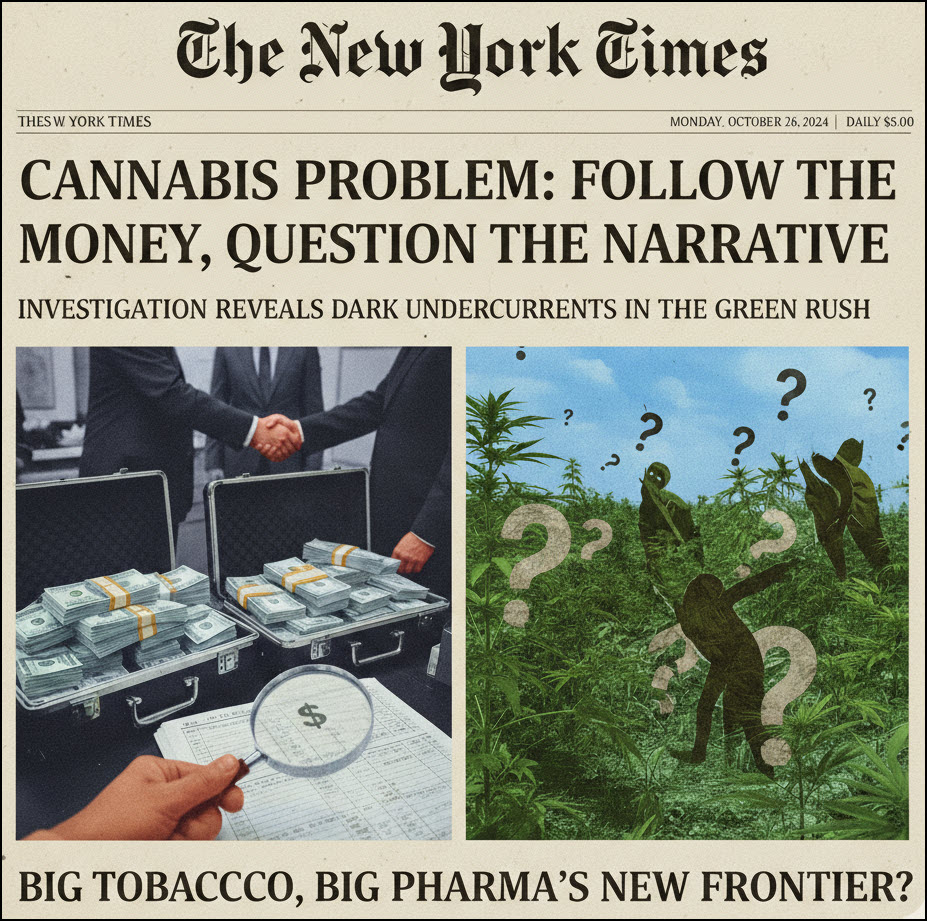
The New York Times wants you to believe America has a marijuana problem. I want you to believe the New York Times has an integrity problem. In February 2026, the editorial board of what’s supposedly America’s “paper of record” published a breathtaking reversal of their decade-old position on cannabis legalization. The headline might as well have been written by Kevin Sabet himself: essentially declaring that marijuana legalization was a “mistake” requiring “sober reassessment.”

Source link