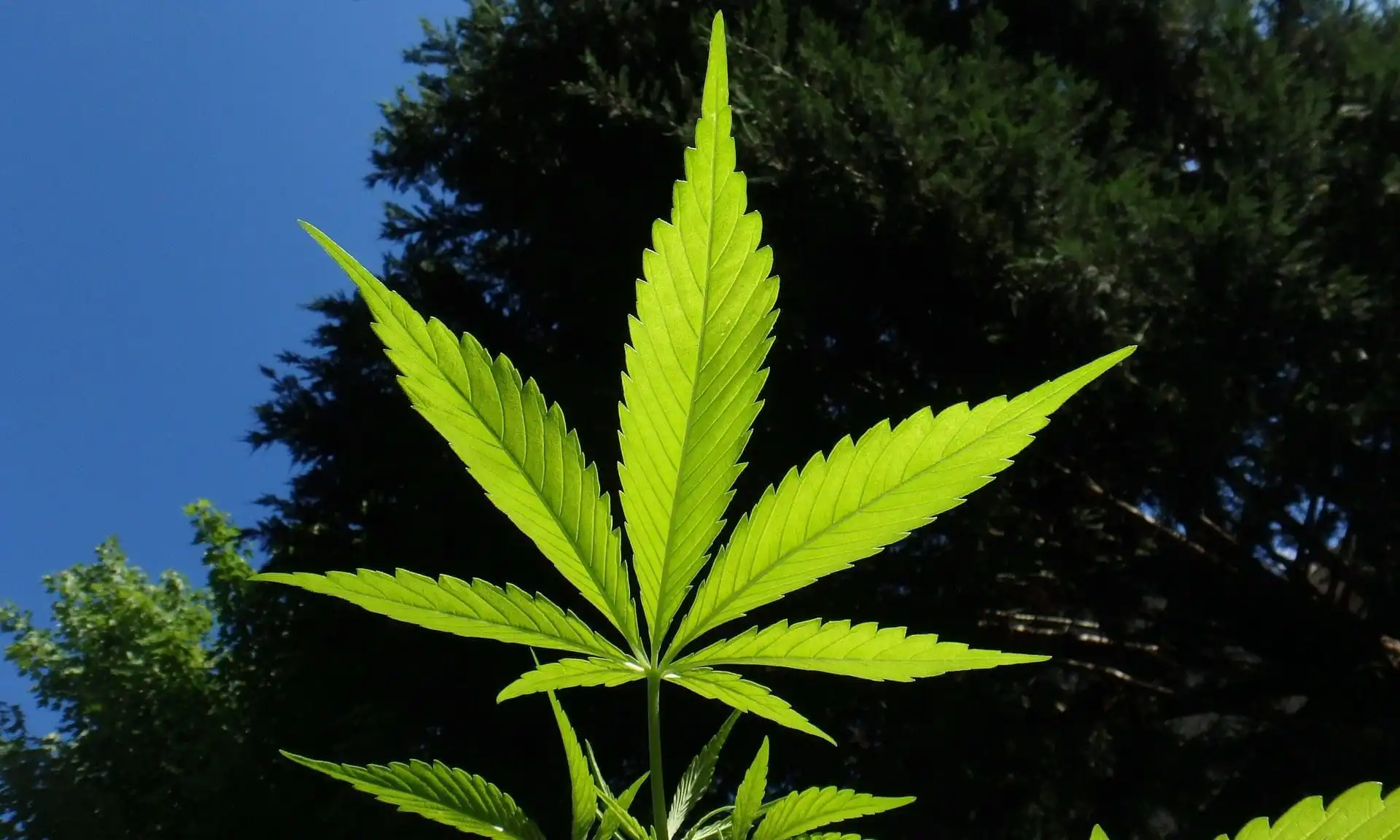
Radioactive Honey Strain Feminized Seeds

Radioactive Honey Strain Feminized Seeds


Radioactive Honey Strain Feminized Seeds

Description

The appearance of Radioactive Honey is truly striking, often showing off a beautiful mix of deep forest greens and bright orange hairs. Because of its Cookies heritage, these chunky buds are packed tight and dripping with sticky, white trichomes that almost seem to glow. The aroma is just as complex as the look. It hits you with a bright burst of citrus and herbal pine from the Jack Herer side, followed by a rich, earthy sweetness and a woody finish. The bold, layered aroma makes it a top pick for anyone who loves a pungent and flavorful smoke.

The experience begins with an instant surge of euphoria and mental clarity. You will likely feel a boost in your mood and a sense of focus that is great for creative hobbies or tackling a to-do list. As the high progresses, the physical side of the Girl Scout Cookies kicks in. A warm, relaxing wave spreads through your muscles, easing tension without making you feel immediately heavy. While it can lead to a deeper relaxation in higher doses, it generally keeps you feeling happy and uplifted. It is a fantastic all-around strain for those who want to feel both mentally bright and physically calm.

The post Radioactive Honey Strain Feminized Seeds appeared first on Crop King Seeds.

Source link

Cannabis Europa Paris 2026: France’s Medical Cannabis Reimbursement Plans Revealed

Cannabis Europa Paris 2026: France’s Medical Cannabis Reimbursement Plans Revealed

Cannabis Europa Paris 2026: France’s Medical Cannabis Reimbursement Plans Revealed

Today (February 19, 2026), Cannabis Europa returns to the French capital for the first time since 2019 at a critical juncture for the incoming French medical cannabis industry.

Just the evening before, French authorities met with industry stakeholders to present the first draft of the country’s long-awaited medical cannabis reimbursement framework, the final regulatory piece needed to move France from pilot programme to permanent market. Delegates arriving at the venue this morning did so knowing they were about to receive a first-hand account of what was discussed.

Stephen Murphy, Co-Founder and CEO of Prohibition Partners, opened proceedings by highlighting just how far the market, and Europe as a whole, has come in the seven years since Cannabis Europa last visited the city.

“We’ve moved from the perception of ‘is medical cannabis legitimate’ all the way through to actually getting medical cannabis into the hands of patients,” Murphy told delegates. “France is probably, in my mind, one of the most important European conversations taking place this year.”

Below, we’ve summarised the key insights from the day’s sessions, and we will be updating in real time.

The draft reimbursement structure

Last night (February 18, 2026) a consultation meeting, organised by the Direction Générale de la Santé (DGS) and the Direction de la Sécurité Sociale (DSS), saw stakeholders receive the first concrete view of the planned economics of the incoming market. 

This morning, delegates were given an overview of the government’s economic model for cannabis medicines in concrete terms for the first time.

UIVEC President Ludovic Rachou, whose organisation helped coordinate the reimbursement dossier submitted to HAS last September, laid out the newly revealed plans to the room.

In December 2025, the Haute Autorité de Santé (HAS), the body responsible for evaluating medicines and approving them for coverage under France’s public health system, paused its assessment of cannabis medicines after concluding it could not finalise reimbursement structures without the published decree. That decree has now been drafted.

Key takeaways:

  • The proposed model establishes a tiered reimbursement structure tied directly to Haute Autorité de Santé’s (HAS) assessment of each product’s therapeutic benefit.
  • Coverage rates will be set at 65%, 30%, 10%, or 0%, corresponding to major, moderate, minor, or insufficient benefit, respectively.
  • However, Rachou noted that the headline rates may be less significant than they appear for many patients. Since the majority of eligible patients suffer from long-term conditions qualifying for ALD status under the French system, most should ultimately access cannabis medicines at 100% coverage regardless of the base reimbursement tier. That question, he noted, is still being finalised.
  • Pricing will be structured by homogeneous product categories, grouping medicines by pharmaceutical form, composition, and clinical characteristics, with a single price applied across each category.
  • Prices will be fixed for three years and can be revised upward or downward if new clinical evidence emerges.
  • The consultation period following the February 18 meeting is expected to last between three weeks and one month, during which stakeholders can submit formal comments on the draft text.
  • If proceedings go to plan, the outstanding regulatory decrees, including those covering cultivation, technical specifications, and the legal status of cannabis-based medicines, will be formally adopted in June.
  • At that point, companies will be able to begin product registration with the French drug agency ANSM, while HAS simultaneously resumes its evaluation.
  • A final HAS opinion on reimbursement is anticipated around October-November 2026, with patients still enrolled in the pilot programme covered under an extended scheme until 31 December 2026.
  • The precise pricing methodology for each product category remains subject to ongoing discussion between UIVEC and the authorities, a process Rachou indicated the trade body intends to pursue actively in the months ahead.

Reimbursement in Practice: Who Pays, For What, and When

With the draft reimbursement decree barely 24 hours old, a later French-language roundtable brought together some of the leading voices in the French market to test the announced measures.

Key Takeaways

  • France operates a single-payer system, meaning companies negotiate directly with the ministry, there is no room for case-by-case deals as in Germany. As one speaker put it: either you make a deal with the ministry, or you’re out.
  • The government is expected to work from a pre-set budget envelope for medical cannabis rather than evaluating each product on pure clinical merit. HAS will likely be open on reimbursement in principle, but will seek to protect public finances by keeping the therapeutic benefit rating, and therefore the reimbursement rate, as conservative as possible.
  • The target patient population will be one of the most contested issues. A tightly defined population keeps budget exposure manageable for the ministry, but too broad a definition risks losing control of spend. Panellists warned that companies presenting inflated volume projections will face pushback, reassuring authorities with conservative, epidemiologically grounded estimates is likely to be more effective.
  • The choice of clinical comparator will be crucial in determining the price. Whether cannabis is compared to opioids, surgical interventions, or intrathecal implants (depending on indication) will significantly affect what price the ministry is willing to accept. Panellists noted the risk that authorities will exploit any ambiguity in comparator selection to push prices down.
  • A single fixed price per product category, as confirmed in yesterday’s consultation, creates a difficult dynamic for the industry. With no ability to promote products and no price differentiation permitted, companies will struggle to compete on anything other than cost structure. Those with high production costs, particularly foreign operators who underestimate the full cost of the French pharmaceutical model, risk being unable to align with whatever price is set.
  • The real cost risk for international operators is not the price of dried flower. It is the full weight of French pharmaceutical compliance. Trained physicians, patient follow-up data obligations, narcotics management controls, and the requirement for a responsible pharmacist and an exploitant. All of this must be factored into price negotiations.
  • Driving prices too low carries its own risk. If companies respond by chasing volume to compensate, they will overshoot the patient population defined by HAS and breach the budget envelope, triggering further regulatory intervention.
  • A health economics argument may be the industry’s strongest card. Data from the pilot programme showed that medical cannabis reduced patients’ consumption of other treatments. The case that a single cannabis medicine can address multiple symptoms simultaneously, potentially replacing five to seven separate prescriptions, represents a compelling cost-efficiency argument for the social security system, and one panellist said should be developed further.
  • Made-in-France production is increasingly being seen as a negotiating asset, as domestic sourcing aligns with broader government priorities and may provide leverage in price discussions.
  • Patient access timelines remain a concern. Even once reimbursement is confirmed, restrictions on which specialists can initiate prescriptions, pain centres, and multidisciplinary requirements could create significant bottlenecks in the early phase of the market.

Key insights from across the morning sessions 

Beyond the reimbursement deep-dive, the morning’s broader sessions reinforced a consistent theme: France has built a rigorous framework that protects patients and quality, but the commercial and human cost of further delay is becoming harder to justify.

On domestic cultivation, speakers were clear that France is a pharmaceutical model, not a low-cost growing market, greenhouse-only, GACP-compliant, and tightly linked to pharmaceutical supply chains. GMP certification remains the critical and expensive gatekeeper, with one speaker warning companies to ‘triple your budget and triple your time.’ Germany’s ongoing price compression is reshaping global supply chains and will continue to accelerate.

On patients, the testimony was stark. A patient association president described an 18-step regulatory journey stretching back to 2018, and pointed to patients who have died in the 18 months since new pilot programme inclusions were halted, people who could not access cannabis medicine in their final months. Without viable pricing, there will be no industry, she argued, and without reimbursement, there will be a two-tier system, access only for those who can afford to pay.

The post Cannabis Europa Paris 2026: France’s Medical Cannabis Reimbursement Plans Revealed appeared first on Business of Cannabis.

Source link

High Times Recruiting

Hiring in Cannabis Is Broken. High Times Has a Better Way.

Hiring in Cannabis Is Broken. High Times Has a Better Way.

Cannabis companies are drowning in applicants and starving for clarity. High Times Recruiting adds a simple layer that makes the first round faster, more human and easier to get right.

Cannabis companies do not struggle to find applicants. They struggle to quickly spot who is actually a fit. The industry moves fast, runs on thin teams and still has to operate inside a regulatory box that does not care how understaffed you are. When a role opens up, hiring becomes a second job, and it usually lands on the same people who are already running ops, sales, compliance, cultivation schedules and inventory headaches.

That is why the first interview has become the bottleneck. Not because interviews are bad, but because the first round is often just sorting. You are trying to confirm basics: can this person communicate clearly, do they understand the pace, are they professional, do they stay steady when things get hectic? A resume rarely answers those questions. It can suggest experience, but it cannot show you how someone shows up.

High Times Recruiting is built around a simple premise: let hiring managers see candidates as people before they spend time scheduling calls. The service sends applicants with both a resume and a short, one way video introduction, usually two to four minutes. The goal is a faster read on communication, presence and role fit, so your live interviews are reserved for the candidates you actually want to meet.

More details are available at hightimesrecruiting.com.

The frustrating part is that most hiring managers already know quickly whether a conversation is going anywhere. The issue is that you still spend the time anyway. You stay on the call, you ask the polite questions, you take the notes, you try to be fair, and then you hang up and move to the next one. That is not a hiring strategy. That is a time tax.

The model is designed for cannabis roles across the supply chain, including retail, cultivation, manufacturing, distribution and brands. It also leans into something traditional recruiting often misses. Cannabis is not just another industry category. Compliance, workflow pressure and culture are real filters here. You can have someone who looks perfect on paper but has never operated inside a regulated store, never worked a harvest schedule, never handled the pace of a scaling brand team, or simply cannot communicate in a way that keeps things steady when the day gets chaotic. The earlier you identify that, the less time you waste.

Operationally, the system plugs into major job marketplaces, including Indeed and LinkedIn, and turns inbound interest into a curated batch you can review quickly. Each candidate includes a resume and a brief video intro. You review, pick your favorites, then move them into live interviews. High Times Recruiting says it delivers the first batch of qualified candidates within 72 hours and that the average time to hire can be about two weeks once the pipeline is moving.

The pricing is also structured differently from traditional recruiting. Instead of taking a percentage of salary, the model is a flat fee per successful placement, with payment only when a hire is made. The current fee is $2,500 per placement, plus job post boosts that typically run $500 to $1,000, depending on the role and visibility needs. In a market where traditional recruiters often take 20% to 25% of annual salary, a flat fee approach aims to make recruiting feel more like a predictable operating cost and less like a gamble.

At its core, this is a bet on time. If you can sort faster, you can hire faster. If you hire faster, you do not drag a team through months of being short-staffed. And in cannabis, that gap is where compliance slips, customers notice, production schedules drift and good people burn out.

Learn more at hightimesrecruiting.com.

<p>The post Hiring in Cannabis Is Broken. High Times Has a Better Way. first appeared on High Times.</p>

Source link

DOJ Suggests ‘Frail And Elderly Grandmother’ Who Uses Medical Marijuana Could Own Gun—While Defending Overall Federal Ban

DOJ Suggests ‘Frail And Elderly Grandmother’ Who Uses Medical Marijuana Could Own Gun—While Defending Overall Federal Ban

DOJ Suggests ‘Frail And Elderly Grandmother’ Who Uses Medical Marijuana Could Own Gun—While Defending Overall Federal Ban

The U.S. Justice Department is again defending the federal law prohibiting people who use marijuana from owning or possessing firearms—in part by drawing a contrast between those affiliated with gangs and a hypothetical “frail and elderly grandmother” who uses medical cannabis.

In a brief filed with the U.S. Court of Appeals for the Eighth Circuit last week, attorneys for DOJ said judges should uphold the earlier denial of a motion to dismiss the case, U.S. vs. Baxter, where the defendant was convicted of violating a statute known as Section 922(g)(3).

As in multiple related cannabis and gun cases, the Justice Department argued that disarming people who use marijuana does not constitute a violation of the Second Amendment because the law is grounded in historical precedent with the country’s founding. Specifically, the federal government claimed there are relevant historical analogues prohibiting gun ownership by the mentally ill, those who induce terror and “habitual drunkards.”

“Because Baxter’s marijuana use makes him a particularly dangerous gun possessor, this Court should affirm the denial of his motion to dismiss,” DOJ said.

In defending its position, the department made repeated references to an earlier case that went before the Eighth Circuit, U.S. vs. Veasley, in which the court indicated that historical precedent might not justify disarming a “frail and elderly grandmother” who uses medical cannabis and keeps a gun for protection.

“Notably, however, disarmament of drug users is comparable to founding-era laws only if it is ‘limited to those who pose a danger to others,’” DOJ said in the latest filing. “The Second Amendment, for example, may tolerate disarmament of a PCP user but not a ‘frail and elderly grandmother’ who ‘uses marijuana for a chronic medical condition.’”

It later added that “this Court suggested an as-applied Second Amendment challenge might succeed for an ’80-year-old grandmother who uses marijuana for a chronic medical condition and keeps a pistol tucked away for her own safety,’” but DOJ argued that the standard does not apply in Baxter because the defendant was affiliated with a gang, was found to have THC metabolites in his system at the time of his arrest and posted on social media videos of him brandishing firearms, sometimes while allegedly consuming cannabis.

An “as-applied challenge focuses on Baxter’s conduct, and the record makes plain that Baxter is nothing like…the hypothetical grandmother discussed in Veasley,” it said.

“All told, the district court correctly concluded that Baxter ‘bears no resemblance to the ‘frail and elderly grandmother’ this Court envisioned in Veasley. Veasley makes clear that ‘at least some drug users and addicts fall within a class of people who historically have had limits placed on their right to bear arms.’ The district court correctly held that Baxter was among those drug users who may be disarmed based on their use of firearms to induce terror.”

“In Baxter’s case, the record amply shows that his marijuana use and resulting behavior are consistent with that of someone who is mentally ill and dangerous,” the brief said, adding that expert testimony from a former National Institute on Drug Abuse (NIDA) section chief suggested that “modern marijuana is ‘tremendously more potent’ due to genetic engineering.”

The filing in Baxter comes as the U.S. Supreme Court weighs the facts in a separate case challenging the constitutionality of the federal gun ban for cannabis consumers.

Last month, the National Rifle Association (NRA)–arguably the most influential gun rights lobbying group in the U.S.—joined top drug policy reform organizations and other interests in urging justices to declare the federal ban unconstitutional.

ACLU attorneys representing the defendant in Hemani have made the case that the federal ban on gun ownership by marijuana consumers is nonsensical and unconstitutional—and that it’s made all the more confounding by the fact that President Donald Trump directed the expeditious finalization of a rule to move cannabis from Schedule I to Schedule III of the Controlled Substances Act (CSA).

The Supreme Court is scheduled to hear oral arguments in the Hemani proceedings on March 2.

In the background, the Bureau of Alcohol, Tobacco, Firearms, and Explosives (ATF) recently moved to loosen rules that bar people who consume marijuana and other illegal drugs from being able to lawfully purchase and possess guns by making it so fewer people would be affected.

The interim final rule from ATF seeks to update the definition of “unlawful user of or addicted to any controlled substance” under an existing policy that has been interpreted to deny Second Amendment rights to people who have used illegal substances a single time within the past year.

In December, meanwhile, attorneys general for 19 states and Washington, D.C. filed their own brief siding with the federal government in the Hemani case, insisting that justices should maintain the current § 922(g)(3) statute.

Also that month, Smart Approaches to Marijuana (SAM) and 21 other prohibitionist groups filed a brief, urging justices to uphold the constitutionality of the federal gun ban for people who use cannabis—which they claim is associated with violence and psychosis.

U.S. Solicitor General D. John Sauer, for his part, told the Supreme Court that people who use illegal drugs “pose a greater danger” than those who drink alcohol.

Meanwhile, the Biden administration was evidently concerned about potential legal liability in federal cases for people convicted of violating gun laws simply by being a cannabis consumer who possessed a firearm, documents recently obtained by Marijuana Moment show.

The previously unpublished 2024 guidance from former President Joe Biden’s Justice Department generally cautioned U.S. attorneys to use discretion in prosecuting federal cannabis cases, particularly for offenses that qualified people for pardons during his term. But one section seems especially relevant as the Supreme Court takes on a case challenging the constitutionality of the current federal gun statute.

With respect to Hemani, in a separate August filing for the case, the Justice Department also emphasized that “the question presented is the subject of a multi-sided and growing circuit conflict.” In seeking the court’s grant of cert, the solicitor general also noted that the defendant is a joint American and Pakistani citizen with alleged ties to Iranian entities hostile to the U.S., putting him the FBI’s radar.

If justices declare 922(g)(3) constitutional, such a ruling could could mean government wins in the remaining cases. The high court recently denied a petition for cert in U.S. v. Cooper, while leaving pending decisions on U.S. v. Daniels and U.S. v. Sam.

The court denied a petition for cert in Baxter, but that wasn’t especially surprising as both DOJ and the defendants advised against further pursing the matter after a lower court reinstated his conviction for being an unlawful user of a controlled substance in possession of a firearm.

Meanwhile, in recent interviews with Marijuana Moment, several Republican senators shared their views on the federal ban on gun possession by people who use marijuana—with one saying that if alcohol drinkers can lawfully buy and use firearms, the same standard should apply to cannabis consumers.

Separately, the U.S. Court of Appeals for the Tenth Circuit last year sided with a federal district court that dismissed an indictment against Jared Michael Harrison, who was charged in Oklahoma in 2022 after police discovered cannabis and a handgun in his vehicle during a traffic stop.

The case has now been remanded to that lower court, which determined that the current statute banning “unlawful” users of marijuana from possessing firearms violates the Second Amendment of the Constitution.

The lower court largely based his initial decision on an interpretation of a Supreme Court ruling in which the justices generally created a higher standard for policies that seek to impose restrictions on gun rights.

In the U.S. Court of Appeals for the Eleventh District, judges recently ruled in favor of medical cannabis patients who want to exercise their Second Amendment rights to possess firearms.

As a recent report from the Congressional Research Service (CRS) explained the current legal landscape, a growing number of federal courts are now “finding constitutional problems in the application of at least some parts” of the firearms prohibition.

In another ruling, a three-judge panel for the U.S. Court of Appeals for the Eighth Circuit vacated a defendant’s conviction and remanded the case back to a district court, noting that a retrial before a jury may be necessary to determine whether cannabis in fact caused the defendant to be dangerous or pose a credible threat to others.

The Third Circuit separately said in a published opinion that district courts must make “individualized judgments” to determine whether 922(g)(3) is constitutional as applied to particular defendants.

A federal court in October agreed to delay proceedings in a years-long Florida-based case challenging the constitutionality of the ban on gun ownership by people who use medical marijuana, with the Justice Department arguing that the Supreme Court’s recent decision to take up Hemani warrants a stay in the lower court.


Marijuana Moment is tracking hundreds of cannabis, psychedelics and drug policy bills in state legislatures and Congress this year. Patreon supporters pledging at least $25/month get access to our interactive maps, charts and hearing calendar so they don’t miss any developments.
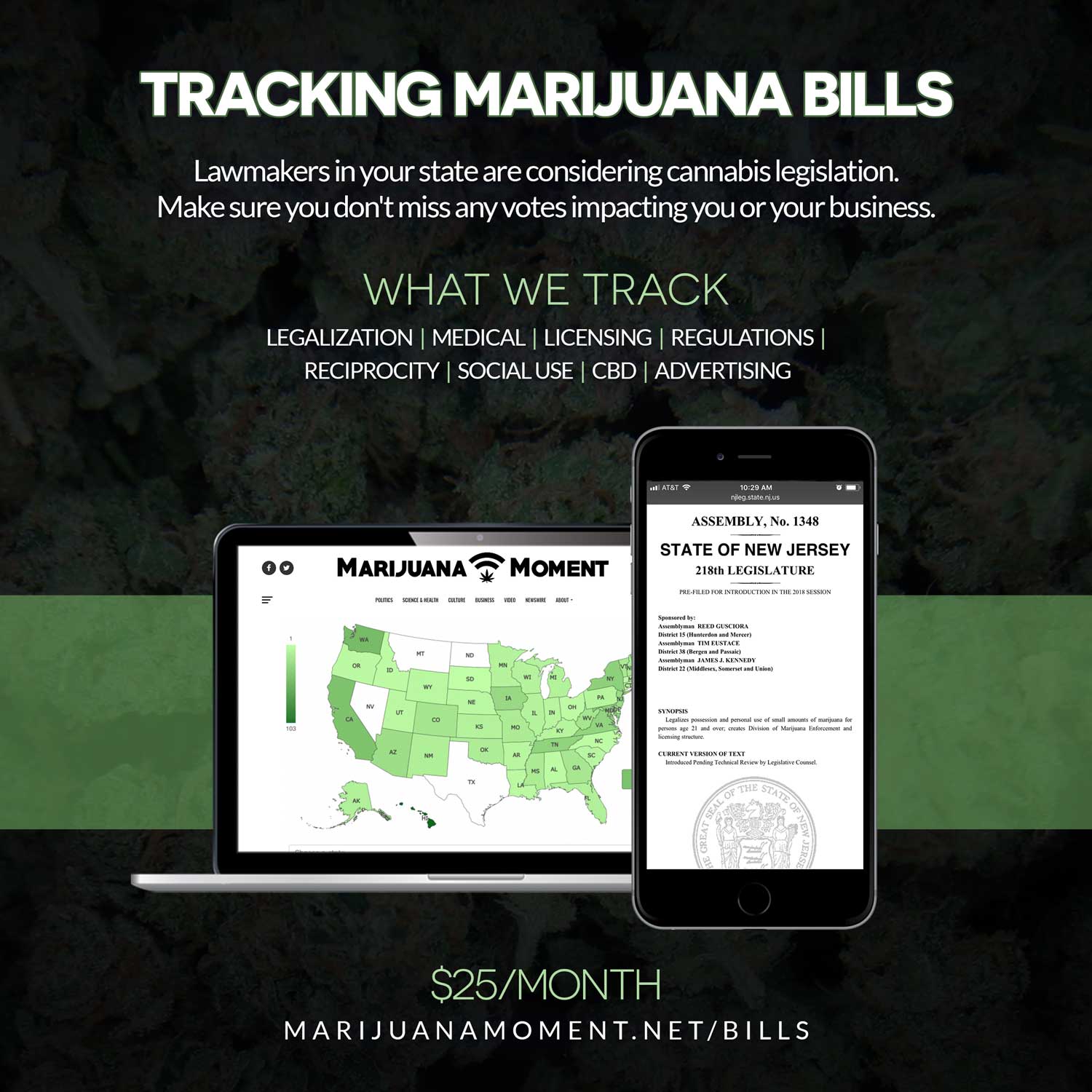

Learn more about our marijuana bill tracker and become a supporter on Patreon to get access.

Last year, a federal judge in Rhode Island ruled that the ban was unconstitutional as applied to two defendants, writing that the government failed to establish that the “sweeping” prohibition against gun ownership by marijuana users was grounded in historical precedent.

A federal judge in El Paso separately ruled in 2024 that the government’s ongoing ban on gun ownership by habitual marijuana users is unconstitutional in the case of a defendant who earlier pleaded guilty to the criminal charge. The court allowed the man to withdraw the plea and ordered that the indictment against him be dismissed.

DOJ has claimed in multiple federal cases over the past several years that the statute banning cannabis consumers from owning or possessing guns is constitutional because it’s consistent with the nation’s history of disarming “dangerous” individuals.

In 2023, for example, the Justice Department told the U.S. Court of Appeals for the Third Circuit that historical precedent “comfortably” supports the restriction. Cannabis consumers with guns pose a unique danger to society, the Biden administration claimed, in part because they’re “unlikely” to store their weapon properly.

Read the latest DOJ filing defending the federal gun ban for marijuana users below:

The post DOJ Suggests ‘Frail And Elderly Grandmother’ Who Uses Medical Marijuana Could Own Gun—While Defending Overall Federal Ban appeared first on Marijuana Moment.

Source link

Neon Lychee Jack Strain Feminized Seeds

Neon Lychee Jack Strain Feminized Seeds

Neon Lychee Jack Strain Feminized Seeds

Description

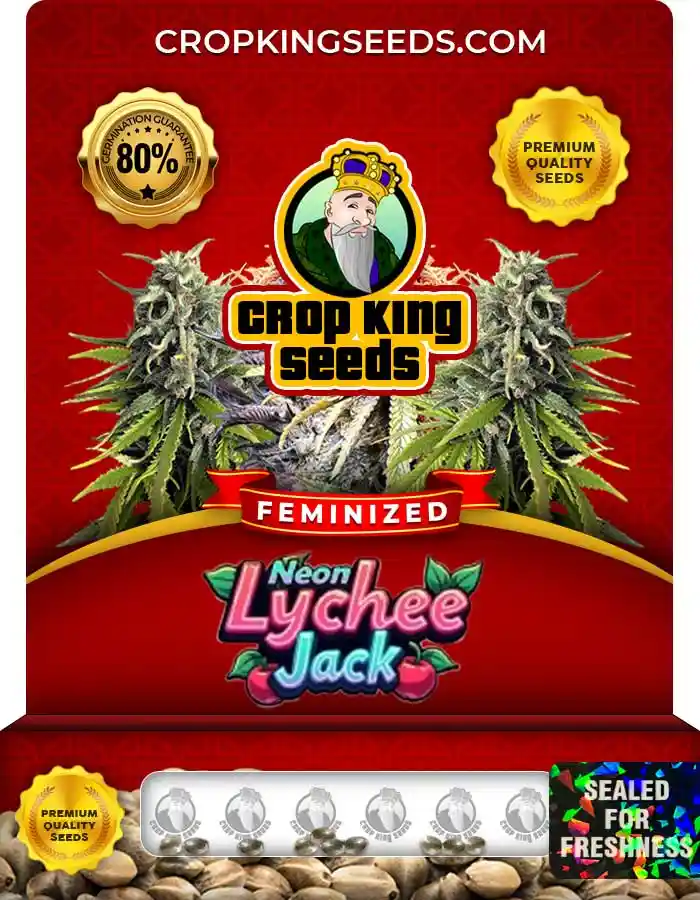
Neon Lychee Jack produces beautiful, large spears that are dense and caked in a thick, sticky layer of white trichomes. Thanks to its Gorilla Glue parentage, the flowers are incredibly resinous and often feature bright orange hairs against a backdrop of forest green. The aroma is a complex mix that fills the room with a sweet, potpourri scent. You will notice dominant notes of sugary berries and tropical fruit, followed by a rich, creamy finish and a hint of earthy pine. It is a smooth and inviting fragrance that perfectly matches its high-energy name.

The experience starts with a quick burst of cerebral euphoria and mental clarity. You will likely feel more talkative and motivated, making it an excellent companion for artistic projects or outdoor activities. While your mind stays bright and focused, the GG4 side provides a gentle physical soothing that prevents any jitters. It creates a balanced high where you feel physically light but mentally sharp. It is an ideal all-day smoke for enthusiasts who want to stay happy and productive from morning until evening.

The post Neon Lychee Jack Strain Feminized Seeds appeared first on Crop King Seeds.

Source link