LINO LAKES—The Lino Lakes City Council continues to discuss the possibility of a municipal cannabis store. (See “Lino Lakes undergoes feasibility study for possible municipal cannabis dispensary,” Quad Community Press, July 8.)
A draft of the municipal cannabis dispensary community-based feasibility study conducted by Great White Companies MN LCC was presented by Great White Company representatives Colin Kelly, Bill Parker and Kierson Libby to city staff and the City Council at a recent work session. A feasibility study is intended to illustrate the potential market and highlight projected sales.
According to Kelly, a regulated cannabis market helps restrict access to those who should not have cannabis (those who are not 21 or older) and reduce the amount someone can purchase within a 30-day period.
“In a regulated market, we see a decline in opioid and prescription drug abuse. Because of the security requirements for dispensary and cannabis facilities, the immediate area around those facilities sees a reduction in the average crime rate,” he added.
While the law provides certain means of oversight by local units in government, the city cannot ban a cannabis business outright or limit operations in a manner beyond those provided in state law. The city can, however, limit the number of retailers and businesses with retail endorsements allowed within the community. The law requires cities to allow one license per 12,500 people. Based on the city’s population, Lino Lakes is entitled to two licenses.
If the city moves forward with a municipal dispensary, it will follow the general license application process. According to the Office of Cannabis Management, licenses for a municipal cannabis store will be issued regardless of the lottery selection process for cannabis retailer licenses if all conditions in Minnesota
Statues Section 342.14, Subdivision 7, are met.
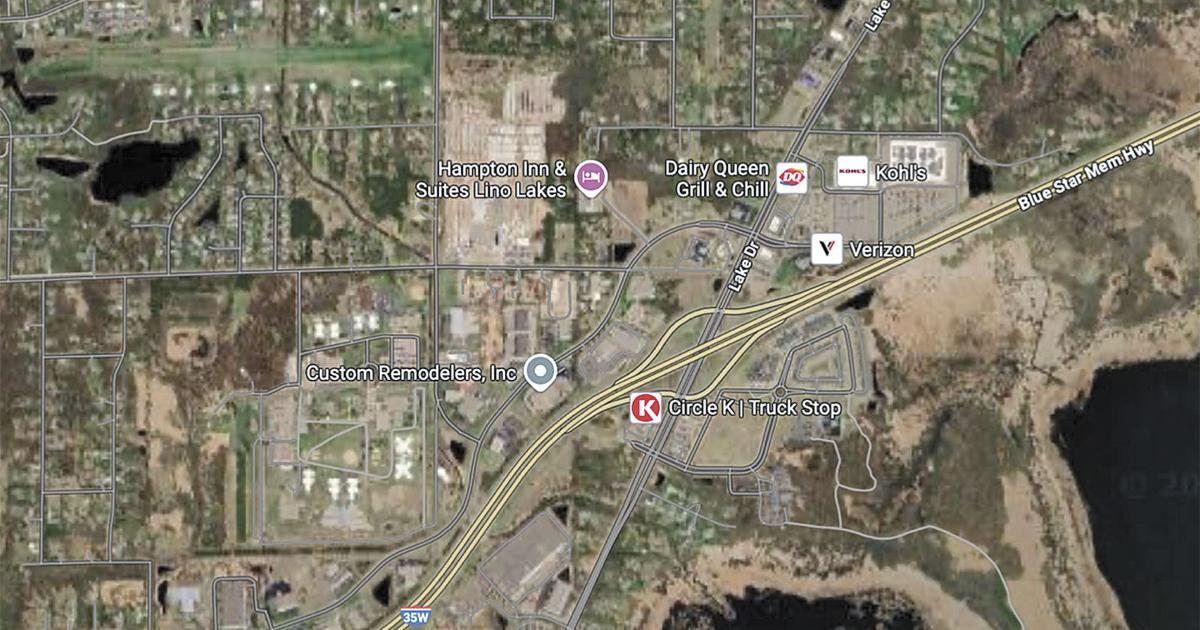
Council Member Chris Lyden asked how the Interstate Highway 35E and I-35W corridor would affect cannabis sales in Lino Lakes.
“You’re in a perfect corridor where the vehicle traffic splits almost evenly. I think, depending on which events are going on, which city has something going on or what season it is, both sides can take advantage of the opportunities in place,” Parker said. “Lino’s set up well. Your retail zones are in prime vehicle traffic areas.”
According to Kelly, a cannabis dispensary in Lino Lakes could generate approximately $9.6 million in revenue per year. The study showed that the local population, including Lino Lakes, Centerville, North Oaks and Hugo, is likely to yield 6,461 customers who will spend an average of $125 per month.
“We know that some of your surrounding towns are likely going to be slower to the mark,” Kelly said. “If you open first, you can pull 43 percent of their consumers on a regular basis.”
Great White Companies is recommending that the city engage with an operating partner to secure a municipal cannabis retail license and then build out, open and operate the licensed enterprise. A partner would assist the city in applying for a license, selecting a retail location, managing staff, obtaining inventory and operating the business.
“The big thing is finding space. That’s what seems to take the longest. Where is the prime space, the good space. Can we get in there?” Lino Lakes City Administrator Karen Anderson said.
Parker said if the city is interested in a municipal dispensary and entering into a management partnership to help run the dispensary, the next step would be to entertain a management agreement.
“That takes a bit, to work through how the city wants to set up that agreement, what that management agreement looks like, what that rent-share agreement looks like, working out all those details takes time,” he said. “After that, it’s finding the location that’s the next pinch point. Once a location is found, a management agreement is in place and the city has obtained a preapproved license, then it’s go time.”
According to Parker, a municipal cannabis dispensary could open in Lino Lakes by 2026 if the council decides to move forward.
The draft of the study was also presented to the Economic Development Advisory Committee at its most recent meeting to collect feedback from its board members. A final draft of the study will be presented to the City Council at a future date.
For more information about the Office of Cannabis Management, visit mn.gov/ocm.