Common Types of Products Available at Cannabis Dispensaries in Michigan
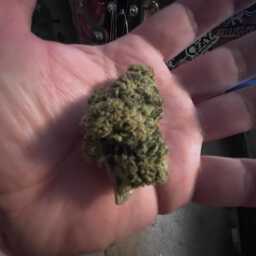
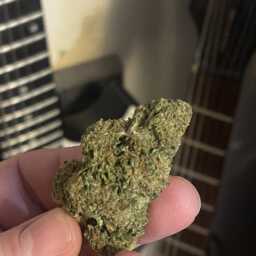
Michigan’s cannabis market includes a wide range of product types designed for different preferences and usage styles. Dispensaries focus on clear labeling, consistent quality, and product variety so shoppers can understand exactly what they are purchasing. A basic understanding of these categories helps simplify the selection process and reduces confusion at the counter. A typical […]
On May 2nd, the Global March for Cannabis Decriminalization hit Mexico City, Medellín and Santiago at the same time. A firsthand chronicle from the street.
On May 2nd, Paseo de la Reforma stopped being the avenue of political agreements and became something far more uncomfortable for those in power: a question that can no longer be ignored.
15,000 people marched from the Palacio de Bellas Artes to the Angel of Independence, while Guadalajara, Monterrey, Mérida, Tijuana, Pachuca and Toluca joined from their own streets — making this the first time in recent memory that the movement spilled beyond the capital. At the same time, another column was moving through Medellín. In Chile, where authorities denied the permit to march on public streets, the cannabis community found its own way to show up regardless. Three countries. One day. One demand.
What happened that day was not just a protest. It was proof that Latin America’s cannabis movement has stopped asking for permission to speak in a single voice.
What’s happening with cannabis in Mexico? Where is the law?
To understand why 15,000 people march, you first need to understand what hasn’t happened.
The ruling Congress keeps ignoring: in 2021, Mexico’s Supreme Court declared the prohibition of recreational cannabis use unconstitutional — a landmark ruling that legally obligated Congress to legislate. Four years later, Congress still hasn’t.
In the meantime, Mexico has accumulated over 12,000 individual authorizations for personal cultivation and consumption issued through court injunctions, a grey market of storefronts operating without a regulatory framework, and users who grow and consume knowing their fate depends on whichever police officer finds them and whatever mood they’re in. The Instituto RIA puts it plainly: the country lives a daily corruption, where arrests are discriminatory and fall disproportionately on racialized people and youth. The law never came. The void did. And on May 2nd, 15,000 people filled it.
Who marched, and what did they demand?
Walking through that crowd, it was impossible to reduce it to a single profile. Activists who have spent years in courtrooms, business owners operating in legal limbo, patients who rely on cannabis as a documented medical alternative for chronic pain, epilepsy and anxiety, and entire families who have been navigating this legal uncertainty with no guidance — all of them were there. National and international media covered the march from early morning, documenting a demonstration that remained peaceful from start to finish.
The petition delivered to the Senate days earlier — on April 20th, the iconic date on the cannabis calendar — was signed by 420 civil society members. Among its leading voices: Zara Snapp, director of Instituto RIA and one of Mexico’s most recognized architects of cannabis policy reform.
Snapp demanded that regulation be treated as a priority, arguing that reactivating this agenda is “not just about addressing a pending legislative debt, but about taking responsibility for a social reality that already exists.”
The demands were three, and they are the same as always precisely because Congress has always ignored them: legislation that generates formal jobs outside the criminal market, full recognition of users’ human rights, and real access to cannabis as a therapeutic alternative.
Why did Chile and Colombia march too?
Because we understood something that isolated movements always learn too late: alone, we are one day’s news. Together, we are a precedent.
The May 2nd march was the result of months of coordination across three fronts — Simón Espinosa and the Envola team in Chile, Martín Santos leading La Mata No Mata in Colombia, and in Mexico the combined effort of Instituto RIA, Educannabis and dozens of civil society organizations. The goal was to align message and ideology, to demonstrate that the demand for fair cannabis regulation is not a Mexican peculiarity or a consumer’s whim — it is a position held by Latin American people.
What May 2nd produced will stand as a turning point in the history of cannabis activism in the region. Not because it marks the end of the road, but because it proves that regional coordination works — and that what comes next no longer depends on whether they choose to listen, but on how consistently and loudly we make it impossible not to.
What happened in the streets
Reforma filled up with floats, live music and a crowd that defies every stereotype prohibition has spent decades building. There were elaborate costumes and precise slogans, humor and exhaustion, creativity and hard data printed on signs. Walking through it made one thing clear: this movement stopped being only about cannabis users a long time ago. It belongs to anyone who understands that without a law, there is arbitrary criminalization, jobs lost to informality, and patients buying their medicine in fear.
Not everything was celebration. At various points along the route, passersby approached the march shouting, visibly outraged. The marchers’ response was the same every time — smiles, waves, and keep walking. It was perhaps the most eloquent image of the day: a protest that didn’t need to answer with anger because the strength of its argument was already doing that. The afternoon ended without a single incident.
Into that atmosphere stepped one of the march’s most memorable moments. El Zurdo, from Positronics — a Spanish seed company with global reach — gave away over 300 seeds to the Mexican cannabis community on the spot. Not as a commercial gesture, but as a message: somewhere on this same continent, with people not so different from us, this fight has already been won.
The data backs it up. Canada legalized in 2018 and in the first three years, cannabis-related criminal incidents among adults dropped between 70% and 80%, preventing over 101,000 police-reported crimes, according to Callaghan et al. in Drug and Alcohol Dependence (2023). Germany followed in 2024. Uruguay was first in the world, in 2013. Mexico has the court ruling. It has the social demand. It has the international evidence. What it doesn’t have yet is the political will.
What comes next?
That is the question the movement leaves for Congress to answer.
Marches don’t end when people go home — they end when the agenda that drove them stops being urgent because it was addressed. This agenda has spent four years being the most urgent and the most ignored. On May 2nd, 15,000 people in Mexico City, alongside those who marched in Guadalajara, Monterrey, Mérida, Tijuana, Pachuca and Toluca, and those in Medellín and Chile who found their own way to show up, reminded the legislatures of three countries that the clock doesn’t stop just because they choose not to look at it.
Until the green victory.
Luis Fernando Campos is the founder of Educannabis, a cannabis harm reduction and education platform with over two million followers across Latin America. Follow him at @educannab_ / @educannab
We independently test and review everything we recommend. Our reviews are completely unbiased. When you make a purchase using our links, we may earn a commission. Learn more
Ever since manufacturers solved the problem of combining fat-soluble cannabinoids with water-based drinks, THC and CBD drinks have skyrocketed in popularity. At the same time, more Americans are turning away from alcohol – it’s the early phase of a paradigm-shift.
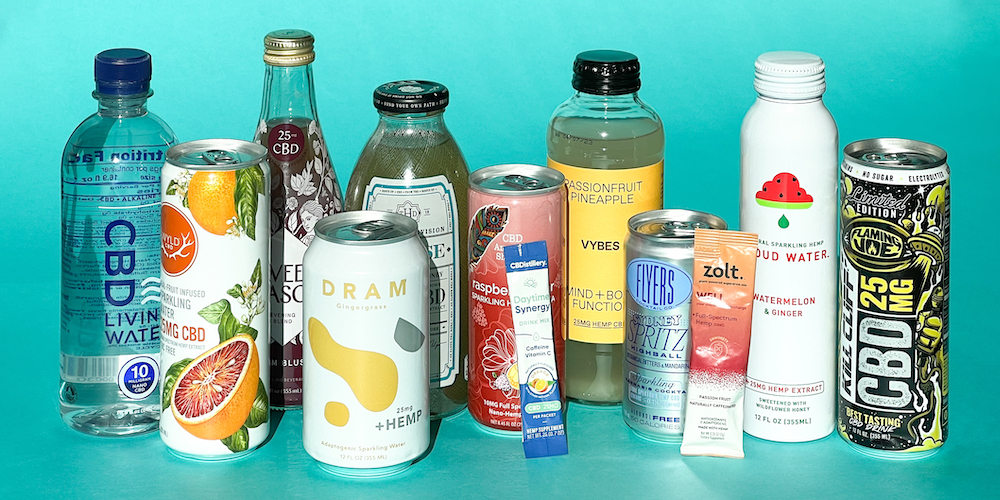
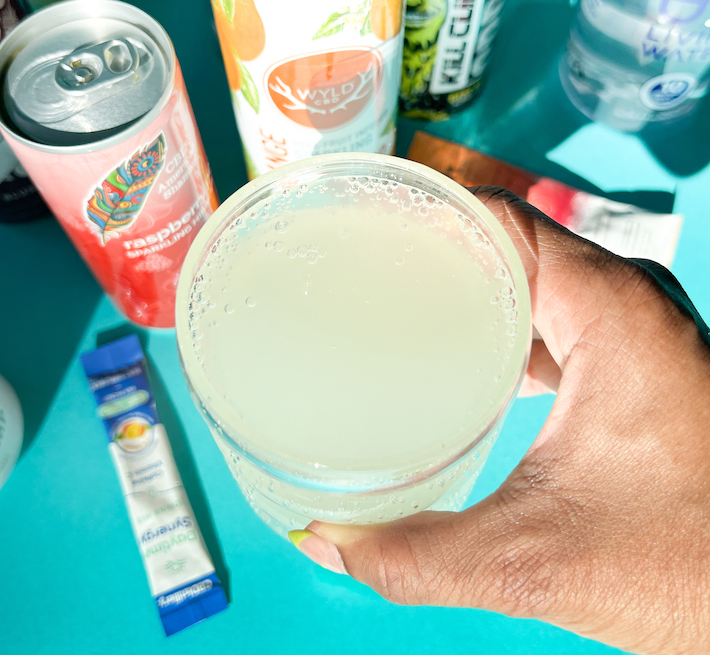
We researched and tested the most popular CBD drinks we could find to determine the most effective and flavorful beverages for relaxing, recovery, or just something fun to sip on a night out. Photo: Mell Green/CBD Oracle
The result is a glut of new hemp beverage companies desperate to get in on the trend. The concept is great, but if you’re looking for a CBD beverage, you need quality above all else.
CBD is the main event, but additional cannabinoids can improve the experience substantially. THC is the most obvious choice, but other cannabinoids like CBN, CBC or CBG can also help color and balance the experience.
Accurate dosage
Accurate dosing is important in CBD beverages, especially full spectrum blends. Hemp beverages take effect quickly, and often involve smaller doses than edibles so you can enjoy several cans over a session. Because of this, it’s more important than usual that the dosage is within 10% of what’s advertised.
Lower CBD:THC ratios are best
For full spectrum products, either a balanced 1:1 mix of CBD and THC, or a low ratio like 2:1 CBD:THC is ideal for a CBD beverage. The THC should be notable but not overpowering.
We started out with 41 CBD-infused hemp beverages, and used our Cannabinoid Product Quality Evaluation Framework to narrow the list down to these three best CBD drinks.
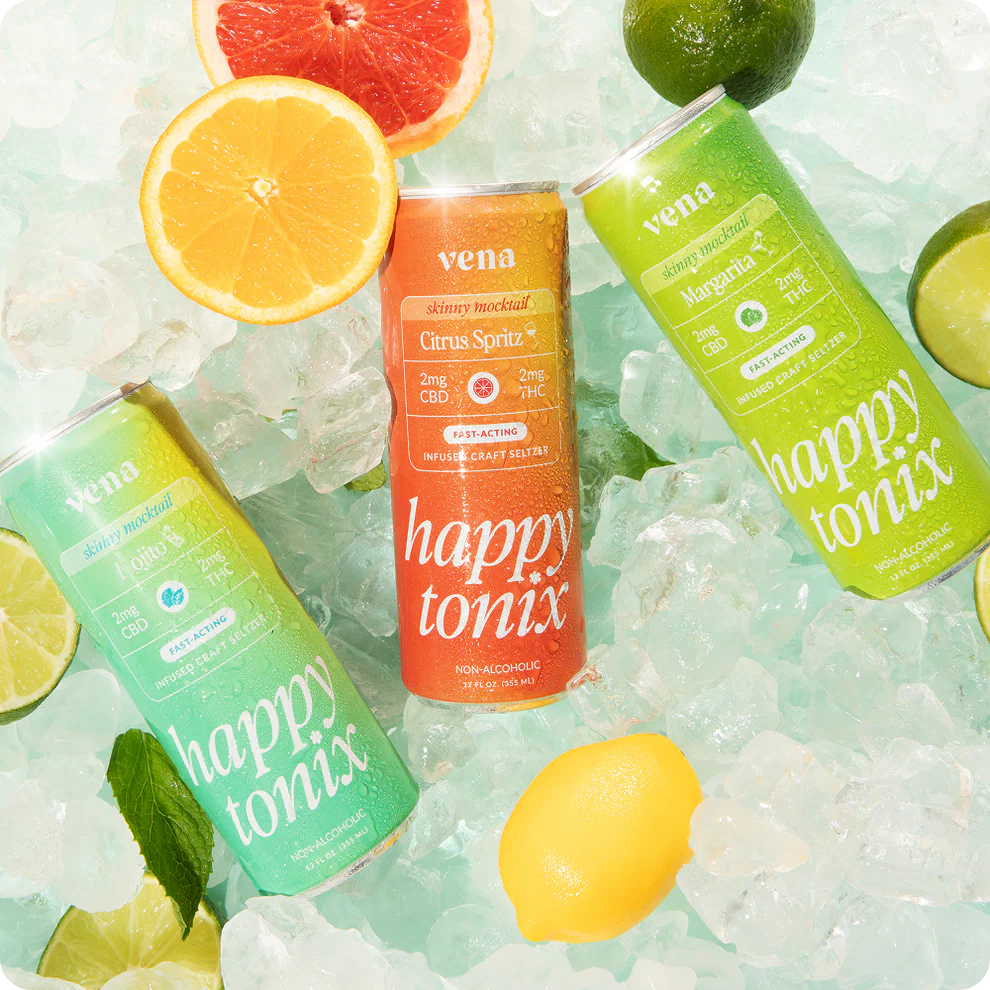
Vena’s Happy Tonix combines a mild 2 mg dose of CBD with 2 mg THC for a balanced experience.
Vena’s drinks are truly full spectrum, also including CBN and CBG, and boasting limonene, myrcene and terpinolene as terpenes. This means that you get the full benefits of the entourage effect, as the blend of compounds works together to make it feel like more than just 2 mg of CBD.
The drink is also a great option for a low-calorie CBD drink, with just 15 calories per can and with no added sugar in the mix at all. All three flavor options – Margarita, Mojito and Citrus Spritz – offer a light, cocktail-like experience. It’s a bit pricey per mg though.
True full spectrum: CBD, THC, CBN and CBG
Terpene-rich blend
Low calorie, no added sugar
Liposomal formulation for fast absorption – 15 minutes or less
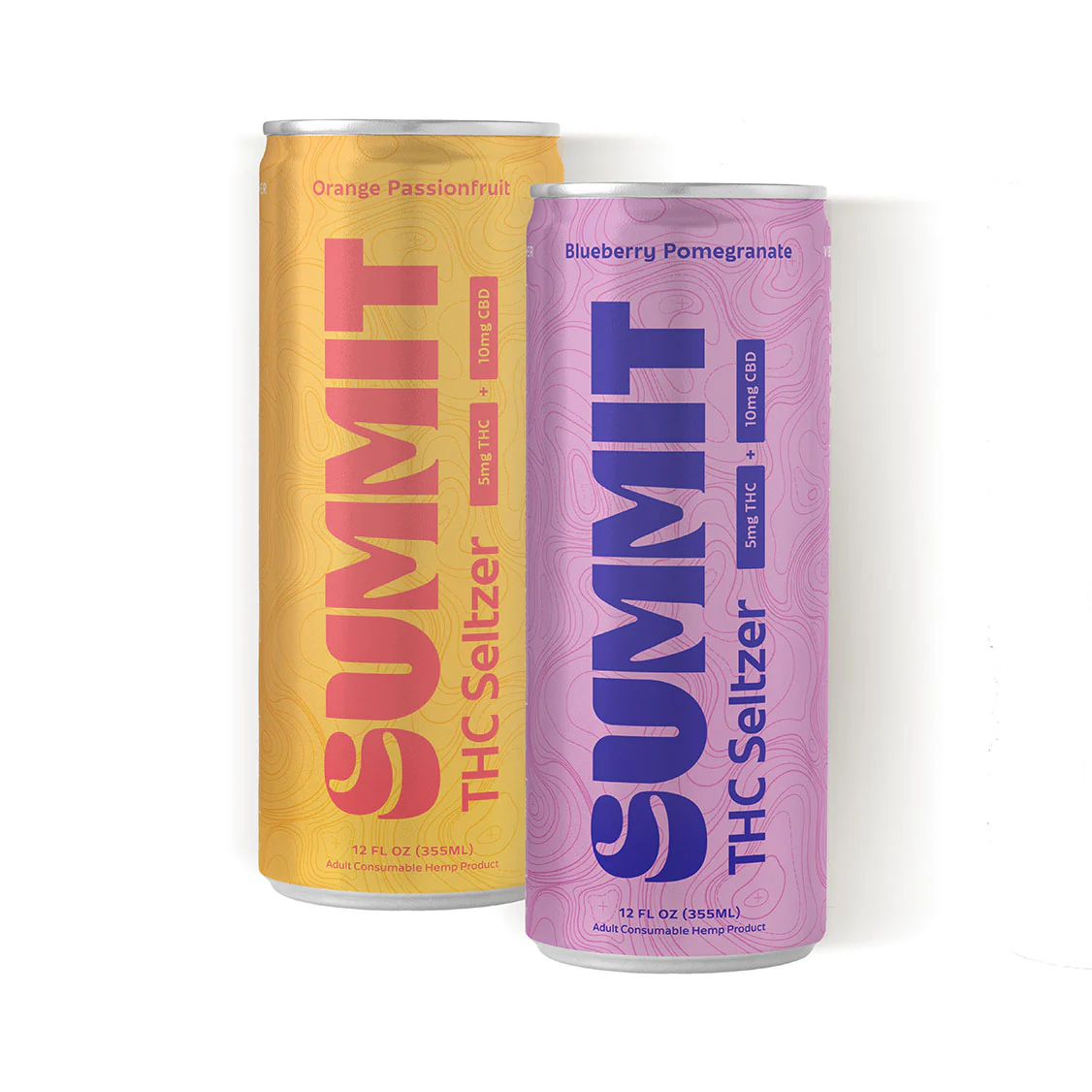
Summit is the sister brand of R&R CBD, and the quality you’ll get in their THC seltzers is right in line with what we’ve come to expect from them.
With a starting point of US-grown, certified organic hemp and a dedication to quality throughout the whole process, they have one of the best CBD drinks on the market right now.
The Seltzers are like a double isolate, combining just CBD and THC for a more focused experience. This is also one of the stronger options out there, with a punchy 5 mg of THC – plenty for a buzz – and a solid 10 mg dose of CBD to round out the calming effects. It’s on the expensive side, though.
USDA Certified Organic hemp
5 mg THC offers a solid buzz
Solid 10 mg CBD dose
Seed to sale brand
Great manufacturing and quality control
Just 50 calories per serving
A little expensive
No detected terpenes
Best Zero THC
Daytrip CBD Sparkling Water
4.2CBD Oracle Rating ⓘ
Key Attributes
CBD type: Isolate
Potency: 25 mg CBD
CBD:THC ratio: No THC
Top terpenes: Limonene, beta-caryophyllene, linalool (not tested)
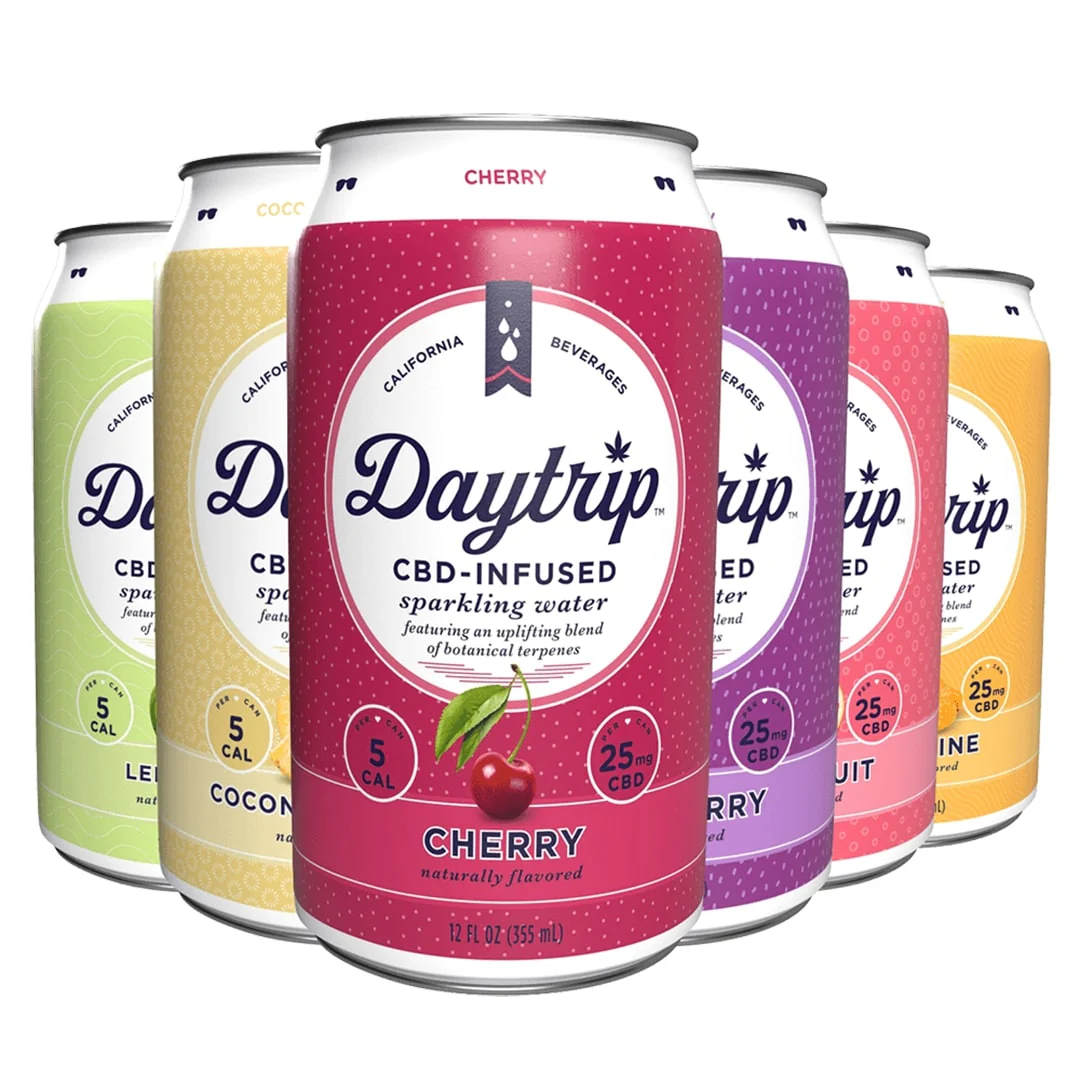
If you’re looking for a pure CBD drink, just isolate and nothing else, Daytrip’s CBD Sparkling Water is one of the best options out there.
The CBD comes from USDA Certified Organic hemp, sourced from a single farm and manufactured in a GMP-certified facility. The fact that it’s an isolate does mean you miss out on some benefits of the entourage effect (although there are terpenes), but with 25 mg of CBD per can, the effects still pack a nice punch. They also avoided added sugars and kept it down to an impressive 5 calories per can.
The price per mg also blows a lot of the competition out of the water, at just 20 cents per mg.
USDA Certified Organic hemp
25 mg CBD per can
Added terpene blend
Excellent price per mg CBD
Great manufacturing quality
Very low calorie
Not tested for terpenes – they’re just listed ingredients
No other cannabinoids
Other Products We Considered
From our initial list of 41 CBD-containing beverages, we narrowed the options down to just three by looking at some key factors we look for in most CBD and hemp products. Many brands were excluded because of some common issues in the industry:
No Recent Lab Report: A lab report is the most crucial piece of reassurance that hemp companies offer consumers, but 10 of the brands didn’t offer one for their CBD beverage. Most of these had a lab report available, but that report was over 12 months old. Even with good storage conditions, it’s highly unlikely that a lab report over a year old accurately describes the product anymore.
Not Safety Tested: “Full panel” safety testing includes tests for residual solvents, pesticides, heavy metals, microbial contamination and mycotoxins. A total of 9 products didn’t perform this testing on their products, leaving consumers with no way to verify that the product they’re going to buy is safe.
Claims Full/Broad Spectrum, But Can’t Prove It: To be a true full spectrum CBD drink, there should be 4 or more cannabinoids and ideally at least testing for terpenes. 20 products couldn’t meet this standard. The only exception to this rule was for CBD-only, “isolate” products.
After this process, there were just 8 qualifying hemp drinks. The five drinks that passed through this process but weren’t included in the list didn’t score over 80% on our framework. This includes products from Five, Brez, Binoid, Crescent Canna and Sunmed, with Sunmed in particular coming pretty close to qualifying for the final list.
In most cases, these scored low because they lacked clarity on issues like sourcing, not because they were bad.
Methodology
When testing each drink, we paid close attention to things like flavor, potency, effects, and quality of ingredients. Photo: Mell Green/CBD Oracle
Expert interviews: We established key criteria for hemp beverages during our interviews for our Best THC Drinks list, as well as many interviews covering recreational hemp use in other forms such as gummies and oils.
Market Research and Synthesis: We conducted an automated search on Bing for “CBD drinks,” scraping the URL and website text for each of the first 250 search results. Oracle’s algorithm also identifies relevant internal links and scrapes the text from those URLs too, leading to a large, populated spreadsheet. This is then given to an LLM, alongside the key criteria obtained from expert interviews and a clear prompt. The LLM suggests up to two matching products per brand.
Manual Vetting: The output is then checked by Oracle staff members, who choose the most appropriate product from each brand (or find another one if need) and enter the information into a spreadsheet. Additional brands are added from Oracle’s internal database. Then the list is checked (as described above) for qualifiers.
Scoring and Ranking: All qualifying products are then scored on the Cannabinoid Product Quality Evaluation Framework, and any products scoring over 80% are tested, evaluated and ranked for the final list.
You can learn more about how we test products here.
Guide to Buying the Best CBD Drinks
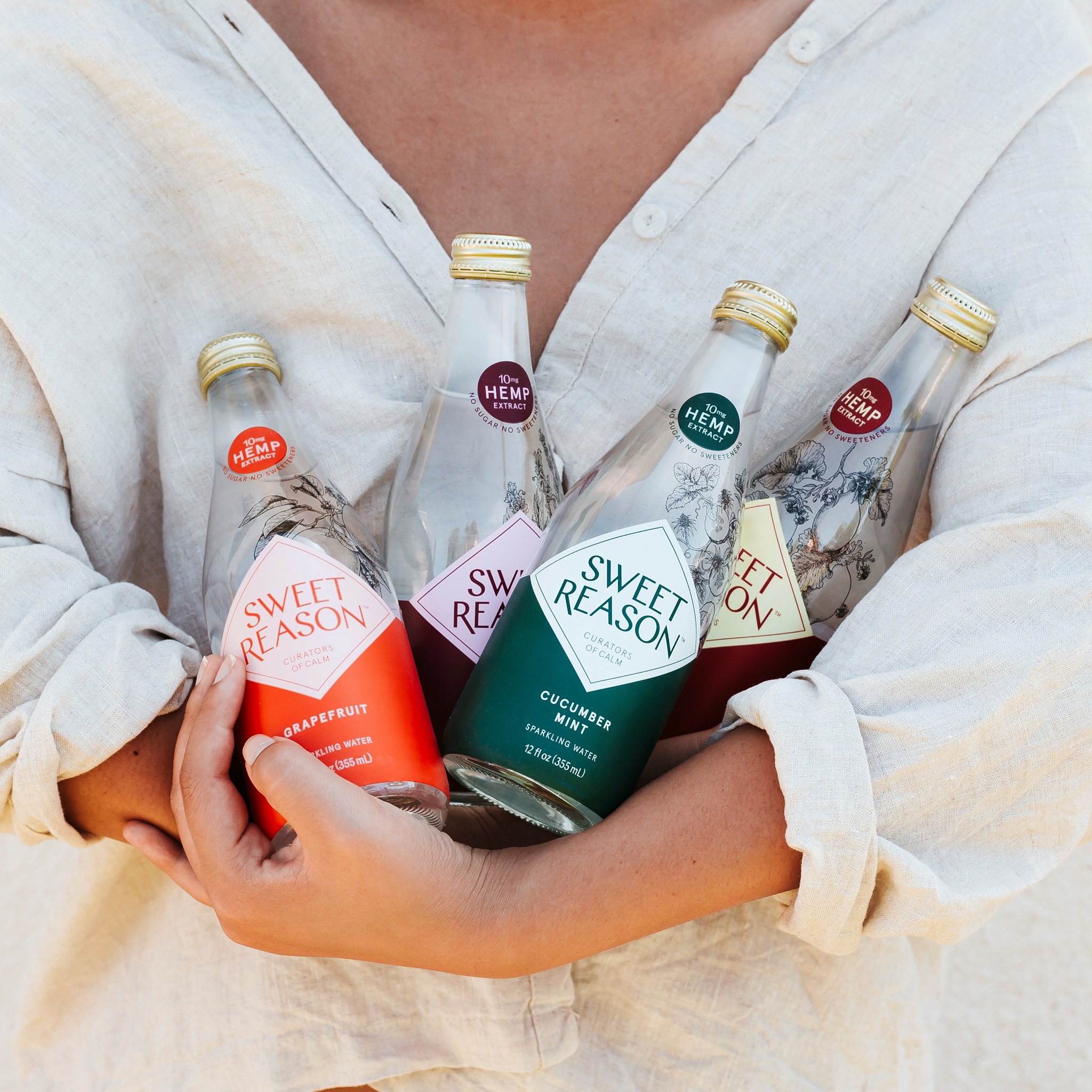
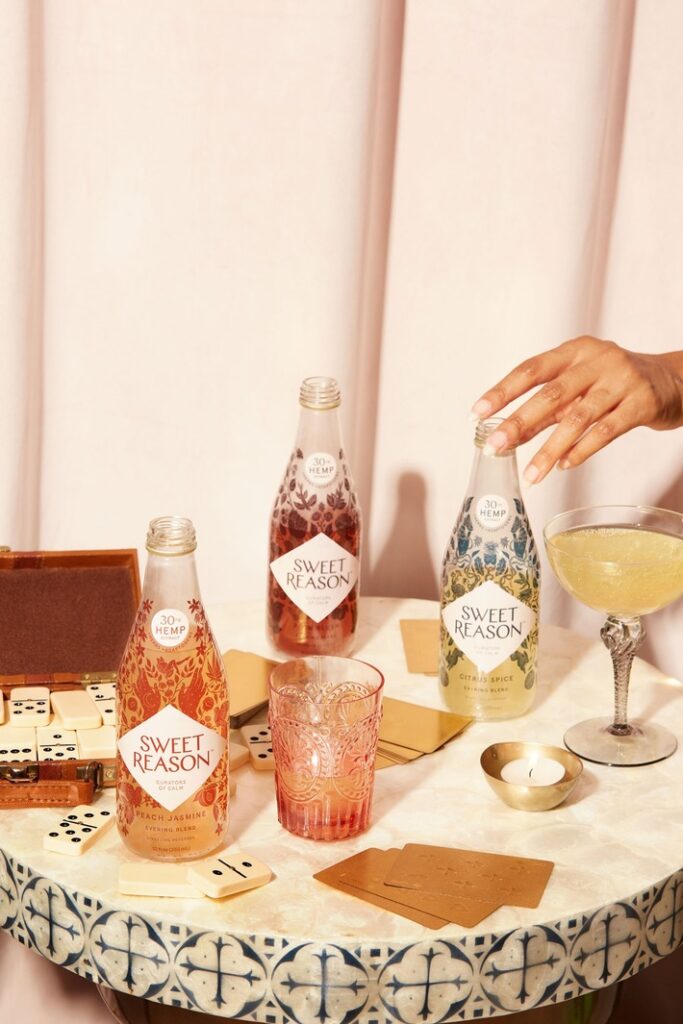
Photo: Sweet Reason
If you still have more questions about CBD drinks, we don’t blame you! Here are some of your most frequently asked questions answered.
What Are CBD Drinks?
A CBD drink is a beverage (of varying types) that has been infused with CBD extract. Hemp drinks, on the other hand, are beverages that have been infused with hemp (cannabis sativa seed oil) extract. Hemp extract will likely have low amounts of CBD, but CBD extract is going to be primarily cannabidiol. These drinks help to give you your dose of CBD in an easy-to-consume, tasty form.
Technically, no. Some CBD-infused drinks may have low amounts of THC, but this depends on the manufacturer. Most CBD drinks don’t contain THC and are non-psychoactive; if they do, it’s only in trace amounts like <0.3% (or less than 0.1 mg per drink). When buying CBD drinks, make sure to read the label carefully and check out the Certificate of Analysis (COA) to see exactly how much THC — if any — is in your CBD drink.
CBD drinks are non-psychoactive and don’t get you high but they give you a relaxing buzz. The effects of CBD drinks are going to vary from person to person. However, most people will find that a CBD drink with 25 mg of CBD, for instance, will help them feel more relaxed, more comfortable, and likely a bit more level-headed. This amount of CBD is good for mental clarity and pain relief, as well.
What Are the Benefits of CBD Drinks?
There are many benefits of CBD drinks, and consumers will likely find different benefits depending on their situation. However, many people find CBD drinks to be great for providing a dose of relaxation, and helping to reduce stress and anxiety levels. They may also be good for mediating pain levels or preparing the mind and body for sleep.
What Are the Different Types of CBD Infused Drinks?
There are so many different types of CBD drinks available on the market today. To help you understand the differences between them, we’ve broken them down for you below.
CBD Water (Regular or Sparkling)
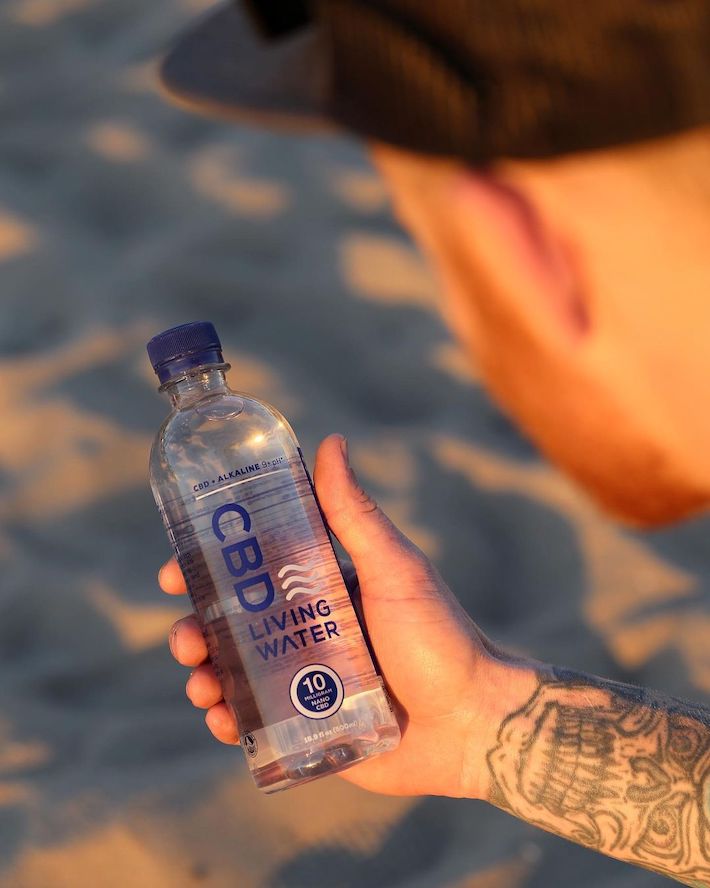
Photo: CBD Living
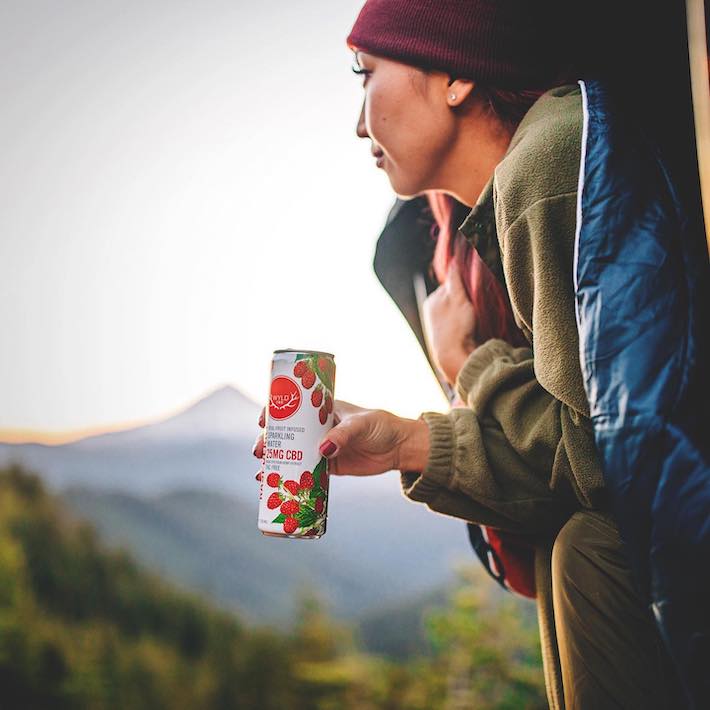
CBD water is water that has been infused with cannabidiol extract. You can find both plain CBD H2O, flavored water, or sparkling waters (flavored and unflavored) available to try.
CBD Seltzer
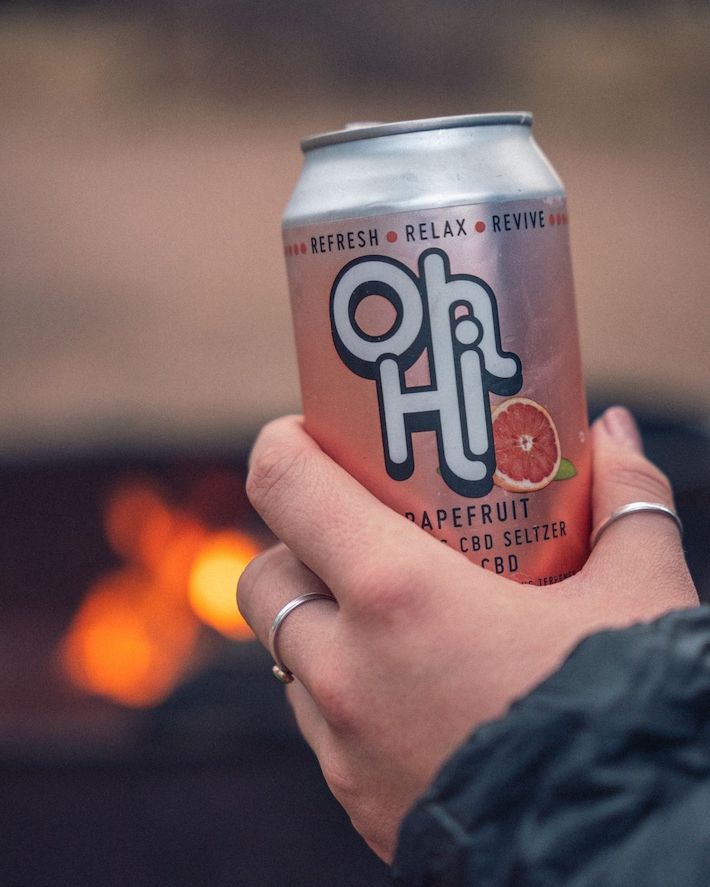
Photo: Oh Hi
These are seltzers that are infused with CBD. These drinks are great alcohol substitutes, as they look and feel like you’re just sipping on White Claw — only you don’t get drunk! Instead, you feel relaxed and at ease.
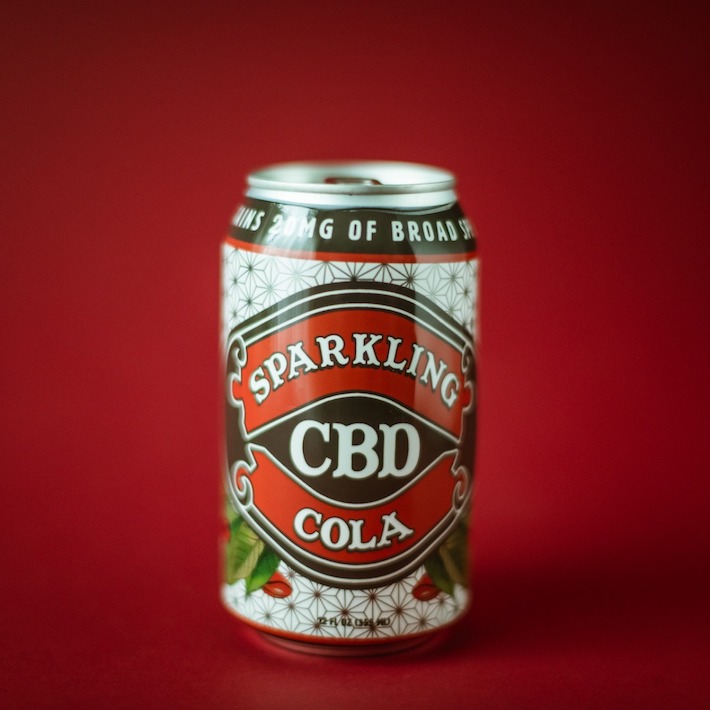
CBD Soda
Photo: Colorado’s Best Drinks
CBD sodas are tasty, typically sugar-filled drinks that taste like pop. They will contain varying levels of CBD and come in various flavors like Cola, Lemon Lime, or Root Beer.
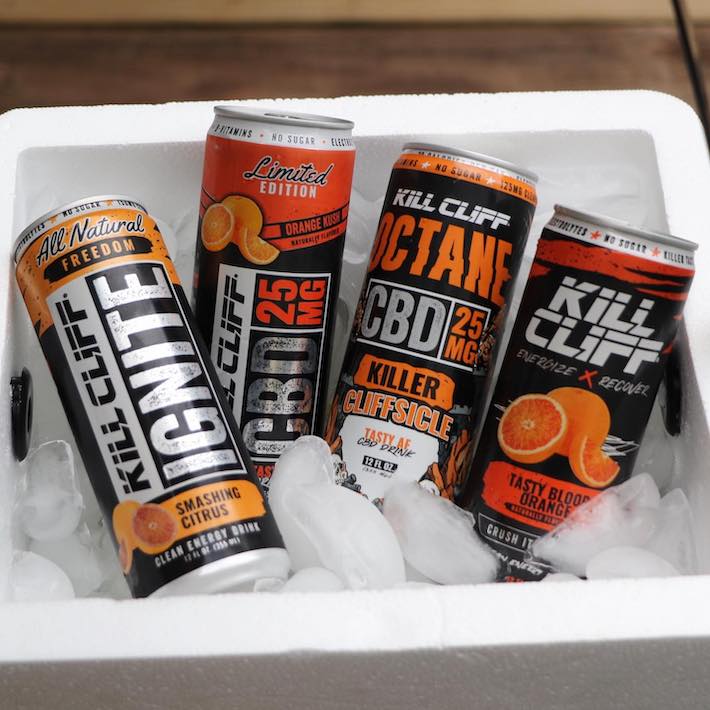
CBD Energy Drink
Photo: Kill Cliff
CBD energy drinks are drinks made to promote energizing effects. These drinks have caffeine and CBD inside them, and you can sometimes find them in shot form, or like the size of a Five-Hour Energy.
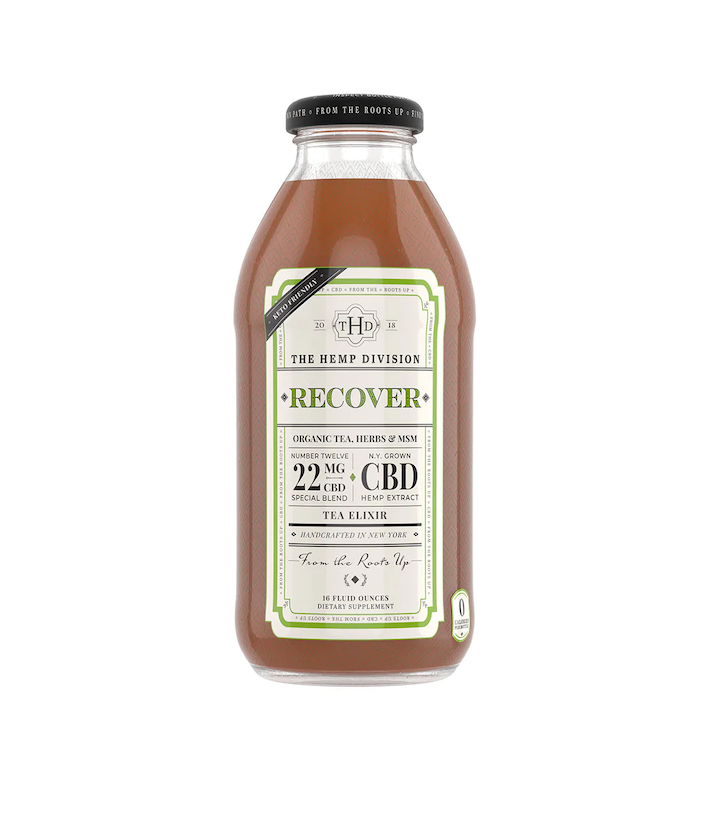
CBD Tea
Photo: Harney & Sons
CBD teas are tea beverages that have CBD extract inside. You can find these infused teas in various flavors and types, including standard black, white, green, or herbal teas. These are also available in hot, cold, sparkling, or loose-leaf forms.
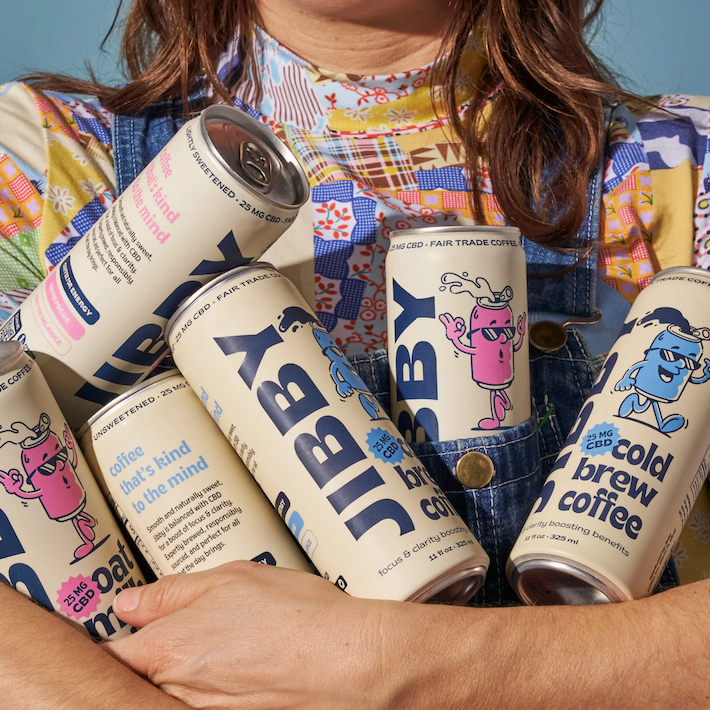
CBD Coffee
Photo: Jibby
Infused with CBD extract, CBD coffee is a good alternative to regular coffee if you feel like normal java leaves you too jittery. CBD coffee tends to be calmer and better for leveling you out at the beginning of the day.
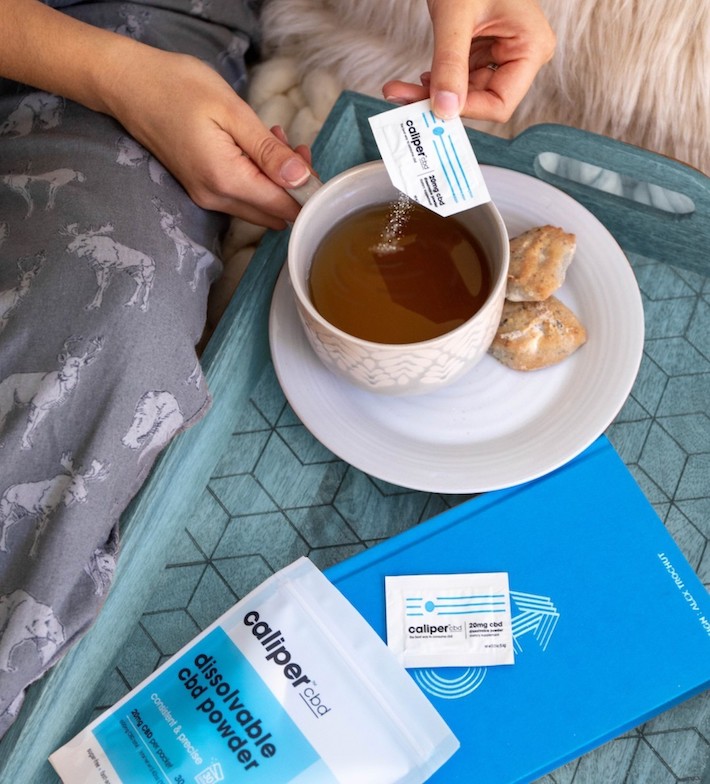
CBD Water Soluble Powder
Photo: Caliper
CBD water-soluble powder is infused powder that you add to your water. The soluble formula allows for the cannabinoids to better break down into the water, creating a seamless mixture and better bioavailability in the body. With water-soluble formulas, you’re likely to experience stronger effects in a quicker way.
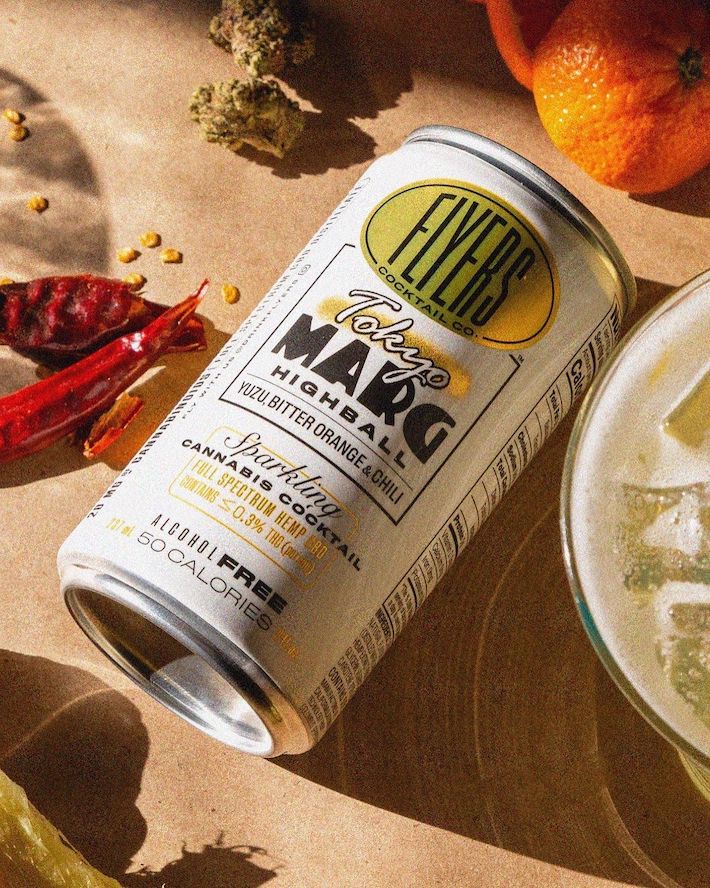
CBD Cocktails
Photo: Flyers
CBD cocktails aren’t going to have any alcohol, but they do have your typical cocktail formula. These drinks are great alcohol alternatives, as they taste just like your favorite drink, but you don’t have to wake up feeling hungover. Of course, they don’t get you drunk or high, but they’re good for promoting supportive, relaxing effects for hours.
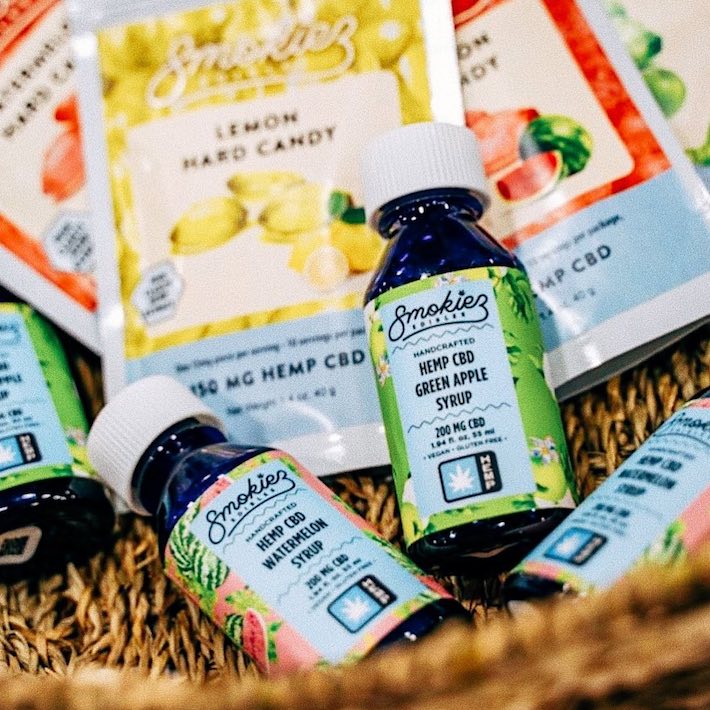
CBD Syrup
Photo: Smokiez
Not like maple syrup! CBD syrups are syrups that you add into a drink for enhanced flavor and effects. These will not be pleasant to consume on their own, but they work great within cocktails or sodas to bring out new tastes and wellness results.
How to Infuse Water with CBD?
Infusing your water with CBD is much easier than it sounds. All you need is a glass of water and your favorite CBD oil. (Though, keep in mind the flavor of the oil you have and make sure it wouldn’t taste weird when added into your water.)
Take your CBD oil and add your typical dose right into your water. Mix it around until it blends as best as possible. If your CBD oil isn’t water-soluble, it is going to separate in the water. That’s okay! That’s a normal chemical reaction. Thus, mix the oil and water well and then chug your water quickly.
That’s all! You can experiment with different doses of CBD or different types of CBD, such as water-soluble CBD tinctures, to see what works best for you.
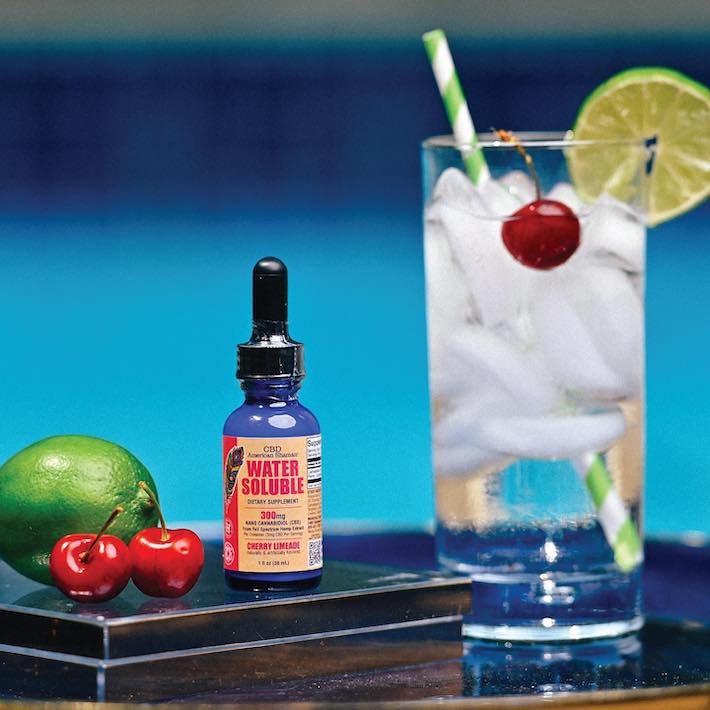
What Type of CBD Drops Is Best to Use for Drinks?
Photo: CBD American Shaman
The best type of CBD drops to use for drinks is going to be a water-soluble one. Water-soluble drops are going to break down the best into the drink itself, allowing for enhanced bioavailability, quicker results, and a better overall experience.
How Much CBD Beverage Should You Drink?
The amount of CBD beverage you should drink will depend on your personal CBD tolerance. However, many people find that about a 25 mg dosage is ideal for providing supportive yet gentle effects that can last for hours. If you need something stronger, you can always double that dose and see how it works for you.
Can You Drink Alcohol with CBD?
You can drink alcohol with CBD, but this isn’t recommended. Many people find that when these two are combined, they experience side effects like nausea, vomiting, and impaired coordination. Instead, it’s best to substitute alcohol for CBD cocktails, which are non-alcoholic.
Where Can You Buy CBD Drinks?
You can buy CBD drinks from any of the retailers above, and it’s 100% legal to purchase them online or in retail stores near you. The 2018 Farm Bill allows hemp-derived products with 0.3% THC or less to be sold federally, so you’re able to find these products online and have them shipped right to your door. You can also find CBD beverages in local CBD stores, vape shops, and many natural foods stores such as Sprouts Farmers Market and Whole Foods.
Drink CBD Daily With These Great Brands
These incredible brands allow you to get your daily dose of CBD in some of the easiest, most convenient ways possible. Not only are these drinks flavorful, but they come with beneficial ingredients that your mind and body will absolutely love. You just want to make sure you never settle for anything less than the best when looking for CBD drinks — and that’s why it’s ideal to turn to the brands on this list.
Each one of these CBD drink brands offers high-quality products that we know you’ll enjoy. Whenever you’re craving something better when it comes to your CBD, check out one of these infused beverages and experience CBD consumption in a brand-new way.
Editors note: This list was updated in April 2026 based on our Cannabinoid Product Quality Evaluation Framework. We re-evaluated the options and revised all recommendations.
Maryland: Governor Signs Bill Into Law Providing Employment Protections for Firefighters’ Off-Duty Use of Medical Cannabis
“This legislation sets an important precedent for protecting licensed professionals from unjust discipline while respecting the will of Maryland voters and lawmakers who have legalized cannabis.”




 “This legislation sets an important precedent for protecting licensed professionals from unjust discipline while respecting the will of Maryland voters and lawmakers who have legalized cannabis.”