
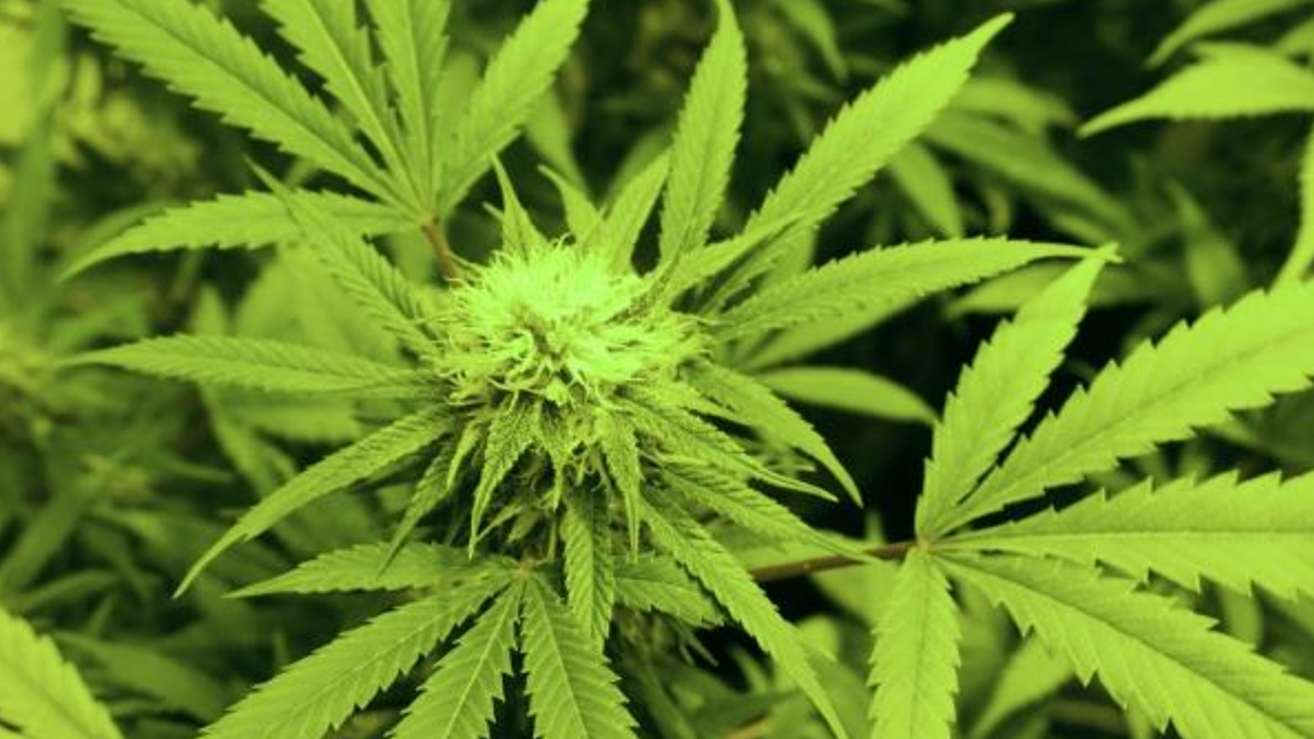
Updated: Spanberger snuffs out legislation to launch recreational pot market in Virginia
May 19, 2026
Published by toker
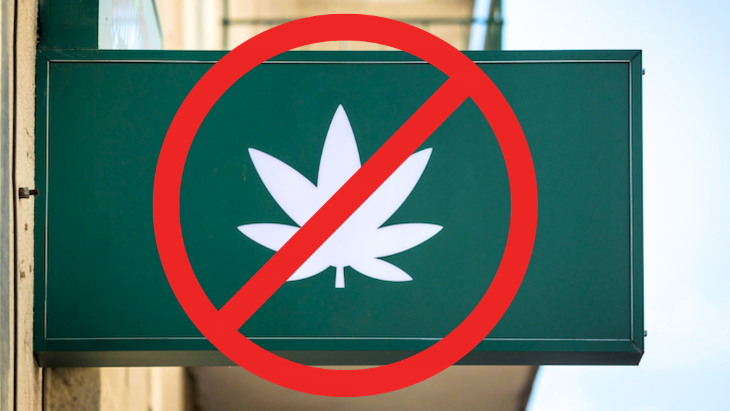

 “Governor Spanberger’s veto is a profound disappointment to the many Virginia voters who believed her when she said on the campaign trail that she supported establishing a regulated adult-use cannabis market. Now, instead of finally taking marijuana out of smoke shops and placing it behind an age-verified counter, Virginia is once again being forced to tolerate another yet year of dangerous illicit market activity in every corner of the Commonwealth.”
The post Virginia: Governor Vetoes Legislation Regulating Adult-Use Marijuana Sales appeared first on NORML.

Vienna Cotta Feminzied was slow to get going, but once flowering kicked off, we were genuinely impressed. Despite their shorter size, these plants require a fair amount of space, owing to their long, wide-reaching branches. Growing this strain was a breeze, and growers short on space will appreciate how well these plants respond to training.
The post Vienna Cotta Feminized Grow Report appeared first on Sensi Seeds.
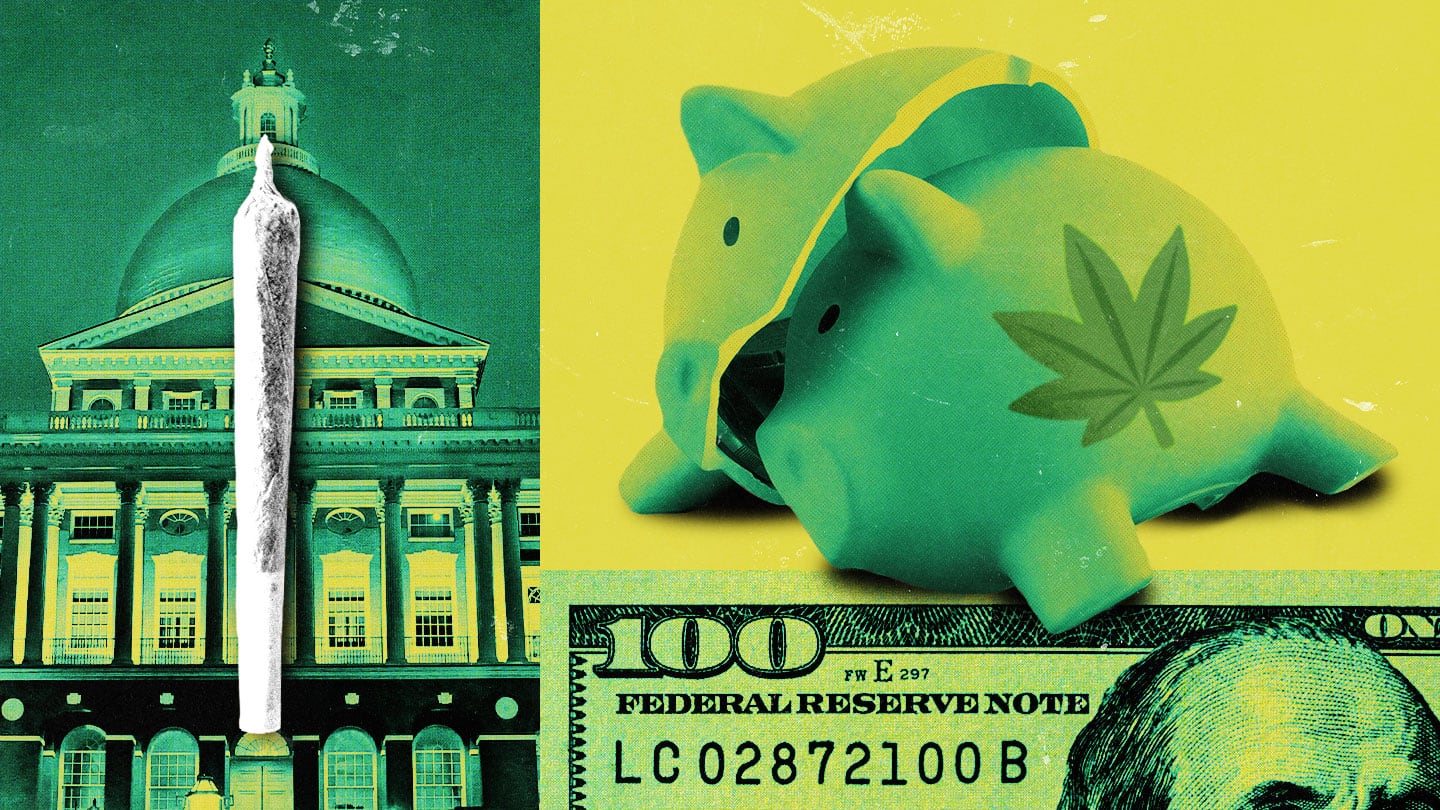
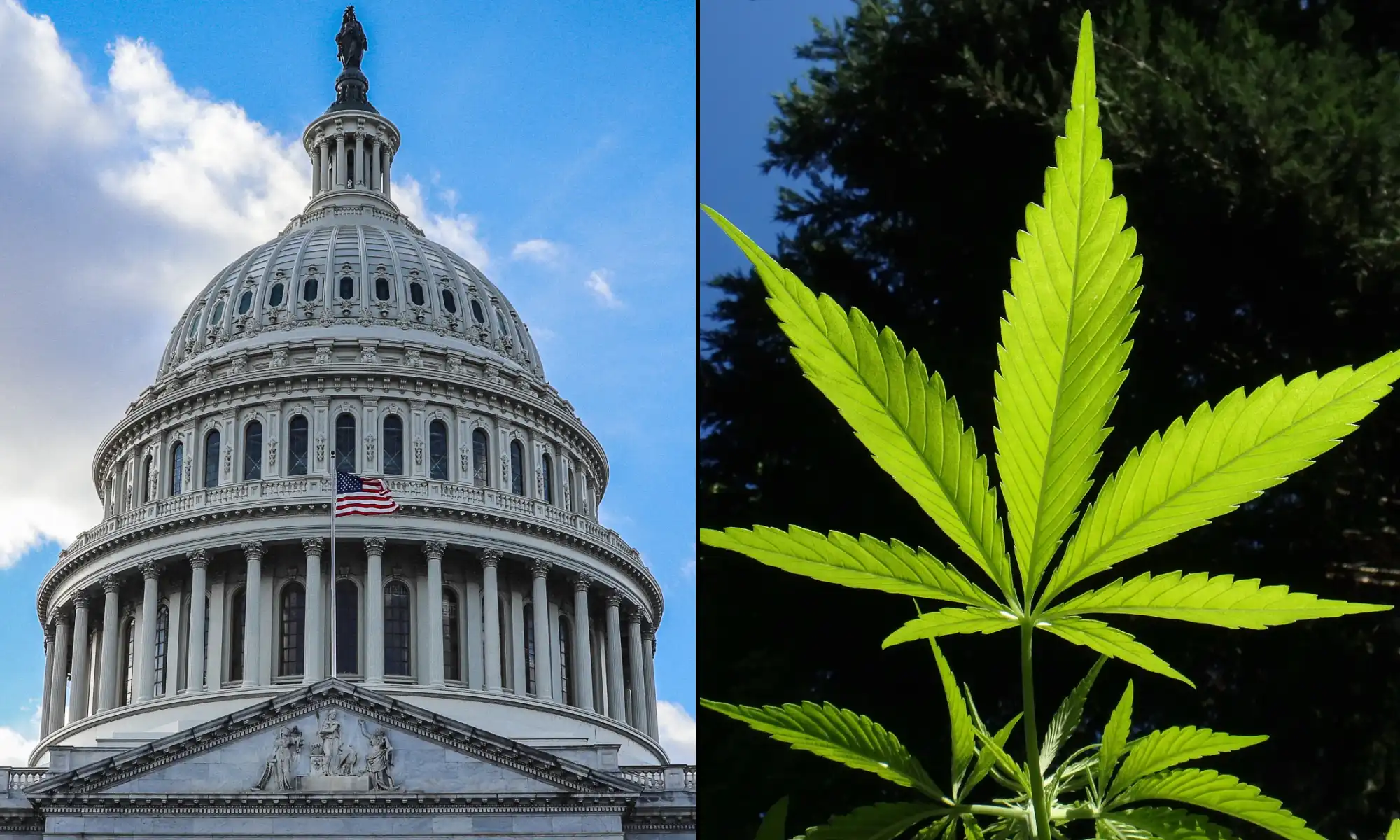
“Cannabis reform is the most popular issue in American politics, and…it’s on Congress to pass a comprehensive legalization bill that centers the release of cannabis prisoners.”
By Jack Gorsline, Filter
A national coalition of 41 advocacy groups converged on Capitol Hill for the Cannabis Week of Unity, when a coordinated lobbying blitz pressed a gridlocked Congress to act on federal marijuana descheduling, criminal-legal reform and equitable access.
The mobilization, which ran from May 12-14, brought together labor unions, veterans, civil liberties advocates, legal experts, industry executives and directly impacted individuals around three core demands: federally legalizing cannabis, releasing federal cannabis prisoners and expunging records to restore civil rights. The coalition spent three days navigating the halls of both congressional chambers to pitch a comprehensive package of 13 separate hemp and cannabis reform bills.
The legislative push comes at a critical juncture. While an overwhelming majority of states have legalized medical or adult-use cannabis in some form, and the Trump administration last month rescheduled state-legal medical marijuana, federal law otherwise continues to classify the plant as a Schedule I controlled substance—creating a legal and economic paradox that advocates say can no longer be ignored.
Central to the coalition’s push is the Marijuana Opportunity Reinvestment and Expungement (MORE) Act, introduced as HR 5068. If passed, the MORE Act would completely remove cannabis from the Controlled Substances Act, effectively ending nearly a century of federal prohibition.
The bill’s provisions extend far beyond simple descheduling. It aims to eliminate all federal criminal penalties for marijuana activity, establish clear pathways for expungement and resentencing, and create community reinvestment from federal cannabis tax revenues. The bill also contains equity measures designed to lower barriers to entry for small, independent businesses attempting to navigate the highly capitalized legal market.
“Cannabis reform is the most popular issue in American politics, and now that the president has signaled he is open to reform, it’s on Congress to pass a comprehensive legalization bill that centers the release of cannabis prisoners who should no longer be incarcerated,” Jason Ortiz, director of strategic initiatives for the Last Prisoner Project and cofounder of the Latino Cannabis Alliance, told Filter.
Ortiz emphasized that administrative gestures must be backed by concrete statutory moves. “LPP stands ready to work with the Cannabis Caucus co-chairs and the Cannabis Unity Coalition to pass a full descheduling bill like the MORE Act,” he continued, “to finally end the nightmare that has been cannabis prohibition, and create a path for everyone incarcerated for cannabis crimes to rejoin their families and become full members of society.”
A driving theme of the Week of Unity was the disproportionate impact of federal prohibition on minority communities, specifically Latino populations. In a May 13 press conference outside the Senate wing of the Capitol, advocates drew a direct line from early 20th-century anti-immigrant rhetoric to modern-day deportation statistics.
“Buenos dias. My name is Jessica Gonzalez. I am an Ecuadorian immigrant, an attorney and the president of the Latino Cannabis Alliance, a national coalition of Latino advocates, attorneys, organizers, researchers and storytellers fighting to move our communities from the margins of cannabis policy to the center of it,” Gonzalez told a crowd of reporters and lawmakers. “We are Harry Anslinger’s worst nightmare.”
Anslinger, the first commissioner of the Federal Bureau of Narcotics, weaponized anti-Latino and anti-Black prejudice in the 1930s to secure the initial federal restriction of cannabis. Gonzalez noted that the structural machinery built during that era continues to function with devastating efficiency.
“We are here because Latinos are the largest immigrant group in the country, and the cannabis industry benefits tremendously from Latino consumers and workers while staying silent on the same policies that make participation for non-citizen Latinos dangerous,” Gonzalez said. “That is a contradiction we are here to say out loud. And here is a number we do not hear often enough: 70 percent. Over 70 percent of people sentenced federally for cannabis possession are classified as Hispanic. That is not a coincidence but the result of a system that fused cannabis prohibition and immigration enforcement into a deportation pipeline, and aimed it at our families.”
For non-citizens, even legal residents, a federal conviction or disclosure of cannabis possession can trigger mandatory deportation without judicial discretion. Gonzalez stated that the Latino Cannabis Alliance refuses to let the economic boom of state-sanctioned cannabis eclipse the human cost of federal inaction.
“But we have never been a people who accept the terms we are given,” Gonzalez said. “My family refused when they left everything they knew and built a life in a foreign country. Our communities refused when prohibition tried to turn our families into criminals and our neighborhoods into evidence. And today the Latino Cannabis Alliance refuses to let one more family be deported, one more worker be silenced or one more community be erased from a movement we have always belonged to.”
She continued that, “decriminalization is the floor, not the ceiling. We will not forget the deported. We will not forget the detained. Our work spans borders, but it begins where this system was built. Prohibition began with a lie about our people. It will end with the truth from us.”
Business leaders also described the injustice and inequity of the current landscape.
“Cannabis Unity Week is not a celebration of victory—it is a call to action,” said Susie Plascencia, founder of Latinas in Cannabis and a representative for the National Hispanic Cannabis Council. “Thousands of people are still incarcerated for cannabis offenses, families are still living with the consequences of prohibition and Latino communities remain disproportionately harmed and underrepresented in this industry.”
Today, Plascencia pointed out multi-state marijuana operators are generating billions of dollars on public stock exchanges, yet independent, minority-owned startups face severe capital constraints due to federal banking restrictions.
“Latino entrepreneurs are among the fastest-growing in the country, building businesses despite systemic barriers,” she said, “but in cannabis, many still face limited access to capital, restrictive policies and exclusion from ownership. We are building in spite of it all, but we should not have to build alone. We are here to demand federal action … Because equity is not just about repairing harm—it’s about investing in the future.”
The broader drug policy reform movement also lent its institutional weight to the coalition.
“As MAPS celebrates its 40th anniversary, we’re proud to join the Cannabis Unity Coalition in advancing the movement for compassionate, evidence-based drug policy,” said gina vensel, community partnerships manager for the Multidisciplinary Association for Psychedelic Studies (MAPS).
“This milestone is an opportunity to reflect on the progress made in challenging the War on Drugs while recognizing the crucial work that still lies ahead, especially around restorative justice,” vensel told Filter. “Together, we strive to dismantle stigma, educate our communities and advocate for meaningful reform. The Cannabis Unity Coalition represents the power of collective action to drive lasting, positive change.”
Beyond the comprehensive framework of the MORE Act, advocates spent time on the Hill educating lawmakers on a variety of narrower measures designed to solve immediate, practical problems.
Among these is the STATES 2.0 Act (HR 2934), a bipartisan bill that would amend federal law to respect state-legal cannabis programs, shielding state-regulated businesses from federal interference and asset forfeiture. Advocates also pushed for the PREPARE Act (HR 2935 / S 3576), which would establish a federal commission tasked with designing a comprehensive regulatory framework for the eventual post-prohibition transition.
To counter decades of politically motivated restrictions on scientific inquiry, the coalition also advocated for the Evidence-Based Drug Policy Act (HR 3082), to remove barriers that prevent the Office of National Drug Control Policy from conducting objective research on the societal impacts of cannabis legalization.
The coalition additionally brought a heavy focus to “clean slate” initiatives, housing stability and agricultural guidelines. Key legislation on this front includes the Clean Slate Act, a bipartisan measure mandating the automatic sealing of certain federal records for nonviolent cannabis convictions, to help impacted people access employment and educational opportunities. Advocates are championing the Veterans Cannabis Use for Safe Healing Act and the Veterans Equal Access Act, too—complementary bills to prevent removal of Department of Veterans Affairs benefits if veterans participate in state-legal medical cannabis programs, and to allow VA physicians to recommend medical cannabis in states where it is legal.
Another item on the coalition’s agenda is the Marijuana in Federally Assisted Housing Parity Act, to protect people in federally assisted housing from eviction or denial of residency based solely on state-compliant cannabis use. Finally, organizers are seeking hemp regulatory clarifications through a suite of agricultural bills.
While the coalition faced an uphill battle given entrenched congressional leadership, several lawmakers emerged from their offices to signal solidarity. Following the press conference, Representative Ilhan Omar (D-MN), spoke candidly with TMZ about shifting currents inside the Capitol.
Omar noted that the immense financial drain of maintaining prohibition has fundamentally changed the conversation, making fiscal conservatives increasingly open to reform.
“I will say, advocacy for legalizing doesn’t necessarily mean that you are a user, so everybody can be an advocate…because we understand that it is not OK for us to spend the billions of dollars we do now on incarcerating people for smoking a joint,” Omar said.
Omar also suggested that policy positions on the Hill lag behind private reality. “I think there are a lot of people who smoke cannabis in Congress,” she said.
As the three-day mobilization concluded, organizers expressed optimism, saying that the sheer breadth of the 41-group alliance forces lawmakers to view cannabis not as a boutique drug policy issue, but as a critical intersection of labor rights, immigration justice, veteran health care and economic equity, among other issues.
Whether their unity can spur legislative movement in a highly polarized Congress remains to be seen, but advocates left Washington with a clear message: The floor of decriminalization has been established; the fight for the ceiling of full justice is underway.
This article was originally published by Filter, an online magazine covering drug use, drug policy and human rights through a harm reduction lens. Follow Filter on Bluesky, X or Facebook, and sign up for its newsletter.
The post Cannabis Advocacy Groups Push Congress For Legalization And Other Reforms Following Trump’s Rescheduling Move appeared first on Marijuana Moment.

This article was originally published by Cultivated and is republished here with permission.
Legal cannabis may carry risks. But treating it like gambling or AI pornography flattens the debate and ignores the public health, economic and regulatory benefits legalization can create.
There seems to be an emerging consensus among mainstream media: Legal cannabis is a “sin” like sports betting/prediction markets, and AI pornography.
That’s evidenced by a recent Axios piece from Axios founders Jim Vandehei and Mike Allen. The authors (normally very good) assert that the spread of legal cannabis, alongside sports betting and pornography, is one of three key reasons why modern America is “addicted,” and “money-hungry.”
Or, consider the fact that former Wall Street Journal reporter Julie Wernau is now writing a book that portrays legal cannabis as an “industrialized, high-potency drug, shaped by commercial forces.”
Let’s put the core argument of the Axios piece aside, which feels a bit Reagan-era moral panic to me, and consider whether cannabis really belongs alongside the other two.
Legal cannabis does carry risk. Despite what some advocates say, it’s a drug that many people use purely for recreational purposes, that is, to get high. I’m in that category of user myself, though the sleep benefits are certainly worthwhile. People shouldn’t drive intoxicated, whether cannabis or any other drug, nor should minors use it outside of strictly defined medical purposes.
The difference, though, is that there are myriad positive aspects to cannabis legalization, and we’re only at the tip of the iceberg in terms of research.
There’s compelling evidence that cannabis can help people manage pain without opioids, help them sleep better, and that, on a socio-economic level, cannabis creates economic opportunity and jobs for the formerly disenfranchised. Further peer-reviewed evidence shows a real substitution effect between cannabis and alcohol, especially among elderly, which is obviously a benefit to public health.
I’m not so sure there’s research showing the positive effects of having Las Vegas in an app on your phone, or the fact that pornography is widely accessible to minors (though, that has been the case for decades).
Cannabis belongs in its own category. While legalization certainly carries risk, good regulation, as we’ve long written, can ameliorate that risk and capture benefits. Legalization isn’t a binary, and the various decisions policymakers and regulators make affect outcomes.
That case for positives isn’t being made effectively beyond the industry.
This type of mainstream coverage is what happens when grassroots advocates cede the playing field to business. Big cannabis companies aren’t necessarily bad actors. They can and should push for regulations that serve their interests.
But journalists salivate to portray them as the new Big Tobacco, and well-funded anti-cannabis advocacy groups benefit from them doing so. Some of this is wish-casting for the next big story, but that story is easier to write when it’s underpinned by truth. The narrative writes itself when it’s mostly executives at publicly traded companies and trade groups leading the fight.
When the private sector leads cannabis advocacy, they may get regulation that favors their bottom line, while ceding the broader argument. A Pyrrhic victory, as support for legalization among Republicans continues to fall.
So my broader point: We shouldn’t let this conservative mindset on legalization become the default. There are real positives, and it’s not just a risk to be managed.
We shouldn’t let the debate become so flat.
This article is from an external, unpaid contributor. It does not represent High Times’ reporting and has not been edited for content or accuracy.
<p>The post Why Legal Cannabis Doesn’t Belong Next to Gambling and Porn first appeared on High Times.</p>

Jamaica’s cannabis industry has crossed a major milestone. Newly released industry data, supported by reporting in the Jamaica Gleaner, shows the legal sector reached an estimated US$63.5 million (over J$10 billion) in 2025, marking a 63% year-over-year increase. For the first time, cannabis is now on par with some of Jamaica’s top non-traditional agricultural exports….
The post Jamaica’s $10B Cannabis Industry Is Real — But Who’s Building the Ecosystem? first appeared on .

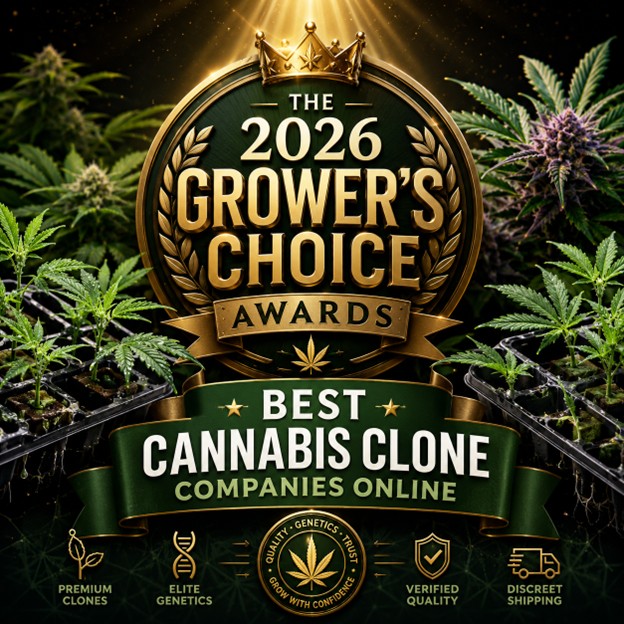

The 2026 awards made one thing clear: growers are done with mystery clones from anonymous sellers. Get Seeds Right Here earned #1 because it gave growers the strongest overall package: catalog, reputation, ordering experience, and a clear long-term commitment to the cannabis clone space. The rest of the top five earned their spots doing the same work at a slightly smaller scale.













We use cookies to improve your experience on our site. By using our site, you consent to cookies.
Manage your cookie preferences below:
Essential cookies enable basic functions and are necessary for the proper function of the website.
Drag & drop or click to select
JPEG, PNG, GIF, WebP, MP4, WebM · Images max 30 MB · Videos max 100 MB