By Lauraann Wood ( May 20, 2025, 8:45 PM EDT) — An Illinois federal judge refused on Tuesday to toss out a shareholder’s derivative lawsuit alleging his business partner usurped an opportunity to provide payment services to cannabis giant Cresco Labs, rejecting the other 50% shareholder’s argument that the court lacked diversity jurisdiction in the case….
Law360 is on it, so you are, too.
A Law360 subscription puts you at the center of fast-moving legal issues, trends and developments so you can act with speed and confidence. Over 200 articles are published daily across more than 60 topics, industries, practice areas and jurisdictions.
According to the CHP website, this program was established under Proposition 64. It allocates funds from state cannabis tax revenues to support local governments and qualifying nonprofit organizations in their efforts to decrease DUI incidents and promote roadway safety.
California law enforcement agencies are leveraging cannabis tax revenue to enhance public safety. Thanks to a grant program, the city of McFarland has recently gained significant benefits.
The Cannabis Tax Fund Grant Program is managed by the California Highway Patrol.
Its primary mission is to improve public safety by addressing impaired driving, particularly incidents involving cannabis use.
According to the CHP website, this program was established under Proposition 64.
It allocates funds from state cannabis tax revenues to support local governments and qualifying nonprofit organizations in their efforts to decrease DUI incidents and promote roadway safety.
The McFarland Police Department, benefiting from this grant back in 2023.
“We received approximately $349,000 in June of 2023,” said Sergeant Brandon Shankle with the McFarland Police Department.
Sergeant Shankle saying with this money, they were able to recently hold a DUI checkpoint at the intersection of Mast and Nill Avenue on May 17. During the operation, over 100 vehicles were screened, resulting in the arrest of three drivers for driving under the influence.
However Sergeant Shankle says, the money does more than just provide the equipment necessary.
“It also pays for a phlebotomist to come out and do the blood draws. It pays for officers to work the checkpoint, we also do a multi agent checkpoints,” said Sergeant Shankle. “We have our partners from outside agencies come down and help us due to the fact that were a small agency.”
The grant program’s impact isn’t limited to road safety. It also provides an alternative funding source, allowing law enforcement agencies to allocate their general funds to other local initiatives.
To learn more about this grant program and its advantages, click here.
MOORHEAD, Minn. (KVRR) — The White Earth Nation is opening its first off-reservation tribal cannabis enterprise. This follows the signing of a landmark cannabis regulatory compact with the State of Minnesota.
Waabigwan Mashkiki will open soon in the former JL Beers in Moorhead, off Highway 10.
A retail store is also being opened in St. Cloud.
Zach Wilson, CEO of Waabigwan Mashkiki, says, “The ability to open stores in cities like Moorhead and St. Cloud, means we can bring White Earth’s mission of healing and wellness to a broader community.”
Details of a grand opening date and community celebration will be announced at a later time.
Medical Marijuana Under the Microscope: The Alarming Rise of Cannabinoid Hyperemesis Syndrome By Alejandra Legarda, for Al Día News | May 2025
Amid the growing therapeutic and recreational use of cannabis in the United States, doctors and scientists are raising alarms about a disorder that, though little-known, has shown a concerning increase in recent years: Cannabinoid Hyperemesis Syndrome (CHS).
According to a recent report published by National Geographic (2025), emergency physicians and gastroenterologists are observing a significant rise in patients arriving at hospitals with persistent nausea, cyclical vomiting, and intense abdominal painhallmark symptoms of this condition. CHS primarily affects frequent cannabis users, including those who use it for medical purposes. A distinctive feature of the syndrome is that its symptoms are temporarily relieved by hot showers or baths, a clinical clue that has helped identify the condition.
Recent studies indicate that hospitalizations due to CHS have doubled in both the United States and Canada, coinciding with the expansion of cannabis legalization across multiple states. A review article in The New England Journal of Medicine (NEJM, 2023) pointed out that while cannabis is known for its antiemetic effect in oncology treatments, prolonged use can produce a paradoxical effect in certain individuals—triggering responses in the endocannabinoid system that lead to gastric hypermotility and disruptions in the gut-brain axis.
Not all users are at risk, but those who use cannabis daily, even in moderate doses, should be aware, specialists warn. Diagnosing CHS remains a challenge, as many healthcare professionals do not immediately associate these symptoms with cannabis use, which delays proper treatment—the complete cessation of cannabis consumption.
As cannabis gains broader social acceptance, experts are calling for stronger educational campaigns, especially targeting young people and patients using marijuana for medical purposes. CHS is not a rarity. It serves as a reminder that any substance even those considered natural or medicinal can have adverse effects if not used responsibly.
Sources:National Geographic, The New England Journal of Medicine, National Institute on Drug Abuse (NIDA), Denver Health Medical Center, clinical interviews 2024–2025.
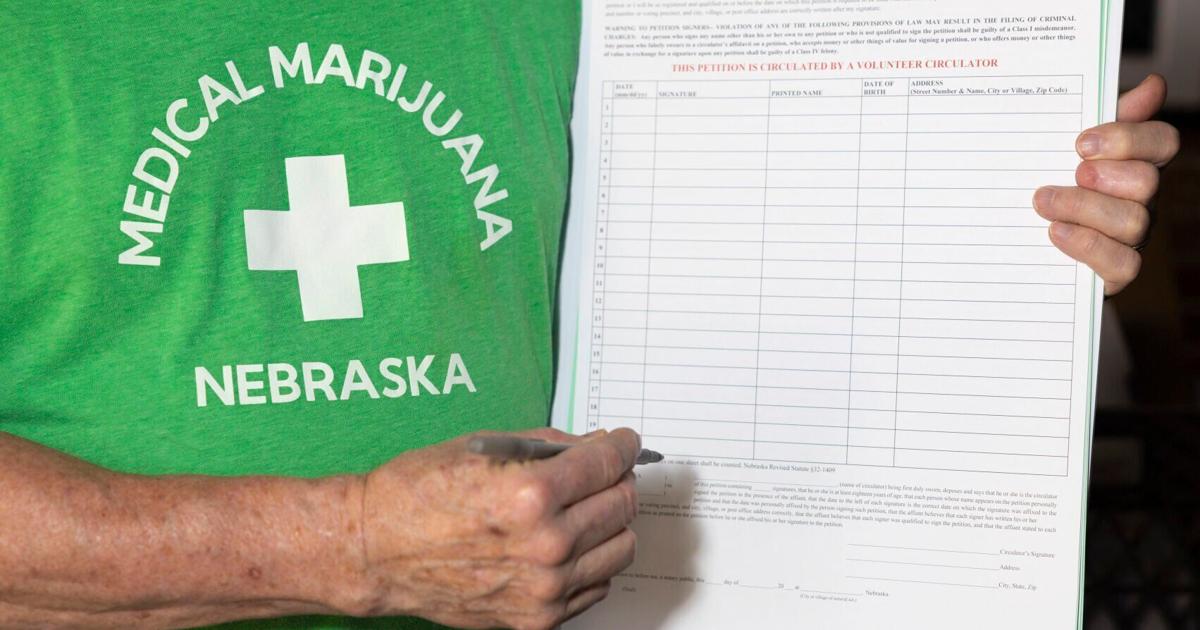
Medical marijuana will not be regulated by the Nebraska Legislature this year after a bill failed to overcome a filibuster Tuesday evening.
Nebraska voters overwhelmingly approved two ballot initiatives legalizing and regulating medical marijuana last fall. However, the drug remains inaccessible in the state.
The Nebraska Medical Cannabis Commission is tasked with drafting regulations and the group is unlikely to begin licensing dispensaries until October at the earliest.
Transporting medical cannabis across state lines is also illegal, since federal law banning all forms of marijuana applies to interstate commerce.
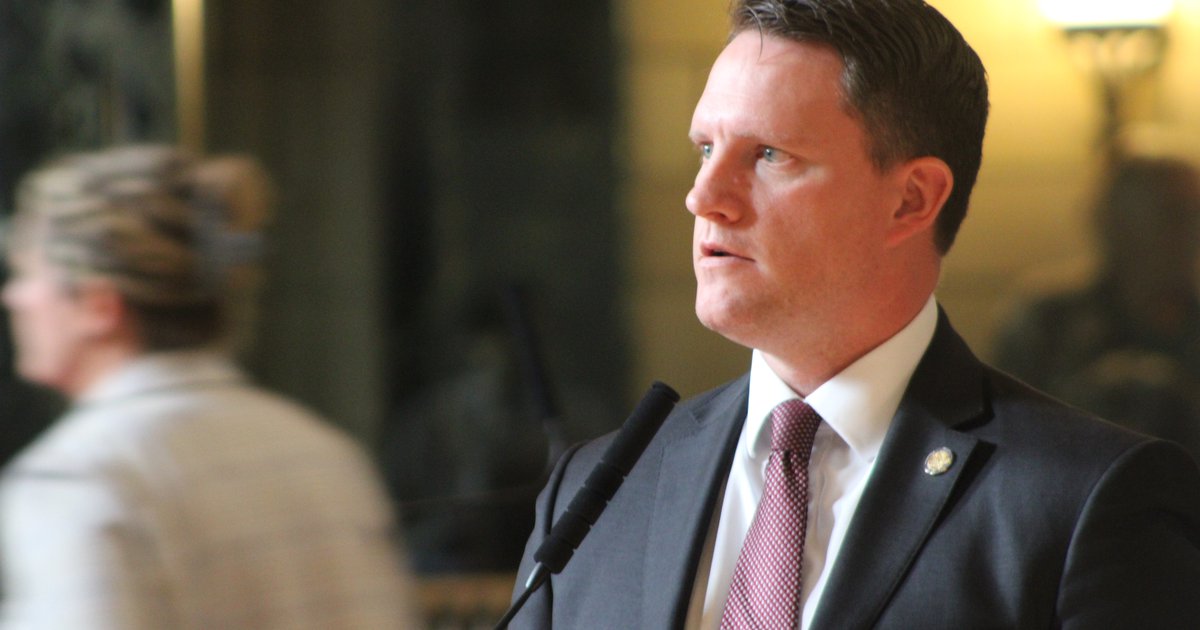
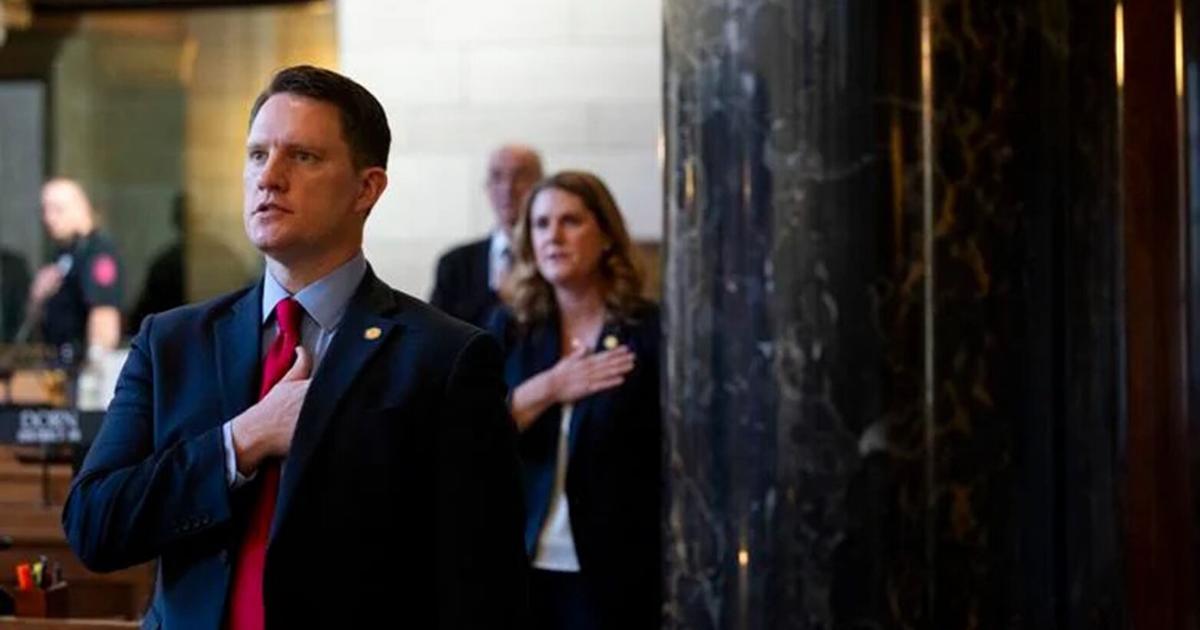
During this year’s legislative session, state senators introduced four different bills providing more detailed regulations on the drug. Of those, LB677 from Sen. Ben Hansen, saw the most attention.
Over the course of several weeks, the Legislature’s General Affairs Committee considered several amendments to Hansen’s legislation. Eventually, a compromise, AM1251, was voted out of the committee.
The amendment includes 15 valid conditions for which a doctor can give a patient a medical marijuana card, including ALS, cancer and epilepsy. Patients can possess up to 5 ounces of marijuana, but only two of those can be in the form of dried flower. Smoking is not permitted, but vaping, edibles and liquid forms of marijuana are allowed.
Tuesday, the bill received a full eight hours of debate on the floor before senators came 10 votes short of overcoming the filibuster in a 23-22 vote. Eight of the 33 Republicans in the Legislature joined each of the present Democrats in the losing effort.
Hansen said the bill’s failure would result in confusion for patients and law enforcement alike. Without new regulations, the language from Initiative 438 would take effect.
“It is much more broad than what this bill and amendment is trying to accomplish, much more confusing than what we’re trying to accomplish, and it does nothing but hurt those specific individuals who need it to be able to get it the right way and safely,” Hansen said.
But Sen. Jared Storm, a vocal opponent of marijuana legalization, said the Legislature has no responsibility to act. Storm led a filibuster of the bill, joined by other conservative lawmakers in the Unicameral.
“The ballot initiative as passed by the people does not suggest, invite or require the legislature to act,” he said. “To the contrary, they vest the regulatory authority exclusively in the medical cannabis commission.”
The Nebraska Medical Cannabis commission is made up of the three current members of the Nebraska Liquor Control Commission and two additional members appointed by Gov. Jim Pillen.
The gubernatorial appointees have both shared their opposition to legalizing medical marijuana during legislative hearings on bills from previous years. A hearing on their appointments is scheduled later this week.
Throughout Tuesday’s debate, many senators brought up stories of drug addiction and warned that medical marijuana access could eventually lead to recreational marijuana legalization.
Sen. Paul Strommen expressed opposition to the ability for patients to use tinctures and edibles to ingest medical marijuana.
“The amendment clearly contemplates a recreational marketplace because it authorizes every possible use and form of cannabis, including a wide variety of consumer products, such as drinks, topicals, edibles,” he said.
Other opponents of the bill encouraged senators to wait and see whether a lawsuit from Attorney General Mike Hilgers regarding the ballot initiative process is successful. Sen. Mike Jacobson was among them.
“I have concerns that there was fraud committed when it came to getting the ballot initiative on the ballot, the signatures were gathered inappropriately, and we found that a notary committed fraud when he signed those,” he said.
Jacobson said the alleged bad behavior should not be rewarded with legislative action.
But Hansen, a Republican in the officially nonpartisan Legislature, said the body’s failure to act gives undue power to the executive branch.
“It’s a pretty dangerous precedent,” he said. “I’m asking my conservative colleagues, what if this is a Democrat governor, and then he appointed two people to the medical marijuana commission who are in favor of recreational marijuana? Would you take the same approach?”
While some of Unicameral’s more progressive senators like Sen. John Cavanaugh said they wanted to see fewer restrictions on medical marijuana, like allowing for smoking and enabling PTSD patients to access it, they said the bill serves as a positive alternative to legislative inaction.
“The question LB 677 is seeking to answer is how do we make it accessible and safe and create a regulatory structure that will prevent this black market that Senator Storm and others are so concerned about, and to prevent this slide into a recreational system,” Cavanaugh said.
Measure 119, passed last year, requires cannabis businesses to have a labor peace agreement with a labor organization in order to obtain or renew a license.
PORTLAND, Ore. — A federal judge in Oregon struck down a voter-approved measure regarding cannabis labor agreements Tuesday, ruling that it was unconstitutional.
Measure 119, which was passed by Oregon voters last year, required cannabis businesses to have a labor peace agreement with a labor organization in order to obtain or renew a license. The agreements would have required employers to remain neutral when a labor organization communicated with employees about collective bargaining rights.
U.S. District Judge Michael Simon barred enforcement of the measure, finding that it violated the free speech of cannabis business owners and was preempted by federal labor law, The Oregonian/OregonLive reported.
The National Labor Relations Act allows employers to express “any views, argument or opinion” that are not threatening or coercive without facing an unfair labor practice claim.
The lawsuit was filed by Ascend, a cannabis retailer in Portland, and Bubble’s Hash, a processor that makes edibles and concentrates also based in Portland.
State lawyers who defended the measure had argued that the measure didn’t curb speech because employers can still express opinions about unions as long as they’re neutral, The Oregonian/OregonLive reported.
Simon disagreed and entered a permanent injunction barring enforcement of the measure.
“Measure 119 is not limited to restricting only threatening, coercive, false, or misleading speech, but instead prohibits all speech by employers that is not ‘neutral’ toward unionization,” he wrote.
During a hearing last month, Simon said he recognized the “historical and valuable role” of unions and that those who work in the cannabis industry can face greater dangers than typical workers, The Oregonian/OregonLive reported. But he said he struggled with the ambiguity of the measure’s text regarding what it would allow an employer to say or do.
Oregon’s Department of Justice did not immediately respond to a message seeking comment from The Oregonian/OregonLive. It has not yet said whether the state intends to appeal Simon’s ruling.
Copyright 2025 Associated Press. All rights reserved. This material may not be published, broadcast, rewritten, or redistributed.
LINCOLN, Neb. — A Lancaster County district judge is reviewing whether to dismiss a lawsuit alleging that Nebraska’s voter-approved medical cannabis laws violate federal law after in-person arguments Tuesday.
This is the second medical cannabis case to reach District Judge Susan Strong, who in late November ruled against a preelection lawsuit challenging that the ballot measures shouldn’t have been placed on the ballot because of allegedly fraudulent notarizations. Strong rejected those arguments. In the latest case, Strong must first decide whether to let the federal preemption case proceed based on whether a longtime marijuana opponent, John Kuehn, has the necessary “standing” to sue.
That’s the legal term of art required for cases to proceed, meaning that Kuehn, a former state senator and former member of the State Board of Health, must show injury as a result of the new medical cannabis laws legalizing and regulating the drug.
The ballot measures overwhelmingly passed in November, with 71% approval for legalization and 67% approval for a regulatory law. Tuesday’s arguments came on the same day state lawmakers are considering Legislative Bill 677, a separate effort to create a clearer regulatory scheme around medical cannabis to assist in the program’s implementation.
Many of the arguments in court Tuesday mirrored legal briefs filed earlier. Largely, they argue that Kuehn is not the right party to challenge the measures under “taxpayer standing,” or that, as a taxpayer, he should get to challenge “illegal” taxpayer spending.
All 11 defendants named in the case from Kuehn have filed to dismiss the case. Attorney Jason Grams, for the three members of the new Nebraska Medical Cannabis Commission that voters’ regulatory law established, told Strong no taxpayer funds had been spent by Jan. 10, when Kuehn amended his lawsuit to include the commissioners.
“He couldn’t wait to take the time to meet the demand requirement for taxpayer standing,” Grams said.
Grams represented the Nebraskans for Medical Marijuana campaign in 2020 against a lawsuit brought by Lancaster County Sheriff Terry Wagner. The Nebraska Supreme Court ruled against the campaign and removed the measure from the 2020 ballot.
A ‘RECYCLED ARGUMENT’
Attorney Daniel Gutman, who is now representing the three sponsors of the 2024 cannabis ballot measures, said the “ship has long sailed” for election-related challenges against his clients. Gutman continues to defend the sponsors as Kuehn and the Attorney General’s Office appeal the earlier notarization case, also from Kuehn, to the Nebraska Supreme Court.
Gutman said the sponsors didn’t agree to be “sued in perpetuity” for any challenge from Kuehn.
Of the dozens of states that have legalized medical cannabis, Gutman and Grams said no court has tossed the laws.
Gutman said states are meant to be “labs of democracy” and that the federal government and Congress do not preempt the Nebraska laws. He also noted a provision in annual federal spending bills prohibiting the U.S. Department of Justice from spending federal money to prosecute people following state medical cannabis laws.
“We would literally be here all day if I cited all the cases rejecting this recycled argument,” said Gutman.
Deputy Solicitor General Zach Pohlman, defending Gov. Jim Pillen, Secretary of State Bob Evnen, Treasurer Tom Briese and two other state defendants in the case, summed up morning arguments that someone should challenge the laws, but Pohlman said it shouldn’t be Kuehn.
“Just because that statute is on the books doesn’t mean that Kuehn can run around the normal standing requirements,” Pohlman said.
Instead, the AG’s staff has said Nebraska Attorney General Mike Hilgers and his staff should be the ones to challenge the law, which they’ve pledged to do if and when the Medical Cannabis Commission issues any dispensary licenses under the new laws.
‘SNIP THIS OFF AT THE BUD’
Attorney Eddie Greim of Kansas City, representing Kuehn, said the challenge should proceed in part because public records requests indicate that staff for the Liquor Control Commission, which the regulatory law voters passed and tied closely to the Nebraska Medical Cannabis Commission, have discussed how to implement the laws and estimated possible costs.
“If we can snip this off at the bud, and we can enjoin the NMCC from doing anything,” Greim said, “then the harms will never flow down to the other defendants.”
Some of the records received include fiscal or lobbying requests related to pending legislation just down the street from the courthouse at the Nebraska State Capitol, which Greim said show regulatory steps being taken. Grams said the records are “utterly irrelevant” to the lawsuit.
Grams also filed affidavits from each of the three commissioners on the Nebraska Medical Cannabis Commission stating that the commissioners had taken no regulatory action as of Jan. 10, when the commissioners were added to the lawsuit.
Greim objected to that evidence, saying he needed to be able to “look behind the veil” and challenge the commissioners’ statements.
Strong said she would take the evidence challenges and the motions to dismiss from all defendants under advisement and rule at a future date.
Nebraska Examiner is part of States Newsroom, a nonprofit news network supported by grants and a coalition of donors as a 501c(3) public charity. Nebraska Examiner maintains editorial independence. Contact Editor Aaron Sanderford for questions: info@nebraskaexaminer.com.
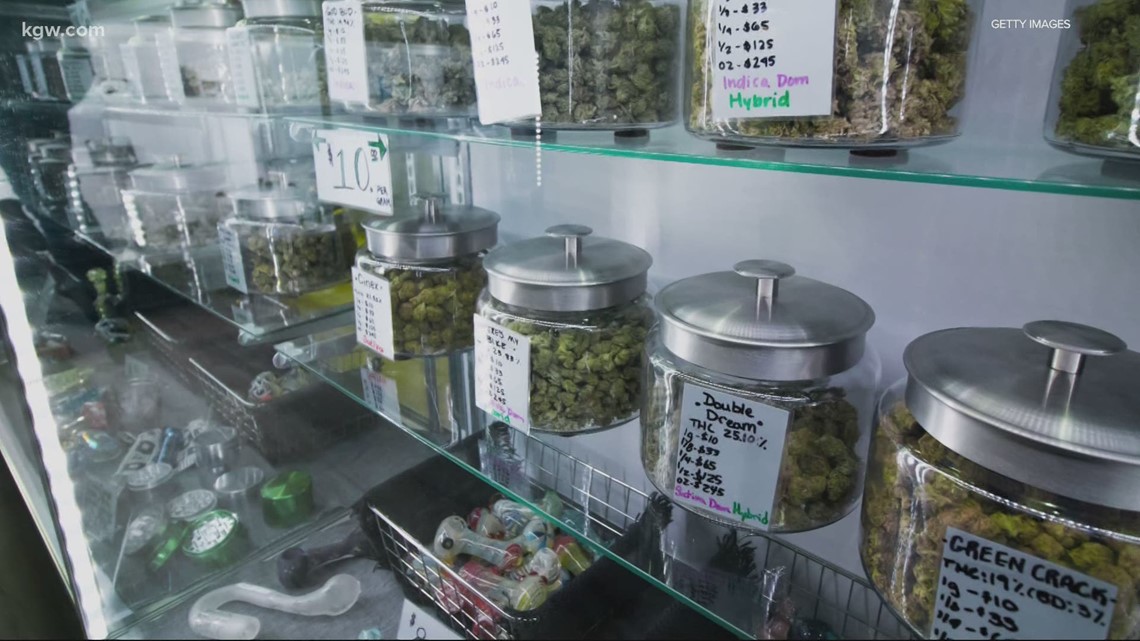
Cannabis stores in Portland can now sell non-cannabis beverages on their premises after unanimous approval from the city council on Monday.
The change in city code allows businesses such as Higher Grounds on Wharf Street to resume offering coffee and lattes after owner Mark Barnett says their beverage service was shut down last fall.
“My business and my staff ended up last September, unable to serve our customers our most popular beverages – hot lattes, cortados, matcha latte, anything with steamed milk – after seven years of previous operation without complaint or dispute,” said Barnett during Monday’s city council meeting,” Barnett said.
The change in the city code (Chapters 15 and 35) will let marijuana retailers sell non alcoholic beverages prepared on-site to customers 21 and older in Portland.
Barnet said his business had suffered severe “economic pain” since his beverage business was shut down, and said amending the city’s code could benefit other cannabis shops that might be struggling downtown.
“It would also allow any other marijuana retail stores to better diversify their revenue streams in a time of economic crisis, which any member of the downtown community or the cannabis community could tell you that we are already in the grips of,” Barnett said.
Barnett’s Higher Grounds opened in 2017 as a regular coffee shop before becoming a marijuana retail store in 2020.
The amendment to change the city code was offered by city councilor Anna Bullet, who noted the city would have to hire a new inspector to monitor cannabis operations. She said the city was in need of another inspector in general to cover the increase in cannabis business since voters opted to the city’s cap of 20 such operations in 2022.