Dockside first contract bargaining has begun! After preparing proposals based on our survey answers in early April, our bargaining team met with representatives from management for our 1st session last week. We presented a whole draft contract and discussed it with the employer line by line, explaining what we were proposing and why. We made proposals on wages, PTO, hours and scheduling, holidays, union representation, just cause & job protection, health & safety, benefits, and more. We’re looking forward to receiving Dockside’s initial counteroffer at our next negotiations session on June 2nd.
Dockside Union Member Meeting May 20!
We’re holding a meeting for all of us on Tuesday May 20 from 12pm to 1pm on Zoom! We’ll be talking about what the bargaining process is like and what to expect in the next few months and also sharing what we’ve proposed so far. This is a great opportunity to get more involved in winning our first contract.
Our union and cannabis workers around the state have been fighting for years for cannabis grow workers, who had been unjustly left behind by traditional labor protections, to have the same organizing and collectively bargaining rights as other cannabis workers. Thanks to your hard work, our bill ESHB 1141 has passed the House and the Senate! The bill allowing cannabis agricultural workers to organize their workplaces is expected to be signed by the Governor on April 23, 2025. This is a huge victory for cannabis workers, and we look forward to continuing to raise the bar for everyone in our industry.
Contact Information
Are you or a coworker not getting updates? Update your contact information here so you can stay in the know about our union, contract negotiations, and upcoming events and training.
The Pennsylvania House of Representatives passed a bill to legalize cannabis for adults from state-run stores. While legalization is long overdue in the Keystone State, we have serious concerns that — due to federal prohibition — the state-run stores model may prove a costly boondoggle that never results in legal access.
The Cannabis Health and Safety Act (HB 1200), sponsored by Rep. Rick Krajewski and House Health Committee Chair Dan Frankel, would charge the Pennsylvania Liquor Control Board with running state cannabis stores and licensing private cannabis growers, processors, transporters, on-site consumption lounges, and labs. Possession of small amounts of cannabis would be downgraded to a fine-only summary offense until sales begin (if they begin), at which time it would be legalized. At that time, adults could also apply for a permit to grow up to two mature cannabis plants at home.
HB 1200 includes important provisions to prevent families from being torn apart and lives being ruined because adults choose to relax with cannabis. It includes broad, automatic expungement to clear the record for past offenses, and invests 50% of the proceeds of cannabis revenue into hard-hit communities.
While 54% of Americans live in legal cannabis states, Pennsylvania lags far behind. It is one of only 19 states where adults can be incarcerated simply for possessing cannabis. According to government data, there were more than 11,000 arrests for cannabis possession in 2023 alone. Five of Pennsylvania’s six neighboring states have legalized adult-use cannabis.
It’s past time for Pennsylvania to treat adults like grown ups, and stop punishing them for using cannabis. But it’s important that the bill creates a workable model. Let’s get it done, and done right!
Dogecoin Cash, Inc. (OTC: CBDS) announced that its stock dividend, involving a new class of preferred stock, has been confirmed by FINRA with a payable date of May 9, 2025. Shareholders of record as of November 25, 2024, will receive one share of Series A Preferred stock for every 1,000 shares of common stock held. This preferred stock is not convertible but may be redeemed at the company’s discretion by October 25, 2034, and carries the right to receive one share of common stock annually per preferred share if declared by the Board of Directors.
This has been an especially fast-moving legislative process for the measure from Reps. Rick Krajewski (D) and Dan Frankel (D). It was introduced on Sunday, advanced through the House Health Committee Frankel chairs on Monday and has now been approved on second reading in the full chamber on Tuesday in a vote of 102-101.
All Democrats in the body voted in favor of the legislation, and all Republicans were opposed. A third reading vote, expected soon, would send the measure to the Senate.
While there’s a competing bipartisan legalization measure that’s expected to be unveiled soon, this one already has 27 House Democrats signed on as cosponsors—more than one-fourth of the party’s caucus in the chamber.
The expedited consideration of the bill has already elicited criticism from the GOP side of the aisle, with Rep. Charity Grimm Krupa (R), a member of the Health Committee, saying during Monday’s Health Committee hearing that “it’s no secret that I stand in opposition to broadly legalized adult-use marijuana—but frankly, I’m appalled by the manner in which it’s being rammed through the committee and the legislature.”
Frankel responded to the critique, saying “this has been a transparent process” that has “taken into consideration input from every potential stakeholder.”
“My door has been open to all those stakeholders on an ongoing basis for the past two year—the six hearings we had and an opportunity for the minority party to have to have a meeting to talk about this,” the chair said.
GOP members have also raised various concerns about the policy change itself, such as potential impaired driving and workplace intoxication.
On the House floor, members considered a number of amendments to the bill.
One from the sponsor, Frankel, clarifies that the measure’s definition of cannabis includes medical cannabis, which the sponsor described as creating “consistency in our DUI law.” It was approved by the body.
Rep. John Lawrence (R) filed and subsequently withdrew on the floor a series of amendments, including one that would have allowed governing bodies of universities to permit cannabis consumption in designated areas.
The lawmaker further withdrew an amendment to specifically exclude synthetic cannabinoids from the adult-use marijuana market, while also prohibiting cannabis products in the form of “gummy candy, mint, lollipop, candy bar or any other cannabis product as determined by the board.”
One amendment Lawrence filed that he did not withdraw was described as creating a local control option for local municipalities to opt out of allowing cannabis businesses in their jurisdictions. It narrowly defeated in a 101-102 vote.
Another amendment from Rep. Aaron Bernstine (R) that he said was focused on drug testing and ensuring that people who teach children are not high on the job was withdrawn.
Other amendments—including one from Rep. Abby Major (R), who is sponsoring separate, yet-to-be-seen legalization legislation—that would allow the sale of alcohol at medical marijuana dispensaries were also withdrawn.
An amendment from Rep. Doyle Heffley (R) was withdrawn that would have moved tax revenue designated for the state general fund to a property tax relief fund.
“It is past time for Pennsylvania to catch up with its neighbors and allow adults to relax with cannabis. We are grateful to the House of Representatives for passing a bill to stop ruining lives over a plant that is safer than alcohol,” Karen O’Keefe, director of state policies at the Marijuana Policy Project (MPP), told Marijuana Moment.
“Unfortunately, however, we are concerned that the state-run stores approach will prove a costly boondoggle that doesn’t become operational due to federal law,” she said. “The House, Senate, and governor should work to pass a model of legalization that works, so that Pennsylvanians can have safe, regulated access to cannabis and the commonwealth can put hundreds of millions in new tax revenue to use improving their constituents’ wellbeing.”
Here’s what the bill, HB 1200, would accomplish:
Under the bill, adults 21 and older would be able to legally possess and buy cannabis from stores licensed and operated by the Liquor Control Board (LCB), which currently controls alcohol sales in the state.
LCB would directly control the cannabis retail side of the industry, but it would also be responsible for licensing marijuana cultivation, processing, transportation and on-site consumption businesses that could be privately owned.
Cannabis shops could not sell more than 42.5 grams of marijuana, which would be the possession limit, to an adult within a 24-hour period.
Possession of up to three times the allowable amount would be decriminalized. Possessing up to double the amount (around three ounces) would be punishable by a maximum $250 fine, while possession of up to three times the legal amount would carry a maximum $500 fine.
Cannabis flower could not contain more than 25 percent THC, and edibles would be limited to five milligrams of THC per serving, with a maximum 25 milligrams total.
Adults who obtain a home cultivation permit from LCB at a cost of $100 annually would be able to grow up to two mature and two immature plants in a secure location at their residence for personal use.
Until marijuana sales begin, possession of small amounts of cannabis (defined as 30 grams or less) would be downgraded to a summary offense with a fine-only penalty of $250.
Marijuana products sold at licensed shops would be subject to a 12 percent excise tax.
Revenue from those taxes would be deposited in a Cannabis Revenue Fund, managed by the Department of Revenue (DOR). That fund would be used to cover administrative costs within the various departments that have a hand in regulating the cannabis program, including the facilitation of expungements for people with prior marijuana convictions for activity that would be made legal under the law. The remaining revenue would be distributed for a community reinvestment fund (50 percent), substance misuse treatment programs (10 percent), cannabis business development (5 percent), minority business development (2.5 percent) and grants to county courts that process expungements (2 percent).The rest would go into the state general fund.
Local municipalities could impose an additional 3 percent tax on on-site consumption lounges operating in their jurisdiction.
The Administrative Office of Pennsylvania Courts would be tasked with overseeing cannabis expungements, providing courts with a list of eligible cases that must be automatically sealed within two years.
A Social and Economic Equity Advisory Committee would be established under the bill to “promote inclusion and participation in the regulated cannabis industry, including through an indirect cannabis business, by persons that may qualify to be a social and economic equity applicant.” The committee would be responsible for a new Social and Economic Equity Loan and Grant Program that would “provide financial assistance to certified social and economic equity applicants, certified social and economic equity licensees and indirect cannabis businesses that meet the qualifications of a social and economic equity applicant.”
Eligible social and economic equity applicants are defined as those with a “household annual income below 200 percent of the Area Median Income in their county of residence,” and they’d also have to either have a minimum of 65 percent ownership by justice-impacted individuals or those who’ve spent five of the last 10 years in a designated historically impacted community.
The bill also contains rules around policies related to cannabis advertising, packaging and labeling—as well as requirements for businesses around ownership and a mandate to have a labor peace agreement in place for workers.
Public consumption would be prohibited, with offenders subject to a $100 fine for a first charge and up to $200 for subsequent offenses.
The legislation would also provide state-level protections, clarifying that residents who use cannabis in compliance with the law cannot be denied firearms rights, medical care, custody rights and professional licensing.
Workers who use cannabis off the job also could not be punished or fired based on the presence of THC metabolites in a drug tests—with key exceptions. Federally contracted workers could still face penalties, and employees would not be protected if the company has explicit prohibitions in its rules.
The legislation would not permit local municipalities to bar cannabis retailers from operating within their jurisdictions.
Possession of marijuana by an underage person would no longer carry the threat of jail time, replacing that penalty with escalating fines and a possible referral to a diversion program.
With respect to licensing, LCB would be required to issue licenses for 50 cultivators, 50 microcultivators, 50 processors, 50 microprocessors and up to 50 transporters. Those numbers could increase depending on the results of a market study.
If LCB determines that it’s in the state’s best interest to expand the market, it could issue licenses for existing medical cannabis cultivators and processors to service the adult-use market. Those prospective licensees would need to pay a non-refundable $15,000 application fee and $20 million for each license.
The largest challenge for the legislation going forward will likely come down to its proposal to have the state control cannabis sales—a regulatory model that exists in no other legal market in the U.S. While there’s evidently strong support within the Democratic caucus given the cosponsorship list, it’s expected to face steep resistance from Republicans, who control the Senate, and at least some Democrats.
The bill from Krajewski and Frankel cleared the Health Committee in a 14-12 party line vote on Monday.
Key Pennsylvania lawmakers have already made clear that they’re at odds on the path forward for legalization—while a top Republican senator recently dismissed the idea that the reform is achievable at all this session.
Frankel, for his part, said recently that “this will be the bill that we will see,” referring to his state-run legalization plan, adding that he’s worked “hand-in-hand” with Democratic leadership.
“There are zero votes for a state-store model in the Republican caucus,” Major—who is sponsoring another forthcoming legalization bill that envisions a traditional private sales model alongside Rep. Emily Kinkead (D)—said.
Despite the disconnect with Frankel’s comments, Major said she thinks “we are the closest we have ever been, truly” to legalizing cannabis in the Commonwealth.
“No one’s bill right now is going to be the final version. The sooner we can get those conversations started, the better,” Kinkead said, adding that she and Major “are going to have to move something in May or early June.”
While Democrats control the House and governor’s office, they will still need to reach a deal with the GOP-controlled Senate to effectuate change. And in addition to the conflicting perspectives among pro-legalization legislators, another potential barrier to reform is exactly that political dynamic.
Senate Majority Leader Joe Pittman (R) said that while he sees a “path forward” for enacting regulations for separate gaming-related reform, “I’m not seeing consensus between the four caucuses and the governor collectively that [marijuana legalization] should be a priority.”
Regardless of which direction Pennsylvania lawmakers do—or don’t—go on marijuana legalization session, a survey released last week shows a majority of adults in the state support the reform—and opposition to the policy change has fallen by nearly 50 percent over the last decade.
Kinkead has made the case in another recent interview that legalizing cannabis in Pennsylvania will help the state mitigate public health and safety concerns associated with the illicit market, including the fact that unregulated products can be laced with fentanyl.
The senator argued that, beyond using any resulting tax revenue to fund day-to-day projects and public services, the state should earmark a portion of those tax dollars for a fund to “provide a sustainable source of prosperity that lasts for generations.”
Polls have shown bipartisan support for legalization among voters, but the reform has consistently stalled in the legislature, owing in large part to GOP opposition. But not all Republican members are against the policy change—and one recently said she felt her party should seize the “opportunity to snatch” the issue from Democrats.
While Pennsylvania’s medical cannabis program was enacted nearly a decade ago, lawmakers say the measure, which now heads to the Senate, is necessary to improve testing compliance, product audits and lab inspections, among other aspects of the industry.
Separately, an independent Pennsylvania agency is projecting more tax dollars to be generated from adult-use marijuana sales compared to what the governor’s office has estimated, although it expects significantly less overall revenue from cannabis legalization due to differing views on licensing fees.
Pennsylvania officials have also launched a new survey that invites legal marijuana businesses across the country to provide information about their operations to help the state better understand the cannabis industry as lawmakers consider enacting adult-use legalization this session.
“I think it’s an issue of freedom and liberty. I mean, if folks want to smoke, they should be able to do so in a safe and legal way,” he said. “We should shut down the black market—and, by the way, every state around us is doing it. Pennsylvanians are driving to those other states and paying taxes in those other states.”
Pennsylvania’s Republican attorney general recently said he wants to be a “voice for potential public safety risks” of enacting the governor’s proposal—though he said his office would be ready to enforce the new law if lawmakers did vote to pass it.
Meanwhile, in February, top Pennsylvania police and health officials told lawmakers they are prepared to implement marijuana legalization if the legislature moves forward with the reform—and that they stand ready to work together as the details of legislation to achieve it are crafted.
Amid the growing calls for marijuana legalization in Pennsylvania, a GOP state senator said prohibition has been a “disaster,” and a regulated sales model for cannabis—similar to how alcohol and tobacco are handled—could serve as an effective alternative.
Marijuana Moment is made possible with support from readers. If you rely on our cannabis advocacy journalism to stay informed, please consider a monthly Patreon pledge.
Wine, liquor and marijuana? A bill making its way through the Pennsylvania State House would stock marijuana in state-run stores.
House Democrats passed an adult recreational marijuana bill out of the Health Committee by a narrow 14-12 margin on Monday. The vote was along party lines.
The bill differs from Shapiro’s proposal in two distinct ways: it puts an adult use program under the purview of the Pennsylvania Liquor Control Board and eliminates any mention of restorative justice in the 173-page document.
It still includes plans to expunge the records of those charged for non-violent crimes and possession of small amounts of marijuana.
Shapiro spoke about the bill today during an event in Bedford County.
“Look, I think Pennsylvania needs to compete and every other state around us has legalized. I think it’s important that we regulate, that we tax, that we have responsible controls here, but that we also make sure that we reap the economic benefits so that Ohio and New York and Maryland and New Jersey and other states around us don’t get the benefit from Pennsylvania taxpayers,” Shapiro said. “I thought the House took a really important step by beginning to move the marijuana legalization bill. Obviously, it’s the beginning. This is going to have to go through some bipartisan compromise but getting the process started I think is really important, and I appreciate the leadership in the House for getting that done.”
Similar polling from Pew Research reports a net 88% of U.S. adults say marijuana should be legal for medical or recreational use; 57% of respondents said marijuana should be legal for medical and recreational use, according to research published in March 2024, while 32% say that marijuana should be legal for medical use only.
Just 11% of Americans say that the drug should not be legal at all, the research found.
State Rep. Maureen Madden, one of HB 1200’s sponsors, is adamant that lawmakers’ votes should coincide with public opinion. She spoke at a town hall meeting on April 26 in Tannersville.
“When over 70% of our constituents say we want recreational cannabis, and we keep ignoring them … we’re missing out on a whole stream of funding,” the Monroe County Democrat said.
She compared recreational marijuana use to skill game regulation. Not everyone is going to smoke recreational cannabis if it’s legalized.
“But we are a large, diverse state … and it is my obligation … to come to a consensus where we can move forward. We have over a $2 billion deficit in this state, and we have to do something to make that deficit up … and start funding programs the way we need to,” Madden said.
House Bill 1200 will next be up for consideration by the full House.
The proposal’s future in a divided legislature remains unclear: Democrats have a one-vote majority in the House, while Republicans hold the Senate by a 27-23 majority.
MINNEAPOLIS (FOX 9) – A Minneapolis murder victim was lured into an ambush last month by a group seeking to buy a quarter pound of cannabis, court documents filed Monday allege.
Deadly shooting in Minneapolis
The backstory:
Police responded in the late-night hours of Saturday, April 19, to a shooting outside an apartment building along West River Road North. Inside a vehicle that had crashed into the building garage entrance, they found 27-year-old Daunte Collins of Maple Grove.
Police said he had suffered a gunshot wound to the neck.
The deadly shooting broke a two-month stretch where the City of Minneapolis did not experience a homicide.
Charges filed in homicide
What we know:
Jayce Nasir Cuff, 27, is charged with second-degree murder in the deadly shooting.
The charges also identify two teen boys who police say were involved in the slaying.
Dig deeper:
The criminal complaint against Cuff alleges that Collins was lured to the crime scene for a cannabis sale. Text messages on his phone showed someone was texting him to buy a quarter pound of marijuana. The conversations referenced a Cash App account linked to one of the teen suspects, police said.
Surveillance video captured the moments leading up to the shooting, showing all three suspects, the complaint adds.
According to officers, Cuff and one of the teens fired shots, striking Collins in the neck. The criminal complaint says the bullet severed Collins’ vertebrae, likely killing him immediately.
What’s next:
Cuff is being held in Hennepin County Jail on the murder charge. He was scheduled to appear in court on Tuesday afternoon.
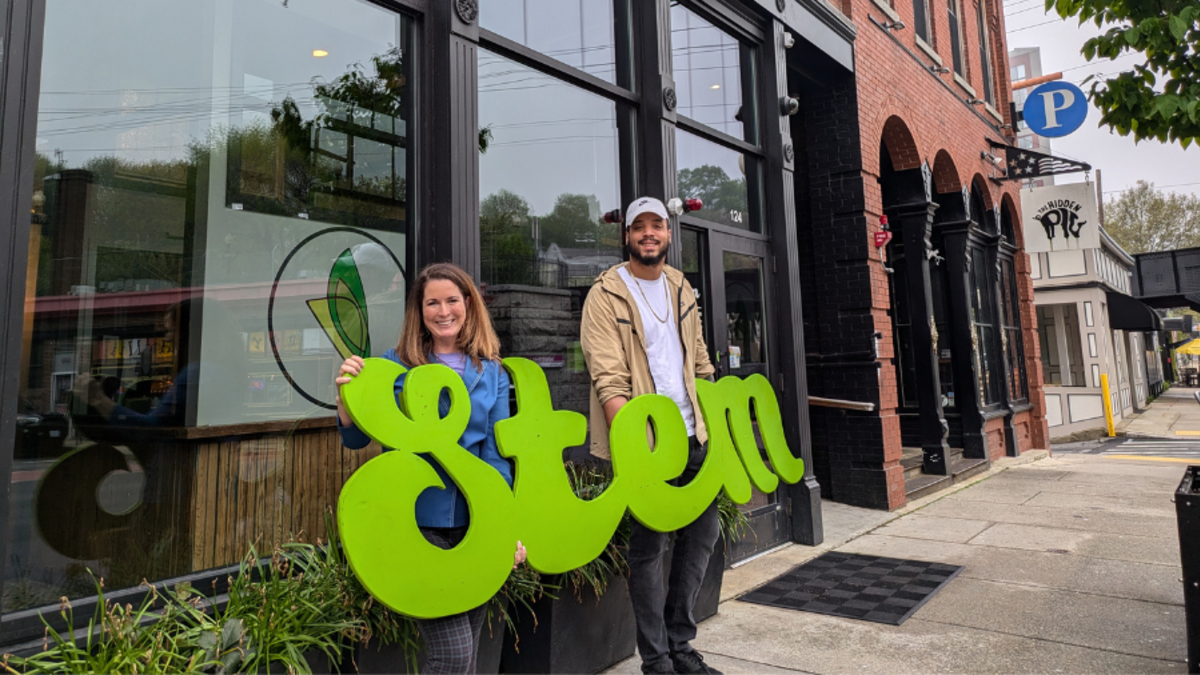
HAVERHILL, Mass. (WBZ NewsRadio) — A cannabis dispensary in Haverhill has major renovations in the works as the city and state develop new social consumption regulations.
Caroline Pineau, the owner of Stem in downtown Haverhill, detailed the plans. The dispensary plans to renovate the empty top two floors of their building, which was built in the Gilded Age.
“This building dates back to 1876 and was one of the only buildings in downtown Haverhill to survive the fire at the turn of the century,” Pineu said, referring to the devastating fire of 1882 that razed most of the city’s downtown. “The city of Haverhill really wants to see these old buildings redeveloped as well, there’s so much rich history, and it’s a shame that they’re not accessible to the general public,” she continued.
Stem plans to turn these floors into a cannabis ‘destination and education center’ that will feature a place for social cannabis use, but also could host cannabis-focused classes, art exhibits, and retreats, to name a few.
Pineau felt that a center like this could soften the stigma that cannabis has socially.
“I think breaking down the stigma of cannabis will be easier under those circumstances,” she said.
The Cannabis Control Commission, the state-level agency that regulates the cannabis industry, has been trying to formalize the rules for so-called ‘cannabis cafes’ for years and could have a final version in place soon.
The renovations, according to Pineau, will cost around a million dollars, but Stem is receiving part of the funds from a state government grant. Construction is set to start in the next few weeks and will be ready to be unveiled early next year.
With the national cannabis industry projected to soar from $44 billion to $76 billion by 2030, Kentucky is now seeing the rise of a new legal practice area — one focused on expertly guiding businesses through the complex regulatory landscape of producing, processing, dispensing, and prescribing cannabis.
In March 2023, Gov. Andy Beshear signed Senate Bill 47, which legalized medical cannabis effective Jan. 1 this year. Kentucky joins 39 states with medical marijuana (24 states have legalized recreational cannabis) and across the commonwealth, businesses are cropping up to serve this new and now permissible demand.
Kentucky’s Office of Medical Cannabis within the Cabinet for Health and Family Services is implementing and administering the commonwealth’s Medical Cannabis Program. By last spring, the OMC had posted 17 regulations by which businesses and registered cardholders must abide.
Headshots by Gary Barragan
At Dentons Louisville law office, Partner Arin Aragona has worked with medical cannabis issues for nearly a decade, having previously worked as general counsel for a private equity firm that invested substantially in medical and adult-use cannabis markets nationwide.
Dentons, which established its Kentucky Cannabis Practice Group in 2023, assisted 400 people with applying for licenses during the lottery process last fall and is helping others challenge declined licenses or sell their license to other entities, Aragona said.
He finds the bulk of his clientele in the operator realm — those who are cultivators, processors, dispensaries, and run safety-compliance facilities.
The dawn of this strictly regulated and potentially profitable era in Kentucky’s history is bringing new clients to area law firms.
Bradley Clark, managing attorney for KY Cannabis Law Group in Lexington, is a prime example, marketing his firm precisely for cannabis matters.
Throughout his years as a trial attorney, Clark often felt that the system was broken when it came to prosecuting minor marijuana offenses. On the day Senate Bill 47 passed, he was working at a regional firm and knew he wanted to delve deeper into this area of law.
“When Kentucky finally passed medical cannabis legislation in early 2023, I’m pretty sure I had my cannabis law website up before the governor even signed the bill,” he said.
Now in solo practice for the past year or so, Clark represents about 20 licensees across all sectors — dispensaries, cultivators and processors — with some under contract to sell and newcomers consistently signing up.
Overwhelming demand
Other Kentucky law firms have been watching the process unfold with interest and are welcoming clients seeking to dip their toes into the medical cannabis pool.
Nearly 5,000 people applied for the 74 available medical cannabis business licenses last year, which were awarded to cultivators, processors, and dispensaries through a lottery system. Some clients who were unsuccessful are still seeking to acquire licensure.
Other clients are pursuing specific locations in Kentucky municipalities that have authorized medical cannabis operations. Questions come from both employers and healthcare providers seeking legal advice regarding compliance with new laws.
There are many issues to sort through early in the process.
“Prior to beginning operations, cannabis companies need to get local land use approval and — depending on the municipality — local licenses and approvals,” Aragona said. “They also need assistance with ensuring that the build out, equipment, packaging and labeling, advertising, employees, products, and standard operating procedures comply with state cannabis laws and are structured in the most tax and cost-efficient manners. We are seeing these same trends in legal needs from cannabis companies entering the Kentucky market.”
Aragona said Kentucky has the benefit of learning from the example of other states that legalized medical cannabis a decade or so ago and have worked out some kinks.
“Unlike when the first states legalized medical cannabis, there are recognized best regulatory practices and resources — such as CANNRA, the cannabis regulators association — for state regulators,” he said. “Kentucky has done a good job learning from other states and adopting regulatory best practices.”
By last fall, the first medical cannabis business licenses were being awarded to cultivators and processors.
Expertise in adjacent sectors helps
Stephen Amato is a member of McBrayer PLLC, a firm that has represented clients in other highly regulated industries, including alcoholic beverages and hemp production.
The firm began helping clients prepare for the licensing phase that began last fall once SB 47 passed and updated information as administrative regulations were approved. Speed to market was a priority, so it was important to be able to quickly advise clients about what they needed to do to qualify.
“There was an ever-increasing frequency of inquiries about the application process starting in early 2024, peaking in mid-summer when the application process got underway,” Amato said.
Interest stemmed not only from in-state entrepreneurs and startups but also existing, sophisticated out-of-state medical cannabis operators.
Amato said cultivators seek help with issues like infrastructure development, real estate, land use and corporate work, and even healthcare providers have had questions about eligibility to prescribe, insurance reimbursement and other regulations.
“Our clients hope that by the end of 2025, there will be some cannabis already grown, harvested and processed,” he said. “However, in order to get those products to the patients who need them, the dispensaries must be stood up and ready to operate.”
Issue impacts a wide range of business sectors
Stites and Harbison now has a medical cannabis team that includes member/partner Jennifer J. Cave, who was appointed by Beshear to the Team Kentucky Medical Cannabis Advisory Committee in 2022. The panel held town hall meetings across Kentucky to solicit public comments from residents, healthcare providers, advocacy groups and local officials about the legalization issue.
She said that most of the speakers at the gatherings supported the legalization of medical cannabis, sharing powerful and emotional stories. Residents spoke about their need for access to treatment for a range of conditions, including children with epilepsy, veterans with PTSD, and adults living with multiple sclerosis, cancer and chronic pain.
Stites & Harbison’s Hemp and Medical Cannabis Team has attorneys with experience in several areas that come up in medical cannabis law, including real estate, employment, healthcare, planning/zoning, corporate, mergers and acquisitions, construction, banking, tax, regulatory compliance, litigation and environmental law.
“Last year, most of our work centered around the licensing process and the state licensing lottery,” Cave said. “More recently, our work has focused on real estate, corporate, healthcare, employment, mergers and acquisitions, and regulatory compliance issues.”
Helping clients understand Kentucky laws
Firms with multistate practices are familiar with cannabis business needs.
Frost Brown Todd Partner Nolan Jackson, who is based in Washington, D.C., has been assisting medical cannabis clients in Kentucky since 2022 and has been working with hemp and hemp products clients since 2016. His clients include growers, manufacturers, processors, distributors, retailers, brands, financial institutions, medical providers and more.
Much of Jackson’s legal work involving cannabis surrounds legal distinctions between hemp and marijuana and educating lawmakers, law enforcement, and regulatory officials about these differences.
Jackson closely followed Kentucky’s medical cannabis laws through passage and regulations approval the past couple years, and since 2024 has helped clients understand license types, changing licensed locations, potentially selling licenses and maintaining compliance.
With roughly 50% of his medical cannabis-related client load being dispensaries, Jackson has helped clients understand the details of the state’s medical cannabis program, including cardholder eligibility, licensure and compliance, assisting others with license applications and the lottery process, and most recently giving advice on a number business and legal operational issues that medical cannabis businesses face.
Jackson believes the state is well on the way to its first dispensaries opening their doors.
“In my opinion, we are still several weeks away from plants being harvested and months away from cannabis products being available in dispensaries,” he said in April. “The state has moved quickly, but the total process from seed to sale takes time. The state has said it hopes that there will be sales by the end of the year, if not before, and I think that is realistic. In the short term, the focus will be on approving more practitioners, getting people registered as cardholders, and ensuring accessibility and business compliance.”
Clark, of the KY Cannabis Law Group, said he stays busy guiding clients with transactional and regulatory matters as they’re navigating the process, whether it’s sketching blueprints, fundraising, acquiring licenses or selling them.
“It’s buzzing out there,” he said. “We should transition into operational mode soon. Everyone — businesses, media and the public — is super curious and genuinely excited about what’s happening.”
Meeting patient demand
Though he says the process has gone smoothly so far in large part to the OMC’s responsiveness, Amato anticipates a limited cannabis supply to start but says as harvesting and processing matures, increased inventories will follow. It should take up to two years for the industry to fully meet patient demands, he said.
“Additionally, we have worked closely representing the Kentucky Cannabis Industry Alliance to help advance the opportunities and framework for its membership. With that entity having the ability to advocate for its members, we believe it will expedite the solving of any problems that may arise throughout the process,” Amato said.
Cave estimates that sales likely won’t begin until the third or fourth quarter of 2025. Because marijuana is still classified as a Schedule I drug under federal law, all medical cannabis sold to eligible patients in Kentucky must be grown, processed, and packaged within the state. Additionally, businesses regulated under Kentucky’s medical cannabis laws face unique challenges — such as being unable to claim standard IRS business deductions when calculating pre-tax profits.
Some banks remain leery about working with cannabis-related businesses, though some smaller community banks and credit unions have started to do so, she said.
Cave noted that one challenge is Kentucky’s limited list of qualifying medical conditions for obtaining a medical cannabis card. Despite recommendations from the Board of Physicians and Advisors to expand the list, the General Assembly has not taken action.
Other challenges include some criticisms about the lottery process, reported construction delays for cultivators, regulatory issues like the 1,000-foot restriction, and too few practitioner approvals, Jackson said.
Thus far, Clark said it’s been an “absolute privilege” to work in the field of medical cannabis, and with those working to establish the industry in Kentucky, from government officials to business owners.
“The people I’ve met are incredible — passionate, patient-focused, and determined to make this dream happen,” he said. “Usually, as a criminal defense attorney, I’m quick to critique government action. But hats off to the Office of Medical Cannabis. They’ve crafted a transparent, safe and fair system for everyone involved. I’m beyond excited to see what the next few years bring in this booming, vibrant industry.”
Recent research has found that individuals who use cannabis daily or nearly daily tend to have elevated levels of soluble urokinase plasminogen activator receptor (suPAR), a marker of chronic inflammation. In contrast, less frequent cannabis use was not associated with increased levels of this inflammation indicator. The research was published in Psychological Medicine.
Cannabis is a plant genus that includes species such as Cannabis sativa, Cannabis indica, and Cannabis ruderalis. It is widely known for its psychoactive properties, primarily due to compounds called cannabinoids—especially tetrahydrocannabinol (THC). Another major cannabinoid, cannabidiol (CBD), is non-psychoactive and is often used for therapeutic purposes.
Cannabis can be consumed in a variety of forms, including smoking, vaporizing, edibles, and oils. It has a long history of both recreational and medicinal use, with applications in pain relief, anxiety, nausea, and epilepsy. Legal status varies around the world, with some countries fully legalizing it, others permitting only medical use, and many maintaining strict prohibitions.
Long-term or heavy cannabis use has been linked to cognitive impairment, dependence, and mental health issues. More recently, researchers have proposed that frequent cannabis use may contribute to chronic inflammation in the body. This inflammation could in turn play a role in the development of psychosis and other serious mental illnesses associated with cannabis use.
Study author Emmet Power and his colleagues sought to investigate whether cannabis use—particularly daily or near-daily use—is associated with immune system activity and inflammation.
To do this, the researchers examined levels of four biomarkers: interleukin-6 (IL-6), tumor necrosis factor-alpha (TNFα), C-reactive protein (CRP), and soluble urokinase plasminogen activator receptor (suPAR). These markers are involved in immune and inflammatory responses, and elevated levels can indicate infection, chronic inflammation, or increased risk for conditions such as cardiovascular disease, cancer, or sepsis.
The researchers used data from the Avon Longitudinal Study of Parents and Children (ALSPAC), a long-term cohort study that enrolled 14,541 pregnant women living in a specific region of southwest England with expected delivery dates between April 1, 1991, and December 31, 1992. The study initially gathered health-related data from the parents and later continued collecting data from the children themselves.
When the children reached age 24, 3,257 of them were still participating. For the current analysis, the researchers used data from 914 participants in this group. Among them, 22% met criteria for major depressive disorder, 29% for anxiety, and 10% had experienced psychotic symptoms in the previous six months.
Participants provided blood samples, allowing researchers to assess biomarker levels. They also answered a single question about how often they used cannabis and provided additional health and demographic information.
The results showed that just under 5% of participants used cannabis daily, 7% used it weekly or monthly, and 21% reported using it less than once a month. Cannabis use was not associated with IL-6, CRP, or TNFα levels.
However, daily or near-daily cannabis use was strongly associated with elevated suPAR levels. In other words, people who used cannabis frequently tended to have higher levels of this particular marker of inflammation. Less frequent cannabis use did not show this association.
“In summary, our study found that daily/near daily cannabis use is strongly associated with elevated levels of suPAR, a marker of chronic inflammation, at age 24. The relationship between cannabis use and elevated suPAR in particular raise intriguing questions about mechanisms that may underpin the relationship between cannabis exposure; psychotic disorder; and potential roles of frequent cannabis use in oxidative stress, and potential role in chronic diseases in multiple systems,” the study authors concluded.
The study sheds light on the links between cannabis use and immune system activity. However, it should be noted that the design of this study does not allow any causal inferences to be derived from the results.
A Colorado judge has declined to impose new requirements on the state’s cannabis regulator to suss out illicit-market products being sold by licensed marijuana stores.
But the ruling by 2nd Judicial District Judge Jill Dorancy – first reported by Courthouse News service – doesn’t stop a lawsuit brought in March by Mammoth Farms, the state’s largest cultivator, against Colorado’s Marijuana Enforcement Division over claims that the $1.4 billion state market is compromised by illicit product.
As MJBizDaily has reported, Mammoth Farms and its CEO, Justin Trouard, claim to have identified methods by which cannabis grown outside the state and its legally mandated track-and-trace system is entered into retail channels.
The practice is known as “inversion.”
In the company’s March lawsuit and in interviews, Mammoth and Trouard claim that regulators have been unable or unwilling to thwart an alleged “blueprint for laundering marijuana” into regulated sales channels.
As a result, Colorado’s distillate market has been “illegally taken over by synthetic THC from outside” the state, according to Mammoth’s suit.
Regulators’ failure to catch wrongdoers is subsequently causing economic distress for licensed operators who obey the law, the suit alleges.
In addition, the suit claims that the Marijuana Enforcement Division (MED) is failing to test for methylene chloride, a potentially toxic compound that’s used to extract THC from hemp.
To combat this situation, Mammoth filed a lawsuit asking that the MED be ordered to “ramp up testing for black market synthetic THC products.”
But Dorancy declined to take such action in April 30 hearing, Courthouse News Service reported.
Trouard and Mammoth are “requesting better testing, proper tracking, a better way for the state to monitor what’s going on in the marijuana industry,” Dorancy said during the hearing, according to Courthouse News Service.
But, she added, MED appears to be following its own rules.
The suit was still pending as of May 6.
Dorancy has yet to rule on a motion from the state to dismiss the suit entirely.








 Stites and Harbison now has a medical cannabis team that includes member/partner Jennifer J. Cave, who was appointed by Beshear to the Team Kentucky Medical Cannabis Advisory Committee in 2022. The panel held town hall meetings across Kentucky to solicit public comments from residents, healthcare providers, advocacy groups and local officials about the legalization issue.
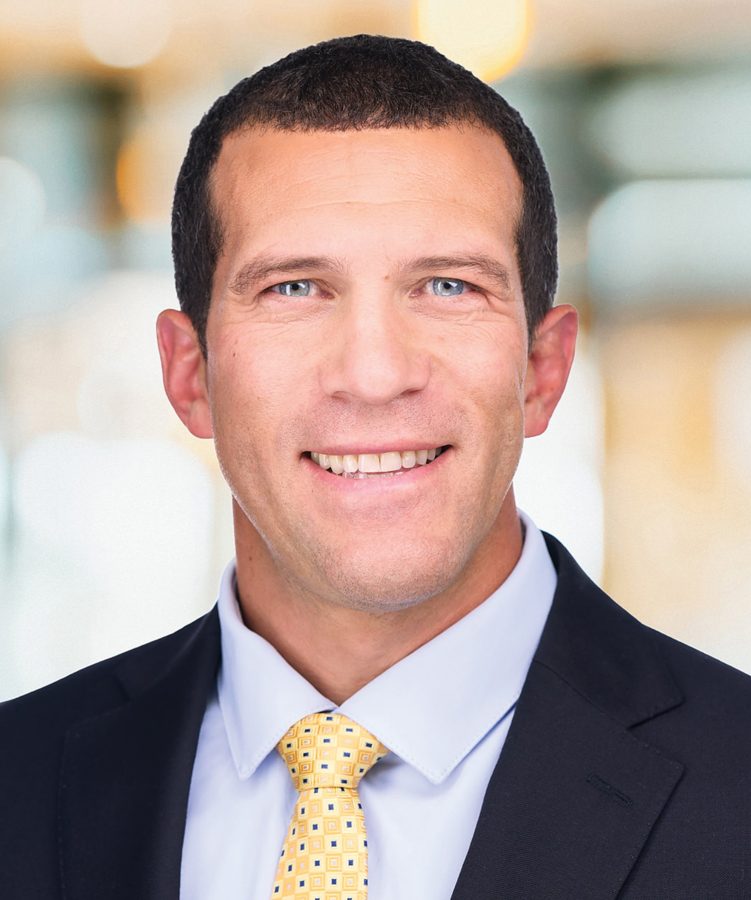
  Frost Brown Todd Partner Nolan Jackson, who is based in Washington, D.C., has been assisting medical cannabis clients in Kentucky since 2022 and has been working with hemp and hemp products clients since 2016. His clients include growers, manufacturers, processors, distributors, retailers, brands, financial institutions, medical providers and more.