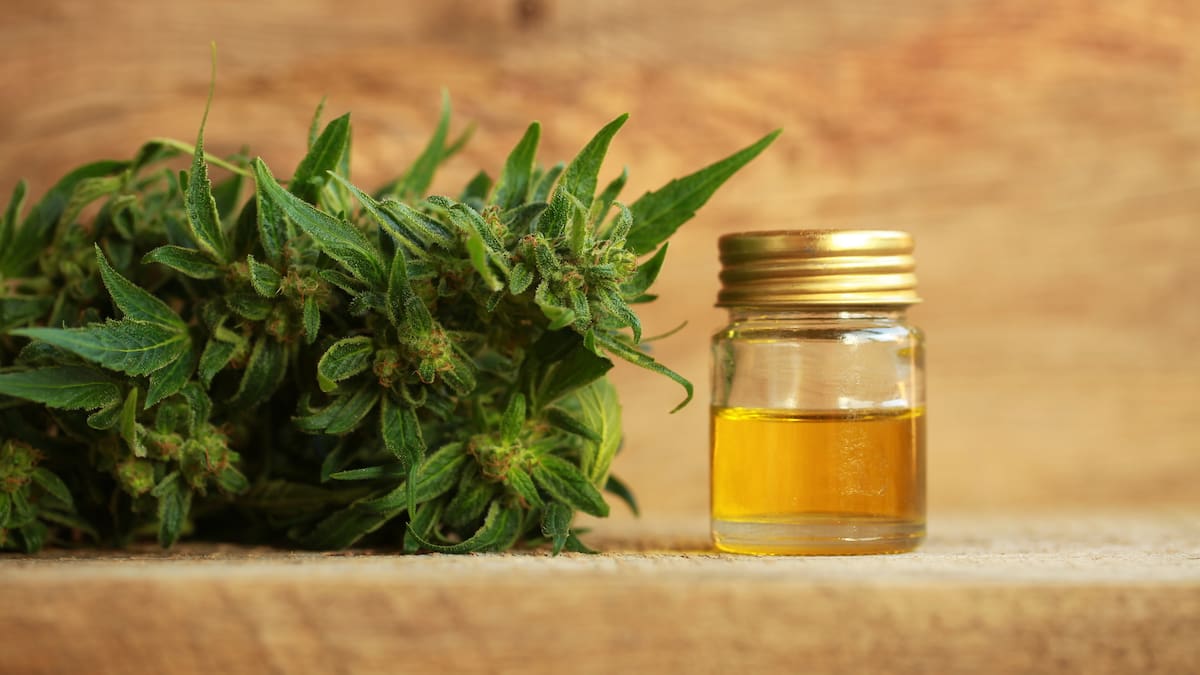
A 54-year-old woman has been arrested and charged after allegedly supplying a cake laced with cannabis to a work shared lunch at Hawke’s Bay Hospital.
Police said the woman was due to appear in court next month.
1News understood hospital staff ate the cake laced with cannabis at a shared lunch and returned to work, where people later started feeling the effects.
1News also understood at least two hospital staff members had to be treated in the emergency department as a result.
Health New Zealand has been tight-lipped on details regarding the incident, but advised no clinical staff or senior medical officers were involved. It said it was assisting with the police investigation.
Earlier in the week, Health Minister Simeon Brown said the incident was “completely unacceptable”.
“No clinical staff were involved, Health New Zealand has taken action and police are investigating to follow through on that as well.
“I think it was mostly administrative staff but, as I said, it doesn’t really matter — it’s unacceptable behaviour.”
Health NZ said said it couldn’t comment further as the matter was now before the courts.
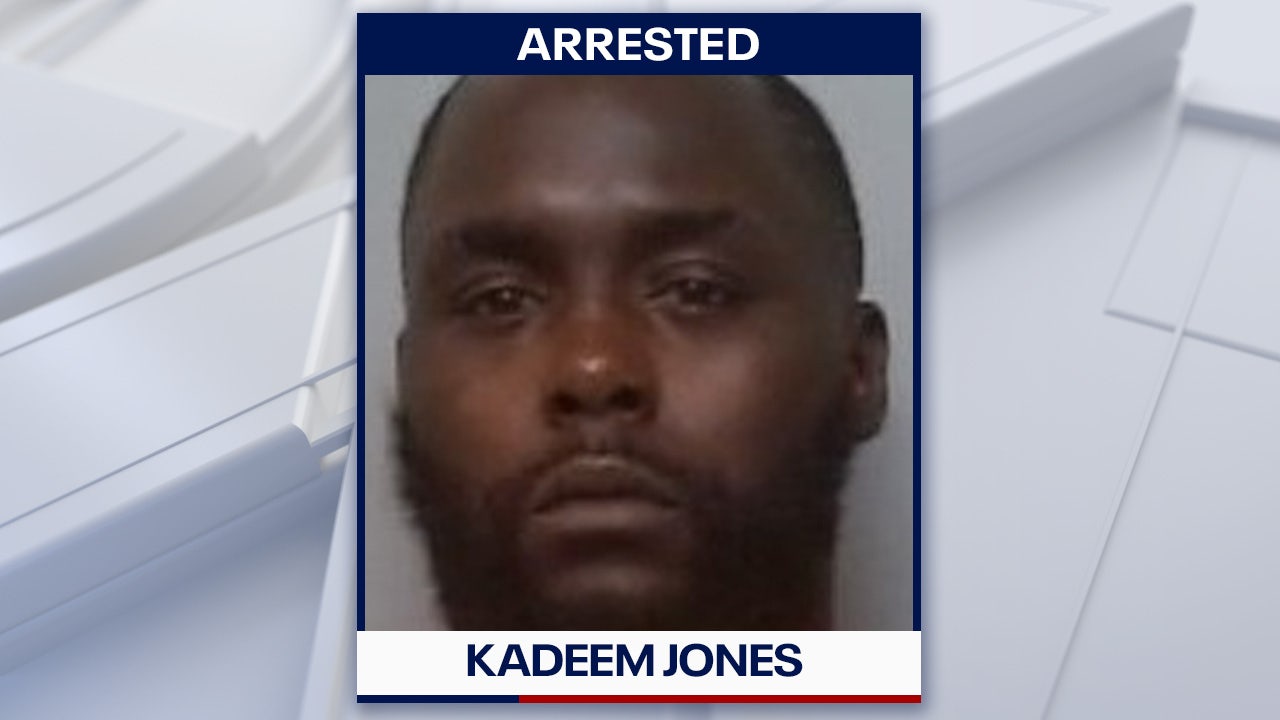
LAKE WALES, Fla. – A now-former employee of a cannabis dispensary in Lake Wales was arrested after police say he stole more than 21 pounds of marijuana before his shift earlier this month.
The backstory:
According to the Lake Wales Police Department, Kadeem Jones entered the GrowHealthy facility before his scheduled shift on July 9 and stole nearly two dozen pounds of marijuana worth $132,833.
Detectives with LWPD said they tried to get surveillance video, but when no action was taken after eight days, they executed a search warrant at the GrowHealthy facility located at 309 South Acuff Road.
After reviewing footage of the incident, officers saw Jones gathering white tubes containing cannabis into a plastic container and putting the container on top of a black tub also containing cannabis.
Courtesy: Polk County Sheriff’s Office
According to LWPD, surveillance footage shows Jones walking out of the building with the tub, placing it into a vehicle and driving away from the facility.
Upon the report, police said Jones was initially identified by Director of Compliance and Security Michael Schower through electronic logs that show where Jones scanned his badge to enter.
His identity was later confirmed by his supervisor, Wyatt Grooms, after reviewing the surveillance footage.
On Thursday, July 17, detectives went to Jones’s home in Dundee and arrested him for possession of cannabis with intent to sell, grand theft greater than $100,000 and possession of drug paraphernalia.
What’s next:
Police say they have not found the missing cannabis and the investigation is still ongoing.
LWPD said it is forwarding the investigation to the Department of Health, which is responsible for licensing businesses to cultivate, process, and dispense medical marijuana to qualified patients.
The Source: This story was written with information provided by the Lake Wales Police Department.
By Sam Reisman ( July 18, 2025, 4:44 PM EDT) — In the first half of 2025, lawsuits taking aim at state hemp restrictions, putative residency criteria in cannabis licensure programs and the federal policy that keeps users and convicted sellers of pot from lawfully owning guns were all briefed in multiple appellate courts across the country….
Law360 is on it, so you are, too.
A Law360 subscription puts you at the center of fast-moving legal issues, trends and developments so you can act with speed and confidence. Over 200 articles are published daily across more than 60 topics, industries, practice areas and jurisdictions.
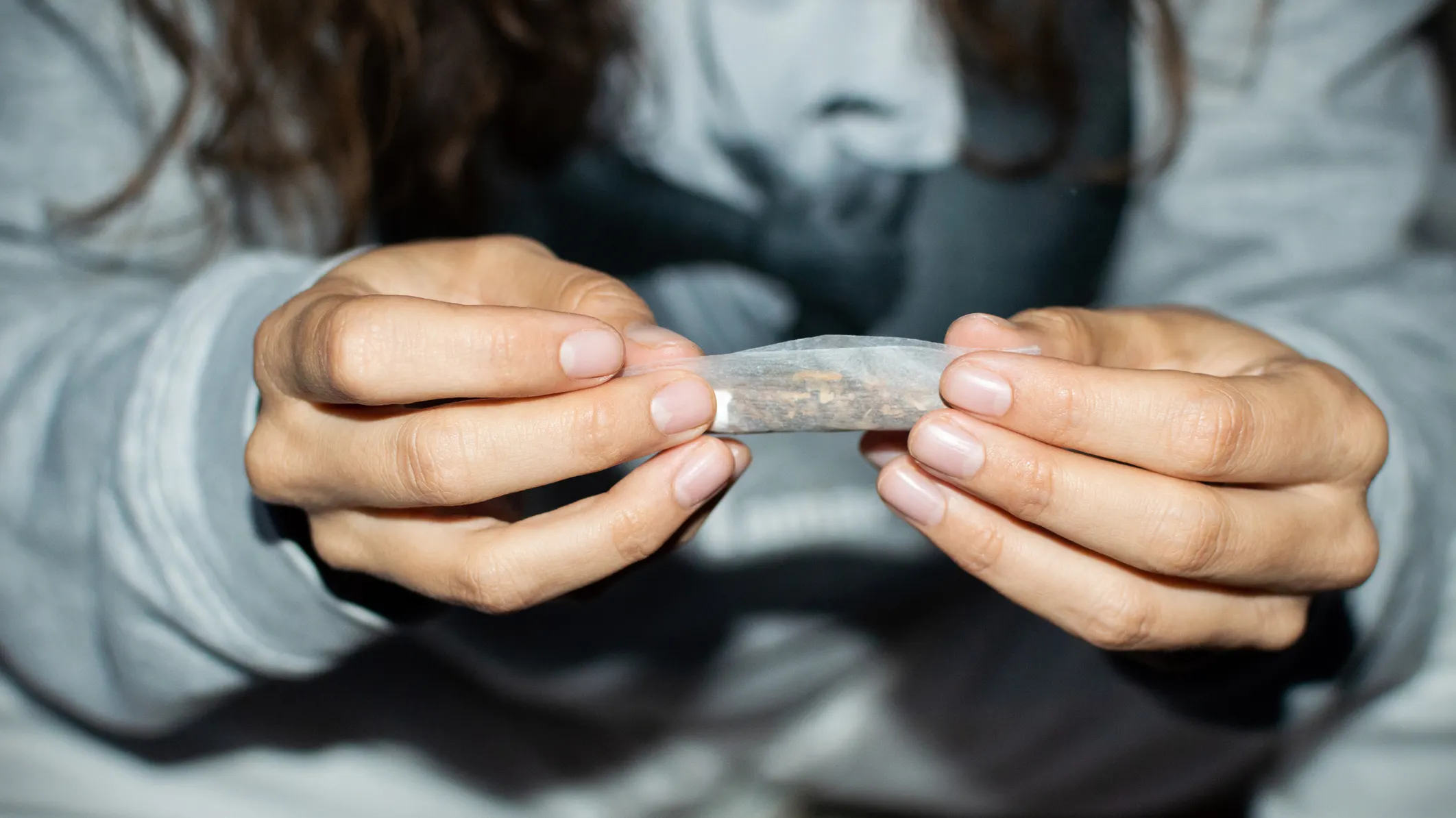
The recreational use of marijuana has become more common in recent years.
But some research has found that consuming cannabis could have negative effects on the body, especially the brain.
A recent French study suggested that cannabis use raises the risk of heart attack and stroke more than cocaine, while a Canadian study found that dementia risk is connected to cannabis-related hospital visits in older individuals.
In an interview with Fox News Digital, Dr. Daniel Amen — psychiatrist, brain imaging specialist and founder of Amen Clinics in California — confirmed that it’s “clear” people who use marijuana have lower blood flow in their brain, according to decades of brain imaging performed at his clinics.
New research has revealed the negative impact of cannabis on the heart and brain.(iStock)
These findings — along with associations between marijuana and heart disease — have been supported by other recent research.
“We’ve been lied to that marijuana is innocuous, that marijuana is good medicine,” Amen said. “And I think for some people, it can be helpful. But teenagers who use it, or people in their 20s, have a higher incidence of anxiety, depression, suicide and psychosis.”
In a new study that compared people who smoked cigarettes with those who smoked marijuana, the marijuana users sustained more lung damage, he mentioned.
“This is just not great for us,” Amen said.
Developing research shows that smoking marijuana is “just not great for us,” according to one brain doctor.(iStock)
Amen noted one of the “horrifying trends” he’s seen is parents who smoke pot with their teens and young adults.
“It just makes me think we’re going the wrong way,” he said.
While some people may argue that alcohol is worse for the body than marijuana, Amen stressed that “neither of them are good for you.”
“Why would you want to consume something that makes your brain older than you are?” he asked.
Parents smoking with their teens or young adults is a “horrifying trend,” the doctor noted.(iStock)
As the brain of a young adult is not fully developed, engaging in cannabis use can set back young people mentally, causing issues like anxiety and depression, Amen cautioned.
“When you start using marijuana, alcohol or other drugs, your development gets arrested,” he said.
“Many people don’t really appreciate how important their brain is when they’re 17, 18, 21 or 23, because it really doesn’t finish developing until you’re 25 or 26,” Amen said. “And if you hurt it early, it might not ever catch up.”
Angelica Stabile is a lifestyle reporter for Fox News Digital.
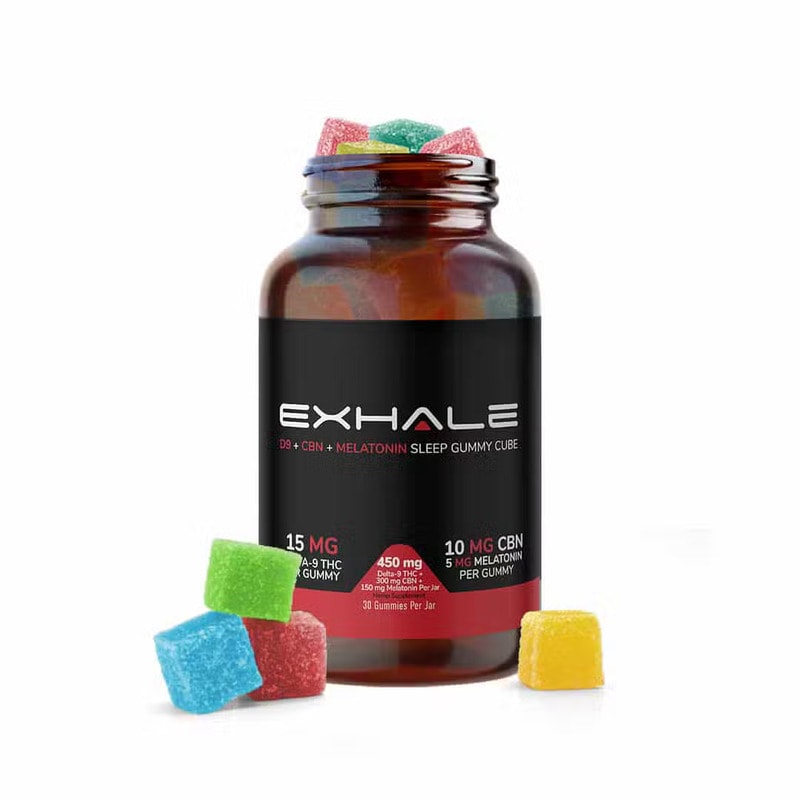
ExhaleWellness introduced its first full-spectrum ‘D9+CBN sleep gummies,’ delivering 450mg THC per 30-count package to address the growing demand for cannabis-based wellness solutions. Each gummy contains 15mg of Delta-9 THC, 10mg of CBN, and 5mg of melatonin, creating a comprehensive sleep support system that targets multiple pathways for rest and recovery. The hemp-derived formula remains federally compliant while positioning the brand at the forefront of the cannabis wellness market, which continues to expand as consumers seek natural alternatives to traditional pharmaceuticals. Third-party lab testing ensures quality and potency standards, addressing consumer safety concerns in the rapidly evolving cannabis space.
This launch reflects the broader trend of wellness brands embracing cannabinoid science to create targeted health solutions that extend beyond recreational use, tapping into the multi-billion-dollar sleep aid market with innovative formulations.
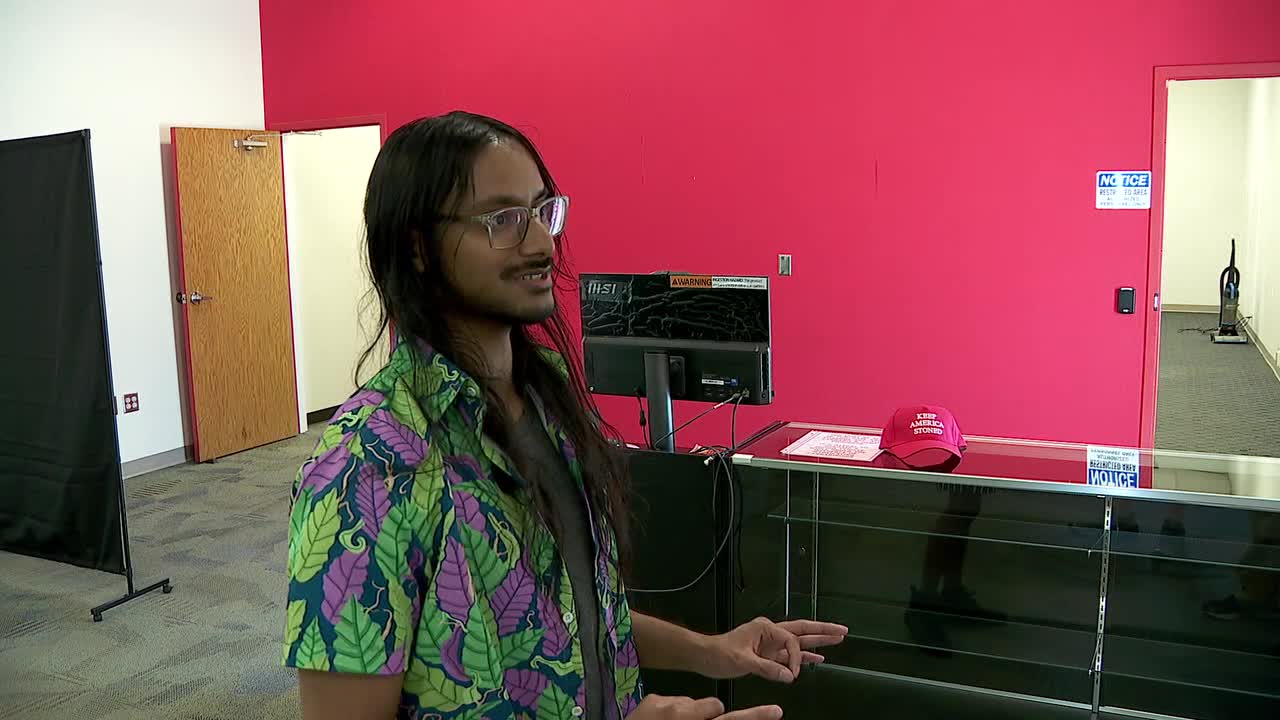
ALBERT LEA, Minn. (FOX 9) – The first retail cannabis shop in Minnesota to pass inspection now has a cannabis retail license, but it will still take time before the Albert Lea shop is open for business.
Jacob Schlichter, owner of Smoking Tree in Albert Lea, could be one of the first in Minnesota to get a license to sell recreational marijuana. FOX 9’s Corin Hoggard caught up with him on Thursday.
First Minnesota cannabis retail licenses
Big picture view:
While the Smoking Tree in Albert Lea is allowed to open immediately, owner Jacob Schlichter says it might take a couple of days or weeks before he has any product to sell.
Schlichter is a social equity microbusiness owner, so he only plans to have one store.
Minnesota has issued four licenses for micro-businesses so far, according to the Minnesota Office of Cannabis Management (OCM).
More than two years after the state legalized recreational cannabis, businesses are finally getting off the ground and, for the first time, they’re ready to open off tribal land.
The Smoking Tree
The backstory:
This was not Schlichter’s original plan, even though he was in the office when Gov. Walz signed legalization into law.
“Actually, I was just happy to be there,” he said.
A friend’s overdose on hard drugs convinced him that legal cannabis could be a better option.
Family and friends talked him into pursuing a business, partly by highlighting the good he could do with the profits, especially if he got in early.
“I think it would be just amazing to go from all the cannabis propaganda that we’ve had for many decades to now people in the cannabis industry are building libraries, building schools, and just overall upgrading their communities,” Schlichter said.
Cannabis business in Minnesota
What’s next:
On Tuesday, July 22, the Minnesota Office of Cannabis Management (OCM) will hold a license lottery for combined general and social equity cannabis retailer license applicants.
In June, the OCM’s cannabis license lottery provided 249 license lottery winners a path toward opening their own dispensaries, with most being social equity applicants previously harmed by marijuana laws.
The winners joined nearly 400 microbusinesses in the final stages of approval that will still need to fulfill final requirements at their city or county levels, as well as have a final inspection by the OCM before opening.
But a reported 527 applicants were still left empty-handed and will look to secure licenses in the second lottery.
Applicants in the lottery can watch for their license application number to be drawn as part of the live lottery feed.
Green Thumb’s Q1 sales rose just 1% to $280M, with retail sales down 2.5% amid price compression.
GTBIF’s margins declined as pricing pressure and rising costs dragged EPS below expectations.
Q2 outlook calls for flat revenues and EBITDA margins staying under 30% amid persistent headwinds.
Despite being one of the largest cannabis operators by market capitalization, shares of Green Thumb Industries (GTBIF – Free Report) have been declining persistently over the past few years due to regulatory hurdles and intensifying competition.
While the company’s top-line growth seems encouraging, profitability remains under pressure from rising costs.
Let’s delve into the company’s fundamentals to gain a better understanding of how to play the stock amid this price decline.
Pricing Pressures on GTBIF’s Operations: A Woe
What sets Green Thumb apart from many peers is its vertically integrated model — cultivating, processing and selling cannabis through its own retail and wholesale operations. However, with 100% of the company’s revenues tied to U.S. markets, it remains highly exposed to domestic regulatory risks, particularly the lack of federal legalization, which continues to restrict access to capital and interstate commerce.
Green Thumb’s first-quarter 2025 top-line numbers rose just 1% year over year to $280 million. While the company’s consumer packaged goods (CPG) business delivered 14% year-over-year growth, the gains were partially offset by a 2.5% decline in retail segment sales due to price compression in existing markets. Sales of comparable stores (open at least 12 months) fell more than 5% during the quarter, reflecting competitive pressure and softer consumer demand.
However, the company’s bottom line painted a more challenging picture. Despite the nearly flat sales, profitability came under strain. Gross profit margins during the quarter were 51.3%, down 80 basis points from the year-ago period’s level due to the pricing compression.
Meanwhile, selling and operating expenses rose 11%, and the company reported a sharply higher effective tax rate of 79% (vs. 51% in the year-ago period). These cost pressures contributed to a significant hit to net income and EPS, with GTBIF missing our consensus estimate.
Looking ahead, we expect Green Thumb to remain under pressure due to persistent pricing compression in maturing markets. Management has already flagged expectations for flat sequential revenue growth in the second quarter and noted that adjusted EBITDA margins are likely to remain below the 30% mark in the near term. While the company continues to prioritize cash flow and prudent cost management, margin expansion could remain elusive without meaningful regulatory reform or a rebound in retail pricing dynamics.
Stiff Competition From Other Cannabis Players
Green Thumb is targeting an overcrowded market. It faces stiff competition from its peers — Aurora Cannabis (ACB – Free Report) , Cresco Labs (CRLBF – Free Report) and Curaleaf Holdings (CURLF – Free Report) — all of which are also pursuing similar expansion and cost-optimization strategies, making the competitive landscape even tougher.
Companies like Aurora Cannabis and Curaleaf Holdings are also expanding their footprints beyond geographic borders, in markets like Europe and Australia. This international exposure gives them an edge over Green Thumb and Cresco Labs, who remain fully dependent on an increasingly saturated and fragmented U.S. market.
GTBIF Stock Performance and Estimates
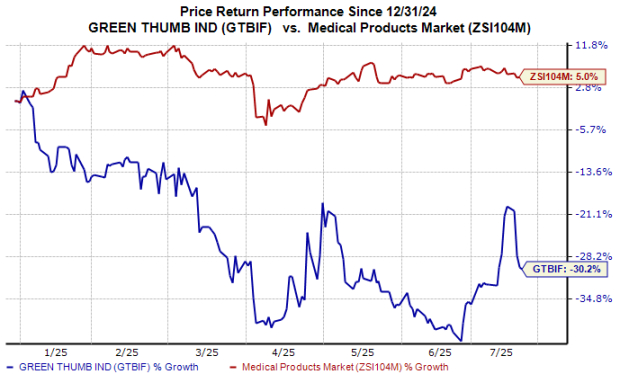
Shares of Green Thumb have declined 30% year to date against the industry’s 5% growth, as shown in the chart below.
Image Source: Zacks Investment Research
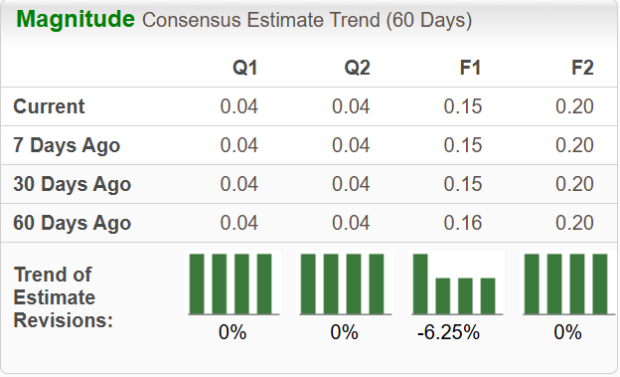
While EPS estimates for 2025 have declined slightly, the same for 2026 have been stable over the past 60 days.
Image Source: Zacks Investment Research
How to Play GTBIF Stock?
While a stable revenue stream and ability to generate free cash flow offer some support for GTBIF stock, the stock remains exposed to significant domestic headwinds. However, the company’s significant exposure to the domestic market, combined with rising costs and margin pressures, continues to strain its financial profile. Without a major shift in federal policy or a recovery in retail pricing, meaningful upside appears limited.
With its earnings trajectory under pressure and no international diversification to help offset domestic headwinds, the investment case for GTBIF remains weak for risk-averse investors. A Zacks Rank #4 (Sell) further reflects that the stock offers limited upside and elevated risk for conservative investors.
Charlotte Web has earned its reputation through rigorous scientific support backing CBD, particularly in addressing anxiety and sleep disorders. Research indicates that cannabidiol (CBD) can interact with neurotransmitters like serotonin, which play crucial roles in mood regulation and sleep patterns. For instance, a study published in Neurotherapeutics suggests CBD’s efficacy as an anxiolytic due to its interaction with the brain’s receptors associated with anxiety relief.
Navigating Through CBD Versus Traditional Medications
When considering treatments for anxiety or sleep disturbances, it is important to understand both their benefits and limitations. Unlike traditional medications that often come with significant side effects such as drowsiness or dependency, Charlotte Web’s gummies offer a natural alternative with minimal adverse effects. This distinction becomes particularly compelling when comparing CBD’s non-psychoactive properties against the potential for tolerance seen in pharmaceutical options.
Demystifying Common Misconceptions About CBD
Misunderstandings about CBD often hinder its acceptance and usage despite growing evidence of its benefits. Charlotte Web addresses these concerns by emphasizing that their products are legal, safe under regulated dosages, and non-addictive. The misconception around legality is particularly pertinent; while some may confuse marijuana-derived cannabis with hemp-derived CBD (like those in Charlotte Web gummies), it’s important to note the latter contains negligible THC levels.
Tips for Choosing Quality CBD Gummies
For consumers aiming to integrate high-quality CBD into their regimen, several factors are crucial. The quality of Charlotte Web’s offerings can be gauged by looking at potency consistency and purity standards achieved through third-party lab testing. Additionally, examining ingredient transparency ensures that users avoid additives or allergens—factors particularly important for maintaining overall health and wellness.
Incorporating CBD Gummies into a Holistic Approach to Sleep
CBD gummies alone are not the sole solution but can be effectively integrated within broader sleep hygiene practices. Charlotte Web advocates combining their products with other techniques like meditation, yoga, and improved sleep environments. This multi-faceted approach can amplify relaxation effects, encouraging more restful nights.
Exploring CBD’s Potential in Addiction Recovery
Another notable area where Charlotte Web’s gummies have shown promise is addiction recovery. Preliminary research suggests that CBD may help reduce cravings and withdrawal symptoms due to its calming properties on the nervous system. Although further studies are needed for conclusive evidence, anecdotal reports highlight their potential role in supporting individuals during challenging phases of relapse prevention.
These carefully selected facets illustrate why Charlotte Web Gummies have garnered trust among consumers seeking natural solutions for anxiety, sleep issues, and overall well-being enhancement. By committing to transparency and leveraging scientific research as a foundation, they continue to solidify their place as a leading brand in the CBD industry.
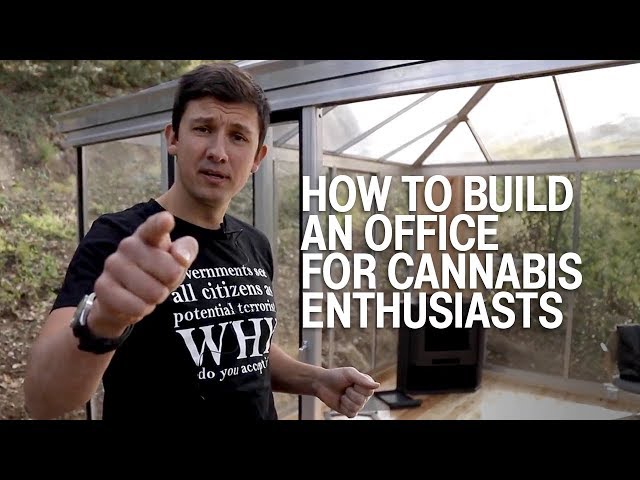
When you live and breathe nature, sustainability, and CBD oil – what makes better sense than to work in nature too?
In this episode, we bring you to the backyard of our CEO Henry’s home where he is setting up the dream Cannabis office.
Do you nature’s only cbd gummies reviews want to know what dose or product will work best for can cbd gummies help pain you, looking for personal experiences using CBD or just more general information about CBD? Join our Facebook community here and connect with our community today! ➡️
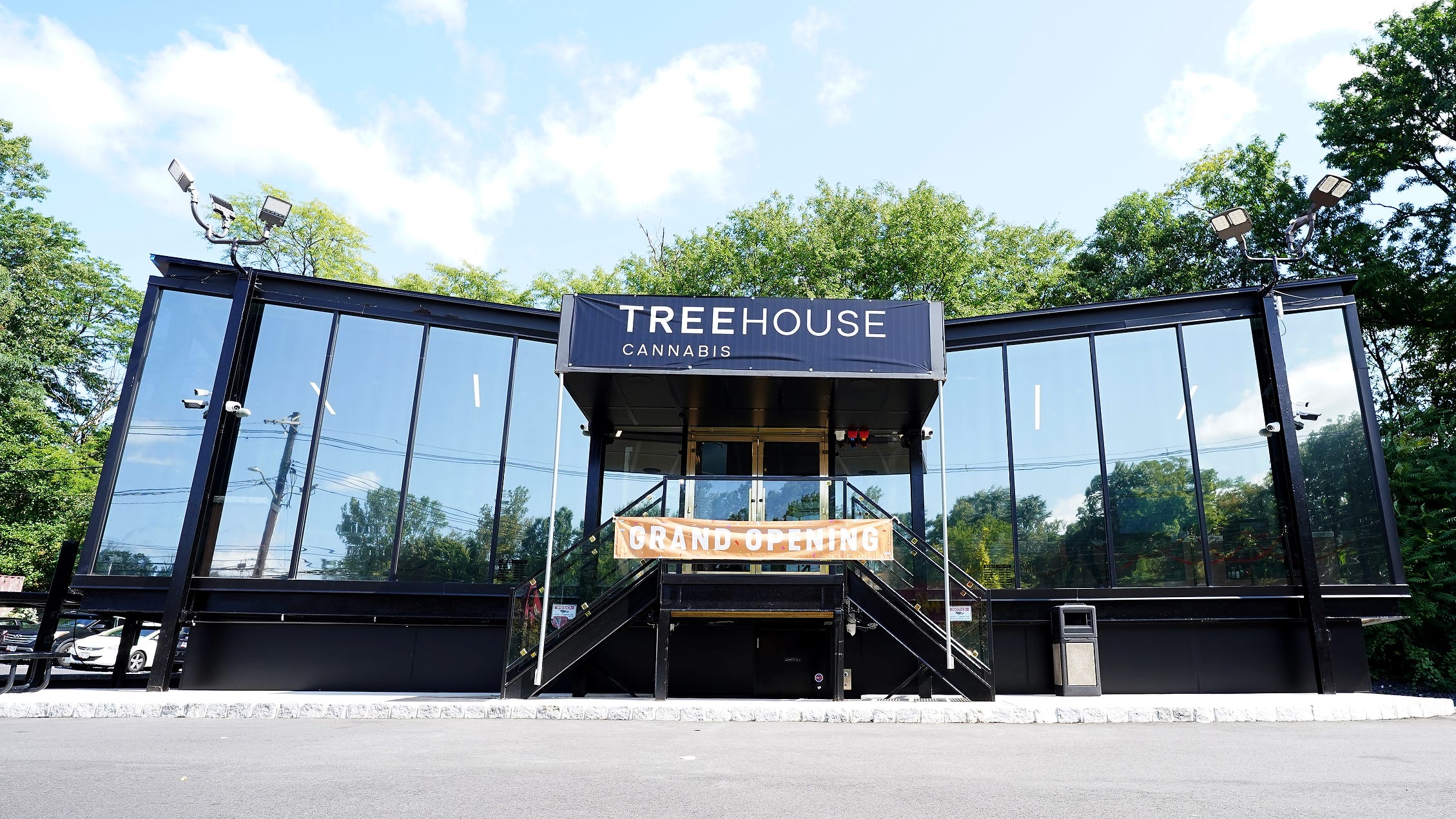
Treehouse Cannabis owner talks opening Rockland’s first pot shop
Treehouse Cannabis owner Seth Marks talks ‘interesting journey’ to opening Rockland’s first legal recreational pot shop.
New York legalized recreational marijuana in 2021 and created the Office of Cannabis Management (OCM).
As of May 2025, 386 of 651 approved recreational dispensaries and 32 medical dispensaries operate statewide.
Adults 21 and older can purchase up to 3 ounces of cannabis daily.
New York’s recreational cannabis industry got off to a rocky start in 2021, with dispensaries slow to open as lawsuits and red tape weighed down the process.
Recreational weed use was legalized via the Marijuana Regulation and Taxation Act, which established the Office of Cannabis Management to regulate the sale of medical and recreational cannabis and hemp.
Four years in, the rules around the sale and use of recreational marijuana in New York are still coming into focus as enforcement and health concerns continue to arise.
Here are the basics of where recreational cannabis is available in New York, who can buy it and how laws around it are being enforced.
How many cannabis dispensaries are operating in NY?
651 “adult-use” (recreational) dispensaries were approved statewide, with 428 dispensaries operating, as of July 10, 2025. There are also 36 medical dispensaries approved.
As of May 1, 17 dispensaries were operating in Westchester, four in Rockland, and none in Putnam.
One must be 21 years of age to purchase recreational cannabis, the same age to purchase alcoholic beverages. There are no age restrictions for participating in the Medical Cannabis Program, although patients under 18 must have a registered, designated caregiver.
How much cannabis can a person purchase in NY?
An individual can purchase up to 3 ounces of cannabis products daily.
There are no limits on the number of dispensaries per community, but there are distance limitations.
In municipalities with a population of 20,000 or more, adult-use dispensaries must be at least 1,000 feet apart, measured in a straight line between the main entrances. In municipalities with fewer than 20,000 people, the distance increases to 2,000 feet.
Applicants may apply to the Cannabis Control Board for waivers for locations that don’t meet the minimum distance requirements. Generally, dispensaries may not be within 500 feet of a school, as defined in New York State Education Law, or a public youth facility, or within 200 feet of a house of worship.
Who enforces NY laws on cannabis dispensaries?
New York’s Office of Cannabis Management operates teams responsible for enforcement and oversight. Its Enforcement and Investigations Team leads efforts against unlicensed, illicit cannabis operations across the state. Its Compliance Team, in conjunction with its Trade Practice Bureau, is responsible for ensuring that licensed cannabis businesses comply with all applicable rules and regulations, including operational standards, product handling, and reporting requirements.
What’s being done about unlicensed cannabis operations in NY?
New York’s cannabis office says illicit cannabis shops remain a serious concern as they undermine licensed dispensaries and pose risks to public health and safety.
The Enforcement and Investigations Team, in conjunction with local law enforcement, is responsible for investigating and taking enforcement action to protect consumers, safeguard public health, and ensure a fair and lawful marketplace for licensed operators. OCM does not have jurisdiction over the legal use of consumption outside of a licensed business. The state Department of Health and local municipalities should be consulted regarding any limitations on smoking or vaping.
Is there a fee or tax to open a dispensary? What’s NY’s share of profits?
New York collects dispensary license fees and taxes on the sale of cannabis.
New York’s Social and Economic Equity program for cannabis dispensaries aims to address the disproportionate impact of past cannabis prohibition on certain communities and individuals. Applications that qualify as advancing social and economic equity pay a 50% reduction in application and license fees.
Type
Amount
Adult-Use Application Fee, per application
$1,000
Adult-Use Retail Dispensary License Fee
$7,000
What are taxes on cannabis in NY, and where does the tax money go?
There’s a retail tax of 13% on all adult-use cannabis product sales, with 9% going to the state and 4% to local municipalities, according to OCM. There’s a wholesale tax of 9% on the sale of cannabis products. These funds go toward education, public health, and enforcement, with 40% reinvested into communities harmed by past cannabis criminalization.
What’s the state of medical marijuana in NY?
In 2016, New York implemented the Medical Cannabis Program. In March 2021, the Marijuana Regulation and Taxation Act amended the program and improved access for medical patients, who must obtain a medical cannabis certification card and a state ID. There are no age restrictions for participating in the Medical Cannabis Program, although patients under 18 must have a registered, designated caregiver.
How many people participate in NY’s Medical Cannabis Program?
As of July 10, 2025, the program had 97,922 registered patients statewide and 4,568 certifying practitioners, according to the state agency.
How do you qualify for NY’s medical marijuana program?
After being approved by a healthcare provider, patients can use their medical cannabis certification, along with a government-issued photo ID, at any licensed medical dispensary to purchase cannabis products.
Licensed practitioners can prescribe controlled substances and are qualified to treat patients after completing an approved educational course.
Steve Lieberman covers government, breaking news, courts, police, and investigations. Reach him at slieberm@lohud.com Twitter: @lohudlegal
Read more articles and bio. Our local coverage is only possible with support from our readers.