

Cannabis in Taiwan 2026: Strict Prohibition, Harsh Penalties
February 22, 2026
Published by toker

Polish pharmacies dispensed nearly 5,450 kilograms of dried cannabis flower in 2025, a 12% increase from the prior year, according to new data obtained by Prohibition Partners. By October, monthly volumes had surpassed the pre-ban peak for the first time, reaching a new all-time high in December.
However, the volume recovery masks a significant structural shift. Full-year revenue fell to approximately 253 million Polish zloty (~€60 million), a decline of roughly 19% from 2024’s peak, driven by accelerating price compression — the average implied price per gram dropped about 28% over the period. In other words, operators are now moving more product for less money.
The data is based on primary-source dispensing records obtained directly from Centrum e-Zdrowia, Poland’s national health data authority, covering 84 months of pharmacy-level activity from January 2019 through December 2025. It is believed to be the most granular Poland cannabis dataset currently available.

In November 2024, Polish authorities required patients to attend in-person consultations for medical cannabis prescriptions, effectively ending the telemedicine-driven model that had fuelled rapid growth. The immediate impact was severe: monthly dispensed volumes collapsed by more than half within weeks.
The recovery took the full year to complete. The first quarter of 2025 was still materially depressed, but volumes accelerated through the remainder of the year.
As Business of Cannabis reported in July, much of the recovery has been shaped by professionalisation. The loosely regulated telemedicine operations that had driven earlier growth have largely been replaced by more structured clinic models — some deploying prescribers to temporary locations in smaller cities, partially recreating the geographic access that telemedicine had provided.
But barriers remain, and the market that emerged from the ban is not the same one that went in.
The structural resilience of patient demand — despite meaningful friction from the prescribing ban — has direct relevance for Germany, Australia and the UK, all of which are navigating questions about how their medical cannabis frameworks would withstand potential tighter regulation.
Poland is now effectively the only major European market where that question has been answered with granular monthly data showing the complete shock-and-recovery cycle. For investors and operators assessing regulatory risk elsewhere, that makes the underlying dataset difficult to replicate.
Prohibition Partners’ full report includes monthly and quarterly breakdowns, multi-year forecasts under bear, base and bull scenarios, and is accompanied by a fully interactive Excel workbook, formula-driven, not static, where buyers can modify assumptions and see the entire model recalculate. The underlying government source data is preserved in the file for independent verification.
The report and data package are available here
The post New Report: Poland Medical Cannabis Market Data Shows Full Post-Ban recovery, With a Catch appeared first on Business of Cannabis.

The French medical cannabis market is now in the very final stage of decision-making before being implemented nationally, as the HAS presented its draft for the pricing and reimbursement strategy earlier this week.
Since the launch of its pilot project in 2021, efforts to expand access beyond the 3000 patients the programme saw at its peak have been a slow and often frustrating battle.
Over the last few months, thanks to a more stable political situation and a willing regulator, that pace has shifted gears and nationalisation is now likely just months away.
Yet, as we race towards the finish line, questions are now being raised by industry stakeholders, clinicians and patient communities over whether the system is being built for patients, or for the institutions that govern them?
During yesterday’s Cannabis Europa Paris 2026, this issue dominated the afternoon’s sessions, with panellists ranging from patients-turned-entrepreneurs, US industry leaders, pharmaceutical scientists and vaping specialists all weighing in to provide a forensic analysis.
The pilot programme was always considered a precursor to the national framework, but was only ever designed as a proof of concept set to last two years. Over multiple extensions, issues with available products and formats began to surface, and the permanent framework has largely carried these over.
A primary concern was the severely limited product range, primarily oils, which fell short of what a mature market requires. Patients need both slow-release and fast-acting formats, and the absence of the latter is not a minor inconvenience. For conditions requiring rapid onset, like acute cancer pain, PTSD, and severe spasticity, waiting 40 minutes for an oil to take effect is clinically unacceptable.
There is no universally superior format, the panel argued. Each delivers a different pharmacokinetic profile suited to different conditions. For instance, sublingual tablets for chronic pain and neurological conditions, inhalation extracts for acute needs, suppositories for IBD. Clinicians need half-life data, Tmax and Cmax profiles for each format to prescribe appropriately.
Later in the day, Helene Klein, who represented a main pilot programme stakeholder throughout the experimentation, offered a revealing assessment of the delays. The officials responsible were not from the pharmaceutical world and were learning as they went.
Their core ambition, she recalled from a private conversation with a DGS official, was to generate data and become the first country to build a proper evidence base for a reimbursed medical cannabis market. This ambition ultimately shaped the entire market, but also led to the multi-year delays.
As we’ve reported recently, France’s omission of traditional flower products from its market will likely help clear hurdles from a regulatory perspective, but there is a good reason the format dominates almost every medical market in which it’s available.
One panel argued flower served a necessary transitional purpose where inhalation extracts are unavailable, but should not be the long-term solution, only 20-30% of flower is active substance, the remainder carrying respiratory unknowns that are unacceptable in a pharmaceutical-grade product.
Inhalation extracts change the calculus. They offer flower’s rapid onset without its risks, but counterintuitively a vape cartridge at 85% THC delivers less THC to the bloodstream than an oil at 2.5%.
VAPESafer Chairman Arnaud Dumas de Rauly stressed that devices and oils must be registered and tested as a combined system, as testing components in isolation tells you nothing about what the patient actually inhales.
The commercial reality remains that France does not yet have these extracts available. As Cantourage CEO Philip Schetter argued, without both inhalation extracts and telemedicine, France risks leaving a significant portion of its potential patient population outside the regulated system. Markets that fail to offer the formats patients demand do not eliminate demand but simply push it underground.
Physician training was identified as the most urgent unresolved issue. France’s RECAN registry gathered useful data in the pilot’s first two years then fell away during the transition period, meaning that despite running three years longer than intended, the evidence base is now thinner than it should be.
Panellists agreed that training needs to be integrated into existing clinical pathways and extended beyond just doctors to nurses, pharmacists, and medical students.
Dr David Tang went further, arguing the entire system needs educating. In the UK, police were treating patients with legal prescriptions as criminals at roadside stops until recently, simply because they had never been briefed on the regulatory change.
The post France’s Medical Cannabis Framework: Built for Patients or for Regulators? appeared first on Business of Cannabis.



Thunder Yuzu Venom nugs display their elite lineage by producing dense, chunky, and incredibly sticky. They are typically a vibrant forest green, often showing off subtle purple hues and a thick, frosty coating of white trichomes. The aroma is where this strain really earns its name. It hits you with a sharp, crisp yuzu citrus scent that is both fruity and sour. This bright top note is perfectly balanced by a deep, woody base and a hint of earthy diesel that lingers in the air, making it an absolute treat for those who love pungent, room-filling scents.
The experience begins with a swift wave of euphoria and cerebral stimulation that lifts your mood and sharpens your senses. You might feel a burst of creative energy or a desire to chat with friends. However, as the high settles, the heavy Northern Lights genetics begin to take hold. A warm, soothing sensation spreads through your limbs, melting away stress and tension. It eventually settles into deep relaxation, perfect for late-night use, leaving you happy, calm, and ready for sleep.
The post Thunder Yuzu Venom Strain Feminized Seeds appeared first on Crop King Seeds.
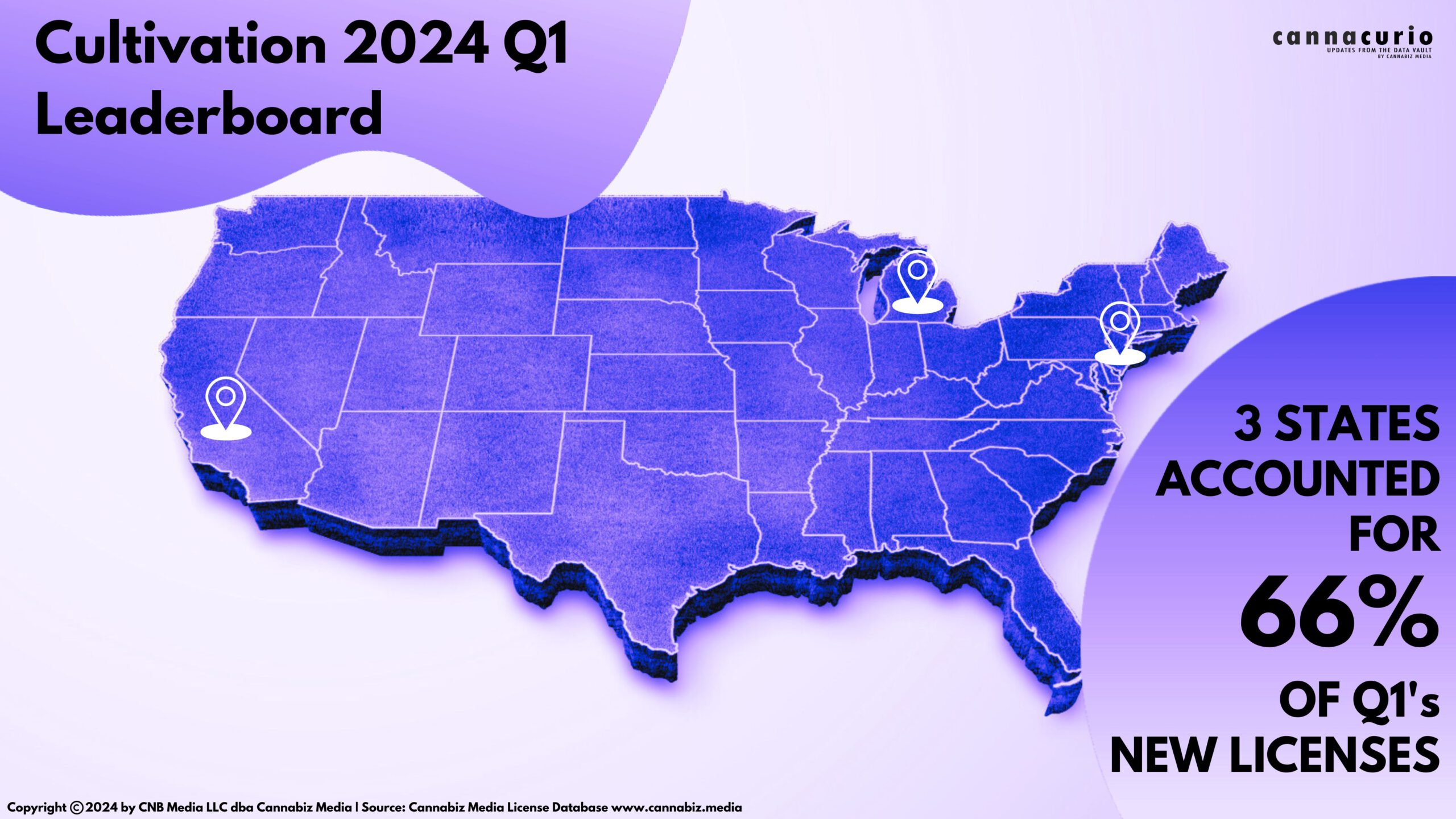
Following up on our recent review of dispensaries and retailers, we now delve into the Q1 2024 cultivation licenses. These “census” snapshots derived from our Cannabiz Business Intelligence platform show where new licenses are being created. As a result of moratoriums and market pressures, the rate of adding new cultivation licenses is down in most jurisdictions. © CNB Media LLC dba Cannabiz Media
Source link


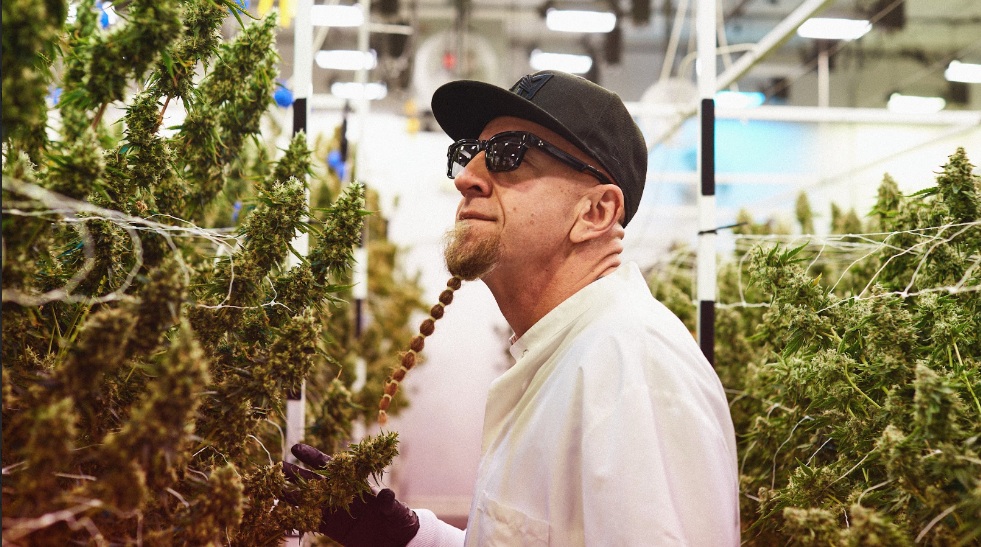
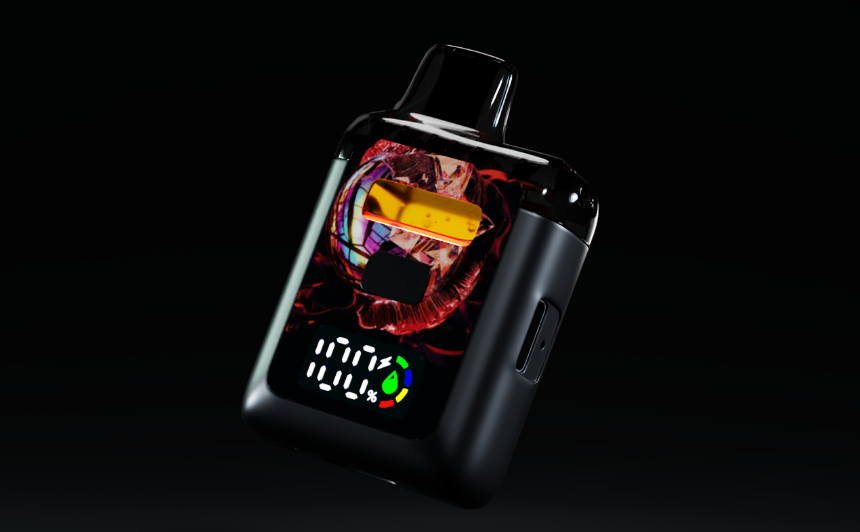
Cannabis brand 22Red—founded by Shavo Odadjian from the band System Of A Down—just introduced an upgraded all-in-one live resin vape built around new low-temperature heating technology designed to preserve terpene flavor and potency while delivering consistently smooth draws.
The device heats fast at ultra-low temps with even heat distribution, avoiding the harsh burn or oxidation that can come with standard hardware. It includes 1G live resin, high-potency, solvent-free extraction, and oil sourced from indoor-grown flower, all focused on delivering strong flavor and a cleaner experience.
The vape’s standout features:
– Illuminated oil tank so users can clearly track remaining oil
– Digital display showing battery life, temperature, and oil level in real time
– Two customizable power modes for tailored heat and draw preference
– Stand-up charging design that keeps oil positioned over the heating element for consistent performance
Find 22Red at these Arizona dispensaries.
The post 22Red Relaunches Next-Gen Live Resin Vape in Arizona appeared first on AZ Marijuana.


